
Eringate-Centennial-West Deane is a quiet northwest Etobicoke family neighbourhood where detached post-war bungalows and backsplits trade between $900,000 and $1,300,000. Centennial Park is at its doorstep, good schools are embedded in the community, and the highway access to Mississauga and the 401 corridor is among the best in the west end.
Eringate-Centennial-West Deane sits in the northwest corner of the part of Etobicoke most buyers would describe as quiet, suburban, and family-oriented. Its boundaries run roughly from Bloor Street West to the north, Renforth Drive to the west, Burnhamthorpe Road to the south, and Kipling Avenue to the east. Centennial Park is its defining landmark: a large multi-sport complex with soccer fields, a ski hill, a stadium, and enough open space to feel genuinely expansive in a city where that is rare. The neighbourhood was built to match that park: post-war residential streets with consistent lot sizes, brick bungalows and backsplits, mature trees, and a pace of daily life that reflects the families who have lived here for decades.
The three names in the official designation refer to slightly different geographic sections that function as a single residential community from a buyer’s perspective. Eringate covers the streets around Eringate Drive and the approaches to Centennial Park. Centennial, as the name suggests, includes streets near the park itself. West Deane follows the West Deane Park ravine corridor. None of these sub-sections has dramatic character differences from the others, which makes the neighbourhood easier to navigate than the three-name designation implies.
What buyers find here is a settled residential neighbourhood that has not been heavily marketed or dramatically gentrified. The people who live here have typically been here for a long time, or they have arrived from other parts of Etobicoke wanting the same kind of quiet. It is not a neighbourhood building a new identity. It already has one, and it suits buyers who want a functional, quiet, west-end family home with highway access and a good-sized park at the end of the street.
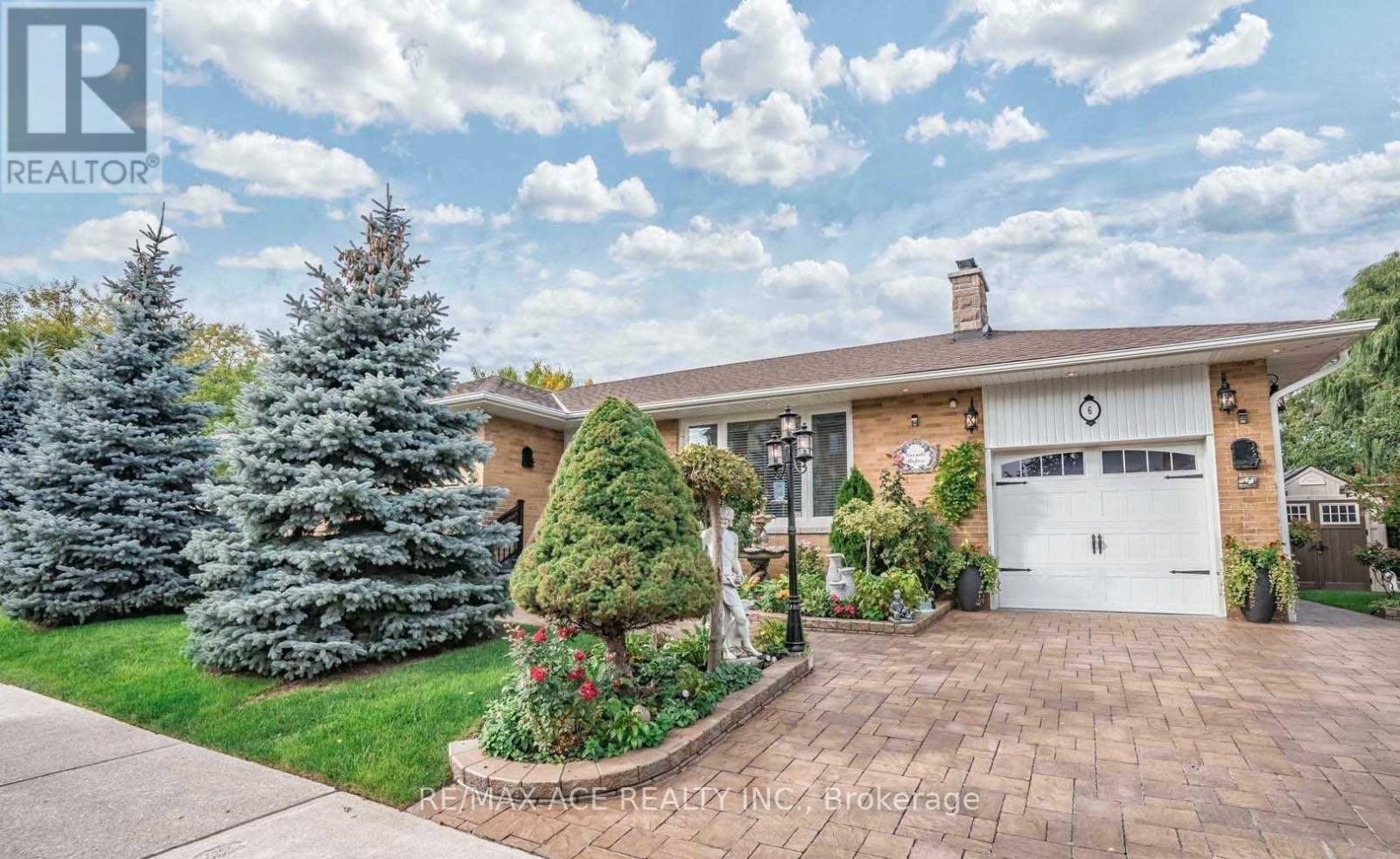
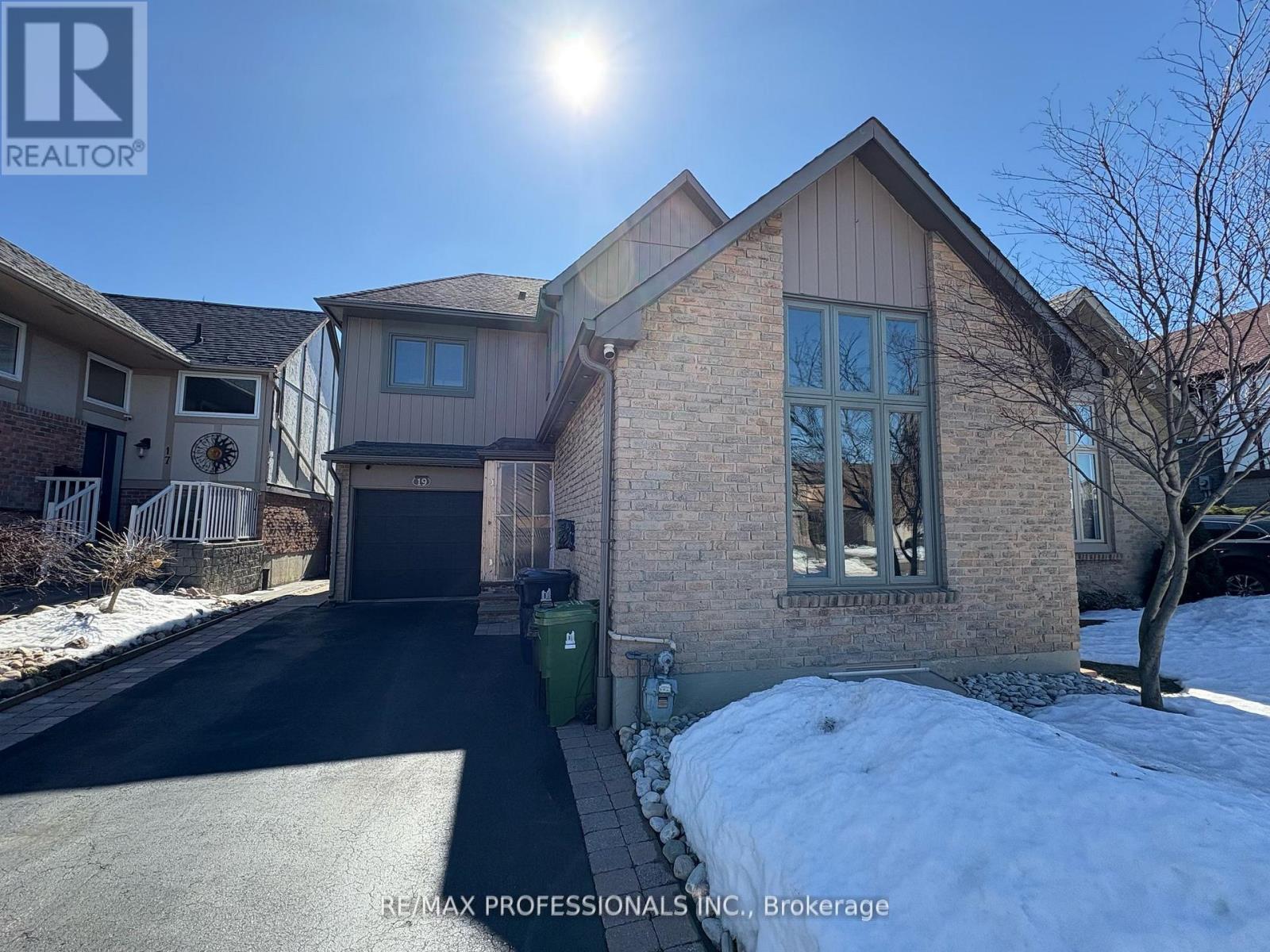
The housing stock is almost entirely post-war detached: bungalows and backsplits from the 1950s and 1960s, with some two-storey detached houses built in later decades as the neighbourhood filled in. Semi-detached houses exist but are a small portion of the stock. Lots run 50 to 60 feet wide in most of the neighbourhood, which is generous by Toronto standards, and the rear yards are functional with enough depth for gardens and outdoor use. The bungalow format means many owners have added second floors or rear additions over the decades, and a good proportion of the housing stock has been expanded beyond its original footprint.
Prices in 2026 run from approximately $900,000 to $1,300,000 for detached properties. The lower end represents unrenovated bungalows on standard lots. The upper end reflects two-storey detached houses or well-renovated larger bungalows on desirable streets near Centennial Park. Fully renovated homes with updated kitchens, good basement space, and attractive presentation push through the top of that range in competitive spring markets. The neighbourhood does not have the kind of premium that comes from proximity to a trendy commercial strip or a fashionable reputation, which means the price represents genuine house and land value rather than a brand premium.
New construction and significant infill are limited. The residential fabric here is stable and does not produce many teardown and rebuild opportunities, partly because the existing houses are solid enough that teardown is rarely the obvious economic choice, and partly because the neighbourhood’s quiet character does not attract the design-focused buyers who drive that market elsewhere. Buyers looking for a renovation project find good opportunities in unrenovated bungalows, which exist throughout the neighbourhood and offer real equity creation potential for those willing to do the work.
The market here follows the Etobicoke freehold pattern closely, without the specific quirks that come with transit-adjacent or waterfront-adjacent neighbourhoods. Demand is driven by families who want a specific housing type at a specific price, and that demand is consistent enough to keep the market stable through most conditions. The neighbourhood does not heat up dramatically in competitive markets or drop dramatically in weak ones, because the buyer pool is not speculative. People come here to live, not to flip.
Days on market in this neighbourhood are relatively short for move-in-ready properties. The buyers looking here are often coming from other parts of Etobicoke or from further afield in the Toronto suburbs, and they have typically been searching long enough to act quickly when the right house appears. Unrenovated properties sit longer because the renovation-ready buyer pool is narrower than the move-in-ready buyer pool, particularly at price points where buyers are already stretching.
The upper end of the market, approaching $1,300,000, is more sensitive to interest rate conditions than the middle of the range. At that price, buyers have alternatives: they could look at Markland Wood to the south, at Bloor West Village stretching west, or at parts of Mississauga at the border. Competition at the top of the range is therefore less consistent than competition in the $900,000 to $1,100,000 band, where the specific product on offer in this neighbourhood is hard to match anywhere else in the west end at a comparable price. That mid-range segment has historically been the most active and the most stable.
Families are overwhelmingly the buyer group here. Specifically, families who want a large yard, a quiet street, good schools, access to a major park, and a detached house in Toronto without paying the premium that the same thing costs closer to the downtown core. These buyers have typically made a deliberate decision to prioritise house and land over neighbourhood buzz, and they find what they are looking for consistently in Eringate-Centennial-West Deane.
A second group of buyers consists of people who grew up in Etobicoke and are returning to the area where they were raised, often after years in rental housing or in a condo. The neighbourhood has the kind of established community feel that is difficult to find in newer or more transitional areas, and buyers who value that kind of social continuity are drawn to it. Long-term residents are not unusual here, and the turnover rate is lower than in neighbourhoods with younger, more transient populations.
Highway-centric commuters also choose this neighbourhood deliberately. Access to Highways 427, 401, and the QEW is genuinely good from Eringate-Centennial-West Deane, and buyers who drive to Mississauga, Brampton, or the Pearson airport corridor for work find that the location competes well with comparable houses on the Mississauga side of the border, often at a lower price and with a Toronto address. This group is willing to accept bus-dependent transit because their commute is by car anyway, and they use the savings on transit to drive.
The streets closest to Centennial Park carry a premium because of their direct access to the park’s green space and facilities. Eringate Drive and the streets immediately surrounding it are the most park-adjacent. Houses here get the open space without paying for waterfront, and on summer evenings the access to the park grounds is a genuine daily benefit. Buyers who use the park regularly, for soccer, cycling, or the ski hill in winter, find the proximity matters more than the address.
West Deane Park and its ravine corridor create a second desirable pocket. Streets backing onto the West Deane ravine have the combination of rear green space and relatively quiet residential character that commands a modest premium in this neighbourhood. The ravine trail connects through to Etobicoke Creek further south and provides recreational access that enhances the residential character of the adjacent streets without generating the buyer frenzy that ravine-backing lots produce in more fashionable neighbourhoods.
The streets around Burnhamthorpe Road and the Renforth Drive corridor are more car-dependent and feel more suburban in character. There is nothing wrong with these streets, and the houses on them are solid and well-maintained. They simply lack the park adjacency or ravine access that differentiates the more desirable pockets to the north and east within the neighbourhood. Buyers with a strict price ceiling and flexibility on exact location often find the best value on these southern and western streets, where price is the most competitive relative to house quality.
This neighbourhood is bus-dependent for transit, and buyers should understand what that means practically before committing. The closest subway station is Kipling, roughly a 10 to 15 minute bus ride east on Burnhamthorpe Road or Bloor Street. The TTC bus service is functional but not frequent enough to make transit feel effortless. Commuting downtown by transit from Eringate-Centennial-West Deane is possible but involves a bus leg followed by a 30-minute subway ride, putting downtown roughly 55 to 70 minutes away on a typical day. This is not a transit-first neighbourhood.
Driving is where the neighbourhood performs well. Highway 427 is accessible within 10 minutes via several routes, connecting to the Gardiner Expressway and the 401. The QEW heading toward Mississauga and Hamilton is similarly accessible from the south. For buyers driving to Mississauga, Brampton, Pearson airport, or the suburban office corridors off the 401, the location is genuinely competitive. The Gardiner connection means downtown by car takes 20 to 25 minutes outside peak hours. During peak hours, the highway is typically congested and the transit option becomes more appealing despite its limitations.
Cycling is pleasant on the neighbourhood’s internal streets and the West Deane ravine trail, but destinations outside the neighbourhood require navigating arterials that are not particularly bike-friendly. Centennial Park has cycling paths within its grounds, making it a pleasant recreational cycling destination. For transportation cycling to work or daily errands, most residents do not rely on it. Car ownership is essentially universal in this neighbourhood, and planning to live here without one would be uncomfortable.
Centennial Park is the defining green space amenity of this neighbourhood, and it is substantial. The park covers over 200 hectares and includes soccer fields, a full-size outdoor stadium (Centennial Park Stadium), a ski hill with a chairlift, a cycling circuit, a greenhouse complex, an outdoor pool, a golf driving range, and extensive open grass areas used year-round. For families with children who are active in multiple sports, having this facility within walking distance of home is a genuine quality-of-life advantage. The park is busy on weekends and during the summer, but large enough that it absorbs use without feeling overcrowded.
West Deane Park follows the ravine corridor along Etobicoke Creek, providing a quieter, more naturalistic green space for residents in the eastern part of the neighbourhood. The trail through the ravine connects south toward the creek valley network and provides a walking and cycling option that does not involve arterial roads. The ravine backing on certain streets means residents can step directly from their rear yards into the trail, which is a significant amenity for families with children or dogs.
Smaller neighbourhood parks are distributed through the residential streets and serve as local gathering points. The overall park coverage in Eringate-Centennial-West Deane is among the best of any Etobicoke neighbourhood, largely because Centennial Park is so large. Buyers who prioritise regular, walkable access to green space will find this neighbourhood genuinely competes with anywhere in the city on that criterion. It is a point of distinction that often surprises buyers arriving from the inner city who expect suburbs to mean limited park access.
Retail in this neighbourhood is car-oriented and workmanlike. The commercial strips along Burnhamthorpe Road and the Kipling and Renforth corridors provide the basics: grocery stores, pharmacies, banks, and the service businesses a family neighbourhood requires. There is nothing distinctive or destination-worthy about the retail here, and residents who want restaurant variety or independent retail typically drive to Sherway Gardens (10 minutes), the Queensway corridor, or into the Bloor West Village strip.
The Centennial Park greenhouse complex sells seasonal plants and is a local draw in spring. There is a Tim Hortons near the park entrance that functions as a neighbourhood gathering point for parents and minor sports families on weekend mornings. These are minor notes but they say something true about the neighbourhood: it is built around residential and recreational life rather than commercial or cultural life, and the retail reflects that.
For major shopping, Sherway Gardens is the most accessible option and covers the full range. Grocery shopping is handled by stores in the adjacent commercial plazas, including a Loblaws and No Frills within reasonable driving distance. Etobicoke General Hospital is accessible in under 15 minutes for medical emergencies. Dental and medical clinics are present along the commercial corridors. The neighbourhood is not underserved for basic needs, but buyers arriving from more urban addresses should calibrate their expectations: this is a car-to-everything commercial environment, and walking to a cafe or a restaurant is not part of daily life here.
Schools are a genuine strength of this neighbourhood and one of the reasons families consistently choose it. The public elementary schools in the area have good reputations and stable enrolment from an involved parent community. Centennial Park Junior School and Burnhamthorpe Junior School serve the younger grades, and both have benefited from the stable, long-term owner-occupant community that surrounds them. John G. Althouse Middle School handles the intermediate years and is a well-regarded option in the TDSB system.
Secondary students in the public system typically attend Burnhamthorpe Collegiate Institute or Etobicoke Collegiate Institute, both of which offer the standard Ontario curriculum with some specialised program options. Etobicoke Collegiate has a particularly long-established reputation and draws students from across the west end of the city. The Catholic system is served by local elementaries and by Father Henry Carr Catholic Secondary School on Kipling, which has consistently strong programming and a reputation that extends well beyond the immediate neighbourhood.
French immersion availability in this part of Etobicoke has improved, and the TDSB has been expanding access across the board. Buyers for whom French immersion is a priority should confirm current boundary details directly with the school board before purchasing, as the catchment areas for immersion programs can shift and do not always align neatly with the general neighbourhood boundaries. Private school options are accessible via the Bloor corridor, though most families in this neighbourhood use the public or Catholic system and are satisfied with what they find there. The overall school situation in Eringate-Centennial-West Deane is genuinely good, and it is not an accident that families consistently cite schools as one of their reasons for choosing the neighbourhood.
Eringate-Centennial-West Deane is one of the more stable neighbourhoods in Etobicoke from a development perspective, which is either a strength or a limitation depending on what a buyer is looking for. The established residential character has not been subject to significant redevelopment pressure, and the City of Toronto’s neighbourhood protection policies make dramatic change in the low-rise residential fabric unlikely. Infill is present in the form of occasional two-storey custom builds on existing lots, but there is no systematic teardown-and-rebuild wave in the way that some more fashionable Toronto neighbourhoods have experienced.
The Renforth Drive and Burnhamthorpe Road corridors are somewhat more exposed to commercial and mixed-use planning applications, given their arterial character. Some development applications have been filed along these edges, and the City’s transit-oriented development framework encourages greater density near bus routes even in the absence of rapid transit. This is more relevant as future context than as a current concern: the residential streets at the heart of the neighbourhood are well-insulated from this kind of pressure.
Centennial Park itself has been the subject of ongoing capital investment by the City, and there are plans for further improvements to the park facilities. The ski hill, the stadium, and the cycling circuit have all received attention in recent capital plans, and the park is maintained to a standard that reflects its status as one of Toronto’s major recreational facilities. This is a positive indicator for long-term buyers: the park’s value as a neighbourhood amenity is not at risk and is more likely to improve than to decline. For buyers who are choosing this neighbourhood specifically because of the park, that is a meaningful piece of information.
Is this neighbourhood worth the price premium over comparable Mississauga addresses?
It depends on what you value. On a pure square-footage basis, Mississauga addresses just over the border often cost less for a comparable house. The reasons to pay the Toronto premium are: a Toronto address for resale and perception purposes, access to Toronto public schools which some families prefer over Peel District School Board, and the long-term land value that a Toronto address carries in the Canadian real estate market. If you are planning to hold for 10 or more years, the Toronto address premium has historically been justified by resale outcomes. If you are primarily looking at the five-year view, the Mississauga comparison is worth running carefully before assuming the Toronto premium is worth it.
How does the ski hill at Centennial Park actually work for a family?
It is a real ski hill with a chairlift, beginner and intermediate runs, and rental equipment. It is not a mountain, but for a family with young children learning to ski or snowboard, it is legitimately useful and far more accessible than a day trip to Blue Mountain. Season passes are available and reasonably priced for Toronto. The hill is typically open December through March depending on temperature and snowmaking conditions. Families in the neighbourhood use it regularly on weekends and find it a meaningful benefit, particularly given the cost and time involved in taking young skiers further afield. If you ski or plan to start your children skiing, proximity to Centennial Park ski hill is a real factor in this neighbourhood’s favour.
What is the basement rental potential like here?
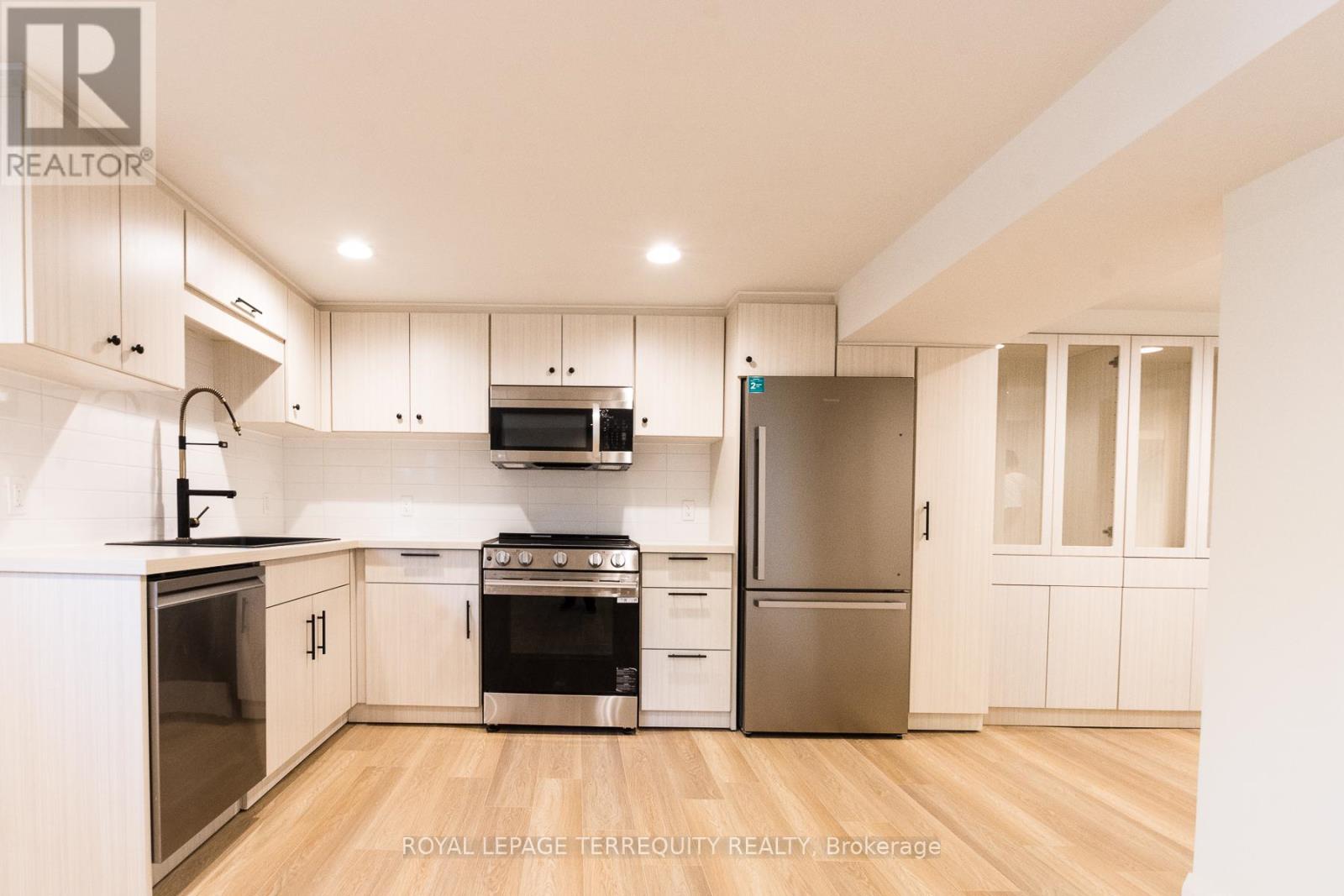
Moderate. The neighbourhood is not a high-demand rental area in the way that transit-adjacent or downtown-proximate neighbourhoods are. Basement suites here rent in the $1,100 to $1,500 per month range depending on size and condition. Demand is consistent but not intense, and vacancy periods between tenants can run longer than in higher-demand areas. Buyers who are banking on rental income to carry a significant portion of their mortgage should be conservative in their projections. Buyers who see the rental income as a supplement rather than a dependency will find it works adequately.
Are there good parks for kids within walking distance, or is it all Centennial Park?
Centennial Park is the headline, but smaller neighbourhood parks are distributed through the residential streets and are within a short walk for most addresses in the neighbourhood. The West Deane ravine trail is walkable for children old enough to navigate a path, and the creek along the bottom of the ravine is the kind of environment kids explore for hours. The park coverage here, combining Centennial with the smaller neighbourhood parks and the ravine trail, is genuinely strong. Families with young children who make parks a priority will find the neighbourhood delivers on that front consistently, not just on the days when they drive to the main park facilities.
Buying in Eringate-Centennial-West Deane is straightforward in the sense that the neighbourhood is stable, the product is conventional, and the buyer profile is consistent. What an experienced agent adds here is the street-level knowledge that distinguishes a good purchase from a mediocre one: which streets have the most park access, which are closest to the ravine trail, which have the widest lots, and which have the best schools within an easy walk. In a neighbourhood where the differences between streets matter significantly and the listing descriptions do not articulate those differences clearly, that knowledge saves time and money.
The condition assessment on post-war bungalows in this price range is important. Many houses here have been well-maintained but not heavily renovated, which means aging mechanical systems, original windows, and older roofing that may be approaching end of life. An inspector experienced with this era of construction will identify the specific cost exposure on any given house, and that information should inform your offer. A house requiring $80,000 in mechanical work is a different purchase than the listing price implies.
This is also a neighbourhood where the off-market and pre-market conversations matter. Long-term residents who are ready to downsize sometimes sell without listing broadly, and agents with local relationships hear about those opportunities first. If you are looking in this neighbourhood and your timeline is flexible, letting an agent with local connections know your specific criteria is worth doing. We work regularly in west Etobicoke and have the neighbourhood knowledge and the local relationships to help you find the right house here, not just the one that happens to be on MLS this week. Get in touch and tell us what you are looking for.
Street-level knowledge is hard to find online. Our team works in Eringate-Centennial-West Deane every day. They know which pockets hold value, where the school catchment lines actually fall, and what the market is doing right now. Talk to us before you make a decision about Eringate-Centennial-West Deane.
Talk to a local agent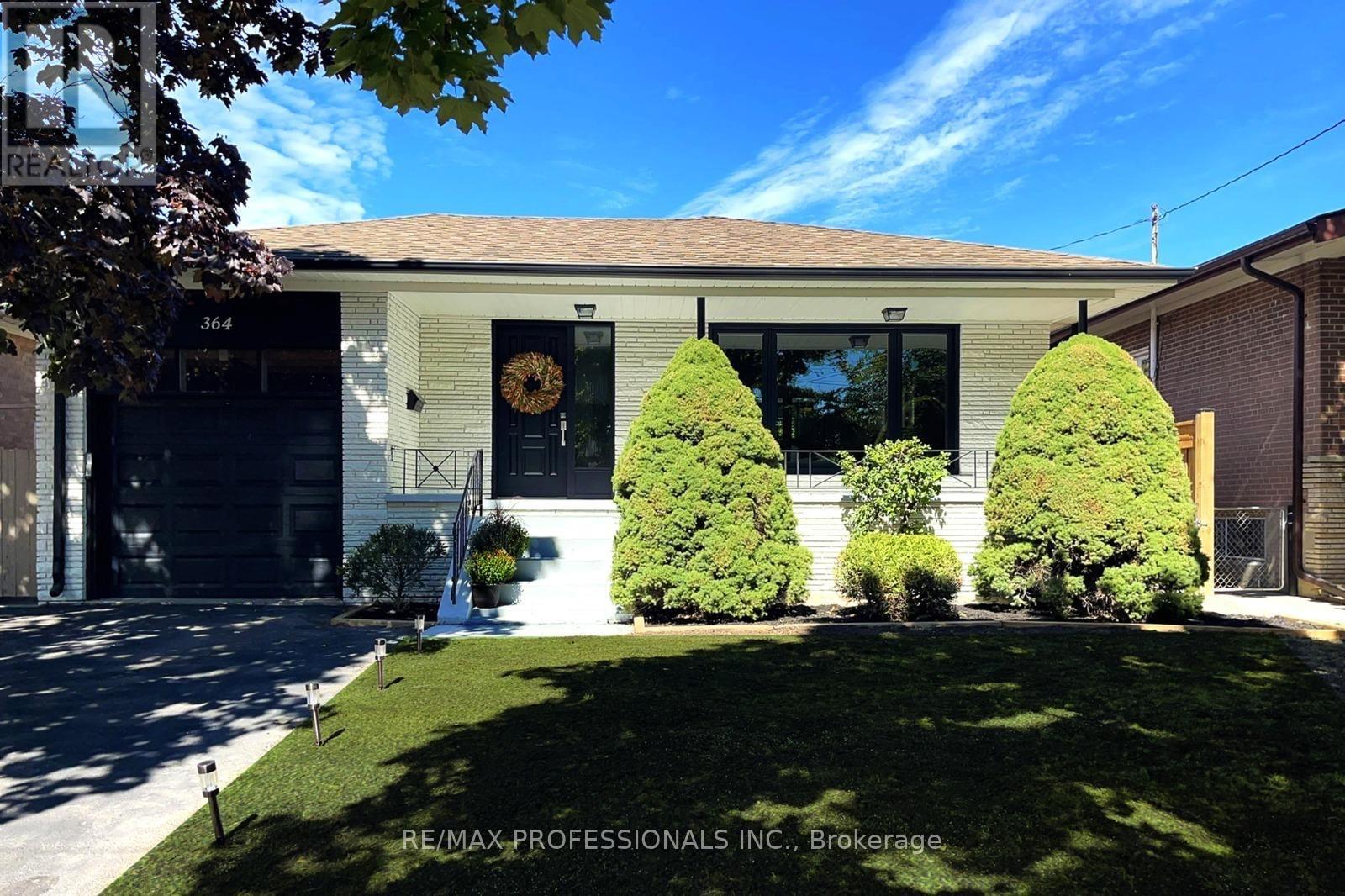 For Rent
 For Rent
 For Rent
 For Rent