
Bramalea North Industrial is a light and medium industrial employment zone in northeast Brampton, not a residential neighbourhood. It borders Northgate and Central Park and is served by Highway 410 and Torbram Road.
Bramalea North Industrial is one of Brampton’s established employment zones, covering the area north of Clark Boulevard and east of Torbram Road in the northeast part of the city. This is not a residential neighbourhood. The land use here is industrial, warehouse, and commercial: logistics facilities, light manufacturing, auto service operations, and business parks. For a buyer or investor researching real estate in this area, the context matters. You are looking at commercial and industrial assets, not single-family homes.
The area has a long history as part of Brampton’s industrial growth, which accelerated in the 1980s and 1990s as the city’s transportation geography and land costs made it one of the more competitive logistics locations in the GTA. The proximity to Highway 410 and the access to the broader 400-series highway network keeps this zone active and in demand for distribution and light manufacturing operators.
Industrial and commercial properties in Bramalea North Industrial vary significantly in price based on building size, lot coverage, ceiling heights, and loading dock configuration. Small bay industrial units in the 2,000 to 5,000 square foot range trade in the $600,000 to $1.2 million range depending on condition and lease status. Larger warehouse buildings with dock-level loading reach well above that. The data aggregators occasionally list average prices for this area that are distorted by large land or building transactions that are not representative of typical activity.
For buyers interested in a commercial investment or a small business owner looking to own their premises, this area offers better value than comparable industrial zones in Mississauga or Toronto. The trade-off is that the immediate neighbourhood amenities are industrial rather than urban, and the surrounding residential communities are modest in character. Properties here are assessed commercially, with industrial mill rates that differ significantly from residential tax rates.
The industrial market in the GTA, including Brampton, has remained resilient because e-commerce and logistics growth has sustained demand for warehouse and distribution space. Bramalea North Industrial has benefited from this trend, with vacancy rates in well-located industrial parks near major highways staying low even as the residential market softened. Industrial cap rates in Brampton run somewhat above those in Mississauga or Scarborough, reflecting the difference in land values, but have compressed over the past five years as investors have sought stable income in non-residential assets.
For small business owners rather than passive investors, buying rather than leasing industrial space in this area has historically been a sound decision over a ten-year horizon. Rising lease rates across the GTA have made the rent-versus-own calculation more favourable to ownership for established businesses.
The typical buyer or occupant in Bramalea North Industrial is either a small business owner purchasing space for their operation, a commercial investor looking for income-producing industrial property, or an owner-user combining a small office and warehouse. The area attracts South Asian-owned businesses across a wide range of sectors including food manufacturing and distribution, auto parts, building materials, and professional services that require industrial-zoned premises.
Investors from Brampton’s residential community sometimes move capital into commercial assets in this area as an alternative to residential investment properties. The management requirements for a tenanted industrial unit are often simpler than managing a residential rental, and the commercial terms are longer.
The main streets through the industrial area are Clark Boulevard, Torbram Road, and the various industrial park roads that branch off them. The area is grid-planned for truck access, not pedestrian activity. Properties on corner lots or with direct access from the main arterials command a premium for visibility and traffic flow. Interior lots within the industrial parks trade at a discount.
The residential neighbourhoods of Northgate and Central Park border this industrial area to the south, and some residential buyers are put off by that adjacency. For an industrial operator, that proximity to residential areas is neutral or mildly positive because it means the labour pool is close.
Highway 410 provides the key highway link for the industrial area, connecting directly to Highway 10 to the north and to the 401 corridor to the south. The 407 is accessible via 410, giving east-west reach across the GTA. Torbram Road provides north-south surface road access. Brampton Transit serves the surrounding residential areas but industrial workers typically drive to this location.
The Bramalea GO Station is a few kilometres to the south on the Kitchener line, which matters for any planned mixed-use or transit-oriented development proposals in this area, though no immediate conversion of this industrial land to residential is planned or approved.
There are no parks in the industrial zone itself. The residential communities bordering this area access parks through Northgate and Central Park neighbourhoods. For any future development or change of use that introduces residential density, the planning requirements would include open space provision, but that is not a current reality here.
The commercial services in and around Bramalea North Industrial are industrial-facing: truck stops, auto parts suppliers, commercial printing, and business supply stores. Bramalea City Centre is a 10 to 15 minute drive south and provides the full retail complement for workers in the area. Trinity Common Mall at the south end of Torbram Road also provides a retail cluster within reasonable reach.
This is an industrial zone and does not have a residential school catchment. Employees who work here and live in adjacent residential communities access schools through the PDSB and DPCDSB systems serving Northgate, Central Park, and the surrounding neighbourhoods.
Bramalea North Industrial is not the focus of the city’s major residential development planning, but it sits within the broader area where Brampton is considering long-term land use evolution as pressure for employment land intensification grows. The 407 Transitway West planning includes a Bramalea station option that, if built, would put rapid transit access near this employment zone. That kind of transit investment typically shifts the calculus around industrial land value over a 20 to 30 year horizon.
Q: Can I buy a unit in Bramalea North Industrial for a small business?
A: Yes. Small bay industrial units in this area are available as strata or condo industrial units in some of the older parks, and as freestanding buildings for larger operations. A small unit of 2,000 to 3,000 square feet might list in the $700,000 to $1.0 million range depending on age, condition, and features like dock-level loading or HVAC. Commercial financing for owner-occupied industrial space typically requires a 20 to 25 percent down payment and a demonstrated ability to service the debt from your business income. A commercial mortgage broker familiar with Brampton industrial properties can advise on current lending criteria, which differs meaningfully from residential mortgage underwriting.
Q: What are the property taxes like for industrial property here?
A: Industrial and commercial properties in Ontario are assessed at different rates than residential properties and pay a higher mill rate. For a small industrial unit in Brampton, annual taxes might run 2.5 to 4 percent of the assessed value, which is substantially higher in absolute dollar terms than a residential home of comparable purchase price. Buyers should request the current tax certificate from the seller as part of due diligence and factor this into the carrying cost analysis.
Q: Is Bramalea North Industrial a good investment area for commercial real estate?
A: The GTA industrial market has been one of the strongest commercial real estate categories over the past decade, driven by e-commerce and logistics demand. Brampton sits at the intersection of major highway infrastructure, which sustains industrial demand even as residential prices fluctuate. For small bay industrial units leased to local businesses, the market has been active. A commercial real estate agent familiar with Brampton industrial is the right advisor here, not a residential agent.
Q: Are there any residential properties in Bramalea North Industrial?
A: No. The area is zoned industrial and commercial, and residential development is not permitted under current zoning. The neighbouring communities of Northgate and Central Park are the closest residential options. Any live-work or residential conversion would require a rezoning application through the City of Brampton, and there are no current applications of that type in this specific area.
Commercial and industrial real estate transactions in Brampton require a different skill set than residential purchases. A commercial real estate agent who understands zoning, industrial lease structures, cap rates, and due diligence requirements for commercial properties is the right starting point. If you are a small business owner evaluating whether to buy or lease in this area, TorontoProperty.ca can connect you with the right commercial real estate expertise. Get in touch with your questions.
Street-level knowledge is hard to find online. Our team works in Bramalea North Industrial every day. They know which pockets hold value, where the school catchment lines actually fall, and what the market is doing right now. Talk to us before you make a decision about Bramalea North Industrial.
Talk to a local agent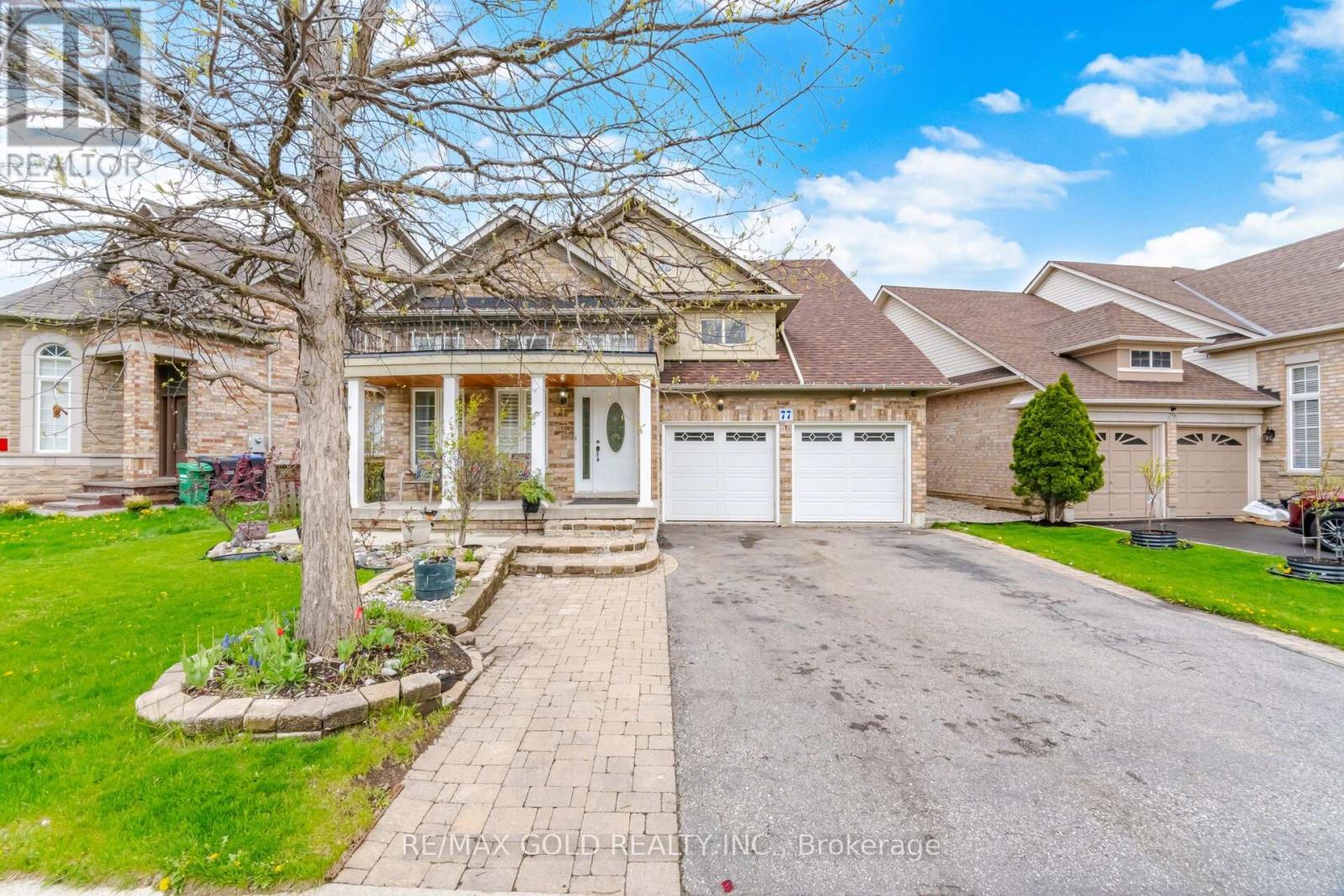 For Sale
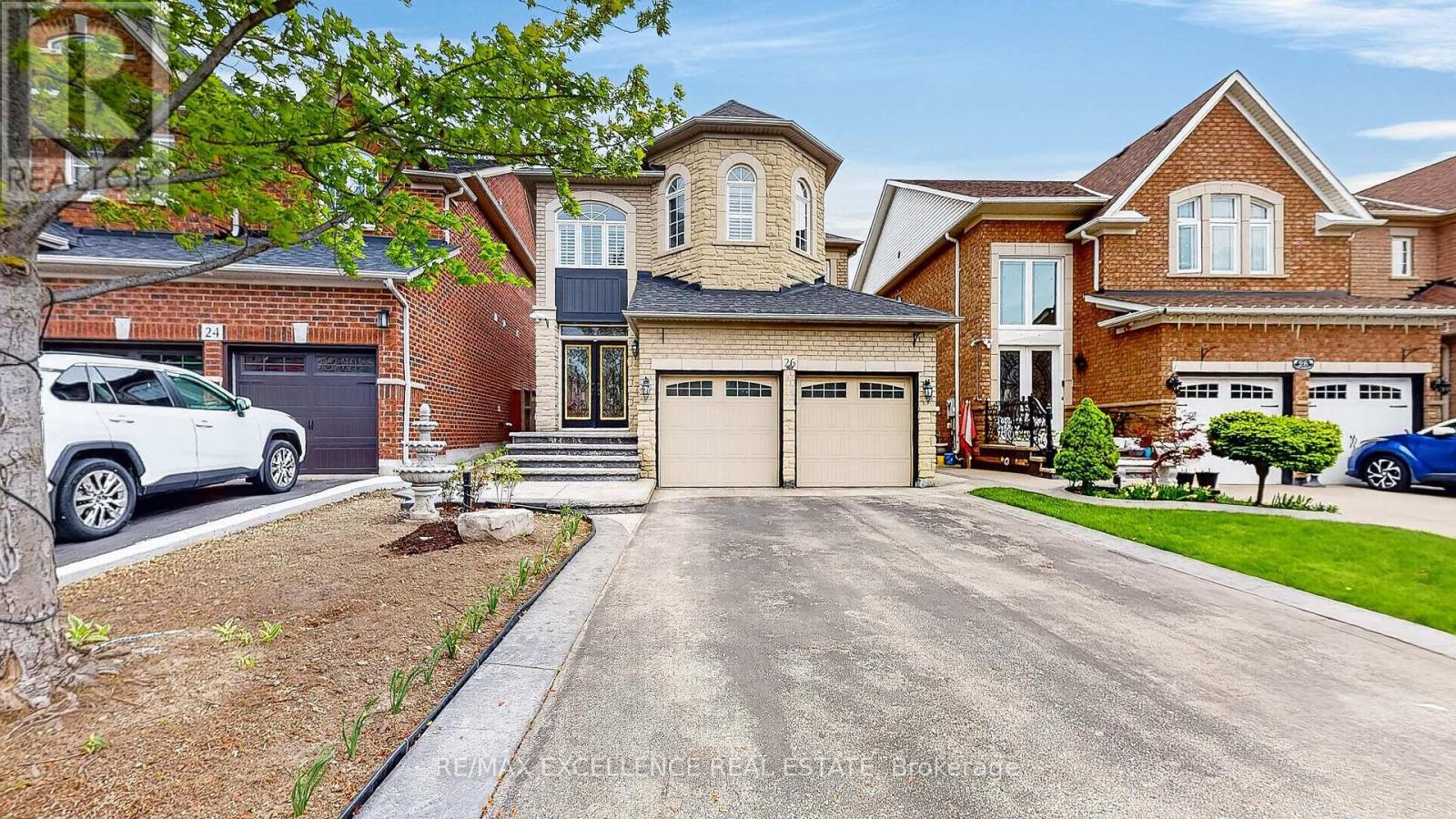 For Sale
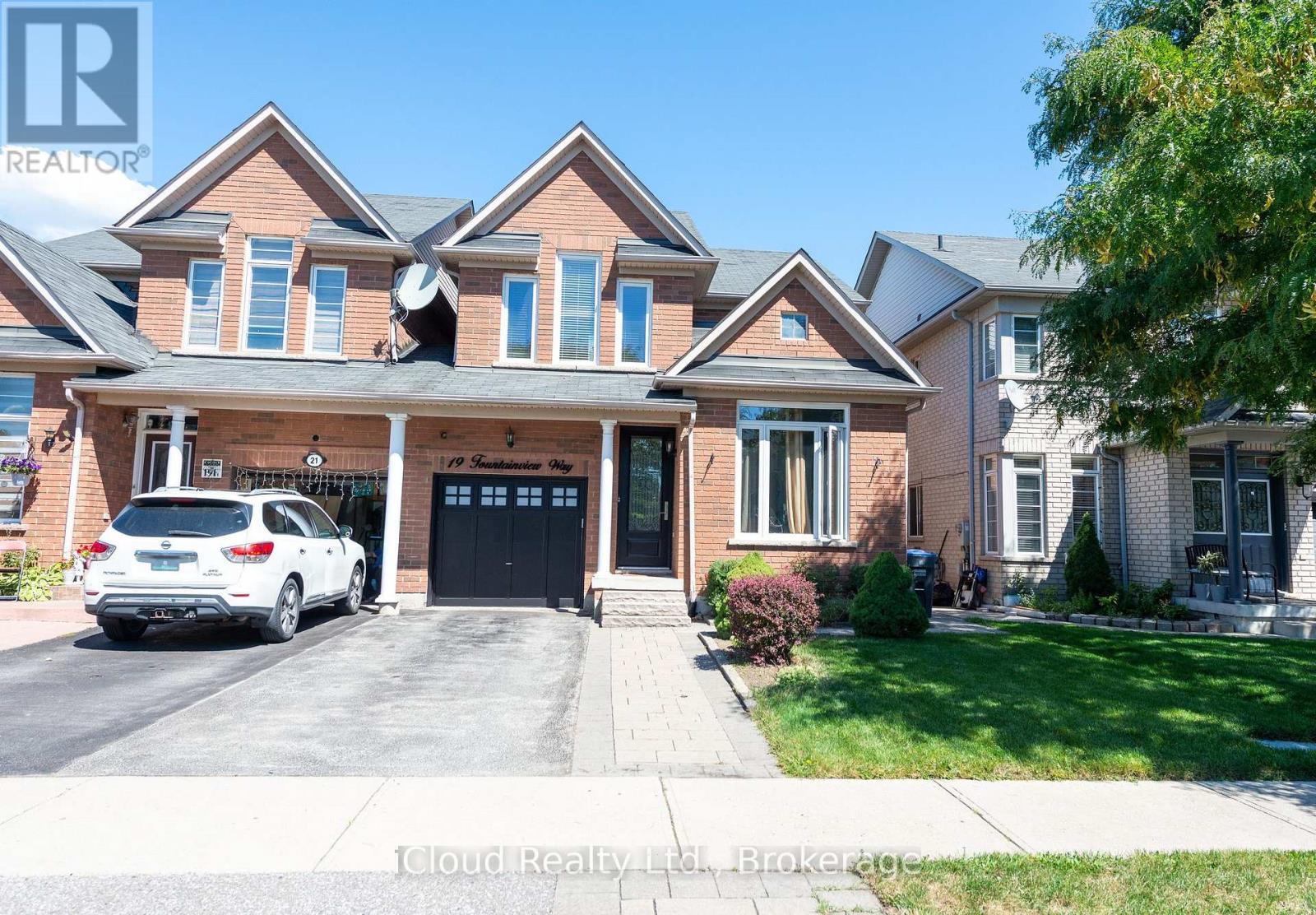 For Sale
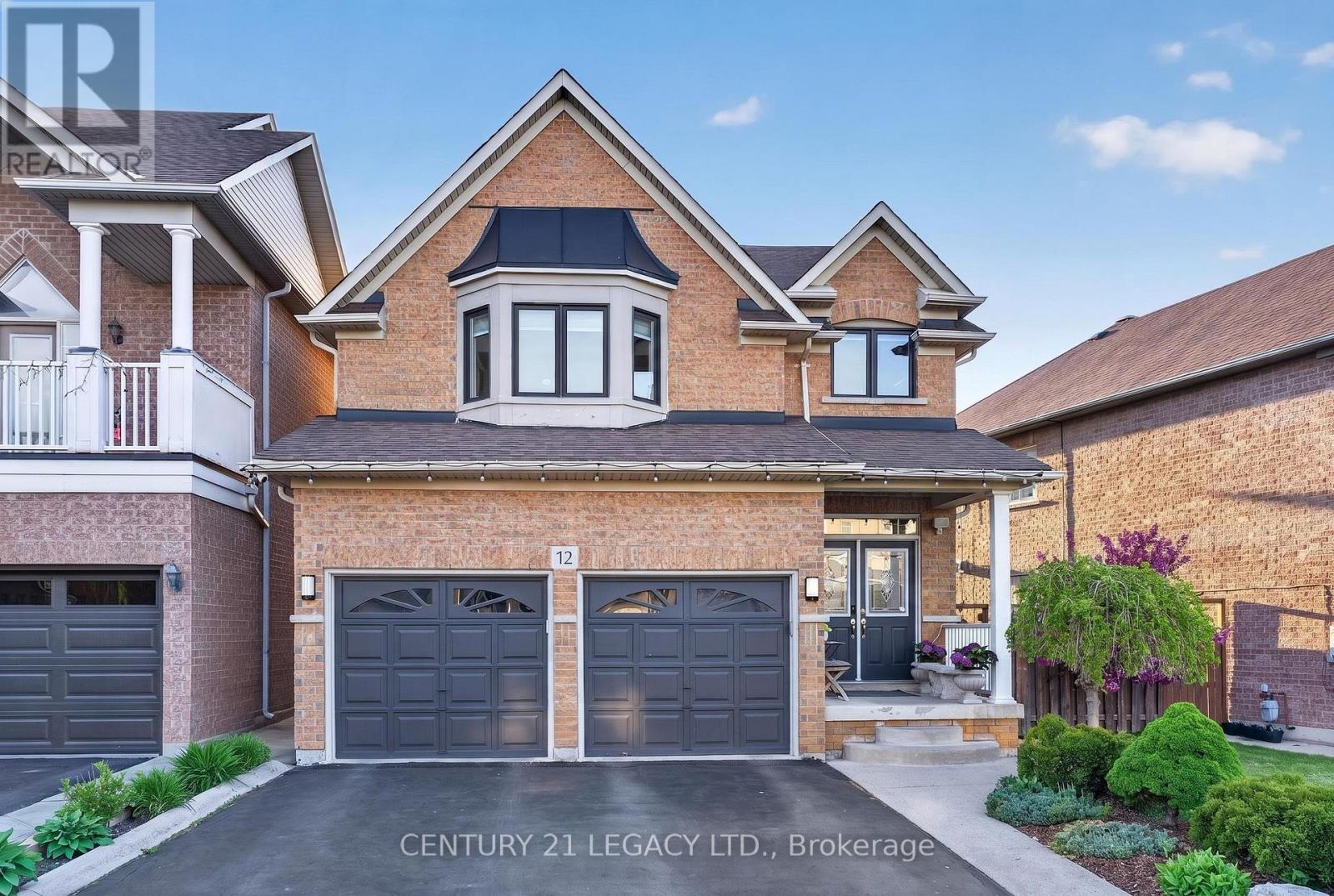 For Sale