
Credit Valley is one of Bramptons most desirable residential neighbourhoods in the southwest, with luxury detached homes from the late 1990s and 2000s, proximity to the Credit River, and Highway 407 access. Average detached prices run $1.3 million to $1.7 million as of early 2026.
Credit Valley sits in southwest Brampton, bordered roughly by the Mississauga boundary to the south, Mississauga Road to the east, Bovaird Drive to the north, and Heritage Road to the west. It is one of Brampton’s most consistently sought-after residential addresses, combining modern detached homes on generous lots, proximity to the Credit River valley, and highway access that makes it viable for GTA-wide employment. Buyers who move here from Mississauga frequently describe Credit Valley as the closest thing in Brampton to the upscale residential experience of Lisgar or Churchill Meadows, but at a lower purchase price.
The neighbourhood was built primarily between 1997 and 2010 by some of the same development companies that shaped the broader southwest Brampton and Streetsville-area Mississauga markets. The result is housing stock that is modern enough to have open-concept layouts, principal suites with ensuites, and double-car garages, but mature enough to have established trees on the streets and settled community infrastructure including schools, parks, and retail. That combination of maturity and quality is not easy to find at Credit Valley’s price point in the GTA.
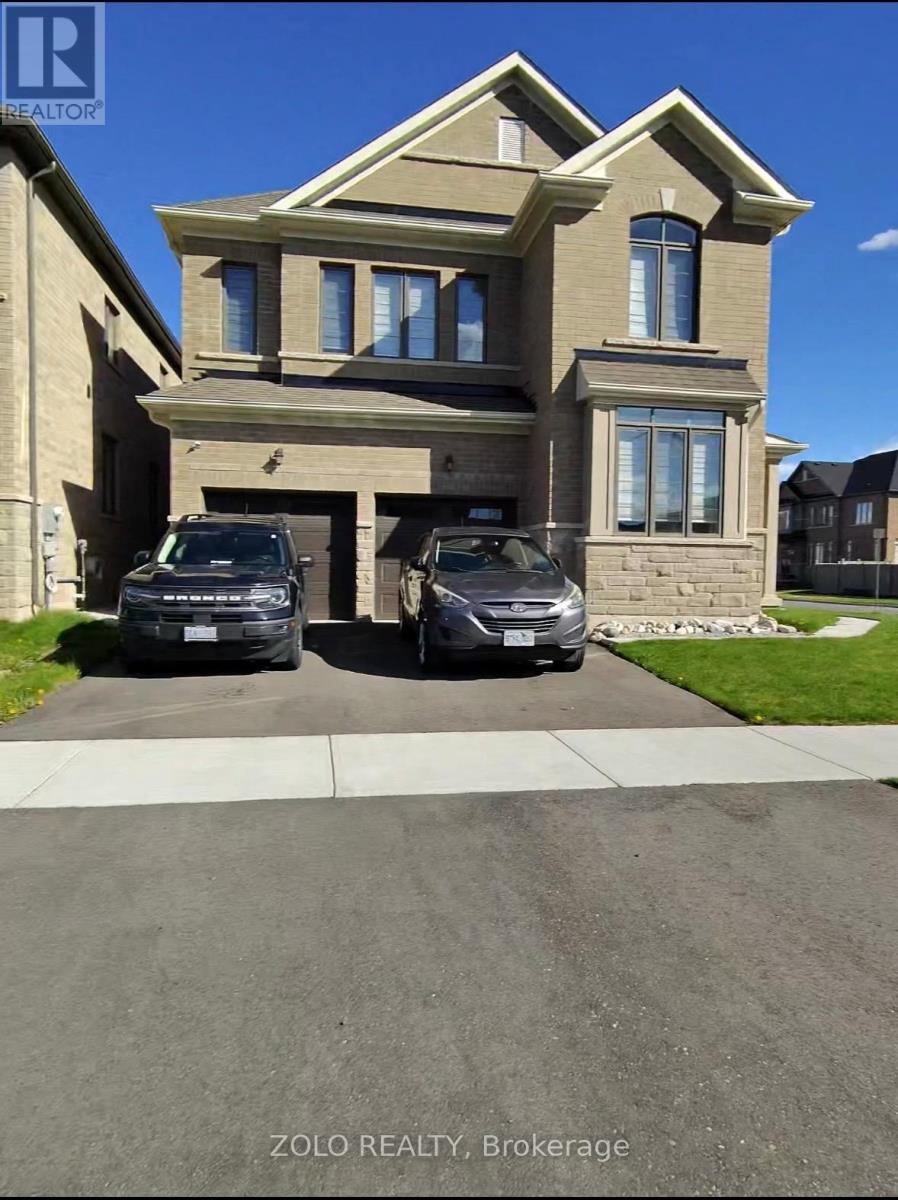
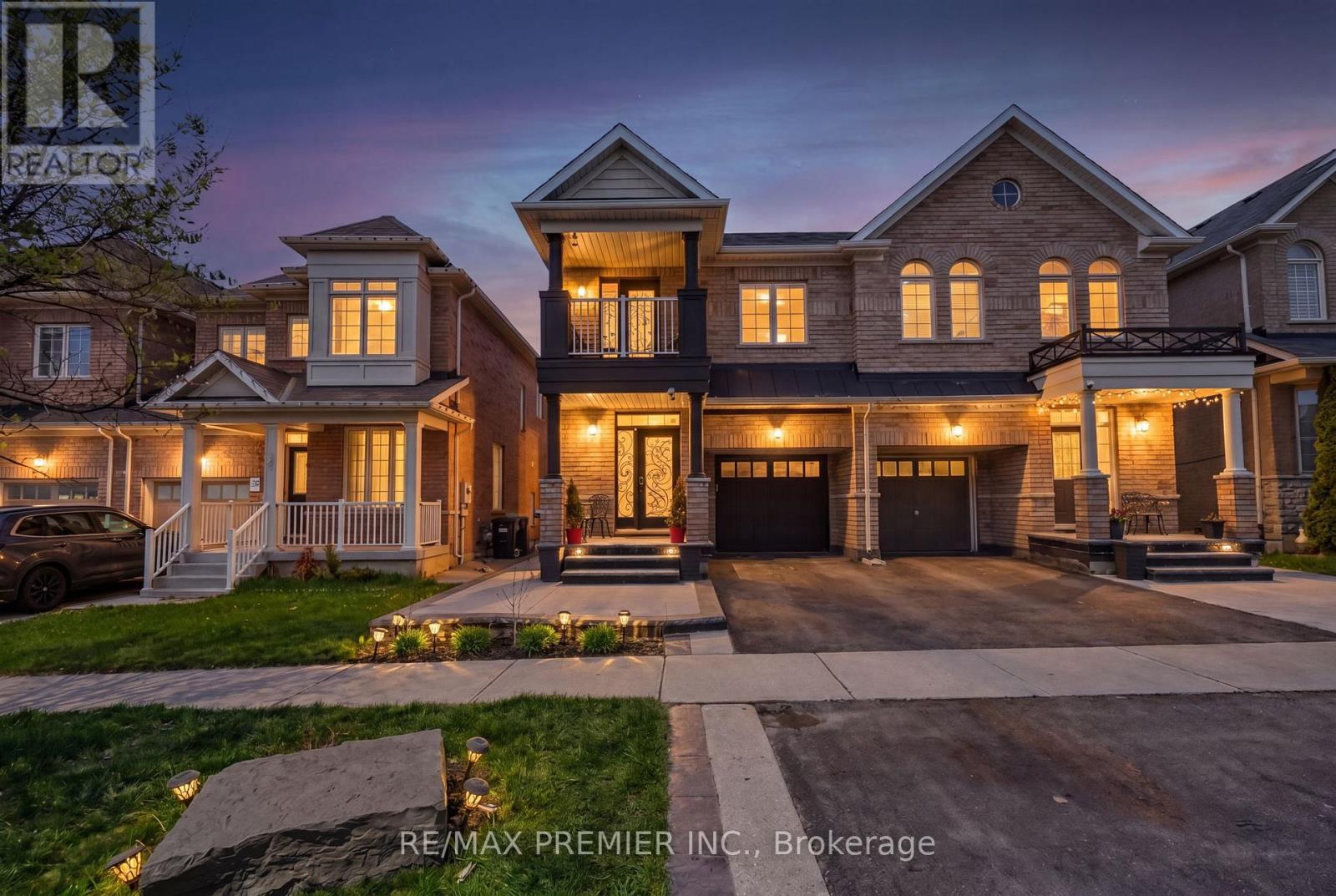
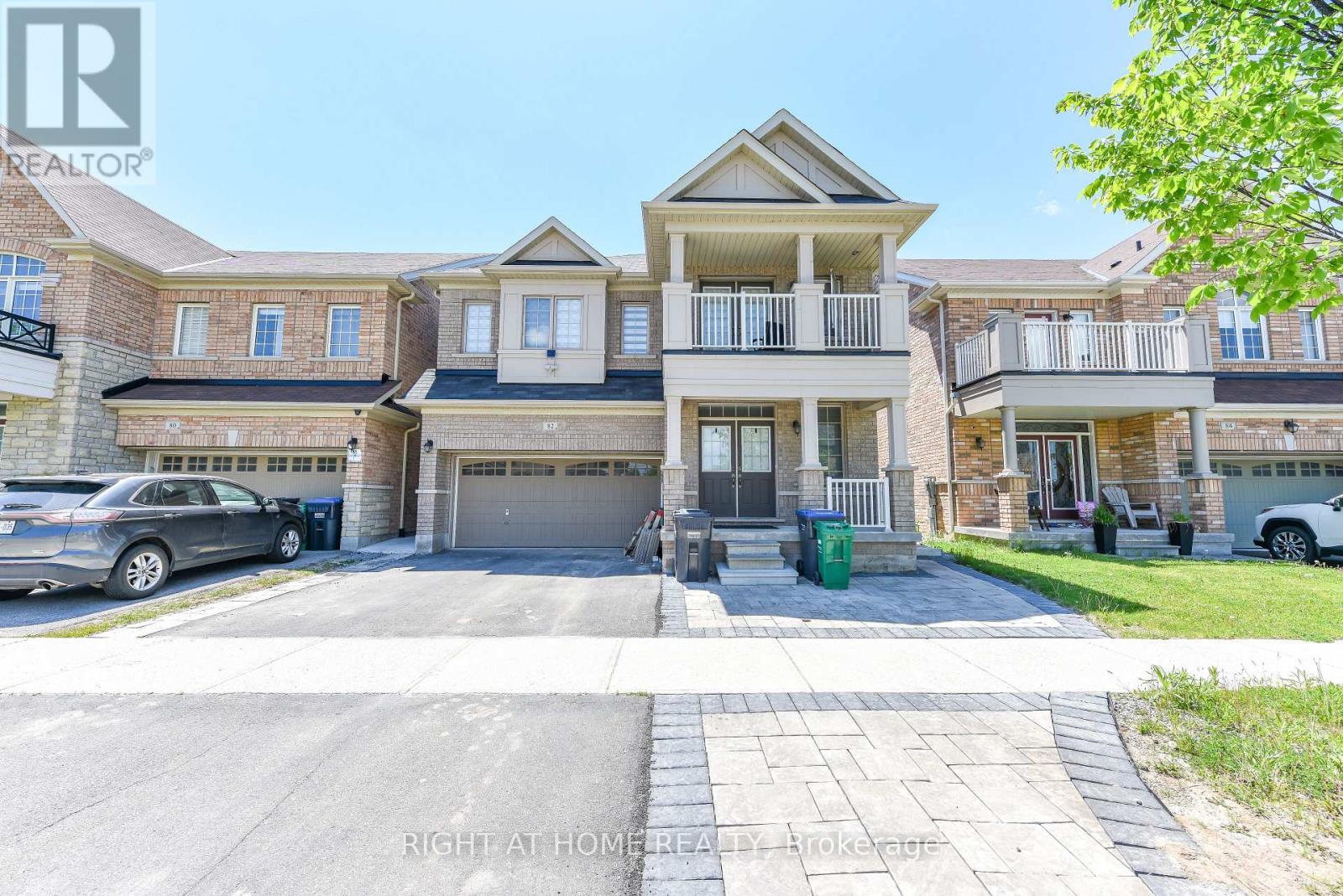
Credit Valley runs well above the Brampton city average. Detached homes with four to five bedrooms list between $1.3 million and $1.7 million as of early 2026, with larger executive homes on premium lots or backing onto the Credit River corridor reaching $2.0 million or higher (source: Wahi, June 2025). Semi-detached homes, which are less common here than in some other Brampton neighbourhoods, list from $950,000 to $1.15 million. Townhomes in the neighbourhood list from $800,000 to $950,000, with the most premium townhome listings reaching $1.45 million.
What buyers are getting at these prices is a house that is genuinely livable without major renovation: modern layouts, updated mechanicals, and finishes that are dated in some cases but not broken. Homes that have had significant kitchen and bathroom updates in the past ten years are at the top of the range. Original-condition homes from the late 1990s with dated finishes are at the lower end and represent the best renovation opportunities in the neighbourhood.
Credit Valley has been one of Brampton’s more resilient markets through the 2022 to 2024 correction. The combination of highway access, natural amenity, and premium housing quality produced a buyer pool that was slower to disappear than in some of Brampton’s more entry-level markets. Recovery from the correction has been steady, with the market returning toward the 2021 peak in select product categories by late 2025. Multiple offers on well-priced, properly updated detacheds are a regular occurrence.
Investors are a smaller presence in Credit Valley than in other Brampton neighbourhoods because the price point is high and the cap rate on rental income at these prices is thin. This is primarily an owner-occupant market, which contributes to the neighbourhood’s maintained appearance and community stability. Sellers here tend to be long-term owners who bought in the late 1990s or 2000s and are now moving for family reasons or downsizing.
The dominant buyer in Credit Valley is a household with a combined income of $200,000 or more, often two professionals or a professional and a small business owner. South Asian families, particularly those who have built equity through earlier Brampton purchases and are now moving up, are well-represented. There is also a segment of buyers who are moving directly from Mississauga, who looked at the equivalent price range in Churchill Meadows or Erin Mills and found Credit Valley offered comparable quality at a 10 to 15 percent lower purchase price with the same highway access.
Some buyers are purchasing specifically for the Credit River adjacency, which provides trail access, natural views, and the practical benefit of backing onto conservation land that will not be developed. These homes command a premium and are bought by buyers who have specifically identified the conservation backing as a must-have rather than a nice-to-have.
The streets along Creditview Road and the areas immediately west of Mississauga Road have the most established tree canopy and the closest walk to the Credit River trail system. These are the most sought-after streets in the neighbourhood. The blocks between Bovaird Drive and the interior residential streets tend to have more commercial noise and traffic but provide slightly more affordable access to the neighbourhood. Streets that back directly onto Credit Valley Conservation lands are the premium tier and rarely come to market.
There is no weak pocket in Credit Valley by Brampton standards. The variation is between homes that have been updated and those in original condition, and between lots with natural backing and those in the standard interior subdivision layout. Even the least desirable addresses in Credit Valley tend to hold value better than equivalent-priced homes in other parts of Brampton during market corrections.
Highway 407 provides the key highway connection for Credit Valley residents. The 407 interchange at Mississauga Road or Creditview Road puts virtually the entire GTA within highway reach. Highway 401 is accessible via 427 to the southeast. For residents commuting within Brampton or to employment areas in Mississauga, Oakville, or Vaughan, the highway access here is excellent. The trade-off is that downtown Toronto commutes by car are long, and transit options are limited.
Mount Pleasant GO Station on the Kitchener line is the closest GO station to Credit Valley, reachable via bus from the Zum 561 Queen West route along Queen Street or by driving a short distance. From Mount Pleasant, the GO train reaches Union Station in approximately 50 to 60 minutes. For buyers who commute to downtown Toronto regularly, the transit-to-GO connection is real but requires planning. This is not a neighbourhood where you walk to the GO station.
The Credit River is the defining natural amenity for Credit Valley. The river corridor provides trails managed by Credit Valley Conservation, with connections south toward Mississauga and north toward Brampton’s interior trails. The Credit Valley Conservation regulated area includes significant natural habitat, and the trails are used heavily by residents for running, cycling, and dog walking. Several parks within the neighbourhood provide more formal green space for sports and children’s play.
The combination of managed municipal parks and the natural river corridor gives Credit Valley a green character that most post-2000 Brampton subdivisions cannot match. This is one of the factors that buyers who have done their research consistently identify as a reason for choosing this neighbourhood over equally priced alternatives elsewhere in Brampton.
The Shoppers World redevelopment at Steeles and Hurontario, though several kilometres away, is the main long-term retail evolution near Credit Valley. The Heartland Town Centre in Mississauga is directly accessible from the 407 and provides the full power-centre retail experience including Costco, major grocery, and home improvement stores. For daily needs, the commercial strips along Bovaird Drive and the Lisgar/Streetsville area of Mississauga are both practical options. The neighbourhood itself has some convenience retail but is not a walk-to-retail area. A car is needed for grocery runs.
Credit Valley is served by the Peel District School Board and the Dufferin-Peel Catholic District School Board. Fletcher’s Meadow Secondary School is the primary PDSB secondary school for this neighbourhood. On the Catholic side, St. Edmund Campion Catholic Secondary School and St. Roch Catholic Secondary School serve students from the Credit Valley area. Elementary schools in Credit Valley were built to serve the post-2000 residential development and are modern in construction with full program offerings. The schools are generally well-regarded within the Brampton context, and parent involvement tends to be high in this community.
Credit Valley is fully built out residentially, and the changes ahead are incremental. The Hazel McCallion LRT extension from Mississauga into Downtown Brampton, announced with federal support in early 2025 and targeting a 2028 opening, may eventually create a transit spine that improves access for Credit Valley residents to the broader Mississauga transit network. Station locations are still being confirmed but the general corridor would run along Hurontario Street, which is not far from the eastern edge of Credit Valley. The long-term potential of having LRT connectivity within a reasonable distance of this neighbourhood is one of the speculative positive factors that buyers discuss when considering Credit Valley’s long-term outlook.
Q: Is Credit Valley the most expensive neighbourhood in Brampton?
A: Credit Valley is among the higher-priced residential neighbourhoods in Brampton, with average detached prices in the $1.3 million to $1.7 million range as of early 2026. It is not the most expensive: Toronto Gore Rural Estate, with its estate properties on large lots, has a higher average at approximately $1.78 million, and Vales of Castlemore North averages around $1.55 million. Within Brampton’s conventional residential neighbourhoods, Credit Valley is near the top of the price range. The premium reflects the quality of the housing stock, the Credit River amenity, and the 407 access, all of which represent durable value factors rather than speculative premium.
Q: How does Credit Valley compare to buying in Mississauga at the same price?
A: At $1.3 million to $1.5 million in western Mississauga, you would be looking at similar-size detacheds in the Lisgar or Churchill Meadows area. Those homes have comparable layouts and construction era to Credit Valley. Mississauga has lower property taxes than Brampton, which is a real ongoing cost difference. Mississauga also has the Lakeshore or Kitchener GO lines more accessible than Credit Valley does. The offset is that Credit Valley homes list 10 to 15 percent below comparable Mississauga homes, and the Credit River amenity in Brampton is a genuine natural asset. For buyers who have compared both markets directly, Credit Valley is frequently the better financial decision; the gap in community feel between the two is smaller than many buyers expect before they visit.
Q: Are there trails accessible from Credit Valley?
A: Yes. The Credit River trail system is accessible from within the neighbourhood and provides continuous natural trail walking and cycling south toward Mississauga and north toward Brampton’s interior. Credit Valley Conservation manages the regulated lands along the river corridor. The trails vary in quality and surface type; some sections are paved multi-use paths while others are natural surface hiking trails through the valley. The river trail is one of the most consistently used outdoor features of the neighbourhood and is a genuine daily-use amenity for residents, not just an occasional recreational destination.
Q: What are Brampton property taxes on a Credit Valley home?
A: For a home assessed at approximately $1.4 million, annual Brampton residential property taxes run roughly $10,500 to $13,000 depending on the current MPAC assessed value and the Brampton mill rate. Brampton’s residential property tax rate is higher than Mississauga’s, which is a real carrying cost difference when comparing the two cities. For a buyer comparing a $1.4 million home in Credit Valley to a $1.55 million equivalent in Mississauga, the tax savings in Brampton on the lower assessed value partially offset the higher rate. The actual tax figure for any specific property should be confirmed with the seller before purchase, as MPAC assessed values vary by individual property.
Credit Valley is a market where acting on information matters. The best homes here move in days, not weeks, and multiple-offer situations are common enough that buyers who are not prepared to act decisively lose properties regularly. Working with a buyer’s agent who knows Credit Valley, understands what drives the premium on specific streets, and can help you assess a home’s renovation potential versus its current-condition value is genuinely useful. TorontoProperty.ca works with buyers in Credit Valley and southwest Brampton. Get in touch to talk through the market and what your budget will realistically buy.
Street-level knowledge is hard to find online. Our team works in Credit Valley every day. They know which pockets hold value, where the school catchment lines actually fall, and what the market is doing right now. Talk to us before you make a decision about Credit Valley.
Talk to a local agent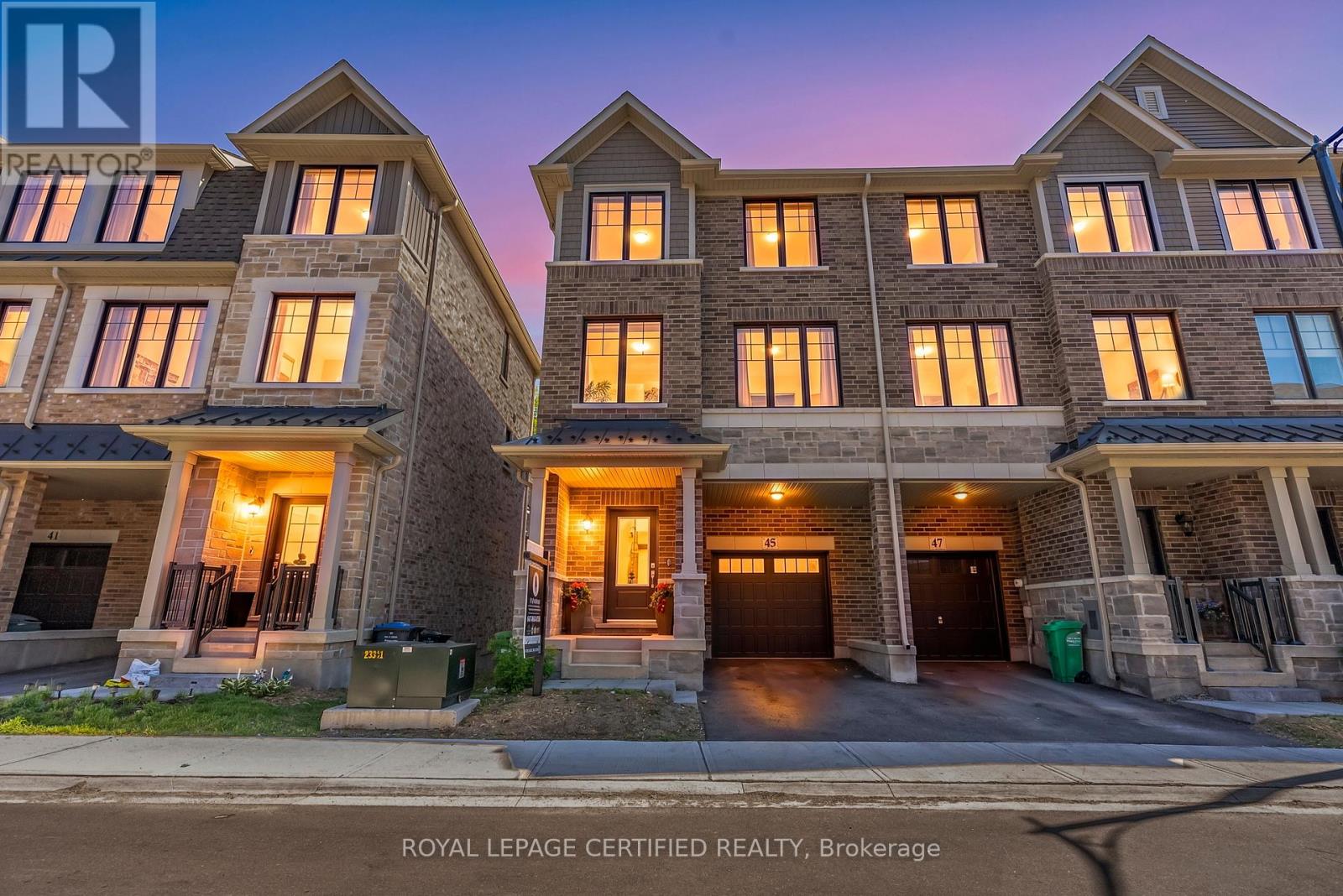 For Rent
 For Sale
 For Sale
 For Rent