
Cannington is a small rural village in Brock Township, Durham Region, about 90 kilometres northeast of Toronto. It offers some of the most affordable housing in Ontario with an authentic small-town character, drawing retirees and remote workers from the GTA.
Cannington is a small Ontario village in Brock Township, Durham Region, sitting about 90 kilometres northeast of Toronto. With a population of roughly 2,000 people, it’s one of the three main settlement areas in the township alongside Beaverton and Sunderland. The village sits inland, away from Lake Simcoe, which means it lacks the waterfront appeal that drives interest in Beaverton but also means its prices are lower and its character is that of a working agricultural community rather than a recreational destination.
The surrounding landscape is agricultural — crop fields and pasture land running out in most directions, interrupted by woodlots and the occasional creek valley. The village itself has the compressed form of rural Ontario: a main street with a small commercial strip, older residential streets radiating outward, a church or two, a public school, and the kind of community infrastructure that reflects a population that’s been roughly this size for the past century. There’s nothing pretentious about Cannington, and that’s part of the appeal for buyers who find the self-promotional energy of Toronto suburbs exhausting.
The practical case for Cannington is straightforward. Housing is affordable by any Ontario standard, lots are generous, and the pace of life is genuinely different from the urban and suburban GTA. The trade-off is real: you’re giving up proximity to employment, services, and the amenities that come with urban density. The buyers who thrive here are those who have thought clearly about what they need day to day and confirmed that Cannington can provide it, rather than those who romanticize rural life without testing the reality.
The village has been slowly absorbing a small number of GTA relocators over the past several years, primarily remote workers and retirees. This hasn’t changed its character significantly — the numbers are too small — but it has brought some investment in local properties and a slightly broader range of perspectives into the community.
Cannington is among the most affordable communities in Durham Region, and that affordability is its primary draw for buyers who need to own a home and can’t make the numbers work further south. In 2024 and into 2025, detached homes in Cannington have been trading in the $400,000 to $600,000 range for typical properties, with larger or newer builds occasionally reaching higher. At the lower end of that range, buyers can find older bungalows on decent lots that need updating but are structurally sound — the kind of property that has essentially disappeared from markets within an hour of Toronto.
The housing stock is primarily older detached homes, the majority built between the 1940s and 1980s. There are few condos or townhomes — this is a village of individual houses on individual lots. Many of the properties have larger lot sizes than you’d find in any suburban GTA context, which matters for buyers who want space for a garden, a workshop, or simply room to move.
New construction in Cannington has been limited. There have been occasional small infill developments and severances, but nothing resembling the planned residential communities that have transformed southern Durham Region. Buyers looking for new builds will find limited selection and should expect to drive to Beaverton or look at construction in Brock Township’s rural areas for newer product.
The price floor in Cannington is genuinely low by Ontario standards, but buyers should account for the fact that older rural homes often carry deferred maintenance, aging mechanicals, and infrastructure costs that don’t show in the list price. A thorough inspection is not optional. The best buys in this market are properties where the seller has maintained the building honestly, not just kept it looking presentable for showings.
Cannington’s real estate market is one of the quieter ones in Durham Region, with a small annual transaction volume that makes statistical analysis imprecise. In a year where a dozen or twenty homes trade, a few outlier sales in either direction can skew averages significantly. Buyers should understand that comparable sales data here requires careful interpretation, and an agent who knows the market personally — not just by algorithm — is particularly valuable.
The market saw the same upward pressure between 2020 and 2022 that affected most of rural Ontario, as GTA buyers with pandemic-era purchasing power extended their search radius. Prices in Cannington moved up by 25 to 35 percent during that period, then settled back as interest rates rose and demand from that relocating cohort cooled. The current market is stable at levels that are still above pre-pandemic prices but well below the 2022 peak.
Properties in Cannington sit on the market for longer than GTA properties. Days on market of 30 to 90 days is normal, and some properties sit for considerably longer if they’re priced above what the local market will support. The urgency and competition that characterize urban real estate don’t apply here, which is a genuine advantage for buyers who want time to do proper due diligence and aren’t being pressured into snap decisions.
The buyer pool for Cannington is narrow: it’s primarily GTA relocators, local move-up buyers, and the occasional investor looking for rental income in a very thin rental market. Speculators haven’t found Cannington compelling because the growth story isn’t there. That lack of speculative pressure has kept the market honest, and it means sellers who price their properties fairly tend to find buyers while those who price for a non-existent premium tend to sit.
The buyer profile in Cannington breaks into two main groups. The first is the GTA retiree or near-retiree who has sold a home in the city or suburbs, has equity to work with, and wants to own outright or carry a very small mortgage in a community where the cost of living is materially lower. These buyers are often downsizing in terms of real estate but upsizing in terms of lot size, privacy, and quiet. They’ve done the math on what they need to live comfortably and found that Cannington delivers it at a cost they can manage.
The second group is younger remote workers, primarily in their 30s and 40s, who cannot afford to buy meaningful property in the GTA on their income but can afford Cannington. These buyers typically work entirely or almost entirely from home and have made a conscious decision to trade urban density for space and ownership. They tend to drive to larger centres for some services and have built their lives around the reality of being an hour and a half from Toronto rather than pretending the distance doesn’t exist.
A third, smaller group is made up of people with existing ties to Brock Township — family roots, long-term connections — who are returning or staying rather than leaving for opportunities elsewhere. These buyers often have very specific preferences about the properties they want and know the community well before they buy.
The buyers who don’t thrive in Cannington are those who underestimate the practical implications of the distance and the limited local services. The village is not a suburb that happens to be far away — it’s a genuinely rural community with different rhythms and expectations. Buyers who romanticize that without testing it tend to find themselves planning a move back within a few years.
Cannington’s street layout reflects the typical Ontario village pattern: a main commercial street with residential streets branching off in a loose grid, gradually giving way to rural roads and farm properties at the edges. Cameron Street is the main commercial artery through the village, with the older commercial blocks and a handful of shops and services. The streets immediately surrounding the commercial core — Laidlaw Street, Rosemont Road, Riverview Road — contain the older residential stock that forms the bulk of the village’s housing.
The Beaver River runs through the southern part of Cannington, and the streets and properties closest to the river have a slightly different character — more natural landscaping, some low-lying lots that warrant careful assessment for flood history, and generally a quieter feel than the streets closer to the commercial strip. The Municipal Trail follows the river corridor and provides a pleasant walking route through the village.
Properties at the north end of the village, toward the newer residential areas, tend to be from the 1970s and 1980s and represent a somewhat more modern build compared to the older stock near the commercial core. These properties are on full municipal services and generally have fewer of the infrastructure surprises that come with the oldest village properties.
The rural roads surrounding Cannington — county roads running through the agricultural land of Brock Township — offer a different type of property: larger lots, older farmhouses, outbuildings, and genuine separation from neighbours. These properties require well and septic due diligence and the acceptance of rural road conditions, but they deliver a quality of space that simply doesn’t exist in any GTA-adjacent market at a comparable price.
Cannington has no local transit and no GO Transit service. Getting anywhere from Cannington means driving, and buyers need to accept that before purchasing. The primary road out of the village heading south is Highway 12, which connects to Highway 48 and eventually to Highway 404 for the drive into the GTA. The total drive to downtown Toronto is typically 90 to 100 minutes in normal conditions, with the Highway 404 corridor adding time during peak commuting hours.
Durham Region Transit (DRT) operates some regional routes in Durham Region but coverage in Brock Township is minimal and is not designed for daily commuting. Residents who need to reach Oshawa, Whitby, or other Durham Region centres by transit face very limited options. For practical purposes, everyone in Cannington relies on personal vehicles for all trips.
Heading north, Highway 12 connects to Beaverton and continues toward Barrie, which is about 50 minutes away via Highway 400. The highway network in this part of Ontario is good for long-distance travel — once you reach a 400-series highway, you’re moving efficiently — but the first and last segments on rural county roads add time and depend on road conditions that change considerably with the seasons.
Winter driving is a real consideration. Rural roads in Brock Township can be slow to clear after significant snowfall, and the older county roads require appropriate winter tires and driving habits. Buyers coming from the GTA sometimes underestimate what winter travel looks like when you’re 30 minutes from the nearest 400-series highway. It’s manageable with the right preparation, but it’s a different experience from commuting in a well-plowed urban area.
Cannington’s green space centres on the Beaver River corridor running through the southern part of the village. The Municipal Trail follows the river and provides a quiet walking and cycling route that connects to the broader network of rural roads and paths in the area. The river itself is a pleasant feature — it’s not a dramatic waterway, but it adds natural character to the southern residential streets and provides a habitat corridor through the village.
There are several small parks within the village, including community ball diamonds and recreational fields that serve the local sports leagues. Cannington Memorial Arena is the winter recreation hub, hosting hockey and skating through the season and serving as a community gathering point. This is a village that organizes its recreational life around its arena in winter and its outdoor fields in summer, which is a very Canadian pattern that works well if you engage with it.
The agricultural landscape surrounding Cannington is itself a kind of park — open, accessible along concession roads, and offering the visual relief of farmland that’s genuinely hard to find within two hours of Toronto. Cyclists who like road riding on quiet rural roads will find the network around Brock Township very good. The roads are relatively flat through much of the township, with some rolling terrain toward the Beaverton area.
Lake Simcoe is about 15 kilometres to the northwest, accessible via Beaverton. Brock Township has several conservation areas and natural heritage features, and the Lake Simcoe Region Conservation Authority manages several properties within the watershed. For buyers who need formal trail systems and managed parks, the options within the village are modest, but the informal outdoor access of rural Ontario is extensive.
Cannington’s commercial offer is modest and functional. The village has a small grocery store, a pharmacy, a hardware store, a few restaurants, and the kind of small-town commercial strip that provides basics without providing much range. The LCBO serves the community for alcohol purchases. A veterinary clinic serves rural residents with livestock and pets. These are the services that keep a community of 2,000 running day to day.
For anything beyond the basics, residents typically drive to Lindsay, about 45 minutes east in the City of Kawartha Lakes, or to Barrie, about 50 minutes north. Lindsay has a reasonable range of retail and services for a small Ontario city. Barrie has a fuller urban offering including a Costco, Home Depot, and a broader range of specialty retail. Some residents also drive to Newmarket or the Highway 404 corridor for GTA-adjacent services, though that’s a longer trip.
The village has a small number of local professional services — a dentist, some medical services, basic financial services — but specialty medical care, legal services, and most professional services require a trip to a larger centre. This is the reality of small-town Ontario and is not unique to Cannington, but it’s worth being honest about before purchasing. Residents who need frequent access to specialty medical care should consider the drive times carefully.
There is no significant restaurant scene in Cannington. There are a few local spots that serve the community reliably, but buyers who enjoy a regular rotation of different cuisines and dining experiences will find Cannington limiting. Online ordering delivers to the village from some regional services, and the drive to Barrie or Lindsay for a restaurant dinner is something residents factor into their planning. This is a trade-off, not a deal-breaker — but only if you go in with clear eyes.
Cannington falls within the Trillium Lakelands District School Board for English public schools. Cannington Central Public School serves the elementary grades within the village. Secondary students attend Brock High School in Beaverton, which is the single secondary school serving all of Brock Township. The drive to Brock High School from Cannington is about 15 to 20 minutes, and school bus transportation is provided.
Brock High School is a small school with the advantages and constraints that come with its size. Students get more direct attention and are less anonymous than in a large urban school, but the range of courses, extracurricular programs, and specialist teachers is narrower. Families with children approaching secondary school age should look carefully at what the school offers and assess whether it meets their children’s needs, particularly for academically advanced students or those with specialized interests.
Catholic separate school options in the area fall under the Peterborough Victoria Northumberland and Clarington Catholic District School Board. Families seeking Catholic education should confirm current school availability and busing arrangements, as small rural communities can see changes in school catchment and busing based on enrollment.
Post-secondary options require significant travel. Georgian College in Barrie is the nearest college campus, about 50 minutes north. Ontario Tech University and Durham College in Oshawa are about 75 minutes south. The University of Toronto and York University in Toronto are 90 to 100 minutes away. Students living at home and commuting to post-secondary are facing long daily drives, and most will choose to live near their campus during the academic year. Families planning for post-secondary should factor this into their long-term thinking about Cannington as a family base.
Development in Cannington is limited and slow-moving, which reflects both the township’s modest budget and the relatively modest demand pressures it faces compared to southern Durham Region. The municipality’s official plan identifies Cannington as one of three settlement areas in Brock Township and directs growth there over dispersed rural development. In practice, that means small-scale infill and occasional subdivisions rather than large planned communities.
There has been some incremental residential development in and around Cannington, primarily on the northern edges of the village where servicing is available. These projects have added modest numbers of new homes to the inventory over the past decade. The pace of new construction has been slower than in communities with more active real estate markets, and the development industry has been cautious about committing to larger projects in a market with thin buyer demand relative to the GTA.
Commercial development is minimal. The village’s commercial strip has seen some turnover in businesses but no significant new construction or expansion of retail infrastructure. There’s no sign that a large employer or commercial anchor is being planned for Cannington, which means the commercial base will likely remain modest for the foreseeable future.
Infrastructure in the village is managed by the municipality, which operates with a tight budget. Water and wastewater systems serve the village core. Road maintenance is adequate but not exceptional. Brock Township has been engaged in ongoing discussions about how to fund infrastructure renewals given the modest assessment base, and buyers should review the township’s capital planning documents if they have concerns about long-term infrastructure investment. It’s not a crisis situation, but it’s the honest context of a small rural municipality.
Q: What is the realistic commute from Cannington to Toronto?
A: The drive from Cannington to downtown Toronto is typically 90 to 100 minutes in normal conditions. You’ll travel south via Highway 12 to Highway 48, then Highway 48 south to Highway 404, then into the city via the Don Valley Parkway or Highway 401. Morning rush hour on Highway 404 can add 20 to 40 minutes, making the total commute 110 to 140 minutes in peak traffic. There’s no transit option for this trip — Durham Region Transit does not provide a service that connects to GO or the Toronto subway from Brock Township. This is a car-only commute. Buyers who are commuting daily to Toronto should model the actual time and cost carefully, including fuel, highway tolls if applicable, and vehicle wear. The math only works for buyers who are fully remote or commute very infrequently.
Q: Are there employment opportunities in or near Cannington?
A: Local employment in Cannington is limited to small businesses, agricultural operations, and local government and services. The village doesn’t have significant industrial or commercial employment. The nearest larger employment centres are Barrie to the north, Oshawa and the Durham Region employment corridor to the south, and Lindsay to the east. For buyers who need local employment, the realistic options are primarily in trades, agriculture, local government, healthcare, and education. Remote work has changed the equation significantly for people in white-collar jobs, and a good portion of recent buyers in Cannington are remote workers in tech, finance, marketing, and other sectors where physical location is not relevant to their work.
Q: What should buyers check on older Cannington homes before purchasing?
A: Older homes in Cannington carry several common risk areas. The first is heating — older oil furnaces, aging propane systems, and wood-based supplementary heating are common and should be assessed for condition and efficiency. The second is insulation, particularly in homes built before the 1970s where insulation standards were minimal. The third is electrical — knob and tube wiring in the oldest homes and 60-amp service in some post-war properties are real considerations for insurance and safety. The fourth, for properties not on municipal services, is well yield and water quality, and septic system condition. Hire an inspector with rural and small-town Ontario experience, not just a general home inspector. The cost of a thorough inspection and a water quality test is modest relative to the cost of a purchase decision made without them.
Q: How does Cannington compare to Beaverton for buyers choosing between the two?
A: Beaverton has the waterfront advantage — Lake Simcoe access at the marina and Beaverton Harbour Park — and more active summer commercial life driven by seasonal visitors. That appeal comes with higher prices, particularly for anything near the water. Cannington is more affordable but lacks the recreational amenity that drives premium pricing in Beaverton. Both are in Brock Township with the same municipal services and school access. The choice typically comes down to whether the buyer values lakeside amenity enough to pay the Beaverton premium, or whether they’d rather spend less and accept an inland village setting. Buyers who don’t boat or swim regularly and who are primarily buying for affordability and space tend to find Cannington delivers good value relative to Beaverton.
Buying in Cannington requires the same rural property due diligence as Beaverton, combined with a clear-eyed assessment of what you’re getting and what you’re giving up. The pricing is genuinely attractive by Ontario standards, but the lower cost reflects real trade-offs in services, employment proximity, and infrastructure maturity. A good buyer’s agent helps you evaluate those trade-offs honestly rather than cheerleading a transaction.
The due diligence considerations in Cannington include thorough property inspection by someone with rural Ontario experience, water testing for properties on wells, septic system assessment where applicable, and a realistic evaluation of the property’s mechanical systems. Older homes in small Ontario towns can look acceptable on the surface and carry significant deferred maintenance. The inspection is not optional, and the right inspector is not the cheapest one available.
TorontoProperty.ca works with buyers across Durham Region including the smaller communities in Brock Township. If you’re evaluating Cannington as a potential purchase, we’ll help you understand the market context, assess the specific property, and connect with local professionals who have the right experience for rural Ontario transactions. We don’t push buyers toward transactions that don’t serve them — the goal is a purchase that holds up over time.
Use the contact form to start a conversation. Tell us what you’re looking for, what your situation is, and whether you’re actively in the market or still exploring. We’ll give you a straight answer about whether Cannington makes sense for your specific circumstances.
Street-level knowledge is hard to find online. Our team works in Cannington every day. They know which pockets hold value, where the school catchment lines actually fall, and what the market is doing right now. Talk to us before you make a decision about Cannington.
Talk to a local agent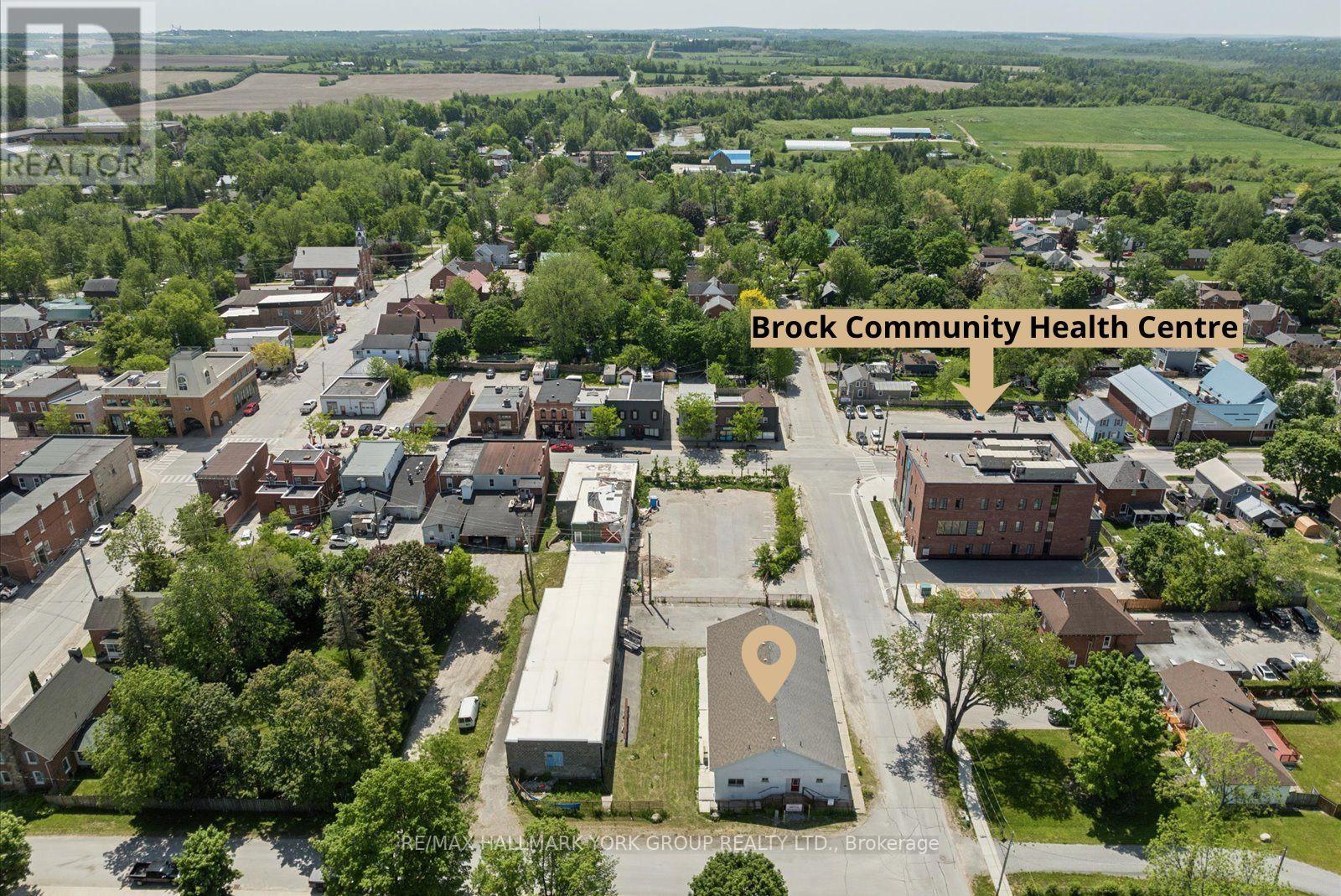 For Sale
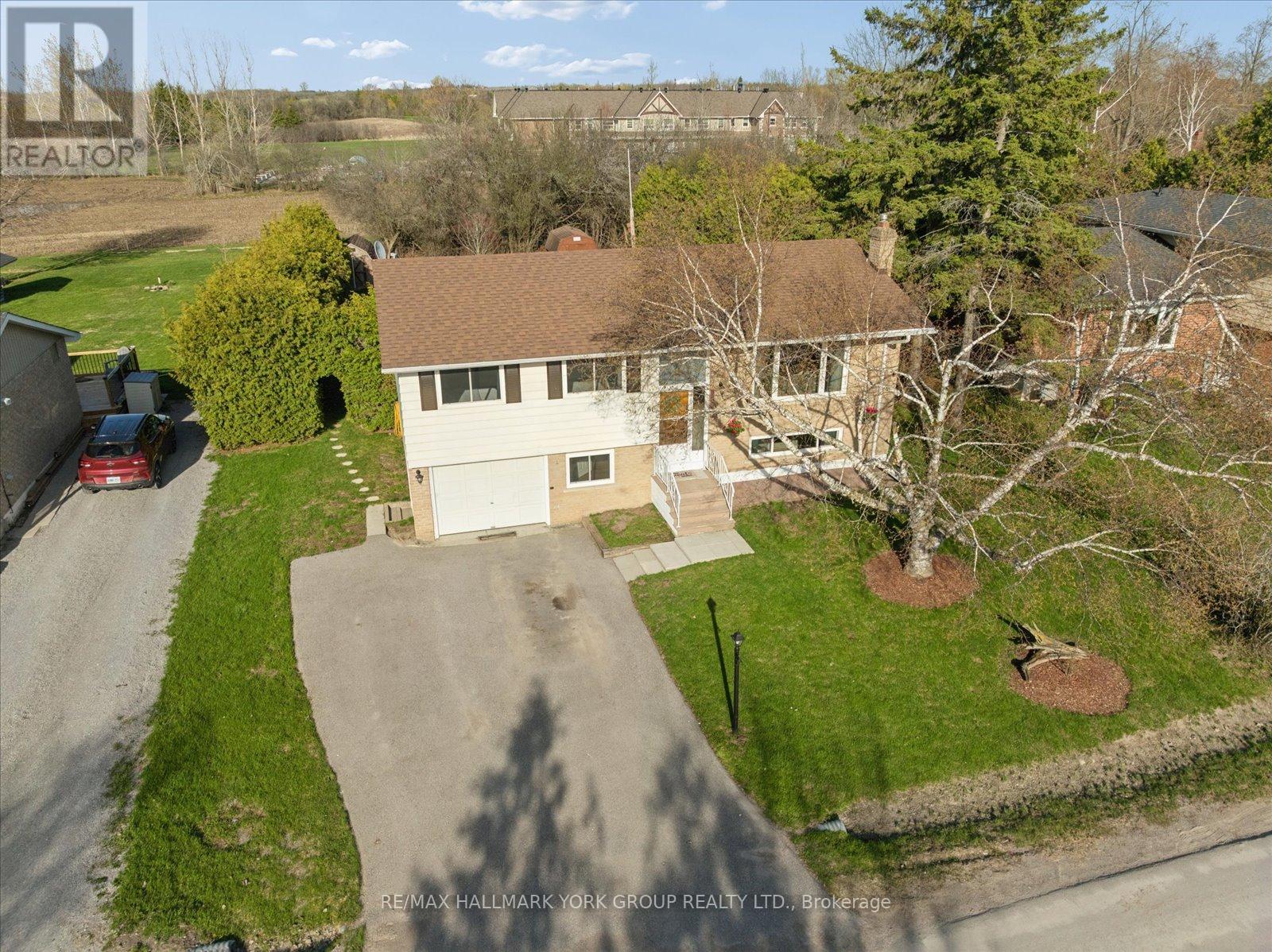 For Sale
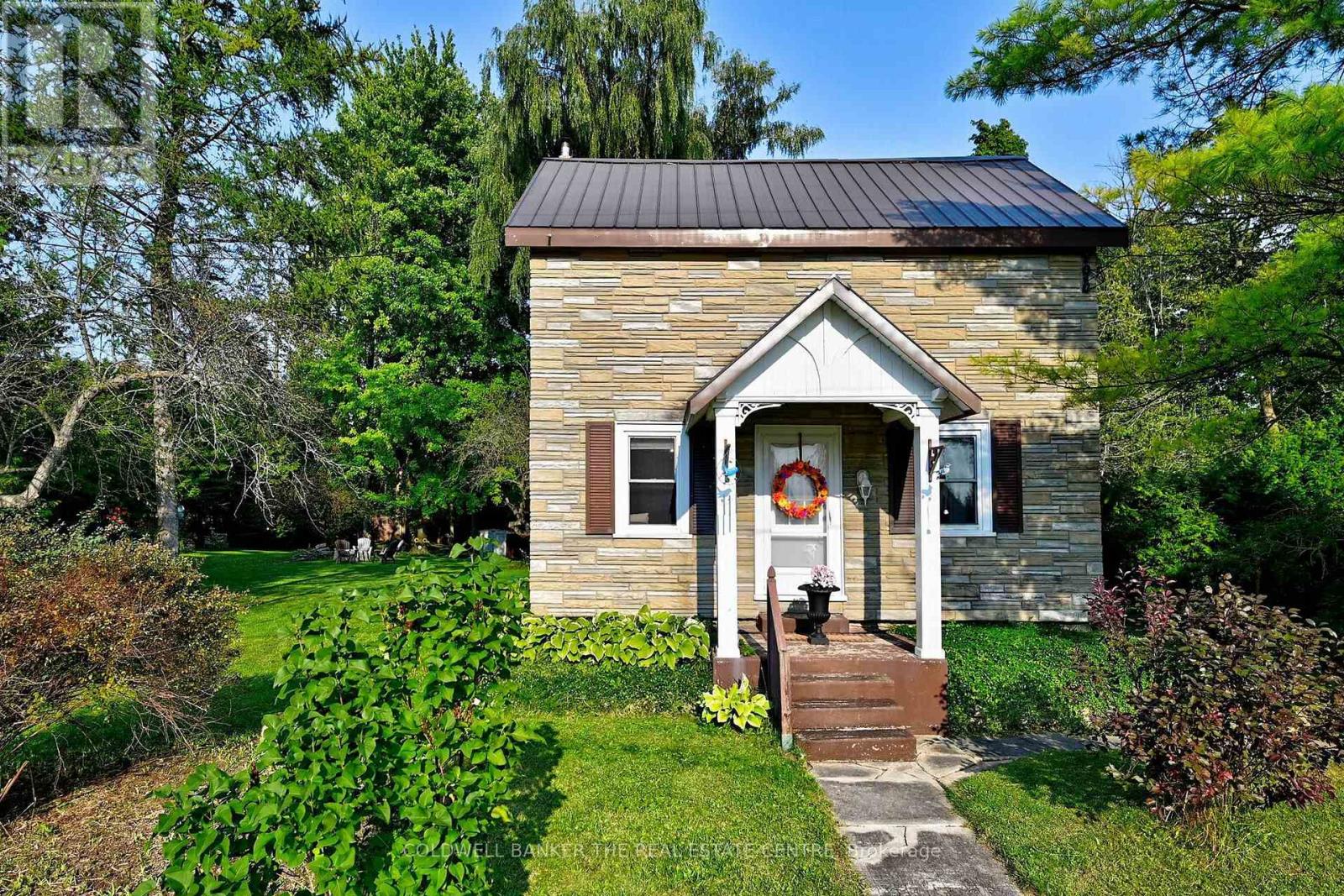 For Sale
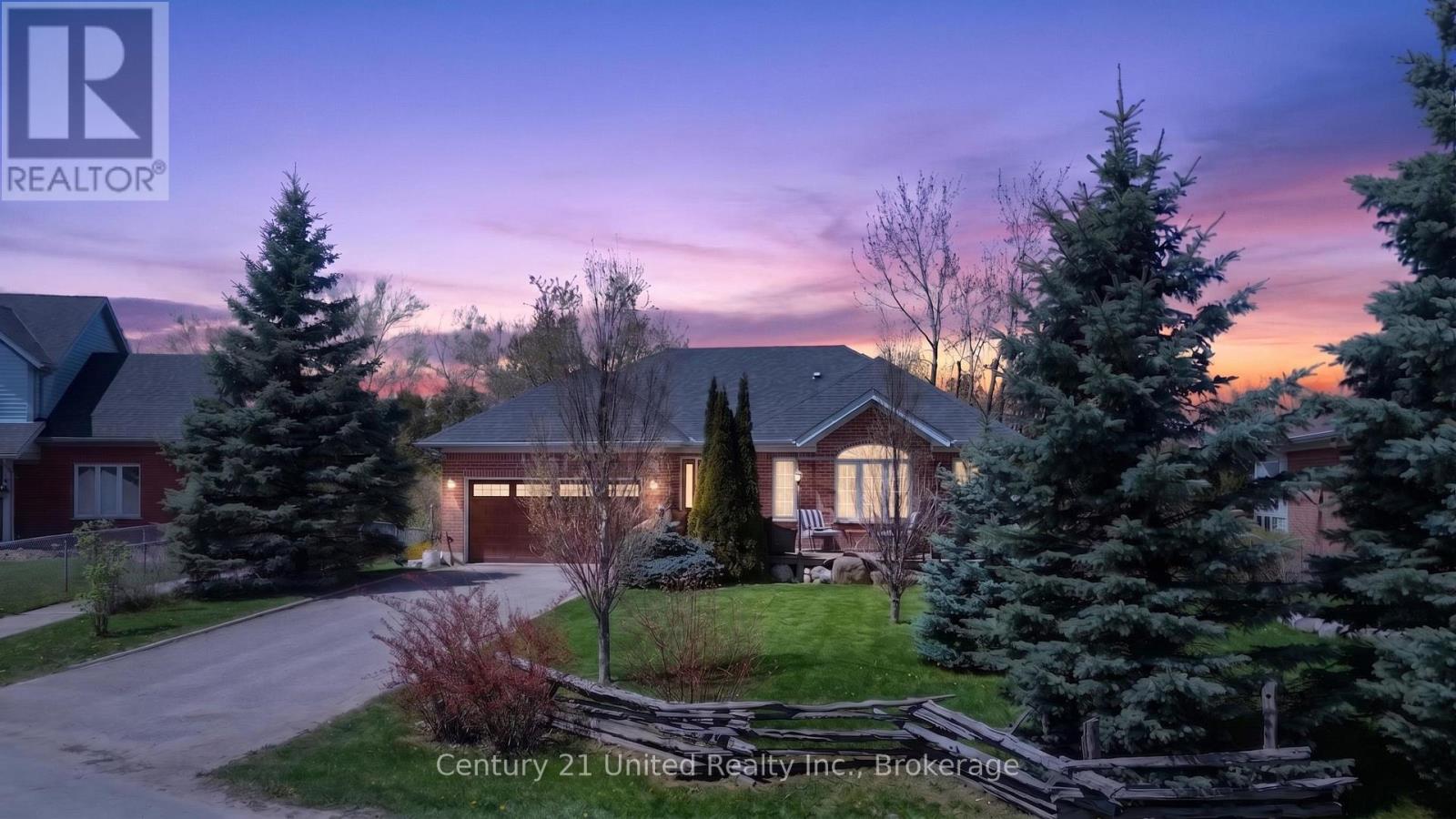 For Sale