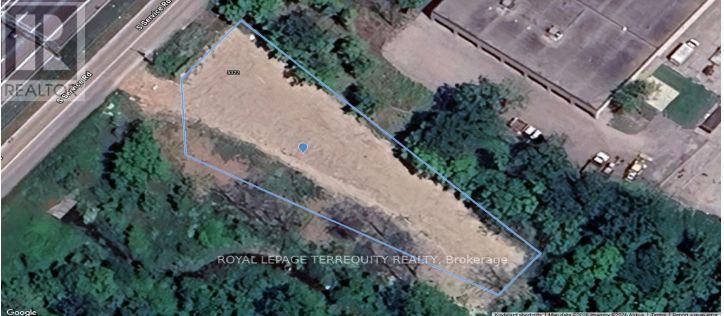
Industrial Burlington is the employment and light industrial area in Burlington along the QEW and Harvester Road corridors. This zone houses warehousing, manufacturing, office parks and commercial uses. Limited residential. Adjacent to Burlington GO station.
Industrial Burlington is not a residential neighbourhood — it is Burlington’s primary employment and industrial land base, concentrated in the areas along the QEW between Guelph Line and Appleby Line, and extending north along the Harvester Road corridor. The area houses warehousing, distribution, light manufacturing, office parks, automotive dealerships, and service commercial uses that support the broader Burlington and Hamilton-Niagara economy. Burlington GO station sits within or adjacent to this employment corridor, making it one of the more transit-accessible employment areas in the western GTA region.
The industrial and employment lands in Burlington are part of the region’s economic base, providing jobs for Burlington residents and attracting businesses that need QEW highway access, GO station proximity for commuting employees, and the operational space that the residential communities cannot accommodate. The area developed through the 1960s, 1970s, and 1980s as Burlington grew its employment base alongside its residential expansion, and it has continued to evolve as older industrial uses are replaced by more modern distribution and office uses.
For buyers or tenants evaluating commercial and industrial space in Burlington, the employment corridor offers access to the QEW at multiple interchanges, reasonable proximity to Hamilton port and the Hamilton International Airport for logistics operations, and a workforce that lives within the Burlington, Oakville, and Hamilton catchment area. The area is functionally part of the broader Hamilton-Burlington employment zone that stretches along the south shore of Lake Ontario.
The land uses in Industrial Burlington range from traditional light manufacturing in older buildings to modern logistics warehouses, business parks with multi-tenant office buildings, automotive dealerships and service centres, building supply and trades contractors, and a range of service commercial uses that support the surrounding residential communities. The mix reflects the incremental development of the employment corridor over several decades, with newer development standards in recently built facilities contrasting with older industrial buildings that predate current design requirements.
Warehousing and distribution have been growing as land uses in Burlington’s employment area as e-commerce and regional logistics demand has increased. Modern logistics facilities in the 50,000 to 200,000 square foot range have replaced some older industrial buildings, and the demand for distribution space in the Hamilton-Burlington-Mississauga corridor has driven vacancy rates down and rents up over the past decade.
Office development in the employment corridor is clustered in business parks along Harvester Road and the QEW service roads. Multi-tenant office buildings in the 10,000 to 50,000 square foot range house professional services, technology firms, and regional offices of national companies. The proximity to Burlington GO station makes this corridor attractive for businesses where employees commute by train, which has supported office demand even as remote work has reduced overall office attendance rates.
The commercial and industrial property market in Burlington’s employment corridor has been active over the past several years, driven by strong demand for distribution space and continued demand for well-located office space near the GO station. Industrial lease rates in Burlington were in the $15 to $22 per square foot net range in 2024-2025, which is below the Oakville and Mississauga rates for comparable space but reflects the QEW access and the Burlington workforce availability.
Ownership of industrial and commercial properties in Burlington’s employment corridor has attracted institutional investors alongside local and regional private owners. Cap rates for well-tenanted industrial properties in the corridor have compressed over the past decade as investor appetite for logistics-related real estate has grown. Small to mid-sized industrial buildings in the 5,000 to 20,000 square foot range are also transacted by owner-occupiers who want to own their business premises.
The commercial property market is best assessed through specialized commercial real estate brokerage rather than the residential platforms that dominate Burlington property searches. Buyers and tenants seeking space in the Industrial Burlington corridor should work with commercial brokers who are active in the Burlington-Hamilton industrial market and have current knowledge of available space and lease rate trends.
The Industrial Burlington corridor attracts a cross-section of the Hamilton-Burlington regional economy. Major national and international distribution and logistics companies occupy the newer large-format facilities along the QEW. Smaller manufacturers, trade contractors, and service businesses occupy the older industrial stock. Professional services and technology companies with regional operations use the business park office space along Harvester Road.
The automotive sector has a significant presence along the Appleby Line and QEW service road corridor, with multiple new and used vehicle dealerships and automotive service businesses occupying the commercial strip. This is consistent with the highway-facing commercial format that typifies automotive retail across Ontario, and the QEW visibility makes this corridor attractive for dealerships serving the Burlington-Hamilton corridor.
Trades and construction businesses serving the residential and commercial building market in Burlington, Oakville, and Hamilton are well-represented in the smaller industrial bays throughout the corridor. HVAC, electrical, plumbing, flooring, and general contractor businesses occupy smaller bays in multi-tenant industrial buildings that provide the operational space and yard area these businesses need without the high rents of the residential-adjacent commercial streets.
The primary roads serving Industrial Burlington are the QEW itself, with multiple interchanges at Guelph Line, Brant Street, Appleby Line, and Walkers Line; Fairview Street running parallel to the QEW through the employment corridor; Harvester Road running east-west through the north portion of the industrial area; and the various service roads and access drives connecting individual businesses to these arterials.
The QEW interchanges provide direct highway access at regular intervals, making this one of the most highway-accessible employment corridors in the western GTA. Trucks serving distribution businesses in the corridor can access the QEW without navigating residential streets, which is important for the logistics and warehousing tenants that dominate the newer portions of the corridor.
Fairview Street serves as the internal arterial for businesses that front or back onto the QEW service road, providing a non-highway alternative for local employee traffic and deliveries. The street is one of Burlington’s busier commercial arterials and carries significant peak-hour commuter traffic in addition to industrial and commercial vehicles.
Transportation access is the defining attribute of the Industrial Burlington corridor. The QEW provides direct connection to Toronto (45 to 60 minutes in normal conditions), Hamilton (15 minutes), the Niagara Peninsula, and the 401-QEW interchange that connects to the broader 400-series highway network. For distribution and logistics operations, this connectivity is the primary reason to locate in Burlington rather than further from the highway network.
Burlington GO station sits at the eastern end of the employment corridor, making it one of the most transit-accessible employment areas outside the GTA core. Businesses that want to provide employees with GO commuting options — which is increasingly important for employee recruitment in the hybrid work era — benefit from the station proximity. The station has a substantial parking structure and surface lots for commuters who drive to the station.
Air freight and container shipping access to Hamilton International Airport (30 minutes west) and the Hamilton port (25 minutes) is available for businesses with logistics requirements that include air or marine transport. The proximity of these facilities to the Burlington employment corridor is a practical advantage for businesses in international trade.
Industrial Burlington sits within Burlington’s south end, adjacent to the residential communities of Freeman, Appleby, and LaSalle Burlington to the north and west. The residential communities provide a direct workforce catchment for businesses in the corridor, with employees able to commute to work without highway travel if they live nearby. This proximity is one of the reasons the Burlington employment corridor has maintained workforce availability even as the industrial land base has evolved.
The QEW corridor connects Industrial Burlington to the broader Hamilton-Burlington-Oakville employment zone that stretches along the south shore of Lake Ontario. Businesses in the corridor are competing for labour with employers throughout this zone, which means the Burlington employment market is integrated into the regional labour market rather than being a standalone local economy.
The City of Burlington’s land use planning framework designates the employment corridor lands for employment uses and has generally resisted conversion of employment lands to residential development, recognizing that the employment base supports the tax base and the jobs that Burlington residents hold. This designation stability is positive for businesses investing in the corridor as it limits the speculative pressure that can displace employment uses when residential land values are high.
Worker amenities in Industrial Burlington have improved as the corridor has grown, though they remain more limited than in traditional downtown employment areas. A range of quick-service restaurants, coffee shops, and lunch options operate along Fairview Street and in the commercial plazas near the QEW interchanges. The Mapleview Shopping Centre at Fairview and Walkers Line provides a larger retail destination accessible during a lunch break for workers in the eastern portion of the corridor.
Burlington GO station’s proximity to the eastern portion of the employment corridor means that workers who commute by GO can access Burlington’s downtown retail and restaurant options in the evening after taking the train home or during a lunch commute to the station area. The station area has some food service and convenience retail of its own, though at a more limited scale than a major GO station hub.
Fitness facilities, banks, and personal services serving the working population in Industrial Burlington are distributed through the commercial plazas along Fairview Street and Harvester Road. The concentration of services increases toward the Burlington GO station area and decreases toward the western end of the corridor approaching Guelph Line.
Industrial Burlington’s lands are designated under Burlington’s Official Plan as employment lands, which limits their conversion to residential or retail uses without a formal official plan amendment. This designation provides stability for businesses that invest in the corridor. The specific zoning designations within the employment area vary from Business Industrial to Prestige Business to General Industrial, with each designation permitting different types and intensities of use.
The Niagara Escarpment Planning Area does not directly affect the industrial corridor, which sits at the lower elevation of Burlington away from the escarpment. The Conservation Halton-regulated areas around watercourses in the industrial zone add permitting requirements for development near creeks and drainage features, which affects site servicing and building placement on affected lots.
Burlington’s Official Plan does provide for some intensification and mixed-use development near the Burlington GO station, which means the area immediately surrounding the station is subject to planning policies that allow higher density residential and commercial development alongside employment uses. This mixed-use planning framework is creating gradual change near the station while the more distant employment lands remain under the pure employment designation.
The Burlington GO station area is the primary development focus within and adjacent to the Industrial Burlington corridor. Transit-oriented development at the station has been planned and is in various stages of approval and construction, bringing residential and mixed-use buildings to the blocks immediately around the station. This development will change the character of the station area from a pure employment and commuter park to a more urban mixed-use district over the next decade.
Logistics and warehousing demand continues to drive development proposals for the western portions of the industrial corridor, where larger parcels are available for the format of modern distribution facilities. The Hamilton-Burlington industrial market has seen sustained investment in logistics real estate, and the remaining developable land in Burlington’s employment corridor is increasingly sought after by logistics developers.
The long-term planning for the employment corridor balances the need to maintain and grow the employment base with the intensification pressures near the GO station and the potential for mixed-use development in parts of the corridor that are less suitable for traditional industrial use. The City of Burlington’s employment lands study and Official Plan review processes will shape this balance over the next planning horizon.
Q: What types of businesses typically locate in Industrial Burlington?
A: Industrial Burlington hosts a broad range of businesses across the light industrial, distribution, office, and service commercial categories. The largest occupiers in terms of floor area are distribution and warehousing operations that value QEW highway access and the Hamilton-Toronto logistics corridor position. Light manufacturers, automotive businesses, trade contractors, and building supply companies occupy older industrial stock throughout the corridor. Office businesses ranging from small professional practices to regional offices of national companies use the business park buildings along Harvester Road and the Fairview Street corridor, attracted by GO station proximity for their commuting employees. The employment corridor has evolved over decades, and the current mix reflects both the original industrial development of the 1960s and 1970s and the newer logistics and office uses that have replaced some of it.
Q: How does Burlington’s industrial lease rate compare to Oakville and Mississauga?
A: Burlington typically commands lower industrial lease rates than comparable Oakville and Mississauga locations. Industrial net lease rates in Burlington were generally in the $15 to $22 per square foot range in 2024-2025, while comparable Oakville and Mississauga spaces were often in the $18 to $25 per square foot range or higher. The difference reflects Burlington’s position at the western end of the Greater Toronto and Hamilton Area industrial market, with slightly less proximity to the 401 corridor and the denser population and consumer markets of the GTA core. For businesses where the QEW access to Hamilton and Niagara is as important as access to the 401 and the GTA east, Burlington’s lower lease rates represent genuine value. Confirm current rates with an active Burlington commercial broker rather than relying on historical data, as the industrial market has moved substantially over the past five years.
Q: Is Burlington’s employment corridor affected by Burlington’s residential intensification plans?
A: The core employment lands in Industrial Burlington are generally protected by the Official Plan’s employment designation, which requires a formal plan amendment to convert to residential uses. The Burlington GO station area is the exception, where mixed-use and residential development has been planned and is being implemented. For businesses not located immediately adjacent to the GO station, the employment land designation provides meaningful stability against residential conversion pressure. The City of Burlington has consistently maintained its employment land base through successive Official Plan reviews, recognizing that the tax revenue and employment generated by these lands supports the city’s financial sustainability. Businesses considering long-term investment in the corridor should review the specific zoning designation and Official Plan policies for their specific address to confirm the land use stability at their location.
Q: What infrastructure improvements are planned for the Industrial Burlington area?
A: The most significant near-term infrastructure change in the Industrial Burlington corridor is the transit-oriented development around Burlington GO station, which will bring improved transit service and pedestrian infrastructure to the station area. Metrolinx has been investing in Lakeshore West line service improvements including two-way all-day service, which will improve the transit service for GO-commuting employees throughout the day rather than just during peak hours. Road infrastructure improvements along the QEW service road and Fairview Street corridor are planned to accommodate the growth in commercial and residential density. For logistics-intensive businesses, the provincial and regional infrastructure investment in the Burlington-Hamilton corridor, including highway and interchange capacity, is relevant to their long-term operating assumptions. Specific planned projects and their timelines are available through the Ministry of Transportation Ontario and Region of Halton transportation planning documents.
Commercial property transactions in Industrial Burlington require a commercial real estate agent with specific experience in the Burlington-Hamilton industrial and office market. The residential agents who dominate Burlington’s property landscape are generally not equipped to evaluate industrial lease rates, assess building specifications for logistics or manufacturing use, or negotiate commercial leases and purchase agreements for employment land properties. Finding a commercial agent who is genuinely active in the Burlington-Hamilton commercial market is the first step.
For businesses leasing space in Industrial Burlington, the lease negotiation is the critical transaction. Net lease structures, operating cost definitions, permitted use clauses, renewal options, and tenant improvement allowances are all meaningful variables that a commercial tenant’s agent should be experienced enough to negotiate effectively. The landlord’s agent is experienced at these negotiations; the tenant should have equally experienced representation.
For buyers purchasing industrial or commercial property in Burlington, the due diligence scope is different from residential: environmental site assessment, building envelope and systems assessment for industrial use, title review including any restrictive covenants or easements affecting the intended use, and zoning compliance for the proposed business operation. These investigations require professional services specific to commercial real estate transactions, and the cost of skipping them is potentially higher than the transaction itself if a significant issue is discovered after closing.
Street-level knowledge is hard to find online. Our team works in Industrial Burlington every day. They know which pockets hold value, where the school catchment lines actually fall, and what the market is doing right now. Talk to us before you make a decision about Industrial Burlington.
Talk to a local agent