
Palmer is a south-central Burlington family neighbourhood with 1980s-1990s detached homes and good access to Appleby GO station on the Lakeshore West line. Detached homes trade from $900K to $1.15M in 2025.
Palmer is a south-central Burlington neighbourhood built through the 1980s and 1990s, sitting between New Street to the south, Upper Middle Road to the north, Walkers Line to the west, and Appleby Line to the east. It’s a mid-market family community that sits within the south Burlington school system, has reasonable GO station proximity, and offers family-sized housing at the lower end of the south Burlington price range. For buyers who want a south Burlington address and a 1980s-1990s detached home at a modest price differential from north Burlington, Palmer is one of the first communities they encounter in their research.
The housing is primarily detached two-storey homes on 35 to 45-foot lots, with a range of floor plans and builder models reflecting the different phases and developers that worked the area through the development period. The streets are quiet suburban residential, the landscaping is mature, and the neighbourhood has the settled character of a community that has housed families for three decades without significant disruption.
Detached homes in Palmer were trading in the $900,000 to $1.15 million range in 2025, sitting between the more expensive Appleby GO-adjacent properties to the east and the cheaper Headon to the north. The neighbourhood competes primarily with Grindstone and Headon for budget-conscious south Burlington family buyers.
Palmer’s housing dates primarily from the 1980s and early 1990s, with construction quality and system age typical of this period. Two-storey detacheds on suburban lots are the dominant housing type, with attached garages, finished basements, and family-oriented layouts. The homes are now 30 to 40 years old, which means mechanical systems are on their replacement cycle and buyers should budget accordingly.
The range of condition in Palmer is significant. Some properties have been updated through successive renovations to a high standard; others retain original 1980s kitchens, bathrooms, and finishes that are due for full replacement. The renovation quality variation means the price range within the neighbourhood is driven as much by condition as by street or location differences within Palmer.
Lot sizes in Palmer are standard for Burlington’s 1980s suburban development: 35 to 45 feet wide on typical suburban depths. The lots are more useful than those in Alton and Orchard because the depths are sometimes greater in the older sections, but they don’t approach the generous dimensions of the older Mountainside and Bayview lots at higher price points.
Palmer is a steady south Burlington family market without the premium demand or the competitive intensity of the Appleby GO-walkable zone. Well-priced properties sell within 30 to 45 days in a normal Burlington market, and the market is not characterized by chronic multiple-offer situations. Buyers approaching Palmer can generally negotiate at a reasonable pace without the urgency dynamics of Appleby or Roseland.
The south Burlington premium applies to Palmer at a modest level relative to north Burlington comparables. The proximity to the same schools that make Grindstone and Headon attractive, and the slightly better QEW and GO access relative to north Burlington, support a price floor above what north Burlington delivers at similar housing quality. This differential is smaller than the gap between Palmer and the Appleby GO-adjacent zone, reflecting Palmer’s distance from the GO station.
Renovation activity in Palmer is ongoing, and many properties have seen investment in the past 5 to 10 years that brings them to a condition consistent with current buyer expectations. Buyers should compare the renovation status of specific properties carefully rather than assuming a uniform condition level across Palmer listings.
Palmer draws south Burlington family buyers who are competing at the lower end of the south Burlington family market. These buyers want the south Burlington school system and a detached home in the $900,000 to $1.1 million range, which makes Palmer one of the few available options at that price point with a genuine south Burlington location rather than north Burlington with a stretch.
Move-up buyers from Burlington semis and townhouses in the same part of the city who are ready for detached ownership frequently land in Palmer. They know the south Burlington market from their current ownership, and Palmer represents the next step on the price ladder within the same school system and general area.
Buyers who are comparing Palmer to Headon must weigh the roughly $50,000 to $100,000 premium that south Burlington carries over north Burlington at comparable housing quality. Whether that premium is worth it depends on how important the south Burlington school system is to their household — particularly the Lester B. Pearson catchment, which is more accessible from Palmer than from Headon.
Palmer’s residential streets form a typical 1980s suburban grid between the arterials of New Street, Upper Middle Road, Walkers Line, and Appleby Line. The interior streets are quiet residential, with the commercial and arterial activity at the edges of the community rather than within it. Most blocks are consistent in housing type and era, with the main variation being condition and specific lot dimensions.
Streets in the southern portion of Palmer, closer to New Street and the commercial activity at the New Street-Walkers Line node, have more convenient walkable access to services at the cost of slightly more arterial proximity noise. Streets in the centre of the neighbourhood are the quietest, with the interior suburban conditions that most Palmer buyers are looking for.
The Bronte Creek valley trail is accessible from the eastern portion of Palmer, providing a green corridor and trail access that differentiates the eastern streets from the interior sections. Properties near the creek trail have a more natural character and a trail amenity that the creek-distant streets don’t share.
Appleby GO station is approximately 15 minutes from Palmer by car, making it the most accessible GO option for Palmer commuters. Burlington GO station is about 20 to 25 minutes away. Neither is practical for walking or cycling from most Palmer addresses. The typical Palmer commuter drives to the station and parks, with GO parking available at both stations.
Driving to the QEW runs 10 to 15 minutes from Palmer via Walkers Line or Appleby Line south. The QEW connection from south Burlington is straightforward, and most Palmer commuters who drive to Toronto treat the surface road portion of the commute as a standard part of their routine. Peak-hour conditions on the approach to the QEW from the residential roads add some time relative to off-peak.
Burlington Transit operates along New Street and Upper Middle Road with connections to downtown Burlington, the hospital, and the GO stations. Service frequency is adequate for periodic transit use. Two-car households are standard in Palmer, and transit use is supplementary for most daily transportation.
Palmer has a standard Burlington suburban park network distributed through the community. Neighbourhood parks with playgrounds and sports fields are within reasonable walking distance of most Palmer residential streets. The parks are well-maintained and actively used by the family demographic that dominates the neighbourhood.
Bronte Creek Provincial Park is accessible in about 15 to 20 minutes by car and provides the primary large-scale outdoor recreation option for Palmer residents. The park’s hiking trails, cross-country skiing, and family programming are practical destinations for south Burlington families without requiring a major drive.
The Bronte Creek valley trail accessible from the eastern portion of Palmer extends to a broader trail network that connects to the conservation area and provides a non-vehicular route through natural habitat along the creek. Residents of the eastern Palmer streets who cycle or walk have trail access that the interior streets don’t share.
Palmer’s retail is primarily along New Street and the Upper Middle Road and Walkers Line commercial corridors. The Appleby Village and Centennial Park commercial areas on New Street provide grocery, pharmacy, and service retail within 10 minutes of most Palmer addresses. These commercial nodes handle the weekly household shopping adequately for the family demographic.
The Mapleview Shopping Centre at Fairview and Walkers Line is about 15 minutes south, providing the anchor mall retail that the neighbourhood commercial nodes don’t carry. Big-box retail along the QEW interchange area is similarly 15 to 20 minutes from most Palmer streets.
Downtown Burlington is 20 to 25 minutes by car, making the Brant Street restaurant and retail concentration accessible as a regular destination for evenings and weekends without requiring a major commitment. The drive is practical enough that Palmer residents use the downtown with some regularity rather than treating it as a special occasion destination.
Palmer falls within the Halton District School Board and is served by several HDSB elementary schools in the south-central Burlington catchment. Catchment assignments should be confirmed through the HDSB school locator for specific addresses, as the boundaries across the Walkers Line corridor can divide the neighbourhood into different school catchments.
Secondary students from Palmer typically attend Lester B. Pearson High School, the HDSB secondary school serving south-central Burlington. Pearson is a large established Burlington high school with a strong academic reputation, Advanced Placement and other specialist program offerings, and a broad extracurricular program that reflects the size and resources of a well-supported suburban high school. The Pearson catchment is a meaningful value driver for south Burlington properties, and Palmer’s position within it is part of its price premium over north Burlington.
The Halton Catholic District School Board serves Catholic-faith families with elementary and secondary options, including Assumption Catholic Secondary School for secondary students. Catholic school catchment assignments should be confirmed with the HCDSB for specific Palmer addresses.
Palmer is a built-out residential neighbourhood with limited development opportunity within its boundaries. Gradual renovation and household turnover is the ongoing activity. The commercial corridors adjacent to Palmer at New Street, Walkers Line, and Upper Middle Road are subject to Burlington’s intensification policies, which will bring higher-density development to those corridors incrementally over time. This is consistent with the broader Burlington intensification direction and doesn’t directly affect Palmer’s residential streets.
The Bronte Creek corridor to the east is protected by Conservation Halton, which means the natural eastern edge of the neighbourhood is stable. The conservation protection reinforces the value of creek-adjacent properties within Palmer relative to non-creek-adjacent properties, and this attribute will remain consistent regardless of the broader Burlington development trajectory.
Palmer’s long-term value is anchored by its south Burlington location within the Lester B. Pearson catchment and its GO station proximity. These structural attributes will not change, which provides a reliable value foundation even in periods when the broader Burlington market softens.
Q: What do detached homes in Palmer typically cost in 2025?
A: Detached homes in Palmer were trading in the $900K to $1.15M range in 2025. The lower end reflects original or partially updated properties. The upper end reflects fully renovated homes on the best streets with the best GO or waterfront proximity. Burlington’s property market is specific enough that comparable homes on adjacent streets can differ by 10 to 15 percent based on location attributes, so recent comparables specific to the streets you are considering are more reliable than general Burlington averages.
Q: How far is Palmer from the nearest GO station?
A: The closest GO station is Appleby GO, approximately 15 minutes from Palmer by car. The total door-to-door commute from Palmer to downtown Toronto by GO runs approximately 60 to 80 minutes. Buyers who commute daily to Toronto should verify this total time by actually doing the commute before committing, particularly accounting for peak-hour GO train frequency from the relevant station and travel time within Toronto after Union Station.
Q: What secondary school serves Palmer?
A: Lester B. Pearson High School is the HDSB secondary school serving Palmer. Pearson is a large established Burlington high school with Advanced Placement offerings and a strong academic reputation that supports the south Burlington price premium. The HDSB school locator tool at the board website confirms the specific catchment school for any Burlington address. Catholic secondary education in Burlington is provided through the Halton Catholic District School Board, with specific assignments confirmed through that board.
Q: What are property taxes like in Palmer?
A: Burlington property taxes run approximately 0.7 to 0.8 percent of MPAC assessed value per year when city and regional portions are combined. For a home at $900K to $1.15M, the annual bill typically runs $6,000 to $9,000 depending on the specific MPAC assessment. Burlington’s tax rate is lower than Toronto and competitive with the other Halton Region municipalities. The MPAC assessed value for any specific property can be verified through the Ontario property assessment database before you finalize your purchase.
Palmer is a mainstream south Burlington family market that most active Burlington buyer’s agents cover competently. The value-add from an experienced agent comes in the comparison between Palmer and its adjacent alternatives: Grindstone, Headon, and the lower Appleby price tier. An agent who can honestly explain what the price difference between Palmer and Headon reflects, and who can confirm the school catchment picture for specific streets, is giving you the information needed to make a rational choice between closely priced options.
The home inspection on a 1980s-1990s Palmer two-storey should be thorough and focused on the predictable failure points for this vintage: HVAC systems, roof, EIFS cladding if present, electrical panel capacity, and foundation drainage. These are the items that most frequently produce unexpected capital costs in the first few years of ownership, and they need to be assessed specifically rather than assumed to be in good condition because the house presents well.
For buyers who are considering renovating a Palmer property, a pre-purchase contractor consultation is worthwhile on any property where the renovation scope is significant. The cost of a contractor walkthrough before you make an offer is small relative to the information it provides about realistic renovation costs, and it protects you from submitting an offer based on a renovation budget that does not survive contact with the actual scope of work required.
Street-level knowledge is hard to find online. Our team works in Palmer every day. They know which pockets hold value, where the school catchment lines actually fall, and what the market is doing right now. Talk to us before you make a decision about Palmer.
Talk to a local agent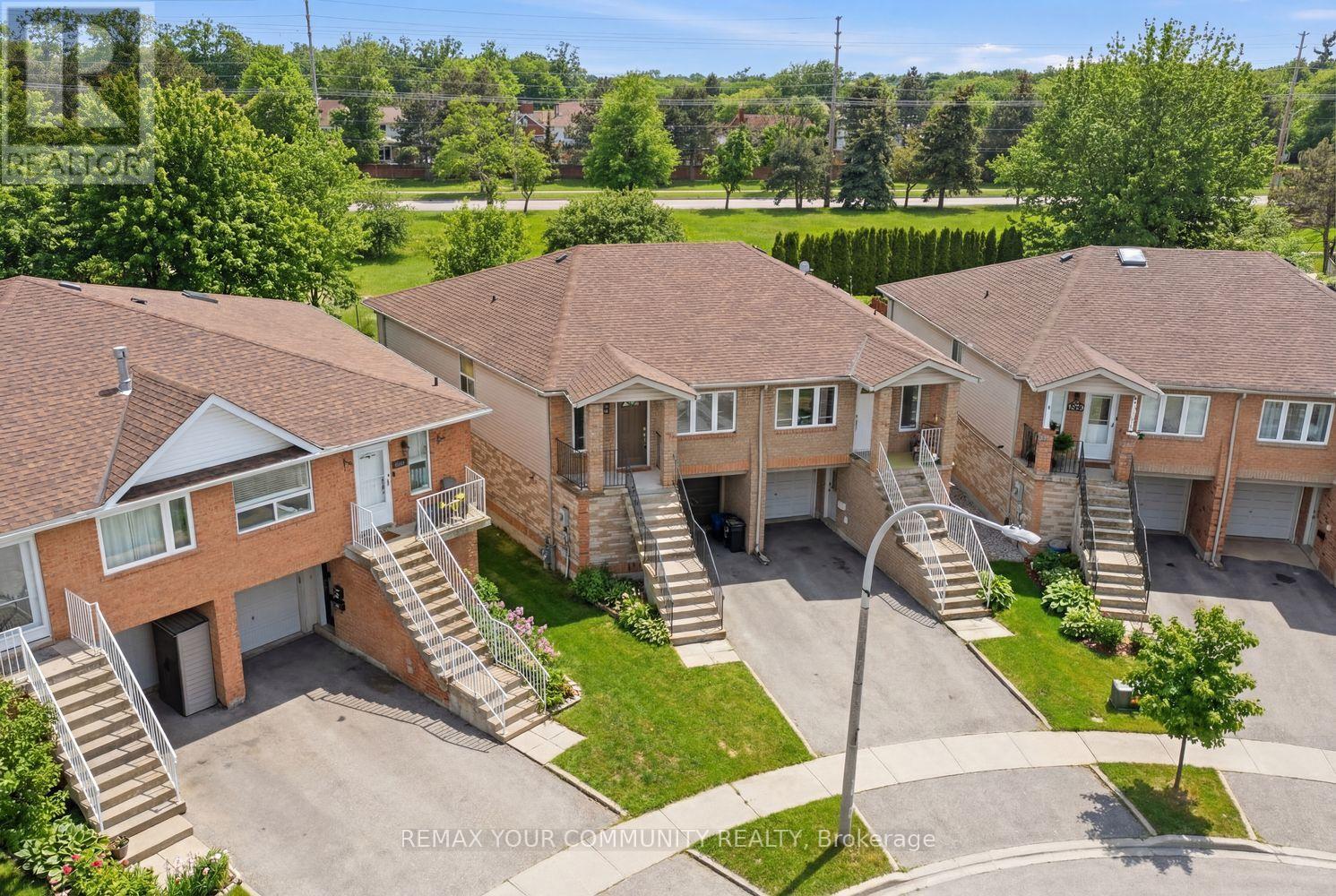 For Sale
 For Sale
 For Sale
 For Sale