
Rural Burlington sits north of the urban boundary, where the Niagara Escarpment and the Greenbelt shape the land into something genuinely different from the subdivisions below. Horse properties, hobby farms, and estate lots on rural concession roads. GO Lakeshore West at Burlington station connects to Toronto for buyers who need it.
Rural Burlington is the land north of Burlington’s urban boundary, where the Niagara Escarpment rises through the Greenbelt and the character of the landscape shifts from suburban grid to concession road country. This is a distinct part of Burlington that many buyers don’t consider because it doesn’t fit the mental image of a GO train commuter suburb, but for the right buyer it offers something the subdivisions below cannot: genuine land, genuine separation, and a rural quality of life within a municipality that has all the services of a mid-sized city at its southern edge.
The Niagara Escarpment UNESCO World Biosphere Reserve runs through the northern portion of rural Burlington, and the land subject to the Greenbelt Plan and Niagara Escarpment Plan is largely protected from subdivision. This is a feature, not a constraint, for buyers who choose rural Burlington: the landscape they’re buying into will remain rural. Their neighbours won’t be replaced by townhomes. The views don’t get built out.
Properties in rural Burlington include horse operations with paddocks and barns, hobby farms on 5-25 acre lots, estate homes on large parcels, and working agricultural operations on larger holdings. The Escarpment communities of Kilbride, Lowville, and Mount Nemo have their own character and small service nodes, while the concession road properties between them offer more isolated positions for buyers who prioritise privacy.
The practical reality of rural Burlington is that you’re 15-20 minutes from the urban services of Burlington and Hamilton to the south. GO Lakeshore West at Burlington station is accessible, though most rural Burlington residents drive. The 407 ETR connects eastward for buyers with employment in the Mississauga or Toronto corridor. This is not a commuter suburb — it’s a rural address within commuting range, which is a different thing.
The housing stock in rural Burlington is diverse because the area developed without a master plan. You find everything from original farmhouses from the 1880s and 1890s to purpose-built equestrian facilities constructed in the 2000s to custom estate homes on 10-acre lots built in any decade since the 1960s. What unites them is land: rural Burlington properties almost always have significant outdoor space, and the structures on them vary widely in age, style, and condition.
Original farmhouses typically sit on land that has been sold off from its original agricultural holding, leaving 2-5 acres around the house. These properties offer the historic character of a 19th-century farm building, often with substantial renovations over the decades, at prices that reflect their age and the cost of ongoing maintenance. Buyers who choose them value character over convenience and understand that older buildings require ongoing investment.
Custom estate homes on larger parcels represent the upper end of the rural Burlington market. These are purpose-built residences — typically 3,000-6,000 square feet — on 5-15 acre lots, with landscaping, pools, and outbuildings designed around the property from the start. They trade less frequently than anything in urban Burlington, and the buyer pool is small and specific.
Equestrian properties are a distinct category that requires specific facilities: paddocks, fencing, a barn with stalls, possibly an arena. Buyers in this category are evaluating the land and the facilities as much as the house, and properties with quality equestrian infrastructure command a premium that reflects the cost of building it from scratch. Rural Burlington has a functioning equestrian community with trails, clubs, and a network of neighbouring properties that makes it a genuine destination for horse owners.
Rural Burlington pricing covers a wide range because the product category is wide. A 2-acre lot with an original farmhouse needing significant work might sell in the $900,000-$1.1 million range. A custom estate home on 10 acres with an updated interior will trade from $2 million to $3.5 million depending on the build quality, land, and outbuildings. Equestrian properties with full facilities at the high end have sold above $4 million.
The land component in rural Burlington is priced differently from urban Burlington. You’re not paying for proximity to a GO station or a school catchment. You’re paying for acreage, agricultural capability, Escarpment views, and protected rural character. Land values have appreciated significantly since 2020, driven by buyers leaving urban addresses during the pandemic and choosing not to return. That trend has cooled somewhat as interest rates rose, but rural Burlington retains a buyer base that the urban market can’t easily replicate.
Buyers should budget for the ongoing costs that don’t exist in urban addresses. Septic systems need regular maintenance and eventual replacement — a full system replacement runs $20,000-$40,000 depending on the site. Well water requires testing and occasionally pump or equipment replacement. Long driveways need grading. Heating bills for older farmhouses are substantial. These aren’t surprises for buyers who’ve lived rurally before, but city buyers moving to rural Burlington for the first time sometimes underestimate them.
Rural Burlington does not transact frequently. There is no volume here. Comparable sales are often months or years apart, which makes pricing genuinely difficult for both buyers and sellers. Working with an agent who has specific experience in rural Burlington and access to private and off-market data is more important here than in almost any urban neighbourhood in the GTA.
Rural Burlington is a car-dependent address. This is not a criticism — it’s the fundamental character of any rural municipality. The trade-off for land, privacy, and rural character is that you drive to everything. Buyers who need daily public transit access to Toronto or Mississauga should look at urban Burlington instead.
GO Lakeshore West at Burlington station is the primary connection to the regional rail network. From there, express trains reach Union Station in approximately 60 minutes during peak service. Most rural Burlington residents drive to Burlington GO station rather than taking local transit to it. Aldershot GO station is also accessible for properties in the western portions of rural Burlington.
The 407 ETR provides the most direct east-west connection for rural Burlington residents commuting to Mississauga, Brampton, or Toronto. The QEW is accessible via the urban Burlington interchanges. Hamilton is 20-25 minutes west via Highway 403 or regional roads, and Hamilton’s employment base in healthcare, education, and manufacturing is relevant for rural Burlington buyers who work there rather than in the Toronto corridor.
Burlington Transit does not serve rural Burlington in any meaningful way. Local roads are maintained by the City of Burlington, and road conditions through winter are generally adequate. Buyers coming from GTA suburban addresses sometimes expect more frequent road maintenance than rural areas typically receive — snow clearing on concession roads takes longer than on urban streets, and that’s a realistic expectation to hold.
Rural Burlington falls within the Halton District School Board (HDSB) for public schools and the Halton Catholic District School Board (HCDSB) for Catholic schools. School assignments depend on which part of rural Burlington a property sits in, and families should confirm their specific school catchment with the board before purchasing.
Secondary students in the Kilbride and Lowville areas typically attend Burlington’s Aldershot High School, which serves the northwestern portion of the city. Other rural Burlington addresses may be assigned to different Burlington secondary schools depending on their location relative to the urban boundary. All HDSB secondary schools offer the Ontario curriculum with strong academic programming, and Burlington’s secondary schools have consistently performed well on provincial assessments.
Elementary schooling typically involves busing from rural addresses to the nearest urban school. Rural Burlington does not have neighbourhood elementary schools within walking distance — this is a function of population density. Families with young children should factor the busing distances into their decision and confirm the specific schools serving their prospective address before purchase.
Private school options in the broader region include several established schools in Burlington, Hamilton, and Oakville. Families who prioritise independent school options will find that rural Burlington’s proximity to Hamilton and Burlington provides reasonable access, though the daily driving commitment from a rural address to a city private school adds up over a school year.
The character of rural Burlington is shaped by the Niagara Escarpment as much as anything else. The Escarpment is a physical presence — a long ridge of Silurian dolostone that runs northeast to southwest through the area, creating dramatic topography, cliff faces, and the elevated plateau of the Escarpment brow where some of the most distinctive properties sit. Properties on the Escarpment have views down over Lake Ontario and across Burlington that you simply cannot buy anywhere in the urban city.
The communities of Kilbride, Lowville, and Mount Nemo have retained a village character despite being within Burlington’s municipal boundary. A country store, a church, a community hall — the infrastructure of a small agricultural community that predates Burlington’s suburban expansion by a century and a half. These communities don’t have the amenity density of urban Burlington, but they have a social fabric of long-standing residents and newer arrivals who have chosen rural life deliberately.
Horse culture is woven into rural Burlington’s identity in a way that is unusual for a municipality of Burlington’s size. There are active riding clubs, trail networks that connect across the Escarpment, and a community of equestrian families who know each other, share trail access, and have formed a genuine rural social network. For non-equestrian buyers this is background texture; for horse owners it’s a primary reason to be here.
Seasonal variation is more pronounced in rural Burlington than in the urban city. Winter on the Escarpment is colder and snowier than the lakeside urban areas. Spring mud season is real. Summer is genuinely green and lush in a way that a suburban lot isn’t. Buyers who engage with the seasons rather than insulating themselves from them will find rural Burlington consistently rewarding across the year.
The Bruce Trail runs along the Niagara Escarpment through rural Burlington, providing direct access from many properties to one of Ontario’s iconic long-distance trails. The Bruce Trail Conservancy maintains the main trail and a network of side trails through this section, and the terrain — limestone outcrops, second-growth forest, Escarpment cliff edges with views over Lake Ontario — is among the most dramatic walking in the Golden Horseshoe. For buyers who hike, this is a primary amenity.
Rattlesnake Point Conservation Area and Crawford Lake Conservation Area are within 15-20 minutes of most rural Burlington addresses, providing additional trail networks, rock climbing at Rattlesnake Point, and one of the few remaining intact Crawford Lake Iroquoian village archaeological sites in Ontario. Conservation Halton manages these areas and they provide recreational access for area residents year-round.
Road cycling on the Escarpment roads attracts cyclists from across the region. The elevation changes, the lower traffic volumes compared to the urban grid, and the rural scenery make for genuinely good cycling. Many rural Burlington residents are cyclists, and the community has an informal culture around group rides from local starting points.
Cross-country skiing and snowshoeing on the Escarpment plateau are viable winter activities from many rural Burlington properties. The terrain and snowfall amounts on the Escarpment are sufficient for meaningful cross-country skiing in most winters. Downhill skiing is within reach at Mount St. Louis or Blue Mountain, though neither is particularly close — they’re 90 minutes to two hours north. The outdoor recreational draw of rural Burlington is primarily trail-based rather than ski-resort-based.
Urban Burlington provides the daily amenities for rural Burlington residents. The Walmart and Canadian Tire at the north end of urban Burlington are the nearest large-format retail options, roughly 15-20 minutes from most rural addresses. The Mapleview Centre and downtown Burlington provide a full range of retail, restaurant, and service options at the same distance. For residents of rural Burlington, a drive to shops is simply part of the structure of the day.
Grocery options in the immediate rural area are limited to small local stores and seasonal farm stands. The serious grocery shop happens in urban Burlington. Costco and the grocery options along Plains Road East and Fairview Street serve rural Burlington residents making the trip down. Farmers markets at the Burlington Waterfront on Saturdays during summer are a useful supplement for produce and local products.
Medical services are concentrated in urban Burlington and Hamilton. Joseph Brant Hospital on New Street in Burlington is the primary emergency resource, roughly 25 minutes from most rural Burlington addresses in normal conditions. Hamilton Health Sciences at McMaster is approximately 30 minutes west. Residents of rural Burlington with ongoing medical needs should factor drive times into their assessment — this is not a criticism of the area, but a realistic planning consideration.
The Kilbride and Lowville communities have minimal commercial infrastructure — a few local services and long-standing businesses rather than a full commercial strip. This is appropriate to the rural character. The absence of commercial density is part of what rural Burlington buyers are choosing, not a deficiency they’re tolerating.
The buyers who choose rural Burlington fall into a few distinct categories, and understanding them helps explain why the market behaves as it does. They share a common denominator: they’ve made a deliberate choice to live rurally, and the trade-offs are ones they’ve considered and accepted.
Horse owners are a consistent buyer segment. Rural Burlington’s equestrian infrastructure, trail networks, and established equestrian community make it one of the more attractive horse property markets in the western GTA region. These buyers evaluate properties primarily on the equestrian facilities and land, and they’ll pay a premium for an operation that’s genuinely ready to use rather than one that needs barn construction and paddock fencing.
Remote and hybrid workers who moved toward rural addresses during the pandemic and remain in flexible work arrangements make up a growing share of recent buyers. For this group, the calculation shifted: if you’re in the office two days a week rather than five, a 45-minute drive to Burlington GO becomes manageable where a daily commute would not have been. Rural Burlington gained buyers from this shift who had previously looked only at urban addresses.
Retirees and pre-retirees looking for the acreage and quiet of a rural address without giving up Ontario health infrastructure at Burlington and Hamilton make up another consistent segment. These buyers often have the financial capacity for a rural estate property and the flexibility of no longer needing daily transit access.
Some buyers in rural Burlington are directly agricultural — hobby farmers who want chickens, a market garden, a small fruit operation, or simply to grow their own food on a serious scale. The Greenbelt protections and the agricultural zoning in much of rural Burlington make it possible to operate a real small farm, which is a specific draw for a specific buyer.
Rural Burlington prices peaked in early 2022 along with the broader GTA market, then corrected through 2022 and 2023 as interest rates rose. The correction was somewhat less dramatic than in high-density urban markets, in part because rural properties had not been bid up to the same speculative levels during the pandemic surge. By 2024 and into 2025, the rural Burlington market had stabilised and was showing modest appreciation in the most sought-after property categories.
The most durable price support in rural Burlington comes from the fundamental scarcity of supply. The Greenbelt and the Niagara Escarpment Plan restrict new development across much of the area. What’s there is largely what will continue to be there. Unlike urban Burlington, where new supply is created regularly through intensification and infill, rural Burlington’s supply is effectively fixed. Buyers compete for a pool of properties that grows slowly if at all.
Days on market in rural Burlington are longer than in urban Burlington. This is structural, not a sign of weakness. The buyer pool for a $2.5 million equestrian property in Kilbride is a fraction of the buyer pool for a $1.3 million semi in Alton. Sellers who understand this set realistic timelines and price carefully against the limited comparable sales available. Properties that are overpriced relative to condition and comparable sales sit — sometimes for many months.
The premium segment — estate homes on 5-plus acres in the $2-4 million range — has shown the most volatility in recent cycles. These properties are discretionary purchases for buyers who could afford urban alternatives. When buyer confidence is high and mortgage costs are manageable, this segment is active. When rates are high and confidence is low, it goes quiet. The 2024-2025 cycle has been moderately active as rate reductions brought some buyers back.
What is the difference between rural Burlington and the rest of Burlington?
Rural Burlington sits north of the urban boundary, beyond the serviced areas that make up Burlington’s city grid. There is no municipal water or sanitary sewer — properties depend on drilled wells and septic systems. There is no walkable commercial area, no transit service, and no neighbourhood school within walking distance. The properties are on larger lots, typically measured in acres rather than square feet. The value proposition is land, privacy, and the natural character of the Niagara Escarpment, in exchange for a lifestyle that requires driving and self-sufficiency. The urban Burlington amenities are 15-20 minutes south.
Are properties in rural Burlington on well and septic?
Yes. All rural Burlington properties outside the small settlement areas rely on drilled wells for water and private septic systems for sewage disposal. Before purchasing, a buyer should have the well water tested independently (not just reviewed), confirm the septic system has been pumped and inspected within the past few years, and understand the location and age of the system. Septic replacement when a system fails runs $20,000-$40,000 depending on the site. This is a routine rural property cost, not a crisis, but buyers need to factor it into their long-term budgeting.
Is the Niagara Escarpment in rural Burlington protected from development?
Yes. Land within the Niagara Escarpment Plan area is subject to significant development restrictions, and the Greenbelt Plan protects much of the broader rural Burlington agricultural land from urban conversion. These protections mean rural Burlington will remain rural for the foreseeable future. The policy framework has been stable and is supported by provincial and federal designation. For buyers, this is a feature: the rural character they’re buying is not at risk of being surrounded by subdivisions in 10 years.
How far is rural Burlington from Burlington GO station?
Most rural Burlington addresses are 15-25 minutes by car from Burlington GO station. There is no local transit connection from rural Burlington to the GO station — you drive. From Burlington GO, express trains reach Union Station in approximately 60 minutes during peak service. For buyers who need daily Toronto commuting, rural Burlington requires genuine commitment to the drive or a flexible work arrangement that limits office days.
What are the best streets or areas within rural Burlington?
Escarpment brow properties between Kilbride and the Mount Nemo area are consistently among the most sought-after, for the combination of views, trail access, and the quality of the natural landscape. Lowville and its surrounding concession roads offer established equestrian properties with good lot sizes. Properties on the Escarpment itself carry a premium over plateau properties due to the views and proximity to the Bruce Trail. Buyers should work with an agent who knows this market specifically and can explain the micro-variation between locations that aren’t obvious from a map.
Buying rural land in Burlington is a different exercise from buying anywhere else in Halton. You’re not competing with dozens of similar listings in the same subdivision — you’re evaluating properties that may not come up again for years. Lots vary from a few acres of manicured hobby farm to large parcels of mixed terrain, and price per acre swings widely depending on road access, soil quality, existing structures, and what the land is actually zoned for. A rural listing at $1.2M and another at $1.8M may be more different from each other than the listing descriptions suggest, and understanding what’s actually driving the gap requires someone who knows Halton’s rural land market specifically.
The due diligence on a rural purchase takes longer and costs more than a typical residential deal. Septic systems need to be inspected and pumped — not just visually checked — and older systems may need full replacement before a lender will fund the purchase. Well water requires flow rate testing, potability testing, and sometimes a hydrogeological assessment if there’s any question about capacity. Buyers who skip or rush these steps often inherit expensive problems that were visible in the records if anyone had looked. A good buyer’s agent will have the professional contacts to get these done efficiently and knows when a report result is normal versus a reason to renegotiate the purchase price.
Financing rural properties in Burlington can also be more complex than a standard residential purchase. Lenders treat rural and agricultural land differently, and some require larger down payments or restrict lending on properties over a certain acreage. If there’s a secondary structure — a barn, a secondary dwelling, a detached workshop — that affects the financing picture too. Understanding which lenders are comfortable with rural Halton properties before you start writing offers saves time and prevents deals from falling apart at the financing condition stage, which is a frustrating and avoidable outcome.
If you’re looking at rural Burlington — whether for a primary home on acreage, a hobby farm, or a longer-term land investment — get in touch to talk through what’s available and what the purchase process actually involves. The right guidance at the start of the search makes the whole thing considerably more manageable.
Street-level knowledge is hard to find online. Our team works in Rural Burlington every day. They know which pockets hold value, where the school catchment lines actually fall, and what the market is doing right now. Talk to us before you make a decision about Rural Burlington.
Talk to a local agent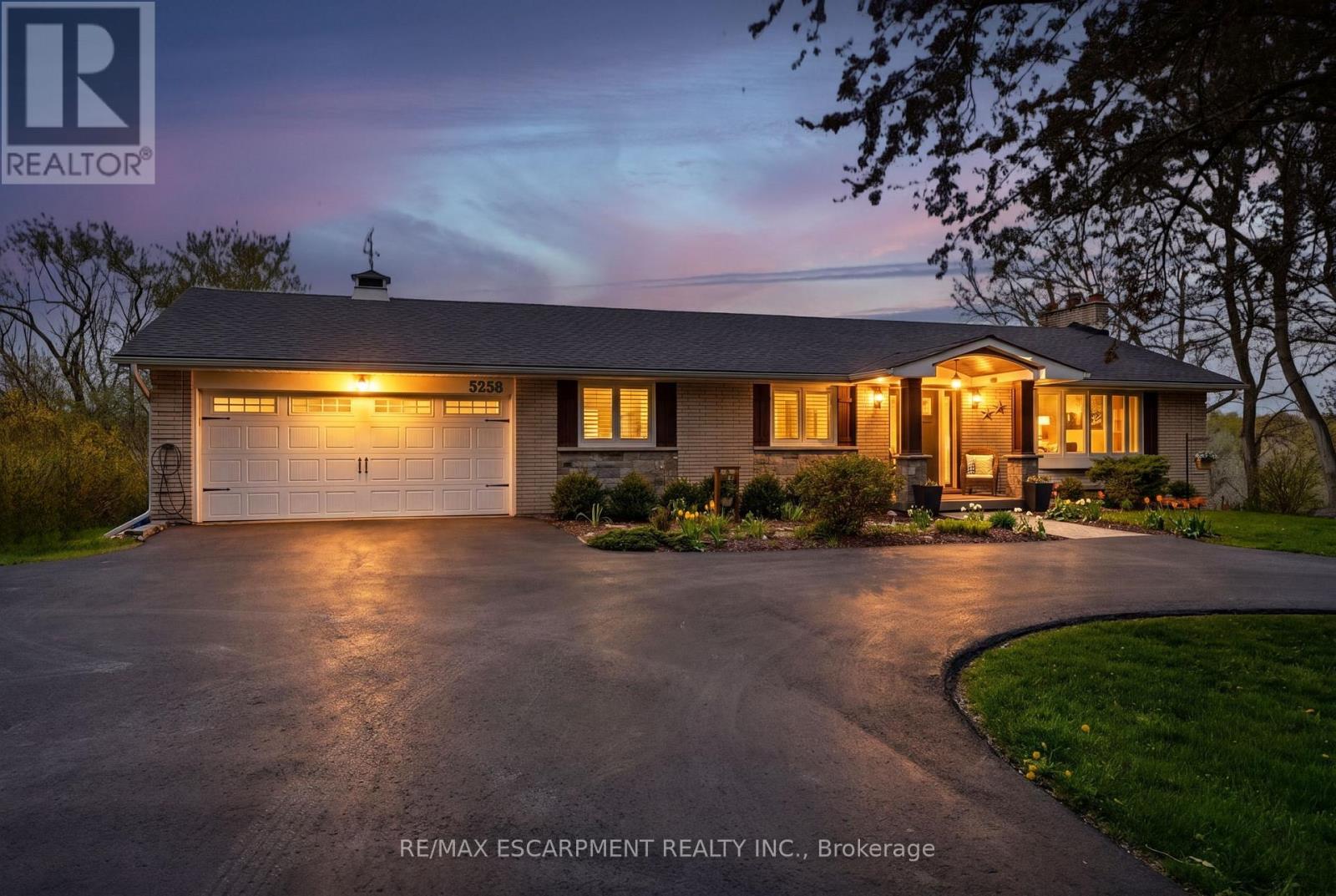 For Sale
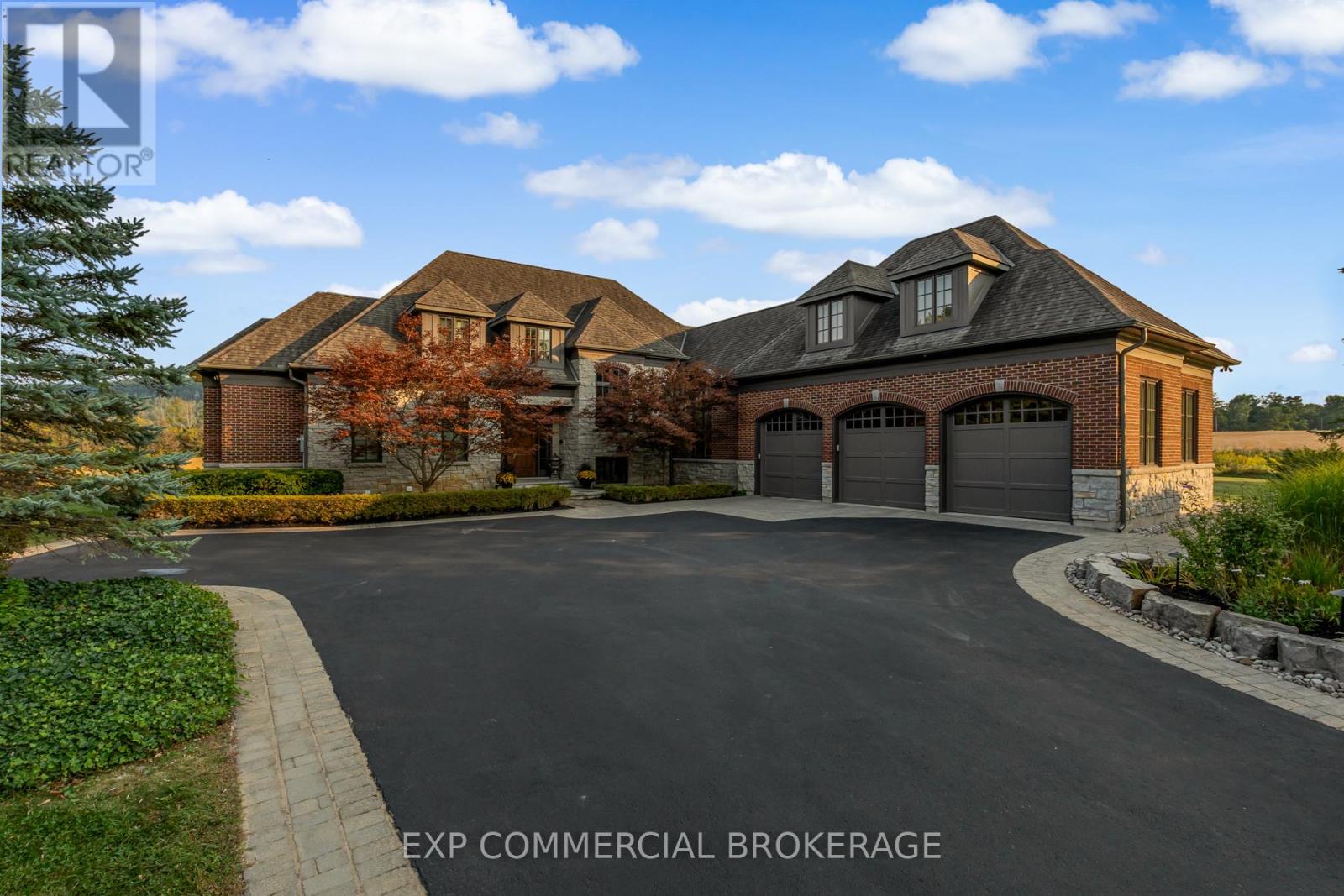 For Sale
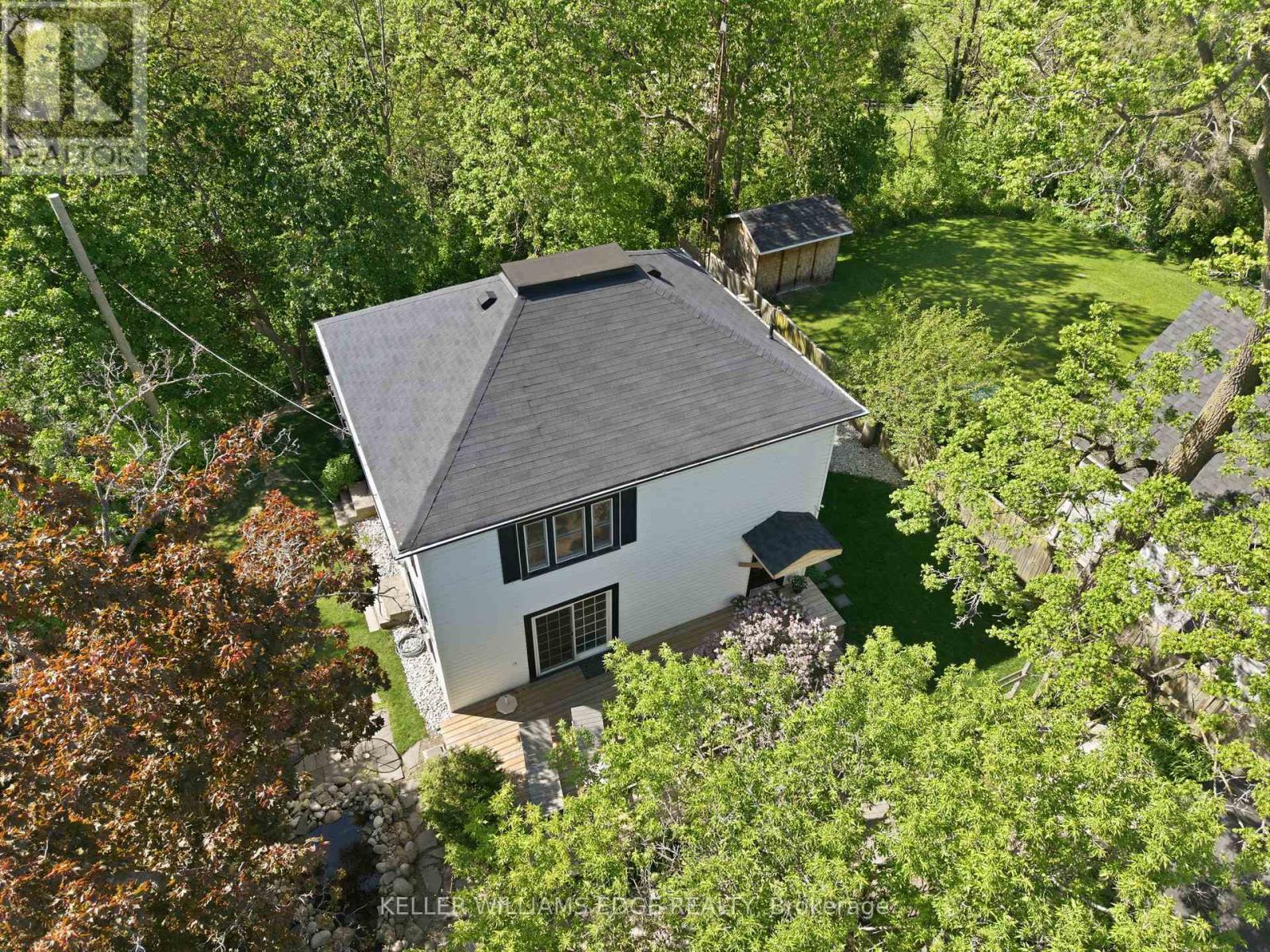 For Sale
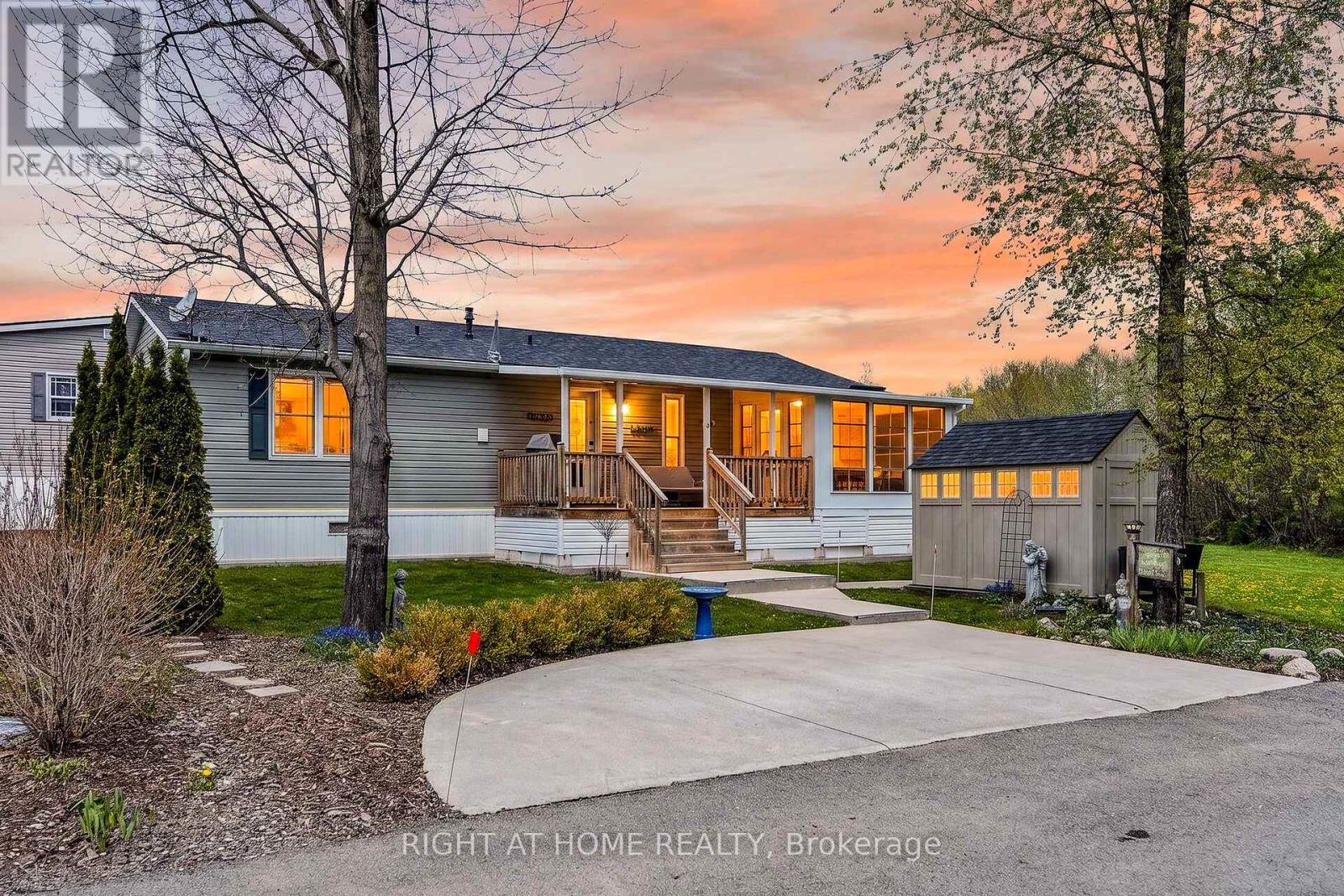 For Sale