
Shoreacres is south Burlington at its most sought-after. Large lots, mature tree canopy, custom and rebuilt homes on the Lake Ontario shore, and a quiet residential character that draws buyers from across the GTA. Among the highest prices in Burlington.
Shoreacres is the eastern section of south Burlington’s prestigious lakeshore tier, running from the Shoreacres Creek corridor eastward toward the Nelson boundary. Together with Roseland to its west and Appleby to its east, Shoreacres forms the band of large-lot residential development that sits between Lakeshore Road and the lake on Burlington’s south shore. Within this tier, Shoreacres has its own distinct character: deeper lots on some streets, a strong tree canopy from decades of establishment, and proximity to the Shoreacres Creek ravine system that provides natural separation and green space within the neighbourhood.
The neighbourhood was developed primarily in the post-war period through to the 1970s, on land that was agricultural before Burlington’s residential expansion moved eastward from the original town core. The lots are substantial by GTA standards — 70 to 100 foot frontages on many streets, with depths that allow proper setbacks and mature landscaping. Properties closest to the lake have access to the waterfront trail along the Lake Ontario shore, and the lake view is an amenity for properties on the southern streets.
Shoreacres is almost entirely single-family residential. There is no commercial strip within the neighbourhood, no apartment density, and no subdivision-era infill. What you see from the street is what the neighbourhood has been for 40 to 60 years: mature trees, varied architectural styles, well-maintained properties, and an absence of the generic that characterises newer developments. The buyers here value that consistency, and the market reflects it.
The GO Lakeshore West line runs along the southern edge of the neighbourhood, and Appleby GO station is accessible at the eastern end of the area. This transit access gives Shoreacres unusual proximity to the GO network for a neighbourhood of its scale and character — most comparably-priced south Burlington addresses require more driving to reach the station.
Shoreacres housing stock is primarily original construction from the 1950s through the 1970s, with a significant layer of custom rebuilds and deep renovations that have occurred since the 1990s. The original builds were good quality for their era — brick construction, proper lot grading, substantial garages — but the lots have always been the more valuable asset, and many buyers over the past 30 years have recognised that and acted accordingly.
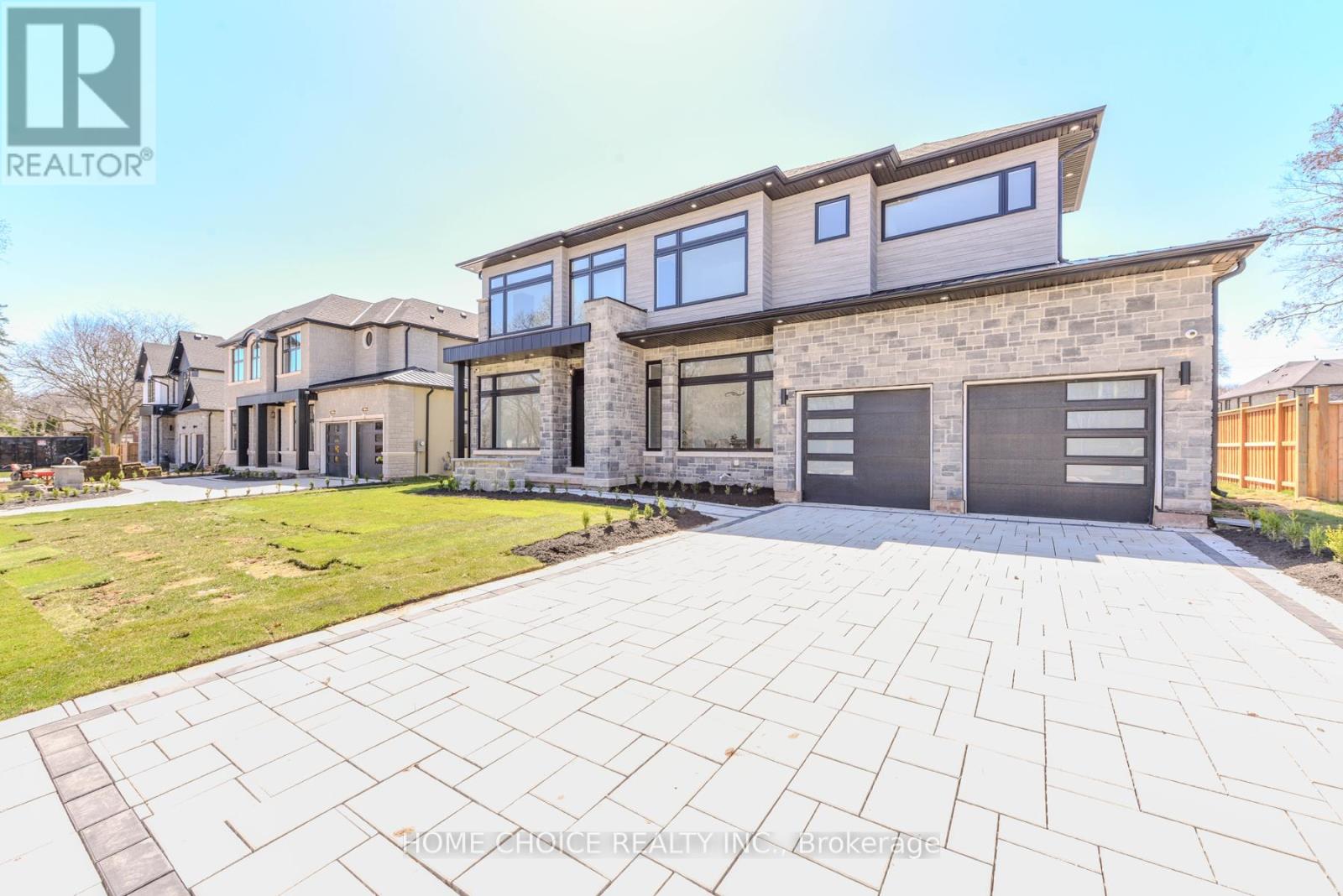
Custom-built homes are a significant presence in Shoreacres. Buyers purchased original structures, demolished them, and built purpose-designed homes ranging from 3,500 to 6,000 square feet on lots of 70 feet and wider. These homes trade at the upper end of the Burlington market and represent the area’s most expensive transactions. They typically feature contemporary or transitional architecture, high-end finishes, and landscaping designed for the lot rather than applied as an afterthought.
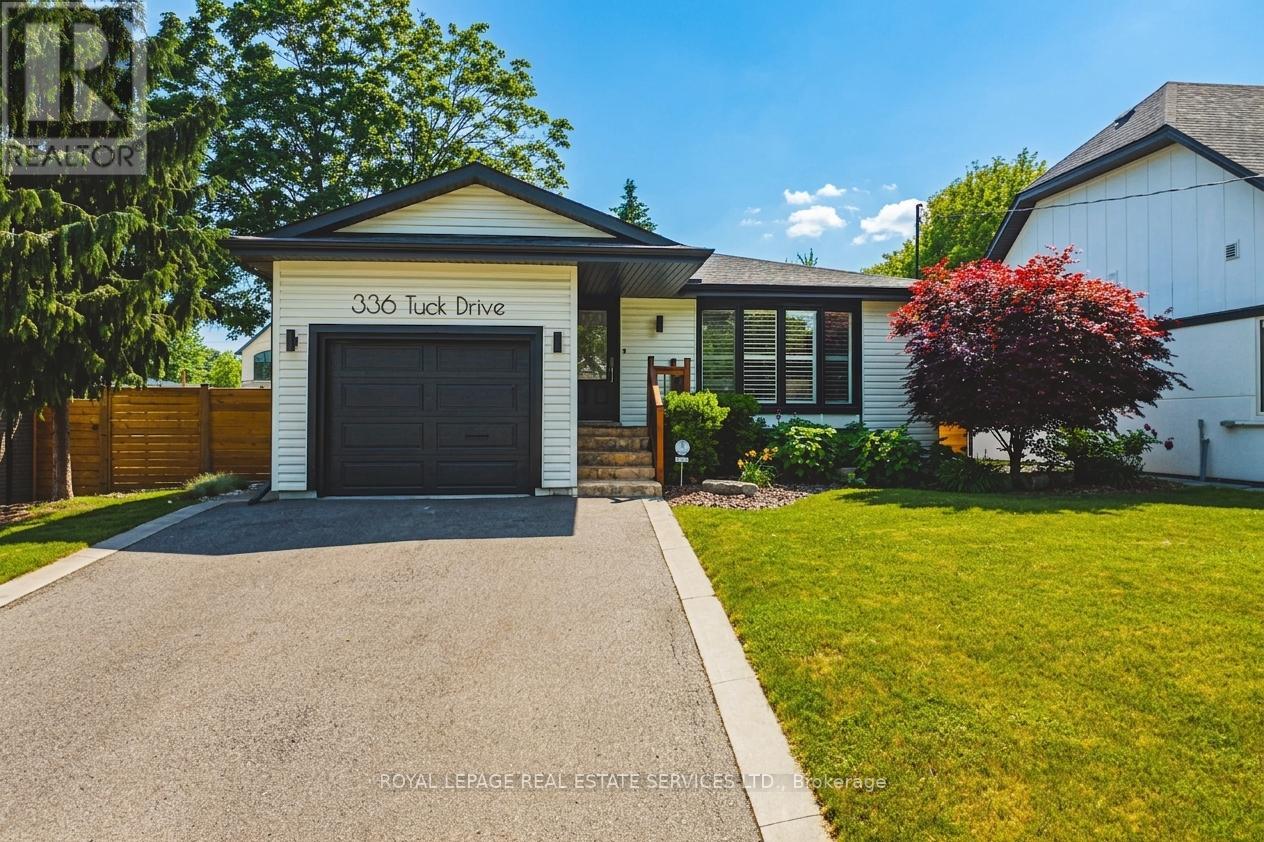
Renovated original homes are the largest category by number. A 1960s brick bungalow or split-level that has been genuinely renovated — not cosmetically updated — to current standards offers good value relative to the custom rebuilds, and buyers who can live with the floor plan of an older build sometimes find significant price advantages over comparable square footage in a newer construction. The key variable is the quality of the renovation: Shoreacres renovated homes range from comprehensive rebuilds behind original walls to surface-level updates that leave significant mechanical and structural work still to be done.
Original unrenovated homes are increasingly rare. The land value in Shoreacres makes holding an unrenovated property difficult to justify financially, and most of the original stock that hasn’t been updated has been purchased for redevelopment. When they do appear, they trade as land plays — the buyer’s calculation is based on lot value and rebuild cost, not the structure’s condition.
Shoreacres is one of Burlington’s highest-priced neighbourhoods. Detached homes on standard lots traded in a range of approximately $1.5 million to $2.2 million through 2024, with the variation reflecting renovation extent, lot size, and position within the neighbourhood. Custom builds on larger lots pushed above $3 million for the best examples. Lots sold for redevelopment — when an unrenovated original came to market — were priced on land value rather than house value, typically in the $1.2 million to $1.5 million range depending on frontage.
The price premium that Shoreacres commands over comparable square footage in north Burlington reflects several things at once: the lot sizes, the tree canopy and established feel, the proximity to the lake and the waterfront trail, and the absence of the generic. A buyer paying $1.8 million in Shoreacres is making a different choice than a buyer paying $1.1 million in Alton. They’re not primarily buying more floor space — they’re buying a specific kind of neighbourhood that cannot be replicated at lower price points.
The market in Shoreacres moves more slowly than in the family-home tier of north Burlington. There are fewer transactions per year, buyer qualification is more demanding at these price levels, and the buyer who can spend $2 million in Burlington is comparing Shoreacres against alternatives in Oakville, Ancaster, and possibly downtown Hamilton. Days on market tend to be longer, and properties that are priced with optimism sit longer than sellers typically expect.
The correction from the 2022 peak has been followed by a recovery through 2024 that has brought prices back to or slightly above 2021 levels in the best Shoreacres addresses. The constrained supply of large-lot properties in south Burlington supports prices through cycles in a way that higher-volume markets don’t enjoy.
Shoreacres is well-positioned for south Burlington transit access relative to its character as a premium residential neighbourhood. Appleby GO station on the Lakeshore West line is accessible from the eastern edge of the neighbourhood, and Burlington GO station is reachable from the west. Most Shoreacres residents drive to whichever station is closer, and the 10-15 minute drive is manageable for daily commuters.
GO Lakeshore West provides express service to Union Station in approximately 55 minutes during peak hours from both Appleby and Burlington stations. Off-peak service is less frequent, and residents who commute on irregular schedules should check the GO schedule for their specific station before purchasing. The GO network connects to TTC at Union, and commuters heading to Yonge-Bloor or downtown cores have a reasonably functional route.
Burlington Transit bus routes on Lakeshore Road provide local transit along the neighbourhood’s southern boundary. Coverage is adequate for trips to urban Burlington commercial areas but does not serve the GO stations directly from the neighbourhood interior. Most Shoreacres residents who use transit drive or walk to Lakeshore Road for bus service and drive to GO for regional travel.
The QEW is the primary highway access, with the North Shore Boulevard ramp and the Appleby Line interchange providing entry points. For buyers commuting to Mississauga or the 427 corridor, the QEW provides a direct route that avoids Burlington’s internal streets. Traffic on the QEW during peak hours is genuine — Shoreacres residents commuting by car to Toronto should plan 60-90 minutes in normal conditions.
Shoreacres falls within the Halton District School Board (HDSB) for public schools and the Halton Catholic District School Board (HCDSB) for Catholic schools. The neighbourhood’s secondary school catchment is typically Nelson High School on Dundas Street, which serves the east Burlington area including Shoreacres, Appleby, and parts of the surrounding neighbourhoods. Nelson has a strong academic reputation and offers a full range of programs and extracurricular activities.
Elementary school catchments in Shoreacres vary by location within the neighbourhood. Families should confirm their specific catchment with HDSB before purchasing, as catchment lines are not always obvious from street addresses. The elementary schools serving Shoreacres have generally performed well and are close enough to the neighbourhood for practical busing or occasional parent driving.
Nelson High School is consistently among Burlington’s academically stronger public secondary schools. It offers Advanced Placement courses, a strong athletics program, and a range of arts and technical programming. The school draws from a demographic that values academic preparation, and the university placement rates are consistent with that profile.
Independent school options are accessible from Shoreacres. Several established private schools operate in the Burlington-Oakville corridor, and the drive times from Shoreacres to Oakville Trafalgar High School (for buyers considering the French immersion or independent school options in that direction) are 20-30 minutes. Families committed to independent schooling will find the Shoreacres location workable for most private school routes in the region.
The dominant characteristic of Shoreacres is the tree canopy. Streets lined with 50-year-old maples, oaks, and elms — in various stages of maturity and occasional replacement — give the neighbourhood a settled, established quality that money cannot buy quickly. Tree canopy takes decades to develop and the canopy in Shoreacres is one of its least-advertised but most-felt attributes. Walking the streets on a summer evening communicates something that no listing photo quite captures.
The neighbourhood is quiet in a way that reflects its resident demographic. Shoreacres is not a neighbourhood where you hear traffic, commercial activity, or the density of people. The residents are primarily families and established couples who have chosen south Burlington for its character and are prepared to pay for it. The social life in Shoreacres is private rather than street-level — neighbours know each other, but the neighbourhood doesn’t have the communal outdoor culture of a more urban area.
The Shoreacres Creek corridor provides a natural spine through the neighbourhood. The creek flows south toward Lake Ontario through a ravine that gives properties backing onto it a green buffer and wildlife corridor — herons, foxes, and migratory birds are routine sightings. The ravine also provides informal walking access for residents, though it’s not a formal trail system.
Proximity to the lake is felt rather than seen on most Shoreacres streets. The waterfront trail along Lake Ontario’s north shore is accessible on foot from the southern end of the neighbourhood, and the lake breezes moderate temperature in summer. Shoreacres sits close enough to the lake that the moderating effect on temperature is real — south Burlington is consistently a few degrees cooler in summer and warmer in winter than north Burlington addresses at the same elevation.
The Lake Ontario waterfront is the primary outdoor resource for Shoreacres residents. The waterfront trail runs along the north shore of the lake and is accessible on foot or by bike from the neighbourhood’s southern edge. The trail connects west toward LaSalle Park and the Burlington waterfront and east toward Bronte Harbour in Oakville, providing a continuous lakeshore corridor that is one of the best recreational assets in the entire Burlington-Oakville stretch of the lake.
Shoreacres Creek Conservation Area at the mouth of the creek provides a formal natural area with trail access, bird watching, and a quiet waterfront vantage point that is less visited than the formal Burlington parks. The conservation area is a local resource that many residents in the broader Burlington area don’t know about, and its relative obscurity is part of its appeal for Shoreacres residents who use it regularly.
Cycling on the lakeshore trail and the low-traffic streets of south Burlington is genuinely good. The flat terrain, the established roadways, and the lake views make south Burlington a preferred cycling area for recreational cyclists. Shoreacres’ position adjacent to the trail makes it one of the more convenient south Burlington addresses for cyclists who want to ride without loading a car first.
Tennis courts and smaller parks are distributed through the Shoreacres-Appleby area. The nearest large formal parks with sports fields and playgrounds are a 5-10 minute drive. Residents who need daily large-park access will find Shoreacres slightly removed from Burlington’s major park facilities, but the compensating asset of the lakefront trail and creek corridor is significant for most buyers who choose this neighbourhood.
Shoreacres is a residential neighbourhood without internal commercial. The nearest everyday retail is along Appleby Line north of Lakeshore Road, where a Fortinos grocery store, LCBO, pharmacy, and supporting service retail form a functional neighbourhood commercial area within a 5-10 minute drive. For more complete retail, the Maple View Centre on Fairview Street is 10-15 minutes north, and downtown Burlington’s waterfront retail and restaurant area is 10 minutes west.
Restaurants in the immediate Shoreacres area are limited to what’s along Lakeshore Road and the small nodes at Appleby Line. Downtown Burlington’s Brant Street corridor offers a full range of independent restaurants, and the waterfront area has added notable dining options in the past several years. Shoreacres residents who dine out regularly consider Burlington’s downtown as their commercial centre rather than looking for local street-level options within the neighbourhood itself.
Joseph Brant Hospital on New Street is approximately 15 minutes from Shoreacres, providing emergency services and a reasonable range of specialty care for a community hospital. Specialty referrals go to Hamilton Health Sciences or Toronto hospitals, as they do throughout the Hamilton-Burlington corridor. Healthcare access from Shoreacres is adequate and consistent with south Burlington generally.
The Burlington Public Library’s Central Branch on Baldwin Street provides library services approximately 10 minutes from the neighbourhood. Shoreacres does not have a branch library within the neighbourhood, and for families with heavy library use, the drive to the Central Branch is routine. The library system is well-resourced and the facility is good.
Shoreacres buyers are a specific group. They’ve decided that south Burlington’s large-lot, tree-canopied, lakeside character is worth the premium over north Burlington family-home pricing, and they have the resources to act on that decision. The typical profile is established professionals or business owners in their 40s-60s, often with children through secondary school or adult, who have made a considered decision about what neighbourhood quality means to them.
Upsizing buyers from elsewhere in Burlington make up a consistent portion of Shoreacres purchasers. Someone who bought in Alton or Orchard 15 years ago, built equity, and is now in a position to trade into a larger lot and a more established neighbourhood finds Shoreacres a natural destination. The familiarity with Burlington as a city — the schools, the amenities, the general orientation — makes the transition straightforward even as the price level increases substantially.
Toronto and Mississauga buyers relocating to Burlington are drawn to Shoreacres partly because it offers something they recognise from premium Toronto neighbourhoods: large lots, mature trees, proximity to water, and an absence of the generic suburban. For someone moving from Rosedale or the Kingsway, Shoreacres offers a comparable quality of residential environment at lower land cost, in a smaller city with better access to outdoor recreation.
Custom rebuild buyers who are explicitly purchasing for the lot are a distinct category. These buyers are looking for a 70-foot-plus frontage in a specific location within Shoreacres, plan to demolish and build, and are bidding on what they can build on the land rather than what is currently on it. This buyer type sets a floor under the market for unrenovated properties with good lots, and their presence supports prices for land plays even in softer markets.
Shoreacres has gone through the same macro cycle as south Burlington broadly: appreciation through 2021, a correction in 2022-2023 as rates rose, and a partial recovery through 2024 that has brought the market back to approximate parity with 2021 levels in most property categories. The neighbourhood’s limited supply means that individual transactions have outsized influence on perceived price levels in any given quarter.
The custom rebuild segment has been consistently active through the cycle. Buyers who are building a long-term residence rather than making a financial calculation tend to continue through rate cycles that pause more transactional buyers. Several significant custom builds were completed or underway in 2023-2024, and the resulting homes will set pricing benchmarks for the neighbourhood’s premium end as they trade in the coming decade.
The renovated-original-home segment has been the most price-sensitive part of the Shoreacres market. Buyers at $1.6-1.9 million are making meaningful mortgage commitments at current rate levels, and the buyer pool at that price point contracted more than the premium segment during the 2022-2023 correction. Properties in this range that were priced aggressively sat longer than sellers expected.
Looking forward, the constraints on south Burlington supply support long-term price appreciation. There is no greenfield land to develop, limited infill opportunity, and the lot sizes and character that make Shoreacres distinctive are protected by the existing zoning and buyer preferences. Shoreacres will continue to be one of Burlington’s most sought-after addresses as long as south Burlington lakeside character is valued, which the evidence of the past 30 years suggests is a reasonable assumption.
Is Shoreacres the same as Appleby in Burlington?
They are adjacent but distinct. Shoreacres sits west of Appleby Line in the area approaching Shoreacres Creek, while Appleby refers to the area east of Appleby Line near Bronte Creek. Both are premium south Burlington addresses with large lots and established character, and they share the same general price tier. The distinctions matter most to buyers looking at specific streets — Shoreacres has the creek corridor and slightly different street patterns, while Appleby has direct adjacency to Bronte Creek Provincial Park. Buyers working in the south Burlington premium market should look at both areas together rather than drawing a hard boundary.
Does Shoreacres have lakefront properties?
Direct lakefront properties in Shoreacres are extremely rare and command significant premiums when they appear. The GO rail line runs along the southern edge of the neighbourhood, creating a physical barrier between the residential streets and the waterfront for most of the area. Properties south of the rail line with actual lake access are exceptional. Most Shoreacres residents access the lake via the public waterfront trail, which runs along the north shore of Lake Ontario and is accessible on foot from the neighbourhood’s south end.
What are typical lot sizes in Shoreacres?
Typical lots in Shoreacres run 60-100 feet of frontage with depths of 120-180 feet. The larger lots are generally on the streets closest to the lake and on certain historic streets that were subdivided with more generous dimensions. Smaller lots exist at the northern end of the neighbourhood boundary. For buyers planning to redevelop, a 70-foot frontage is generally considered the minimum for a comfortable custom build in this neighbourhood.
How does Shoreacres compare to Roseland Burlington?
Both are premium south Burlington addresses with large lots and established character. Roseland sits west of Shoreacres and is more established as a brand name in the Burlington market. Roseland has slightly larger average lots and has historically traded at a modest premium. Shoreacres offers the Shoreacres Creek corridor as a distinctive natural asset and slightly better proximity to Appleby GO station for buyers using the GO rail. In practice, buyers considering one neighbourhood should look at both before deciding.
What is the school catchment for Shoreacres?
Secondary students in Shoreacres are typically directed to Nelson High School on Dundas Street East, which serves the east Burlington area. Elementary catchments vary by specific address within the neighbourhood. Before purchasing, confirm your catchment with HDSB directly. Nelson High School is one of Burlington’s academically stronger public secondary schools, with Advanced Placement offerings and a solid university preparation track record.
Shoreacres sits in the southeast corner of Burlington, close enough to the lake that some streets back onto the water and others are only a few minutes’ walk from it. That proximity drives demand in a way that holds even when the broader market softens. Detached homes here tend to sit on generous lots — older Burlington lots that predate the density push of newer subdivisions — and the combination of lot size, location, and school catchment keeps prices in the $1.1M to $1.6M range for most detached properties, with lakefront or near-lakefront exceptions going considerably higher. The neighbourhood rarely gets oversupplied, and when it does, it’s not for long.
The housing stock skews older, which is both the opportunity and the complication. You’ll find well-built homes from the 1960s through the 1980s, many of which have been updated over the years in varying degrees. A property that looks move-in ready on listing photos may have original plumbing, older electrical, or a mechanicals situation that a home inspection will surface. Renovation potential is real here — buyers who are willing to update rather than buy finished get more lot for their money — but you need to know what you’re taking on before the inspection condition is waived. Getting a clear-eyed read on renovation costs before offer night is essential at this price level.
Competition in Shoreacres is relatively steady. It’s not the frenetic multiple-offer market that some downtown or core Burlington neighbourhoods can produce, but well-priced homes in good condition don’t sit long. The buyers coming into this area tend to be experienced — often upsizing from elsewhere in Burlington, or moving from out of the city — and they’ve usually already done their research on the neighbourhood before they start viewing. Having representation that knows the area’s pricing patterns, which streets hold value better than others, and what a fair price looks like for a given condition of property is the difference between buying well and buying in a hurry.
If Shoreacres is on your list, reach out and we can walk through what’s currently available, what’s sold recently, and what to budget for depending on how much updating you want to take on.
Street-level knowledge is hard to find online. Our team works in Shoreacres every day. They know which pockets hold value, where the school catchment lines actually fall, and what the market is doing right now. Talk to us before you make a decision about Shoreacres.
Talk to a local agent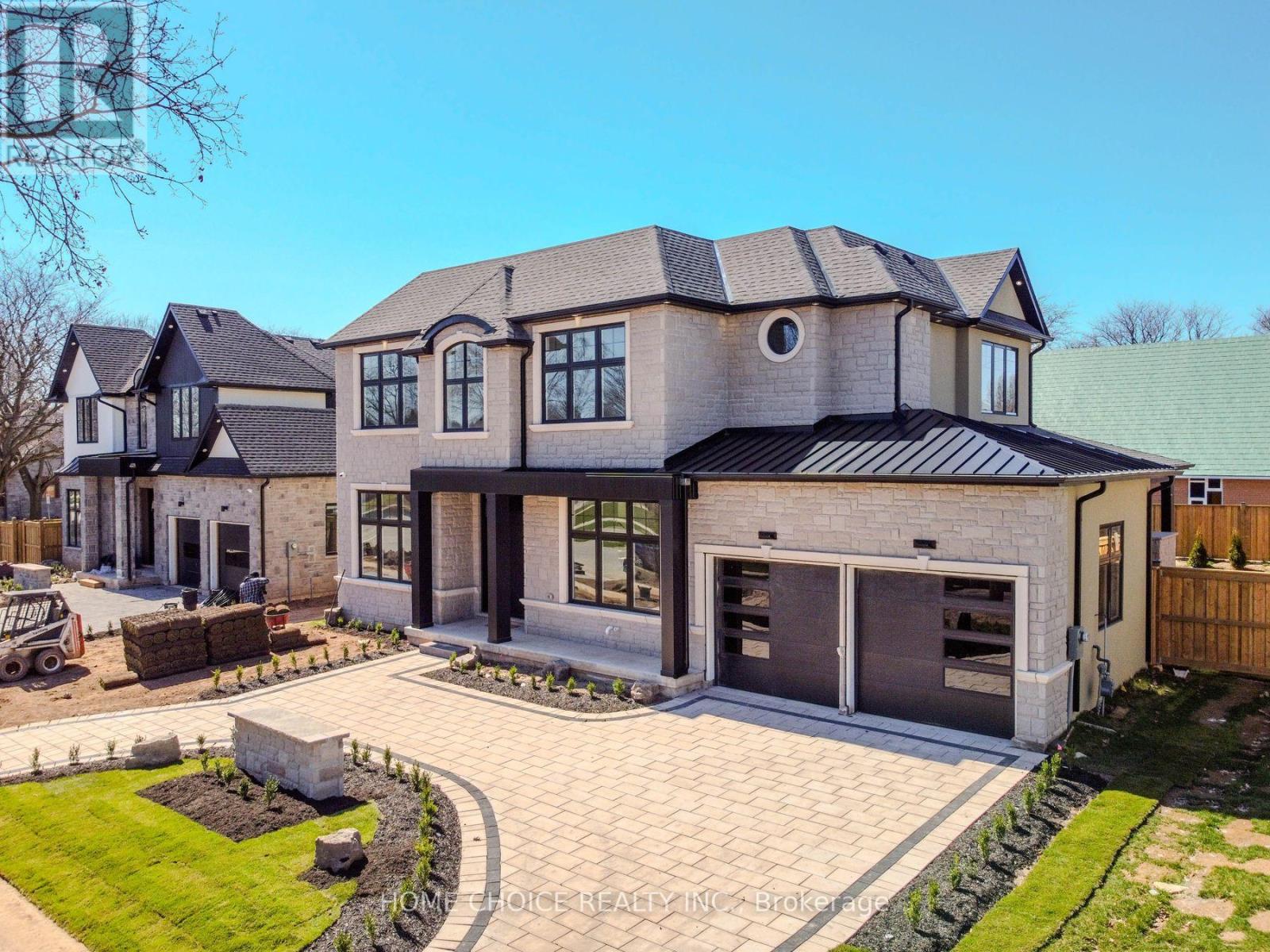 For Sale
 For Sale
 For Sale
 For Sale