
Bolton North is the newest and most upscale part of Bolton, featuring detached homes from the late 1990s through 2010s on larger lots. It attracts families and GTA upgraders who want more space and newer construction. Prices run higher than the rest of Bolton, in the $1.2M to $1.4M range for detached homes. Transit is limited to local buses and GO bus connections south, so a car is essential.
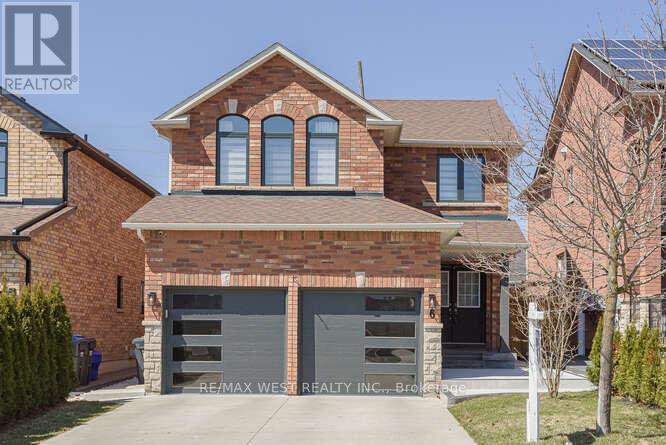
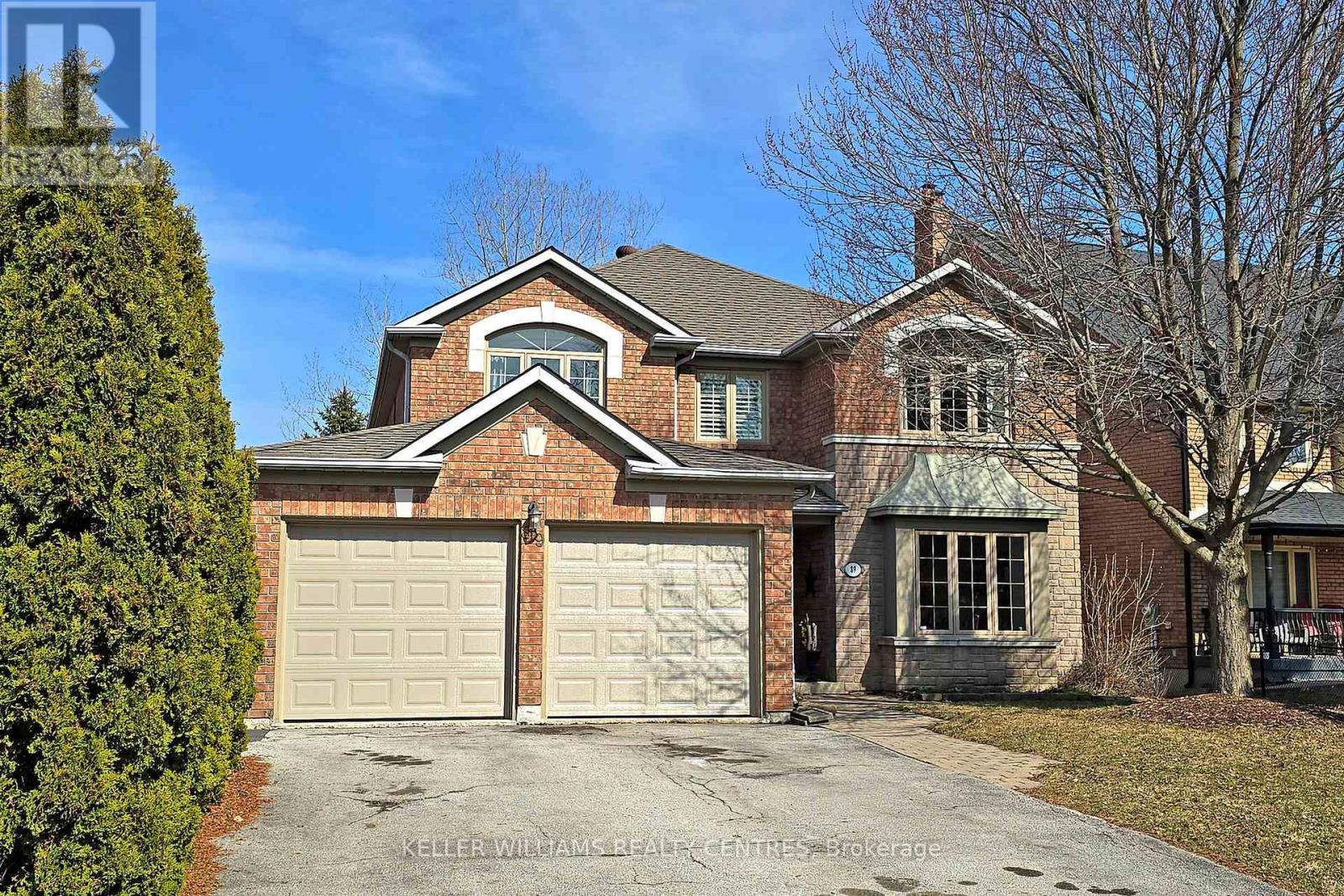
Bolton North is the newest and most suburban part of Bolton, occupying the area north of King Street and spreading toward Highway 50 and beyond. Development here accelerated through the 2000s and 2010s, producing the kind of brick two-storey subdivisions common across the GTA: four-bedroom houses on 35 to 45 foot lots, double garages, and winding subdivision streets that loop back into themselves.
The northern edge of Bolton North pushes toward rolling terrain and the greenbelt. On clear days from the higher subdivisions, you can see the Caledon hills to the north and west. It is still very much a suburban neighbourhood, but the sense of open land around it gives Bolton North a different feel from a comparable community in Brampton or Vaughan.
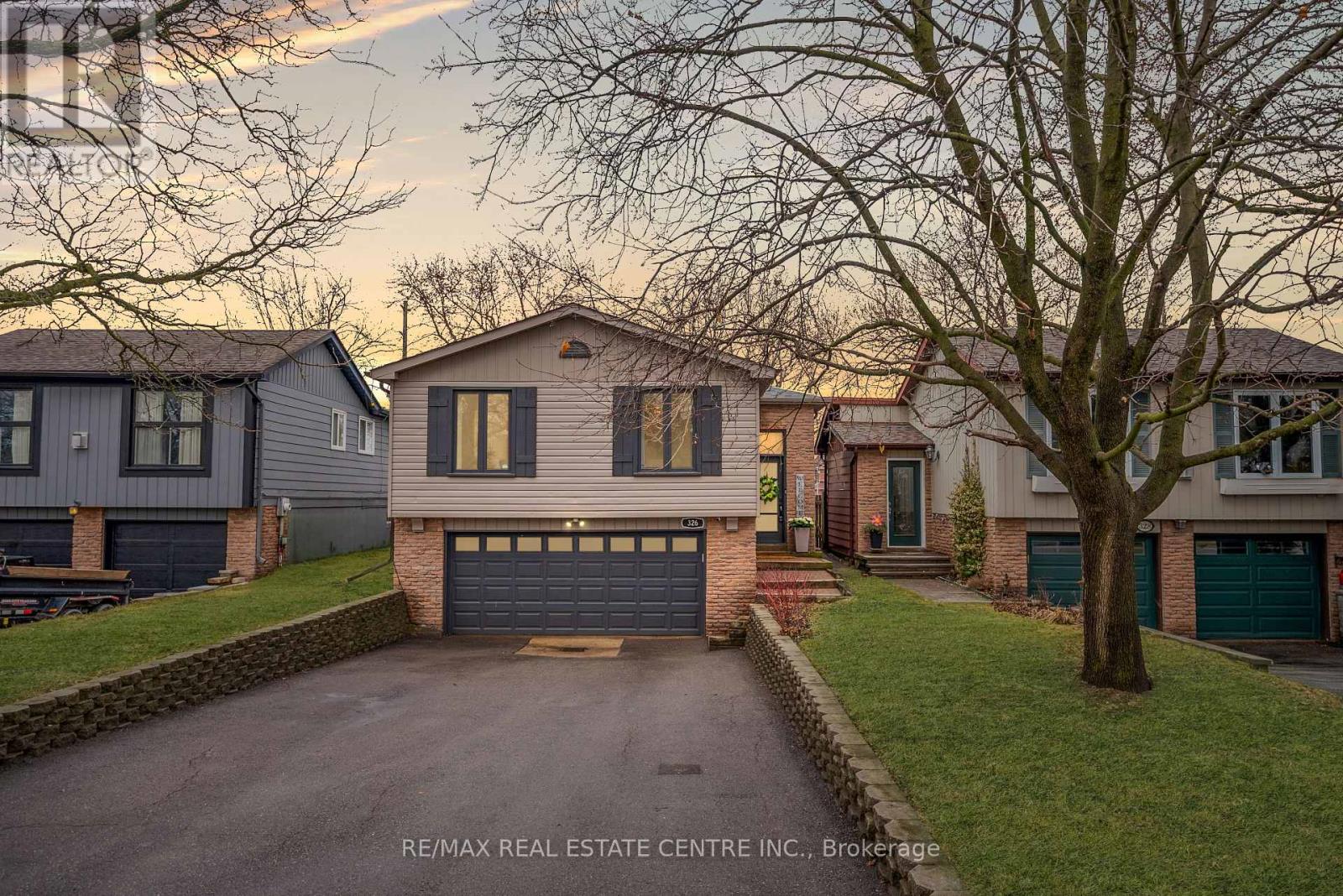
Bolton North has the highest average home prices in Bolton. As of early 2026, average detached home prices run in the $1,200,000 to $1,400,000 range, with larger executive homes on premium lots reaching higher. The housing stock is almost entirely detached single-family homes built between the late 1990s and 2015. There are some townhomes in the southern part of the area near King Street.
Lots are generally larger here than in Bolton East, which drives the price difference. Buyers get 4- or 5-bedroom homes with double garages, finished basements, and lot sizes that allow for full-sized patios and gardens. For buyers coming from Toronto or Brampton, the square footage per dollar is a genuine shift in what ownership feels like day to day.
Bolton North is the tightest sub-market within Bolton. The newer builds and larger lots attract buyers who have specifically chosen this end of town, and the buyer pool here tends to be more financially established. Days on market for well-priced properties run 20 to 35 days in typical conditions. Multiple offers are less common than in peak GTA markets but not unheard of in spring on move-in-ready homes.
The price gap between Bolton North and comparable newer homes in Brampton has narrowed over the years as Bolton North prices rose. Buyers now pay a premium for the Bolton North product, and that premium is justified by lot size and build quality rather than by transit access or walkability, which are both limited.
Bolton North attracts buyers in two main groups. The first is GTA families upgrading from a smaller home in Brampton or Vaughan who want more space and a quieter setting. They drive to work and have already concluded that the commute works for their lifestyle. The second is buyers who work locally, in the Caledon or Bolton area, or who work remotely and have chosen to maximize their space budget.
There is very little investor activity here compared to inner-GTA markets. Most buyers intend to live in the home for at least five to ten years. That makes for stable neighbourhoods with good owner maintenance and low tenant turnover, which is a meaningful quality-of-life factor when you are spending over a million dollars on a home.
The streets in Bolton North follow the typical cul-de-sac and loop patterns of late-1990s and 2000s subdivision design. Pinebrook Circle, Kingsview Drive, Columbia Way, and their adjoining streets form the core of the area. Homes are well-maintained, and the landscaping has matured on the older streets, giving them more character than their age suggests.
The terrain in Bolton North rises slightly toward the north, and some streets have views toward the hills and the greenbelt. This topography makes Bolton North feel less flat and anonymous than many GTA subdivisions. The northern edge of the area backs onto agricultural land and conservation land, creating natural buffers between the subdivision and the open country beyond.
Bolton North has no train service. Caledon Transit operates peak-hour bus routes with stops in the area connecting to the downtown core and to transit connections south. The GO bus to Brampton provides access to the Kitchener line for riders willing to make the transfer. Highway 50 runs along the eastern edge of the area, connecting to Hwy 400 north and Hwy 427 south for drivers.
The realistic commute from Bolton North to downtown Toronto by car is 50 to 70 minutes depending on the route and time of day. The 407 ETR is accessible via Hwy 427 or Hwy 400 and can cut time for those willing to pay the toll. Most Bolton North residents who work in Toronto drive to a GO station in Brampton or Vaughan and park there, which adds 20 minutes to the beginning and end of the trip.
Palgrave Forest and Wildlife Area is roughly 15 minutes north of Bolton North by car, offering 306 hectares of trails for hiking, cycling, and equestrian use. Closer to home, the subdivision parks within Bolton North have sports fields, play structures, and open green space. The Humber River trail system is accessible from the south end of Bolton, connecting to the valley corridor.
The Caledon Centre for Recreation and Wellness on George Bolton Parkway serves the whole town and is 5 to 10 minutes by car from Bolton North. It has an arena, pool, fitness facility, and meeting rooms. Caledon has over 260 kilometres of public trails across the municipality, and while most are not directly adjacent to Bolton North, they are accessible within a short drive.
Bolton North is residential and relies on King Street for most services. Sobeys, Shoppers Drug Mart, banks, restaurants, and a range of service businesses are concentrated along the King Street corridor, a 5 to 10 minute drive from most streets in Bolton North. Home Depot, Canadian Tire, and major chain restaurants are also accessible within Bolton.
The nearest major retail hub beyond Bolton is in Brampton, about 25 minutes south. For specialty retail, Vaughan and Barrie are each under an hour by car. Healthcare is via Brampton Civic Hospital or Headwaters Health Care Centre in Orangeville, both roughly 25 to 30 minutes away. Bolton has family medicine practices and walk-in clinic services on King Street for routine care.
Bolton North falls within the same school board boundaries as the rest of Bolton: the Peel District School Board for public schools and the Dufferin-Peel Catholic District School Board for Catholic schools. Elementary students attend schools including Humberview Senior Public School and associated feeder schools. Secondary students attend Bolton District High School (public) or Robert F. Hall Catholic Secondary School.
French immersion is available within the Peel system. The schools serving Bolton North are well-established and are among the higher-performing schools in the Peel region. Families should verify catchment boundaries directly with the school boards, as boundaries are reviewed periodically as population grows in the northern parts of Bolton.
Growth in Bolton North has been steadier than in some GTA suburbs, constrained by Caledon’s greenbelt boundaries and the town’s approach to managing expansion. Several draft-approved subdivisions on the northern and eastern edges of Bolton will add new homes over the coming years, keeping supply coming but not flooding the market.
The planned Caledon-Vaughan GO rail corridor, if built, would transform the commuter case for Bolton. It remains at the planning and business case stage as of 2026, with no confirmed construction timeline. Buyers in Bolton North who are making long-term decisions should understand that any transit improvement is upside, not a given, and that today’s value proposition is built on space, lifestyle, and the existing road network.
What makes Bolton North more expensive than other parts of Bolton?
Bolton North commands higher prices than Bolton East or Bolton West because of newer construction, larger lots, and the concentration of 4- and 5-bedroom detached homes with double garages. Buyers in this price range are typically trading up from Brampton or moving from other GTA suburbs, and they are comparing Bolton North to comparable product in Brampton, which often costs more. The combination of newer builds, bigger lots, and a quieter setting at a price below Brampton North is what drives the premium over the rest of Bolton. Average detached prices in Bolton North run in the $1,200,000 to $1,400,000 range as of early 2026, with executive homes going higher.
Is Bolton North a good family neighbourhood?
Bolton North is a well-established family area. The streets are quiet, the housing stock is well-maintained, there are neighbourhood parks and sports fields, and the schools serving the area are among the stronger schools in the Peel system. The main consideration for families is the lack of walkability: most trips require a car, and teenagers who want independence face genuine limitations without transit options. Families where parents drive and kids participate in organized sports and activities generally find it works well. Families expecting their children to navigate independently by transit will find it more limiting than a Toronto or Mississauga neighbourhood.
How does Bolton North compare to Nobleton or Schomberg?
Bolton North, Nobleton, and Schomberg are all suburban or small-town communities in the north GTA without GO train service, but they sit in different markets. Nobleton and Schomberg are in King Township in York Region, where prices run significantly higher. Bolton North is in Caledon in Peel Region and generally offers more house per dollar than Nobleton or King City. If your priority is space and newer construction at a lower price, Bolton North wins. If York Region schools, proximity to Hwy 400 corridor jobs, or the King Township prestige factor matters, Nobleton or Schomberg becomes relevant despite the higher cost.
What should a buyer watch for when purchasing in Bolton North?
Bolton North homes from the late 1990s and early 2000s are starting to need mid-life updates: roofs, furnaces, windows, and kitchens on the original finishes. A pre-purchase home inspection is essential. Some of the earliest subdivisions in the area were built during a period of rapid Caledon growth, and lot grading and drainage can be an issue on some streets, particularly after heavy rain. Buyers should also confirm the specific school catchment, as growth on the northern edge has shifted some boundaries in recent years. Finally, check what is proposed for the agricultural land adjacent to the north and east boundaries of the subdivision, as future development will change what backs onto the rear yards of some properties.
Bolton North has a distinct buyer profile and a relatively small comp base. A buyer agent working this market needs to know which builders operated in each pocket of the area, what the lot drainage history is, and how to read the local comp data when there are only 30 to 50 transactions per year in a narrow price band.
Sellers in Bolton North benefit from agents who understand the ceiling price dynamic. The market here is price-sensitive at the top end, and buyers who are comparing to Brampton product will walk away if the number is not anchored in the local reality. Staging matters more here than in hotter urban markets because the product is similar across blocks and buyers need a reason to choose one house over the next.
Street-level knowledge is hard to find online. Our team works in Bolton North every day. They know which pockets hold value, where the school catchment lines actually fall, and what the market is doing right now. Talk to us before you make a decision about Bolton North.
Talk to a local agent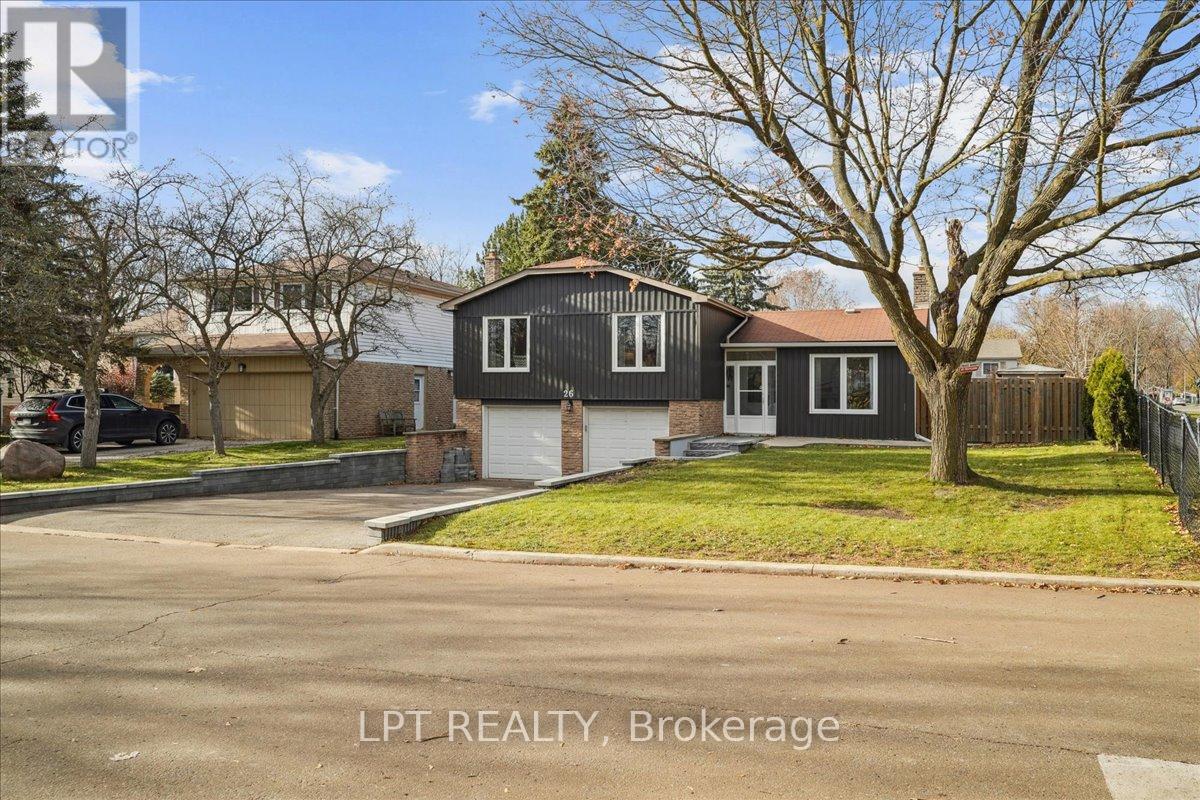 For Sale
 For Sale
 For Sale
 For Sale