
Orono is a small village in north Clarington on the edge of the Oak Ridges Moraine, with a 19th-century village character and access to the Ganaraska Forest trail network. It attracts remote workers, retirees, and rural lifestyle buyers. Prices start around $750,000 for village homes, 100+ minutes from downtown Toronto by car.
Orono is a small village in north Clarington, about 15 kilometres north of Newcastle and roughly 25 kilometres from the Lake Ontario shoreline. It sits in the rolling terrain at the southern edge of the Oak Ridges Moraine, and the landscape around it is agricultural with a mix of forests, streams, and the Ganaraska River watershed. Orono has a compact village core on Main Street with a gas station, a few small businesses, and the residential streets of a community that was once a market town for the surrounding farms.
Orono is genuinely rural in character. The village is surrounded by agricultural land and is not a commuter suburb in the usual sense. Buyers here have made a deliberate choice for rural village life in north Clarington, and the community reflects that over decades of consistent self-selection.
Housing in Orono is primarily detached single-family homes on standard village lots in the core, with rural residential properties on larger parcels along the surrounding roads. The village lots are typically 50 to 100 feet wide with century homes and mid-20th century builds mixed throughout. There is no subdivision housing and no significant new development footprint within the village boundaries.
Prices in Orono are lower than in the Clarington communities on the 401 corridor. Detached homes in the village start around $750,000 to $950,000 depending on size and condition. Rural properties on larger parcels outside the village run from $1M to $2M depending on acreage. The price gap relative to Newcastle or Courtice reflects the rural setting and the longer distance from any GO transit option.
Orono is a thin market. Fewer than 20 properties typically sell in the immediate village area in a year, and the rural properties on the surrounding roads add to the volume but remain a small number in total. Days on market are longer than in the 401 corridor communities, running 60 to 90 days in typical conditions.
The buyer pool is specific: families who want rural village life, retirees seeking a quieter setting north of the Lake Ontario communities, and remote workers who have chosen north Clarington for the landscape and the price point. That specific buyer profile means the market clears slowly but steadily.
Buyers in Orono share a preference for rural village character over suburban convenience. They have typically considered the 401 corridor communities of Clarington and found them too suburban, or they have a specific attraction to the Oak Ridges Moraine landscape and the Ganaraska River watershed that surrounds Orono. Some are hobby farmers or market gardeners using the village as a base while farming surrounding land.
Remote work has had a meaningful effect on Orono in recent years. Buyers from Toronto and the inner suburbs who are no longer tied to a daily commute have found the combination of village character, rural setting, and price point compelling in a way that it was not before remote work became normalized. Those buyers have generally integrated well into the community and are part of the reason prices have firmed slightly since 2020.
Main Street Orono retains the character of a 19th-century Ontario market village. The storefronts on the main block are modest in scale and have not been demolished or replaced. The residential streets south and east of the main intersection have houses that reflect 150 years of incremental building on the same village plan. Heritage gardens, stone foundations, and wide lots are common in the older sections.
The Orono Agricultural Fair has been held in the village since 1852 and is one of the oldest agricultural fairs in Ontario. The fairgrounds on the south side of the village are a genuine community gathering place and a physical reminder of the agricultural identity that shaped this community. The fair runs for several days each August and draws people from across north Clarington and Durham Region.
Orono has no transit. Highway 115/35 runs east of the village and provides the main access south to the 401 and the Lake Ontario corridor. The drive to Bowmanville takes approximately 25 to 30 minutes. The drive to Oshawa GO Station is approximately 45 to 50 minutes. To downtown Toronto, the drive takes 100 to 120 minutes.
This is a long commute by any measure. Remote workers who have one or two office days per week manage it; daily commuters to Toronto do not typically choose Orono. The community has a high proportion of residents who work locally in north Durham and Northumberland, who are self-employed or retired, or who have structured their working lives for remote-first arrangements.
The Ganaraska Trail passes through the Orono area, providing hiking access northward toward the Ganaraska Forest, one of the largest contiguous forests in southern Ontario. The Ganaraska Forest Centre is approximately 20 minutes north and has extensive trail networks, camping, and cross-country skiing in winter. The Oak Ridges Moraine natural heritage system provides significant green land throughout the area around Orono.
The Orono Creek and the tributary streams of the Ganaraska watershed run through the rural properties surrounding the village. Wildlife in this area includes deer, coyotes, wild turkeys, and a range of forest birds that are not typically seen in communities further south on the Lake Ontario plain. For buyers who value daily interaction with natural land, Orono delivers it at a price point well below communities closer to the GTA.
Orono has very limited commercial services: a gas station, a few small businesses, and a post office on the main street. For groceries and most other services, Bowmanville is the destination: 25 to 30 minutes south with full commercial infrastructure. Newcastle also has basic services for residents who want to stay north of the 401 corridor.
Healthcare is through Lakeridge Health Bowmanville, 25 to 30 minutes south. There are no medical clinics in Orono. Emergency response times are longer than in urban communities, which is a fact of rural life that buyers should acknowledge and prepare for. Most rural residents have basic first aid training and appropriate preparation as a matter of course.
Orono Public School serves the local elementary population within the Kawartha Pine Ridge District School Board. The school has a small student body typical of rural Ontario schools. Secondary students are bused to Clarington Central Secondary School in Bowmanville, a journey of approximately 30 minutes each way.
The small school character of Orono Public School is something families consistently describe as an advantage: teachers know students over multiple years, and the community involvement in the school is high. The secondary school commute by bus is a significant daily time commitment for teenagers. Families who value the elementary school experience and can manage the secondary logistics generally find it works well.
Orono is within Clarington’s rural settlement planning framework, which limits significant new growth within the village. The Oak Ridges Moraine Conservation Plan covers much of the land north of the village and restricts development there. These protections mean the rural character of the Orono area will not change dramatically in the foreseeable future.
The broader Clarington growth along the Highway 2 and 401 corridor will eventually improve road connections between the 401 communities and north Clarington, but Orono itself is not on a growth trajectory. Buyers are choosing stability and rural character; they are not buying into a community expected to transform through development pressure.
What is the Ganaraska Forest and why does it matter for Orono buyers?
The Ganaraska Forest is one of the largest contiguous forests in southern Ontario, covering about 11,000 hectares north of Orono in the Ganaraska-Northumberland highlands. It is managed by the Ganaraska Region Conservation Authority and provides year-round recreation including over 50 kilometres of hiking trails, cross-country ski trails in winter, mountain biking, and equestrian routes. The forest is less than 20 minutes north of Orono by car and represents an extraordinary outdoor recreation asset at an accessible distance. For buyers who prioritize forest access, the Ganaraska Forest puts Orono in a different category from most Ontario small towns at a comparable price point.
Is there any development happening in Orono?
Orono is largely stable in terms of new development. The municipal official plan treats Orono as a constrained rural settlement, not a growth area. The Oak Ridges Moraine Conservation Plan limits development on the morainic lands surrounding the village. Infill opportunities on existing village lots come up occasionally, but large-scale subdivision development in or around Orono is not permitted under the current planning framework. Buyers who are choosing Orono partly because they want the rural landscape and village character to remain intact are making a reasonable bet: the planning protections here are among the strongest in southern Ontario.
What types of buyers typically choose Orono over the Clarington communities on the 401?
Orono buyers have generally rejected the 401 corridor communities as too suburban and have chosen north Clarington for the agricultural landscape, the Moraine access, and the village character. They are almost universally car-owners who are comfortable with a 25 to 30 minute drive to Bowmanville for shopping and services. Remote workers, retirees, and people who work locally in north Durham or Northumberland make up the majority of buyers. Hobby farmers who want to keep livestock or grow food often find Orono a practical base because rural properties with some acreage are available at reasonable prices compared to Caledon or King Township equestrian areas further west.
What should I check during due diligence on an Orono property?
Most Orono village properties are on municipal water and sewer, which simplifies due diligence compared to fully rural properties with private well and septic. Confirm the municipal service connection for any specific property before assuming it. Older village homes may have original plumbing, older electrical panels requiring upgrade, and foundation types that differ from modern construction. A thorough home inspection by an inspector with experience in older Ontario village homes is essential. Properties on the surrounding rural roads are typically on private well and septic. Check the well log and septic inspection record, assess the age of both systems, and have the well water tested for bacteria, nitrates, and hardness as part of the due diligence process.
The Orono market rewards agents with patience and a specific buyer network. The transactions are infrequent enough that an agent who relies on volume-driven approach will not develop the market knowledge to serve buyers and sellers here well. The best outcomes come from agents who know north Clarington specifically, who understand the planning framework for the Moraine lands, and who have connections to the specific buyer communities: remote workers, rural lifestyle seekers, and retirees who have been watching the area for some time.
Sellers in Orono need realistic pricing anchored in the thin local data, supplemented by comparable rural sales from north Durham and Northumberland where appropriate. The buyer for an Orono property is often coming from a longer distance and a different market context. Reaching that buyer requires intentional marketing outside the immediate area.
Street-level knowledge is hard to find online. Our team works in Orono every day. They know which pockets hold value, where the school catchment lines actually fall, and what the market is doing right now. Talk to us before you make a decision about Orono.
Talk to a local agent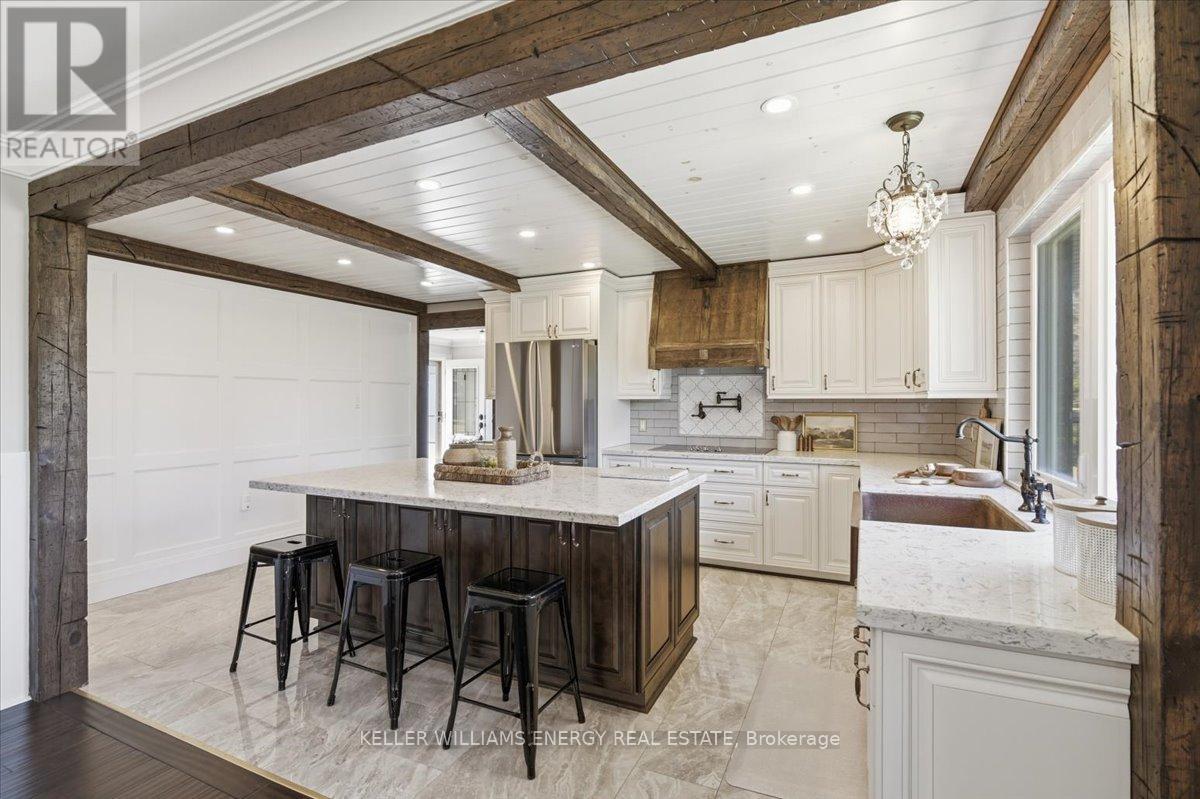 For Sale
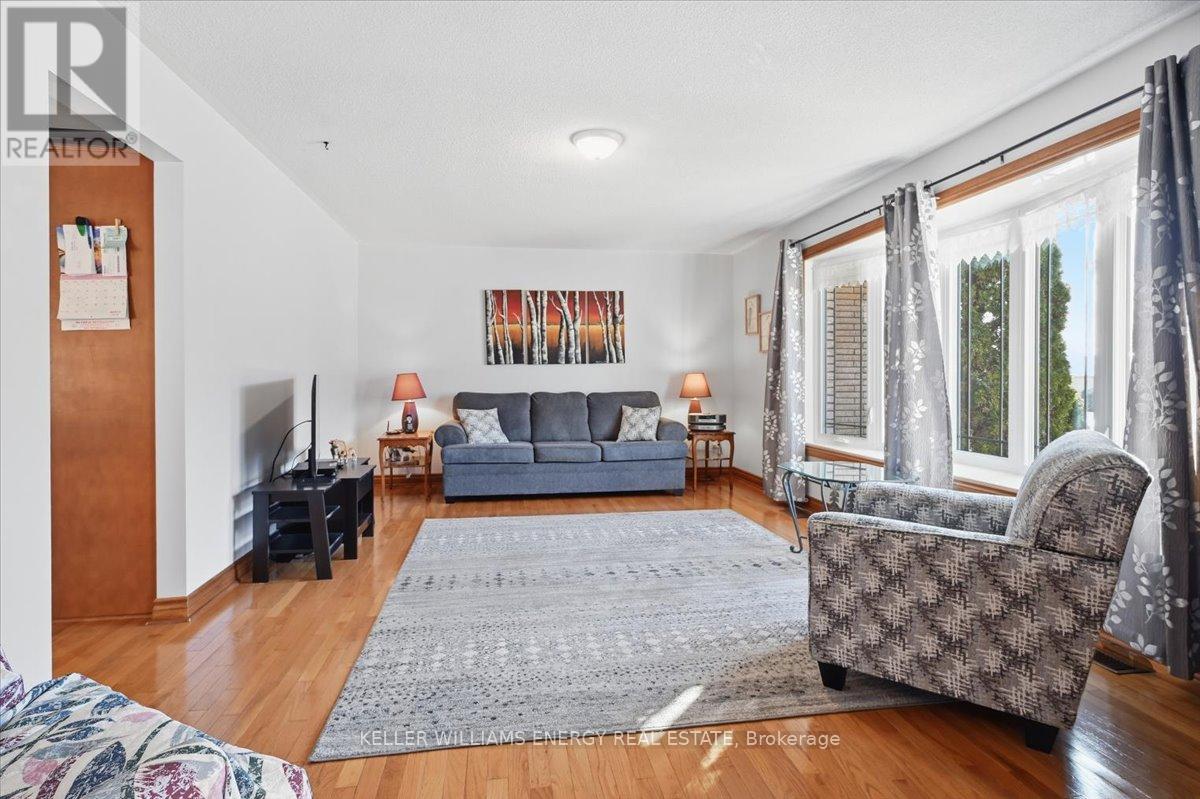 For Sale
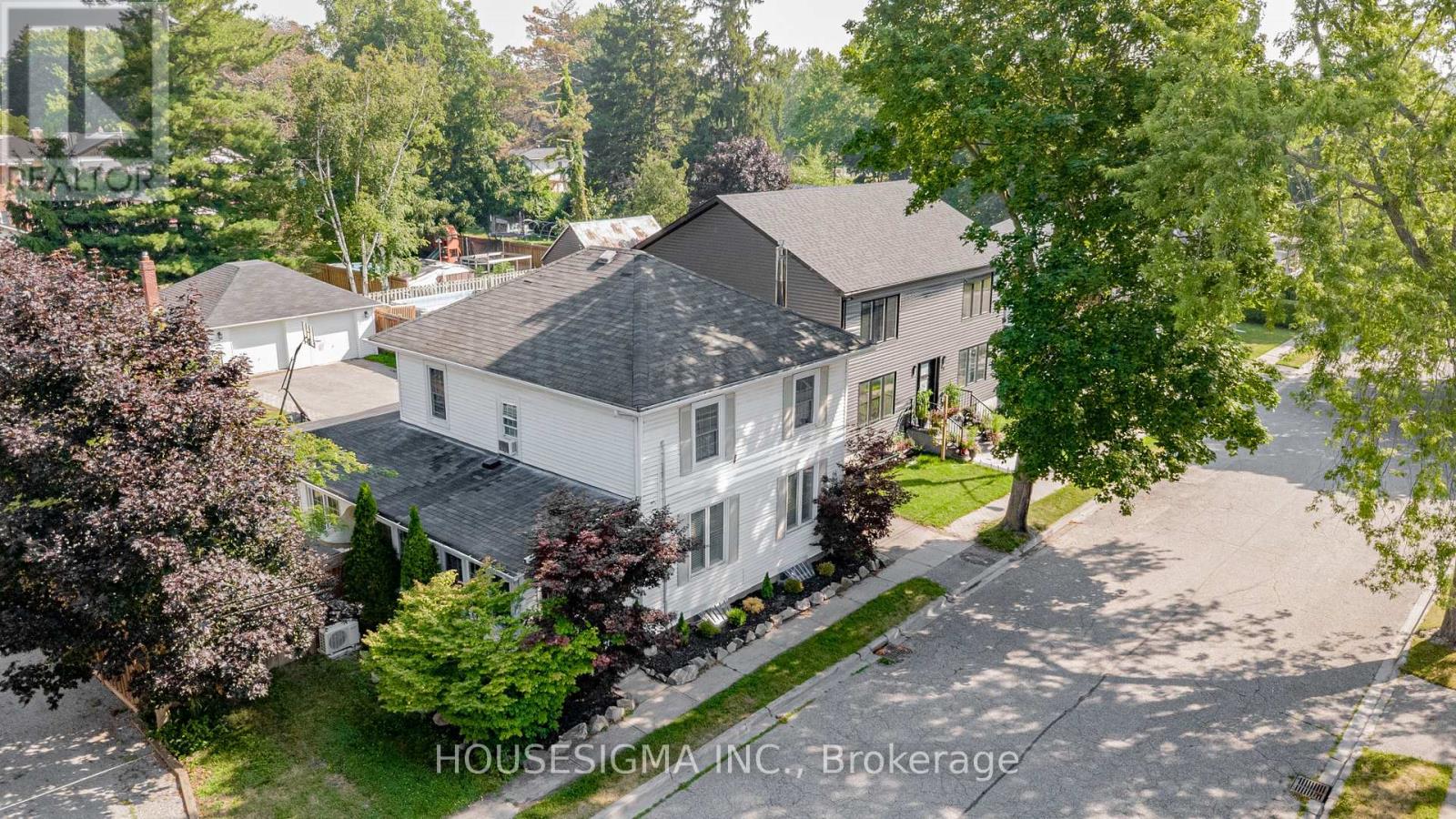 For Sale
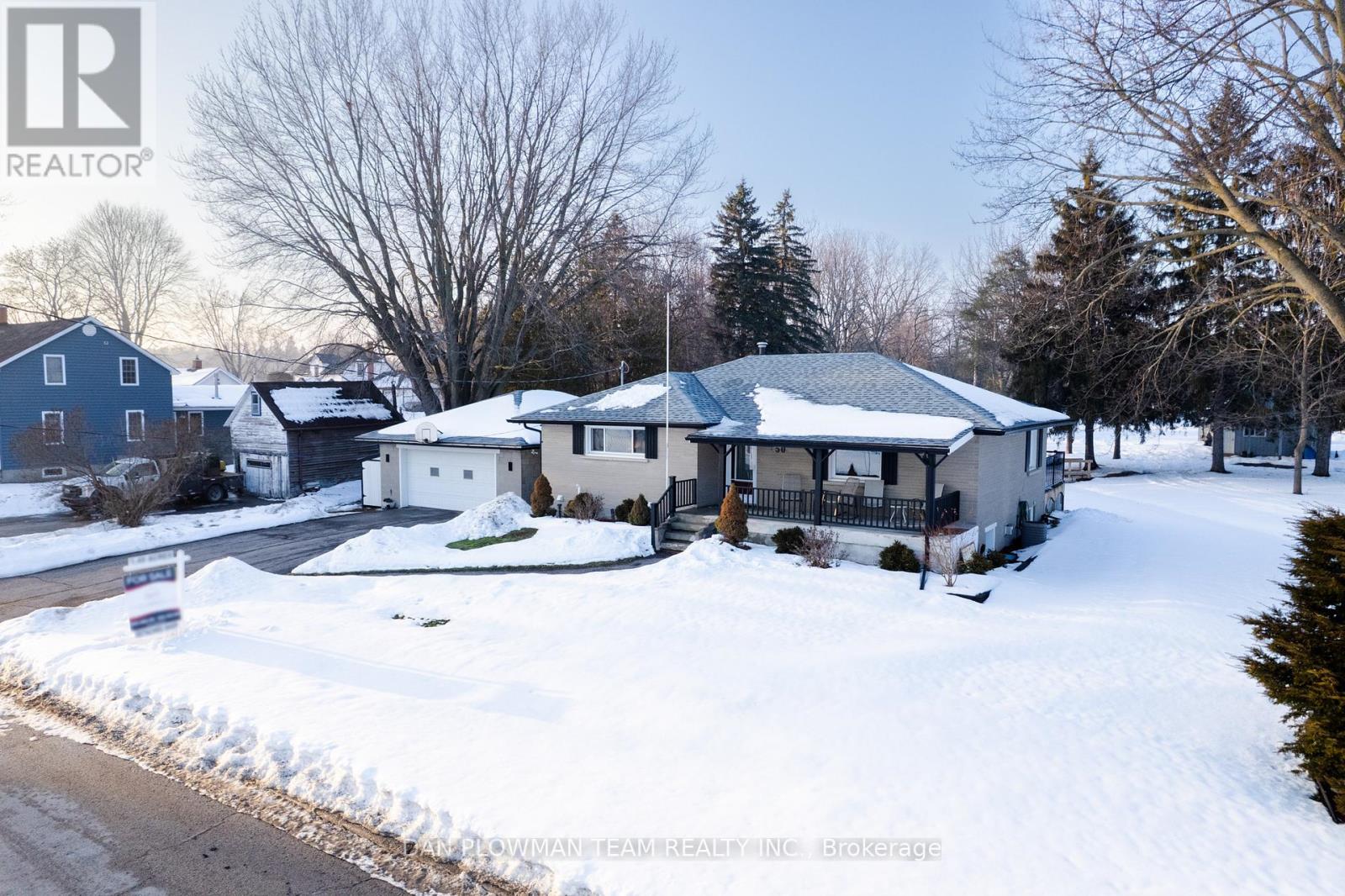 For Sale