
King City is the main community of King Township in York Region, combining Barrie GO line access to Union Station with large executive lots, Oak Ridges Moraine landscape, and private school options including Villanova College and Country Day School. The township planning framework maintains low-density character, making King City one of the most distinctive high-end residential communities in the GTA northern arc.
King City is the main urban community of King Township in York Region, situated roughly 40 kilometres north of downtown Toronto via Highway 400. It’s an affluent small community with a mix of well-established residential neighbourhoods, direct GO Train access on the Barrie line, and a commercial main street on King Road that gives it a small-town feel within a municipality that is otherwise predominantly rural and estate-lot residential.
King Township has deliberately maintained a low-density, high-quality residential character through its planning policies, resisting the kind of suburban subdivision development that has transformed neighbouring Aurora and Newmarket. The result is a municipality where land values are among the highest in York Region, housing is predominantly executive detached or estate-lot product, and the residential character feels closer to Muskoka cottage country than to a GTA suburb, despite the GO train access to Union Station.
King City specifically has the densest residential concentration in King Township, with a more established neighbourhood fabric including older bungalows and smaller lots alongside the estate homes that dominate the rest of the township. The GO train station is a defining practical asset: it puts Union Station about 60 minutes away from King City on the Barrie line, making regular Toronto commuting viable in a way that purely highway-dependent communities 40 kilometres from downtown can’t match.
York Region provides full municipal services in King City including water and sewers. This distinguishes King City from the surrounding rural King Township areas where private well and septic are the norm, and supports the more urban residential density that the King City community area has compared to the estate-lot and rural character surrounding it.
King City’s housing stock is a mix of mid-century homes in the more established areas near the King Road commercial strip and newer executive and luxury homes on the larger lots that make up the outer residential areas. The older core has bungalows and two-storey homes from the 1960s through 1980s on reasonable lots, while the newer phases extending north and east of the core have significantly larger homes on estate-scale lots, with custom builds ranging from 3,500 to 6,000 square feet on half-acre to two-acre parcels.
Prices in King City reflect the township’s deliberate premium positioning within York Region. Starter-scale detached homes in the older core, where the lot sizes and home sizes are more modest by King Township standards, run $1.4 to $1.8 million. The executive and luxury tier, which is the dominant product type in King City’s newer areas, runs $2.5 to $5 million and beyond for large custom homes on premium lots. There is very little entry-level or affordable product in King City by GTA standards. Townhouses and semis don’t exist in any meaningful supply here.
The lot sizes in King City’s newer residential areas are significantly larger than anything in comparable price-tier communities in Aurora or Newmarket. Half-acre to one-acre lots within a serviced community with GO train access are unusual in the GTA, and that combination commands the premium that King City prices reflect. Buyers who want the land, the executive home, and the urban connectivity find few alternatives that deliver all three in this geography.
The lack of affordable entry product means King City attracts a narrow but deep buyer pool: households with significant wealth who have specifically decided to prioritize space, privacy, and luxury at this distance from Toronto rather than a more urban setting closer to the city.
The King City market operates at a different pace than most GTA suburban markets. At the $2.5 million and above tier, buyer pools are inherently smaller and transactions take longer. Properties in King City regularly sit 60 to 120 days without this indicating any particular distress, because the process of finding a buyer who specifically wants a $3 million home in King City, arranges their financing, and completes their due diligence takes longer than a $900,000 suburban detached transaction does.
The 2020-2022 surge affected King City significantly, with luxury and executive properties across York Region experiencing strong demand from buyers who had financial capacity, were working from home, and specifically wanted more space and land than inner-ring York Region provided. King City’s combination of large lots, luxury homes, and GO access made it a specific destination for this buyer type, and prices rose accordingly.
The correction through 2022 and 2023 was more pronounced in the luxury tier than in the $900,000 to $1.2 million suburban range, because the pool of buyers who can absorb the carrying costs of a $3 million home in a rising rate environment is smaller and more financially sophisticated. Some King City properties that listed at peak pricing sat through one or two re-listings before finding buyers at corrected prices. By 2024, the market was more realistic on both sides, with sellers accepting longer timelines and buyers having more negotiating room on custom and luxury homes.
The structural demand driver for King City is the GO train: it maintains a floor of demand from buyers who need the Toronto connection and want to maximize land and space at that distance. As long as the Barrie GO line runs, King City will have a specific buyer pool that no other community 40 kilometres north of Toronto can replicate.
King City buyers are overwhelmingly high-income professional and executive households. The price floor of $1.4 million effectively excludes all but the upper income quartile of GTA earners, and the dominant product tier at $2.5 to $5 million is accessible only to a small fraction of the GTA’s household pool. This creates a specific community character: educated, professional, family-focused at the executive level, with a high proportion of dual-income households where both partners earn professional or executive salaries.
Financial services, law, medicine, and technology are the most common professional backgrounds among King City’s resident population. Many maintain active practices or senior executive roles in downtown Toronto and use the GO train regularly, while benefiting from the space and quality of life that King City’s home sizes and lot sizes provide for family and personal life.
Jewish Orthodox and traditional communities have a meaningful presence in King City, drawn by the combination of land-rich residential character and proximity to facilities and communities in the Aurora-Thornhill-King City arc of York Region. This community presence has been a consistent source of demand for larger executive homes with specific lot and privacy requirements.
Buyers from other countries, particularly those from South and East Asia who have established themselves professionally in the GTA, are a growing segment of King City’s buyer pool. These buyers often prioritize land size, home size, and privacy highly, and King City’s product offering aligns with those preferences in a way that more densely developed York Region communities don’t. The schools in York Region’s public and Catholic systems serve these families, though some also use private schooling in the region.
King Road is the commercial spine and the civic backbone of King City, running east-west through the community with the small commercial strip, the GO station, the municipal offices, and the institutions that make King City function as a community centre for the township. The scale is modest: a handful of businesses, a few restaurants, the library branch, and the services that a community of this size and income level supports.
The residential areas north of King Road extend toward the greenbelt-protected agricultural lands and woodlot corridor that give King City its green edge. These are where the larger executive homes sit on half-acre to two-acre lots, with significant lot coverage, mature trees on established properties, and the kind of privacy between neighbours that smaller lots can’t provide. The streetscapes reflect substantial investment in landscaping and home maintenance that the income level of the resident population supports.
The older residential area south of King Road and around the historic core has more modest lot sizes and older home stock. These are King City’s most affordable addresses, though affordable is relative at $1.4 to $1.8 million. Buyers who want to live in King City but are at the lower end of the township’s price range start their search here rather than in the newer luxury phases.
Kettleby Road and the surrounding estate areas north and west of King City proper transition to the rural King Township character of larger lots, farm properties, and the landscape that makes the township distinctive. These properties are technically in rural King rather than King City proper, but they’re within minutes of the GO station and represent a transitional zone between the serviced urban area and the full rural township character.
King City GO Station on the Barrie line is the community’s defining transit asset and a primary reason buyers choose King City over other executive communities at similar distance from Toronto. Peak service from King City reaches Union Station in approximately 60 to 65 minutes. Off-peak service is less frequent than inner-ring GO stations, with gaps that require schedule planning for commuters who can’t work around peak hour timing. The Barrie GO line has ongoing electrification and service improvement plans from Metrolinx that would increase frequency and reduce journey times over the medium term, subject to infrastructure delivery timelines.
Highway 400 provides the vehicle corridor for King City residents driving south. The King Road overpass over Highway 400 gives King City direct access to the 400, and from the interchange, Highway 400 south connects to Highway 401 and the full GTA highway network. Off-peak drive time to downtown Toronto from King City via Highway 400 runs approximately 50 to 65 minutes. During morning and evening rush hours, the 400 south is consistently congested between Highway 9 and Barrie Road, extending drive times considerably. The GO train is clearly the better option for peak-hour Toronto-bound travel from King City.
Within King City and King Township, a car is required for all travel. Aurora, five to eight kilometres southeast, handles the major commercial needs that King City’s small main street doesn’t provide. Newmarket is the regional service centre approximately 15 kilometres northeast. Both are accessible in 15 to 25 minutes by car.
Highway 9 runs east-west through King Township and provides access to both the Highway 400 interchange and the communities of Schomberg and Nobleton to the west. This east-west connection supplements the Highway 400 corridor for residents in the western parts of the township.
King Township’s defining outdoor character is its green space: an unusual amount of woodlot, wetland, and agricultural land has been protected through various planning mechanisms within a municipality that sits 40 kilometres from downtown Toronto. The Greenbelt Plan covers significant portions of King Township, and the Oak Ridges Moraine Conservation Plan protects the moraine lands that define the township’s northern and central character.
The Oak Ridges Moraine is the dominant natural landscape feature of King Township. The moraine’s rolling topography, extensive forest cover, kettle lakes, and cold-water stream headwaters create a natural environment that’s exceptional by GTA standards. Several kettle lakes on the moraine are accessible through conservation areas managed by Lake Simcoe Region Conservation Authority and Toronto and Region Conservation Authority. Trout fishing on the cold-water streams of the moraine headwaters, including sections of the Humber and Holland Rivers, is available to residents within practical driving distance.
Seneca College’s King Campus, a few kilometres east of King City, offers sports fields and recreation facilities that are occasionally accessible to the public and serve as a significant community recreational resource. The campus’s natural setting on the moraine landscape adds a green buffer to the eastern edge of the King City community area.
Golf courses are a recreational fixture of King Township, with several high-quality private and semi-private clubs operating within the township. For golf-focused buyers, King Township’s concentration of courses within practical distance of a residential base at this income level is a specific quality-of-life factor. The Carrying Place Golf and Country Club and the King Valley Golf Club are among the better-known facilities in the area.
King City’s commercial main street on King Road is modest by suburban York Region standards. A pharmacy, a few restaurants and cafes, a bank, a real estate office, and the incidental businesses that a small affluent community generates are the extent of the commercial offering within the community itself. Residents with higher retail and service expectations drive to Aurora, 8 kilometres southeast, for the broader shopping they need.
Aurora carries big-box retail, a full grocery range, medical specialists, and the complete commercial infrastructure of a 60,000-person York Region municipality. Most King City households treat Aurora as their routine commercial destination rather than driving to Newmarket, though Newmarket is available for the broader regional centre services Aurora doesn’t provide.
Medical services in King City itself are limited. Southlake Regional Health Centre in Newmarket is the nearest hospital, approximately 20 minutes northeast. Medical and dental clinics in Aurora serve the King City population for most routine care. For specialty care, the Hospital for Sick Children, Sunnybrook, and the broader Toronto hospital network are accessible via Highway 400 in about 60 minutes.
Private schools are a meaningful part of the educational and social infrastructure for King City’s resident demographic. Villanova College, a Catholic independent school with boarding facilities, operates in King City, and Country Day School is a few kilometres east in King Township. The presence of independent schools within the community is part of what makes King City’s educational offering different from other York Region communities and specifically appealing to the demographic that prioritizes independent school education.
King City is served by the York Region District School Board and the York Catholic District School Board for public schooling. King City Public School provides JK through Grade 8 for public board students within the community. Secondary students attend Schomberg’s Cardinal Carter Catholic Secondary School for the Catholic stream or King City Secondary School for the public stream. King City Secondary School is a well-regarded York Region public secondary school with strong academic outcomes and a range of program options.
The presence of Villanova College and Country Day School as independent school options within the King City area gives families who prioritize private education two strong local choices without requiring the long drive to Toronto private schools that King Township families historically had to make. Villanova College, operated by the Augustinian Fathers, offers a rigorous Catholic education with boarding options and a strong athletic and co-curricular program. Country Day School is an independent day school offering an academically rigorous program from JK through Grade 12.
Both the York Region public and Catholic school boards offer French immersion programming accessible from King City. Public immersion program availability should be confirmed with the YRDSB for current capacity and enrollment processes, as demand for immersion in this area reflects the high educational expectations of the resident demographic.
The demographic composition of King City’s school-age population reflects the community’s wealth and educational attainment levels. School parent communities in King City tend to be well-resourced, actively involved in school activities, and aligned in their expectations for academic performance. This creates a particular kind of school culture that some families specifically seek and that is different in character from schools serving more mixed socioeconomic populations.
King City is growing, but slowly and selectively. King Township’s planning policies have consistently prioritized quality over quantity in residential development, and the community has resisted the large-scale subdivision approvals that have transformed comparable-distance communities in York Region. New development in King City tends to be phased carefully and is priced at the upper end of the York Region market.
The King City GO Station and its surrounding area have been subject to planning discussions about intensification, as Metrolinx’s transit-oriented community policies push for higher-density development around GO stations across the province. King Township’s planning staff have been navigating the tension between provincial intensification requirements and the community’s low-density character preferences. How this tension is resolved will affect the character of the immediate station area in the medium term, though the residential areas away from the station are unlikely to be significantly affected.
The Oak Ridges Moraine Conservation Plan and the Greenbelt Plan continue to protect the natural landscape surrounding King City from conversion to urban development. These protections are fundamental to the township’s character and the appeal that premium pricing reflects. Buyers who are paying $2.5 to $5 million for King City property are paying in part for the permanence of the green buffer that these plans provide.
King Township’s infrastructure has been selectively improved to serve the affluent resident base. Road quality, parks maintenance, and emergency services all reflect the tax base that high-value properties generate. The township has historically provided a high quality of municipal service for its size, which is consistent with the expectations of the resident demographic.
What makes King City different from Aurora or Newmarket for executive buyers?
The primary differences are lot size, community density, and the township’s planning character. Aurora and Newmarket have density and commercial infrastructure comparable to a small city. King City retains the character of a small community embedded in a rural township where the green space is permanent rather than remaining vacant land waiting for development. The lots in King City’s executive areas are larger than comparable-priced properties in Aurora, the community is quieter, and the landscape surrounding it is more agricultural and natural than suburban. The trade-off is less commercial variety locally and more dependence on Aurora and Newmarket for routine services. Buyers who have decided that land, privacy, and the moraine landscape are worth more to their daily quality of life than commercial convenience and community scale will find King City delivers. Buyers who want a full suburban infrastructure, a walkable commercial area, or excellent local recreation facilities will find Aurora or Newmarket serve them better.
What are the total carrying costs for a King City luxury home in the $3 million range?
For a property at $3 million with 20 percent down on a five-year fixed mortgage at rates prevailing in early 2025, monthly mortgage payments run approximately $12,000 to $13,500 depending on amortization and exact rate. Property taxes in King Township on a $3 million assessed property run approximately $15,000 to $20,000 annually. Home insurance for a large executive home in this area runs $5,000 to $8,000 annually. Utility costs for a 4,000 to 6,000-square-foot home can run $500 to $800 per month combined. Maintenance and landscaping for an estate-lot property with significant grounds is a meaningful ongoing cost that varies widely depending on how much is done by professionals versus by the homeowner, but budgeting $15,000 to $30,000 annually for grounds maintenance and home upkeep on a large property is realistic. These are estimates only; buyers should verify current tax assessments and get insurance quotes for specific properties during the conditional period of any offer.
How do the private schools in King City compare, and are they worth the premium?
Villanova College and Country Day School serve different student profiles and have different educational approaches. Villanova is a Catholic independent school with boarding facilities, a traditional academic structure, and strong athletics and leadership programs. It draws students from King Township and the broader GTA, including boarders from internationally. Country Day School is a secular independent day school with a strong academic track record and an emphasis on both intellectual development and the arts. Both schools charge significant annual tuition, in the range of $20,000 to $30,000 per year depending on the year level, and have limited bursary availability. Whether either is worth the premium depends on the specific student profile, the family’s educational values, and what the public school alternative looks like for the specific family. Families who are committed to private school education from the outset find having high-quality options within the community rather than a 45-minute drive to Toronto schools meaningful. Families for whom public school is a genuine first choice will find King City Secondary School a strong option without the private school cost.
What is the resale market like for luxury King City properties?
Luxury properties above $2.5 million in King City sell less frequently than equivalent-size properties in Aurora or Newmarket, simply because the buyer pool at that price point in King City specifically is smaller. Marketing a $3 to $5 million King City home typically requires patience: 60 to 120 days on market is normal rather than a signal of overpricing, and the right buyer sometimes takes multiple listing periods to appear. Sellers who insist on Aurora-style 30-day turnover will be disappointed. The buyer for a large King City property is often coming from a specific set of circumstances, whether a business liquidity event, a relocation from another market, or a deliberate lifestyle upgrade, and those buyers move on their own timeline. Pricing correctly, presenting the property professionally, and being patient are the keys to a good King City luxury sale outcome.
King City’s luxury real estate market requires representation that understands the specific dynamics of high-end York Region transactions. The comparable sale pool is thin, properties have extended marketing timelines, and both the pricing assessment and the negotiation require judgment that doesn’t come from running comparables on a suburban database. Agents who primarily work the $900,000 to $1.4 million York Region market and occasionally receive a King City listing aren’t the right fit for either buyers or sellers in this community.
For buyers, the due diligence requirements are more involved than for standard suburban purchases. Large executive homes need thorough mechanical, structural, and systems inspections. HVAC systems, pools, smart home technology, generator systems, and complex drainage infrastructure all need professional assessment. Legal review of any Conservation Authority regulated area conditions, Greenbelt notices, or development agreements on the property is standard. Understanding exactly what the property includes in terms of lot boundaries, any easements, and any conditions from prior development approvals is important given the property sizes involved.
The private school considerations add a layer to family buyers’ decisions that agents covering this market need to understand. Knowing the admissions timelines for Villanova and Country Day, understanding how the York Region public school assignments work, and being able to provide accurate information about the specific schools rather than a generic school quality statement is part of good buyer service in a community where school choice is this active.
Our agents work the King Township market including King City. We understand the luxury and executive tier pricing, the township’s planning character, the private school landscape, and the specific due diligence requirements at this price point. Get in touch when you’re looking seriously at King City property.
Street-level knowledge is hard to find online. Our team works in King City every day. They know which pockets hold value, where the school catchment lines actually fall, and what the market is doing right now. Talk to us before you make a decision about King City.
Talk to a local agent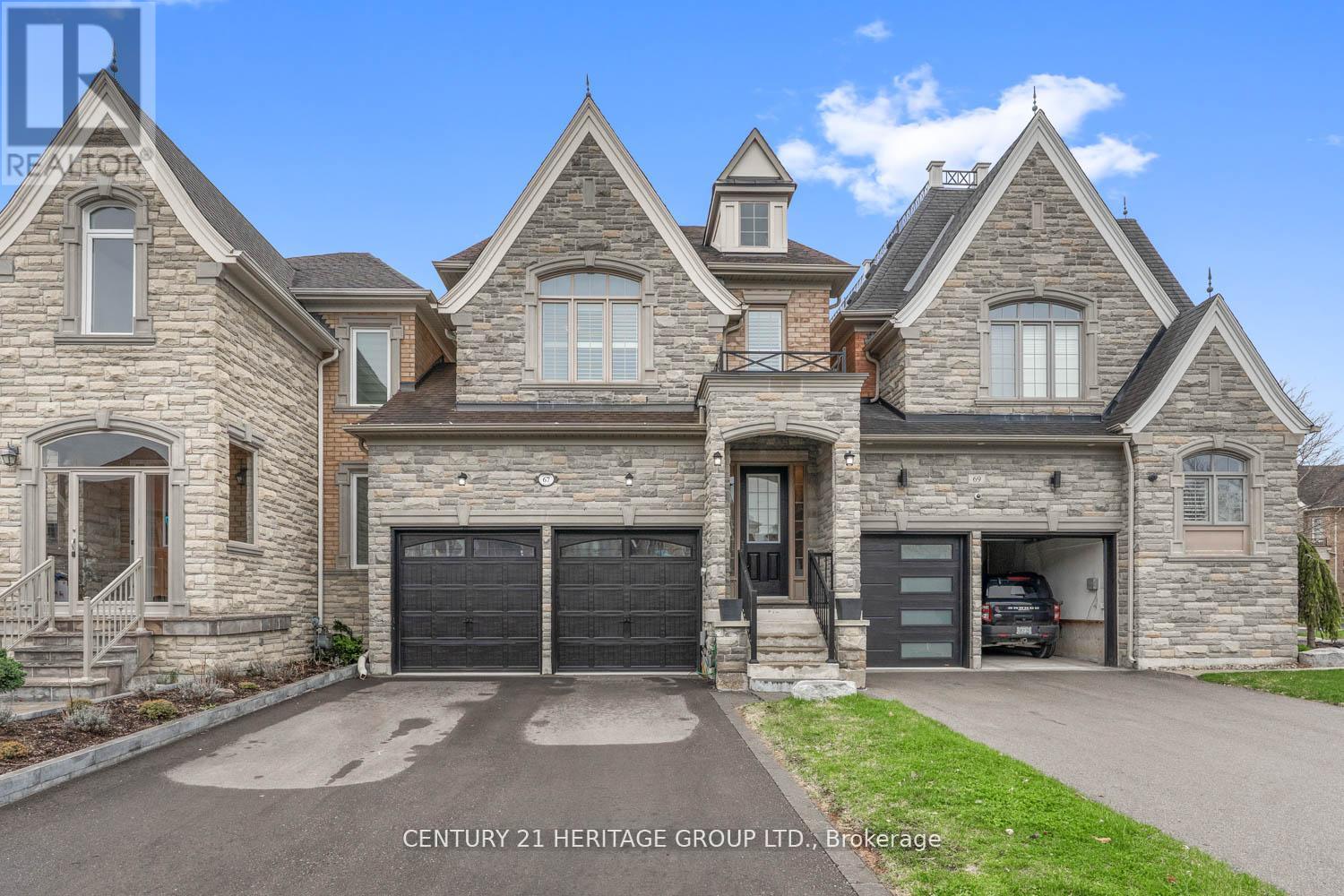 For Sale
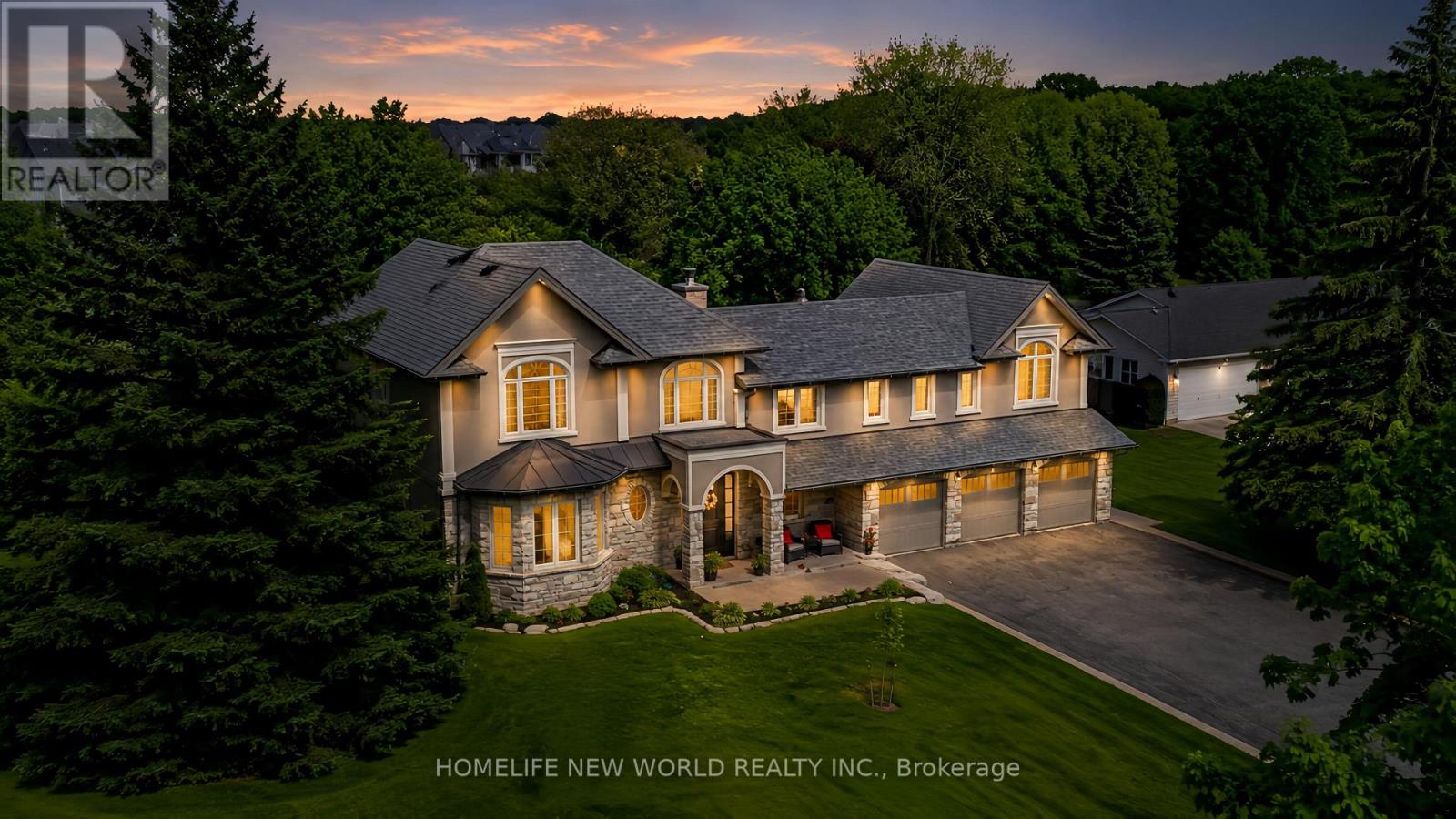 For Sale
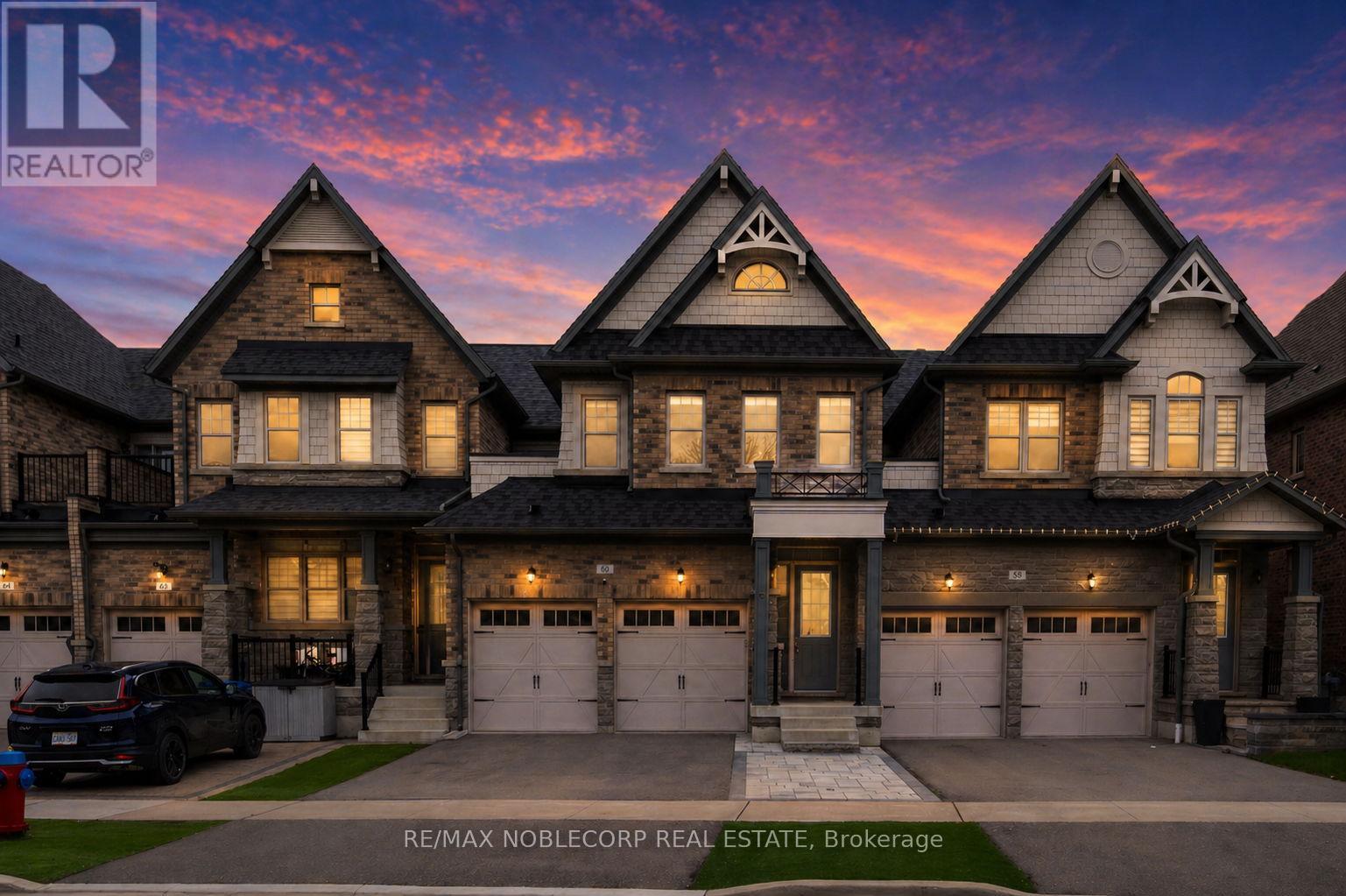 For Sale
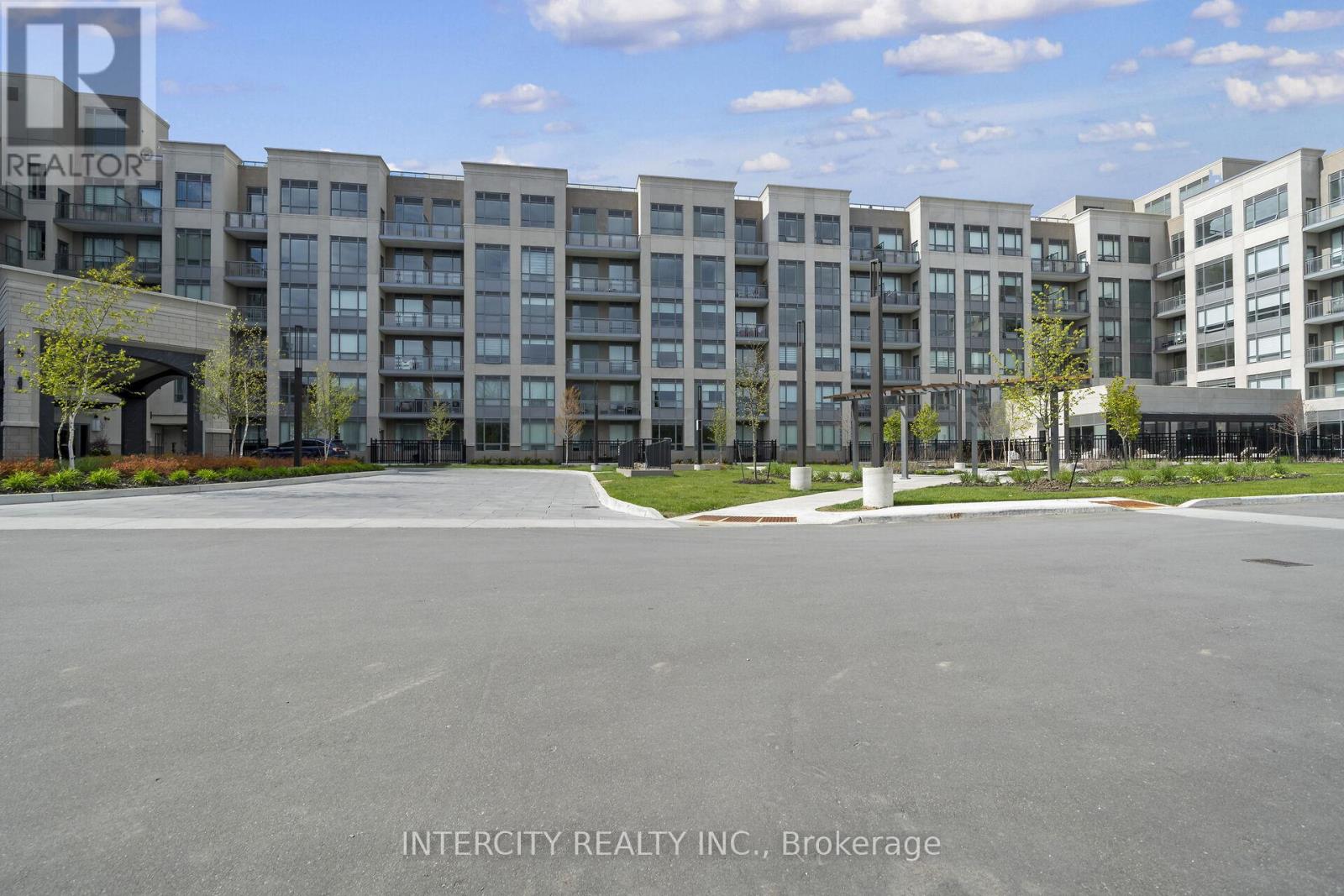 For Sale