
Discover real estate in Bullock, Markham. Current prices, school catchments, transit access and neighbourhood character covered in full.
Bullock is a central Markham neighbourhood that occupies a practical position in the city’s real estate landscape without occupying a prominent one in its marketing. The neighbourhood sits west of McCowan Road and south of Highway 7, in a part of Markham that developed in the late 1970s and 1980s and has been largely unchanged since. The streets are quiet, the homes are solid, and the location gives residents access to the full Markham service and amenity picture without requiring them to pay for a prestigious address.
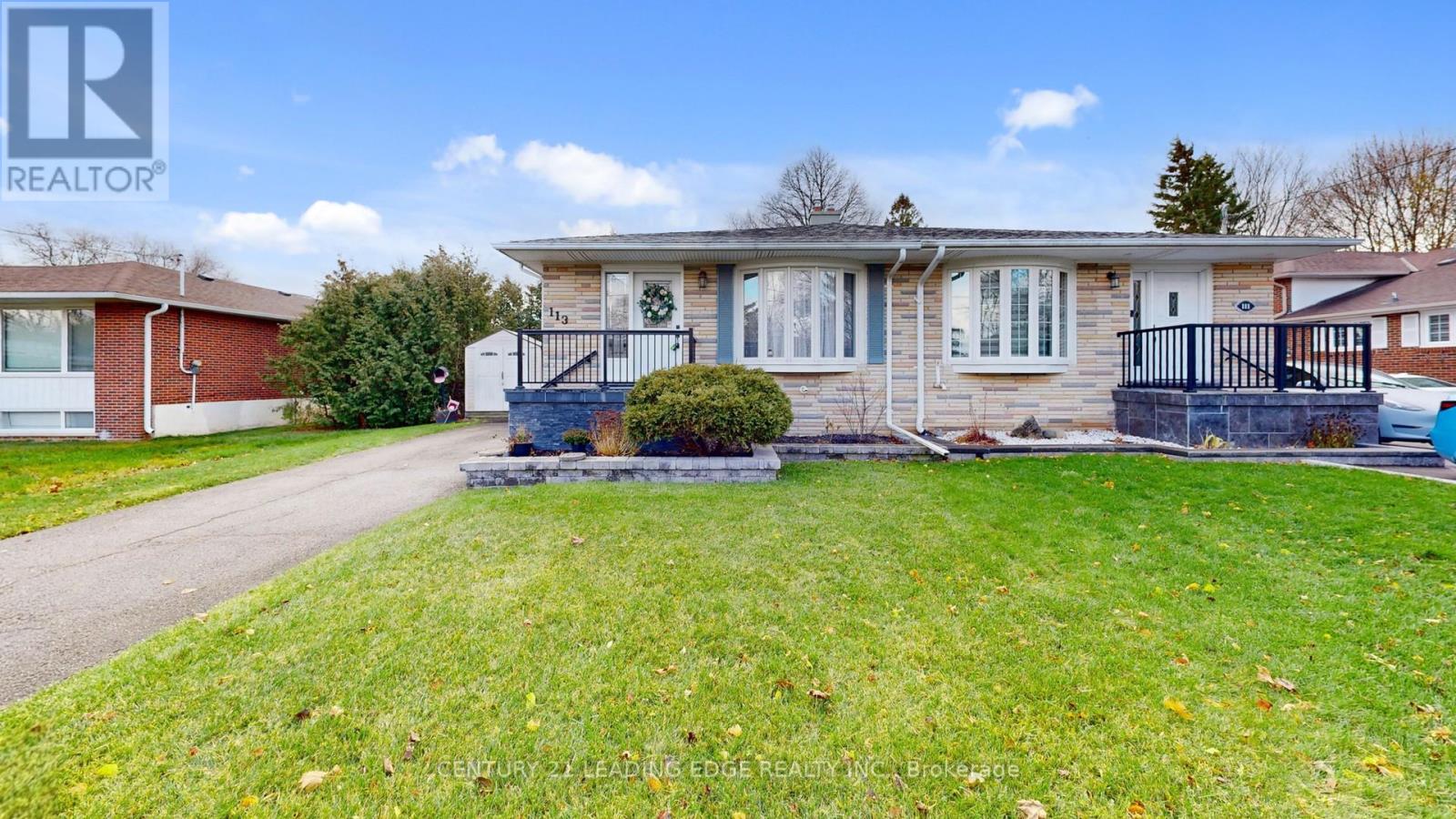
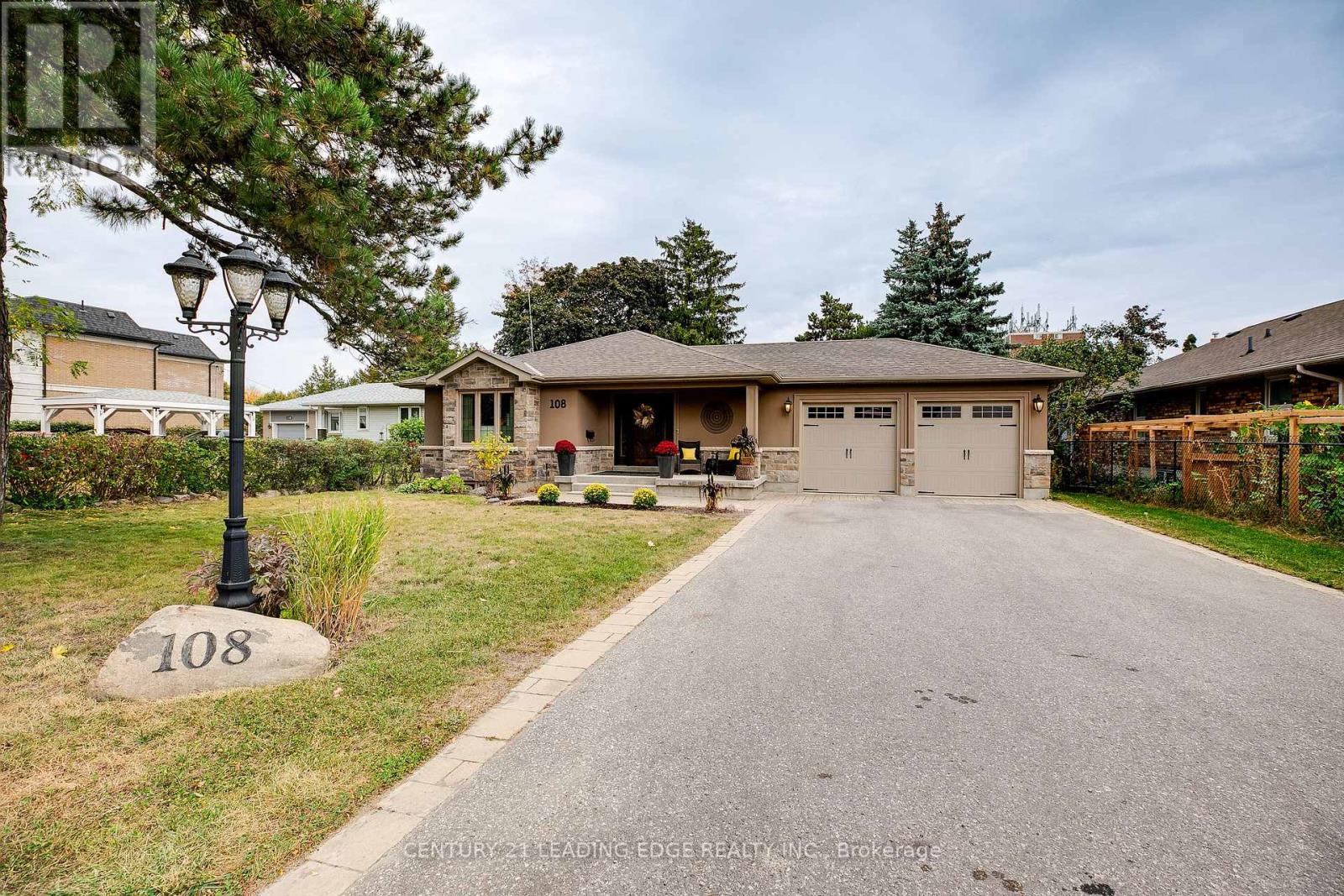
The housing mix here reflects its era: two-storey detached homes predominate, with a mix of brick and brick-and-siding construction typical of that period. Lots are reasonable in size, with enough backyard to accommodate a deck and modest garden, though not the generous lots found in the estate neighbourhoods or the larger suburban builds from the 1960s. Many homes in Bullock have been renovated by owners who have lived here for decades, which means that the streetscape shows the variation of individual choices over time rather than the uniformity of a single development phase.
The neighbourhood’s appeal is grounded in its central location within Markham’s geography. Markham GO station is within reach, Markville Mall is a short drive, and Highway 407 is accessible via McCowan Road. Buyers who want to be able to get anywhere in Markham and across the GTA without navigating to an edge location find that Bullock’s position delivers that in a way that the more celebrated Markham addresses sometimes do not. It is a neighbourhood that rewards practical buyers over status-driven ones.
Bullock’s housing market is anchored by detached homes with a floor in the $1.1 million to $1.3 million range through 2024 and into 2025, with a ceiling for well-updated properties approaching $1.6 million. The neighbourhood is not at the premium end of the Markham market, which means that buyers here are generally getting more square footage and lot for their dollar than in the school-premium communities to the north and east. Semi-detached homes and townhouses from earlier phases of development are available below the detached threshold, providing an accessible entry for buyers who want central Markham at sub-$1 million price points.
The condition of Bullock’s housing stock reflects the age of the neighbourhood. Homes from the early 1980s that have not been significantly updated tend to show in dated kitchens and bathrooms, older windows, and mechanical systems that have been replaced at least once. Buyers who are comfortable with cosmetic updating or who are looking for renovation opportunity tend to find Bullock attractive because the bones of the construction are solid and the lots are workable. Homes that have been fully renovated by current owners tend to present well against the competition and attract buyers who want central Markham turnkey.
The realistic purchase scenario in Bullock is that you are buying a home that is structurally sound, well-located, and in need of cosmetic updating unless the seller has already done it. The total cost of ownership model that includes factoring in renovation should be part of the buying decision here. Buyers who build that cost into their offer price rather than paying a renovated premium for a property that has been staged over old bones will make a better financial decision than those who take the listing price at face value without assessing the work behind it.
Bullock operates as a steady, mid-market Markham neighbourhood without the volatility of the prestige tier. Demand here is consistent but not intense, and properties that are priced at market typically sell within 30 to 45 days rather than in days with multiple offers. The absence of a specific school premium driver means that demand does not spike and crash around school year timing the way it does in communities where buyers are chasing a particular secondary school catchment.
The neighbourhood saw a meaningful price correction from its 2022 peak, consistent with the broader Markham market, and the correction has been sustained rather than bouncing back sharply. This reflects both the interest rate environment and the lack of a specific premium driver that would maintain elevated prices despite macro conditions. For buyers, this means that Bullock currently offers an opportunity to purchase central Markham housing at prices that are below the 2022 peak and in a market where conditional offers and reasonable negotiation are more likely to be accepted than they were two years ago.
Long-term residents in Bullock tend to be families who arrived in Markham in the 1980s and early 1990s and never had a reason to leave. This has kept the neighbourhood’s owner-occupier rate high and the transactional churn relatively low, which means that listings come to market less frequently than in newer communities with higher turnover. When a Bullock property comes to market, it often attracts interest from buyers who have been watching the neighbourhood for some time and were waiting for the right opportunity, which tends to produce reasonable transaction velocity even in a softer market.
The Bullock buyer is typically a practical one. They have done the Markham comparison, they understand the price premium required by the top-tier school communities, and they have decided that the premium is not justified by their specific household’s needs. They are often families who have established children in a school that they are happy with and who are not selecting a neighbourhood based on future secondary school catchment. Or they are empty nesters who have lived in Markham for decades and are downsizing or moving within the city without wanting to leave the area they know.
First-time buyers in the detached category also appear in Bullock, particularly those who are stretching to get out of condo or townhouse living and into a house with a yard. The entry price for a detached home in Bullock is lower than in Berczy, Wismer, or Cachet, and the central location means that the practical sacrifice involved is lower than it would be in a less connected northeast or east Markham address. For a household that is prioritising the detached-home format over a specific school address, Bullock delivers that at a more accessible price.
Markham’s Chinese Canadian and South Asian communities are well represented in Bullock, as they are across central Markham. The neighbourhood’s demographics reflect the broader city, with a multi-generational household pattern that is common across these communities. Multi-generational buyers who need extra bedrooms, a separate entrance, or a layout that accommodates grandparents find that the 1980s two-storey home format in Bullock is often adaptable in ways that newer, more tightly planned homes are not, and the larger lots provide at least the theoretical option of rear additions or secondary suites.
Bullock’s street layout is straightforward by Markham standards, with a grid-influenced pattern modified by some curvilinear subdivisions typical of 1980s planning. The main through-routes are McCowan Road on the east and Highway 7 on the north, both of which are arterial roads and carry significant traffic, but the interior streets of Bullock are shielded from arterial noise by the layout of the residential parcels. Properties directly adjacent to McCowan Road are less desirable than interior streets and price accordingly.
The streets closer to the neighbourhood’s centre tend to have the most settled feel: mature trees, homes that have been well-maintained or renovated, and a visible sense of owner investment. The streets at the north edge of the neighbourhood, closest to the Highway 7 commercial strip, are transitional in character and include some of the commercial properties that back onto residential uses, which creates a less consistent streetscape. Buyers who are sensitive to their immediate environment should walk the specific block rather than assuming uniformity across the Bullock designation.
Bullock has no dominant pocket that dramatically outperforms the rest of the neighbourhood the way that ravine lots or park-backing properties do in communities with strong natural features. The internal variation is driven more by lot size, home size, and renovation condition than by a specific street address premium. Buyers should compare on a dollar-per-square-foot basis against recent comparable sales for the specific home type they are considering, since the variation across the neighbourhood is primarily explained by these fundamentals rather than by intangible location premiums.
Bullock’s transit access is reasonable for a central Markham address. Markham GO station on the Stouffville line is accessible by car or YRT bus, and the Stouffville line runs peak-period service to Union Station in approximately 45 to 55 minutes. The station is within a 10-minute drive of most Bullock addresses, and YRT bus routes along McCowan Road and Highway 7 provide connections to the GO terminal and to the broader Markham transit network. For buyers whose downtown Toronto commute is a priority, Bullock offers adequate GO access without the premium pricing that comes with the closest-to-station addresses.
York Region Transit operates bus routes along the primary corridors adjacent to Bullock, including Highway 7, which carries the VIVA rapid bus service providing frequent east-west service across Markham and into Richmond Hill. The VIVA Highway 7 service connects to the Richmond Hill Centre terminal for transfers to TTC and other York Region services. For daily commuters using transit, the combination of YRT local routes and VIVA rapid service provides a workable network, though the frequency of local routes within Bullock itself is limited at off-peak times.
By car, the Highway 407 is accessible via McCowan Road south, reaching the 407 in approximately 10 minutes under typical conditions. The Highway 404 interchange at Steeles Avenue is accessible in 15 to 20 minutes. These highway connections put Bullock within reasonable driving distance of the major employment zones in Markham, Scarborough, Richmond Hill, and the downtown core. Daily commuters who drive to work in the Markham Centre or Highway 7 employment corridor find Bullock well-positioned relative to their destination.
Bullock’s parks are functional rather than distinctive. The neighbourhood has the standard complement of community parks with playground equipment, open field space, and sports courts that serve the daily needs of the family households that dominate the area. Centennial Park in the broader Markham area is within reach and provides a larger recreational facility for events and organised sports. The parks within Bullock itself are well-maintained by the City of Markham’s parks department, which has a good reputation for park upkeep across the city.
The absence of ravine or creek features within the Bullock designation means that the outdoor experience is primarily the urban park type: maintained green space within a residential context rather than natural corridor access. Buyers coming from neighbourhoods with ravine lots or significant natural features should factor this into their comparison, since the outdoor amenity in Bullock is solidly adequate but not exceptional. For households where access to natural trails is important, Bullock is a less suitable choice than Box Grove, Angus Glen, or the neighbourhoods adjacent to the German Mills or Don River systems.
The mature tree canopy on Bullock’s interior streets is the neighbourhood’s most notable outdoor asset. Homes built in the 1980s on streets that were planted at the time of construction now have tree coverage that creates significant shade, privacy, and streetscape character. This is an underappreciated value in new-development comparisons: you cannot buy mature trees in a newly built community, and the canopy in Bullock and similar established Markham neighbourhoods represents decades of growth that new buyers inherit. For households who value outdoor character in their immediate environment, the mature tree canopy of central Markham’s established neighbourhoods is a genuine differentiator from the bare streetscapes of recently built subdivisions.
Bullock’s retail access is among the better aspects of its central Markham location. Markville Mall is a 5-to-10-minute drive along Highway 7 east to McCowan, and carries the major national retail anchors and a range of restaurants that cover most household shopping needs. The Highway 7 commercial strip between McCowan and Kennedy provides everyday grocery, pharmacy, and food service options that are accessible on daily errands. For groceries specifically, there are multiple options within easy driving distance including Asian supermarkets that serve the strong Chinese Canadian and South Asian household presence in central Markham.
The T&T Supermarket and other Asian grocery stores in the Markham area are accessible within 10 to 15 minutes from Bullock, which matters considerably for households that shop for fresh seafood, specialty produce, and Chinese or South Asian pantry staples. The density of restaurants in the Highway 7 corridor means that the dining-out options accessible to Bullock residents are arguably better than in most Canadian suburban neighbourhoods, with a concentration of authentic Chinese, Cantonese, Shanghainese, Sichuan, and South Asian restaurants that reflects Markham’s distinctive demographic character.
Healthcare access from Bullock benefits from Markham’s generally strong concentration of medical offices and specialist practices. The Markham Stouffville Hospital is accessible along Highway 7 east and serves as the primary acute care facility. Medical and dental offices are present throughout the commercial strips adjacent to the neighbourhood, providing walk-in and family practice access without significant travel. For families managing healthcare across multiple generations, the density of medical services in central Markham is a genuine practical advantage over less-developed suburban locations.
The YRDSB schools serving Bullock include Parkview Public School and Roy H. Crosby Public School at the elementary level, both of which are established schools serving the central Markham community. The specific school assignment depends on the address, and the YRDSB school locator should be used to confirm the catchment for any specific property. French Immersion programs within the YRDSB system are available at designated schools in the area, and demand for these programs typically requires early registration and may involve placement on a waitlist.
The YRDSB secondary school serving most of Bullock is Markville Secondary School, which is one of the more academically regarded public secondary schools in Markham. Markville Secondary has a strong advanced placement and university preparation program and consistently produces high university admission rates. The school’s academic culture reflects the demographically driven emphasis on educational achievement that characterises central Markham’s household composition, and it is one of the schools that buyers research specifically when they are comparing central Markham neighbourhoods. For families for whom the secondary school is a primary factor in neighbourhood selection, Markville Secondary’s catchment is a genuine asset for Bullock properties that fall within it.
The York Catholic District School Board serves the Bullock catchment with elementary schools and Good Shepherd or St. Justin Martyr Catholic Elementary depending on the specific address, feeding into Father Michael McGivney Catholic Academy at the secondary level. Families using the Catholic system should confirm the current elementary school assignment for their specific address directly with YCDSB, and should be aware that boundary adjustments occur periodically in response to enrollment changes. Registration in the Catholic system requires a baptismal certificate and is subject to capacity.
Bullock is a built-out neighbourhood where the development activity is primarily renovation and infill rather than new construction. The Highway 7 corridor to the north is the most significant development context affecting the neighbourhood, with intensification along this arterial corridor bringing mid-rise residential and mixed-use development to the commercial nodes within driving distance. For Bullock residents, this means more residential population and commercial diversity along their primary shopping corridor, with the attendant increase in traffic and construction activity during the transition years.
The Markham Centre urban growth node, which the City of Markham and the province have identified as a key intensification area around the Markham GO station, is positioned to the northeast of Bullock and will add significant condominium and commercial development over the next decade. This development will bring more population and amenity to the general Markham central area and is expected to improve transit frequency and commercial diversity for the surrounding communities. Bullock residents who rely on Markham GO will find the station experience and surrounding amenities improving as the Markham Centre node develops.
Within the neighbourhood, the development story is one of gradual renovation and occasional teardown. The 1980s housing stock in Bullock has reached the age where buyers with higher budgets and specific tastes choose to remove the existing structure and rebuild rather than undertake major renovations. This pattern is less common in Bullock than in the larger-lot neighbourhoods of south Markham because the lot sizes in Bullock do not provide the same teardown return as a 50-by-130-foot south Markham lot. But selective teardown and custom rebuild is occurring on Bullock’s better lots, and the resulting new construction raises the streetscape standard on those blocks.
Q: What are the actual prices for homes in Bullock, and is it a good time to buy in 2025?
A: Detached homes in Bullock have been trading in the $1.1 million to $1.5 million range through 2024 and into 2025, depending on size, condition, and lot position. Semi-detached and townhome options are available below $1.1 million and provide an entry point for buyers who want central Markham without stretching to the detached tier. The Markham market overall has corrected from its 2022 peak — detached homes in Markham were averaging close to $1.9 million at the peak and pulled back to the $1.4 to $1.5 million range for the city as a whole. Bullock sits below the city average, which means the correction has been somewhat larger in absolute dollar terms but the current pricing offers reasonable value relative to the location. For buyers who are in a position to purchase in 2025, the combination of lower prices than the 2022 peak and more negotiating room on transactions than existed in 2021 and 2022 represents a more rational buying environment. Whether it is the best time for any specific buyer depends on their financing situation, timeline, and specific property needs rather than a generic market call.
Q: Does Bullock fall within the Markville Secondary School catchment, and does that drive demand?
A: Most Bullock addresses fall within the Markville Secondary School catchment, which is one of the reasons that Bullock maintains steady family demand despite lacking the prestige profile of Angus Glen or Cachet. Markville Secondary has a strong academic reputation within Markham and is a meaningful driver of purchase decisions for families whose children are approaching secondary school age. The catchment boundary should be verified for any specific address using the YRDSB school locator, since boundary adjustments have occurred over time and the neighbourhood name alone does not guarantee school assignment. The Markville Secondary draw is real but not as acute as the Pierre Elliott Trudeau High School or Bur Oak Secondary draws in the communities that generate the most bidding competition, which means that Bullock offers the school access without the full price premium that the most sought-after catchments command. For informed buyers who have done the school research and identified Markville Secondary as a satisfactory option, Bullock provides meaningful value relative to the competition.
Q: How does Bullock compare to adjacent central Markham neighbourhoods like Cedarwood and Raymerville?
A: Bullock, Cedarwood, and Raymerville are closely related central Markham communities that share similar demographics, price ranges, and school profiles. The primary differences are subtle. Cedarwood sits closer to Kennedy Road and has better direct access to Markville Mall and the Kennedy Road commercial strip. Raymerville tends to have slightly newer homes from the late 1980s and early 1990s compared to Bullock’s earlier 1980s stock, and its street layout has a somewhat more consistent character. Bullock has the Highway 7 corridor access and proximity to Markham GO station that the others share, but its specific lot and home characteristics vary more than the adjacent communities. For buyers who have shortlisted this tier of central Markham, the right choice between Bullock, Cedarwood, and Raymerville will come down to a specific listing at the right price and condition rather than a fundamental neighbourhood difference. It is worth looking at current sales in all three before committing to one.
Q: Is Bullock a good option for multi-generational households?
A: Bullock has several features that work for multi-generational households. The 1980s two-storey detached homes on the larger lots in the neighbourhood often have enough interior space to accommodate a grandparent suite without major structural work, particularly those with finished basements that can be configured with a bedroom, bathroom, and kitchenette. The lot sizes in Bullock are generally sufficient to consider a rear addition if the existing footprint is insufficient, though any addition requires a building permit and must comply with current setback and coverage rules. The neighbourhood demographics include a significant multi-generational household presence, which means that Bullock is not unusual or poorly designed for this living arrangement. Buyers planning a multi-generational purchase should have the specific property assessed by a contractor before closing to understand the cost and feasibility of the intended configuration, rather than assuming that the basement or layout will work without modification. The City of Markham has been generally supportive of secondary suite approvals in established residential neighbourhoods, though the specific requirements should be confirmed with the city’s building department.
Bullock is a neighbourhood where having a buyers agent who knows central Markham’s micro-market genuinely changes outcomes. The neighbourhood lacks the high-profile address that makes listings easy to evaluate from the outside, which means that uninformed buyers can either overpay for an updated property that has been staged over aging systems or pass on a solid property because the cosmetics are dated. The agent’s job in Bullock is to help you see past the surface presentation to the actual value underneath.
The Markville Secondary School catchment question deserves specific verification before any offer is submitted. The YRDSB boundary adjustments over the past several years have moved some Bullock addresses between secondary school catchments, and listing agents do not always flag when a property has shifted. Using the YRDSB school locator with the specific address of any property you are considering is a five-minute task that can prevent a very expensive mistake if the school placement was part of your rationale for buying here.
The comparison between Bullock and adjacent neighbourhoods is worth doing explicitly before settling on a specific property. Cedarwood and Raymerville are close enough that a buyer who is flexible on the exact address should look at current listings across all three and assess which property offers the best value at their budget, rather than committing to Bullock specifically without knowing what is available in the adjacent communities at similar prices.
TorontoProperty.ca covers Bullock and the central Markham market with current data. Contact us if you are comparing neighbourhoods in this tier of the Markham market and need a clear picture of where current value sits relative to your budget and priorities.
Street-level knowledge is hard to find online. Our team works in Bullock every day. They know which pockets hold value, where the school catchment lines actually fall, and what the market is doing right now. Talk to us before you make a decision about Bullock.
Talk to a local agent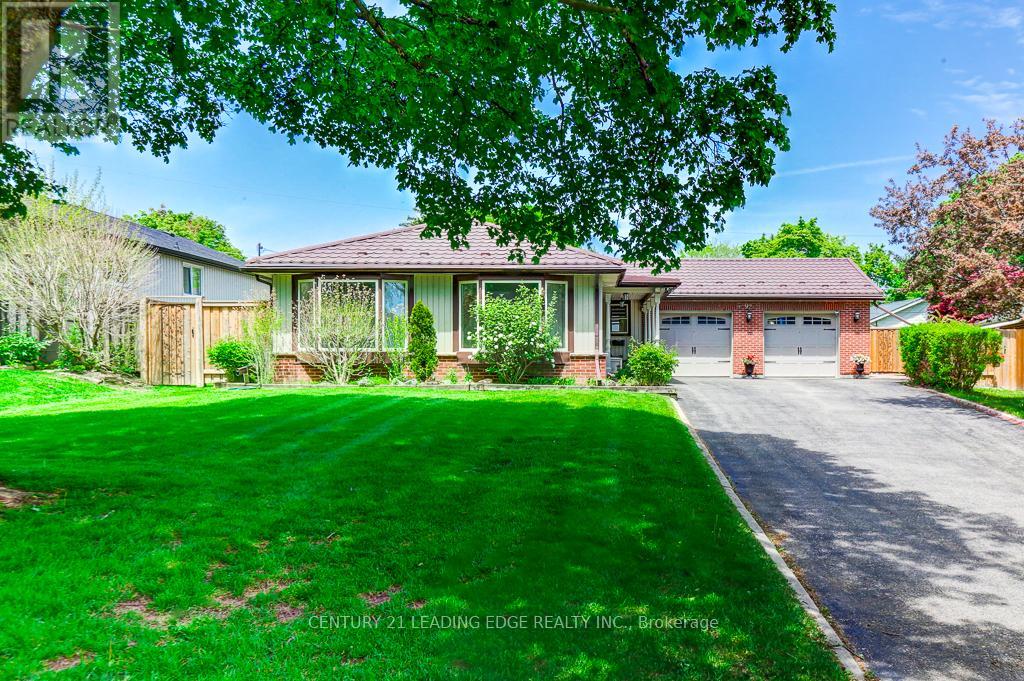 For Sale
 For Sale
 For Sale
 For Sale