
Cedar Grove is a northeast Markham community where newer subdivisions meet estate properties on larger rural lots. Highway 407 ETR access, open countryside surroundings, and newer construction at prices below central Markham. A practical choice for buyers who want space and newer homes without the Cachet price tag.
Cedar Grove occupies the northeast corner of Markham, where the urban grid thins out and the built environment still carries traces of the rural landscape that preceded it. Ninth Line runs through the area as one of the defining north-south corridors, and the Highway 407 ETR’s eastern extension provides the main east-west connection. Development here came later than in central and south Markham, and the newer subdivisions share the landscape with estate properties and parcels that retain a semi-rural character, producing an unusual mix of Markham’s two development eras side by side.
The newer residential subdivisions that have been built over the past fifteen to twenty years follow the standard York Region pattern: detached homes on serviced lots, with the accompanying parks, stormwater ponds, and municipal infrastructure that Markham requires of all new development. But the surrounding context, the agricultural land to the east and north, the conservation corridors along creeks and ravines, and the lower overall density of this part of the city, gives Cedar Grove a sense of openness that more central Markham communities lack.
Estate properties on larger parcels exist alongside the newer subdivisions, particularly along the rural roads to the north and east of the built-up areas. These homes sit on lots measured in fractions of an acre or more, with well and septic systems where municipal services haven’t reached, and a genuinely rural character that attracts a buyer profile distinct from the typical Markham family purchaser. The coexistence of estate and subdivision development on adjacent lands is one of Cedar Grove’s defining characteristics.
The community is not yet mature. Unlike Cachet or Unionville, which have had decades to develop a defined identity and a settled commercial and community infrastructure, Cedar Grove is still in the process of becoming. The amenity base is thinner, the commercial development less established, and the transit options more limited. What it offers in exchange is a quieter, more spacious version of Markham homeownership, at prices that reflect the trade-offs involved in being at the outer edge of a growing city.
Cedar Grove’s pricing reflects its position at the edge of Markham’s developed area, where the combination of newer construction, larger lots in some areas, and lower overall density produces prices that sit below the neighbourhood’s potential once the surrounding infrastructure matures. Detached homes in the newer subdivisions trade from approximately $1.1 million to $1.6 million, depending on size and lot configuration. The lower end of this range gives buyers a meaningful lot and a full-sized home at a price point that would buy considerably less space in central Markham or Unionville.
Estate properties on larger rural lots are priced on different metrics. A home on a half-acre or larger lot with well and septic in the Cedar Grove area can range from $1.5 million to well over $2 million depending on the quality of the home and the specific location. These properties attract a narrower buyer pool, and they take longer to sell, but the buyers they attract are specifically looking for that product and don’t find it available elsewhere in Markham.
The price trajectory in Cedar Grove has been positive over the past decade as the eastern 407 extension has improved regional connectivity and as Markham’s overall growth has pushed demand further north and east. Properties that were priced as rural outliers have gradually been repriced as suburban as services have extended and the neighbouring developments have filled in. This trend is likely to continue, though the pace depends on how quickly the City of Markham services additional lands in the northeast quadrant.
Buyers should factor in the specific servicing status of any property they consider. Properties on municipal water and sewer are valued differently from those on private well and septic. The ongoing maintenance costs and potential replacement costs of private septic systems are real and should be factored into purchase price negotiations. A home inspection by an inspector experienced with rural Ontario properties should cover both the septic system and the well water quality as a matter of course.
Cedar Grove’s market is smaller and thinner than those of Markham’s more central communities, which affects how it behaves. With fewer listings at any given time and a narrower buyer pool, individual transactions carry more weight in establishing pricing references. A single sale at an unusual price, high or low, can affect the comparables used for subsequent listings in a way that would be diluted by volume in a busier market. Buyers and sellers both need agents who understand this dynamic and can distinguish a genuine market-setting transaction from an outlier.
The split nature of Cedar Grove’s housing stock, subdivisions on one side, estate properties on the other, means that the market effectively operates as two separate markets that happen to share a geographic label. The subdivision detached homes are priced and traded against comparable product in adjacent communities, with Highway 407 access and school catchment as the primary value drivers. The estate properties are priced against the broader York Region rural and semi-rural market and compete with Stouffville, Uxbridge, and rural Richmond Hill for buyers seeking that specific product.
The Highway 407 eastern extension has been a genuine demand driver for Cedar Grove. The ability to access the 407 quickly from this corner of Markham makes commutes to employment in eastern Scarborough, Pickering, or Ajax significantly more practical than they would be from central Markham. Buyers from Durham Region who work in Markham or along the 407 corridor sometimes purchase in Cedar Grove as a geographic compromise between the two regions, finding it more accessible than alternatives further into Markham’s core.
Market times in Cedar Grove tend to run longer than in higher-volume Markham communities, particularly for estate properties where the buyer pool is small. Well-priced subdivision homes in the $1.1-to-$1.4-million range move at a reasonable pace during active markets, but estate properties should be listed with a realistic expectation of 30 to 90 days or more on market. Sellers who need to transact quickly should price accordingly rather than testing the market at optimistic levels and then reducing.
Cedar Grove attracts two quite different buyer groups that coexist in the same geographic area with minimal overlap. The first group is families buying in the newer subdivisions. These are buyers who have been priced out of or are choosing not to pay the premium for central Markham communities, who want a full-sized newer detached home on a reasonable lot, and who are willing to accept a longer drive to amenities and a thinner immediate retail environment in exchange for more space at a lower price. They are primarily families with children, and the school catchment, while not as intensively tracked here as in Cachet, is still an important factor in their decision.
The second group is buyers specifically seeking estate or rural-suburban properties, people who want land, privacy, and the sensory experience of living at a lower density than any typical suburban subdivision provides. This group includes professionals who have moved out of Toronto proper and want the GTA’s accessibility without its density, families that have outgrown a standard-sized suburban lot and want space for a garden, workshop, or simply room, and buyers who are planning ahead for potential severances or future development value in the longer term.
The overlap between these groups is minimal. Subdivision buyers are rarely interested in the maintenance and servicing complexity of estate properties, and estate property buyers typically find the newer subdivision format too constrained. This lack of overlap is why the two market segments, despite geographic proximity, operate largely independently.
Investors are a minor presence in Cedar Grove compared to denser Markham communities. The subdivision homes can generate rental income, but the long-term care requirements of estate properties and the thin rental market for that product type make them impractical rental investments. Some buyers do purchase subdivision homes for rental purposes, particularly newer builds that require minimal near-term capital expenditure. The overall investor share of the market is small compared to communities with condo and townhome product closer to transit.
The internal geography of Cedar Grove is defined by the contrast between the newer subdivision streets and the older rural roads that predate the suburban development. Ninth Line is the primary north-south corridor through the area and serves as a reference point for understanding the neighbourhood’s layout. Streets east of Ninth Line tend to be newer developments on smaller lots, while addresses on the rural roads further east and north carry the larger lots and estate character.
Within the newer subdivisions, the street hierarchy matters. Lots backing onto the green corridors, creek buffers, and open space that Markham’s planning requires in new subdivisions command consistent premiums of $50,000 to $100,000 over comparable homes on internal lots. These backing premiums are among the most persistent and rational premiums in suburban real estate: the views, privacy, and green presence that these lots provide are genuinely valued by residents and priced accordingly by the market.
The rural road addresses north of the main subdivision area have the most variable land values. A well-maintained estate home on a large lot with good road access, municipal services, and proximity to Highway 407 can command a strong price. A property in poor condition on a lot with drainage or servicing issues, or on a road with uncertain long-term development prospects, can sit at a large discount to its apparent potential value. Due diligence on rural properties requires more investigation than urban purchases.
For subdivision buyers, the streets immediately adjacent to the Highway 407 noise corridor or to major arterial roads carry discounts that reflect the ongoing traffic noise impact. Buyers who are sensitive to noise should investigate the sound environment during different times of day and under different wind conditions before committing. The 407 generates significant noise at close range, and properties within 200 to 300 metres of the highway are genuinely affected. This is priced into the market but may not be immediately apparent to buyers visiting during quiet hours.
Cedar Grove is one of the more car-dependent areas in Markham, and residents should approach it with that fact front of mind. The YRT bus network serves the major arterials but does not penetrate the smaller subdivision streets in the frequency or span that would make transit a practical daily option for most commuters. The combination of limited transit coverage and the neighbourhood’s distance from GO Transit stations means that the vast majority of working residents drive for their daily commute.
Highway 407 ETR’s eastern section is the neighbourhood’s most significant transportation asset. The 407 provides east-west connectivity that makes Cedar Grove genuinely accessible to employment in eastern Scarborough, Pickering, and Ajax in ways that would otherwise require long surface road commutes. Westbound on the 407, residents can reach the 404 interchange quickly and from there access central Markham, Richmond Hill, and eventually downtown Toronto. The toll costs are real and add up to several hundred dollars per month for daily users, but buyers in this price range typically factor them in as a cost of accessing highway-quality travel times.
Highway 404 is reachable via Ninth Line or other connectors to Major Mackenzie Drive, with the on-ramp accessible within 10 to 15 minutes of most Cedar Grove addresses. Southbound 404 connects to downtown Toronto, with the drive running 45 to 60 minutes outside rush hour. This is a longer commute than from central Markham communities, and buyers with demanding downtown commutes should assess honestly whether they can sustain it.
GO Transit options require a drive to reach. Unionville GO station is the closest, approximately 15 to 20 minutes west. The Stouffville GO line from Stouffville station is accessible to those living in the northeastern part of Cedar Grove. Neither option is walkable from the neighbourhood, so GO Transit use requires car access to the station, which works well with parking availability at both stations but adds time and complexity to the overall commute compared to communities within walking distance of a GO platform.
Green space is Cedar Grove’s strongest amenity card. The northeast corner of Markham is one of the city’s least developed quadrants, and the open land surrounding the neighbourhood provides a natural backdrop that more central urban communities cannot offer. The views to the north and east take in agricultural land and tree canopy rather than the next subdivision, which gives Cedar Grove a visual spaciousness that is genuinely valued by the buyers who choose it.
The creek corridors that run through northeast Markham, including the tributaries that feed into the Rouge River system to the south, provide linear green space that connects subdivisions to the broader natural network. These creek buffers are protected by the Toronto and Region Conservation Authority and are maintained as naturalized corridors with informal trail access. They attract birds, support wildlife movement through the urban-rural fringe, and provide a recreational resource that residents use for walking and nature observation.
Rouge National Urban Park, while most intensively experienced from its access points in Markham and Scarborough to the south, is part of the broader ecological context of Cedar Grove’s location. The park’s northern extents include agricultural land and creek corridors that connect to the rural-urban fringe where Cedar Grove sits. Residents who want serious trail hiking can reach the park’s better trail networks within a 15 to 20 minute drive.
The parks within the newer subdivisions are functional rather than exceptional. They provide the standard playground structures, sports fields, and walkable green space that York Region’s park standards require, and they are well-maintained by the City of Markham. The real green space advantage of Cedar Grove is not its municipal parks but the open countryside that surrounds it, and that is an asset that depends on the pace of future development. As Markham grows, the open land to Cedar Grove’s north and east will eventually be absorbed. The buyers who benefit most from the current spaciousness are those who purchase before that transition occurs.
Cedar Grove’s retail and service environment is limited and this is one of the honest trade-offs that buyers need to weigh against the neighbourhood’s space and pricing advantages. The neighbourhood has no significant internal commercial development, and the nearest retail nodes require a drive of 10 to 20 minutes to reach. Daily errands, grocery shopping, pharmacy, and personal services are not accessible without a car trip, which is not unusual for outer-suburban Markham but is more pronounced here than in communities closer to the Highway 7 commercial corridor.
The nearest retail concentration of any scale is along Ninth Line and the connecting arterials to the south, where neighbourhood plazas with grocery anchors, pharmacies, and food service have developed to serve the growing residential base in northeast Markham. These plazas are functional for weekly shopping but don’t offer the variety and quality of the Highway 7 corridor further south.
For broader shopping needs, residents drive south to the Highway 7 commercial corridor, which provides the full range of Asian and mainstream grocery options, restaurants, and retail that defines north Markham’s commercial character. The drive from Cedar Grove to the Highway 7 commercial concentration runs 15 to 20 minutes depending on exact starting point and traffic on the arterials. This is a manageable commute for weekly shopping but requires building the car trip into the weekly routine in a way that residents of more central communities take for granted.
Pacific Mall is a 25 to 30-minute drive south, and Markville Shopping Centre is similarly distant. Restaurants in Cedar Grove itself are few; the dining options that north Markham is rightly known for are concentrated in the commercial corridors to the south and west. Cedar Grove residents who entertain at home or enjoy the local food scene need to plan accordingly. The neighbourhood’s food environment will improve as density increases and commercial development follows residential growth, but the current situation requires honest acknowledgment from any agent representing it.
The schools serving Cedar Grove’s newer subdivisions are part of the York Region District School Board system and benefit from the broader north Markham demographic pattern of academically oriented families with high levels of parental involvement. Elementary schools in this part of Markham have generally performed above provincial averages on EQAO assessments, reflecting their student intake more than any institutional advantage specific to individual schools.
The secondary school catchment for Cedar Grove feeds into the same YRDSB secondary schools that serve the broader northeast Markham area. The specific school assignment depends on exact address and YRDSB catchment boundaries, which should be verified directly with the school board for any specific property being considered. School board boundaries are not always coterminous with neighbourhood names, and the school that neighbours’ children attend may not be the same one that feeds from a specific address on the next street.
The York Catholic District School Board serves Cedar Grove’s Catholic families through its own elementary and secondary network. The YCDSB schools in northeast Markham generally follow the same quality pattern as the public schools: strong academic outcomes driven by a motivated and academically focused demographic. Families for whom Catholic education is a priority should verify YCDSB catchment boundaries for their specific address of interest.
The relative newness of Cedar Grove’s subdivisions means that some of the neighbourhood’s families are new to the school catchment and may not yet have accumulated the informal knowledge about local schools that longer-established communities develop over years of parent interaction and school board involvement. The formal reputation of YRDSB north Markham schools is strong, but buyers who are specifically optimizing for school quality should cross-reference their prospective address with current Fraser Institute rankings and, more usefully, with current EQAO results and catchment maps from the YRDSB website rather than relying on neighbourhood reputation alone.
Cedar Grove is in an active growth phase. The City of Markham’s northeast quadrant is designated for continued residential expansion under the provincial growth plan for the Greater Golden Horseshoe, and development applications for adjacent lands are regularly before the city. The pace of development depends on municipal servicing capacity, developer appetite, and market conditions, but the directional trend is clear: Cedar Grove will have significantly more neighbours in ten to twenty years than it does today.
The Highway 407 eastern extension was the infrastructure investment that made northeast Markham’s development viable at scale, and further infrastructure improvements, whether in transit, arterial road capacity, or municipal services, will accelerate the area’s transformation. Current residents living at the edge of the built-up area should understand that the rural-suburban character of their immediate surroundings is transitional rather than permanent. The open land to the north and east will be developed; the question is when, not whether.
For buyers, this development trajectory has both positive and negative implications. The positive case is that infrastructure investment and continued residential development will improve the neighbourhood’s amenity base, transit options, and commercial offerings over time, supporting property value appreciation. The negative case is that the spaciousness and semi-rural character that currently attracts buyers to Cedar Grove will gradually be replaced by a denser suburban landscape indistinguishable from the rest of north Markham.
Individual properties near the edges of the current development have the most development risk. Lots adjacent to farmland or rural roads that are designated for development in the city’s Official Plan could find themselves flanked by construction within five to ten years. Buyers who specifically value the rural adjacency should review the Official Plan land use designations for surrounding properties and have a realistic understanding of how quickly the city is moving through its development pipeline in northeast Markham. The City of Markham’s planning department and GIS mapping tools make this research accessible without professional assistance.
Q: What are the real trade-offs of buying in Cedar Grove compared to more central Markham neighbourhoods?
A: The trade-offs are real and buyers should weigh them consciously rather than discovering them after purchase. Cedar Grove offers more space for the money, newer construction in the subdivision areas, a quieter and less dense environment, and proximity to open countryside that more central Markham communities lack. What it doesn’t offer is the retail and service accessibility of the Highway 7 corridor, the transit options of communities near Unionville GO or the YRT network, or the established community character and mature tree canopy of places like Cachet or Unionville Village. The right choice depends on how much your daily life relies on walkable or drivable access to restaurants, shops, and services versus how much you value space, quiet, and a newer home. Both are legitimate priorities. Cedar Grove serves the second set well and the first set poorly.
Q: How does the Highway 407 ETR affect Cedar Grove properties, both positively and negatively?
A: The 407 is Cedar Grove’s best infrastructure asset and its most significant nuisance simultaneously. The highway opens northeast Markham to the broader GTA in a way that would otherwise require long surface road commutes, and it makes commutes to eastern employment nodes in Scarborough and Durham Region meaningfully shorter than they would be from a different part of Markham. The negative side is noise and proximity impacts on homes closest to the highway. Properties within 200 to 300 metres of the 407 are audibly affected during peak traffic hours and in certain wind conditions. This is typically priced into listing values but buyers should assess the specific conditions at any property they are considering, ideally by visiting at different times of day. The 407 toll costs are also a real ongoing expense that adds several hundred dollars per month to the cost of ownership for daily highway users.
Q: Are there estate or larger-lot properties available in Cedar Grove, and how do they compare to buying in Stouffville or Uxbridge?
A: Yes, estate and larger-lot properties are available in Cedar Grove, generally on the older rural roads in the northeast area. They compare favourably to Stouffville and Uxbridge on the basis of Markham’s city services and the closer proximity to the 407 and 404 highway network. The trade-off is that the rural character of Cedar Grove’s estate properties is more compromised by nearby subdivision development than comparable properties in Stouffville or Uxbridge, where the surrounding agricultural context is more intact. Buyers who want genuine rural adjacency without constant reminders of incoming suburban development may find Stouffville or East Gwillimbury more satisfying. Buyers who want a large-lot property within the Markham city limits, with access to Markham’s services and school system, will find Cedar Grove offers the closest available product.
Q: How quickly is Cedar Grove developing, and will the open land around it still be there in ten years?
A: The development pipeline for northeast Markham is real and advancing. The City of Markham has designated significant portions of the land adjacent to Cedar Grove for future residential development in its Official Plan, and developers hold servicing agreements and draft plan approvals for some of these lands. The pace depends on municipal servicing extension, developer decisions about phasing, and broader market conditions, but the realistic expectation is that several years of active development are ahead and the open land context that currently exists will be substantially reduced within ten to fifteen years. Buyers who are purchasing specifically for the rural adjacency should understand they are buying a temporary rather than permanent characteristic. Buyers who are purchasing for the schools, highway access, and newer construction will find those characteristics persistent regardless of what develops on surrounding lands.
Cedar Grove requires an agent who is comfortable with the nuances of outer-suburban and rural-suburban property, not just the standard GTA detached home transaction. The due diligence requirements for estate properties here are different from those for subdivision homes, and an agent who treats every purchase as the same transaction will leave buyers exposed to risks they should have been warned about: septic condition, well water quality, road maintenance agreements, development application status on adjacent lands.
For subdivision home buyers, the relevant expertise is understanding how Cedar Grove prices relative to adjacent communities and what the specific street-level premiums and discounts are within the neighbourhood. A property adjacent to the 407 noise corridor should be priced differently from one backing onto a creek buffer, and an agent who doesn’t make that distinction in their analysis is not giving you the information you need to negotiate effectively.
The development context in northeast Markham adds another layer of complexity that agents unfamiliar with planning processes miss. Knowing which adjacent parcels have active development applications, what has been approved, and what is likely to proceed is directly relevant to a buyer’s assessment of any specific property. This is not information that appears on a listing sheet; it requires knowledge of the planning file and familiarity with the City of Markham’s development pipeline.
Our team works the north and northeast Markham market and has the detailed local knowledge that Cedar Grove transactions require. Whether you’re buying a subdivision home, evaluating an estate property, or selling and need to understand where the current market is for your specific address and property type, reach out for a current, honest assessment that reflects how this specific corner of Markham actually trades.
Street-level knowledge is hard to find online. Our team works in Cedar Grove every day. They know which pockets hold value, where the school catchment lines actually fall, and what the market is doing right now. Talk to us before you make a decision about Cedar Grove.
Talk to a local agent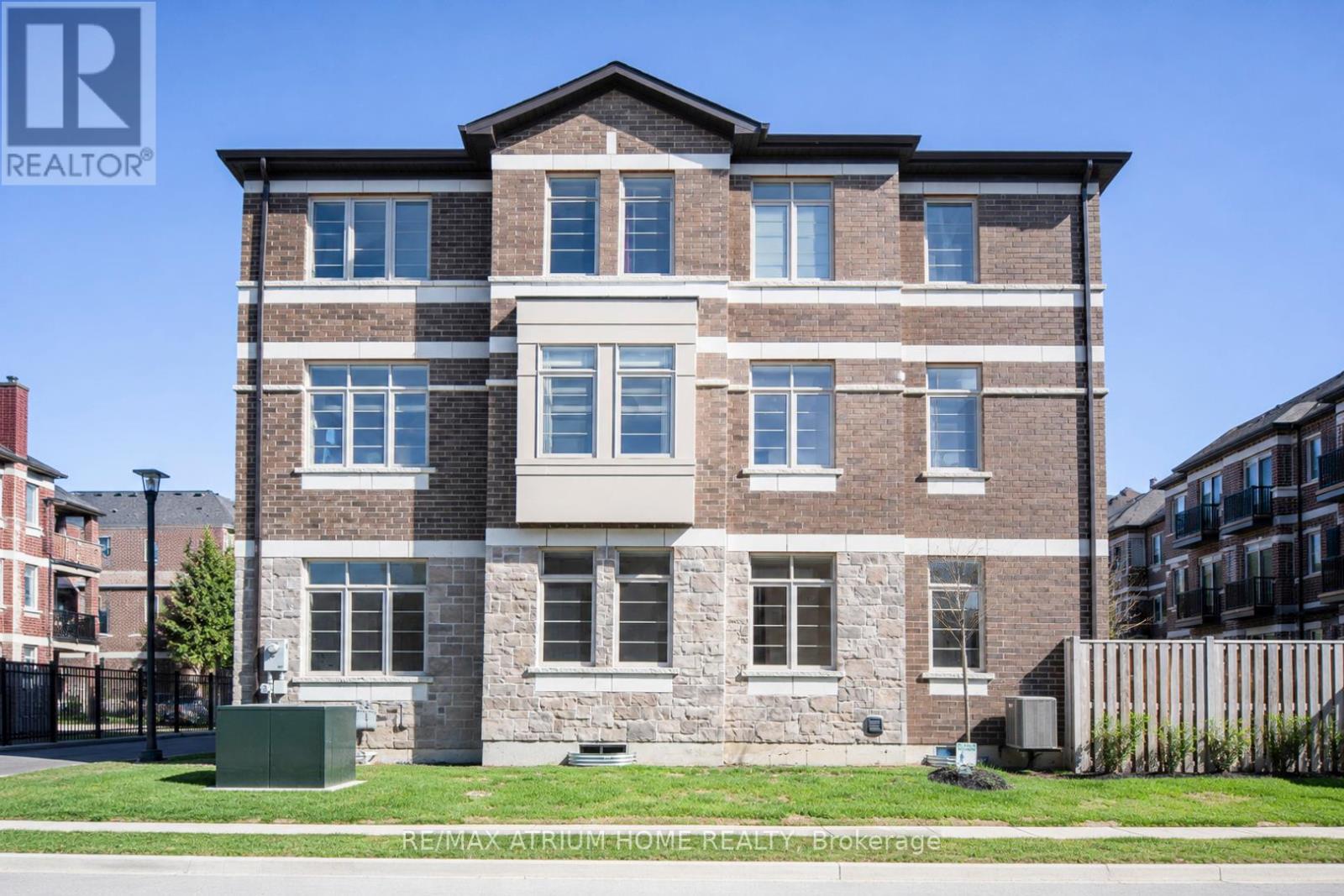 For Sale
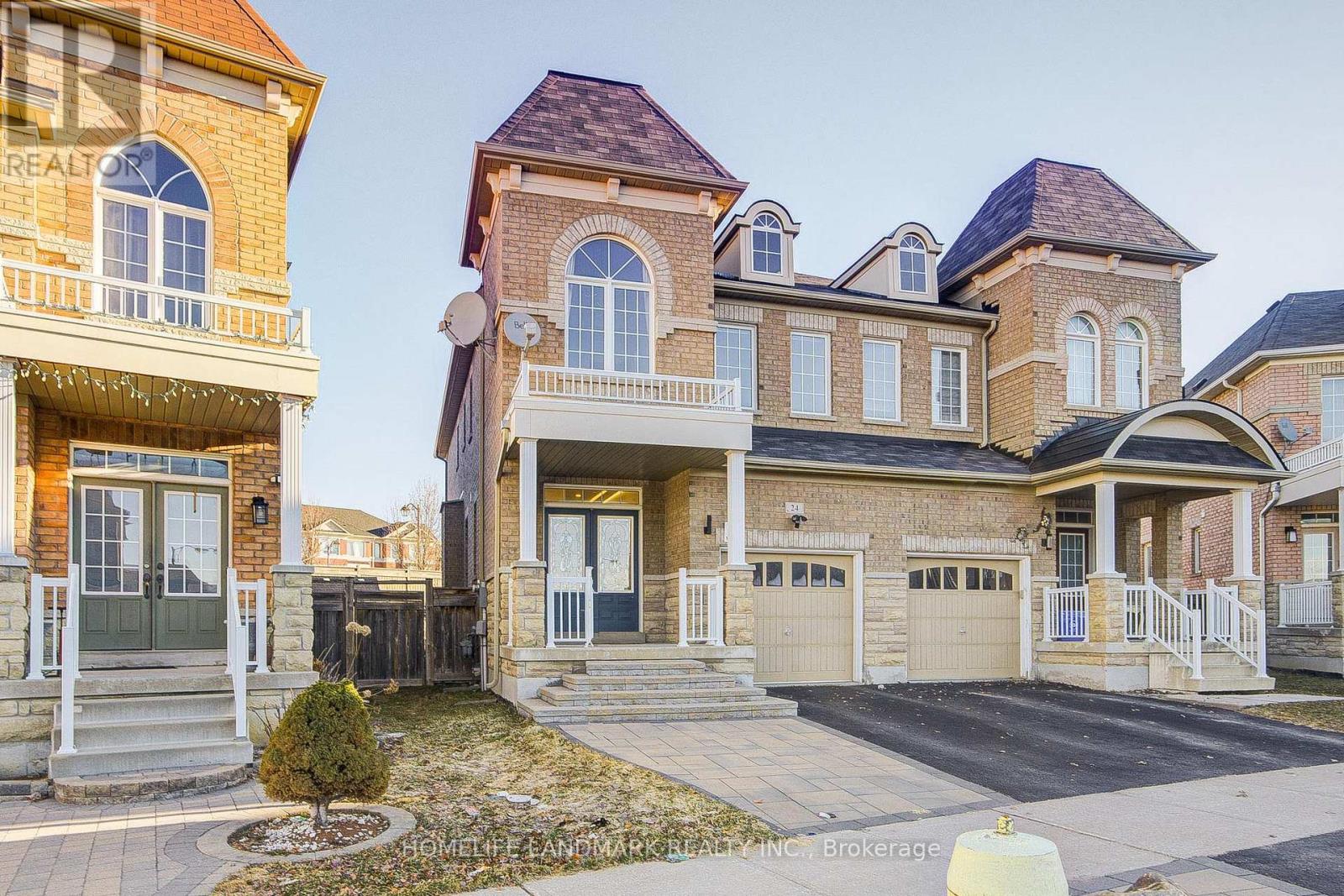 For Sale
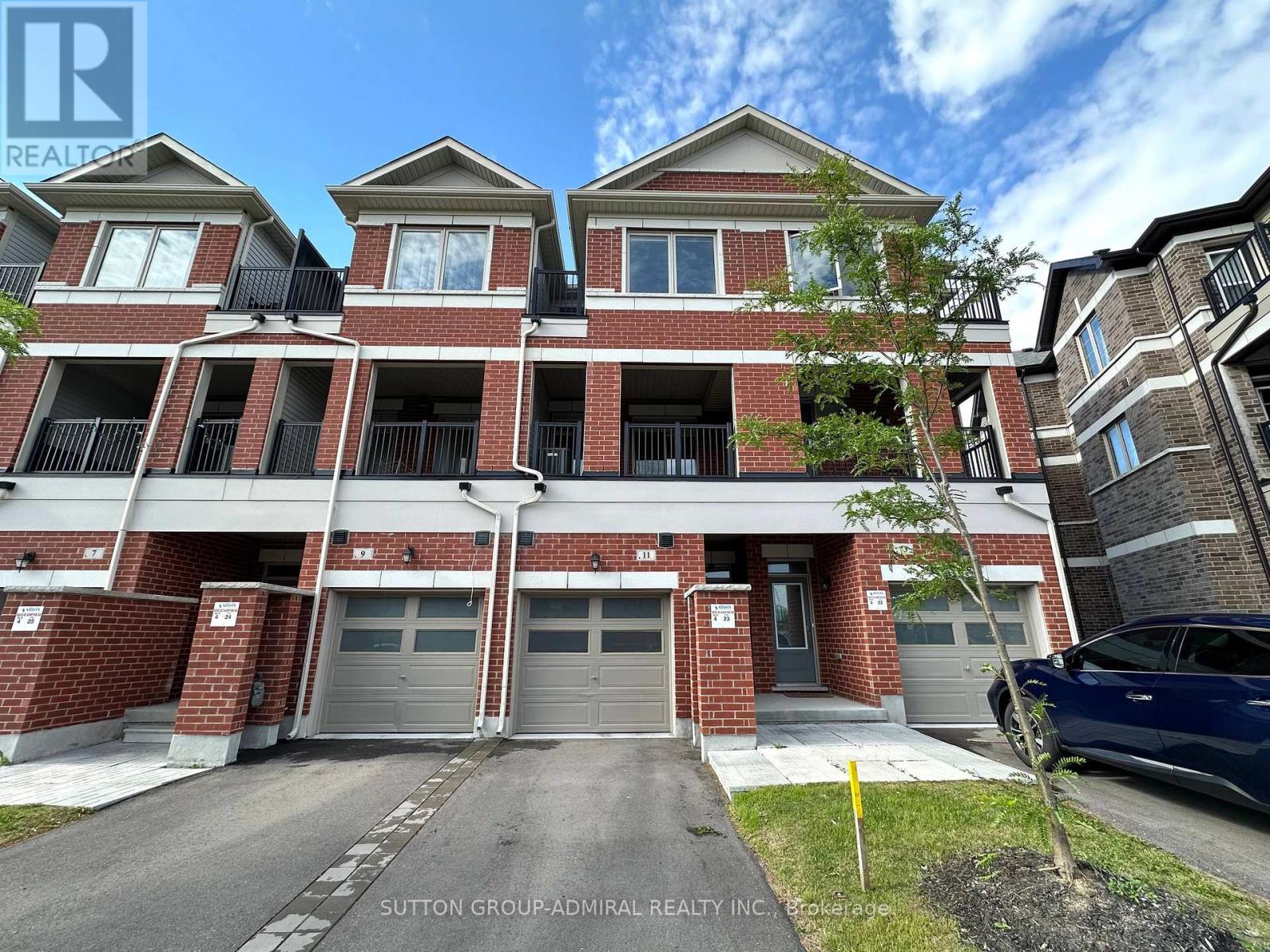 For Rent
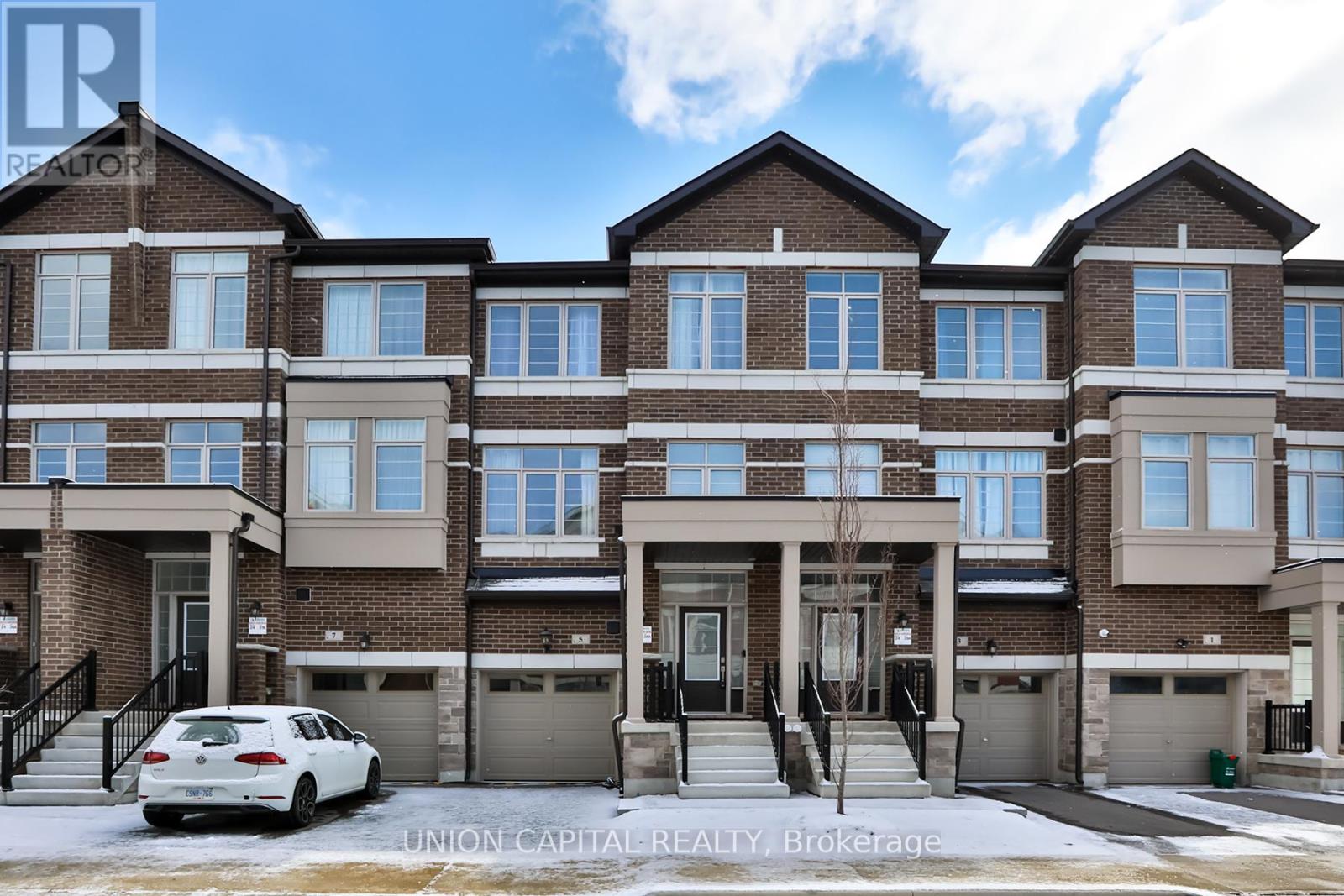 For Sale