
Cedarwood is south Markham near the Scarborough border, with older housing from the 1970s and 80s, apartment buildings, and townhomes. Markham's most transit-accessible neighbourhood via Steeles Avenue TTC connections. Entry-level detached homes from $750K, condos from $350K.
Cedarwood sits at the southern edge of Markham, where the city meets the Scarborough border and the urban fabric shifts from York Region’s newer subdivision character to the older, denser form of Toronto’s northeastern margin. Steeles Avenue East forms the southern boundary, and Markham Road runs north-south through the area as the primary commercial and transit corridor. This location, close to the TTC network at Scarborough and served by Durham Region Transit routes, gives Cedarwood a transit accessibility profile that most north Markham communities cannot match.
The neighbourhood developed primarily in the 1970s and 1980s, a period when Markham’s southern areas were absorbing the overflow of Toronto’s suburban expansion. The housing stock reflects that era: apartment towers, townhome complexes, and older detached and semi-detached homes on the side streets that branch off the main corridors. This is not the polished executive suburbia of Cachet or the master-planned newness of Cathedraltown. It is a working-family neighbourhood with a pragmatic character and a genuinely diverse demographic profile that has evolved significantly over the past two decades.
The Asian Canadian community has been a dominant force in Cedarwood’s demographic evolution, arriving through the 1990s and 2000s and transforming the commercial and community character of the Steeles/Markham Road area. The retail strip has shifted to serve this population with the food, services, and cultural institutions that reflect their needs, and the neighbourhood has a lived-in vitality that comes from dense, active street use rather than the quieter residential character of north Markham’s family communities.
Cedarwood is not a neighbourhood that attracts buyers seeking prestige or spaciousness. It attracts buyers seeking urban accessibility, transit options, and an entry point into Markham homeownership at a price that is meaningfully lower than what the same money buys in central Markham. Those are real and valuable attributes, and the buyers who choose Cedarwood with clear eyes about what it offers typically find it delivers well on its specific strengths.
Cedarwood is among the most affordable ownership markets within the City of Markham, reflecting its older housing stock, higher density, and less prestigious address relative to the central and northern communities. Detached homes here trade from approximately $750,000 to $1.1 million depending on size, condition, and exact street location. Semi-detached homes and older townhomes are available from $600,000 to $850,000, providing genuine entry-level ownership opportunities in a city where typical prices run significantly higher.
The apartment and condominium towers along the Steeles and Markham Road corridors provide the lowest price points in the Markham market. Units in these older buildings trade from approximately $350,000 to $550,000 depending on size and building quality. The buildings themselves vary considerably in condition and management quality, and the difference between a well-managed older tower and a poorly maintained one is immediately apparent to any buyer who inspects several. Reserve fund adequacy, status certificate review, and monthly fee analysis are essential due diligence steps for any condo purchase in this area.
The price gap between Cedarwood and more desirable Markham communities is a consistent feature of the market and reflects genuine underlying differences in product quality, lot size, and neighbourhood amenity. Buyers who see the gap as an arbitrage opportunity, assuming that Cedarwood will eventually close the gap with more expensive Markham areas, should examine that assumption carefully. Some narrowing of price differentials occurs as markets rise, but structural price differences in real estate tend to persist because they reflect structural characteristics of the underlying properties and locations.
For first-time buyers and investors, Cedarwood’s lower price points are a genuine opportunity. The rental market in this part of Markham is active, driven by proximity to Scarborough employment, TTC connectivity, and the cost advantages of renting at this location versus comparable access points further west in Toronto. Investors who understand the specific buildings and streets can find reasonable yields at these price points, though thorough due diligence on building condition is non-negotiable for older apartment stock.
Cedarwood’s market behaviour reflects its position as an affordable, transit-accessible community close to the Toronto border. It tends to move in correlation with the northeastern Toronto market, particularly the Scarborough communities on the other side of Steeles Avenue, rather than tracking north Markham’s luxury market. When the Toronto detached market is strong, Cedarwood benefits from spillover demand from buyers who started looking in Scarborough and found comparable product at lower prices across the Markham border.
The detached and semi-detached market here has more seasonality than the condominium market. The spring and fall cycles are pronounced, with the summer and Christmas periods being slower. The condominium segment is more consistently active throughout the year because the buyer pool includes investors and downsizers who transact on their own timelines rather than the family-purchase cycle that dominates the ground-floor market.
Days on market in Cedarwood tend to run longer than in Markham’s more desirable communities. Buyers at this price point are more likely to be stretching their financial capacity and more sensitive to financing conditions, which means that changes in interest rates affect buying behaviour here more immediately than in the luxury markets. During rate increase cycles, Cedarwood tends to show the first signs of softening demand, and during rate reduction cycles, it tends to be among the first to recover as affordability-constrained buyers re-enter the market.
The condominium buildings along the Steeles and Markham Road corridors have their own specific market dynamics. Buildings with larger units, better maintenance records, and lower monthly fees command clear premiums. Buildings with special assessments, deferred maintenance, or contentious condo corporations sit at discounts. The spread between the best and worst buildings on a per-square-foot basis can be $100 or more, which makes building selection as important as unit selection in this market. Buyers who work only with price and size without examining building financials are making the purchase on incomplete information.
Cedarwood attracts a buyer profile shaped by the neighbourhood’s core strengths: affordability, transit access, and proximity to Scarborough. First-time buyers make up a significant share of the ownership market, particularly in the detached and semi-detached segment. Many are families or young couples who have been renting in Scarborough or North York and are making their first move into ownership. The Markham address carries lower stigma than some Scarborough locations for this group, while the price points are comparable or lower.
Investors are a meaningful presence in both the condominium and detached market. The rental demand in this location is solid: proximity to TTC routes at Scarborough, access to employment along the Steeles corridor, and lower rent levels relative to central Toronto create a consistent tenant pool. Investors who have done their building due diligence and understand the specific rental dynamics of the Steeles and Markham Road corridors operate here with reasonable confidence.
Older buyers downsizing from larger north Markham homes occasionally purchase in Cedarwood’s condominium buildings when they want to reduce maintenance responsibility while staying within the York Region postal code. This group is a minority of Cedarwood’s buyer pool but is a consistent presence in the larger, better-quality condominium buildings where the product type matches downsizing needs.
The neighbourhood also attracts new immigrants and newcomers to Canada who are establishing themselves in the Toronto area. The community’s established Chinese Canadian population provides social infrastructure, familiar retail options, and language resources that make Cedarwood a practical first landing point. For buyers in this group, the neighbourhood’s community character is a primary attraction rather than a secondary consideration, and their commitment to homeownership tends to be long-term. They are not transient renters testing the market; they are buyers making deliberate investments in community membership.
The streets west of Markham Road, between the commercial corridor and the residential streets that back onto creek buffers and parks, offer the most sought-after addresses in Cedarwood. These streets have the older, larger detached homes that were built when the neighbourhood was first established, with mature trees and lot configurations that have more character than the townhome complexes and apartment towers on and near the main corridors. Properties on these streets attract buyers specifically seeking the ground-floor ownership experience, and the prices reflect the premium that comes with it.
The townhome complexes along the east side of the neighbourhood vary considerably in quality and management. The older complexes built in the 1970s and 1980s are due for major capital expenditure on roofs, cladding, and mechanical systems in many cases. Buyers evaluating townhome complexes should request the status certificate equivalent for condominium townhomes or ask about the maintenance history and reserve status for freehold townhomes with road or amenity maintenance agreements. A complex with deferred exterior maintenance is a capital call waiting to happen.
The commercial stretch along Markham Road between Steeles and Hwy 7 frames the neighbourhood’s eastern edge and is one of its most active corridors. The retail and food options here are dense by Markham standards and cater specifically to the neighbourhood’s demographic. Addresses on the side streets off Markham Road have reasonably good walkability to these services, which is a genuine advantage compared to north Markham communities where everything requires a car.
The apartment towers concentrated along the Steeles corridor form their own distinct sub-market. The towers themselves vary widely: some have been retrofitted and modernised with recent capital investment; others show their age in lobby finishes, elevator reliability, and common area quality. The units within these buildings also vary, with some having been substantially updated and others retaining original fixtures from the 1970s. The building’s reputation among local agents and its maintenance record are the most reliable indicators of quality, more so than the asking price or the cosmetic presentation of individual units.
Cedarwood’s transit profile is one of its most significant advantages over north Markham communities and is a primary reason buyers who value urban accessibility choose this location over alternatives further from the Toronto border. The proximity to Scarborough’s TTC network, accessible via bus routes on Steeles Avenue, places a significant portion of the Toronto system within reach of Cedarwood residents in a way that is not available to any other Markham neighbourhood.
Durham Region Transit operates routes along Markham Road and Steeles Avenue that serve Cedarwood and provide connections to the broader York Region and Scarborough networks. The bus service frequency here is higher than in north Markham, reflecting the higher residential density and transit demand of the southern corridor communities. Residents who rely on transit for daily commutes find Cedarwood meaningfully more practical than alternatives in the northern parts of the city.
Markham Road itself is one of the better surface road commuting corridors in this part of Markham, running north-south with relatively consistent traffic flow compared to some of the more congested arterials. For residents whose workplaces are along this corridor or accessible from it, the drive times are predictable. For downtown commuters, Markham Road connects to Highway 401 via connections in Scarborough, and from 401 drivers can access the Don Valley Parkway and downtown Toronto. The total drive from Cedarwood to downtown runs 35 to 50 minutes outside rush hour.
GO Transit access requires more effort from Cedarwood. Unionville GO station is 20 or more minutes north by car, and the Stouffville line stations are similarly inconvenient from this southern corner of Markham. In practice, many Cedarwood residents who commute downtown prefer the TTC bus connection to Scarborough RT or Sheppard East subway over GO, which gives them more frequent service at the cost of longer travel time. The specific commute option depends on individual work location, and buyers should map their specific commute before assuming that transit will be practical for their needs.
Cedarwood has a reasonable park provision for an older urban-suburban neighbourhood, with the parks reflecting the planning priorities of the 1970s and 1980s when the neighbourhood was built. The parks are utilitarian rather than spectacular: grass fields, playground equipment, and the kind of open space that accommodates pick-up sports and neighbourhood gatherings without offering much in the way of natural character or ecological interest.
The creek corridors that pass through or near Cedarwood provide the most ecologically meaningful green space in the neighbourhood. Highland Creek and its tributaries run through the southeast portion of this part of Markham, and the TRCA-protected buffers along these watercourses offer walking and natural observation opportunities that the formal parks cannot match. The creek trails are informal rather than developed, reflecting the TRCA’s conservation mandate rather than the City of Markham’s recreation programming, but they are actively used by residents who know about them.
Cedarwood Park itself provides the central park function in the neighbourhood, with a community centre adjacent that offers programming for residents. The community centre is one of the neighbourhood’s genuine assets: it provides an accessible indoor recreation and programming facility that serves the demographic diversity of the community with programming for children, older adults, and newcomers to Canada. The availability of affordable recreational programming within walking distance is not something that north Markham communities with their exclusive golf courses and private clubs can offer, and it represents a genuine quality-of-life asset for Cedarwood’s less affluent residents.
For residents who want more ambitious green space, the conservation areas to the north and east of Markham, including the Milne Dam Conservation Park and the trails accessible from there, are reachable by car within 20 to 30 minutes. Rouge National Urban Park’s eastern access points are similarly accessible. The neighbourhood’s immediate park provision is adequate rather than exceptional, and residents who prioritise green space should factor that honestly into their assessment of the trade-offs involved in choosing Cedarwood.
The Steeles Avenue and Markham Road corridors provide Cedarwood with the most accessible retail environment of any Markham neighbourhood. The proximity to the Scarborough commercial strips on the other side of Steeles means that residents have a genuinely urban range of shopping, dining, and services within a short drive or a manageable walk or bus ride. This is one of the clearest advantages Cedarwood holds over north Markham communities where every errand requires a car trip.
The commercial character of the Steeles/Markham Road area is predominantly Asian, reflecting the neighbourhood’s demographic composition. Chinese grocery stores, bubble tea shops, dim sum restaurants, Chinese barbecue, and a range of specialty food options are within reach. Residents who rely on these products and dining options find the neighbourhood’s commercial environment an asset. Residents whose preferences run to mainstream Canadian retail will find they need to travel further to find it, though the Scarborough Town Centre at Highway 401 and McCowan Road is a 15-to-20-minute drive that provides a full mainstream mall experience.
Pacific Mall at Kennedy and Steeles is closer to Cedarwood than to any other Markham neighbourhood, being approximately 10 to 15 minutes west along Steeles Avenue. For the substantial proportion of Cedarwood residents who shop at Pacific Mall regularly, this proximity is a genuine daily quality-of-life advantage. The mall’s specialty retail, food court, and community character make it a destination rather than an errand location for many residents of south Markham’s Asian Canadian communities.
Markville Shopping Centre to the north provides the mainstream national retailers, including the fashion, home goods, and anchor department stores that the Steeles corridor does not offer. The drive north on Markham Road takes 15 to 20 minutes, which is manageable for occasional visits but adds to the complexity of weekly shopping for residents who need both Asian specialty goods and mainstream retail in the same week. Most residents plan their shopping trips accordingly rather than making multiple short trips.
The schools serving Cedarwood operate within the York Region District School Board for the public system and include both elementary and secondary options within reasonable distance. The YRDSB schools in south Markham serve a demographically diverse student population that differs from the more uniformly high-income profile of north Markham’s schools. EQAO results in the area are generally above provincial averages, reflecting the educational values of the predominantly Asian Canadian community, but they trail the very high scores of north Markham’s most intensive communities.
The secondary schools serving Cedarwood are part of the YRDSB’s south Markham catchment, which includes schools that have developed strong academic and extracurricular programs. Buyers who are specifically optimizing for Fraser Institute rankings should be aware that the south Markham secondary schools, while solid, do not consistently match the top rankings of Pierre Elliott Trudeau or the other north Markham secondaries. The practical difference in educational outcomes for motivated students is smaller than the ranking gap suggests, but for families making housing decisions primarily on school quality, the distinction matters.
The York Catholic District School Board serves the Catholic population of south Markham through schools in the area. The YCDSB elementary and secondary schools in this part of Markham follow the board’s general performance pattern: above-average outcomes, values-oriented programming, and schools that are generally smaller than their YRDSB counterparts. Families who are eligible for and interested in Catholic education should verify current catchment boundaries for their specific address of interest.
One genuine advantage of the south Markham school system over north Markham is the demographic diversity it provides. Students in Cedarwood’s schools interact with peers from a wider range of backgrounds, economic circumstances, and cultural origins than students in the more economically uniform communities of Cachet or Unionville. For families who value that breadth of social experience as an educational outcome in its own right, it is an honest argument for the south Markham school environment over the more homogeneous north Markham alternative.
Cedarwood and the south Markham corridor along Steeles Avenue and Markham Road have been slower to attract the intensification investment that has transformed other parts of the GTA’s inner ring suburbs. The older apartment towers and commercial strips are showing their age, and while the City of Markham has planning policies that contemplate mixed-use intensification along the major corridors, the pace of change has been gradual rather than rapid. This creates both risk and opportunity depending on your time horizon.
The province’s transit-oriented community planning around future transit hubs could eventually affect south Markham if rapid transit investment reaches the Steeles corridor. The planned Scarborough subway extensions and the broader provincial transit agenda have the potential to dramatically increase the development intensity of properties near transit nodes. Whether and when this materialises in the specific area of Cedarwood is uncertain, but the directional policy framework supports higher density along the Steeles and Markham Road corridors over the long term.
Infill development on the side streets, including lot severances and new construction on underbuilt properties, is occurring at a low level. The older detached homes on oversized lots in the western part of the neighbourhood are candidates for severance and replacement with new construction, and some of this has occurred. Buyers purchasing older detached homes in Cedarwood should investigate the severance potential of their property and adjacent lots as part of their purchase analysis, both as a potential value-creation opportunity and as a risk factor if they’re buying based on the current streetscape character.
The most significant near-term development story in south Markham is the ongoing maturation of the Markham Road commercial corridor. New mixed-use proposals, including ground-floor retail with residential above, are making their way through the approval process at various points along the corridor. These will incrementally improve the quality of the street and the density of the community, but they will take years to fully materialise and the construction period will be disruptive for surrounding properties. Buyers with a 10-to-15-year horizon will likely benefit from these changes; those with a shorter view should assess the current environment on its own merits.
Q: How does Cedarwood compare to buying in Scarborough for someone who works near the TTC network?
A: The comparison is genuinely close and worth thinking through carefully. Cedarwood sits just north of Steeles Avenue, which means it carries a Markham address and falls within York Region’s municipal services and YRDSB school system rather than Toronto’s. For a buyer who commutes via TTC, the bus connections from Cedarwood to the Scarborough network are practical and comparable to those from many inner Scarborough neighbourhoods. The pricing in Cedarwood tends to be marginally lower than comparable Scarborough addresses for detached and semi-detached homes, partly because the Markham address carries less Toronto premium. The school system argument cuts both ways: YRDSB schools are generally strong, but north Markham’s best schools are far away and not the catchment schools for Cedarwood. Buyers who work near or can use TTC access efficiently should compare specific properties in both locations honestly rather than assuming one jurisdiction is categorically better.
Q: What should buyers know about the older condominium and apartment buildings in Cedarwood before purchasing?
A: The older apartment buildings along the Steeles corridor vary significantly in condition, management quality, and financial health. Before purchasing, review the status certificate carefully with a lawyer experienced in condominium law. The status certificate will show the reserve fund balance and any scheduled special assessments. For older buildings, the reserve fund adequacy is critical: a building with a depleted reserve fund and aging mechanical systems, elevators, roof, windows, common area infrastructure, is a building where special assessments are likely. Review the most recent reserve fund study and confirm whether the current reserve fund meets the study’s targets. Monthly fees that appear low may reflect an underfunded reserve rather than efficient management. Buildings with higher monthly fees that are applied to well-funded reserves are typically the better investment, because the risk of capital calls is lower. Visit the building at different times of day, talk to residents in the lobby, and ask your agent about the building’s reputation among local agents who know which buildings are well-managed and which are not.
Q: Is Cedarwood a good area for real estate investment and rental properties?
A: Cedarwood is one of the more practical areas in Markham for investors seeking reasonable yields rather than purely speculative capital appreciation. The rental demand in south Markham is real: proximity to TTC connections, lower rents relative to comparable Scarborough locations, and a community with strong ethnic commercial infrastructure create a consistent tenant base. Gross rental yields on well-selected properties here can run 4% to 5.5% depending on purchase price and rental market conditions, which is better than most of Markham’s higher-priced communities where yields are compressed. The risks include the condition of older buildings and the capital expenditure requirements that aging detached homes carry. Investors who do thorough due diligence on building or property condition and who understand the specific rental demand profile of south Markham can find this market more rewarding than the compressed-yield environment of north Markham’s luxury streets.
Q: What are the realistic prospects for Cedarwood’s property values over the next ten years?
A: The honest answer involves acknowledging both the upside case and the risks. The upside case rests on three factors: continued population growth in the GTA driving demand at affordable price points, potential transit investment in the Steeles and Markham Road corridors unlocking intensification value, and the general compression of affordability in Toronto pushing buyers further into inner-ring suburban markets like south Markham. The risk case acknowledges that Cedarwood’s fundamentals, older housing stock, limited amenity relative to central Markham, and a commercial environment that requires continued demographic density to remain commercially viable, could limit appreciation if the demographic profile shifts or if competing developments in more desirable locations absorb buyer demand. The realistic expectation is moderate appreciation broadly in line with the GTA market, with potential outperformance if transit investment materialises and potential underperformance if the housing stock continues to age without renewal investment. Properties with the best bones, good lot dimensions, solid condition, and proximity to transit and retail, will outperform the neighbourhood average regardless of overall market direction.
Buying in Cedarwood, whether a detached home, townhome, or condominium unit, requires different expertise depending on the product type. The condominium and apartment building market here has specific due diligence requirements around reserve funds, special assessments, and building condition that an agent unfamiliar with older high-rise stock will miss. The detached and semi-detached market requires familiarity with the specific streets and buildings that carry premiums, and honest knowledge of the neighbourhood’s limitations that should be disclosed to buyers rather than glossed over in pursuit of a sale.
Sellers in Cedarwood need agents who can position their property accurately in a market where buyers are comparison shopping against both Markham alternatives and Scarborough alternatives just across Steeles Avenue. The agent who pretends that Cedarwood competes directly with Unionville or Cachet is not helping anyone. The agent who understands exactly what Cedarwood offers and to whom can market effectively to the right buyer pool and achieve the best price the market supports for the specific property.
Investors considering Cedarwood benefit from agent knowledge of the rental market’s specific dynamics: which streets and buildings have the strongest tenant demand, what rental rates are currently achievable for different product types, and what the realistic vacancy experience is for different property categories. That operational knowledge is not available from the MLS listing data alone; it comes from active involvement in the local rental and sales market.
Our team works across Markham from the Scarborough border to the north end and knows south Markham’s specific market dynamics in the detail that buyers and sellers here deserve. Reach out for a current, specific assessment of what your property is worth or what specific budget will buy in Cedarwood today.
Street-level knowledge is hard to find online. Our team works in Cedarwood every day. They know which pockets hold value, where the school catchment lines actually fall, and what the market is doing right now. Talk to us before you make a decision about Cedarwood.
Talk to a local agent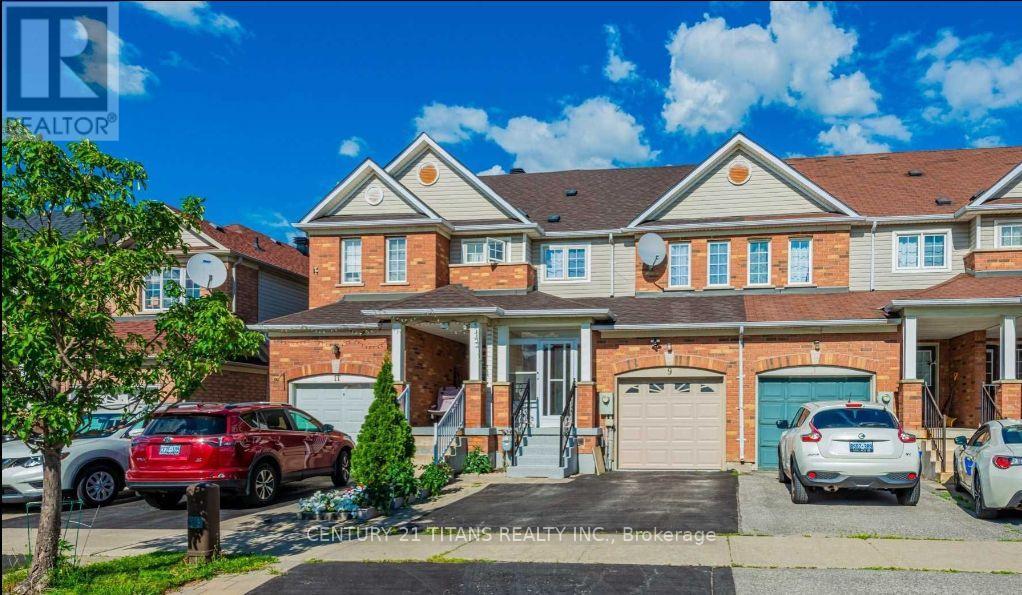 For Rent
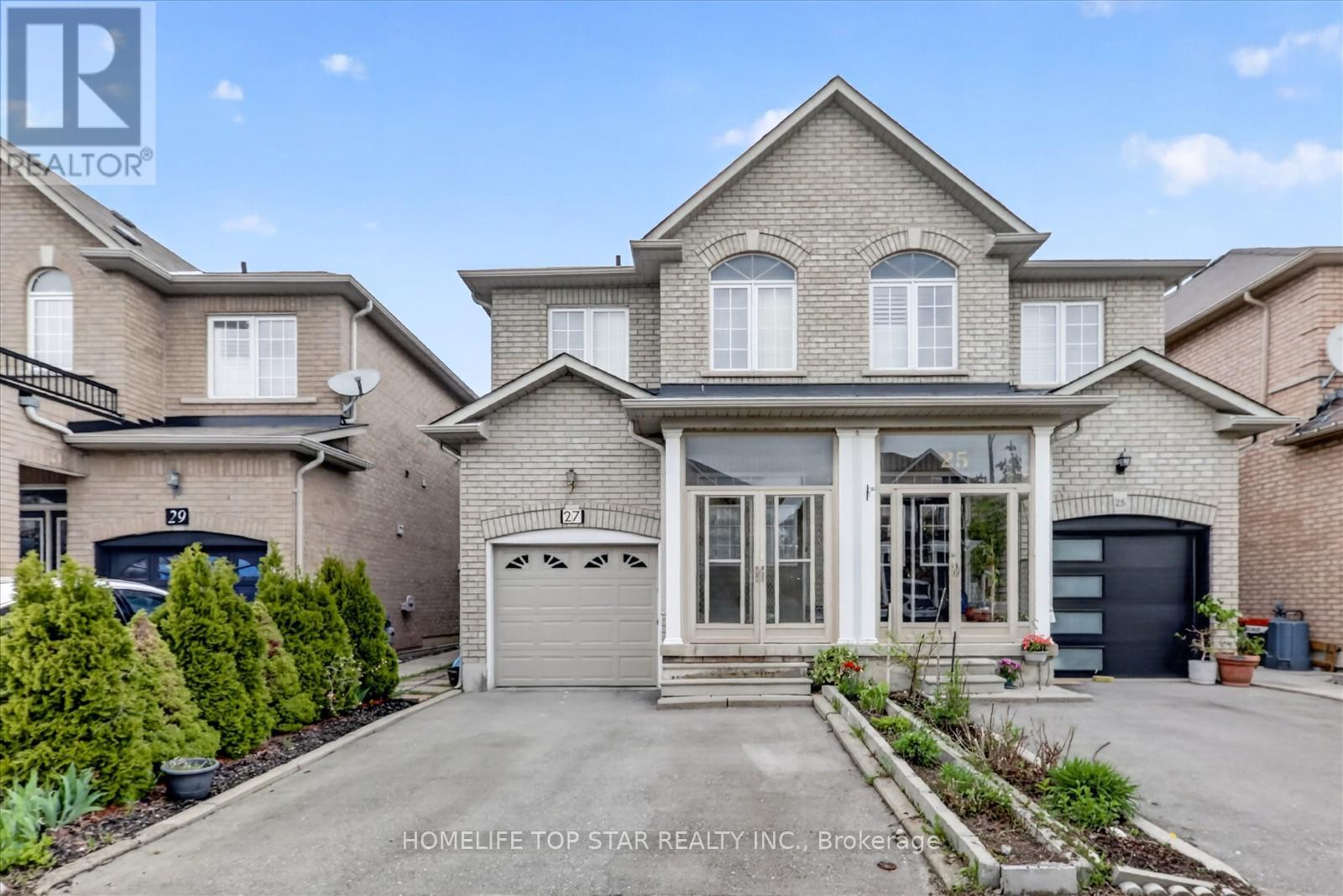 For Sale
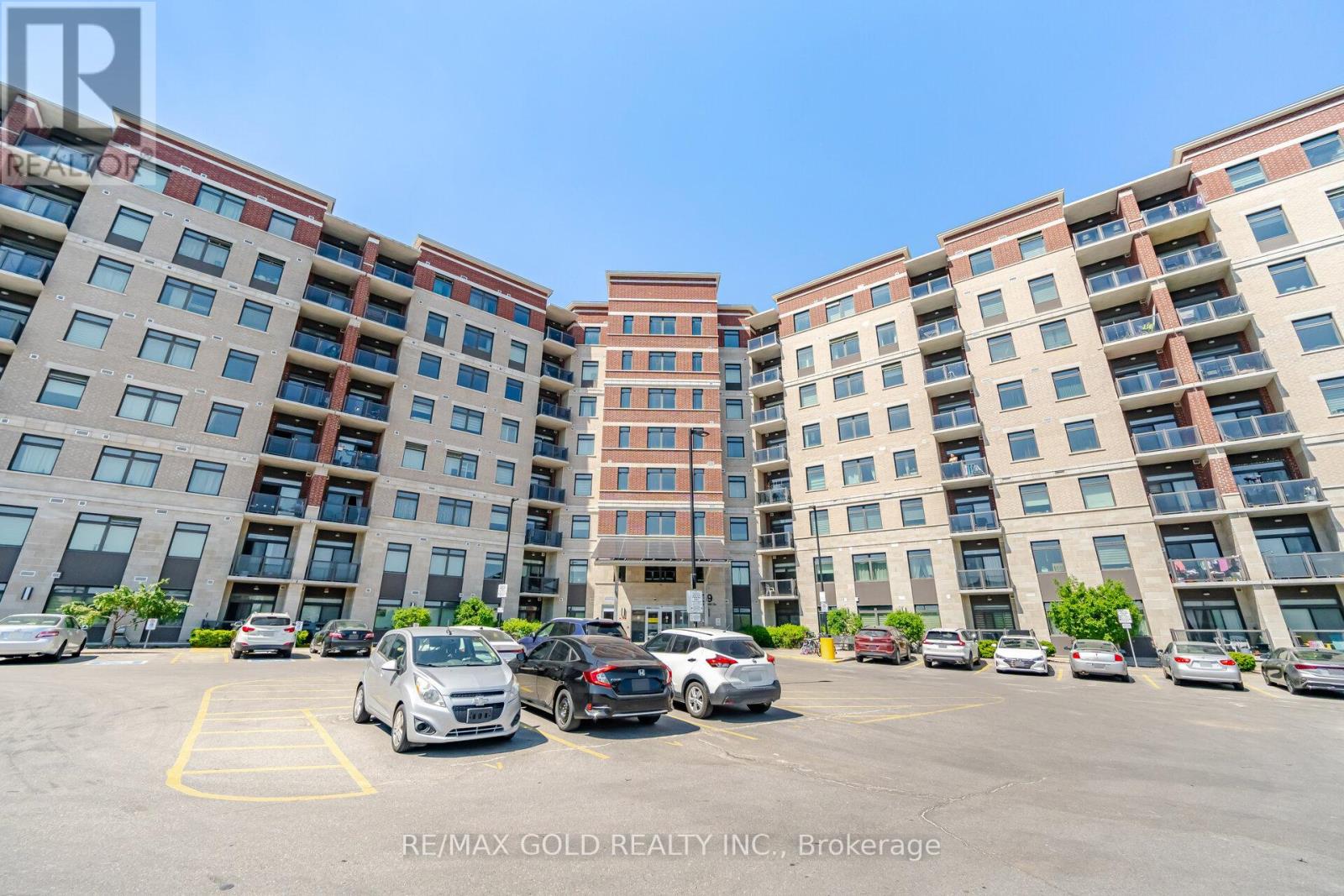 For Sale
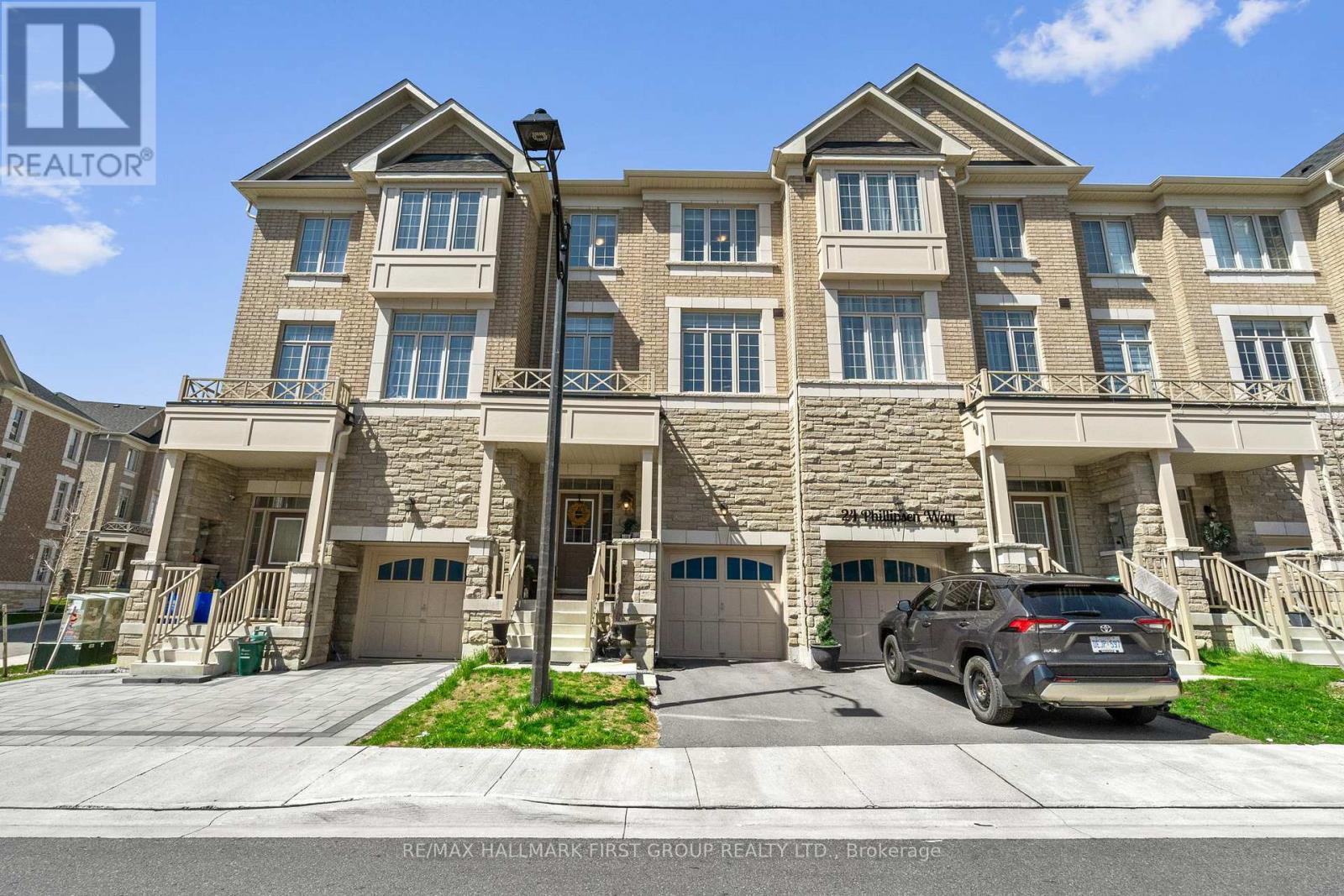 For Sale