
Greensborough is a master-planned new urbanist community in north Markham developed from the late 1990s through the 2000s. Walkable streets, integrated parks, and walk-to-GO access at Mount Joy station on the Stouffville line make it the preferred choice for downtown Toronto commuters in York Region.
Greensborough sits in north Markham, roughly bounded by 16th Avenue to the south, Donald Cousens Parkway to the east, Major Mackenzie Drive to the north, and the GO Stouffville rail corridor to the west. It is one of the most deliberately planned residential communities in York Region, developed through the late 1990s and 2000s on new urbanist principles that were relatively rare in the suburb-building era. The streets are laid out to encourage walking. Parks are embedded within the residential blocks rather than pushed to the edges. Sidewalks are standard on both sides. The design philosophy was that a suburb could feel like a neighbourhood, and Greensborough largely delivers on that premise.
The result is a community that looks and feels different from most of what was built in York Region during the same period. Houses face the street rather than retreating behind garages. Laneways run behind many properties, taking the car infrastructure off the streetscape. Tree planting was part of the original development plan, and those trees are now mature enough to provide genuine canopy on the main residential streets. Residents who have lived in Greensborough since its early years describe a neighbourhood where people actually walk and where neighbours know each other, which is not a universal experience in suburban Markham.
The GO Stouffville line’s Mount Joy station sits within the neighbourhood’s western boundary, making Greensborough one of the most transit-accessible residential communities in north Markham. This was deliberate: the neighbourhood was planned around transit access, and the station location reflects that intent. For households with even one downtown commuter, the ability to walk to GO Transit is a meaningful quality-of-life advantage that distinguishes Greensborough from the vast majority of York Region residential developments.
Housing here is predominantly detached and semi-detached, with some townhomes near the periphery. The architectural variety within the neighbourhood is higher than in many Markham developments, a product of the new urbanist approach that encouraged varied facades and setbacks. The neighbourhood does not have the uniformity that marks tract development of the same era, and that variety has held up well as the community has aged into its second and third decade.
Greensborough’s detached home prices through 2024 ranged from approximately $1.2 million for smaller four-bedroom homes to $1.65 million for larger executive detached properties on premium lots. Semi-detached homes, which are a meaningful portion of the housing mix here, traded between $950,000 and $1.15 million. Townhomes in the neighbourhood’s peripheral sections came in between $800,000 and $950,000. Greensborough prices at a premium to comparable-vintage Markham neighbourhoods without the transit access, and buyers pay for the Mount Joy GO station proximity.
The new urbanist layout influences pricing in specific ways. Properties with rear laneways and front-facing facades on the neighbourhood’s signature streets command a premium over homes on conventional cul-de-sac loops at the edges. Buyers who understand the neighbourhood know which streets embody the design intent and which feel more like conventional suburban development. An agent who knows Greensborough well will point you toward those distinctions.
Lot sizes vary more than in conventional grid subdivisions because the new urbanist design created a range of configurations. Typical detached lots run 30 to 40 feet of frontage, slightly narrower than the 1980s Markham norm, but depths are generally 100 to 120 feet. The rear lane configuration means some properties have fully usable backyard space uninterrupted by driveway access, which buyers with children find particularly attractive. Square footage above grade in detached homes runs 2,000 to 2,800 feet for the larger models.
Days on market in Greensborough through 2024 ran 10 to 18 days for well-presented properties. The neighbourhood generates consistent demand from GO Transit commuters and from buyers specifically seeking the walkable design. Properties that present well and are priced within 3 to 5 percent of market rarely sit for long. The semi-detached segment moves faster than detached due to the lower entry price, and well-priced semis in the core new urbanist streets can attract multiple offers.
Greensborough’s market is driven by two overlapping demand sources: families who specifically want the walkable new urbanist design, and downtown commuters who want GO Stouffville line access within walking distance of home. These motivations sometimes converge in the same buyer and sometimes don’t, but both groups compete for the same housing stock. This dual demand base keeps the neighbourhood competitive even when the broader Markham market softens.
Turnover in Greensborough is moderate. The neighbourhood attracts buyers who have specifically chosen it, and those buyers tend to stay. Lifecycle turnover, families growing into and eventually out of the neighbourhood, is the primary source of listings. Distressed or investor-driven sales are rare. When properties come to market, they come in good condition, because Greensborough’s owner-occupier base maintains its homes well and the visible streetscape creates social pressure to keep up appearances.
The new urbanist premium is real but not unlimited. Greensborough does not command prices at the Unionville or Cornell Heritage level; it sits in the upper-middle tier of Markham’s north sector. The premium over a comparable-size home in a conventional nearby subdivision runs roughly 8 to 12 percent for the best-positioned new urbanist streets. Buyers who aren’t drawn to the design aesthetic don’t pay that premium, and the neighbourhood doesn’t force them to: there are conventional subdivision streets within Greensborough’s boundaries where the design intent is less pronounced and prices reflect that.
Rental activity in Greensborough is primarily through basement suites in detached homes. Rents for finished basements ran $1,900 to $2,300 for two bedrooms through 2024. Some homeowners have converted rear laneway structures into studio or one-bedroom units, though full garden suite development has been slower here than in some other parts of Markham. The rental market is tight, as it is across north Markham, and vacancy is low for well-maintained basement suites.
Greensborough draws a specific type of buyer: someone who has done the research on the neighbourhood’s design principles and chosen it deliberately. This is not a neighbourhood people stumble into because it was affordable or convenient. People who buy in Greensborough typically know what new urbanism means, have visited the neighbourhood on foot, and have made a values-based decision that the design aligns with how they want to live.
Downtown Toronto commuters are the largest identifiable buyer segment. Families where one or both adults commute to downtown Toronto by GO Transit find Greensborough’s Mount Joy station access extremely valuable. The ability to walk to a GO station in 10 to 15 minutes from home, rather than driving to a park-and-ride, is a quality-of-life benefit that doesn’t appear on a listing sheet but that residents consistently cite. For households making this commute daily, the time saving over five years is substantial.
Young professional families, typically in their mid-30s to mid-40s, purchasing a second or third home, make up a large share of buyers. Many arrive from central Toronto, bringing urban sensibilities about walkability and street life that make Greensborough’s design appealing in a way that conventional suburbs are not. These buyers are often purchasing their first house outside the city and find Greensborough’s character closer to what they’re leaving than the alternatives in the same price range.
South Asian and Chinese Canadian families are both well represented in Greensborough, consistent with the broader demographic patterns of north Markham. The GO Transit access is valued across demographic groups. The school quality, which we cover in the schools section, is a universal draw. Greensborough’s buyer base is among the most diverse in north Markham while also being among the most specifically self-selected for the neighbourhood’s design values.
Greensborough’s most prized streets are those that most fully embody the new urbanist design intent. The streets running parallel to the GO corridor, particularly those within a 10-minute walk of Mount Joy station, are the neighbourhood’s premium locations. Here the rear laneways, varied facades, and front porches that define the design are most consistently present. Properties on these blocks have the strongest resale performance and the fastest days-on-market.
Cornell, which is the adjacent neighbourhood to the south and east, shares some of Greensborough’s planning philosophy and the two communities blend at their edges. Buyers who are comparing the two neighbourhoods find that Greensborough’s GO station access gives it an edge for commuters, while Cornell’s more complete commercial and community infrastructure gives it an edge for families who want walkable amenities. The overlap between the two communities is close enough that buyers should look at both before deciding.
The streets on the neighbourhood’s periphery near Major Mackenzie Drive and Donald Cousens Parkway have a more conventional feel. The new urbanist design intent is less consistently applied here, and the proximity to major arterials introduces noise and traffic that the inner streets avoid. Buyers who specifically want the Greensborough experience should concentrate their search on the core residential streets between the GO corridor and the central park network.
Greensborough’s integrated parks are a defining feature of the street pattern. Rather than one large park at the edge, the neighbourhood has a series of smaller parks embedded within the residential grid, each within a few blocks of most homes. These park pockets are well-maintained and well-used, and they contribute to the neighbourhood’s foot traffic and sense of activity. A family with young children will find that a park is almost always within a short walk without crossing an arterial road, which is a design achievement that most Markham subdivisions don’t match.
Mount Joy GO station on the Stouffville line is the defining transit asset for Greensborough. The station is within walking distance of the neighbourhood’s core residential streets, typically 8 to 15 minutes on foot depending on exact address. GO trains run at roughly 15 to 20 minute intervals during peak hours, with direct service to Union Station taking approximately 50 minutes. This is one of the best commuter transit options available anywhere in York Region, and it is a primary reason many buyers choose Greensborough over comparable communities without station access.
York Region Transit provides bus service on the major arterials bordering the neighbourhood. Routes along Major Mackenzie Drive and Donald Cousens Parkway connect to the broader YRT network and to the Highway 7 rapid transit corridor. For residents who don’t commute downtown but use transit for local trips, YRT provides adequate coverage for most destinations within Markham and connections south toward Toronto.
By car, Highway 407 ETR access is available via Donald Cousens Parkway, making Greensborough well-positioned for westbound commutes to Scarborough, North York, and beyond. Highway 404 is accessible within 10 minutes, providing both northbound access toward Highway 48 and east Markham, and southbound access toward the DVP and central Toronto. The 407/404 interchange handles most longer-distance car travel for Greensborough residents efficiently.
Highway 7, the primary east-west commercial and transit corridor in central Markham, is accessible to the south via Donald Cousens Parkway or the GO corridor roads. Drive times to central Markham run 10 to 15 minutes. Drive times to downtown Toronto by car are 45 to 65 minutes depending on time of day and route choice. Greensborough residents who commute downtown typically use GO Transit and find the combination of walk-to-station access and frequent peak service makes car commuting unnecessary for that trip.
Greensborough’s park design is one of its most distinctive features. Rather than consolidating green space into a single large park at the subdivision’s edge, the neighbourhood’s planners distributed parks throughout the residential grid. The result is a network of smaller parks and green corridors that put most residents within a few blocks of usable outdoor space. This design choice has proven its value over time: the parks see consistent daily use rather than the intermittent use that characterizes edge parks in conventional suburbs.
Greensborough Park serves as the neighbourhood’s primary community green space, with sports fields, a playground, and open lawn areas. The park connects to the trail network that runs through the neighbourhood’s green corridors, linking to the broader Markham trail system and eventually to the Rouge National Urban Park lands further north. This connection gives Greensborough residents access to a trail network that extends well beyond the neighbourhood itself.
The trail corridor along the GO Stouffville line provides a linear green space that runs the length of the neighbourhood’s western edge. This trail is used for walking and cycling and provides a traffic-free connection between the residential streets and the station. On any given weekday morning, commuters walking or cycling to Mount Joy station move through this corridor, which gives it more daily activity than most neighbourhood parks manage.
For larger recreation facilities, Angus Glen Community Centre is approximately 15 minutes north. The Pan Am Centre on Birchmount Road is accessible in 20 minutes. Both facilities offer pool, arena, fitness, and court sport programming. Cornell Community Centre, adjacent to the neighbouring Cornell development, provides additional local programming including an NHL-sized arena and community gathering spaces that serve the north Markham residential base broadly.
Greensborough’s retail access reflects its position as a newer residential community in north Markham that was planned with pedestrian access in mind but has not yet fully developed its walkable commercial base. The neighbourhood centre commercial area near the GO station has some local retail, a pharmacy, and food options, but it does not yet provide the full daily commercial offering that the design originally envisioned. Residents still drive for most grocery and major retail needs.
The Markham district of Highway 7 is accessible within 10 to 15 minutes south by car and provides substantial commercial depth. The T&T Supermarket and Foody Mart locations along the Highway 7 corridor, combined with the strip mall retail on both sides, supply the full range of grocery and specialty food requirements. South Asian and Chinese grocery and specialty food options in this corridor are among the best in York Region. Residents who cook diverse cuisines find the Highway 7 strip genuinely useful.
Markville Shopping Centre is about 15 minutes south for major retail and services. Box retail including Home Depot, Best Buy, and the major banks is concentrated along major corridors that are a 10 to 20 minute drive from Greensborough. The neighbourhood is not walkable for these needs, but it is a short, uncongested drive for most of them, since north Markham arterials are less congested than the southern Steeles-area strips.
As the Greensborough and Cornell communities have matured, more local commercial has opened near the neighbourhood centre. Independent coffee shops, medical offices, and food service have established themselves near the GO station, and this cluster continues to grow as the residential base reaches its full density. The neighbourhood’s commercial infrastructure is better than it was five years ago and will continue to improve as surrounding residential development fills in.
Greensborough falls within the York Region District School Board and York Catholic District School Board systems, and the schools serving the neighbourhood reflect north Markham’s strong public education infrastructure. Elementary schools in the area have performed consistently well on provincial assessments, and the catchment schools for Greensborough are among the more sought-after in the Markham north sector.
Greensborough Public School is the designated YRDSB elementary school for the neighbourhood. The school has established strong community roots as the neighbourhood matured, with active parent council involvement and good provincial testing results. The school’s population reflects the neighbourhood’s diverse, educated, owner-occupier demographic, and that mix supports a high-performing school environment. French immersion is available within the YRDSB system through designated schools; families interested in this stream should confirm current busing arrangements and registration requirements with the board.
For secondary school, students from Greensborough typically attend Bill Hogarth Secondary School or other north Markham secondary schools depending on exact address within the neighbourhood. Both Bill Hogarth and the other north Markham secondary schools have strong academic programming and university preparation tracks. Extracurricular programs in arts, athletics, and academic competitions are well-developed at these schools. Parents who research secondary school options across York Region consistently find north Markham schools competitive with the best in the region.
YCDSB serves families who choose the Catholic stream, with elementary and secondary options accessible within the community. Private school options within reasonable driving distance include Unionville Montessori and several independent schools in the broader York Region area. Given the neighbourhood’s strong public school options, private school enrollment from Greensborough is lower than in some other Markham communities, but the options exist for families that seek them.
Greensborough is largely built out, with the original new urbanist development now two to three decades old. New development within the neighbourhood itself is primarily infill on remaining lots and redevelopment of the occasional older structure. The neighbourhood is not experiencing the kind of active construction that characterizes Markham’s northern expansion areas like Legacy or the developments around the Highway 404/407 interchange.
The broader Cornell and Greensborough area, however, sits adjacent to one of the most active development corridors in York Region. The lands north of Major Mackenzie Drive are subject to ongoing residential and mixed-use planning applications, and the addition of new residents in these adjacent areas will increase demand for commercial services near the Greensborough neighbourhood centre. This benefits existing Greensborough residents through improved local retail and services.
Garden suite development is active in Greensborough’s rear laneway properties. The rear lane configuration that characterizes the neighbourhood’s new urbanist streets creates an ideal physical setup for secondary dwelling units: the laneway provides independent vehicle access, the rear yard is not interrupted by a driveway, and the garage structure can in some cases be converted or supplemented with an accessory dwelling. Provincial and Markham zoning changes have made this increasingly viable, and a number of Greensborough owners have pursued or are pursuing this option.
The GO Stouffville line’s Mount Joy station is subject to ongoing discussions about station area intensification. Markham’s Official Plan identifies the station as a Major Transit Station Area, which creates a framework for higher-density residential and mixed-use development within walking distance of the station. This planning designation has long-term implications for the neighbourhood’s character near the station, though the pace of actual development in station areas across York Region has been slower than planning documents suggest. Buyers with long time horizons should review current planning applications for the station area before purchasing adjacent properties.
Q: Is Greensborough’s walkability claim real or just marketing?
A: It is real, with qualifications. The neighbourhood’s internal streets are genuinely walkable, with sidewalks, front-facing houses, embedded parks, and pedestrian connections to Mount Joy GO station. For residents who walk to the station, walk to the neighbourhood park, and walk children to school, Greensborough delivers on the walkable design promise. Where it falls short is in commercial walkability: the neighbourhood centre retail is limited, and most grocery and major shopping requires a car. So it is walkable for daily movement and transit access, but not yet walkable for full daily errands. That balance will improve as the commercial base matures.
Q: What is the commute from Greensborough to downtown Toronto actually like?
A: By GO Transit from Mount Joy station, the commute to Union Station takes approximately 50 to 55 minutes on peak-hour trains. The walk from most Greensborough addresses to the station is 8 to 15 minutes. Total door-to-Union-Station time runs 60 to 70 minutes. From Union Station, most downtown offices are a short subway or walk away. Peak trains run at 15 to 20 minute intervals. Off-peak service drops significantly, which affects evening flexibility. The commute is demanding in absolute terms but is among the better GO commutes available in York Region given the walk-to-station access and the absence of a park-and-ride leg.
Q: How does Greensborough compare to Cornell for family buyers?
A: Both neighbourhoods share new urbanist design principles and north Markham school quality. Cornell has a more developed commercial and community infrastructure, including the Cornell Community Centre with its arena and pool. Greensborough has the walk-to-GO advantage that Cornell lacks. Buyers who commute downtown tend to favour Greensborough. Buyers who want the best local amenities without transit dependency often prefer Cornell. Price levels are comparable across both neighbourhoods for similar property types. If the downtown commute is central to your decision, Greensborough is the clearer choice.
Q: Are there noise concerns from the GO Stouffville rail line near Greensborough?
A: Properties within the first one to two blocks of the GO corridor experience some train noise, particularly during early morning and late evening train movements. Metrolinx has implemented noise mitigation measures along the corridor, but homes closest to the tracks will hear trains. Buyers who are sensitive to noise should specifically inquire about proximity to the rail corridor when reviewing listings. Properties two or more blocks from the line generally report train noise as a minor background presence rather than a significant disruption. The GO station itself, at Mount Joy, generates some parking and vehicle activity that affects the immediate station area.
Greensborough rewards buyers who understand what they’re choosing. The neighbourhood has a clear value proposition: walkable design, GO station access, strong schools, mature community. But it also has specific sub-markets within it, and the difference between a property on a core new urbanist street and one on a peripheral cul-de-sac is meaningful, both in day-to-day experience and in resale performance.
A buyer’s agent who knows Greensborough will walk the neighbourhood with you and point out which streets deliver the full new urbanist experience and which don’t. They’ll know which addresses are within comfortable walking distance of Mount Joy station and which require a 20-minute walk that buyers often underestimate. These distinctions matter when you’re committing at $1.2 million or above.
Competition in Greensborough can move fast when the right property comes up. The pool of buyers who specifically want this neighbourhood is smaller than the pool shopping all of Markham, but they are motivated and well-prepared. If you’re serious about Greensborough, you need a pre-approval in hand and a clear sense of your criteria before a listing appears. Properties on the best streets at accurate prices don’t wait for buyers who are still getting organized.
We work this neighbourhood regularly and know the current listings, the upcoming ones, and the pricing patterns on specific streets. If Greensborough is on your shortlist, get in touch and we’ll put together a specific picture of what’s available and what you should expect to pay.
Street-level knowledge is hard to find online. Our team works in Greensborough every day. They know which pockets hold value, where the school catchment lines actually fall, and what the market is doing right now. Talk to us before you make a decision about Greensborough.
Talk to a local agent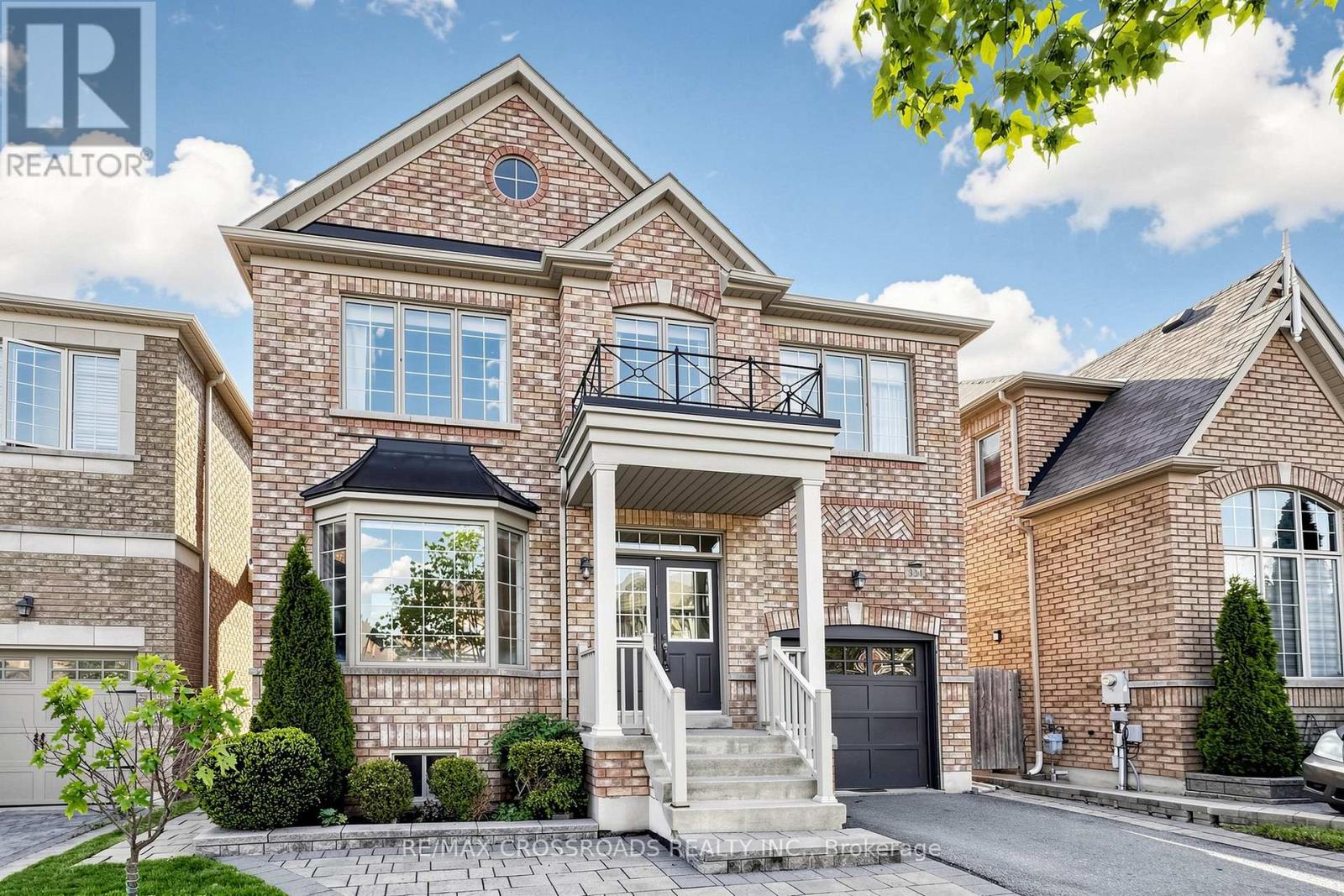 For Sale
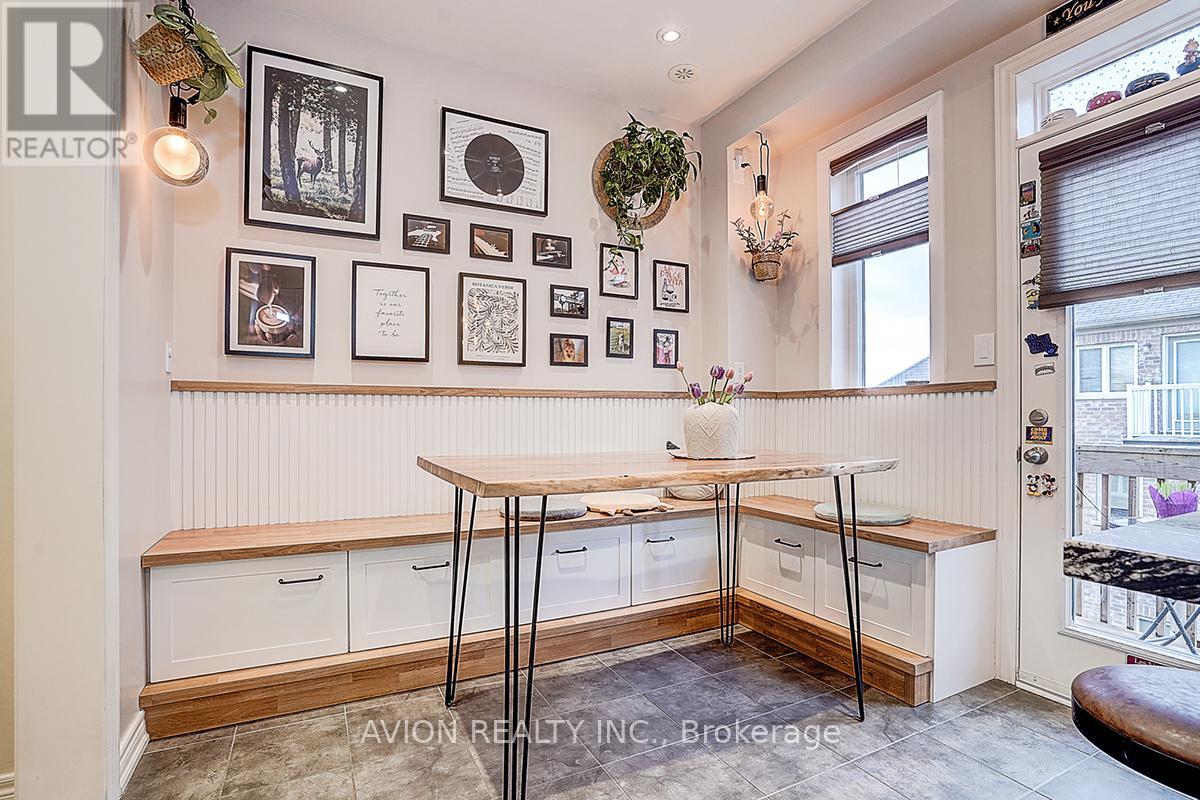 For Sale
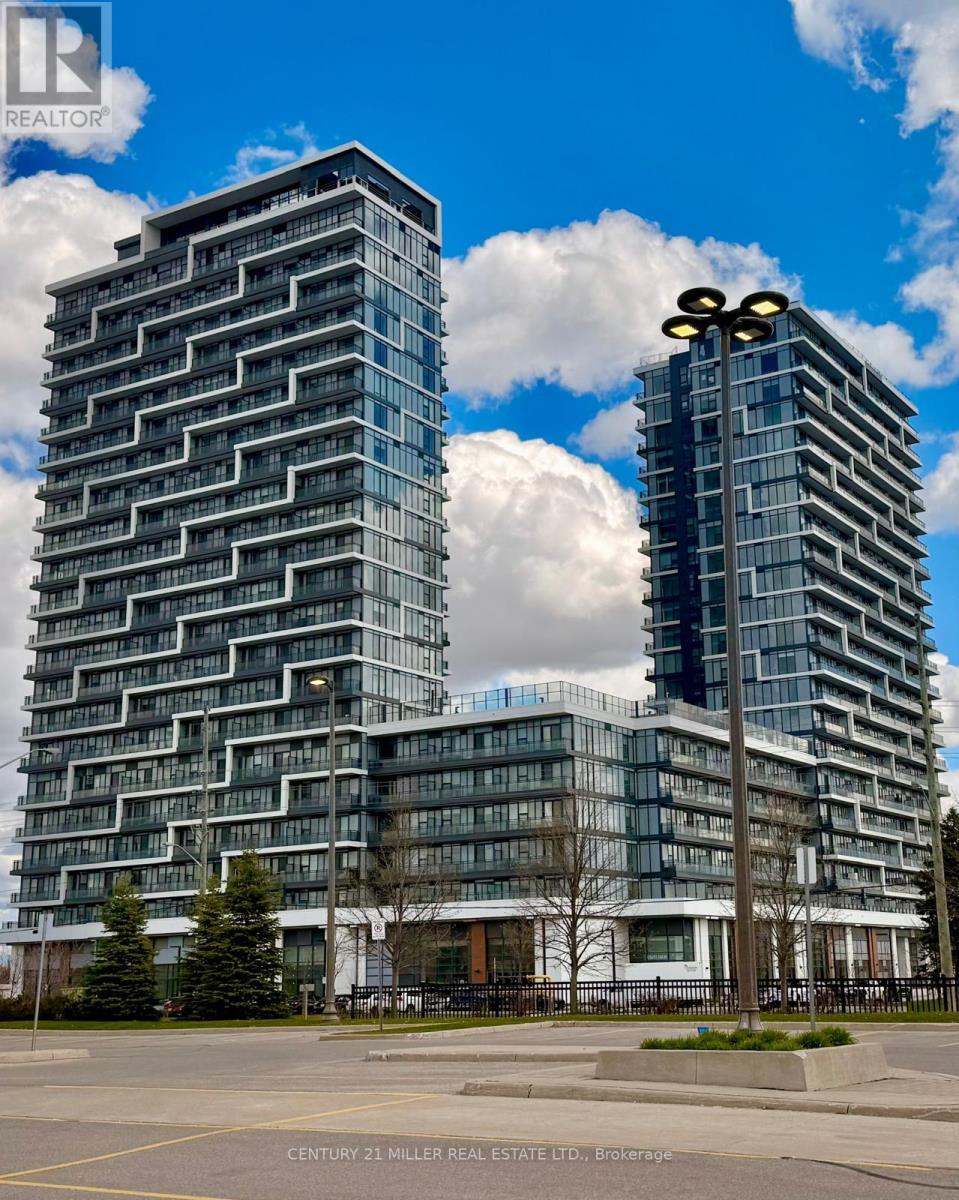 For Rent
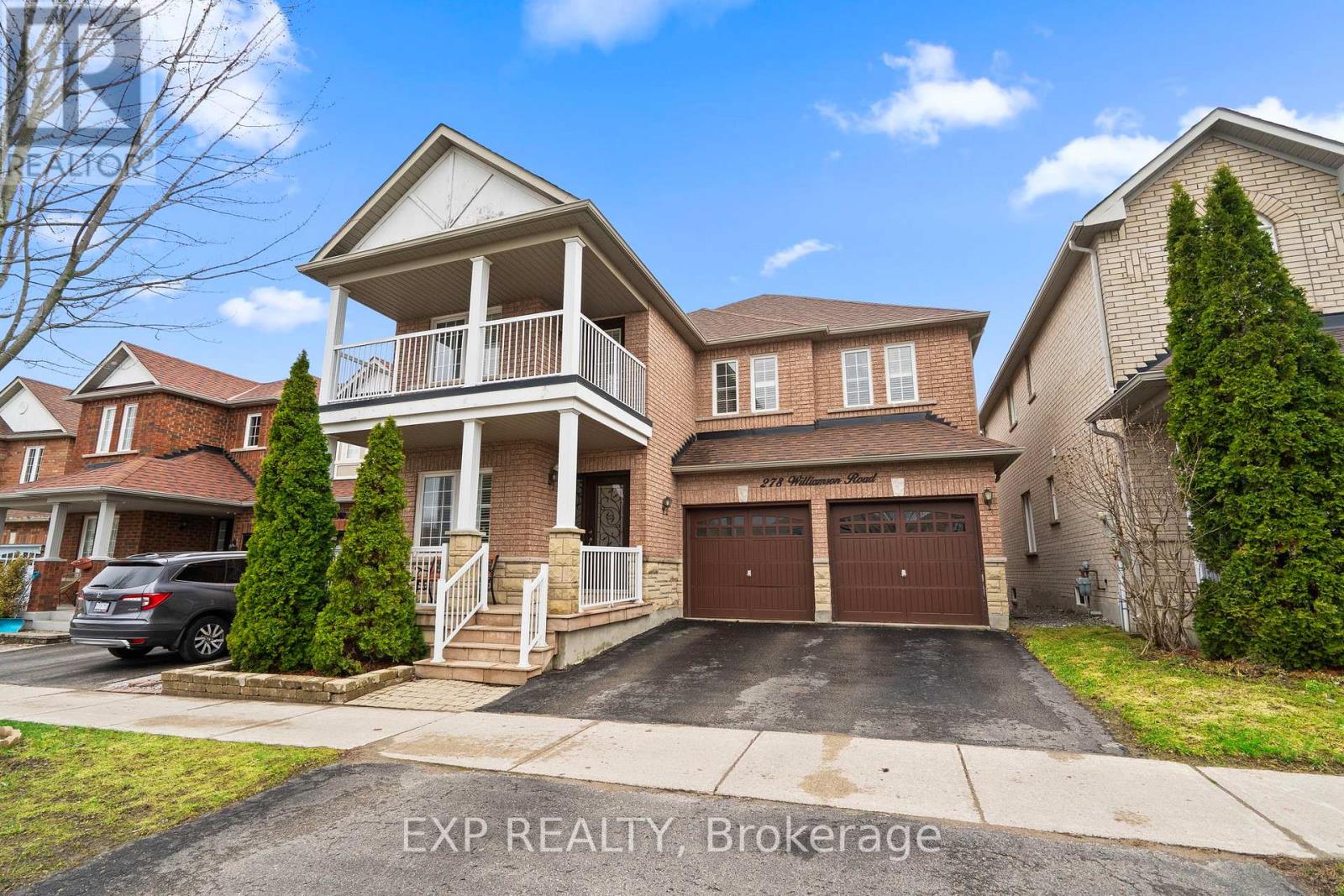 For Sale