
Raymerville is an established residential neighbourhood in north-central Markham built primarily in the 1980s and 1990s. Mature trees, generous lots, and proximity to Markville Secondary School and Angus Glen Community Centre make it a consistent destination for families seeking detached freehold at a lower price point than Unionville.
Raymerville sits in north-central Markham roughly between Major Mackenzie Drive to the north, Highway 7 to the south, and the Angus Glen area to the west. Most of the housing here went up in the 1980s and into the early 1990s, which means the neighbourhood has had time to settle into the kind of character that newer subdivisions are still working toward: mature trees arching over the streets, established gardens, schools that have served two generations of families, and a pace that feels genuinely residential rather than perpetually under construction.
The streets are laid out in the curving, crescents-and-courts pattern typical of that era, designed to keep through traffic on the collectors and leave the internal roads quiet. That planning still works today. You can walk the interior of Raymerville without seeing much traffic at all, which matters if you have children or dogs or simply prefer a quieter street.
Buyers come here primarily for the detached homes and the school catchments. Raymerville Public School and Markville Secondary School draw families who want strong public education without paying the premiums attached to the most sought-after neighbourhoods to the south. The proximity to Angus Glen adds recreational appeal: the community centre is among Markham’s best, and the golf course is a short drive for those who use it.
Major Mackenzie Drive gives the neighbourhood direct east-west access across northern Markham, and Highway 404 is reachable in minutes, making commutes to Toronto or across the region manageable. YRT routes serve the area, though most residents drive.
Real estate here runs a fair bit more affordable than the newer master-planned communities closer to Highway 407. That gap has kept demand consistent: buyers who want detached freehold in Markham but find Cornell or Unionville priced out of reach often land in Raymerville and find they’ve made a reasonable trade. The houses are slightly older and the finishes less polished than a 2010s build, but the lots tend to be more generous and the trees are already there.
Detached homes in Raymerville sold in the $1.1M to $1.4M range through most of 2024, with well-maintained four-bedroom houses on 40-foot lots typically landing between $1.15M and $1.35M. Larger corner lots or homes that have been significantly updated tend to push above $1.4M. Semi-detached properties are less common here than in some neighbouring communities, but when they do appear they generally move in the $900K to $1.05M range.
The neighbourhood sits at a meaningful discount to Unionville to the south, where comparable square footage on comparable lots often commands $200K to $300K more. That gap reflects Unionville’s cachet and its proximity to the historic main street, but in purely functional terms Raymerville offers similar school access and similar commute times at a lower entry price.
Homes here were built before the era of open-concept layouts became standard, so many have the traditional floor plans of the period: formal living room, separate dining room, kitchen at the back. Buyers who want those modern open layouts often factor in renovation costs, which is reflected in the pricing. Updated kitchens and finished basements accelerate sales noticeably.
Market pace through 2024 was moderate: well-priced properties moved in two to three weeks, while overpriced listings sat for six to eight weeks before seeing reductions. Multiple-offer situations were less common than in 2021 and 2022 but did occur on well-presented homes in the spring and fall windows. The market here tends to move in step with the broader York Region detached market rather than ahead of it.
Rental demand for basement units is steady, supported by the neighbourhood’s proximity to the Highway 7 employment corridor and Markham’s tech sector. Basement apartments in detached homes typically rent for $1,500 to $1,800 per month depending on size and finish, which helps some buyers offset carrying costs.
Raymerville’s market moves at a measured pace compared to some of the higher-profile Markham communities. It doesn’t see the bidding wars that sometimes break out in Old Markham Village or the premium pricing of Unionville, but it also doesn’t sit stagnant. Demand here is driven by function: buyers who want a full detached house in Markham, access to good schools, and manageable carrying costs come here because the math works.
Inventory levels have been relatively tight through 2024. Turnover in mature neighbourhoods like Raymerville is inherently lower than in newer subdivisions because many residents are long-term owners who bought in the 1990s and have no pressing reason to sell. When properties do come to market, buyers who have done their homework on the area tend to move quickly. Properties sitting for extended periods are almost always overpriced for their condition.
The correction that hit York Region broadly in late 2022 brought prices in Raymerville down roughly 15 to 20 percent from 2022 peaks, in line with the regional pattern. Recovery since then has been gradual. By mid-2024, most of that correction had been recouped on well-located, well-maintained properties, while homes requiring significant work were still priced conservatively.
One dynamic worth watching is the renovation premium. Raymerville homes from the 1980s and 1990s are at the age where significant capital expenditure is becoming necessary: roofs, windows, HVAC systems, and kitchens are all candidates for replacement in the next decade if they haven’t been done already. Buyers who do due diligence on maintenance history gain a real advantage in knowing what they’re actually buying.
Investor activity in this neighbourhood is modest. The price points are high enough that pure cash-flow plays don’t work unless buyers put substantial equity down. Most buyers here are end-users: families buying a home they intend to live in for ten or more years.
Raymerville attracts families more consistently than almost any other buyer type. The combination of detached homes with usable yards, proximity to Markville Secondary School, and access to Angus Glen Community Centre makes the neighbourhood function well for households with school-age children. Many buyers here are upgrading from a townhouse in a newer subdivision or a semi-detached closer to the highway corridors, and they want the space and stability that Raymerville offers.
Move-up buyers from within Markham make up a significant share of purchasers. They know the city, they understand the school system, and they’re choosing Raymerville specifically because it offers more lot size and more tree canopy than newer communities at a lower price per square foot than Unionville. These are buyers who have thought about the trade-offs and made a deliberate choice.
There’s also a consistent presence of buyers from Toronto’s east end: professionals who are priced out of the Beaches or Leslieville freehold market, or who have young children and want more space than a Toronto semi can offer. The 404 makes the commute viable for those still working downtown, and the school quality removes the anxiety of leaving the Toronto public system.
Empty nesters and downsizers represent a smaller but real segment. Some long-term Raymerville residents whose children have grown are reluctant to leave a neighbourhood they know well and where they have established routines and social connections. They’ll sometimes downsize within the same streets rather than leave the area entirely.
New Canadians with ties to Markham’s broader South and East Asian communities are also buyers here, particularly those working in the Highway 7 tech corridor. Markham’s established amenities for these communities, including grocery stores, restaurants, religious institutions, and cultural associations, make the city as a whole attractive, and Raymerville fits into that picture as an affordable entry into the detached market.
The streets closest to Angus Glen tend to draw the most attention within Raymerville. Roads running off Bur Oak Avenue toward the west, where lots back onto or look toward the open space near the golf course, offer the most desirable positions in the neighbourhood. These properties benefit from the visual openness and the walking proximity to the Angus Glen Community Centre, which is one of Markham’s flagship recreation facilities.
Carlton Road is one of the main east-west collectors cutting through the neighbourhood and sees more traffic than the internal crescents, but homes on the quieter cul-de-sacs off Carlton tend to be well-maintained and in strong demand when they come available. The court addresses particularly appeal to families for the reduced traffic volume.
The northern edge of Raymerville along Major Mackenzie Drive is less desirable for residential use due to traffic and commercial intrusions, but streets set back one or two blocks from Major Mackenzie recover the residential character quickly. Buyers willing to trade a slightly less convenient position within the neighbourhood for a lower entry price sometimes find value in these locations.
Closer to Highway 7 at the southern boundary, the neighbourhood transitions toward more commercial and mixed uses, and the residential streets in that zone feel slightly less settled than the core. Most buyers who know the area target the middle band of the neighbourhood between the two major arterials.
Within Raymerville, there isn’t the same kind of sharp pocket differentiation you see in some older Toronto neighbourhoods where one street commands a 20 percent premium over the next one. The variation is more modest: perhaps $50K to $80K between the best-positioned streets and the least-favoured ones. Lot depth, lot width, tree coverage, and proximity to parks are the main factors buyers use to distinguish between specific properties.
Most Raymerville residents drive. The neighbourhood sits far enough from rapid transit that daily commutes by public transit alone require patience and time. That said, YRT routes on Major Mackenzie Drive and Highway 7 provide bus service that connects to the broader York Region network, and riders heading toward the subway can transfer to Viva rapid transit services on Highway 7 to reach Finch station on the Toronto subway.
Highway 404 is the most important piece of infrastructure for Raymerville commuters. The on-ramp at Major Mackenzie Drive is minutes from most addresses in the neighbourhood, and from there drivers can reach the 401 in under 20 minutes under normal conditions, and be in downtown Toronto in 30 to 45 minutes depending on the time of day. Highway 407 is accessible further west or south and provides a toll-based alternative for those who commute across the top of the GTA.
For GO Transit users, the closest station is Unionville GO on the Stouffville line, which sits a 10 to 15 minute drive south of the neighbourhood. Unionville GO offers peak-hour service into Union Station and connects to the broader regional rail network. Some residents park at Unionville GO and train in on days when they need to be downtown.
The area is reasonably bikeable within Markham itself. The Rouge Valley trail network and some of the recreational paths connecting to Angus Glen are accessible by bike, though commuting to employment areas on the Highway 7 corridor still requires using arterial roads that aren’t fully separated.
For those working within Markham, particularly in the tech and business parks along Highway 7 between Warden and Kennedy, the commute by car is straightforward and rarely exceeds 15 minutes in either direction. This is a genuine advantage of the neighbourhood’s location within the city.
The Angus Glen Community Centre is the dominant recreational amenity for Raymerville residents and one of the best municipal recreation facilities in York Region. It houses twin ice pads, an indoor pool, a fitness centre, gymnasium space, and a range of program rooms that run programming for all age groups year-round. The proximity to Angus Glen is one of the genuine selling points of living in this part of Markham, and families who are active users of recreation programs factor it into their decision to buy here.
Angus Glen Park itself sits adjacent to the community centre and provides open green space, sports fields, and connections into the neighbourhood’s trail network. On weekends through spring and summer the park is busy with organized sports, community events, and the normal activity of a neighbourhood that uses its outdoor spaces.
Several smaller parkettes are distributed through the Raymerville subdivision, most of them designed around the original development plan with basic amenities: a play structure, some open grass, and benches. They serve their purpose well for families with young children who want a park within walking distance rather than having to drive.
The larger draw for outdoor recreation is the Rouge Valley system to the east. The Rouge National Urban Park is accessible from the eastern parts of the city, and trail connections through the valley provide hiking, cycling, and nature access that’s genuinely removed from the suburban character of the neighbourhood. This is a resource that many Raymerville residents underuse and that buyers who value natural landscapes should explore before dismissing north Markham as purely suburban.
Angus Glen Golf Club is a short drive for residents who golf. The club has hosted the Canadian Open and is one of the higher-profile public-access courses in the region, though green fees reflect that status. Several other golf options are available within 15 minutes of Raymerville for those who want something more casual.
Retail in and around Raymerville is functional rather than destination-oriented. The neighbourhood sits close to several strip plazas along Highway 7 and Major Mackenzie Drive that cover the everyday requirements: grocery, pharmacy, banking, dry cleaning, and the mix of Chinese, Korean, and South Asian restaurants and specialty food stores that make this part of Markham genuinely useful for residents from those communities.
For grocery shopping, the most common destination for Raymerville residents is the cluster of stores along Highway 7 east toward Kennedy Road. T&T Supermarket is a significant draw for Asian groceries and prepared foods. Longos and other mainstream grocers are accessible along the same corridor. The variety of options within a short drive is something many buyers, particularly those coming from Toronto, find surprisingly good for a suburban location.
Markville Shopping Centre sits to the south in Unionville and is the nearest full-scale mall. It has undergone changes over the years but still provides the department stores, fashion retailers, and food court that serve as the regional shopping hub for this part of Markham. Most Raymerville residents make occasional trips to Markville for shopping that doesn’t warrant a drive to Scarborough Town Centre or further west.
The Angus Glen area has seen some retail development oriented toward the golf and community centre traffic, including a few restaurants and services clustered near the community centre entrance. This provides some convenience for residents who are already in that part of the neighbourhood.
Downtown Markham, the planned urban core along Enterprise Boulevard near Highway 7, has added dining and some retail options in recent years. It’s a 10 to 15 minute drive from Raymerville and has a more urban feel than the strip-plaza retail along the arterials. For residents who want table-service dining or independent retail rather than chains, it provides an option that has improved as the development has matured.
Schools are one of the primary reasons families choose Raymerville. The neighbourhood falls within the York Region District School Board for public education and the York Catholic District School Board for Catholic schools, both of which have a strong presence in the area.
Raymerville Public School serves younger students within the neighbourhood. It has a reputation as a solid community school with stable enrollment and active parent involvement. The proximity of the school to many of the residential streets means children can walk, which families with elementary-age kids value.
Markville Secondary School is the main public high school serving the Raymerville catchment. It consistently ranks among the higher-performing secondary schools in York Region on provincial assessments, and its academic programs draw families who are focused on university preparation. The school offers a range of enrichment options and has historically had strong participation in extracurricular programs. This is one of the most frequently cited reasons families specifically target the Raymerville catchment when looking for a home.
Catholic school options through the York Catholic District School Board are available for families who prefer that system. The board operates elementary and secondary schools across this part of Markham, and families choosing based on the Catholic system should verify current catchment boundaries directly with the board, as they can shift with enrollment changes.
Several private schools operate in the broader Markham and Richmond Hill area for families who prefer that route. Unionville’s proximity means some families have access to private options without long drives.
French immersion is available within the York Region District School Board, though the specific school and program offering varies. Families interested in French immersion should confirm current program locations with YRDSB when evaluating whether Raymerville fits their needs, as immersion spaces in high-demand catchments can be limited.
Raymerville is a built-out neighbourhood. There is no meaningful greenfield development left within its boundaries, and the pattern of 1980s and 1990s detached housing is unlikely to change substantially in the near term. What development activity there is tends to be small-scale: occasional infill on oversized lots, basement suite additions, and the normal cycle of renovation and modernization as homes age.
The more significant development pressure is happening at the edges. The lands north of Major Mackenzie Drive in this part of Markham have been subject to ongoing planning discussions as the city looks toward its long-term growth targets. While nothing in the immediate Raymerville neighbourhood is facing redevelopment pressure, buyers should be aware that the broader north Markham planning context includes future intensification corridors along Major Mackenzie that could eventually affect the character of the streetscape at the northern edge.
The Angus Glen area west of the neighbourhood has seen some higher-end residential development in recent years, and that development has generally maintained or reinforced the premium character of the broader area. New homes going up near the golf course have been large custom and semi-custom builds, which hasn’t negatively affected values in Raymerville.
Downtown Markham’s continued build-out along the Highway 7 corridor adds density and amenity to the city overall, and while it doesn’t directly change Raymerville, it does continue to strengthen Markham’s employment base and urban amenity offering. That’s a long-term positive for the city as a whole and for the desirability of established residential neighbourhoods within it.
At the individual property level, the most common form of development activity in Raymerville is basement finishing and kitchen renovation. Both add value and are readily permitted. Some homeowners have also added second-floor additions or rear additions to expand living space without moving.
Q: How do Raymerville home prices compare to Unionville?
A: Raymerville typically runs $150,000 to $300,000 below comparable Unionville properties depending on size, condition, and street. A four-bedroom detached in Raymerville that sells for $1.2M to $1.3M would likely be priced $1.4M to $1.6M in Unionville’s core catchment. The gap reflects Unionville’s historic main street, its higher-profile school reputation, and the premium buyers pay for the Unionville name. Raymerville offers similar fundamentals at a lower entry point, which is why it consistently draws buyers who’ve looked seriously at Unionville but need to make the numbers work.
Q: Is Markville Secondary School still considered a top school?
A: Markville consistently ranks among the stronger secondary schools in York Region. Fraser Institute rankings and EQAO results have shown it performing well above provincial averages on academic assessments. The school offers a mix of academic, applied, and enrichment-level courses, and has historically had good university acceptance rates. Like any school, its character reflects its staff and student body, both of which change over time. Families who prioritize secondary school quality in their buying decision frequently target the Markville catchment specifically, which is itself evidence of the school’s ongoing reputation among buyers who’ve done their research.
Q: What are the main commute options from Raymerville to downtown Toronto?
A: The most common route is Highway 404 south to the 401, then west into the city. Under normal conditions that drive takes 35 to 50 minutes from Raymerville, depending on origin and destination. Highway 407 is an option for those commuting to midtown or the western end of the city, though toll costs add up on a daily basis. For transit, the most practical combination is driving or busing to Unionville GO Station and taking the Stouffville line to Union Station, which takes roughly 45 to 55 minutes on the train. Full transit from home, without driving to GO, requires significantly more time and is not a practical daily option for most residents.
Q: What should buyers check when looking at 1980s and 1990s homes in Raymerville?
A: Homes from this era are at the age where several major systems may be at or near end of life. A thorough home inspection should specifically evaluate the roof (original or replaced, and when), HVAC systems including the furnace and air conditioner, windows and doors for seal failure or drafts, and the electrical panel for adequate capacity and any outdated components. Foundations in this part of Markham are generally in good shape, but inspectors should check for any water infiltration in basements given the area’s clay-heavy soils. Buyers should also ask sellers directly about the age and replacement history of these systems rather than relying solely on visual inspection.
Buying in Raymerville requires knowing which streets and positions within the neighbourhood represent genuine value and which are priced at the same level without the same upside. That knowledge comes from working with an agent who has transacted in this specific area rather than someone who covers all of York Region generically.
The Markville Secondary catchment is the single most important factor in most Raymerville transactions. Buyers need to verify that the specific property they’re purchasing falls within the catchment, since boundary changes do occur. An agent with local knowledge will know which streets are firmly inside, which are borderline, and how to verify with the school board before any conditions are removed.
Home condition in this neighbourhood varies significantly from one property to the next. Two houses on the same street built in the same year can be separated by $150,000 in maintenance investment, and that gap rarely shows up fully in the listing price. An experienced buyer’s agent will know which questions to ask, which disclosures to request, and how to assess condition before submitting an offer.
Negotiating in Raymerville’s current market requires a realistic read on how long a given property has been sitting and why. Sellers who have priced correctly move quickly; sellers who haven’t tend to sit, and by the time a price reduction comes the listing has accumulated days on market that affect perception. An agent who monitors the neighbourhood closely will know the backstory on most active listings before you walk through the door.
If you’re buying in Raymerville or considering it alongside Unionville, Cornell, or other Markham neighbourhoods, get in touch. We’ll give you a straight read on what the market is actually doing and help you decide if this is the right fit for what you’re trying to accomplish.
Street-level knowledge is hard to find online. Our team works in Raymerville every day. They know which pockets hold value, where the school catchment lines actually fall, and what the market is doing right now. Talk to us before you make a decision about Raymerville.
Talk to a local agent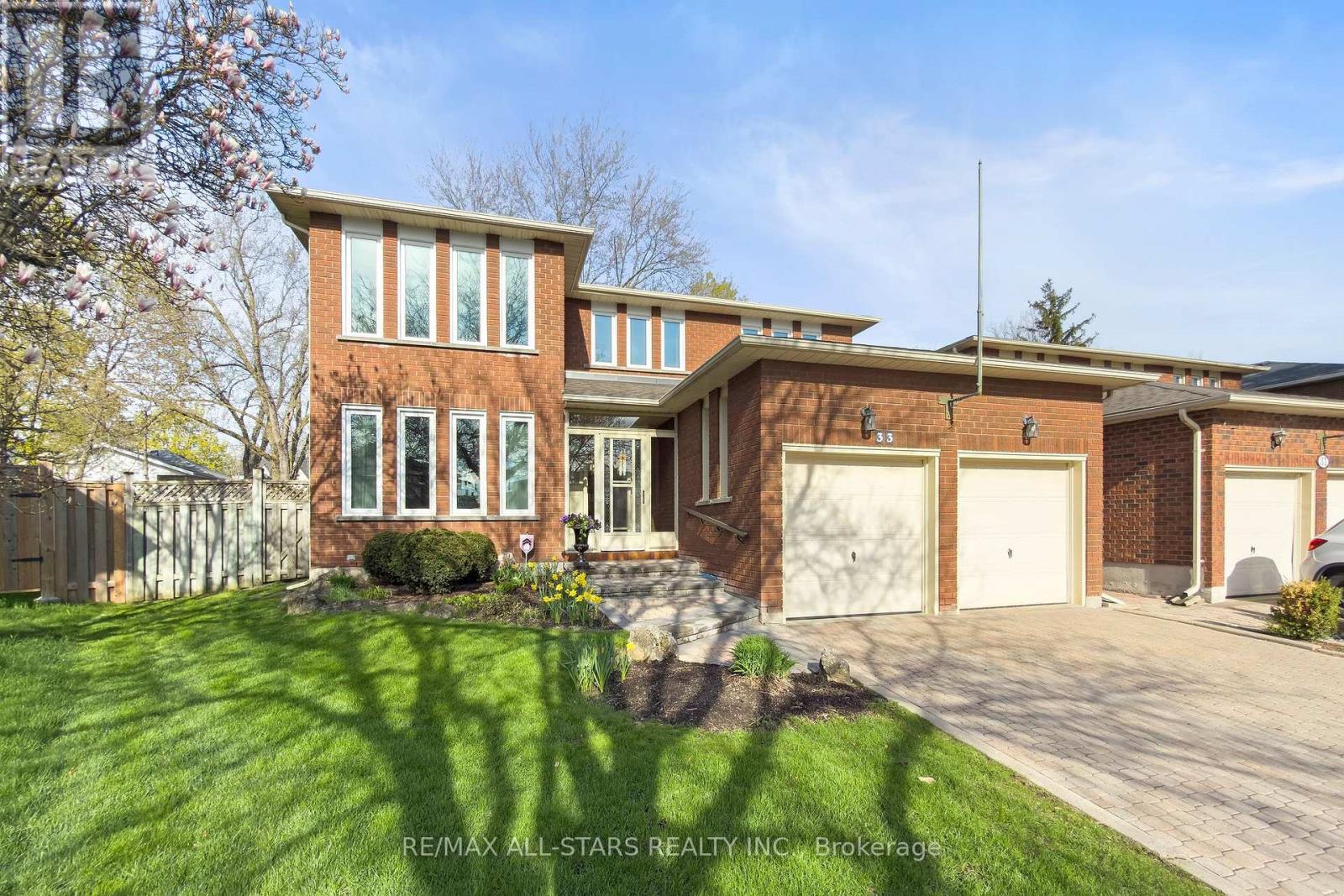 For Sale
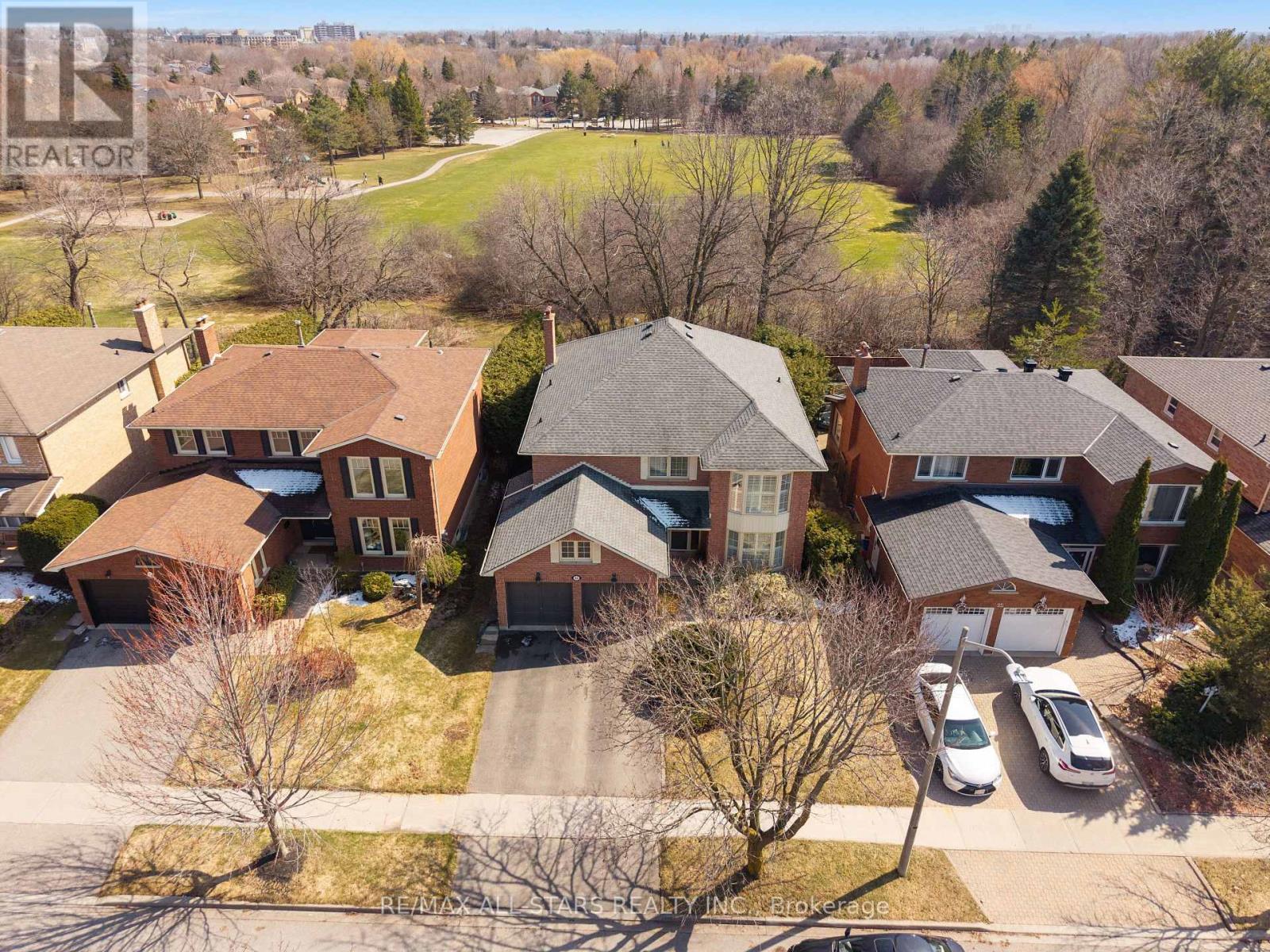 For Sale
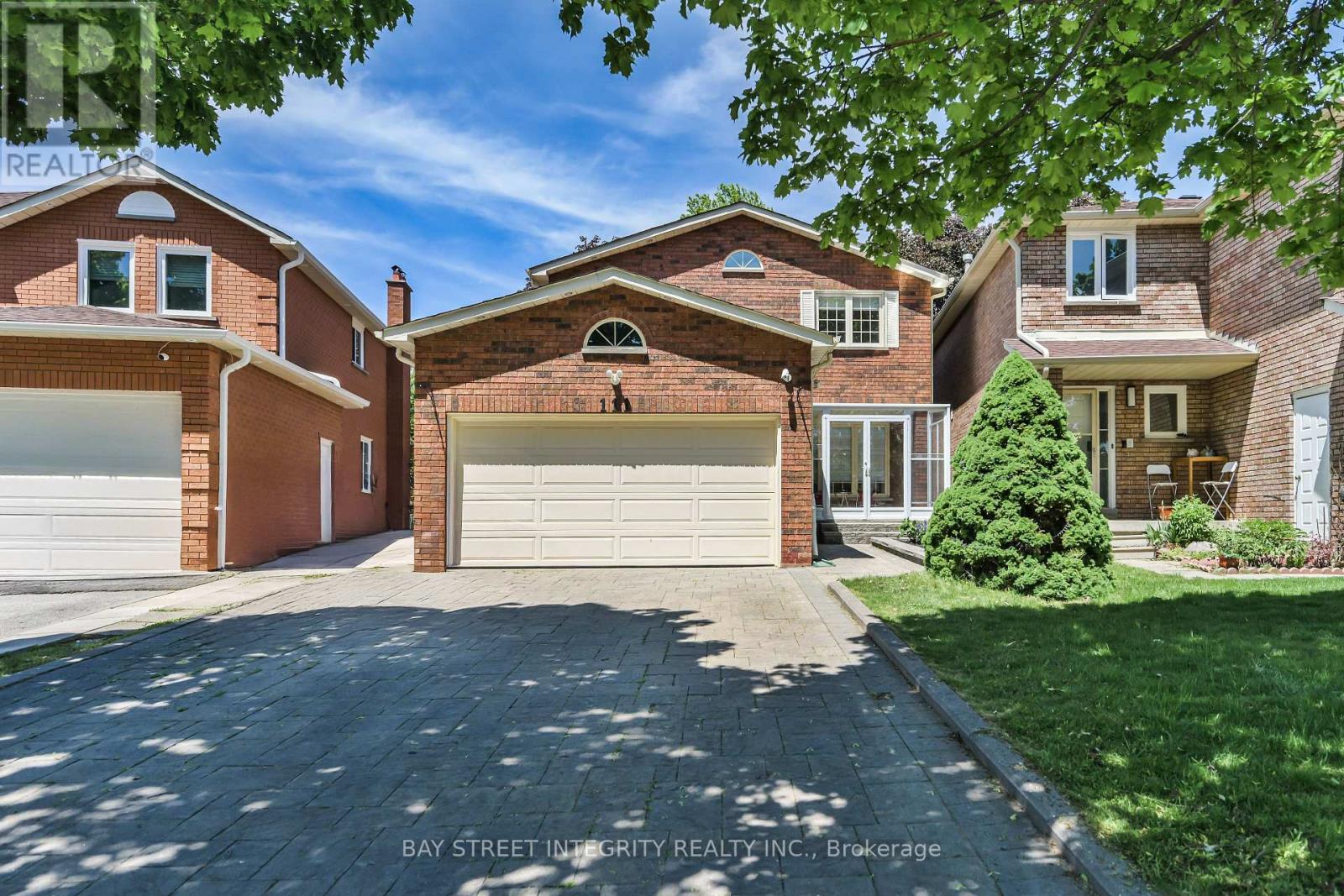 For Sale
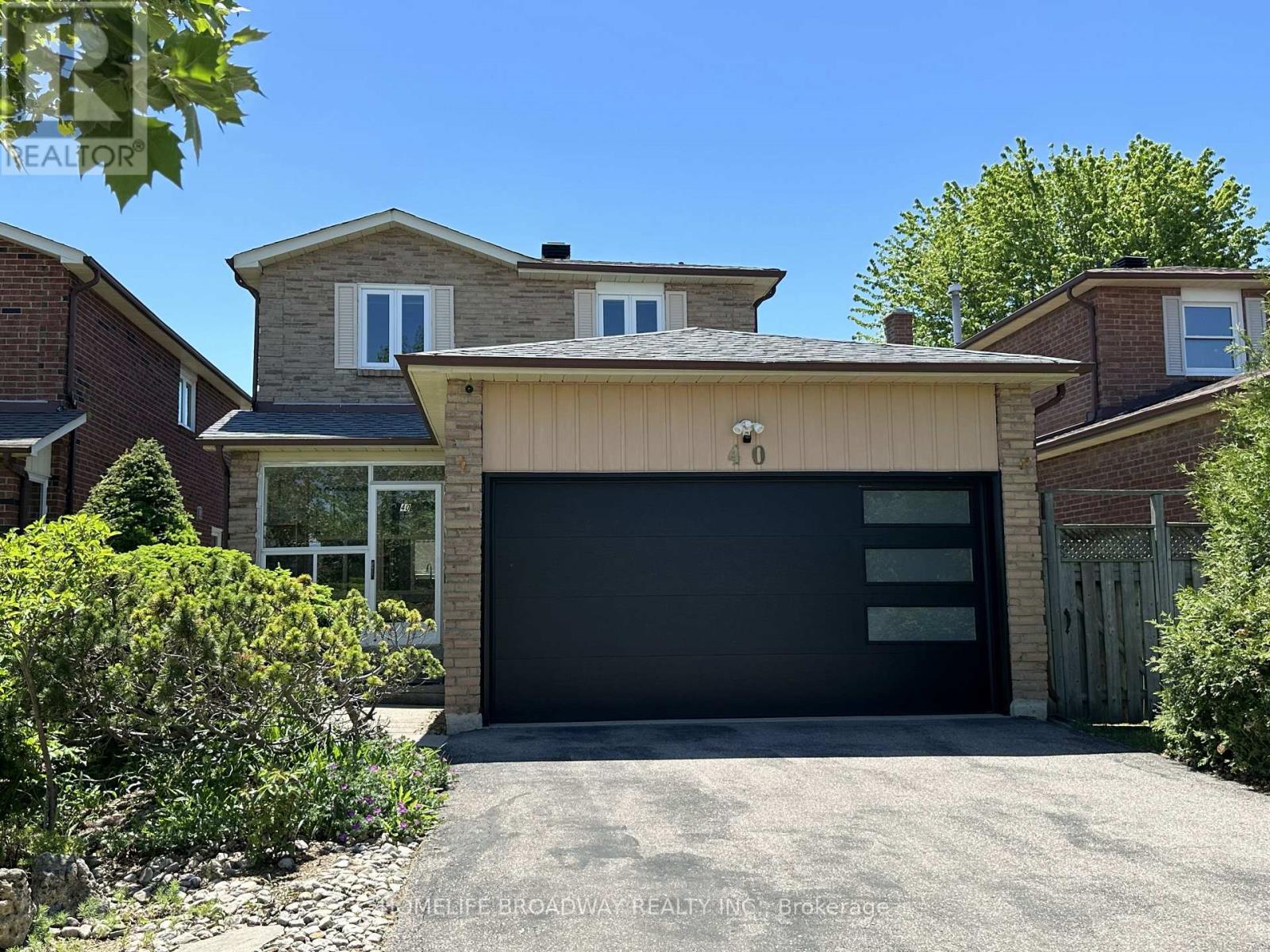 For Sale