
Discover real estate in Rural Markham, Markham. Current prices, school catchments, transit access and neighbourhood character covered in full.
Rural Markham is not a neighbourhood in the conventional sense. It is the collection of agricultural lands, estate properties, hobby farms, and rural residential parcels that occupy the northern portions of the City of Markham, beyond the urban boundary where the planned subdivisions and commercial corridors give way to concession roads, open fields, and the Oak Ridges Moraine landscape. The designation covers a large geographic area that includes everything from modest rural residential properties on half-acre lots to significant estate holdings on 50-plus acres, and buyers considering Rural Markham are looking at a fundamentally different type of property than anything available within the Markham urban boundary.
The character of Rural Markham is shaped by the Oak Ridges Moraine to the north, which provides an environmental backdrop and establishes the development limitations that prevent the rural lands from being urbanised. The moraine’s headwater systems flow through this area, feeding the major river systems that drain south through the GTA to Lake Ontario. The ecological importance of the moraine is matched by the visual quality of the landscape: rolling terrain, mature forest patches, wetlands, and the wide-open agricultural field character that disappears abruptly at the urban boundary a few kilometres to the south.
Buyers in Rural Markham are a specific and self-selected group. They are not accidentally landing in a rural property; they have sought it out specifically because they want what it offers: land, privacy, natural environment, the option to keep horses or livestock, and a daily experience of space that is not available within the urban boundary at any price point. The trade-offs are well-understood before they arrive: car dependency for everything, longer drives to services, a different and more demanding relationship with the property’s maintenance and infrastructure.
Rural Markham properties span an enormous price range because the category includes everything from a modest country home on a small rural lot to a significant estate on moraine acreage. Entry prices for rural residential properties in the Markham area start around $1.5 million to $2 million for smaller parcels with older homes, and extend to $10 million and beyond for exceptional estate properties with large land holdings and custom construction. The wide range reflects genuine differences in land size, improvements quality, and the specific natural and regulatory attributes of each property.
Land pricing in Rural Markham is heavily influenced by the Oak Ridges Moraine Conservation Plan designations. Properties in the Natural Core and Natural Linkage areas have the most restrictive development limits, and the price per acre in these areas reflects what the land can produce in terms of permitted use. Properties in the Countryside designation have more flexibility for rural residential uses, and the price premium for a buildable lot or an existing home on a countryside parcel is meaningful. Understanding the specific moraine designation of any rural Markham parcel requires reviewing the provincial moraine plan schedules, which are publicly available but require some interpretation.
The infrastructure costs associated with rural properties — wellwater maintenance and testing, septic system upkeep and eventual replacement, private road and driveway maintenance, heating systems adapted to larger structures — add to the effective cost of ownership in ways that urban and suburban buyers do not always fully anticipate. These costs should be factored into the total cost of ownership model for any rural Markham property, alongside the property tax, insurance, and usual carrying costs.
The Rural Markham property market is thin and operates on timescales that are longer than the urban residential market. Significant rural properties may sit on the market for months or over a year before finding the right buyer, and the pool of qualified buyers for any specific property is small enough that marketing periods of six to twelve months are common for the more expensive or unique parcels. This is not a sign of weakness; it is a characteristic of a market where each property is genuinely individual and the buyer must match to it specifically.
Price negotiation in Rural Markham is generally more open than in the competitive urban residential market. Sellers of rural properties have realistic expectations about the time required to find the right buyer, and most transactions involve substantive negotiation over price, terms, and the resolution of any outstanding property issues before the deal closes. The absence of competing offers is the norm rather than the exception, which gives prepared buyers the time and space to do proper due diligence and negotiate from a position of knowledge.
The investment thesis for rural property in the Markham area has historically been positive over long periods because the supply of rural land within commuting distance of the GTA is permanently constrained by the moraine and greenbelt protections, while the demand from affluent GTA households seeking estate and rural properties has been consistent. Short-term price movements can be significant and the market is illiquid, which makes rural Markham unsuitable for buyers with uncertain time horizons or financing situations that require predictable resale timing.
Rural Markham buyers are a varied group united by the decision to prioritise land, privacy, and natural environment over the conveniences of suburban living. The most common profile is a family in their forties or fifties who has built equity in a Toronto or north Markham home over decades and is using that equity to access a fundamentally different quality of daily life, often with the intention of staying in the property for the long term. These buyers have done the lifestyle assessment honestly and concluded that the trade-offs of rural living — the car dependency, the property maintenance burden, the distance from urban services — are acceptable costs for the quality of environment they gain.
Equestrian households are a significant Rural Markham buyer segment. The combination of agricultural zoning, lot sizes large enough for paddocks and riding rings, and the proximity to the trail system that the moraine and the rural road network provides makes this area one of the most practical equestrian locations within commuting distance of Toronto. Buyers with horses are evaluating not just the house but the barn, paddock layout, footing, fencing, and water access — a property assessment that requires equestrian-specific knowledge that most real estate agents do not have.
Lifestyle farmers and hobby agriculturalists are also present, attracted by the opportunity to produce their own food on a scale that urban and suburban lots cannot accommodate. The active agricultural land in rural Markham and the proximity to the GTA’s strong local food market create conditions where small-scale food production is both possible and viable for households who want to pursue it as a serious hobby or supplementary income activity.
Rural Markham’s properties are distributed across the concession road system that was originally surveyed in the early nineteenth century as part of the Upper Canada land grant process. The concession roads run on a rough grid oriented north-south and east-west, providing access to the individual properties and connecting to the urban boundary roads to the south. This grid, modified by the topography of the moraine, creates an address system and road network that is straightforward once you understand the concession and lot numbering, but unfamiliar to buyers coming from the urban or suburban street grid.
Individual properties in Rural Markham vary enormously in their configuration, from rectangular farm lots on flat agricultural land to irregular moraine parcels that follow topographic contours through forest and valley. The specific shape, orientation, topography, and soil conditions of each parcel affect its suitability for different rural uses, and buyers who have a specific use in mind — horses, agriculture, natural habitat — need to assess the parcel’s physical characteristics against their intended use before purchasing.
The proximity to the urban boundary varies considerably across Rural Markham, from properties immediately north of the urban development edge to properties well into the moraine landscape that are a 20-to-30-minute drive from the nearest urban services. Properties closer to the urban edge benefit from shorter drive times to services but also face greater near-term development pressure as the urban boundary continues to expand. Properties deeper in the moraine have longer service distances but more durable natural character.
Rural Markham residents are car-dependent for all daily activities. There is no transit service in the rural areas, and the distances involved make any transit connection a significant undertaking rather than a practical daily commute option. Residents who commute to urban employment typically drive to a GO station — Centennial, Markham, or Mt. Joy on the Stouffville line — and take the train for the downtown segment, adding 20 to 30 minutes of driving at each end of the GO journey to the already substantial journey time.
Highway 404 is the primary north-south highway serving north Markham, accessible via Elgin Mills Road and Major Mackenzie Drive. Highway 400 is accessible further west via Major Mackenzie Drive into Vaughan. These highways provide the GTA-wide access that rural Markham residents depend on for longer trips. The drive to downtown Toronto from rural Markham via the DVP takes 50 to 70 minutes under typical conditions and significantly longer during peak hours.
The rural road network itself is generally well-maintained by the City of Markham and York Region, with winter maintenance that is adequate for most conditions. However, the concession roads and rural collector roads do not receive the same priority as the urban arterials during severe winter events, and rural Markham residents should expect that significant snowfall events will require a 4WD or AWD vehicle to navigate reliably. Planning for winter road conditions is a practical requirement for rural living in York Region that urban and suburban residents do not face.
The natural environment within and surrounding Rural Markham is the primary reason that buyers choose this location. The Oak Ridges Moraine provides a landscape that is among the most ecologically significant in the Greater Toronto Area: headwater streams, wetlands, mixed forests, and the diversity of plant and animal communities that depend on these intact habitats. Properties that include or adjoin moraine ecological features benefit from a natural environment that is protected by both the moraine conservation plan and the TRCA regulatory framework, ensuring that the natural character experienced from the property will be maintained over time.
Rouge National Urban Park extends into the rural Markham area, and some rural properties have direct access to the park’s trail network or are adjacent to the park boundary. This proximity provides extended trail access through one of Canada’s largest urban national parks, with designated hiking, cycling, and equestrian routes connecting the rural Markham area to the broader park system stretching south to Lake Ontario. For households who value trail access as a daily or regular outdoor activity, the proximity to the Rouge park system is a specific asset that adds practical recreational value to the rural property.
The agricultural landscape of Rural Markham, where it is not moraine forest, provides a different kind of outdoor quality: open fields, farm track access, the changing character of the agricultural seasons, and the wildlife that moves between the agricultural and forested areas. White-tailed deer, wild turkey, red fox, and a variety of raptors are common sights in the rural Markham landscape. For households who want a daily relationship with wildlife and agricultural character, the rural Markham environment provides this in a form that no urban or suburban address can approximate.
Rural Markham residents access their daily retail and service needs by driving south to the urban boundary areas. The drive to the nearest grocery store, pharmacy, or commercial node takes 15 to 30 minutes depending on the specific location within the rural area. The full range of Markham’s commercial amenity — Asian grocery corridors, Markville Mall, healthcare services, restaurants — is available within this drive time, which is manageable for households who are prepared for car dependency.
Direct farm access is available for some rural Markham households, with farm stands and pick-your-own operations in the surrounding agricultural area providing fresh seasonal produce, eggs, and other farm products that urban residents must source through retail supply chains. For households who value direct agricultural sourcing, rural Markham’s proximity to working farms is a practical advantage. The broader York Region and Ontario local food network provides additional farm-direct sourcing options within a manageable drive.
Healthcare access is the most practically significant service consideration for rural Markham households. Routine medical and dental care requires driving to the urban area, and emergency response times in the rural Markham area are longer than in urban settings. Households with regular medical needs or elderly family members should factor the drive time to healthcare into their rural living assessment. Telehealth services have somewhat reduced the frequency of in-person medical visits for routine care, but the emergency response time differential between rural and urban Markham remains a factor for households whose circumstances make this a significant consideration.
Children in Rural Markham attend the York Region District School Board schools serving the north Markham area. School transportation by bus is typically provided for rural students given the distances involved, and the bus routes add time to the school day that suburban families do not experience. The specific school assignments for rural addresses are confirmed through the YRDSB school locator at schoollocator.yrdsb.ca. Secondary school for most north Markham rural addresses is Pierre Elliott Trudeau High School, which is located in the urban area and serves the Cachet, Angus Glen, and north Markham communities.
Some families in Rural Markham choose private school for their children, which is a practical response to the distance from the public school network and the bus dependency that rural public school attendance involves. St. Andrew’s College in Aurora and other private schools in the broader York Region area are within practical driving distance for families willing to make the daily trip or arrange boarding arrangements for older students. The private school option is consistent with the demographic profile of rural Markham’s higher-income households.
The York Catholic District School Board serves rural Markham addresses with school assignments appropriate to the specific location. Families in the Catholic system should contact YCDSB to confirm the school assignment for their specific rural address and should be aware that bus transportation arrangements for rural Catholic students may differ from the YRDSB arrangements. Early contact with YCDSB to confirm bus routes and school assignments is advisable before finalising a rural Markham purchase.
The long-term development picture for rural Markham is shaped by the provincial growth plan’s housing targets and the City of Markham’s official plan urban boundary, both of which will evolve over the next two to three decades. The Oak Ridges Moraine Conservation Plan provides durable protection for the moraine lands, but the agricultural lands south of the moraine boundary will come under increasing development pressure as the province’s housing targets require expansion of the GTA’s urban footprints. Some rural Markham agricultural lands will eventually be designated for urban development, changing the rural character of the area immediately north of the current urban boundary.
For buyers purchasing rural properties well north of the current urban boundary, in the moraine landscape, the risk of nearby urbanisation is lower because the moraine protections are more durable than agricultural zoning. For buyers purchasing rural properties immediately north of the urban boundary, where the transition from urban to rural is already visible, the risk of adjacent development is higher and should be factored into the long-term assessment of the property’s rural character.
The servicing question is also a long-term consideration for rural properties. Municipal water and sanitary services follow urban development, and the extension of these services to rural areas is generally only undertaken in conjunction with urban boundary expansion. Rural properties that are near the eventual urban development boundary may eventually have the option to connect to municipal services, which can be a significant value event for properties that currently depend on well and septic. Properties that are well within the moraine protection area are unlikely to see municipal servicing extended to them within any planning horizon relevant to a typical property purchase decision.
Q: What are the typical prices for rural properties in Markham, and how variable is the range?
A: Rural Markham property prices span an enormous range because the category includes properties as different as a modest rural residence on two acres and a 100-acre moraine estate with a custom-built home. Entry-level rural residential properties — older homes on smaller rural lots of one to five acres — are typically available from $1.5 million to $2.5 million depending on the condition of the improvements and the location relative to the urban boundary and services. Mid-range rural properties with more land — 10 to 25 acres — and reasonable improvements run from $2.5 million to $5 million. Significant estate properties with large moraine acreage, custom construction, and exceptional natural features extend well above $5 million. The only useful way to assess value in this range is through comparable sales of similar property types in the same area, which requires a specialist agent with recent rural property transaction experience. The comparable sales data in Rural Markham is thin — few transactions per year — and each transaction is more individually negotiated than in the urban market.
Q: What environmental due diligence is specific to rural Markham property purchases?
A: Rural Markham purchases require environmental due diligence that has no equivalent in an urban or suburban transaction. The wellwater should be tested for quality and flow rate before purchase — a comprehensive water test costs $150 to $300 and should be conducted by an accredited testing laboratory, not a vendor-provided test. The septic system should be inspected and pumped, and the field bed condition should be assessed, since a failing septic system on a rural property can cost $30,000 to $80,000 or more to remediate or replace. The TRCA regulated area status should be confirmed for any property with watercourses, wetlands, or valley features, since TRCA permit requirements can significantly limit what can be built or altered within the regulated setback. The Oak Ridges Moraine designation for the specific parcel determines the development permissions and should be reviewed with the City of Markham planning department and potentially with a planning consultant before purchase if development or significant site alteration is intended. Any previous agricultural use on the property should be investigated for potential soil contamination from storage tanks, pesticide or fertiliser application, or other agricultural chemicals, since rural property contamination is a liability that transfers with the land.
Q: Is a horse property in Rural Markham viable, and what should equestrian buyers look for?
A: Equestrian use in Rural Markham is viable and the area has a significant equestrian community. The moraine landscape, the rural road network, and the trail system provide good riding access, and the agricultural zoning in the rural area accommodates horses as a normal property use. Equestrian buyers should assess the specific property’s barn condition and capacity, the quality of the paddock fencing and footing, the drainage of the paddock and riding areas, the water access for livestock, and the road access for hay deliveries and farrier and veterinary visits. A property that is well-suited for horses on flat agricultural land may have very different usability from a moraine property with slope and drainage challenges. The assessment of an equestrian property requires someone with horse experience alongside the standard home inspection, and buyers who are not themselves equestrian should bring an experienced horseperson to any property visit. The local equestrian community in north Markham and the surrounding rural York Region area is well-established and can be a resource for community knowledge about specific properties and the area’s equestrian facilities and trails.
Q: What are the risks of purchasing adjacent to the urban boundary, where future development may occur?
A: Properties immediately north of Markham’s urban boundary face the realistic possibility that the urban boundary will eventually be extended to incorporate the adjacent agricultural lands, based on the provincial growth plan’s housing targets and the historical pattern of GTA urban expansion. When this occurs, the rural character of the area immediately adjacent to the new development changes — the open fields become a construction site, then a subdivision, reducing the privacy and openness that motivated the rural purchase. The timeline for this is uncertain and depends on provincial policy decisions, municipal planning processes, and the construction industry’s absorption capacity. For buyers who are purchasing specifically for the rural character and want it to be durable, properties well within the moraine protection area are more suitable than properties immediately adjacent to the urban boundary. For buyers who are willing to accept some risk of adjacent development in exchange for lower purchase prices or shorter drives to urban services, the boundary-adjacent rural properties offer that trade. Neither approach is wrong; both require clarity about what you are accepting as part of the purchase.
Rural Markham is the right choice for a specific kind of buyer with a clearly thought-out lifestyle preference and the financial capacity to maintain a rural property at the standards it requires. The buyers who are happiest in Rural Markham are those who have lived with the urban-rural trade-off fully understood before purchasing, not those who find out after closing that the property’s infrastructure demands are more than they anticipated or that the distance to services is more constraining than the drive times suggested on paper.
A buyers agent working in Rural Markham needs to understand rural property assessment in a way that urban residential agents do not. This includes knowledge of the moraine plan designations, the TRCA regulatory framework, wellwater and septic assessment, and the agricultural zoning that governs rural property use. If your agent cannot speak to these topics with specific knowledge, you need either to educate yourself specifically or to find an agent who has done rural transactions in this area. The cost of missing a significant environmental or regulatory issue in a rural transaction is much higher than in a suburban purchase, and the due diligence requirements justify spending the time to find the right professional support.
The legal process for a rural transaction is more complex than for a suburban one. Land surveys, well and septic records, moraine plan confirmation, TRCA clearance, and potentially an environmental phase one assessment are all part of a thorough rural purchase. Budget for these costs and the time they take, and do not rush the due diligence to meet a closing date that the vendor is pushing for.
TorontoProperty.ca works with buyers across Markham including the rural and estate property segment. Contact us if you are beginning to investigate Rural Markham and need guidance on what the due diligence process involves for this type of purchase.
Street-level knowledge is hard to find online. Our team works in Rural Markham every day. They know which pockets hold value, where the school catchment lines actually fall, and what the market is doing right now. Talk to us before you make a decision about Rural Markham.
Talk to a local agent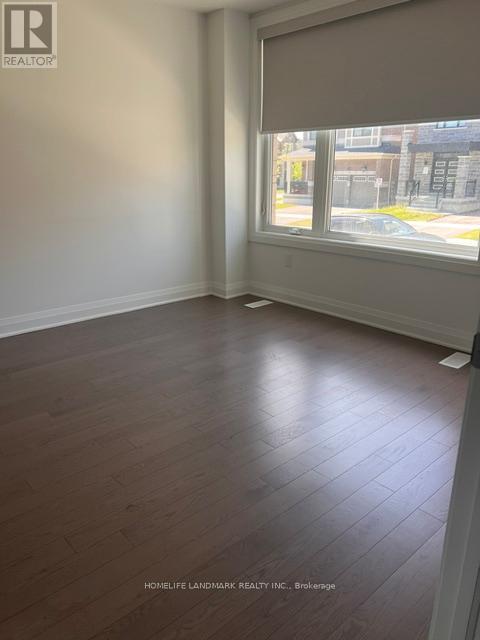 For Rent
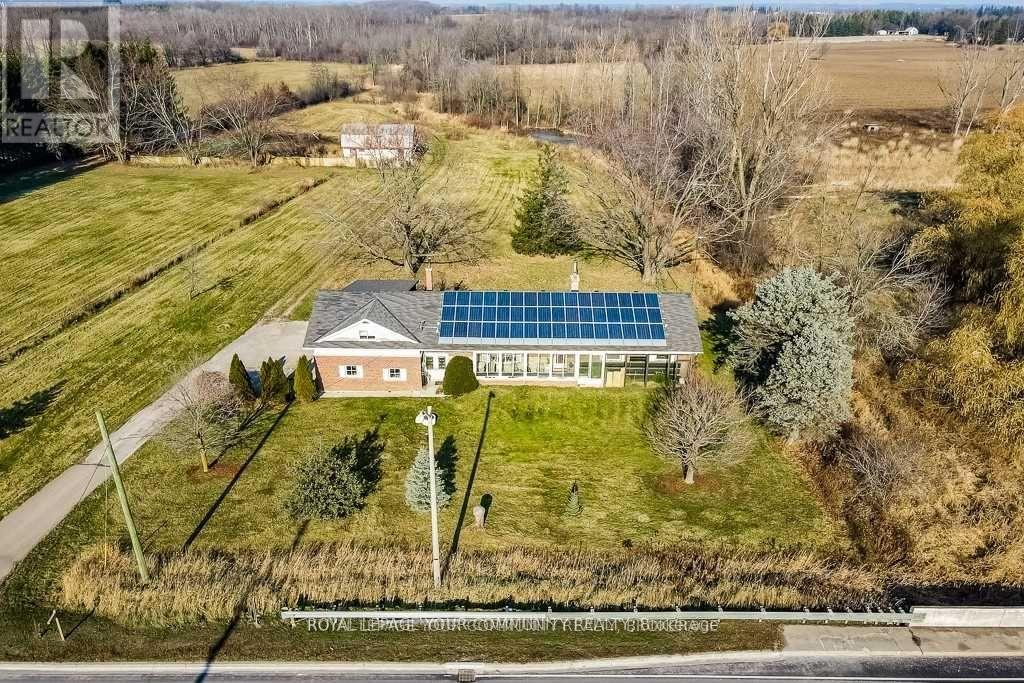 For Sale
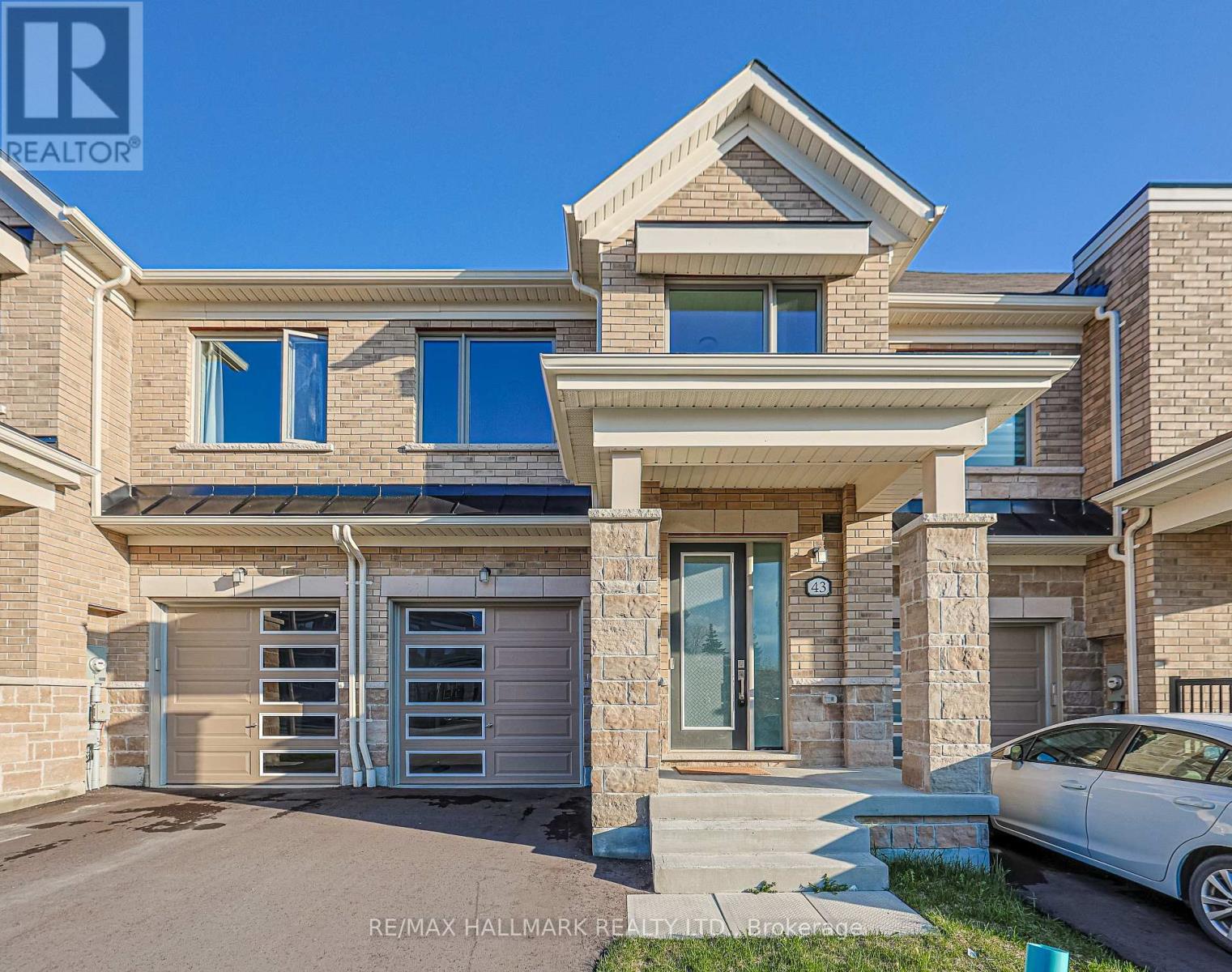 For Sale
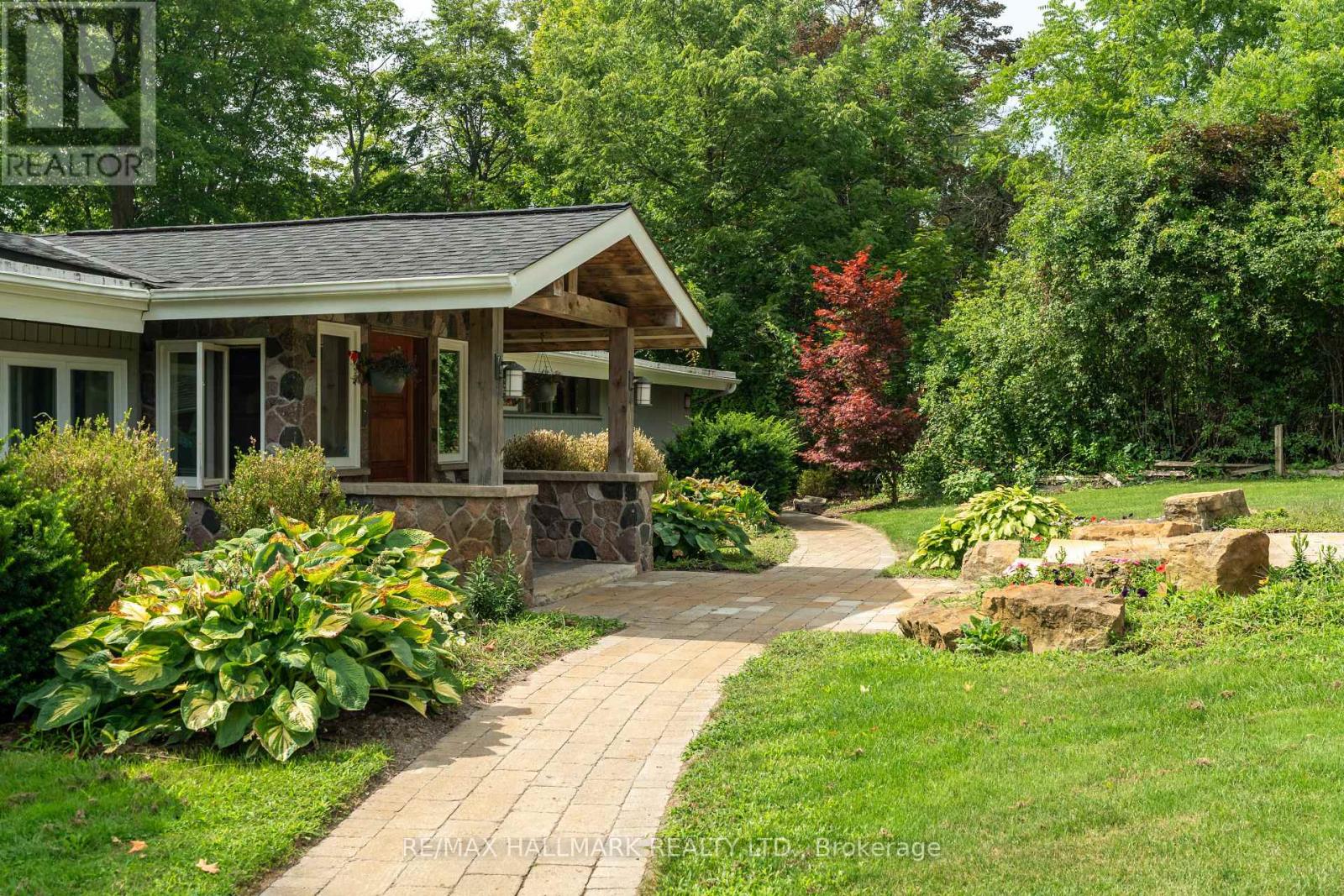 For Sale