
Village Green-South Unionville is a south Markham neighbourhood with 1970s and 1980s housing stock and direct access to Unionville GO station on the Stouffville line. Detached homes trade from roughly $1.1 million to $1.5 million, making it one of the more affordable Unionville-area addresses.
Village Green-South Unionville occupies a position that buyers who’ve done their Markham research quickly identify as strategically useful: south of the historic Unionville village, accessible to Unionville GO station, and priced below the heritage core while drawing on much of the same infrastructure. The neighbourhood sits between Highway 7 to the north and the GO rail corridor to the south and east, which defines both its connectivity and its character.
The housing stock here dates mostly from the 1970s and 1980s, when this part of Markham was being filled in as the suburbs expanded northward from Scarborough and across York Region. Detached and semi-detached homes on reasonably sized lots, brick construction, mature trees, and the settled look of a neighbourhood that’s been lived in for a few decades rather than just built. It’s not flashy and it’s not new, but it works for buyers who prioritise the practical: school catchment, transit access, and a price that doesn’t require stretching to the limit of what the bank will lend.
Highway 7 runs along the northern edge of the neighbourhood and is the primary east-west artery connecting residents to the Kennedy Road commercial concentration, the Highway 404 on-ramp at Woodbine, and westward toward Highway 407. The commercial strip along Highway 7 in this section has the mix typical of established suburban Ontario: plazas, grocery stores, restaurants, and services accessible within minutes. It’s not pedestrian-friendly in the way a real main street is, but it delivers what most households need without a long drive.
The Unionville GO station is a short drive or a moderate walk from many addresses in South Unionville, and this transit proximity is one of the primary arguments for the neighbourhood over comparable-priced communities that lack it. Buyers who can make the GO work for downtown commuting will find that the combination of a reasonable purchase price and strong transit connectivity changes the financial picture compared to either paying more for central Markham or sacrificing the transit option in a cheaper suburban location.
Village Green-South Unionville offers some of the better value per square foot among established Markham neighbourhoods with genuine school cachet and transit access. Detached homes in this neighbourhood traded in the $1.1 million to $1.6 million range through 2024 and into early 2025, with the spread reflecting lot size, condition, and whether the basement is finished. Semi-detached homes generally ran between $850,000 and $1.1 million. These prices represent a meaningful discount from the Unionville heritage village core while landing in the same school catchment zone for many addresses.
The housing stock’s age is reflected in the pricing but also in the opportunity. A 1970s detached on a 50-foot lot in this neighbourhood, bought at a reasonable price, has renovation potential that can be executed without the heritage permit complications that apply to designated properties in the village core. Updated kitchens, finished basements, and modernised bathrooms in this market translate into resale value. Buyers who are willing to renovate can acquire the neighbourhood at the lower end of its pricing, invest thoughtfully, and exit toward the top.
The rate cycle of 2022-2023 softened values across this segment of Markham. Properties that had traded above $1.4 million in the spring 2022 peak pulled back to the $1.1 to $1.3 million range by mid-2023. Recovery through 2024 was gradual, and end-of-year 2024 pricing sat roughly 10 to 15 percent below peak for well-maintained properties. Buyers who purchased during the correction period picked up genuine value relative to what the same properties had commanded a year earlier.
Land in this neighbourhood carries a premium over similar physical properties in Markham communities without the GO station and school catchment proximity. The Unionville address, even for properties that are technically in South Unionville rather than the village proper, still attracts buyers who are making a deliberate catchment decision. This school-driven demand provides a floor under prices that is more durable than pure market sentiment-driven demand.
The South Unionville market operates with a school-catchment floor that keeps it more stable than Markham communities without that driver. When buyers who specifically need access to Unionville High School’s IB programme are working with a budget in the $1.1 to $1.5 million range, this neighbourhood is often the best option available to them. That consistent demand source prevents the kind of sharp corrections that hit less strategically positioned communities when broader market sentiment shifts.
Days on market for well-priced properties in this neighbourhood have generally run between 14 and 35 days through 2024. Spring listings attract more competition. Overpriced listings sit, as they do everywhere, but sellers in this market tend to be informed about comparables and initial pricing is usually reasonable relative to recent sales. The neighbourhood doesn’t see the aggressive list-low, bid-high dynamics of the most competitive Markham catchment areas, but it also rarely sees properties lingering without buyers at appropriate prices.
The mix of end-user buyers and investor buyers is relatively balanced. The school catchment drives owner-occupier demand, while the GO station access and the Unionville name make the area attractive to investors who target longer-term tenants: professional families who want the school catchment but can’t or don’t yet want to purchase. Rental demand is reasonably strong for well-maintained homes in this neighbourhood, and landlords who maintain their properties find tenants without difficulty. This investor presence keeps the market active year-round rather than concentrated in the spring-fall peaks.
Properties with the best GO station walkability, on the streets closest to the Unionville GO, command a specific premium within the neighbourhood. The ability to walk to the train rather than drive and park adds genuine value for households that use the commuter rail, and buyers who understand this pay for it. A 10-minute walk to the GO versus a 10-minute drive is not a trivial distinction for families managing two schedules and two cars.
Village Green-South Unionville draws a buyer profile shaped primarily by two motivations: school catchment access and transit proximity, at a price point that makes both achievable. Families who have done their research on Markham schools and concluded that Unionville High School’s IB programme is the target often arrive in this neighbourhood after ruling out the heritage village core on price grounds. They find a neighbourhood that puts them in the catchment at a more manageable entry point.
The Chinese Canadian and South Asian communities are well-represented in the buyer pool, consistent with the broader Markham pattern. Buyers from these communities have driven demand in Unionville and its surrounding neighbourhoods for years, and the school reputation translates directly into purchase motivation in a way that is quantifiable in the pricing. Families who are moving to Canada specifically for educational purposes, or upgrading from a more distant Markham location as their children approach secondary school age, are a consistent source of demand.
Downtown Toronto commuters represent another significant segment. A buyer who needs to get to Union Station for work and wants to keep the mortgage under $1.5 million has limited options that combine transit access with a real neighbourhood. South Unionville, with Unionville GO on the Stouffville line, makes that combination work. The buyer in this profile is often a professional couple, one of whom commutes downtown while the other works in the Markham corridor or remotely, and they’ve been priced out of the in-city alternatives they originally considered.
First-time buyers at the upper range of their budget occasionally enter this market, though the $1.1 to $1.5 million price points mean it’s more commonly a second or third purchase. Some buyers in this segment are downsizing from larger Markham homes as their families have grown and departed, choosing a smaller established home with better transit access over the maintenance burden of a 3,000 square foot detached. This segment values the walkability to the GO station in particular.
The streets closest to the Unionville GO station, in the eastern portion of the neighbourhood near Unionville Gate and the rail corridor, are the most transit-accessible addresses. Buyers who specifically value walkability to the GO tend to focus here. The trade-off on these streets is that the rail corridor itself is nearby, and train frequency on the Stouffville line means that rail noise is an occasional presence rather than a background constant. It’s worth visiting the specific property at different times to assess whether the noise level is acceptable.
The Village Green park area, which gives the neighbourhood part of its name, anchors the community’s green space around the mid-section. The streets adjacent to the park benefit from the open space and the pedestrian activity it generates. Families with young children tend to identify these blocks as desirable for the accessibility to the park from the backyard or a short walk. Real estate near parks holds value consistently, and Village Green is no exception.
Highway 7 forms the northern boundary, and properties fronting or immediately backing Highway 7 have noise and visual considerations that interior streets don’t. The blocks set back from Highway 7 by one or two streets are noticeably quieter and generally preferred. Buyers should inspect properties near the highway during peak traffic hours, which on Highway 7 can run from early morning until 7 or 8 in the evening. The tradeoff for highway-adjacent lots is sometimes a lower price, which can work for buyers who’ve assessed the noise and decided it’s acceptable.
The southern edge of the neighbourhood, near the GO rail corridor and the industrial/commercial uses that sometimes appear in the transition zone between residential and the rail, is a pocket that requires individual assessment. Some streets here are perfectly pleasant residential settings; others are more affected by the proximity to non-residential uses. The variation within this southern edge is significant enough that individual addresses matter more than the general location within the neighbourhood.
Unionville GO station on the Stouffville line is the neighbourhood’s defining transit asset. It’s accessible either by walking from the closest streets or by a short drive and park for residents further from the station. Peak-hour service to Union Station runs approximately 55 to 65 minutes, with trains at 15 to 20-minute intervals during rush hours. The service is reliable and the station parking is functional, though during peak periods the lot fills and arriving late means finding street parking alternatives. Some regular commuters who don’t walk to the station pay for reserved parking to avoid this problem.
York Region Transit bus routes serve the Highway 7 corridor and connect to the broader Viva rapid transit network. The Viva service on Highway 7 runs frequently enough to be genuinely useful for trips within the York Region east-west corridor. For residents whose destinations are accessible from Highway 7 transit nodes, YRT offers a reasonable complement to the GO train. The service is substantially better than in the car-dependent outer suburbs but is not Toronto Transit Commission-level in frequency or coverage.
By car, Highway 7 runs east-west at the northern boundary of the neighbourhood, connecting to Highway 404 at Woodbine Avenue and Highway 407 at various points west. Downtown Toronto is 40 to 60 minutes by car in reasonable conditions; during peak hours on the DVP, the same trip can take 90 minutes. Drivers who commute downtown regularly typically learn the timing patterns and adjust. The Unionville GO is used by many residents specifically because the car commute timing is too unpredictable.
Walking within the neighbourhood to parks, the GO station (for those nearby), and the Highway 7 commercial strip is practical on the internal streets. Cycling to the GO station is feasible for physically comfortable riders on the quieter residential streets, though the Highway 7 crossing is not a comfortable cycling experience. The neighbourhood’s internal circulation is designed for cars but is not hostile to pedestrians, which is a reasonable baseline for a Markham community of its vintage.
Village Green Park is the neighbourhood’s primary green space and it serves the community well for its size and setting. The park has playing fields, playground equipment, and open lawn areas that function as the daily outdoor destination for families with young children. Its central location within the neighbourhood means most residents are within a reasonable walk. The park sees consistent use across seasons and has the feel of a genuinely community-used space rather than a token green buffer.
The Toogood Pond area of historic Unionville is accessible by a short drive or, for residents in the northern parts of the neighbourhood, a longer walk through the underpass beneath Highway 7. For residents who make the effort to use Toogood Pond regularly, the historic village’s green space extends the effectively usable park system beyond what South Unionville has within its boundaries. The Markham Trail system also connects through this area, offering a linear trail route that extends significantly in both directions.
Milne Dam Conservation Park to the south provides a larger natural area with the Rouge River corridor, trail access, and mature forest. It’s a short drive from South Unionville and a reasonable destination for longer walks or weekend outdoor activity. The Rouge National Urban Park’s broader trail system connects into this area, making the combined natural resource available to residents much larger than any single park suggests.
The mature tree canopy on the residential streets contributes significantly to the outdoor quality of the neighbourhood. 1970s and 1980s streets in Markham have had decades for their street trees to grow, and the result is a greener, more visually appealing streetscape than the newer Markham subdivisions that planted saplings five years ago. This is an intangible asset that shows up in how streets feel to walk and live on, even if it doesn’t appear on a specifications sheet.
The Highway 7 commercial strip forms the practical retail spine for South Unionville. Within a short drive along Highway 7 between McCowan Road and Kennedy Road, residents have access to major grocery chains, Asian grocery stores including T&T Supermarket, pharmacies, banking, restaurants of multiple cuisines, and the general service businesses that a neighbourhood requires for daily life. The concentration is not as walkable as an urban high street, but it covers the daily-errand needs without requiring a long drive in any direction.
Main Street Unionville, a 5 to 10-minute drive north through the Highway 7 underpass, offers the restaurants and boutiques of the historic village. South Unionville residents have genuine access to one of York Region’s best commercial main streets without paying the premium of living on it. The William Berczy pub, the Unionville Arms, and the various cafes and restaurants along the historic main street function as a neighbourhood amenity for South Unionville just as much as for the village itself.
First Markham Place, the enclosed mall at Kennedy and Highway 7, is the go-to for a broader range of retail, Chinese restaurant dining, and specialty shopping. It’s within 10 minutes of most South Unionville addresses and serves as the fallback for anything the Highway 7 strip doesn’t carry. Pacific Mall in Scarborough, a 20-minute drive, fills in for specialty and Asian-market retail beyond what’s available closer to home.
Healthcare is well-served. The Markham Stouffville Hospital is accessible from Highway 7 east, and the concentration of medical offices, dental clinics, walk-in clinics, and specialty practices along the commercial strips is high relative to the population. For a neighbourhood of its size, South Unionville residents have access to healthcare options that reduce the need to travel into Toronto for all but highly specialised procedures. The hospital expansion over the past decade has improved this situation considerably.
The York Region District School Board (YRDSB) schools serving Village Green-South Unionville include Unionville Meadows Public School and Parkland Public School at the elementary level, both of which have established track records in a neighbourhood with a long-standing commitment to educational outcomes. The French Immersion pathway is available through designated schools within the YRDSB network, and demand for these programs in south Markham means that registration should be initiated early, particularly for Junior Kindergarten entry. YRDSB offers a Find My School tool on its website that uses the specific address to confirm the assigned school, which is the only reliable way to confirm catchment in a neighbourhood with multiple schools in close proximity.
Markham District High School is the YRDSB secondary school serving much of South Unionville and has the longest history of any secondary school in Markham, tracing its roots to the original Markham High School. The school draws from a broad socioeconomic and cultural range across central and south Markham and has strong arts and athletics programs alongside its academic offerings. Buyers who are specifically seeking Pierre Elliott Trudeau or Unionville High School catchments should verify the address carefully before purchasing, as the secondary catchment boundaries in this part of Markham do not always follow intuitive geographic logic and South Unionville properties can feed into different schools depending on the specific street.
The York Catholic District School Board (YCDSB) serves the Catholic school stream in this area. Father Michael McGivney Catholic Academy is the YCDSB secondary option, and Good Shepherd Catholic Elementary School serves the local elementary Catholic stream. Registration in the Catholic system requires a baptismal certificate and involves the standard YCDSB intake process. The proximity of several school options from both boards is a genuine asset for Village Green-South Unionville buyers, as it allows families to choose between streams without giving up the location or the access to Unionville GO station.
Village Green-South Unionville is a neighbourhood that has been largely stable in its built form for several decades, which means that the development activity worth tracking is primarily in the surrounding corridors rather than within the residential streets themselves. The Highway 7 corridor, which marks the northern boundary of the neighbourhood, has been the subject of consistent intensification pressure as the province and the City of Markham push density into major arterial transit corridors. Mid-rise condominium and mixed-use developments have been approved or are under review for multiple sites along Highway 7, and the commercial strip between Kennedy Road and Woodbine Avenue is evolving from its original big-box and strip mall configuration toward denser mixed-use nodes.
For existing South Unionville homeowners, this Highway 7 intensification has mixed implications. More density on the corridor means more population supporting the local commercial strip and potentially better transit frequencies, but it also means more construction activity and the visual change that comes with mid-rise development replacing single-storey commercial. Properties directly fronting or adjacent to Highway 7 will feel this change most directly. Interior residential streets will be relatively insulated from the physical development but will benefit from the improved amenity and transit that comes with a denser corridor.
The GO Stouffville line expansion and Metrolinx’s ongoing service improvements to the Unionville GO station are the transit development stories most relevant to South Unionville buyers. Metrolinx has committed to two-way, all-day service on the Stouffville line, which when implemented will significantly improve the utility of the GO train for residents who currently plan their day around peak-hour departure times. This service improvement is one of the strongest long-term infrastructure arguments for the South Unionville location, as it converts the commute from a scheduled peak-only service to something approaching rapid transit utility.
Q: What do homes typically sell for in Village Green-South Unionville, and how does that compare to the historic Unionville village to the north?
A: Village Green-South Unionville is one of the more affordable entry points into the Markham-Unionville area. Detached homes have been trading in the $1.1 million to $1.5 million range through 2024 and into 2025, with semi-detached and townhome options available from approximately $850,000 to $1.1 million. The Unionville neighbourhood to the north, which includes the historic Main Street area and some of the prestige streets around it, commands a significant premium for comparable square footage, with detached homes averaging closer to $1.9 million. The price gap reflects both the heritage cachet of historic Unionville and the age difference in housing stock, since the South Unionville homes from the 1970s and 1980s are older and typically on smaller lots than the newer executive builds in the northern parts of the Unionville community. For buyers who want the Unionville GO access and the general Unionville school and amenity picture at a more accessible entry price, South Unionville is the practical alternative that the real estate industry tends to undersell because the address is less marketable than the word “Unionville” by itself.
Q: Is the Unionville GO station walkable from South Unionville homes, or does it require driving?
A: The Unionville GO station sits at Enterprise Boulevard and Main Street Unionville, roughly at the boundary between South Unionville and the historic village. From the northern parts of Village Green-South Unionville, the walk to the station is 10 to 20 minutes depending on the specific street, which is genuinely walkable for a daily commute. From the southern and eastern parts of the neighbourhood, closer to the GO rail corridor itself, the walk to the station runs 20 to 30 minutes, which most commuters will find acceptable on a clear day but may choose to drive in winter. The YRT bus service on Highway 7 and Kennedy Road also connects to the GO terminal for residents who prefer not to walk. The Stouffville line from Unionville takes 45 to 55 minutes to reach Union Station during peak hours, which places South Unionville in the category of reasonable GO commute distance for downtown Toronto workers.
Q: What should buyers know about the housing stock condition in South Unionville before making an offer?
A: The neighbourhood’s homes were built primarily in the 1970s and 1980s, which puts them in the 40-to-50-year age range. At this age, buyers should expect that original mechanical systems have been replaced at least once and should verify the age of current HVAC equipment, hot water heater, roof, and windows before submitting an offer without conditions. The original plumbing in some of these homes uses materials that have since been identified as problematic, including galvanised steel water supply lines in some cases, and a plumbing inspection is worth requesting as part of a full home inspection. The lot sizes in South Unionville are generally larger than more recent Markham subdivisions, which means that any property with mature trees should be assessed for root proximity to the foundation and to the underground services. On the positive side, homes of this age in south Markham have generally been well-maintained by owner-occupiers who have lived in them for decades, and the inspection-flagged issues tend to be age-related maintenance items rather than fundamental structural concerns.
Q: How does South Unionville compare to Cedarwood or Raymerville for a buyer on a similar budget?
A: The three neighbourhoods are geographically close and serve similar buyer profiles: families who want established Markham at a price below the premium neighbourhoods. South Unionville’s primary advantage is the Unionville GO access, which shortens the downtown Toronto commute compared to Cedarwood or Raymerville, whose residents more commonly drive to the GO station or commute by car. Raymerville is slightly newer on average, with more homes from the late 1980s and early 1990s, and its streets feed into Markham District High School and Raymond Public School. Cedarwood sits closer to the Kennedy Road commercial corridor and Markville Mall, which improves everyday retail convenience. For buyers whose commute to downtown Toronto is a primary factor, South Unionville’s proximity to Unionville GO gives it a practical edge. For buyers who work locally or by car and prioritise retail convenience and newer housing stock, Raymerville or Cedarwood may be the more useful comparison.
Village Green-South Unionville attracts buyers who have done enough research to understand that the “Unionville” umbrella covers several distinct sub-markets, and that the GO access and school options available in the southern part of that area do not require paying historic-village premiums. These are buyers who are optimising a specific combination of factors: transit access, school catchment quality, established neighbourhood character, and price. Identifying the right property within South Unionville requires understanding which streets sit closest to the GO corridor noise envelope, which elementary school catchment a specific address feeds, and how the condition of 1970s and 1980s housing stock affects the true all-in cost of ownership.
A buyers agent working in this neighbourhood should be able to give you honest answers on all of those questions. The proximity to the GO corridor is a genuine trade-off in South Unionville: streets closest to the rail line benefit from the commute convenience but experience more frequent train noise, while interior streets further from the corridor are quieter but represent a slightly longer walk to the platform. Which side of that trade-off matters to your household depends entirely on how you will actually live there.
The comparison to other south-central Markham neighbourhoods is worth spending time on before committing to South Unionville. Cedarwood, Raymerville, and the parts of Markham Village near the historic main street are all within the same price band and serve similar buyer needs with different specific advantages. Buyers who shortlist South Unionville against one or two alternatives and then buy the right one for their circumstances almost always report higher satisfaction than those who buy the first neighbourhood they seriously investigated.
TorontoProperty.ca provides current market analysis for Village Green-South Unionville and the surrounding south Markham communities. Contact us to discuss how this neighbourhood compares to your other shortlisted options given your specific budget, commute requirements, and school priorities.
Street-level knowledge is hard to find online. Our team works in Village Green-South Unionville every day. They know which pockets hold value, where the school catchment lines actually fall, and what the market is doing right now. Talk to us before you make a decision about Village Green-South Unionville.
Talk to a local agent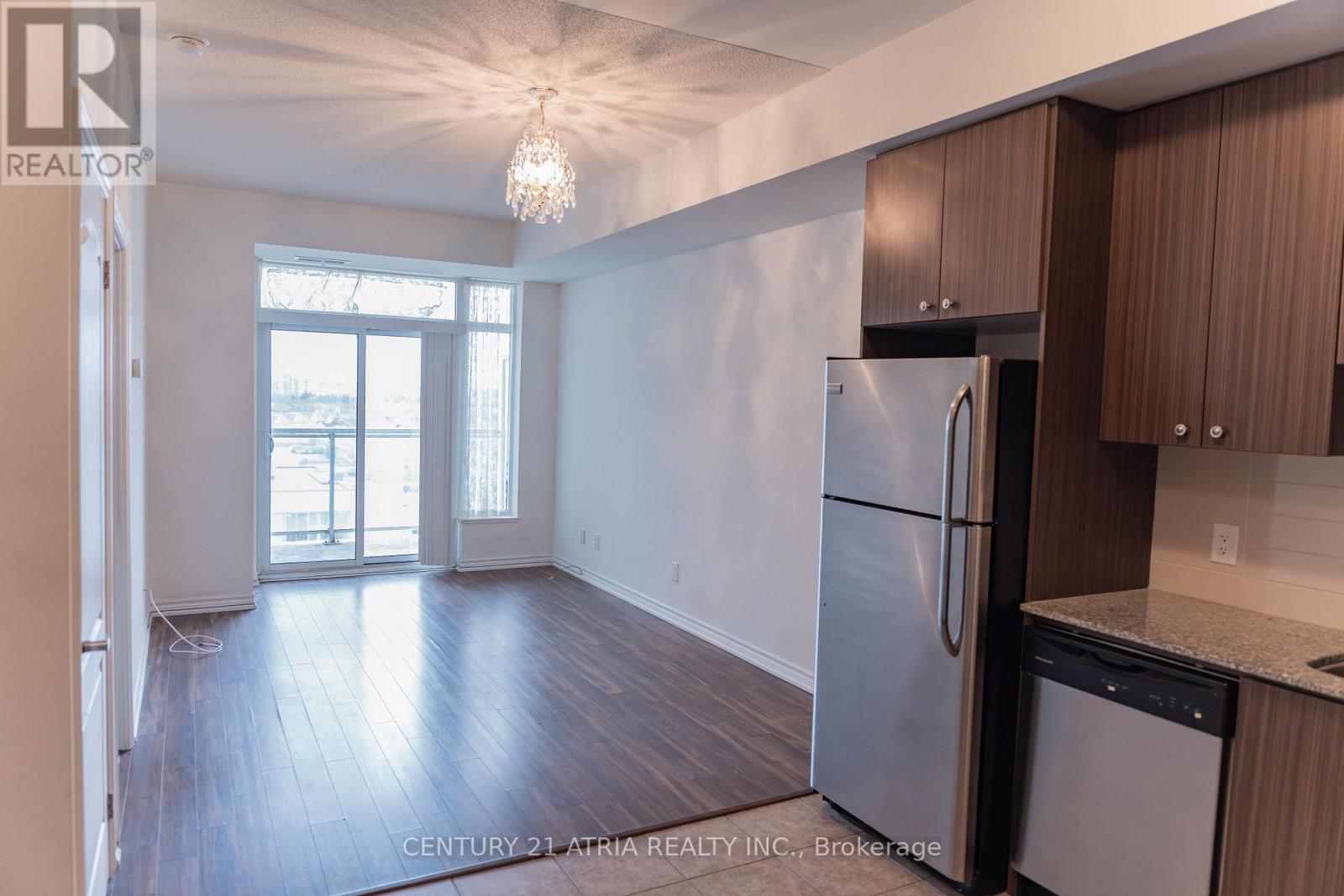 For Sale
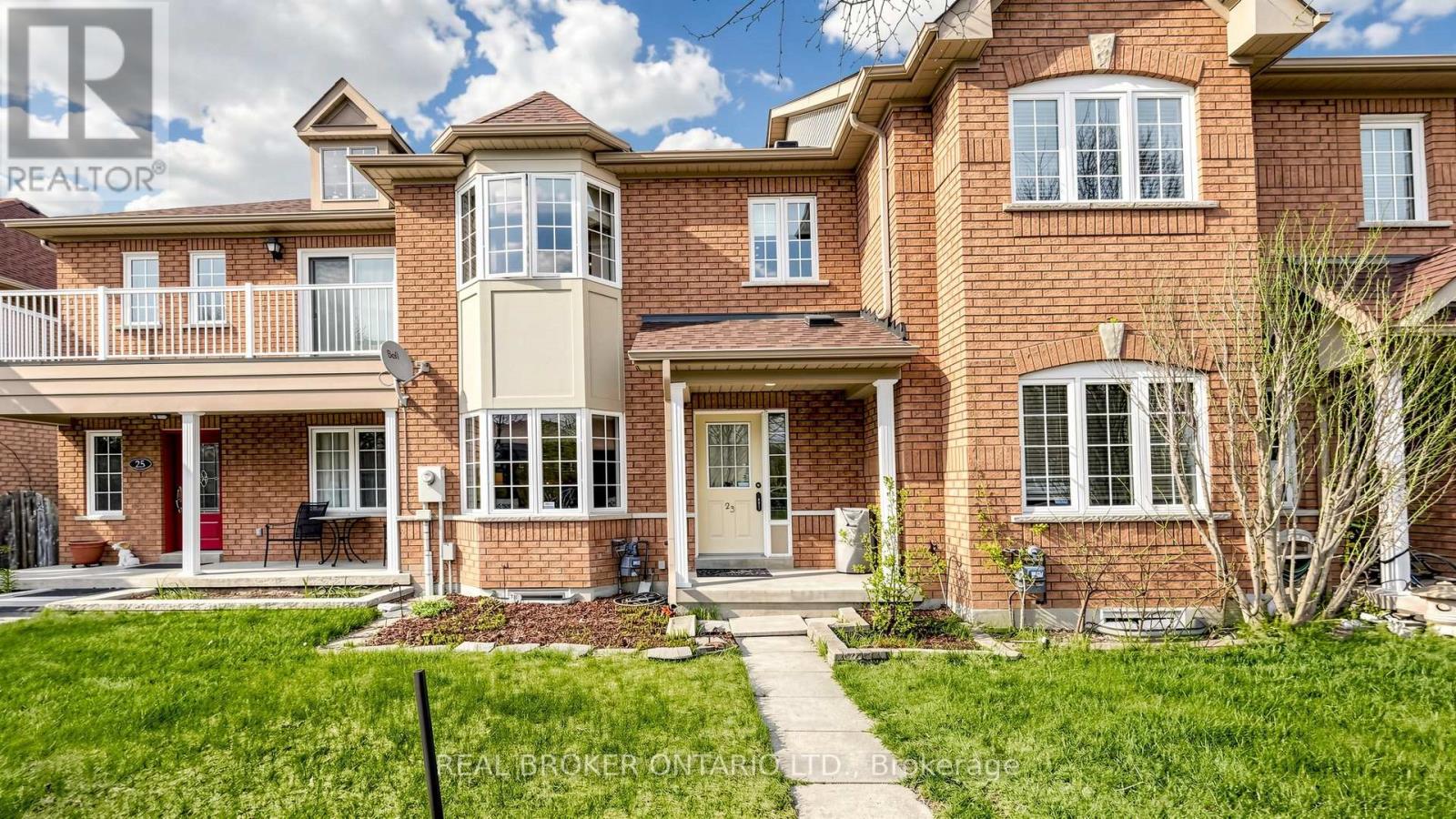 For Sale
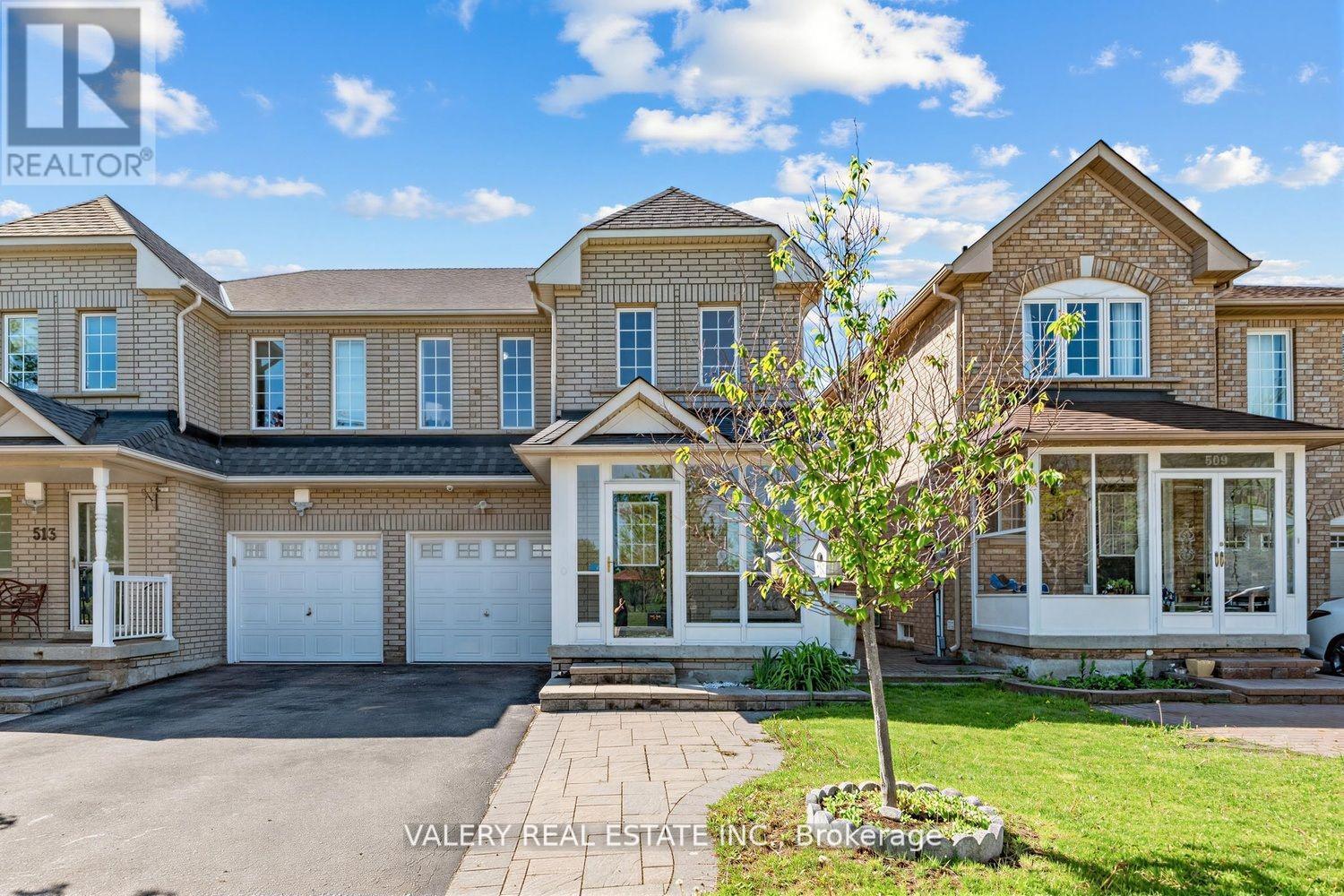 For Sale
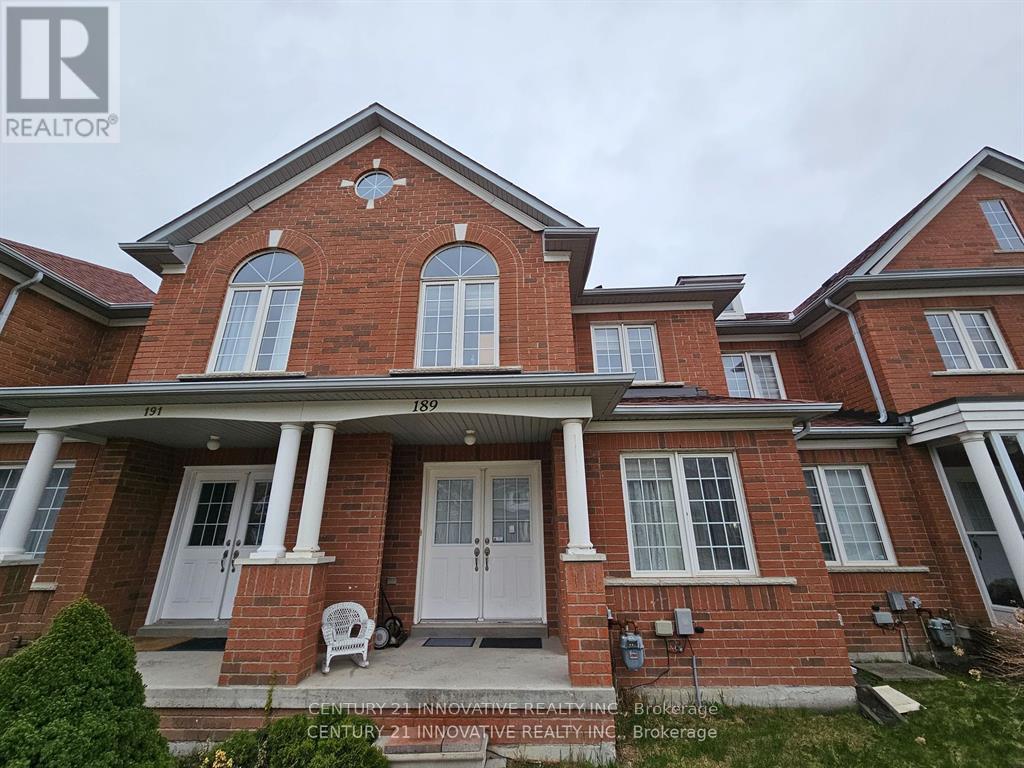 For Rent