
Malton is Mississauga most affordable neighbourhood, with postwar detached homes on large lots averaging $749K, Malton GO station access, and a diverse South Asian community character near Toronto Pearson Airport.
Malton occupies the northeastern corner of Mississauga, bordered by Toronto Pearson International Airport to the south and east, Brampton to the north, and Etobicoke to the east. The neighbourhood is largely self-contained by geography: the airport, industrial land, and highway infrastructure create buffers that separate Malton’s residential streets from the surrounding areas on all sides. This separation gives the community an insular quality that long-term residents describe as a strength and newcomers sometimes find surprising in a city as connected as Mississauga.
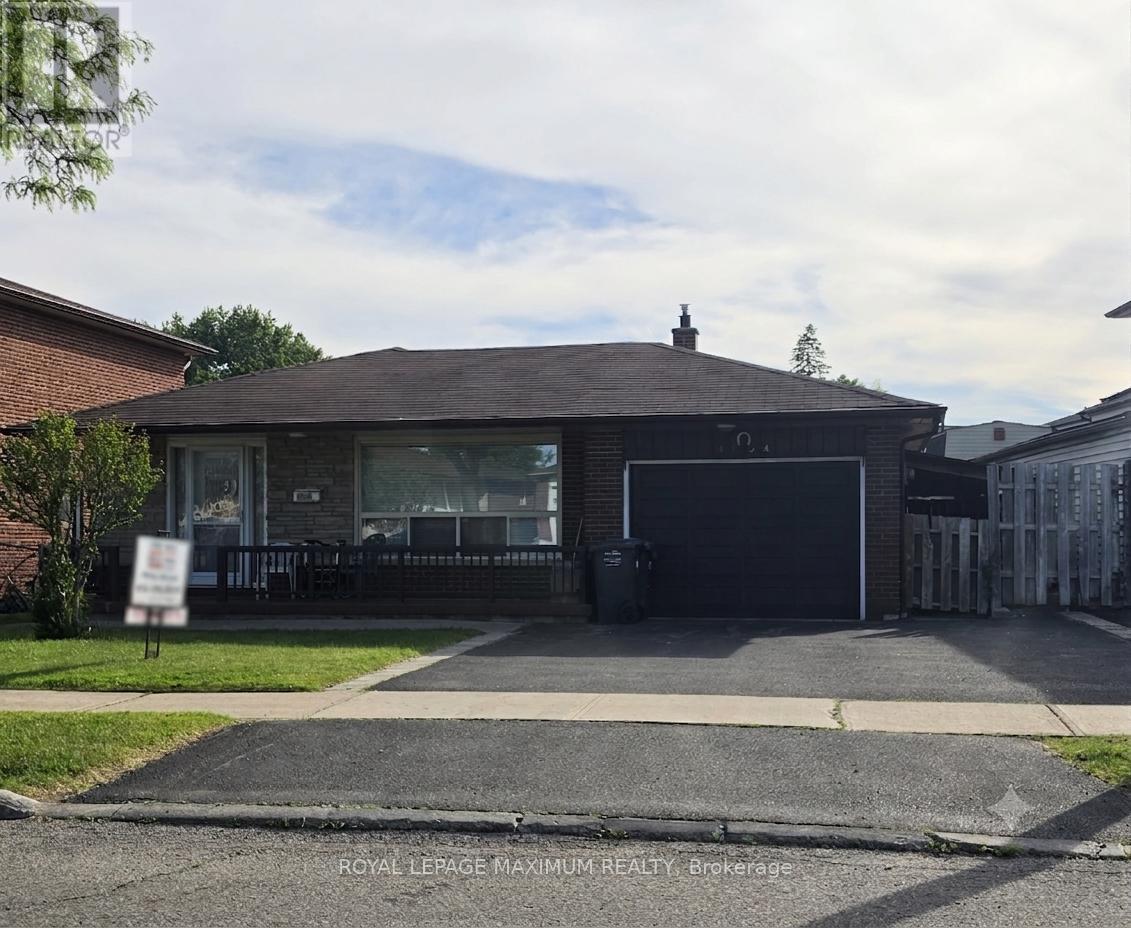
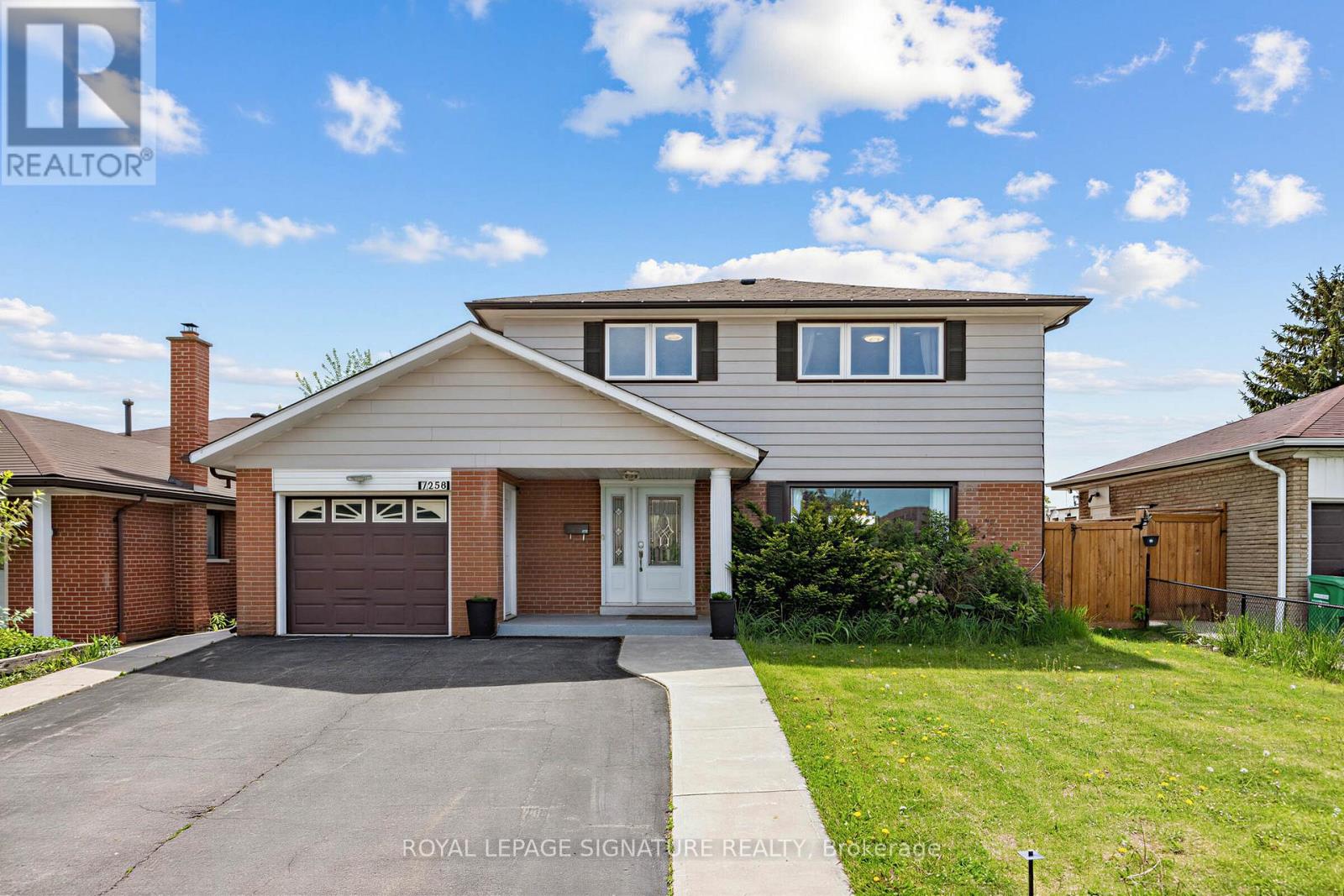
The housing stock in Malton is primarily detached bungalows and two-storey homes built in the 1950s and 1960s, when the area was developed as a residential community for workers in the early aviation and manufacturing industries that grew up around the airport. These original homes sit on generous lots by current standards, with the wide frontages and deep lots that postwar suburban development consistently produced and that newer construction rarely matches. The bones of Malton’s housing stock are strong, and the lots are among the most generous available in Mississauga at this price point.
Average home prices in Malton run approximately $749,000, making it the most affordable residential neighbourhood within Mississauga’s city limits by a significant margin. The 40% discount to the overall Mississauga average reflects the aircraft noise exposure, the mixed residential and industrial character, and the absence of the premium school catchments, waterfront access, or transit corridor premiums that drive pricing in other parts of the city. For buyers who assess Malton on its own terms, the lot quality, the highway access, and the genuine community character present good value for the price.
Malton GO station on the Kitchener line provides direct GO rail access to downtown Toronto from the neighbourhood. The station is one of the most relevant transit assets for a community at Malton’s price point, as it makes downtown Toronto employment genuinely accessible without a car for the regular commuter. This is an advantage that many of Mississauga’s more expensive neighbourhoods cannot match with comparable convenience.
Malton’s housing stock is predominantly detached bungalows and two-storey homes from the 1950s and 1960s, with lot frontages of 40 to 60 feet and depths that often exceed 100 feet. The average home price of $749,000 reflects this stock at its current market position, well below the Mississauga average but representing genuine value for what the lots and structures deliver. Buyers who compare price per square foot in Malton to equivalent older detached stock in other parts of the GTA consistently find Malton undervalued on that metric, which explains the consistent interest from investors and value-seeking owner-occupiers.
The condition of Malton’s housing stock varies widely. Original-condition homes that have not been updated since the 1960s or 1970s are common and require significant renovation investment to bring to contemporary standards. Updated and renovated homes are also available and represent better immediate value for buyers who do not want to manage renovations. The variation in condition is larger than in newer communities, which means that comparing list prices without assessing condition leads to poor purchase decisions in this market.
Semi-detached homes are present in Malton in higher proportions than in the more affluent Mississauga communities, reflecting the original development era when semi-detached construction was common for working-family housing. These typically trade well below the detached average, often in the $600,000 to $750,000 range, and represent an accessible entry point for buyers who want freehold ownership in Mississauga at the most accessible price tier. The condo market in Malton is limited, with the neighbourhood being almost entirely freehold in character.
The lot dimensions in Malton are one of its most underappreciated features. A 50 by 120 foot lot in Malton, carrying a bungalow that might list at $720,000, represents a land-to-price ratio that is exceptional by inner GTA standards. Buyers who are thinking about lot value independently from current structure condition will consistently find Malton lots well-priced relative to their actual development potential.
Malton’s market behaves as the most accessible tier of the Mississauga detached freehold market, with buyer demand driven primarily by price accessibility, lot quality, and airport or industrial sector employment proximity. The market is generally active across economic cycles because the price point brings in buyers who are priced out of all other Mississauga communities, creating a persistent baseline of demand that absorbs available supply with relatively short average days on market of 20 to 35 days for properly priced properties.
The aircraft noise factor is the most important unknown in Malton real estate. Properties under active flight paths can be significantly noisier than those a few blocks away, and the difference is not visible in listing prices without knowledge of the specific flight path patterns. Buyers who purchase without assessing the noise at their specific address at different times of day and under different runway configurations can find their daily experience does not match their expectation. This is the most important due diligence item for any Malton purchase.
Investor activity in Malton is higher than in most Mississauga communities, partly because the price point makes cash flow calculations more favourable and partly because the large lot sizes create potential for eventual redevelopment or income suites. Many Malton homes already have basement apartments that generate rental income, and this practice has accelerated in recent years as housing costs have pushed more households toward shared accommodation models.
The City of Mississauga’s Malton Sustainable Neighbourhood Action Program (SNAP) has been investing in park, streetscape, and community infrastructure improvements in the neighbourhood over the past several years. The SNAP program has added recreational amenities and improved the visual quality of some public spaces. These investments signal the city’s commitment to Malton as a residential community and have a modest positive effect on the neighbourhood’s trajectory over time.
Malton draws buyers who prioritise lot size and price over neighbourhood prestige and who are comfortable with the airport proximity trade-off. This is a specific buyer profile that is self-selecting: people who grew up in similar working-class communities and value the unpretentious character of the neighbourhood, first-time buyers who have been priced out of every other Mississauga community and see Malton as their only realistic entry into freehold ownership in the city, and airport and aviation industry workers who want to minimise their commute to Pearson.
The culturally diverse population of Malton is one of its genuine strengths. The community has a strong South Asian character, with Indian, Pakistani, and Sikh cultural institutions, restaurants, and community organisations that give the neighbourhood a distinct cultural richness uncommon in other parts of Mississauga. This cultural depth is an attraction for buyers from these communities and provides a living environment with genuine community character rather than the anonymous suburban sameness of newer planned communities.
Long-term residents of Malton are deeply attached to the community in a way that is uncommon in Mississauga’s more transient newer suburbs. The neighbourhood has multi-generational families who have lived here for 40 or 50 years and who are active in community institutions, maintenance of properties, and the social networks that make a neighbourhood feel like a community. This long-term social capital is real and observable on the streets of Malton in ways that are harder to find in communities that developed more recently.
Investors and developers who are looking at Malton from a long-term intensification perspective see a neighbourhood with large lots, modest existing structures, and proximity to both Pearson and the 400-series highway network. The development potential is real, though the timeline for any intensification to reach Malton at scale is measured in decades rather than years. Current buyers should not be purchasing primarily on a redevelopment thesis but rather on the current use value of the neighbourhood.
The residential streets in central Malton, running in a grid east of Goreway Drive and south of Derry Road West, carry the core of the neighbourhood’s detached bungalow and two-storey housing stock. Elmwood Drive, Morningstar Drive, Bergamot Avenue, and the crescents and courts off these collectors represent typical Malton residential addresses. The streets are quiet during the day, with the standard activity of a family neighbourhood: children on bikes, people walking, the occasional street hockey game. The aircraft noise intrudes periodically depending on runway configurations, and residents acclimate to it in ways that newcomers initially find surprising.
The streets nearest to the airport boundary in the south and east of the residential area are the most noise-affected. Buyers who are sensitive to aircraft noise should focus their search on the northern and western sections of the residential area, further from the active flight paths. The difference in noise exposure between a property on the southern boundary and one on the northern section of the neighbourhood can be substantial, and this difference is not reflected in a simple price comparison without specific noise data for each address.
Malton has a small commercial district along Airport Road and Derry Road that serves the immediate residential community. This is functional strip mall retail rather than a village commercial area. The neighbourhood’s cultural diversity is reflected in the businesses on these strips, which include South Asian grocery stores, halal meat shops, Punjabi restaurants, and the full range of service businesses serving a culturally diverse working community. These businesses provide genuinely good food and service value at prices that reflect the community’s cost consciousness.
The blocks near Malton GO station have some of the most practical addresses in the neighbourhood for transit-dependent residents. Properties within walking distance of the station are convenient for commuters who use the Kitchener line regularly, and this proximity has a modest premium in the local market that is not always clearly visible in the listing price but shows in the speed at which properties near the station tend to sell.
Malton GO station on the Kitchener line is the neighbourhood’s primary transit connection. The Kitchener line serves Toronto Union Station with stops through Brampton and the western GTA corridor. From Malton, travel times to Union Station run approximately 45 to 60 minutes, with frequency lower than the Lakeshore West line. The service has been the subject of ongoing expansion discussions by Metrolinx, and any improvements to Kitchener line frequency would directly benefit Malton residents. The station is accessible from the residential streets by MiWay bus connections or a short drive with ample parking.
Highway 427, accessible via Airport Road and Derry Road, is the primary highway for Malton. Highway 407 (toll) is accessible to the north via Airport Road. Highway 401 is reachable via 427 south. For residents who work at Pearson Airport or in the airport corporate area, the drive is under 10 minutes from most Malton addresses. For the broader employment corridor from Pearson east to Etobicoke and north to Brampton, the highway network makes Malton a central and practical location.
MiWay bus routes connect Malton to the broader Mississauga transit network. Route 26 along Goreway Drive and related routes provide connections to Bramalea City Centre in Brampton to the north and to the MiWay network southward. Brampton Transit routes also serve parts of the Malton area, reflecting the boundary community position between the two cities. For residents who do not have cars, the combination of GO Transit and MiWay provides basic connectivity to employment destinations across the GTA, though peak journey times are longer than from more centrally located Mississauga communities.
Toronto Pearson Airport is accessible in under 10 minutes from any Malton residential address. For residents who travel frequently for work or who have family internationally, this proximity reduces the practical friction of air travel significantly. This feature of the location is consistently valued by residents who use the airport regularly, and it is one of the practical benefits that the airport noise trade-off buys.
Ray Lawson Park and Malton Community Park are the primary recreational green spaces in the neighbourhood. These parks have benefited from the City of Mississauga SNAP program investments and provide updated playground equipment, sports fields, and community gathering spaces that reflect municipal investment in neighbourhood quality. The parks are well-used and provide the essential recreational infrastructure for families in the surrounding residential streets.
The Mimico Creek corridor runs through the eastern part of the neighbourhood and provides a creek-valley trail connection. The valley is modest in scale but provides a natural green corridor that is unusual in the context of the airport and industrial surroundings. Trail access along the creek provides a walking route away from the main arterials for residents of the eastern neighbourhood.
The absence of major conservation area access is one of Malton’s genuine limitations. The nearest significant natural areas are Heart Lake Conservation Area in Brampton to the north and Boyd Conservation Area in Vaughan, both requiring a 20 to 30 minute drive. Within Mississauga, the larger natural features, the Credit River valley and the Lake Ontario waterfront, are on the opposite side of the city and require a significant trip. Buyers who prioritise natural environment access should account for this limitation honestly when comparing Malton to communities like Erindale or Creditview that have direct trail access to major natural areas.
Community gardens and a small number of informal neighbourhood green spaces have been developed through the SNAP program and through resident initiative. These small-scale green infrastructure additions reflect the community’s engagement with neighbourhood quality and are more visible in Malton than in many higher-income Mississauga communities that have well-funded formal park systems but less grassroots community activation.
The commercial strips along Airport Road and Derry Road West provide Malton’s primary retail and service access. The South Asian grocery stores along these corridors are genuinely outstanding by any standard: Patel Brothers, Indian grocery stores, halal meat shops, and specialty food businesses that would be at home in Brampton or Mississauga’s most diverse commercial districts. For households that shop for South Asian cuisine ingredients regularly, Malton’s proximity to these stores is a practical benefit that residents describe as one of the neighbourhood’s genuine strengths.
Bramalea City Centre, just north of the Malton boundary in Brampton, is the most accessible large-format mall for Malton residents. The mall provides department stores, electronics retail, a food court, and the range of chain retail that a regional shopping centre offers. Many Malton residents use Bramalea as their primary mall destination rather than making the longer drive to Square One. The drive to Bramalea City Centre is typically under 10 minutes from central Malton addresses.
The restaurant options on the commercial strips reflect the community’s cultural character. Punjabi restaurants serving full-service sit-down meals at affordable prices, Indo-Pakistani fast food, halal burgers, and Caribbean food options are all represented. This is an area where eating well and affordably is easier than in the polished restaurant districts of Port Credit or Streetsville, and residents who value this kind of genuine ethnic food diversity consistently mention it as one of Malton’s best features.
For major retail needs beyond what the local strips and Bramalea provide, residents have access to Heartland Town Centre in approximately 20 minutes east. Square One is accessible in approximately 25 to 30 minutes via Highway 427 and Highway 403. These longer drives mean that major household purchases require more planning than they do for central Mississauga residents, which is a known trade-off of the northern location at the airport edge.
Malton is served by the Peel District School Board (PDSB) and the Dufferin-Peel Catholic District School Board (DPCDSB). Secondary students in Malton typically attend Father Michael Goetz Secondary School or Cardinal Leger Catholic Secondary School. Father Michael Goetz on Morning Star Drive is the primary public secondary school for the Malton catchment. The school serves the diverse Malton community and has strong ESL programs reflecting the community’s high proportion of recent immigrant families.
Elementary schools in Malton include several PDSB and DPCDSB schools serving the residential streets. The schools in Malton tend to rank in the lower tier of Peel District schools by Fraser Institute metrics, which reflects the socioeconomic profile of the community more than it reflects actual teacher quality or school administration. The schools work hard with a challenging student population that includes a high proportion of newcomer families and ESL learners, and the programs designed to support this population are a strength of the Malton school offering that the Fraser Institute ranking does not capture.
The French Immersion program is available in the broader Mississauga catchment, and Malton families who are interested in French Immersion can access it through the PDSB system. The availability of this program within the catchment is a benefit for families who want bilingual education within a neighbourhood that is not typically associated with the premium school offerings of the western Mississauga communities.
Buyers who are choosing Malton primarily for affordability and are less focused on school catchment rankings will find the schools functional for basic education needs. Families for whom school catchment rankings are the primary driver of neighbourhood selection will find consistently stronger options in Churchill Meadows, Erin Mills, Lisgar, and other western Mississauga communities. The school picture in Malton is one of the honest trade-offs of the neighbourhood’s price point.
The City of Mississauga’s Malton Sustainable Neighbourhood Action Program (SNAP) is the primary active development story for the neighbourhood. The SNAP program focuses on community-level improvements in park infrastructure, community facilities, energy efficiency of housing, and neighbourhood social programming. Several phases of the program have already delivered improved parks, community meeting spaces, and greening initiatives. The SNAP approach is designed to invest in neighbourhood quality rather than transform land use, so the physical character of the neighbourhood is improving gradually rather than changing dramatically.
Airport expansion and operations at Pearson are an ongoing context for all Malton development. The Greater Toronto Airport Authority (GTAA) manages Pearson and its operations affect the surrounding land use through noise zoning, height restrictions, and the general character of the area around the airport perimeter. Any significant expansion of airport operations at Pearson would affect the noise environment in Malton, and any reduction in operations would correspondingly benefit the neighbourhood. The airport’s trajectory as a major international hub suggests that noise levels are more likely to increase than decrease over the long term, which is a realistic assessment buyers should factor into their long-term holding expectations.
Long-term residential intensification potential in Malton is constrained by the airport noise zoning, which limits the types of residential development permitted in the affected zones. Multi-storey residential buildings are permitted at some locations, but the noise mitigation requirements add construction costs that make dense development less economically straightforward than in communities away from the airport. This constraint keeps the neighbourhood at its current density rather than driving the rapid intensification that GO station adjacent communities elsewhere are experiencing.
The broad arc of urbanisation across the GTA is slowly improving the surrounding context for Malton. The Brampton communities to the north have been growing in population and improving in commercial amenity, which increases the accessible retail and service quality available to Malton residents without driving up Malton property prices. This regional amenity improvement is a genuine if modest long-term positive for the neighbourhood.
Q: Why are Malton homes so much cheaper than the rest of Mississauga?
A: The price discount in Malton reflects three specific factors: aircraft noise from Toronto Pearson Airport, which creates a livability trade-off that buyers pay less to accept; the absence of the premium school catchments, waterfront access, and transit corridor premiums that drive pricing in other Mississauga neighbourhoods; and the historical association with working-class industrial employment that has shaped the neighbourhood’s demographic and market position. The discount is real and reflects genuine trade-offs rather than an overlooked value opportunity. Buyers who assess those trade-offs and decide they are acceptable will find genuinely good value: large lots, solid postwar construction, GO station access, and Pearson proximity at prices that are unachievable in any other Mississauga neighbourhood. Buyers who are choosing Malton purely because it is cheap and have not honestly assessed the aircraft noise will often find the experience different from their expectation.
Q: How severe is the aircraft noise in Malton and does it affect the whole neighbourhood equally?
A: Aircraft noise in Malton varies significantly by specific address and by Pearson’s active runway configuration, which changes with wind direction. The most noise-affected addresses are those in the southern and eastern parts of the neighbourhood, closest to the airport perimeter and under the most active approach and departure paths. The northern and western residential streets, furthest from the main flight paths, experience lower but still present noise levels. The noise is not constant, it comes in waves of activity as aircraft arrive and depart throughout the day. Night operations are regulated but not eliminated. Anyone considering a Malton property should spend time at the specific address on a weekday, ideally during a busy flight period in the morning or afternoon, to form an accurate impression of what the noise environment is actually like rather than accepting a description. The difference between a noise-affected and a less-affected address can be the difference between an acceptable and an unacceptable daily experience, and this is not determinable from a listing.
Q: Is Malton safe and what is the community character like for families?
A: Malton has a complex safety reputation that is not fully consistent with the current ground-level experience of the neighbourhood. Like many working-class urban communities with high proportions of newcomer families and some concentrated poverty, Malton has had historically higher rates of some types of crime than the Mississauga average. The City SNAP program and sustained community investment have been making measured improvements. The residential streets, away from the commercial corridors and the areas near the airport boundary, are genuine family neighbourhoods where children play outside, neighbours know each other, and the community character is one of South Asian and Caribbean family life rather than the risks associated with the neighbourhood’s historical reputation. Families who tour the specific streets they are considering, rather than relying on general perceptions, consistently report that the residential areas are quieter and more functional than the reputation suggests. That said, buyers should tour the specific area at different times of day and make their own honest assessment.
Q: What is Malton GO station and how good is the transit connection to downtown Toronto?
A: Malton GO station is on the Kitchener line, which runs from downtown Toronto through Brampton and Guelph toward Kitchener. Travel times from Malton to Union Station run approximately 45 to 60 minutes, longer than the Lakeshore West options available from south Mississauga but comparable to many outer Toronto subway commutes. Service frequency is lower than the Lakeshore West lines, with peak trains running every 30 to 60 minutes rather than the 15 to 20 minute peak frequency on Lakeshore West. For a neighbourhood at $749,000 average, having a GO station at all is unusual and represents a genuine benefit over comparable-priced communities in Brampton or outer Etobicoke that do not have rail access. The Metrolinx GO expansion plans include service improvements to the Kitchener line over the coming years, which would further benefit Malton GO commuters.
Malton is a market where the gap between a well-made and a poorly-made purchase decision is larger than in most Mississauga communities. The noise variation between addresses, the condition variation in the older housing stock, and the concentration of investor-held properties requiring more due diligence on rental history and condition all create a higher risk of purchasing a property that does not deliver the expected experience. A buyer’s agent with specific Malton knowledge can navigate these issues effectively; one who works the neighbourhood generically will miss them.
The aircraft noise assessment is the first due diligence item a buyer’s agent should complete for any Malton property. This means actually going to the property during a busy flight period and making an assessment of the noise level at that specific address, not relying on distance from the airport boundary as a proxy. Two properties on the same street can have different noise profiles depending on how the approach or departure paths run over them. This level of specific attention is not standard practice, and buyers working without a Malton-specific agent often skip it.
The condition assessment for Malton’s 1950s and 1960s housing stock requires looking at specific systems: electrical panels, knob-and-tube or aluminum wiring in some older properties, older clay sanitary pipes that may need lining or replacement, and foundation issues that are common in properties of this era built on certain soil conditions in this part of Mississauga. A home inspector who has worked extensively on Malton-era housing will find issues that a less experienced inspector may miss, and the identification of these issues before purchase allows buyers to either negotiate adjustments or make an informed decision about the actual cost of ownership.
For investors who are purchasing Malton properties for income, the local rental market knowledge is specific. Rental rates, tenant demand, and vacancy patterns in Malton are distinct from the broader Mississauga rental market, and the demographic specificity of the tenant pool in this neighbourhood requires understanding that is only available from an agent who regularly works rental transactions in the area. A buyer’s agent who can connect investor buyers with this specific market knowledge provides better guidance than one who applies general Mississauga rental market assumptions to a neighbourhood that operates differently.
Street-level knowledge is hard to find online. Our team works in Malton every day. They know which pockets hold value, where the school catchment lines actually fall, and what the market is doing right now. Talk to us before you make a decision about Malton.
Talk to a local agent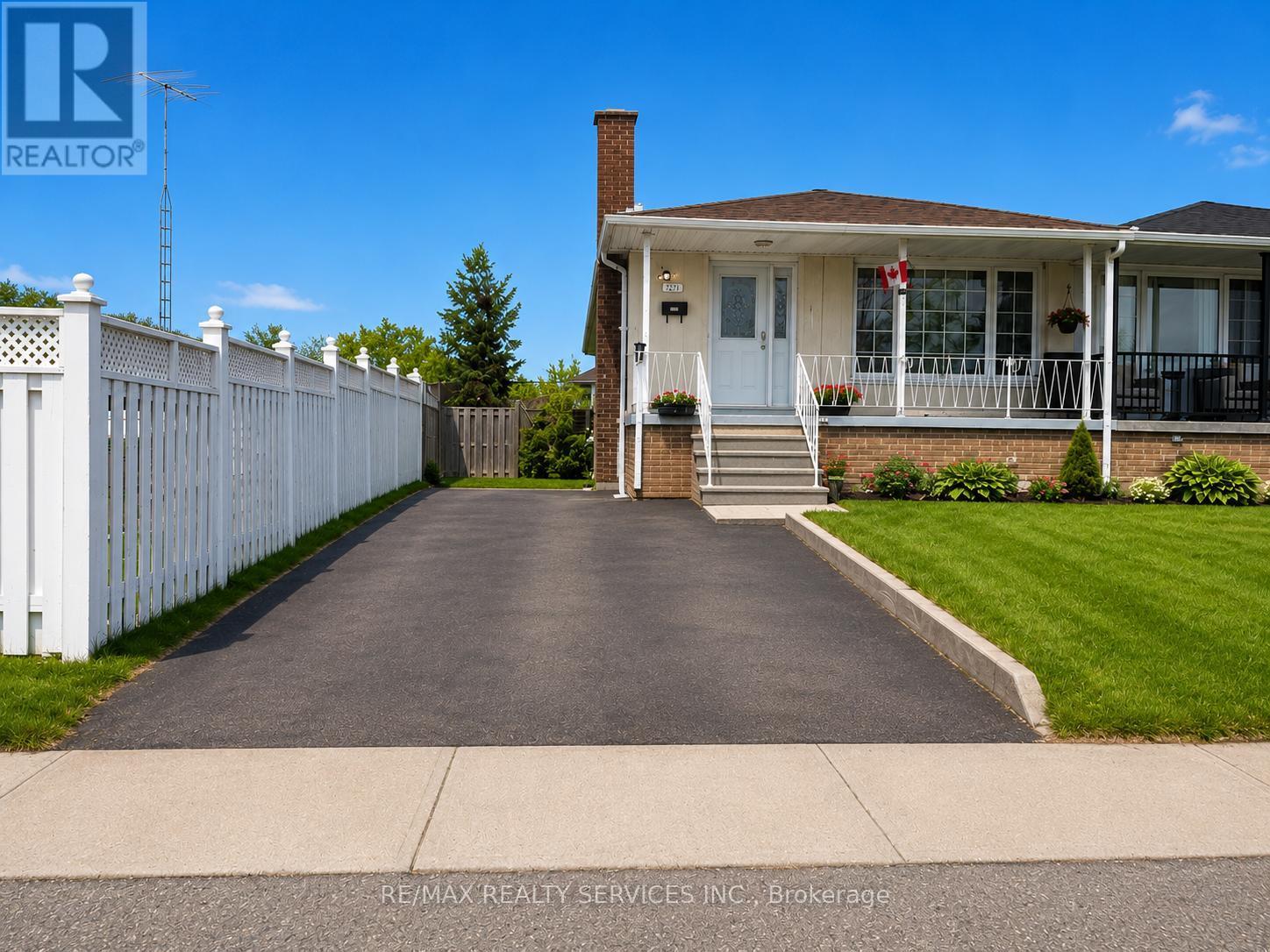 For Rent
 For Sale
 For Sale
 For Rent