
Meadowvale is a master-planned community in northwest Mississauga, built between 1970 and 1990 around the Meadowvale Conservation Area. It offers townhomes, semis, and detached homes at mid-range Mississauga prices, with Meadowvale GO station on the Milton line and quick access to Highways 401 and 407.
Meadowvale sits in the northwest corner of Mississauga, built largely between 1970 and 1990 as one of the city’s original master-planned communities. The planners got a few things right: they preserved a significant natural corridor around the Meadowvale Conservation Area, laid out the residential streets to curve around ravines and ponds, and kept the commercial strips at the edges so the neighbourhoods themselves feel genuinely residential. Four decades later, that structure still holds.
The community is loosely bounded by Highway 401 to the south, Erin Mills Parkway to the east, Britannia Road to the north, and Highway 10 to the west. Within that frame you’ll find a mix of townhomes, semi-detached houses, and detached homes on modest lots, punctuated by school grounds, local parks, and the conservation area itself. It’s not glamorous, but it works well as a place to actually live.
What draws buyers here now is a combination of relatively accessible pricing by Mississauga standards, good highway access (401 and 407 both within reach), the Meadowvale GO station on the Milton line, and proximity to Heartland Town Centre for everyday shopping. Families make up the majority of buyers, and the neighbourhood’s demographics reflect that: the streets are quiet on weekday mornings and busy after school.
The conservation area is the neighbourhood’s real asset. Walking trails, a reservoir, and natural woodlands sit within a few minutes of most addresses. For buyers who want outdoor space without driving to find it, Meadowvale delivers that in a way that most suburban communities don’t. It’s the kind of feature that looks better the longer you live there.
Meadowvale’s pricing sits in a mid-range position for Mississauga: more affordable than Erin Mills or the lakeshore communities, but not a bargain market either. Townhomes, which make up a large share of the housing stock, typically traded in the $700,000 to $850,000 range through 2024 and into 2025. Semi-detached homes generally came in between $850,000 and $1,050,000 depending on size, condition, and proximity to the conservation area.
Detached homes are where the spread widens. A smaller 1970s back-split on a standard lot would sell in the $950,000 to $1,150,000 range, while larger two-storey detached homes in better condition pushed toward $1,200,000 to $1,400,000. Renovated properties or those backing onto the conservation area commanded premiums at the higher end of those ranges or occasionally above them.
Condominiums are a smaller part of the mix here compared to central Mississauga, but a few low-rise and mid-rise buildings exist in the community. These were trading in the $500,000 to $650,000 range for standard one and two-bedroom units, making them one of the more accessible entry points in the area.
The neighbourhood saw relatively stable transaction volumes in 2024 after the correction years of 2022-2023. Sellers who priced realistically were finding buyers within reasonable timeframes. Buyers who waited through the rate-hike cycle found that Meadowvale had held its value better than some higher-priced areas, which speaks to the fundamentals of the location: good transit access, solid schools, and real green space within walking distance.
Meadowvale behaves like a typical mid-Mississauga family neighbourhood: steady rather than speculative, with consistent demand from buyers who are upgrading from condos or moving from more expensive communities further east. It’s not a neighbourhood where bidding wars run ten offers deep, but well-presented homes priced correctly don’t sit long either.
The market here responds clearly to condition and presentation. A 1970s back-split that’s been properly updated — new kitchen, finished basement, fresh paint, clean exterior — will move quickly and attract multiple offers. The same house left unrenovated will sit for weeks and sell at a meaningful discount. Buyers are practical here; they’re buying a family home and they factor in renovation costs carefully.
Seasonality follows the GTA pattern: spring (March to May) brings the busiest activity and generally the strongest prices, fall (September to November) is the second peak, and winter slows considerably. The conservation area backing does influence values noticeably. Properties that back onto or are adjacent to the Meadowvale Conservation Area or its trail system carry a consistent premium of roughly 5 to 10 percent over comparable properties without that exposure.
The Milton GO line is a meaningful price driver in this area. Streets within a 10-minute walk of Meadowvale GO station carry a premium over comparable streets further from the station, which reflects the commuter profile of many buyers here. Days on market for well-priced properties averaged in the two-to-three-week range through much of 2024, which is reasonable for a market adjusting to higher carrying costs.
Families with children make up the largest segment of Meadowvale buyers, and for straightforward reasons: the neighbourhood has enough school-age kids to sustain a strong community feel, the parks and conservation area give children actual outdoor space to use, and the housing types match what growing families need. Three-bedroom townhomes and four-bedroom detached homes are both well-represented in the supply, which means buyers can find something appropriate at most stages of family growth.
First-time buyers who’ve outgrown condo living are another significant group, particularly those drawn to Meadowvale’s townhome supply. The jump from a Mississauga City Centre condo to a Meadowvale townhouse often makes financial sense: more space, a small yard, parking, and better school options, at a price that remains within reach for households that saved through several years of renting or condo ownership.
Commuters who work in the 401 corridor or along the Milton GO line find Meadowvale practical. The station is genuinely walkable from a good portion of the neighbourhood, and the highway access means driving-based commutes to Brampton, Toronto’s west end, or along the 407 technology corridor are manageable. Several tech and logistics employers are within a short drive in either direction along the 401.
Buyers relocating from other Canadian cities, particularly those arriving for employment in the northwest Mississauga business parks or along the 401, are drawn to Meadowvale for its established feel and relative value. The neighbourhood doesn’t have the cutting-edge appeal of newer communities, but it has mature trees, functioning infrastructure, and a sense of permanence that brand-new subdivisions take decades to develop.
Meadowvale’s street network was designed to minimize through traffic, with curving local roads that loop back on themselves and collector roads feeding the main arterials at specific points. This makes the neighbourhood genuinely quiet on residential streets, but it also means that navigating it as a newcomer takes some learning. Most residents know two or three routes and stick to them.
The streets immediately adjacent to the Meadowvale Conservation Area are the most sought-after addresses. Homes on or near Old Derry Road, Thomas Street, and the conservation area’s eastern edge offer the combination of trail access and green outlooks that define the neighbourhood’s most desirable pocket. Properties here back onto naturalized land, and the difference in feel compared to a standard residential street is noticeable as soon as you walk out the back door.
The Meadowvale Village boundary sits to the west and represents a distinct upgrade in lot size and house character. Meadowvale proper transitions gradually at that edge, and the streets closest to the village boundary tend to have slightly larger lots and older, more individualized homes than the streetscapes further east.
The area around the Meadowvale GO station, roughly centred on Britannia Road West near the Milton tracks, is convenient for commuters but the streets there are less residential in character, with more commercial activity along the main roads. Buyers who prioritize the station above all else will accept that trade-off; buyers who want the quietest streets should look a few blocks south and east toward the conservation corridors, even at the cost of a longer walk to the platform.
Meadowvale GO station sits on the Milton line and gives commuters a direct, reliable connection to Union Station in downtown Toronto. Peak-hour trains run regularly, with the trip to Union taking approximately 45 to 55 minutes depending on the service pattern. For buyers whose employment is downtown or along the rail corridor, the station is a genuine asset and one of the primary reasons the neighbourhood competes with communities further from the city.
MiWay, Mississauga’s bus network, serves Meadowvale through several routes along Derry Road West, Britannia Road, and Erin Mills Parkway. The network is functional for getting to transit hubs, Heartland Town Centre, and nearby employment areas, but it’s not a system most residents use for complex multi-leg commutes. Like most of Mississauga outside the Hurontario corridor, Meadowvale is designed around car ownership.
Highway access is one of the neighbourhood’s clearest advantages. Highway 401 is accessible at several points to the south, and the interchanges at Erin Mills Parkway and Mississauga Road are both close enough to make highway driving fast. Highway 407 Express Toll Route runs to the north, and the interchange at Erin Mills Parkway provides another option for eastbound or westbound driving that bypasses the 401 at peak hours. Buyers who drive for work find this combination genuinely useful.
For cycling, the Meadowvale Conservation Area trail system connects through the neighbourhood and links to the City of Mississauga’s broader cycling network. The trails are better suited for recreation than for utility cycling to employment destinations, but they allow car-free movement within the neighbourhood and into adjacent green corridors. Active transportation infrastructure continues to improve in Mississauga generally, and Meadowvale benefits from incremental additions to the network.
The Meadowvale Conservation Area is the neighbourhood’s defining green space and the feature that separates it from comparable suburban communities in Mississauga. The conservation area covers a substantial area of naturalized land, including the Meadowvale Reservoir, forested corridors, and wetland habitats managed by Credit Valley Conservation. Trails wind through the area and connect to adjacent green spaces, making it possible to walk or run for significant distances without leaving natural surroundings.
The reservoir itself is a visual asset for the neighbourhood even for residents who don’t use the trails regularly. The sight lines across open water visible from nearby streets and homes give the community a feeling of spaciousness that purely residential streetscapes don’t produce. Properties that frame this view carry that premium for a reason; buyers who see it in person understand immediately why those listings attract more interest.
Beyond the conservation area, the neighbourhood has a reasonable network of local parks distributed through the residential blocks. These are standard community parks with playgrounds, open grass areas, and in some cases tennis or basketball courts. They’re not destination parks, but they’re within walking distance for most residents and well-used during the warmer months. The density of smaller parks reflects the original planning intent of making recreational space accessible from every part of the community.
Meadowvale Community Park near the recreation complex offers more programmed outdoor space, with sports fields and facilities adjacent to the indoor arena and pool. For families with kids in organized sports, the proximity of outdoor fields to the rec centre makes logistics significantly easier. This cluster of recreational infrastructure near the community’s commercial node is one of the practical advantages the original planners built in and that has aged well.
Heartland Town Centre, one of the largest power centre retail destinations in Canada, sits just east of Meadowvale and provides essentially every retail category a household needs within a short drive. IKEA, Canadian Tire, HomeSense, Winners, Best Buy, multiple grocery options, and dozens of other retailers are concentrated there. For buyers who do their major household shopping at big-box stores, Heartland’s proximity is a genuine convenience that saves driving time compared to communities without equivalent access.
Within Meadowvale itself, the commercial nodes along Derry Road West and at the Meadowvale Town Centre provide everyday essentials: a grocery store, pharmacy, restaurants, and service businesses. These local nodes are functional rather than charming; Meadowvale’s commercial areas were designed around the car, and they look it. Buyers who want walkable neighbourhood retail with independent shops and cafe culture should look at Port Credit or Streetsville. Meadowvale’s commercial offer is suburban in character and serves its purpose efficiently.
The Meadowvale Community Centre is an important local amenity, providing arena ice time, an indoor swimming pool, fitness facilities, and programming for children and adults. It’s a well-used facility that reflects the demographic reality of the neighbourhood: active families who need structured programming options through the winter months. Enrollment in programs fills quickly each season, which is the most reliable indicator that the facility genuinely matters to residents.
Dining options in and around Meadowvale lean heavily toward chains and plazas rather than independent restaurants, though the density of options along Derry Road and at Heartland means variety is available within a short drive. For a proper restaurant meal or independent food scene, residents typically head to Port Credit, Streetsville, or Mississauga City Centre. Meadowvale feeds people well enough on a practical basis; it doesn’t pretend to be a culinary destination.
Meadowvale falls under the Peel District School Board (PDSB) for English public schools and the Dufferin-Peel Catholic District School Board (DPCDSB) for Catholic schools. The neighbourhood has multiple schools within it, which reflects the density of families that the original community planning anticipated and that the area still delivers.
Public elementary schools serving the area include Meadowvale Public School and several others distributed through the residential blocks. Meadowvale Secondary School provides the public high school option within the community, offering a full academic and applied curriculum with extracurricular programming including sports teams and the arts. The school has served the community for decades and is a well-known address for families moving into the area.
On the Catholic side, DPCDSB operates elementary and secondary school options accessible to families within the catchment. Our Lady of Mercy Catholic Secondary School has served northwest Mississauga students for many years and draws from Meadowvale and several adjacent communities. Families with a preference for Catholic education will find accessible options without having to cross significant distances.
For post-secondary proximity, Sheridan College’s Hazel McCallion Campus in Mississauga City Centre is reachable by transit or car, and the Davis Campus in Brampton is accessible via Brampton Transit connections. The University of Toronto Mississauga campus is about 15 to 20 minutes by car. Buyers with post-secondary-aged children or who work in education find these connections useful, though Meadowvale’s primary school-related draw is the quality and density of its K-12 options relative to its price point.
Meadowvale is largely built out as a residential community, which means the development story here is more about intensification and infill than about new greenfield construction. The land available for development in northwest Mississauga is limited, and Meadowvale proper has fewer large vacant parcels than communities further west near the city boundary. What development does occur tends to happen at the edges and along commercial corridors rather than within the established residential fabric.
The Hurontario LRT project, while centred on the Hurontario corridor to the east, represents the broader Mississauga transit investment story that affects how northwest communities like Meadowvale position themselves. The LRT’s operational timeline and any future BRT extensions along corridors like Derry Road will influence how connected Meadowvale feels to the rest of the city’s rapid transit network over the next decade. Buyers making long-term decisions should watch this carefully.
Heartland Town Centre continues to evolve, with conversations about adding residential density to what is currently a purely commercial power centre. If that intensification proceeds, it would add population to the immediate area and potentially increase demand for housing in Meadowvale, while also changing the character of the commercial corridor to the east. These discussions are at early stages, but the trend toward mixed-use redevelopment of large suburban retail sites is consistent across the GTA.
Within the neighbourhood itself, the gradual renovation of the 1970s and 1980s housing stock continues. Homes that have been extensively updated sell at significant premiums over unimproved properties, and buyers who purchase unrenovated houses and improve them have generally found the investment justified by resale values. The conservation area protection limits any significant density changes in the most desirable parts of the neighbourhood, which is a feature rather than a limitation for most buyers.
Q: How walkable is Meadowvale for daily errands?
A: Meadowvale is car-dependent for most daily errands by the standards of urban walkability scores, but that framing misses what the neighbourhood actually offers on foot. Within the community itself, the trail network through the conservation area makes car-free recreation genuinely accessible, and the local commercial nodes on Derry Road West are reachable on foot from many addresses. For grocery shopping, pharmacy runs, and most household errands, residents drive. The neighbourhood was designed around the car in the 1970s and that hasn’t changed. Buyers who want to walk to coffee shops, independent restaurants, or a lively main street should look at Port Credit or Streetsville instead. Meadowvale rewards buyers who value natural walking trails over commercial walkability.
Q: Is Meadowvale GO station practical for a daily commute to downtown Toronto?
A: For buyers whose offices are near Union Station or anywhere along the GO corridor, Meadowvale GO is a genuine commuting asset. The Milton line runs peak-direction service to Union Station in roughly 45 to 55 minutes, with trains departing at regular intervals during rush hour. The station has commuter parking, making it accessible for residents who aren’t within walking distance. Off-peak service exists but runs less frequently, so buyers who need schedule flexibility for irregular hours should confirm the timetable matches their actual pattern. The station adds measurable value to nearby addresses; properties within a 10-minute walk consistently command a premium over comparable homes further from the platform.
Q: What’s the typical lot and house size in Meadowvale?
A: Most detached homes in Meadowvale sit on lots in the 30-by-100-foot to 40-by-110-foot range, with occasional larger lots in the pockets closer to the Meadowvale Village boundary or along conservation area edges. The housing stock is predominantly back-splits, side-splits, and two-storey homes built between 1970 and 1990, with interior square footage typically in the 1,400 to 2,200 square foot range for detached homes. Townhomes run narrower, usually on 20-to-25-foot frontages with two or three storeys of living space totalling 1,200 to 1,600 square feet. Most homes have attached or detached garages. Buyers looking for large lots with significant yard space will find it in specific pockets but should not assume it across the whole neighbourhood.
Q: How does Meadowvale compare to Erin Mills for families?
A: Meadowvale and Erin Mills are both planned communities in northwest Mississauga with good schools and family demographics, but they differ in character and price. Erin Mills was developed slightly later and has a higher proportion of larger detached homes on wider lots, with a correspondingly higher price point: detached homes in Erin Mills typically start $100,000 to $200,000 higher than comparable properties in Meadowvale. Meadowvale’s conservation area is its strongest natural asset and arguably more significant than anything Erin Mills can offer in terms of green space. Erin Mills has the Erin Mills Town Centre for walkable retail. For families prioritising outdoor space and conservation area access over retail walkability, Meadowvale wins on both value and nature access. For families who want a newer housing stock and larger lots, Erin Mills is the more natural fit.
Buying in Meadowvale rewards buyers who know which streets to target and which pockets to avoid. The neighbourhood is large enough that a 10-minute walk separates very different street experiences: a conservation area-backing lot with mature trees and trail access from a standard residential street with nothing particular to recommend it. A buyer’s agent who knows northwest Mississauga will have a view on which specific streets represent the best value for your priorities.
The resale market here rewards buyers who understand the renovation premium correctly. Some sellers price unrenovated 1970s homes as if they’ve already been updated, which puts buyers in the position of paying for improvements they’ll still have to fund themselves. An agent with current transaction data will help you calibrate when an asking price reflects real value and when it’s trading on neighbourhood fundamentals alone. That distinction matters at the offer stage.
The GO station proximity premium is real but often overpriced in listing strategy. Sellers near Meadowvale GO know their audience and price accordingly. A buyer’s agent can assess whether a specific listing’s station premium is justified by the actual walking route quality, which is not always obvious from a map. Some streets that appear close to the station involve crossing arterials or awkward pedestrian infrastructure that adds meaningful time to the actual walk.
For buyers comparing Meadowvale to adjacent communities like Meadowvale Village or Erin Mills, a buyer’s agent should be running current comparative data rather than relying on general impressions. The boundary between Meadowvale and Meadowvale Village is not always obvious, and a few streets sit in transitional zones where pricing doesn’t clearly reflect which community the listing belongs to. Getting that analysis right before making an offer is exactly what the representation is for.
Street-level knowledge is hard to find online. Our team works in Meadowvale every day. They know which pockets hold value, where the school catchment lines actually fall, and what the market is doing right now. Talk to us before you make a decision about Meadowvale.
Talk to a local agent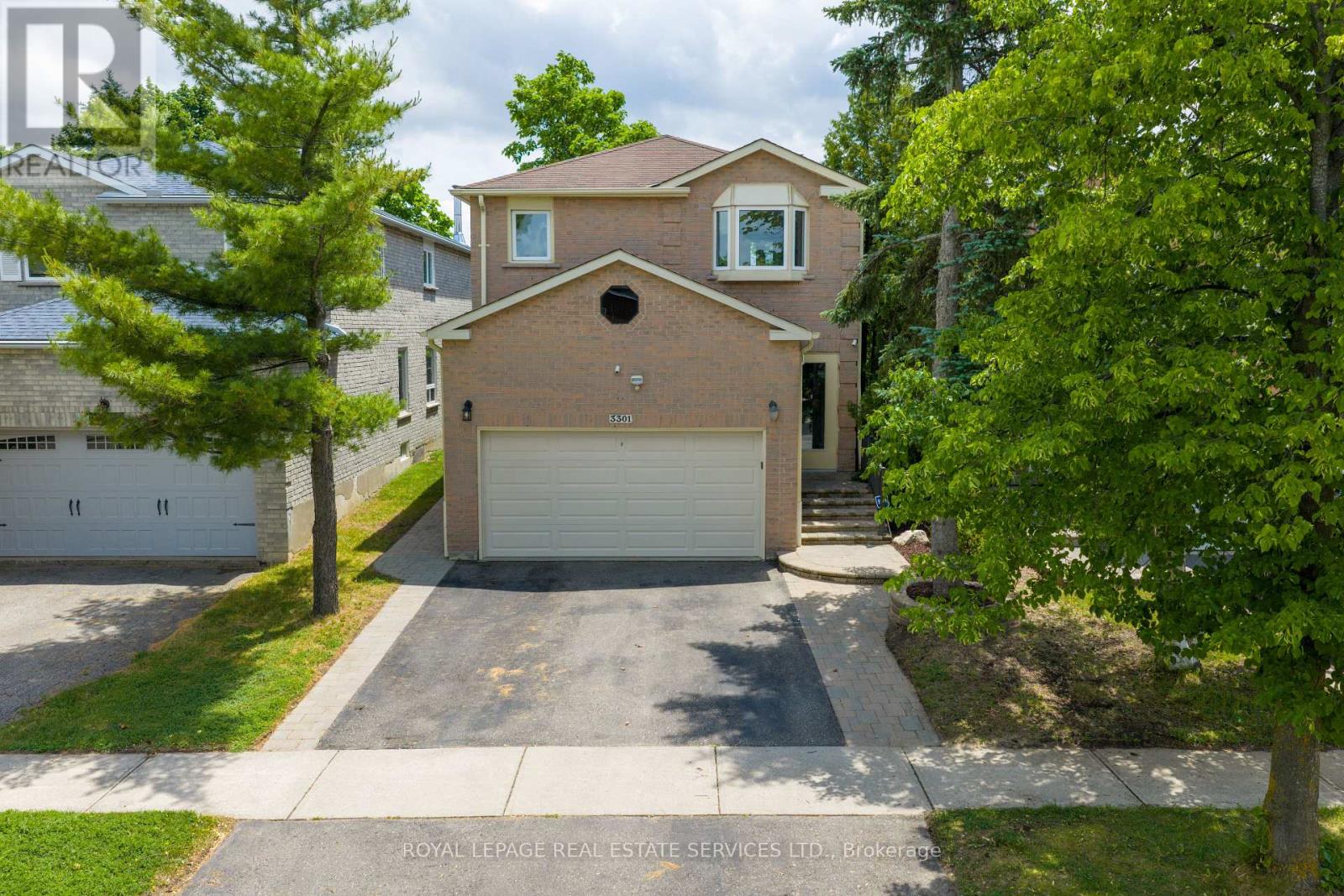 For Sale
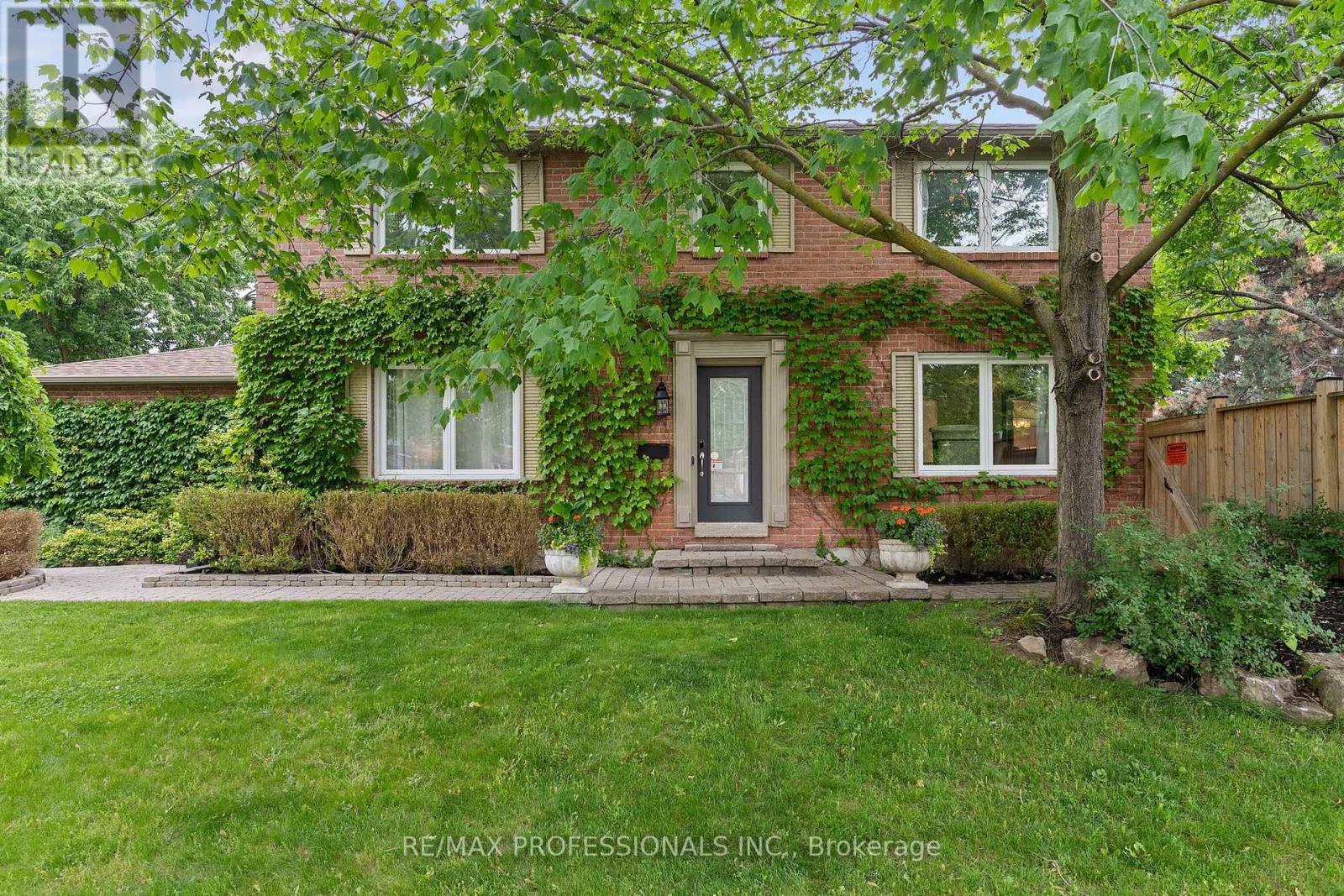 For Sale
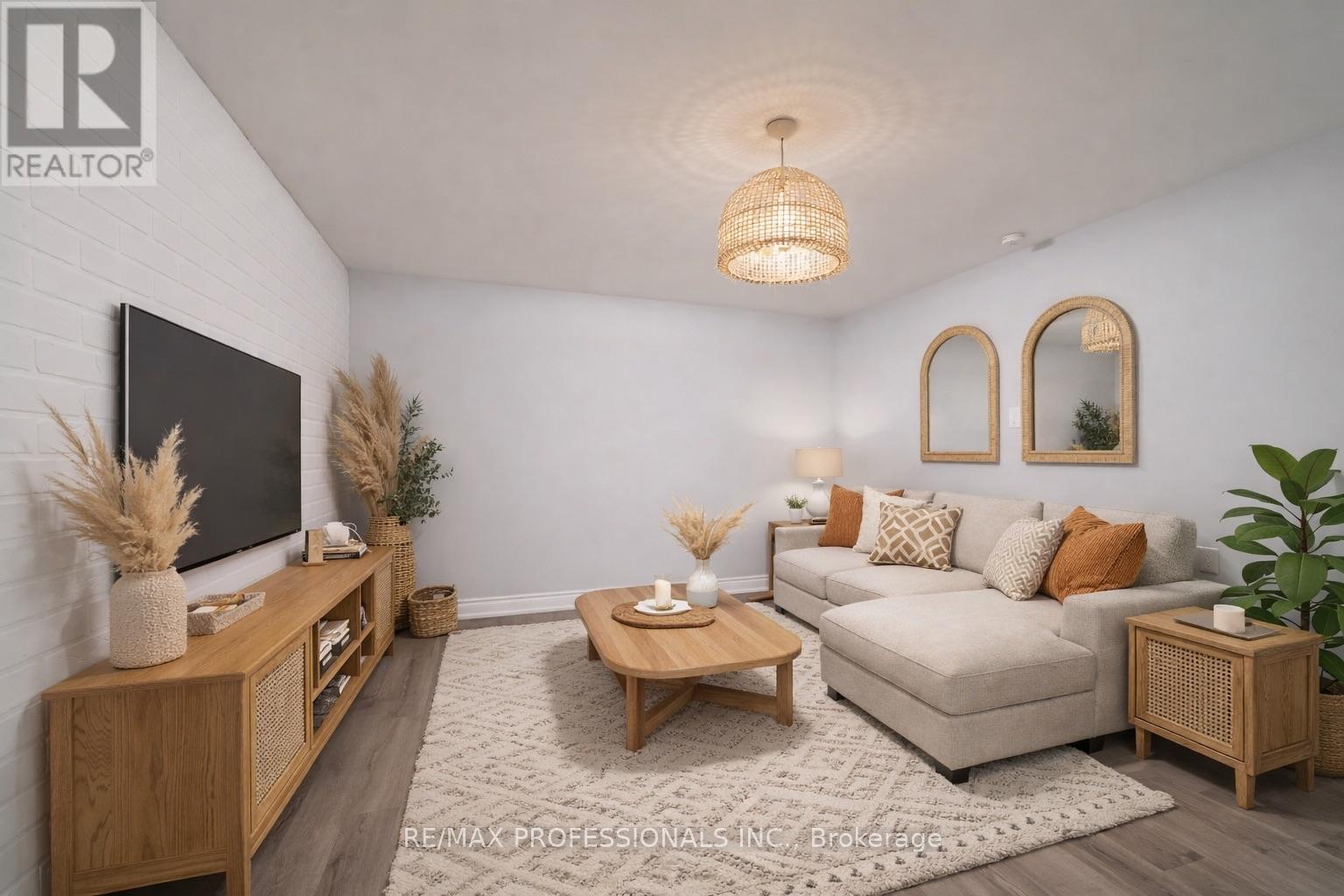 For Rent
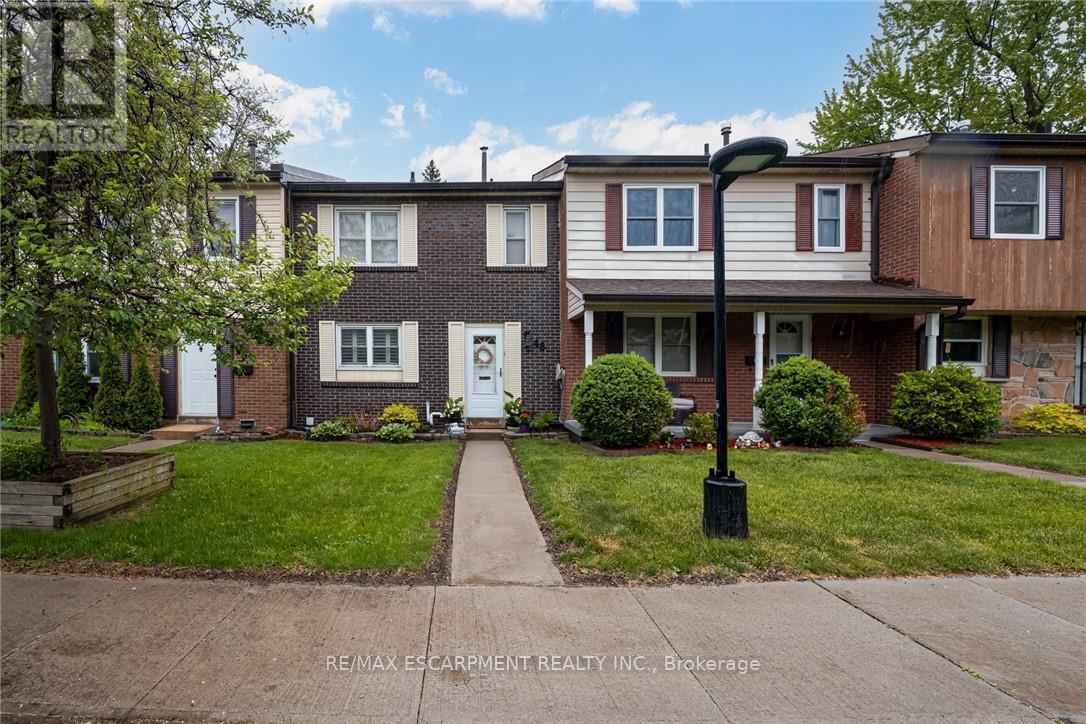 For Sale