
Farewell is a south Oshawa neighbourhood near the Lake Ontario waterfront, with older housing stock and direct access to the lakeshore trail. It sits close to Oshawa GO Station and the 401.
Farewell is one of Oshawa’s smaller, older residential pockets, sitting at the southern edge of the city between Harmony Road to the west and the Second Marsh to the east, with the waterfront to the south and Olive Avenue roughly marking the northern extent. It’s a compact neighbourhood that shares a border and a character with Eastdale but has its own distinct identity, shaped largely by its position between two major natural areas: the Second Marsh and Lake Ontario. Most visitors to the area don’t distinguish between Farewell and Eastdale; residents often do.
The housing is predominantly post-war: bungalows and small two-storeys from the 1950s through the 1970s, built on modest lots for the workers who staffed the nearby industrial sites and the General Motors complex further west. The density is low by urban standards, the lots are reasonable, and the streets are quiet. What Farewell lacks in commercial amenity, it makes up for in access to the shoreline and marsh. Farewell Street, which gives the neighbourhood its name, runs north-south through the area and provides direct access to the Second Marsh Wildlife Area at its southern end.
The name derives from the Farewell family, early settlers who held land in this part of Oshawa in the 19th century. The street and the neighbourhood carry the family name. It’s a genuinely historical piece of Oshawa’s settlement geography, though most current residents know the neighbourhood for its waterfront access rather than its etymology.
Farewell’s market is narrow by Oshawa standards. The neighbourhood has a small inventory of detached bungalows and split-levels, most dating from the 1950s and 1960s. Lot sizes run 45 to 55 feet, with typical depths of 110 to 120 feet. The houses are modest: 900 to 1,200 square feet above grade is the common range, with finished basements adding usable space where the work has been done. These are practical homes on practical lots at practical prices.
In early 2026, bungalows in Farewell are priced similarly to their Eastdale counterparts — the neighbourhoods trade at comparable levels because the housing type and buyer profile overlap significantly. Well-maintained bungalows with reasonable mechanicals and an updated kitchen sit in the $550,000 to $680,000 range. Properties needing substantive work are lower. The limited supply in Farewell means that when a property does come to market, the buyer pool is smaller than in the larger adjacent neighbourhoods, which can result in slightly longer days on market but is not a structural problem.
There is no condo or townhouse stock in Farewell. It’s an entirely freehold bungalow neighbourhood. Buyers seeking the detached home format at entry-level prices in south Oshawa will encounter it here, but the inventory at any given time is thin. Patience is part of the strategy for a buyer targeting this specific area.
Farewell’s market is small enough that generalising about it requires some care. In a given year, the number of freehold transactions in the neighbourhood proper is modest: maybe a dozen to two dozen sales depending on how the year goes. That limited supply means individual sales can look like market swings when they’re actually just the variance of a small sample. The neighbourhood trades close to the south Oshawa bungalow average and is best understood as part of that larger market rather than as a distinct price tier.
The buyer profile is similar to Eastdale: first-time buyers, investors, and downsizers. The waterfront proximity adds a modest premium for properties on the streets closest to the lake and the marsh access. Buyers specifically targeting lake access or the Second Marsh will find Farewell worth evaluating alongside the Lakeview Park streets in Eastdale. The trail access from Farewell Street is the neighbourhood’s main selling point for this buyer.
Market timing in Farewell follows the broader Durham Region pattern: spring is strongest, fall has activity, summer and winter are slower. Properties that are priced correctly for the current market tend to sell within three to four weeks in the active seasons. The market is not competitive enough to regularly generate multiple offers, which means buyers have the opportunity to include conditions and conduct proper due diligence, something worth doing on a 60-year-old bungalow.
Buyers who choose Farewell specifically are usually doing so for one of two reasons: they want the Second Marsh or lake access that the neighbourhood’s position provides, or they’ve been watching south Oshawa listings for a while and a Farewell property came up at the right price. It’s not a neighbourhood many buyers seek out by name before they start their search. It tends to reveal itself as an option once a buyer understands the south Oshawa bungalow market and starts looking at what’s available at any given time.
The nature-access buyer is a real and consistent presence. People who walk the Second Marsh trail, kayak on the marsh, or value the Lake Ontario shoreline within walking distance make deliberate choices to be in this part of the city. For this buyer, Farewell is the closest residential address to the marsh wildlife area and that proximity has genuine value. They’ll trade commercial amenity for the natural access and consider it an improvement in quality of life rather than a compromise.
The investor-landlord buyer is also present. The bungalow format lends itself to basement rental suites, the proximity to Ontario Tech University and Durham College creates a rental demand base, and the price points are accessible for a smaller investor. Properties bought with a suite in place or a clear path to adding one are common in this tier of the south Oshawa market.
Farewell Street is the neighbourhood’s main north-south spine and terminates at the Second Marsh Wildlife Area at the south end. Properties on or near Farewell Street have the most direct trail access and the address that identifies most clearly with the neighbourhood name. The street is residential in character along its length, with no commercial development. The transition from residential lots to conservation land happens quickly at the southern end, which gives the nearby streets a genuine edge-of-the-city feel that most of Oshawa doesn’t have.
Harmony Road to the west carries the commercial strip that serves the neighbourhood. The standard Durham Region arterial retail: grocery, pharmacy, fast food, and the practical services that residents need without going further afield. It’s not a destination, but it works. The neighbourhood itself has no internal commercial uses. The residential streets are quiet in a way that’s unusual for a neighbourhood this close to a major road.
The streets closer to the Lakeview Park boundary to the west overlap with what some listings classify as Eastdale. The boundary between the two neighbourhoods is somewhat fluid at the street level. Buyers should evaluate specific properties rather than relying on neighbourhood classification alone, since a property that’s nominally Eastdale may be as close to the marsh as a Farewell address, and vice versa.
Transit access in Farewell relies on the Durham Region Transit routes on Harmony Road and Bloor Street East. From these routes, buses connect to Oshawa GO station on the Lakeshore East line, though the connection involves transfers that extend the total commute time substantially. Residents who commute by GO train typically drive to Oshawa GO station rather than trying to connect by bus. The parking at Oshawa GO is free and readily available, which makes the drive-and-ride approach practical.
Highway 401 access is via Harmony Road or Thickson Road, both within a short drive. The 401 is the primary highway corridor for east-west movement through Durham Region. Highway 407 is accessible further north and is the better choice for destinations along the 407 corridor through Markham and beyond. The neighbourhood’s southern position in Oshawa means that most highway access requires driving north before going anywhere.
Cycling and walking are realistic options for recreation and short trips. The Second Marsh trail and Lakeview Park trail provide off-road cycling and walking routes along the waterfront. For utilitarian trips to grocery stores and services on Harmony Road, cycling is practical on the quieter residential streets. Harmony Road itself has no protected cycling infrastructure. The neighbourhood’s daily transportation reality is car-dependent for most residents.
Second Marsh Wildlife Area is the primary natural asset accessible from Farewell. The marsh is managed by the Central Lake Ontario Conservation Authority and the City of Oshawa and contains wetland habitat, open water, and upland areas that support a significant diversity of wildlife. The trail entrance accessible from Farewell Street gives the neighbourhood its most distinctive recreational resource. The marsh trails are unpaved and natural in character, which is a feature rather than a deficiency for buyers who choose the neighbourhood for this reason.
Lakeview Park, technically in the Eastdale neighbourhood to the west, is a short walk from most of Farewell’s streets. The park fronts on Lake Ontario with a beach area, picnic spaces, and the waterfront trail. The combined access to both Lakeview Park and Second Marsh from Farewell’s central streets gives residents a recreational range that’s unusual for an Oshawa address. Neither amenity requires a car to reach from the core of the neighbourhood.
The Lake Ontario shoreline itself, while not always directly accessible, creates a southern horizon of open water that residents value for its aesthetic effect and the moderating influence it has on summer temperatures. Lake effect cooling is real and noticeable in the south Oshawa shoreline area during summer heat events. It’s not a trivial quality-of-life consideration for buyers choosing between addresses in the north and south of the city.
Farewell has no internal commercial uses. The neighbourhood’s retail needs are served by the Harmony Road East corridor immediately to the west, which carries a full range of chain grocery, pharmacy, and fast-food options. The Walmart Supercentre at Bloor and Harmony is the closest major grocery destination and covers most household shopping needs. A shorter drive north on Harmony reaches additional retail options including home improvement stores and the broader commercial strip that runs toward Highway 2.
Oshawa Centre mall at King Street West is the major regional retail destination, approximately 15 to 20 minutes by car. It has full department store anchors, a food court, and the brand retail that the strip malls don’t carry. Downtown Oshawa, slightly closer at 10 to 15 minutes, provides city services, government offices, and a growing restaurant and café scene that has improved over the past several years.
For day-to-day practical needs, Farewell residents are adequately served by the nearby commercial strips without particularly long drives. The neighbourhood scores poorly on walkability to retail by standard measures, but residents who’ve chosen it for the waterfront and marsh access tend to weight those priorities differently than standard urban walkability metrics suggest. The trade-off is a deliberate one for most buyers here.
Schools serving Farewell follow the same catchment structure as adjacent Eastdale. Eastdale Collegiate and Vocational Institute on Harmony Road North is the catchment DDSB secondary school for most addresses in this area. Elementary school catchments should be confirmed at any specific address using the DDSB school locator at ddsb.ca. The DDSB boundary reviews associated with the new north Oshawa secondary school opening in September 2026 have affected catchment boundaries across the city, so current-day verification is more important than in previous years.
Durham Catholic District School Board (DCDSB) schools serve Catholic families through parallel catchments in the same area. Separate elementary and secondary schools are within driving distance of the neighbourhood. French Immersion programming is available through the DDSB at designated schools; catchment boundaries for French Immersion programs are different from regular English track boundaries and should be confirmed separately if this is a priority.
The proximity to Ontario Tech University and Durham College campuses in north Oshawa is relevant to buyers with post-secondary students in the household or to investors seeking student rental income. The campuses are a 15 to 20 minute drive or a bus connection from the southern Oshawa neighbourhoods. Student rental demand in south Oshawa bungalows is a small but real factor in the investment property market.
Farewell is a stable neighbourhood in the sense that its physical character has not changed dramatically over the past several decades and is unlikely to change dramatically over the next several. The Second Marsh’s protected status and the waterfront’s public ownership secure the southern boundary. The bungalow stock is mature and the lots are not large enough to drive teardown redevelopment. Change comes through renovation and updating rather than replacement or intensification.
The risk for buyers is not the neighbourhood’s character but the condition of individual properties. Houses this age need mechanicals replaced, windows updated, and sometimes structural attention. The purchase price in south Oshawa is low enough that the cost of proper renovation is recoverable in the resale value, but buyers who don’t budget for the work and discover it after closing can find themselves in a position they hadn’t planned for. Home inspection before offer is the standard approach; waiving it on a 60-year-old bungalow at any price is a mistake.
The broader Oshawa economy’s evolution from automotive manufacturing toward post-secondary, health care, and knowledge employment has diversified the buyer base for south Oshawa bungalows over the past decade. The neighbourhood is less dependent on GM employment cycles than it once was, which is a stability improvement even as individual property conditions remain variable.
Q: What are home prices like in Farewell in 2026?
A: Farewell is a small, all-bungalow neighbourhood in south Oshawa where detached homes on 45 to 55 foot lots typically trade between $540,000 and $680,000 in early 2026. The range depends primarily on condition: a bungalow that’s been updated with a renovated kitchen, new windows, and a finished basement sits near the top; one that needs full mechanical updating and cosmetic work will be at or below the bottom. Properties with direct access to the Second Marsh trail or closest to Lakeview Park attract a small premium over the interior streets. Supply is limited at any given time since the neighbourhood is small, so buyers should set up alerts and be ready to move when a suitable property appears. These prices reflect the softer 2026 Durham Region market, not the 2021-2022 peak conditions.
Q: Is the Second Marsh really accessible on foot from Farewell?
A: Yes. The trail entrance to the Second Marsh Wildlife Area is accessible from the southern end of Farewell Street. From most addresses in the neighbourhood’s core, the walk to the trail entrance is 10 to 15 minutes. The marsh trails are natural-surface paths managed by the Central Lake Ontario Conservation Authority and are open year-round. They are not paved and can be wet in shoulder seasons. The wildlife observation value is highest during spring and fall migration. The marsh is one of the genuine ecological assets of south Oshawa and residents near it use it regularly for walking and birdwatching.
Q: How does Farewell compare to Eastdale for a buyer?
A: The two neighbourhoods are adjacent and similar in housing type, price, and character. The practical distinctions are minor: Farewell is slightly smaller and has more direct trail access to the Second Marsh; Eastdale has more housing inventory at any given time and its Lakeview Park streets offer the most prominent waterfront access in south Oshawa. A buyer who is open to either neighbourhood will often end up buying whichever of the two has the right property available when they’re ready. If waterfront position is the priority, compare specific properties along the Lakeview Park boundary. If marsh trail access is the priority, Farewell’s southern streets are the closest residential address to that trail.
Q: Are there good investment properties in Farewell?
A: Farewell bungalows have the characteristics that make south Oshawa attractive for smaller residential investors: affordable purchase prices, a basement suite that can be added or is already in place, and consistent rental demand from Durham College and Ontario Tech University students as well as the general rental market. In early 2026, a bungalow with a legal basement suite can achieve combined rents that support reasonable cash flow at these purchase prices, though the numbers should be run carefully for any specific property. A unit without a suite that needs one added requires permit compliance and construction cost that affects the return. Properties already configured with a legal suite are worth a premium for investor buyers precisely because the work is done.
The Farewell name in Oshawa connects to the Farewell family, one of the early settler families who held land in the area in the 19th century. Abner Farewell, a prominent early figure in Oshawa’s development, was involved in the town’s early commercial life and the family’s name became attached to the street and subsequently to the neighbourhood that grew up around it. Oshawa itself was incorporated as a town in 1879 and as a city in 1924, and the neighbourhoods near the lakefront were among the earliest residential areas within the city’s boundaries.
The residential development of what is now Farewell accelerated through the mid-20th century as Oshawa’s industrial base, centred on General Motors and related manufacturing, drove population growth and housing demand. Workers in the east end plants needed housing close to their workplaces, and the bungalow streets of south Oshawa — including what became Farewell — were the supply response to that demand. The construction quality was typical of the era: solid masonry and frame construction, modest in size and amenity by current standards, but built to last.
The Second Marsh’s protection was largely a product of the conservation authority movement of the mid-20th century. The Central Lake Ontario Conservation Authority, established in 1946, acquired and protected wetland areas along the Lake Ontario shoreline that would otherwise have been subject to the same residential development pressures as the surrounding land. The decision to protect the marsh rather than develop it established the character of Farewell’s eastern boundary permanently. What reads today as an unusual ecological asset within a residential neighbourhood was, at the time, a decision to resist development pressure that must have seemed economically significant.
Street-level knowledge is hard to find online. Our team works in Farewell every day. They know which pockets hold value, where the school catchment lines actually fall, and what the market is doing right now. Talk to us before you make a decision about Farewell.
Talk to a local agent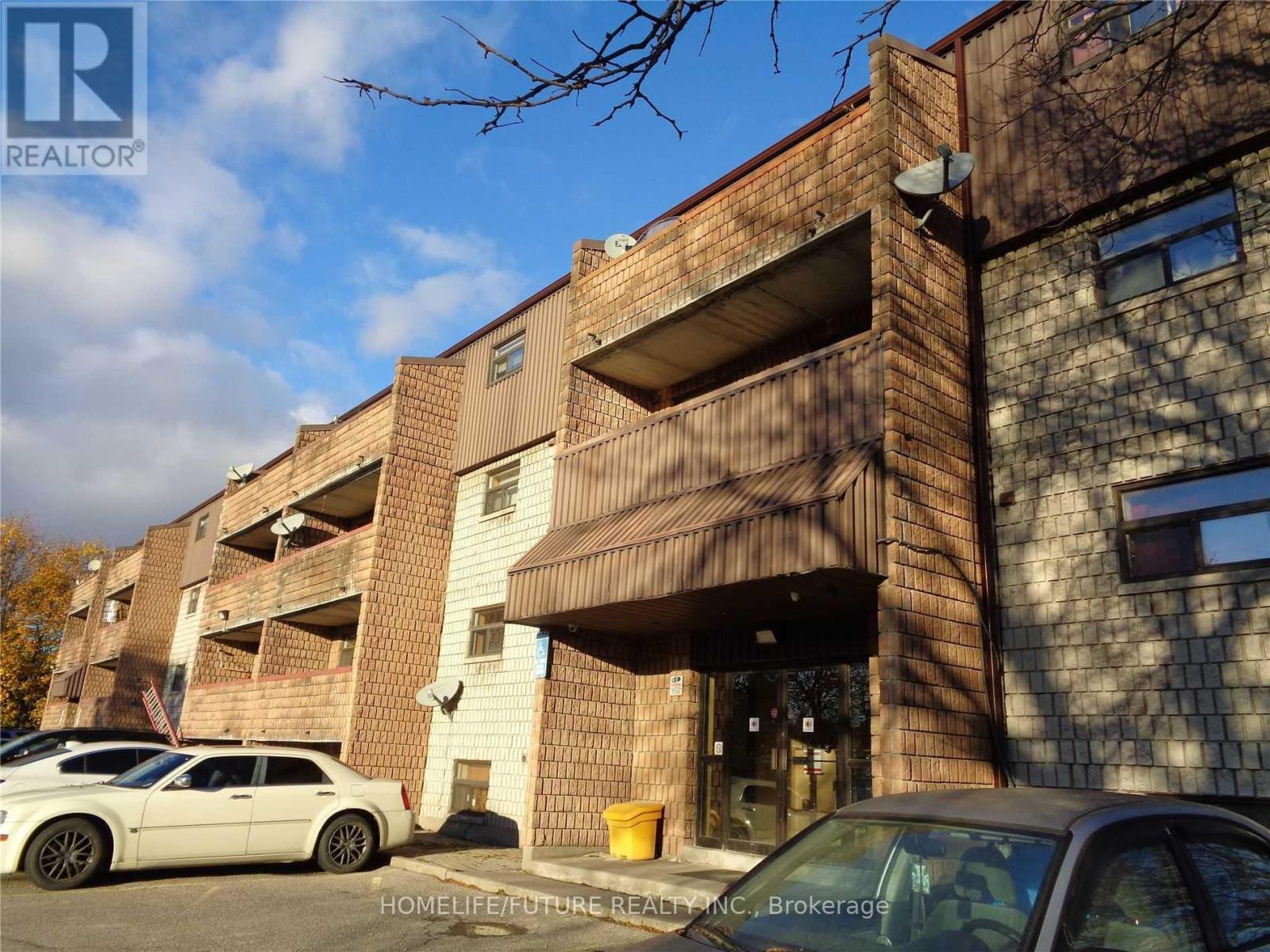 For Rent
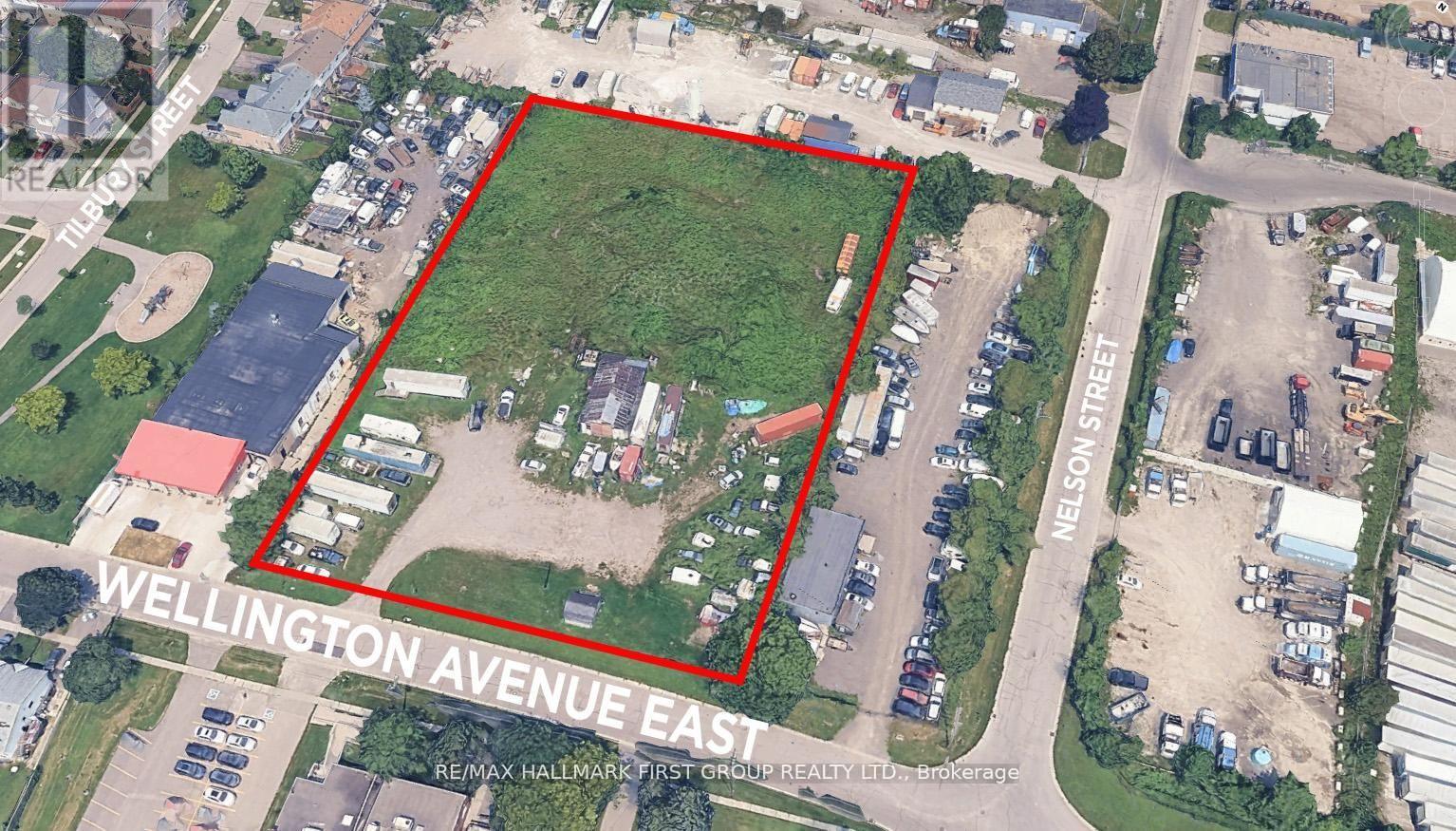 For Sale
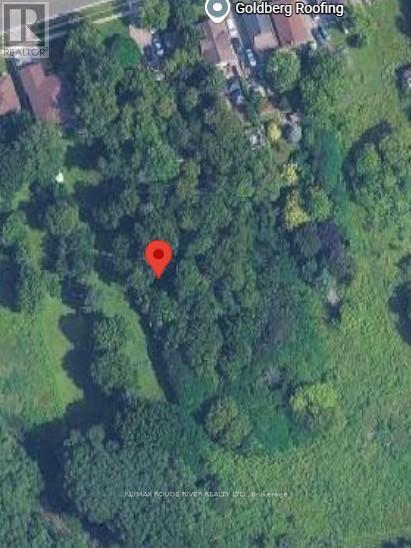 For Sale