
Raglan is a small hamlet in northeast Oshawa with rural character, estate properties on large lots, and agricultural land. Average listing prices are substantially higher than urban Oshawa, reflecting the estate and rural setting.
Raglan is a rural hamlet within Oshawa’s northern boundary, located approximately 17 kilometres north of the city centre near the intersection of Raglan Road and Townline Road. Despite its Oshawa postal code and municipal address, Raglan feels nothing like the subdivisions and commercial corridors that define the city to the south. It’s a small rural community with a handful of streets, a general store history, a church, and the kind of landscape that is valued precisely because it’s rare within a city’s limits.
The name comes from Lord Raglan, the British military commander associated with the Crimean War — the same naming convention of Victorian military figures that gave several Durham Region communities and streets their names in the 19th century. The hamlet predates Oshawa’s municipal expansion that eventually enclosed it, and it retains its distinct hamlet identity even as the city’s administrative boundary runs around it.
Properties in Raglan are on large lots. An acre or more is the standard for most addresses, with some properties on several acres. The housing is a mix of Victorian-era farmhouses, post-war century homes that replaced earlier structures, and newer custom builds on large lots. None of the detached suburban tract housing that defines most of Oshawa exists here. Every property in Raglan is effectively unique.
Raglan’s property market is thin. There may be only a handful of transactions in the hamlet in any given year, which means that sale price data is sparse and comparables are limited. The average listing price recorded for Raglan properties has been reported in the $2 million range, which reflects the estate and acreage character of what comes to market here. Individual properties vary enormously: a modest farmhouse on 2 acres is a different asset from a custom-built country home on 10 acres, and both exist within the Raglan market.
The properties worth the most in Raglan are the ones with the most land, the best-condition structures, and the strongest agricultural or country residential character. Custom builds on large lots can price from $1.5 million to $3 million or beyond for the right property. Older farmhouses that need work are available at lower prices but typically require significant investment before they deliver the quality of life that buyers move to Raglan to find.
Most Raglan properties are on private well and septic systems. Municipal water and sewer service does not extend to the hamlet. Well and septic inspections are non-negotiable due diligence items for any property purchase here. The well flow rate, water quality, and septic system condition are fundamental to the property’s function and its insurability.
Raglan’s appeal is straightforward: it offers rural Ontario living at a Durham Region price, within municipal Oshawa. The commute options — highway 407 east is accessible, Oshawa GO is a 20 to 30 minute drive, Highway 115/35 connects north — provide links to the GTA and the broader economy that more isolated rural communities don’t have. For buyers who have been comparing rural properties in Northumberland County, Prince Edward County, or north of the 407, Raglan can represent better highway access at a comparable or lower price for equivalent land.
The trade-off is the distance from Oshawa’s services. The drive to a grocery store from Raglan is genuinely 15 to 25 minutes depending on which direction you go. There are no walkable commercial amenities. The schools require a bus ride. The neighbour is not visible from the house unless your lot is small. For buyers who have calibrated their lifestyle expectations to accommodate these realities, Raglan delivers them well. For buyers who discover them after buying, the adjustment can be difficult.
The agricultural land character of the Raglan area means that the surrounding properties are actively farmed in many cases. Seasonal smells, equipment noise during planting and harvest, and the visual character of working agricultural land are features of the Raglan setting that buyers should experience before committing. They are not problems — they’re the character of rural Durham Region — but they’re different from suburban living in ways that require conscious acceptance.
Raglan attracts buyers who have made a deliberate decision about rural living and are looking for the best available version of it within reach of Toronto. They’ve typically done extensive searching across the rural GTA fringe — Durham, Victoria, Northumberland, Peterborough — and have concluded that Raglan’s combination of land, highway access, and price delivers the best value for their specific set of priorities.
Some buyers are coming from urban or suburban backgrounds and are making a lifestyle change. The home office economy has made this buyer profile more common since 2020: people whose employment no longer requires daily presence in Toronto or Markham, who want more land and less density, and who have the financial flexibility to make the move. Raglan is more accessible to this buyer than it was before remote work became normalised.
A smaller number of buyers are in agriculture or food production and want the land to work. Hobby farms, market gardens, small-scale livestock operations — these are all possible on Raglan properties of sufficient size. The agricultural character of the area supports these uses in a way that a zoning-constrained suburban lot cannot. Buyers with these intentions should confirm with the City of Oshawa planning department what agricultural and animal-keeping uses are permitted for the specific property’s zoning designation.
Highway 115/35 runs north from its junction with the 401 at Courtice/Oshawa toward Lindsay and Peterborough, and is the primary highway corridor north of Raglan. From Raglan, the drive south to the 115/35 junction is approximately 20 to 25 minutes. The highway then connects south to the 401 and east and west along the main corridor. The 407 east extension is accessible further south via Taunton Road and the interchange points in north Oshawa — approximately 25 to 30 minutes from Raglan.
Oshawa GO station is approximately 20 to 30 minutes south by car. Peak trains to Union Station take 60 minutes. Total commute from Raglan to downtown Toronto via GO is 85 to 100 minutes door to door. For downtown Toronto employees who commute five days a week, this is a real and significant time commitment. It works best for buyers who value the drive time, who use it productively, or whose employment allows some work-from-home flexibility that reduces the number of commuting days.
For employment in Oshawa, Whitby, or the north Durham employment areas including the Ontario Tech/Durham College corridor and Lakeridge Health, the commute from Raglan is 25 to 40 minutes by car. These commutes are manageable for most people and position Raglan as a viable home base for locally employed residents as well as GTA commuters.
Private well and septic systems are the infrastructure baseline for Raglan properties. This is standard for rural Ontario and the condition for many thousands of properties in the province, but it requires understanding and management that differs from municipal services. The well requires periodic testing and potential treatment or filtration depending on local water quality. The septic system has a finite life and requires pumping every 3 to 5 years, with full replacement (typically $15,000 to $30,000 at current contractor rates) eventually. Both systems are manageable costs with proper maintenance.
Internet connectivity in Raglan has improved over the past several years as rural broadband programs have brought fibre or fixed wireless service to more of Durham Region’s rural areas. Buyers who work from home should confirm the specific internet options available at the property’s address before purchasing — rural internet service varies significantly even within a small area, and what a neighbour has is not a reliable guide to what your address gets. The best approach is to contact service providers directly with the specific civic address.
Heating in rural Oshawa properties typically relies on propane or oil, since natural gas service may not extend to the hamlet. Confirm the heating fuel type for any property you’re considering and build the operating cost into your budget comparison. Propane and oil prices are more volatile than natural gas and the cost of heating a larger rural property can be substantially higher than a comparable suburban home on natural gas.
School bus service is the standard for Raglan children. The DDSB provides transportation for students in rural areas where walking to school is not practical. Secondary school catchment from Raglan flows to the north Oshawa secondary schools, likely Maxwell Heights Secondary School, with potential catchment adjustments following the new secondary school opening in September 2026. Verify the current and proposed catchment assignment for any specific Raglan address using the DDSB school locator at ddsb.ca.
Elementary school catchments for Raglan students are served by the DDSB school structure for the rural north Oshawa area. Bus service provides the connection to the designated school. Durham Catholic District School Board serves Catholic families with a parallel school bus and catchment structure. French Immersion through the DDSB requires attendance at a designated FI school accessible by bus from rural addresses; confirm the FI pathway if this is a priority.
All services that urban residents take for granted — waste collection, postal delivery, emergency response — operate in Raglan but on rural schedules and with rural response times. Fire response in particular is slower from rural fire stations than from the urban coverage available in Oshawa’s subdivisions. This affects home insurance rates and the practical risk profile of the property. Discuss the fire protection classification of any Raglan property with your insurance broker before purchasing.
Buying in Raglan requires more due diligence than a standard suburban purchase. Beyond the home inspection, a Raglan buyer should commission: a well water test (potability and flow rate), a septic system inspection by a qualified OWWA-registered inspector, a survey of the property boundaries if not recently surveyed, and a review of any agricultural easements, drainage rights, or conservation authority regulations that affect the property. If there’s a road allowance issue or a tile drain affecting the property, the survey and a review of drainage records will reveal it.
Zoning confirmation for intended uses is important for rural properties. The City of Oshawa’s zoning bylaw governs what can be built, added, or operated on rural land within the city boundary. Agricultural, residential, and institutional uses are all regulated. If you’re buying with plans for a specific use — additional structures, agricultural operations, home-based businesses — confirm with the planning department that the use is permitted on the specific property’s zoning designation before completing the purchase.
Legal review for a rural property should address the well, septic, and any older easements or rights of way that may be registered against the title. Rural properties sometimes have drainage easements, road allowance encroachments, or other title issues that require resolution before completion. A real estate lawyer experienced with rural Ontario property purchases is appropriate for a Raglan transaction.
Raglan, Columbus, and Rural Oshawa are three distinct large-property options within Oshawa’s municipal boundary, each with a different character. Raglan is a specific hamlet with a defined identity and limited inventory. Columbus is another hamlet, to the southeast, with its own planning history and an approved Columbus Secondary Plan that will eventually transform the surrounding land into suburban development. Rural Oshawa is a broader category that includes the agricultural and country residential land distributed across the northern and eastern city that hasn’t been assigned to a specific planning area.
Buyers who want the most protected rural character should evaluate Raglan and the northern rural areas carefully. Columbus’s proximity to the approved development plans means that the character of the surrounding land will change significantly over the next 10 to 20 years. Raglan, being further north and further from the active development front, may retain its rural character longer. This is not a guarantee, but it is a reasonable expectation based on current planning trajectories.
Price per acre for rural land in these three areas reflects both current use and development potential. Columbus land, being closer to the development front, may carry a higher raw land value than Raglan land, which has no near-term development designation. For buyers who want rural living rather than land investment, Raglan’s price per acre may actually be more appropriate to the use than Columbus’s.
What Raglan has in abundance is horizontal space and sky. Standing in a property in the hamlet on a clear day, the horizon is the landscape feature rather than the next house. The sky is visible from the ground in a way that urban and suburban environments simply don’t permit. For buyers who have been measuring the quality of their living space in rooms and square footage, the experience of the Raglan scale can be recalibrating.
The agricultural character of the broader area means that the visual landscape is productive: corn, soy, hay, winter wheat in the fields that surround the hamlet. The seasonal changes are dramatic and visible in a way that manicured suburban lots don’t show. These are genuine aesthetic qualities of the rural environment and they’re part of what draws buyers to places like Raglan. They’re also inseparable from the agricultural smells, equipment noise, and road dust that accompany them.
The social character of a small rural hamlet is different from a suburban neighbourhood. There are fewer people, the connections between them are often based on longevity and shared history rather than proximity alone, and new arrivals integrate over longer timescales than in more transient suburban communities. Buyers who come from urban or suburban backgrounds sometimes find the social adjustment more significant than the physical one. Patience and genuine participation in the community’s life — the community centre, the church, the volunteer fire department if it exists — is the path to belonging rather than just residing.
Q: What do properties cost in Raglan Oshawa?
A: Raglan is a thin market with very few transactions per year, which makes averages unreliable. Properties here range from older farmhouses that need significant work in the $800,000 to $1.3 million range on modest rural lots, to custom-built country homes on large acreage that can price from $1.5 million to $3 million or more. The average listing price recorded for Raglan has been reported around $2 million, which reflects the estate character of what typically comes to market. Supply is genuinely limited and specific properties are rare enough that buyers targeting this area should set up listing alerts and be prepared to move quickly when the right property appears. The Oshawa municipal address provides a meaningful price advantage over comparable properties in the Clarington rural areas or the rural fringes of York Region.
Q: Is internet access practical in Raglan for remote workers?
A: Rural broadband has improved significantly across Durham Region over the past several years. Fixed wireless and fibre-to-home options are available in parts of north Oshawa’s rural areas, but coverage is not uniform and what’s available at one address may not be available at another. The only reliable way to confirm internet options for a specific Raglan property is to contact service providers directly with the civic address. Do this before making an offer if internet connectivity is essential to your household. Speeds adequate for video calling and remote work are available at many Raglan addresses, but they’re not universal. Don’t assume based on what a neighbour reports — confirm for your specific address.
Q: What inspections does a rural property need beyond a standard home inspection?
A: A Raglan property requires a well water test for potability and flow rate, a septic system inspection by a qualified inspector, and a property survey if one is not recent. The well test confirms that the water is safe to drink and that the well produces sufficient flow for the household’s daily needs. The septic inspection assesses the condition of the tank and distribution system and estimates remaining service life. The survey confirms property boundaries and identifies any encroachments or easements. Beyond these, confirm heating fuel type and tank condition if oil or propane, review any applicable CLOCA regulations for properties near creek corridors or wetlands, and confirm zoning for any intended uses beyond basic residential occupation.
Q: How does the school situation work in Raglan?
A: DDSB provides school bus service to Raglan students for travel to designated elementary and secondary schools. The bus service is a standard accommodation for rural school attendance and most rural families manage it as part of the normal school day structure. Secondary school catchment likely flows to Maxwell Heights Secondary School with potential adjustments following the new north Oshawa secondary school opening in September 2026. Confirm the current catchment assignment and bus service eligibility for any specific address by contacting DDSB directly or using the school locator at ddsb.ca. Catholic families are served through the Durham Catholic District School Board with parallel bus service.
Raglan was established as a rural service hamlet in the 19th century, providing the basic commercial and social functions — a general store, a church, possibly a blacksmith — that farming communities needed within reach of the surrounding agricultural land. The name honours Field Marshal FitzRoy Somerset, 1st Baron Raglan, the British commander at the Battle of Balaclava during the Crimean War in 1854. The naming occurred at a moment when British military figures were prominent in public consciousness across the empire, and communities across Ontario and the broader colonial world took their names from these figures during this period.
The hamlet remained a rural service point through the 19th and early 20th centuries as the surrounding land was farmed. It never grew into a town, never had the industrial or institutional anchor that turned other Ontario hamlets into urban centres, and retained its small rural character as the larger world changed around it. Oshawa’s municipal expansion eventually brought Raglan within the city’s administrative boundary, but the character of the hamlet didn’t change with the administrative designation.
The 20th century brought improved road connections and later the highway network that made rural Durham Region less isolated from the urban economy. Raglan’s position within driving distance of major employment centres became an asset as automobile commuting made the farm-to-city relationship more flexible. Properties that had been working farms gradually transitioned to country residential uses as buyers arrived who valued the rural setting as a lifestyle choice rather than a productive necessity. That transition is the current character of the hamlet.
Street-level knowledge is hard to find online. Our team works in Raglan every day. They know which pockets hold value, where the school catchment lines actually fall, and what the market is doing right now. Talk to us before you make a decision about Raglan.
Talk to a local agent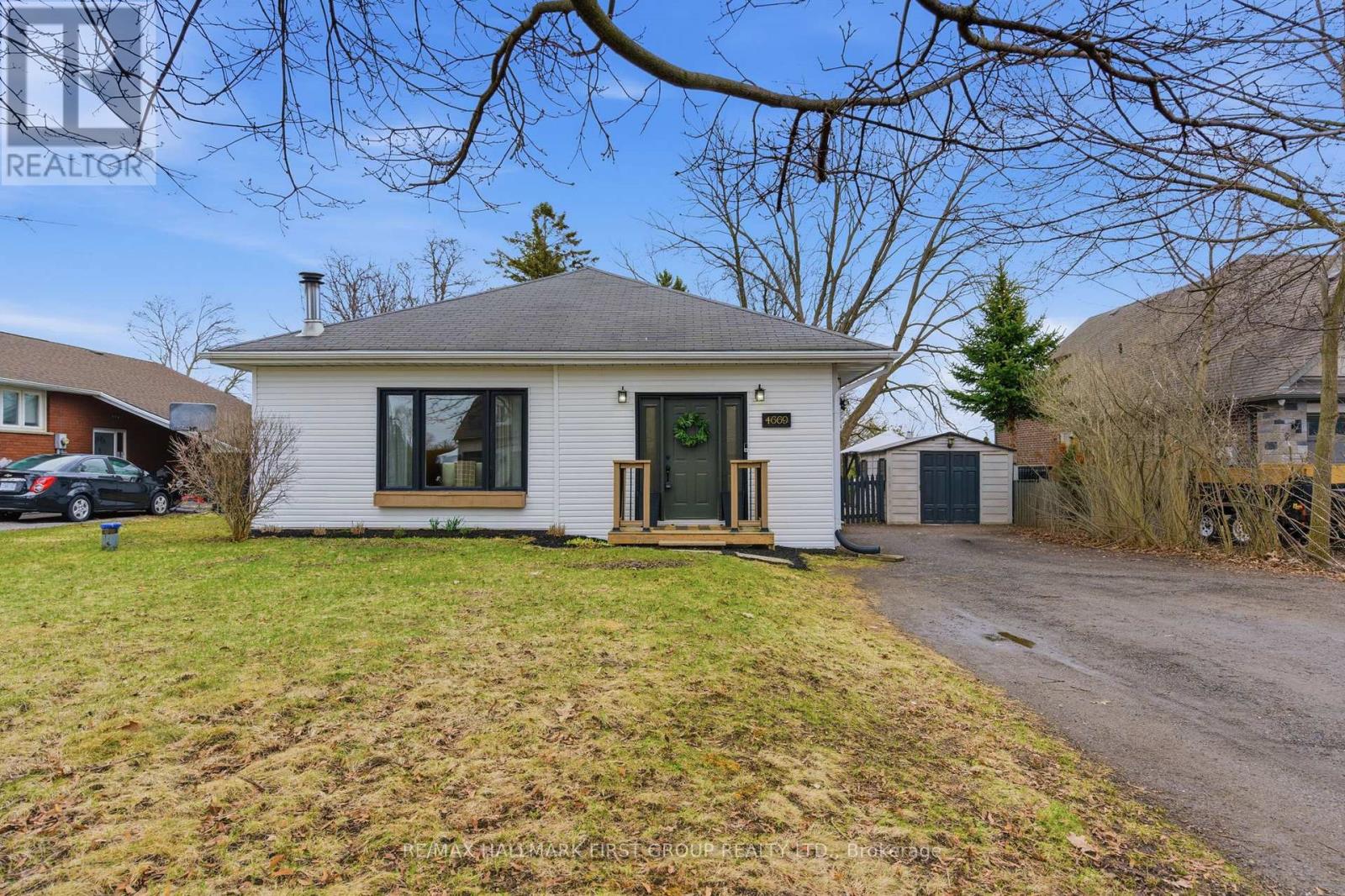 For Sale
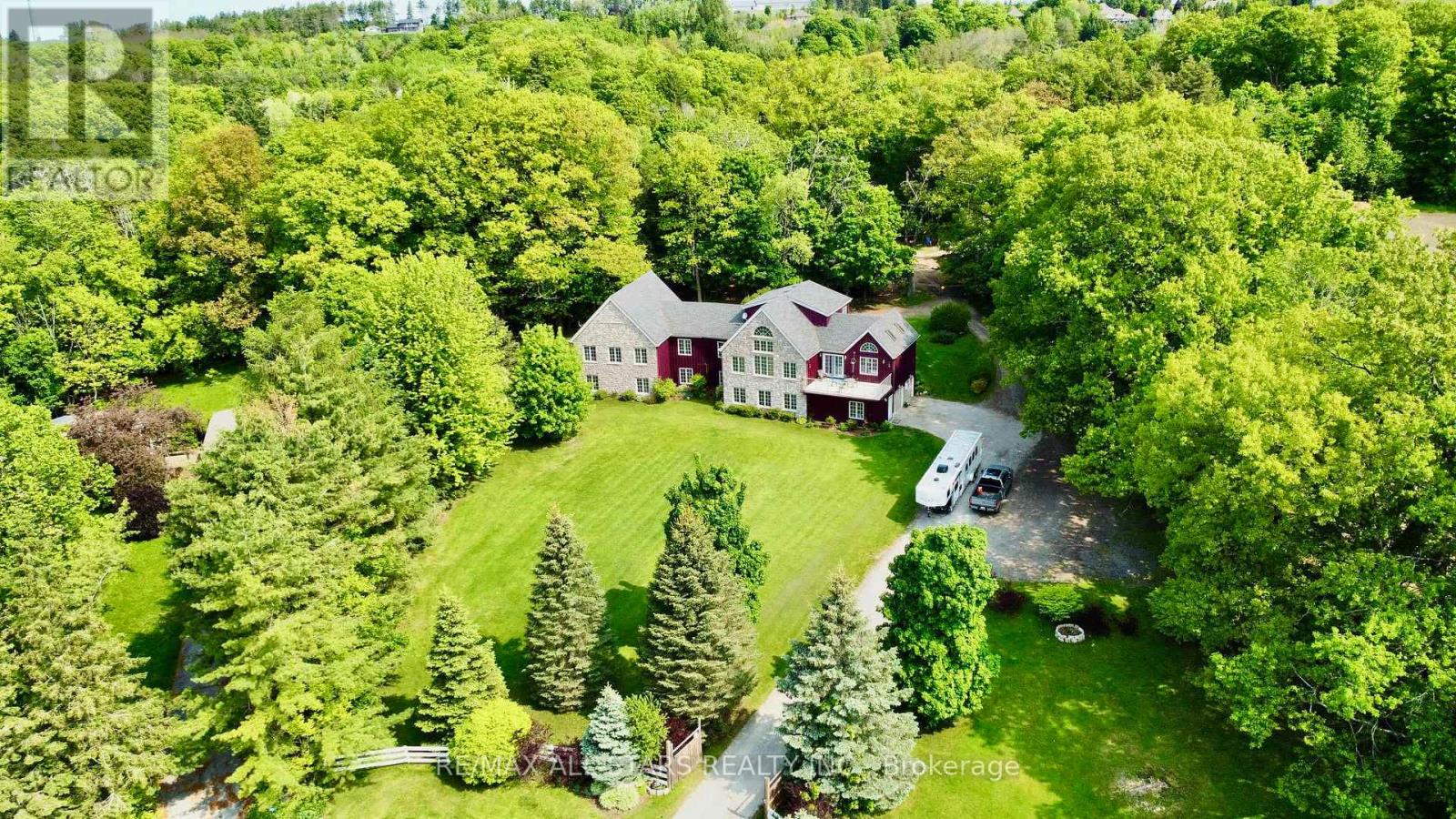 For Sale