
Rural Oshawa encompasses the agricultural and estate lands in the northern and eastern portions of the city beyond the suburban fringe. Properties range from hobby farms to working agricultural operations.
Rural Oshawa is the designation for the agricultural and country residential land within Oshawa’s municipal boundary that has not been assigned to a specific residential planning neighbourhood. It encompasses a significant area across the northern and eastern reaches of the city, from the areas north of the Kedron and Columbus planning areas to the Clarington municipal boundary to the east. It’s a planning category as much as a place — a label for the land that remains outside the urban boundary and is governed by the agricultural and rural policies of the city’s Official Plan rather than by a neighbourhood-specific plan.
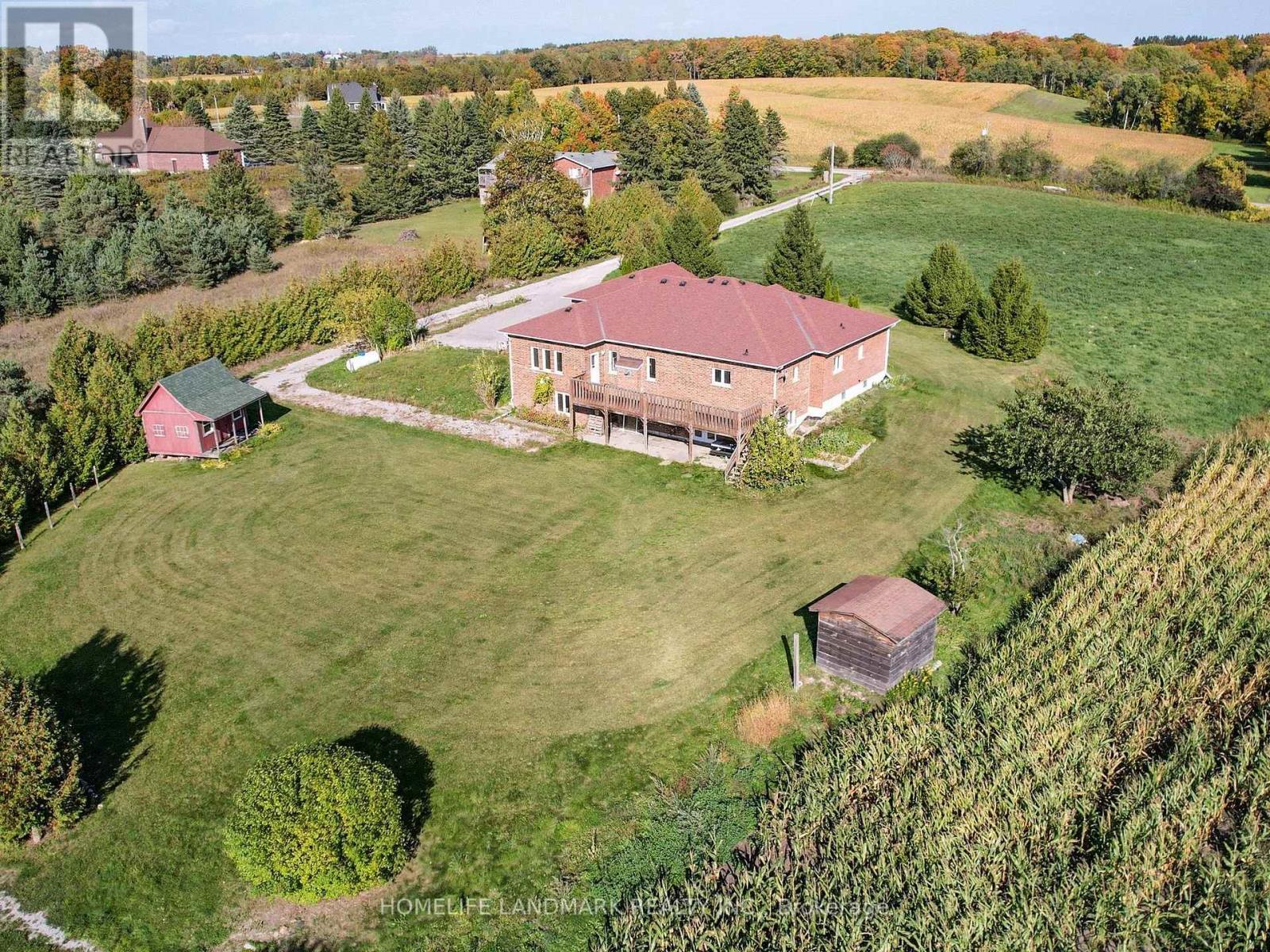
Properties described as Rural Oshawa can vary enormously. An actively farmed parcel, a hobby farm on 10 acres, a country residential property on a large lot, and a house on a rural road with no agricultural use at all can all carry a Rural Oshawa designation. What they share is large lot size, distance from the urban services and amenities of the city centre, and typically private well and septic systems rather than municipal services.
Average home prices recorded for Rural Oshawa have been in the $1.1 million range based on recent data, reflecting the acreage character of what typically trades in this area. But that average covers a wide distribution. A vacant parcel and a fully developed estate home both show up in the data, and the average is not a useful guide to what any specific property is worth. Rural Oshawa requires property-by-property evaluation more than any named neighbourhood in the city.
The rural property market in Oshawa can be divided into several categories. Agricultural land — actively farmed parcels, sometimes with farm buildings and a farmhouse — is one category. Country residential — a house on a large lot with no agricultural use — is another. Estate residential — a custom home on significant acreage with premium construction — is a third. Each has a different buyer and a different price structure.
Agricultural land in the rural Oshawa area trades at per-acre prices that reflect both current use and future potential. Land within the Urban Boundary or adjacent to it may carry a development premium. Land further from the urban fringe is priced closer to purely agricultural values. Buyers of agricultural land should confirm the Official Plan and zoning designation for any specific parcel before purchasing, since what’s permitted and what future planning may allow are critical to understanding the investment.
Country residential properties in rural Oshawa — a house on several acres, a well and septic, a rural road address — trade in a range from $800,000 to $2 million or more depending on the land area, the quality and condition of the house, and the specific location. The Oshawa municipal address typically produces a discount relative to comparable acreage in northern Whitby, Clarington, or the rural municipalities to the west, reflecting the market’s assessment of each municipality’s desirability.
The City of Oshawa’s Official Plan governs land use in the rural area. The plan designates agricultural, countryside, and rural settlement area policies that determine what can be built, divided, or operated on any given parcel. These designations are not static: the growth pressures that have driven northward development in Oshawa over the past 20 years are gradually moving the Urban Boundary, and what was firmly rural in 2010 may be in a growth area by 2030. The Columbus Secondary Plan is an example of this process: land that was Rural Oshawa has been designated for suburban residential development over a 15 to 20 year buildout.
Buyers of rural Oshawa properties who want to understand the long-term land use context for their purchase should review the current Official Plan and ask the City’s planning department about the trajectory of the Urban Boundary in their specific area. Land immediately adjacent to an expanding urban area has a different risk and opportunity profile from land that is deeper in the rural designation with no near-term growth plans adjacent.
Severance — splitting a rural parcel into two or more properties — is governed by the Planning Act and the City’s Official Plan policies. Not all rural parcels can be severed; the agricultural designation typically restricts severance to prevent fragmentation of productive farm land. Country residential parcels may have more flexibility. Confirm severance potential with the City’s planning department if this is a consideration in your purchase.
Rural Oshawa buyers fall into several distinct groups. The agricultural operator — a farmer looking for land to expand an existing operation or establish a new one — is one. The hobby farmer who wants land for personal production, animals, or the rural lifestyle without full commercial agriculture is another. The estate residential buyer who wants the scale and privacy of a rural setting but no agricultural intent is a third. And the speculative land buyer who anticipates future development potential is a fourth, though this is a more sophisticated and higher-risk approach.
The pandemic-era shift toward remote work brought a significant wave of buyers from the GTA who discovered that rural Durham Region was reachable within an acceptable commute time if they only needed to commute two or three days a week rather than five. Some of these buyers have stayed; others have returned to the city as office attendance requirements increased. The rural Oshawa market absorbed some of this demand at its peak and is now more moderately active as the remote work factor normalises.
Long-term Durham Region families who have lived in the rural areas for generations are also a buyer in this market, though they’re more often sellers than buyers as family properties are consolidated or sold. They provide the baseline market knowledge about specific roads, drainage conditions, and the history of parcels that is not available from listing data alone.
Private well and septic systems are standard for rural Oshawa properties. Municipal water and sewer does not extend beyond the urban boundary. The implications are the same as for Raglan and other rural areas within Oshawa: well water testing, septic inspection, and an understanding of the ongoing maintenance costs and eventual replacement costs of private systems are all part of responsible rural property due diligence.
Natural gas service is available along major rural roads in some parts of rural Oshawa but not universally. Propane or oil heating is common where natural gas is not available. The operating cost difference is meaningful over the life of property ownership, and buyers should confirm the heating fuel for any rural property and obtain current operating cost estimates rather than relying on the seller’s disclosure alone.
Rural broadband connectivity varies across the rural Oshawa area. Some roads have fibre or fixed wireless service; others have limited options. The provincial and regional broadband funding programs have improved rural connectivity over the past several years, but coverage remains uneven. For buyers who require reliable internet for remote work, confirming the available options at a specific address before purchasing is essential. Contact service providers with the civic address rather than relying on general coverage maps, which are often optimistic.
Rural Oshawa properties vary considerably in highway access depending on their specific location within the rural area. Properties in the northern rural area near Raglan and Columbus are within 20 to 30 minutes of Highway 115/35 and the 407 east extension. Properties in the eastern rural area near the Clarington boundary may be further from these access points. The specific commute profile from any rural Oshawa address depends on where the property is and where the employment destination is.
Oshawa GO station is the primary transit connection for rural Oshawa residents who commute to downtown Toronto. The drive from most rural Oshawa locations to Oshawa GO is 20 to 35 minutes. Add 60 minutes of train time for a total door-to-Union-Station commute of 85 to 100 minutes or more from the more distant rural addresses. This is a real and significant commute that suits some households and doesn’t suit others. Rural buyers who work downtown and commute by GO should drive the route at peak hours before committing.
The 407 east is the more practical highway for rural Oshawa residents commuting to employment along the 407 corridor through Markham, Richmond Hill, and the western 905. Access points in north Oshawa allow rural residents to reach the 407 and then travel efficiently toward York Region employment destinations. Toll costs apply and should be budgeted for daily commuting use.
Actively farmed parcels in rural Oshawa carry the Farm Property Class tax rate under Ontario’s Assessment Act if they meet the eligibility criteria. This significantly reduces the property tax compared to the residential rate that applies to country residential properties. Buyers purchasing a farmed property who intend to continue agricultural use should confirm the current tax class and the eligibility requirements for maintaining it. Buyers who intend to convert an agricultural property to country residential use should understand that the tax class will change to residential and the annual property tax will increase substantially.
The Agricultural Land Base policy in Oshawa’s Official Plan protects prime agricultural land from conversion to non-agricultural uses. Buyers who want to develop, subdivide, or change the use of a property designated as agricultural land need to demonstrate that the non-agricultural use is appropriate and necessary, which is not a straightforward process. Understanding the current designation and what is and isn’t permitted is essential before purchasing a rural parcel with specific development or change-of-use intentions.
Tile drainage systems on agricultural land are common in Durham Region and affect both how the land performs and how it can be modified. A tile drain running through or under a property may have been installed decades ago and may not be fully documented. An environmental or agricultural consultant can identify tile drainage features on agricultural parcels and advise on their implications for intended use.
Rural Oshawa contains several significant natural features that affect specific properties. Creek systems including the Oshawa Creek, Harmony Creek, and their tributaries run through the rural area and are subject to CLOCA regulation. Properties near creek channels, wetlands, or flood plains may be in regulated areas where development and alteration require CLOCA approval. Buyers should confirm CLOCA’s role for any property near these features before purchasing.
Provincially significant wetlands exist in parts of rural Oshawa and carry provincial policy protection that restricts development and certain land uses within and adjacent to the wetland area. A property within or adjacent to a provincially significant wetland has a more constrained development and use profile than the same property without this designation. Ontario’s Provincial Policy Statement governs these protections and the restrictions can be significant for buyers with development or major land alteration plans.
The Oak Ridges Moraine, while primarily north of Durham Region’s urban areas, has extensions and transition areas that may affect properties in the northernmost parts of rural Oshawa. Moraine policy protections are among the strongest environmental land use restrictions in Ontario, and buyers of any property that might be on or adjacent to the Moraine should confirm the applicable policy area before purchasing.
Rural Oshawa’s market is thin and variable. Annual transaction volumes are modest, comparable values are often limited, and the range of property types makes market analysis less reliable than in the more homogeneous suburban neighbourhoods. Prices can vary significantly based on factors that aggregate data doesn’t capture: drainage conditions, soil quality, proximity to specific highway access, the condition of private systems, and the character of the surrounding land uses.
The 2022-2025 market correction affected rural Durham Region as it affected other markets, pulling prices back from the peak that the 2020-2022 period produced. The pandemic-era demand spike from GTA buyers seeking rural space has partially receded as office attendance requirements increased. The rural market in early 2026 is more moderate than the peak years and more favourable to buyers who have time to be selective.
Sellers of rural properties sometimes have longer days on market than suburban sellers because the buyer pool is smaller and the properties are less directly comparable. A seller with a reasonable property at a realistic price should expect to find a buyer within a few months in normal market conditions. Sellers who are testing the market at above-market prices will sit for longer, as the limited buyer pool doesn’t generate the competitive pressure that urban markets can.
Rural Oshawa purchases require thorough due diligence. The minimum checklist includes: a well water test for potability and flow rate commissioned by the buyer; a septic system inspection by a qualified OWWA-registered inspector; a current property survey if not recently conducted; confirmation of heating fuel type and system condition; confirmation of the Official Plan and zoning designation for the property and adjacent parcels; confirmation of any CLOCA regulated areas applicable to the property; and a review of title for agricultural easements, drainage rights of way, and any other encumbrances.
If the property has been or may have been used for any commercial purpose, agricultural chemical storage, or fuel storage, an environmental phase one assessment may be warranted. Agricultural properties routinely used commercial fertilisers and pesticides over decades, and while this is normal for the use, specific point-source contamination from fuel spills or chemical storage can create issues with the property’s environmental status.
Rural Oshawa due diligence typically takes longer than suburban due diligence because more specialists are involved and some inspections (septic, environmental) have longer turnarounds than a standard home inspection. Build this into the timeline when structuring an offer. An experienced rural real estate agent will know the appropriate lead times and can guide the due diligence process accordingly.
Q: What are property prices in Rural Oshawa?
A: Rural Oshawa prices depend entirely on the specific property type, size, location, and condition. Country residential homes on several acres have recently traded in the $800,000 to $1.5 million range. Estate properties on larger acreage with quality construction trade from $1.5 million to $3 million or more. Actively farmed agricultural parcels are priced on a per-acre basis and reflect both current agricultural use and proximity to the urban fringe. The average listing price recorded for the Rural Oshawa category has been cited around $1.1 million, but this average covers a wide distribution and is not a reliable guide to any specific property. Property-by-property evaluation is the only reliable approach in this market.
Q: Are rural Oshawa properties on well and septic?
A: Most are, yes. Municipal water and sewer service does not extend beyond Oshawa’s urban boundary. Properties in the rural area rely on private well and septic systems. The well provides the drinking and household water supply; the septic system handles wastewater. Both require ongoing maintenance and will eventually need major service or replacement. A well water test and septic inspection are non-negotiable due diligence items for any rural purchase. Natural gas may or may not be available depending on the specific road and location — confirm before purchasing and factor the heating fuel cost into your operating budget comparison.
Q: Can I keep animals or operate a hobby farm on a Rural Oshawa property?
A: It depends on the specific property’s zoning and the Official Plan designation. Agricultural and rural zone properties in Oshawa generally permit agricultural uses including animal keeping, subject to the specific regulations in the zoning bylaw. Country residential or estate residential zones may have restrictions on the number and type of animals permitted. Confirm with the City of Oshawa’s planning department what your intended use requires and whether the specific property’s zoning permits it before purchasing. Processing or commercial operations associated with agricultural use may have additional permits or approvals required. Get the zoning confirmation in writing before relying on it.
Q: What’s the difference between Rural Oshawa and the named rural hamlets like Raglan and Columbus?
A: Columbus and Raglan are specific hamlets — places with defined names, some clustering of development, and their own planning history. Rural Oshawa is the residual category for agricultural and country residential land that isn’t part of any named planning area. Columbus is also notable for having an approved Secondary Plan that will eventually see the surrounding farmland converted to suburban residential development. Raglan has no equivalent plan. Rural Oshawa proper is the remaining agricultural land distributed across the northern and eastern city without a specific neighbourhood designation. The distinction matters primarily for the long-term land use outlook: Columbus land adjacent to the approved development area has a different trajectory than Rural Oshawa land further from the development front.
The rural areas within Oshawa’s current municipal boundary represent the agricultural landscape that surrounded the original settlement of Oshawa and its predecessor communities. Farming — grain, dairy, mixed agriculture — was the economic foundation of the region before the arrival of industrial manufacturing in the late 19th and early 20th centuries. The townships that preceded the current municipal structure were predominantly agricultural, with the urban settlements of Oshawa growing up within a farming context that persisted even as the city industrialised.
The expansion of Oshawa’s urban boundary through the 20th century gradually consumed agricultural land on the city’s edges, converting farms to subdivisions as population growth demanded more housing and the road and infrastructure network expanded to serve new areas. The rural land that remained within the boundary as development proceeded outward represents the parcels that were too large, too wet, too remote from existing infrastructure, or otherwise too difficult to develop at the time the suburban expansion was moving through adjacent areas.
The current phase of north Oshawa’s development — the Kedron, Windfields, and Columbus planning areas — represents a continuation of this process. Agricultural land that was outside the urban boundary in 2000 is now within it. The Columbus planning area, which will add thousands of residential units over the coming decades, was rural farmland within living memory. The Rural Oshawa designation will continue to shrink as provincial growth targets require continued residential land supply, and the farms and country residential properties in the path of that growth will eventually be offered for or converted to suburban residential use.
Street-level knowledge is hard to find online. Our team works in Rural Oshawa every day. They know which pockets hold value, where the school catchment lines actually fall, and what the market is doing right now. Talk to us before you make a decision about Rural Oshawa.
Talk to a local agent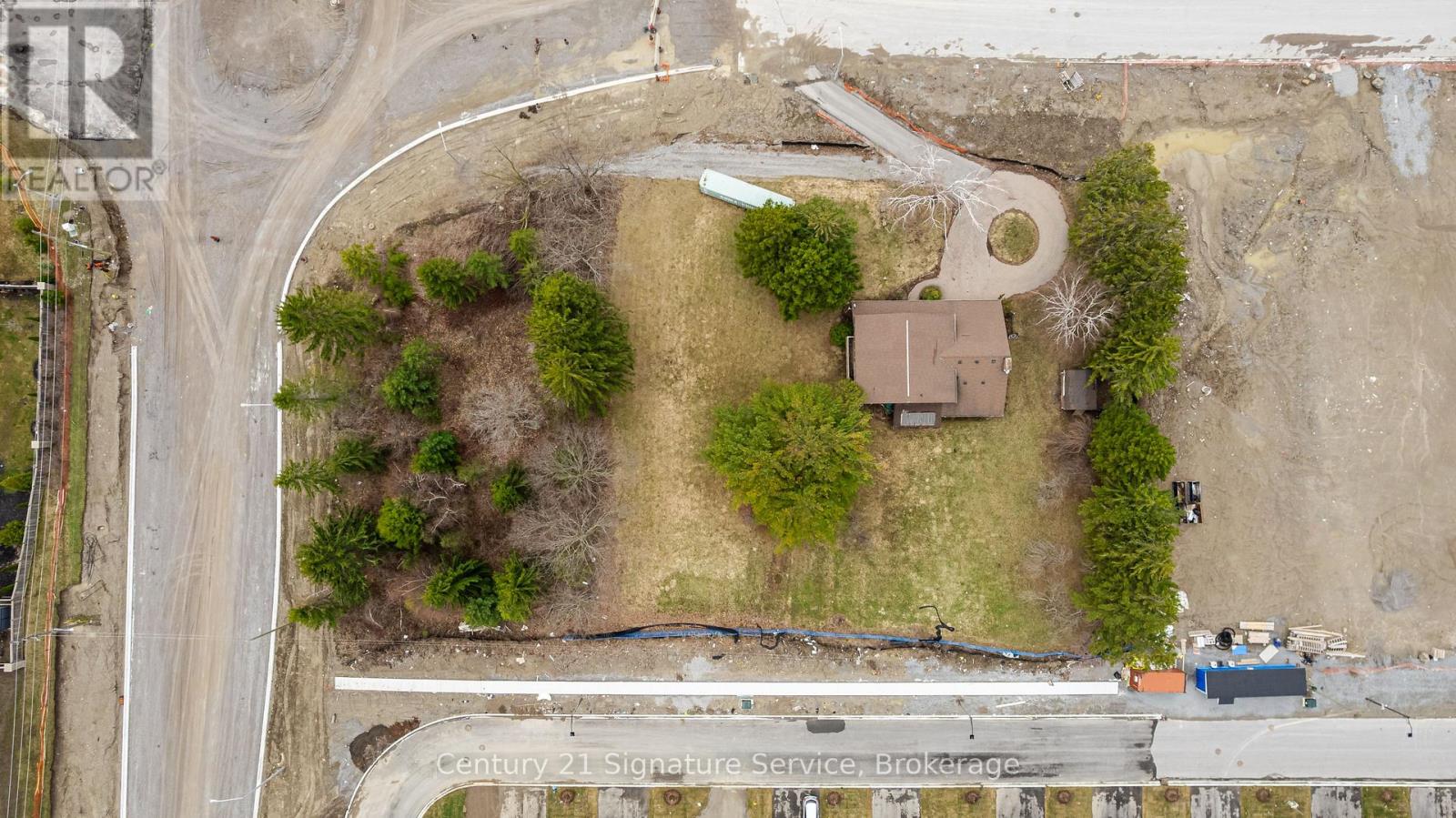 For Sale
 For Sale