
Liverpool is a central Pickering neighbourhood with established residential streets near the Liverpool Road corridor. It offers mid-range detached homes with good access to Pickering GO Station and Kingston Road.
Liverpool is a well-established central Pickering neighbourhood, sitting between Kingston Road to the south, Finch Avenue to the north, Liverpool Road to the west, and Valley Farm Road and Altona Road to the east. It is one of the most consistently sought-after residential areas in Pickering, combining proximity to the Liverpool Road commercial corridor, good school catchments, and established housing stock from the 1970s and 1980s on lots that are generally larger than the newer north Pickering subdivisions.
Liverpool Road runs south from the neighbourhood to Highway 401 and directly to Pickering GO station. The road is the geographic key to the neighbourhood’s identity and its commute credentials. For downtown Toronto employment via GO train, Liverpool delivers a total commute of approximately 55 to 65 minutes — among the shortest available in Durham Region.
The name traces to Liverpool, England, applied during the early settlement period when British place names were commonly used for Ontario communities and roads. The road predates the residential development and has been the commercial and transit spine of this part of Pickering since the area was first settled.
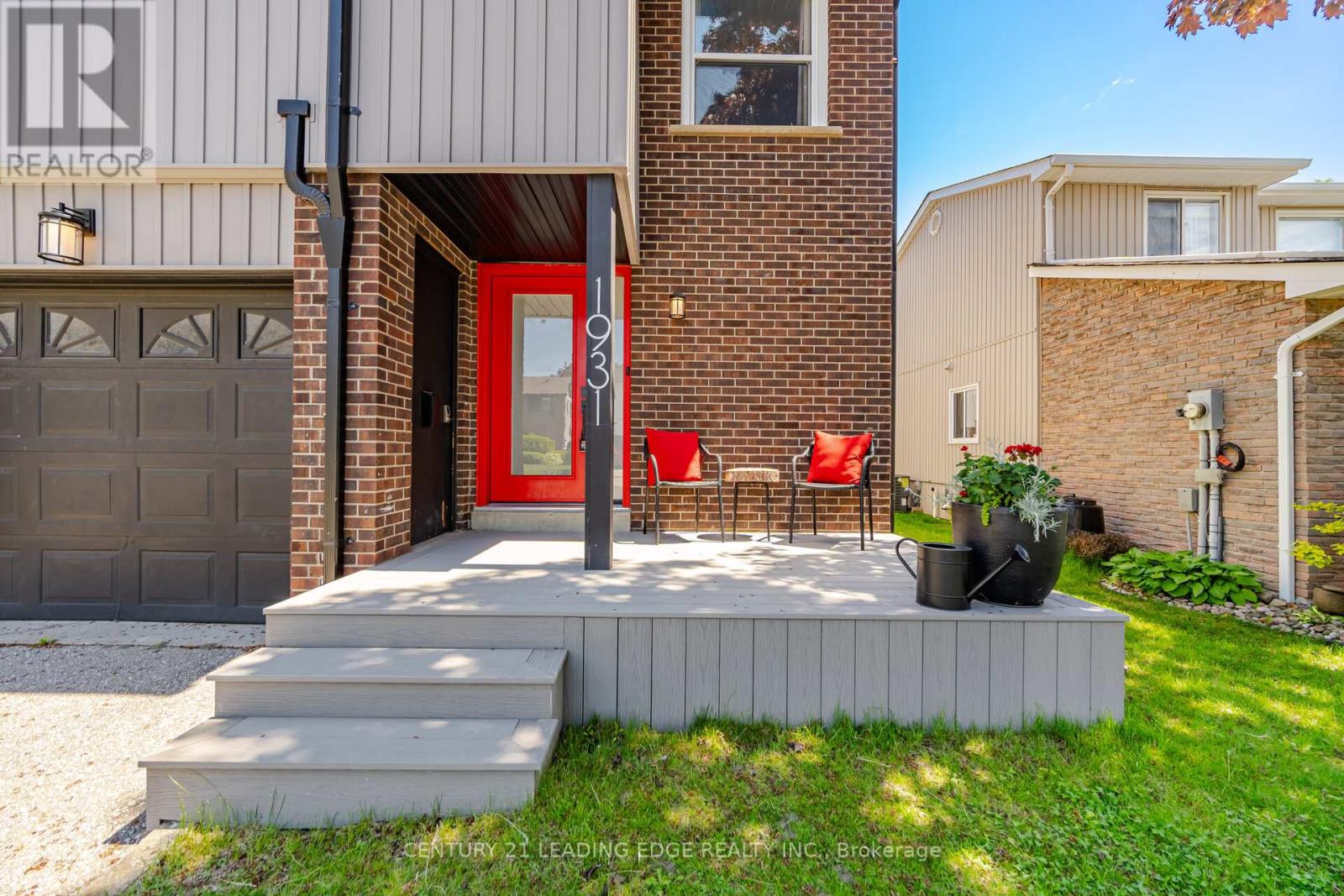
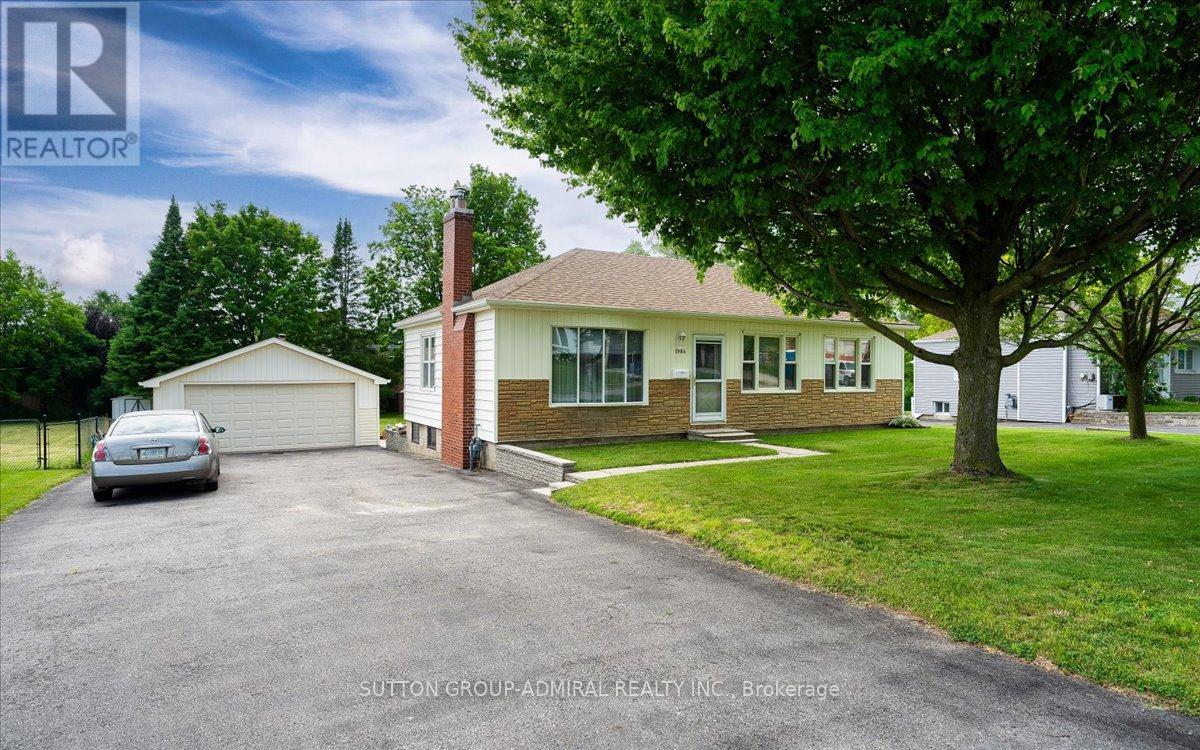
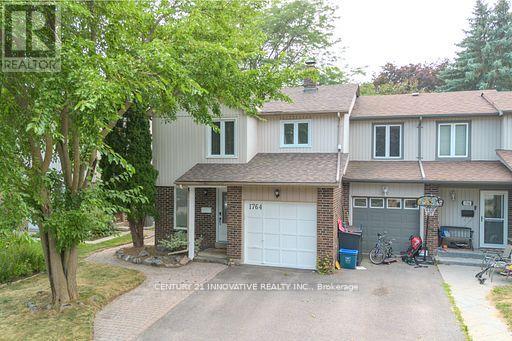
Detached homes from the 1970s and early 1980s dominate Liverpool. The typical property is 1,500 to 2,200 square feet on a 40 to 60 foot lot. In early 2026, detached homes in Liverpool are priced from approximately one million to 1.4 million dollars depending on condition, size, and lot position. Fully renovated homes on larger lots at the top; properties needing updating at the lower end.
The 1970s construction vintage offers more lot space than newer subdivisions. The renovation question is the same as in Dunbarton: buyers need to decide whether the older housing format with more land is worth more to them than newer construction with smaller lots at a similar or slightly higher price.
Liverpool is primarily a detached freehold market. The lack of significant condo or townhouse supply keeps the average prices anchored at the detached level.
Liverpool Road is the defining infrastructure advantage. The road runs south from the neighbourhood to Highway 401 and directly to Pickering GO station, making the station accessible in approximately 10 minutes by car. Peak trains from Pickering to Union Station run in approximately 45 to 50 minutes. Total door-to-Union-Station time from Liverpool is approximately 55 to 65 minutes.
Highway 401 is accessible at Liverpool Road south of the neighbourhood. Pickering Town Centre, at Liverpool Road and Highway 401, is directly south at the GO station complex. Residents can access the mall, the GO station, and the 401 interchange from the same arterial without navigating through commercial strips. This is an unusual concentration of retail, transit, and highway access.
The 407 east is accessible at the Brock Road interchange north of Kingston Road. For employment along the 407 corridor, the routing is slightly indirect but manageable for most Markham and York Region employment destinations.
The family buyer who values the GO commute above all other factors consistently identifies Liverpool as the optimal Pickering address. The 55 to 65 minute total commute to Union Station, the larger lot sizes, and the established school catchments combine to produce a neighbourhood that serves the Toronto-employed professional family as well as any Durham Region address.
Buyers from north Toronto, Scarborough, and East York who are priced out of their current location and evaluating Durham Region regularly end up in Liverpool after comparing it against Ajax, Whitby, and the rest of Pickering. The specific commute profile is hard to match elsewhere in Durham Region at comparable prices.
Buyers downsizing from larger north Pickering properties find Liverpool practical for its GO access, commercial proximity, and the practical scale of its housing stock for a smaller household. The GO train access becomes more relevant as households age and driving becomes less central to daily life.
Secondary school catchment for most Liverpool addresses flows to Pine Ridge Secondary School on Finch Avenue East or Pickering High School on Church Street depending on the specific address. Both are well-established DDSB secondary schools with track records in the community. Confirm the specific catchment for any address using the DDSB school locator at ddsb.ca.
Liverpool school catchments are a genuine selling point because the schools are established institutions rather than planned ones. Buyers can research actual school performance and community reputation rather than making decisions based on planned future schools. This reduces uncertainty compared to new development area choices.
Durham Catholic District School Board schools are accessible from Liverpool for Catholic families. St. Mary Catholic Secondary School on Whites Road serves the Catholic secondary population in central Pickering. Elementary DCDSB options are distributed through the area; confirm specific schools for any address with the board.
Pickering Town Centre at Liverpool Road and Highway 401 is the primary retail destination, within a 5 to 10 minute drive from any Liverpool address. The mall carries Walmart, Best Buy, Canadian Tire, and full department store and brand retail. It is adjacent to the Pickering GO station, meaning that a single trip south on Liverpool Road covers shopping, transit, and the 401 interchange.
The Kingston Road commercial strip provides the day-to-day retail including grocery, pharmacy, and service retail. Kingston Road in this area has a full range of grocery anchors, chain retail, and restaurants accessible without a significant drive. Liverpool is one of the more commercially convenient residential addresses in Durham Region.
The Pickering Civic Complex on the Liverpool Road corridor puts city services, the public library, and recreation programming within easy reach. For residents who use civic and cultural facilities regularly, the proximity is a genuine quality-of-life asset that suburban addresses further from the civic core cannot offer.
The Petticoat Creek valley system provides trail access in the eastern portions of the neighbourhood. The creek corridor connects south toward the Lake Ontario waterfront trail. Properties near the creek valley carry a natural amenity premium over the interior suburban streets.
Petticoat Creek Conservation Area, south of the neighbourhood, has trails, a beach on Lake Ontario, and picnic facilities that Liverpool residents use as a regular recreation destination. It is a 10 to 15 minute drive and represents genuine natural recreation infrastructure for a suburban neighbourhood.
Liverpool neighbourhood parks provide sports fields, playground equipment, and the active recreation infrastructure that families with children use daily. The parks are maintained by the City of Pickering and are adequately sized for the residential population they serve.
Liverpool is one of Pickering most consistently sought-after residential areas. In early 2026, the market is softer than the 2021-2022 peak, and Liverpool has not been immune to this softening. Days on market are longer, conditions are more common, and prices have corrected from peak values. However, Liverpool fundamentals maintain the neighbourhood premium position within Pickering and produce a more resilient market than peripheral areas.
Liverpool detached homes from the 1970s and 1980s in good condition are consistently the most liquid product in the neighbourhood. The buyer pool for this specific type is consistent and active across market cycles. These buyers know what they want and move decisively when the right property appears.
The comparison Liverpool buyers are usually making is between Liverpool and Ajax-Kingston Road neighbourhoods to the east, which offer a similar commute profile at potentially lower prices. Liverpool wins for buyers who prioritise GO station proximity and the Pickering address above all else.
The 1970s housing stock in Liverpool requires thorough inspection. Electrical panels from this era may be fuse boxes or panels that have been expanded with add-ons. Knob-and-tube wiring was largely replaced by this era but older sections may still have it. Plumbing from the 1970s may still have original copper pipe approaching end of service life. A comprehensive home inspection addressing all systems is essential.
The larger lot sizes in Liverpool create renovation opportunity. Pool installations, rear additions, and garden suite construction are more feasible on 50 to 60 foot lots than on compact north Pickering subdivisions. The City of Pickering has been updating its garden suite regulations in response to provincial housing legislation, and adding a legal secondary unit on a Liverpool lot is worth confirming with city planning for any specific property.
The renovation market in Liverpool is active. Successive owners have improved properties consistently, and renovated Liverpool homes are well-maintained and distinguishable from unrenovated ones. The gap between a renovated home and an original-condition one at the same nominal price can be 100,000 to 150,000 dollars in practice.
Liverpool, Dunbarton, and Amberlea are three central and east Pickering established neighbourhoods that buyers often compare. Liverpool has the best GO station proximity of the three, with Liverpool Road running directly to Pickering GO. Dunbarton is further east with access to both Pickering and Ajax GO stations. Amberlea is northeast, closer to the Altona Forest natural area but further from the GO station.
Price differentials between the three neighbourhoods are modest for comparable properties. Liverpool commands a slight premium for GO proximity; Amberlea may carry a premium for the natural amenity of the adjacent natural areas. Dunbarton is typically the most accessible of the three for comparable detached product, reflecting its slightly older housing stock and its position away from the Liverpool Road transit corridor.
For buyers without a specific GO commute requirement, the comparison across the three neighbourhoods comes down to specific properties and what is available at the time of search. An agent who knows central Pickering can navigate the distinctions effectively.
Q: What are home prices in Liverpool Pickering in 2026?
A: Detached homes in Liverpool are priced from approximately one million to 1.4 million dollars in early 2026 depending on condition, size, and lot position. The average sold price for detached homes has been reported around 1.125 million dollars. Liverpool prices reflect a premium over the north Pickering subdivisions for the GO station proximity and the larger lots. Conditions are standard on offers and buyers have room to negotiate in the current market.
Q: Why is Liverpool Pickering often described as the best GO commuter neighbourhood in Durham Region?
A: Because Liverpool Road runs directly south from the residential neighbourhood to Pickering GO station. Peak trains run to Union Station in 45 to 50 minutes. From a Liverpool address, the drive to the station is 10 minutes, parking is free, and Union Station is under an hour away. That 55 to 65 minute total commute is among the shortest available in Durham Region and is competitive with addresses in the GTHA that cost considerably more. For buyers whose decision is primarily driven by downtown Toronto commute quality, Liverpool Pickering is the rational choice in Durham Region.
Q: What are the lot sizes like in Liverpool compared to north Pickering?
A: Liverpool 1970s lots typically run 40 to 60 feet of frontage, meaningfully larger than the 30 to 36 foot lots in Brock Ridge, Duffin Heights, and the 1990s to 2000s north Pickering subdivisions. The practical difference is what the lot accommodates: a 60 foot lot supports a pool, a detached studio, a full rear addition, and a significant garden. Buyers who have specific plans requiring lot space will find Liverpool lots make these projects feasible where they would not be on smaller suburban lots.
Q: What should I focus on when inspecting a 1970s Liverpool home?
A: Four systems specifically. The electrical panel: 1970s-era panels may need upgrading for modern loads or contain add-ons that create safety issues. The plumbing: original copper pipe from this era may be showing signs of corrosion. The HVAC: a furnace from the 1980s is a near-term capital replacement. The basement waterproofing: 1970s foundation parging can crack over time and allow moisture infiltration. All are budgetable items the inspection will identify and quantify.
Liverpool Road was established as one of the original north-south concession roads of Pickering Township in the early 19th century, providing a route from the Lake Ontario shore northward through agricultural land. The road name reflects the English port city that was the point of embarkation for many immigrant settlers to Upper Canada. Its direct access to the lake made it important for early commerce in the region.
The construction of Ontario Power Generation Pickering Nuclear Generating Station in the 1970s was the most significant industrial development on the waterfront and brought the professional and technical workforce that drove much of the residential development in the Liverpool neighbourhood during that decade. The housing stock of Liverpool reflects the income profile of the workers who were moving to Pickering for the nuclear industry employment.
Pickering GO station, established on the Lakeshore East line, shaped the Liverpool neighbourhood long-term trajectory. The station location at the bottom of Liverpool Road positioned the neighbourhood as the optimal GO commuter address in Pickering. The relationship between the GO station and the Liverpool neighbourhood has been continuous for more than four decades and is the foundation of the neighbourhood premium position within the Pickering market.
Street-level knowledge is hard to find online. Our team works in Highbush every day. They know which pockets hold value, where the school catchment lines actually fall, and what the market is doing right now. Talk to us before you make a decision about Highbush.
Talk to a local agent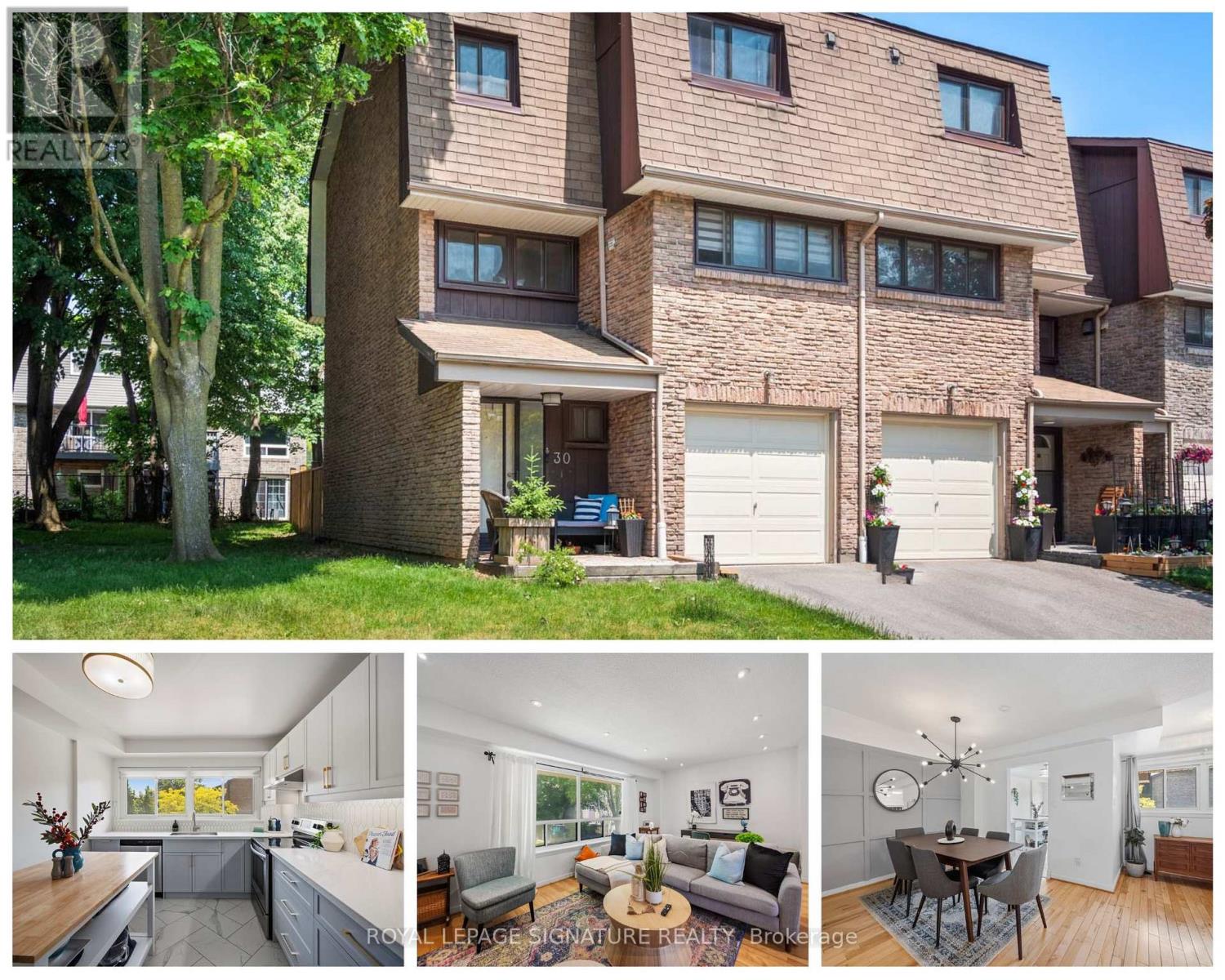 For Sale
 For Sale
 For Sale
 For Sale