
Humbermede is a northwest Etobicoke neighbourhood where post-war bungalows and semis sit adjacent to the Humber River ravine. Detached homes trade between $750K and $1.0M in 2026. The Finch West LRT corridor runs along the southern boundary. Families who want a house with a backyard, direct ravine trail access, and freehold prices that remain achievable in Toronto find it here.
Humbermede sits in northwest Etobicoke at the corner of Islington Avenue and Finch Avenue West, adjacent to the Humber River ravine system on its western and northern edges. It’s a neighbourhood of post-war bungalows and semis that exists in a part of the city where the map and the lived reality are often quite different. The map shows proximity to Finch West LRT infrastructure, ravine access, and the kind of quiet residential streets that families search for. The lived reality delivers all of those things, along with a transit situation that requires a bus to the subway and retail options that require a car for anything beyond the basics.
The Humber River gives Humbermede its name and its most distinctive geographic feature. The ravine approaches the neighbourhood from the north and west, and in the streets closest to it, the presence of the valley is palpable: the land drops away, the noise of the city recedes, and the trail system that follows the river becomes accessible. For a neighbourhood at this price point in Toronto, the ravine access is remarkable, and it’s consistently one of the features that residents who’ve lived here mention first when asked what they value about the area.
Humbermede has not been the subject of the kind of development attention or buyer enthusiasm that would put upward pressure on prices the way comparable ravine access does in more expensive parts of the city. The neighbourhood’s position in northwest Etobicoke, away from the subway and without a strong commercial identity, keeps it below the radar of buyers who make rapid judgments about neighbourhoods without spending time on the ground. For buyers who do spend that time, there’s a neighbourhood here with genuine assets at prices that still make freehold ownership achievable in Toronto without exceptional financial circumstances.
Humbermede’s housing stock is almost entirely post-war freehold: detached bungalows and semi-detached homes built in the 1950s and 1960s on residential streets that have remained largely unchanged in structure if not in the condition of individual properties. The bungalows are the typical northwest Etobicoke type: brick or aluminum exterior, one storey with basement, a modest main floor footprint, and a backyard that gives families real outdoor space. Semis are a meaningful portion of the market and often represent the entry point for buyers at the lower end of the price range.
Renovation activity in Humbermede has been gradual rather than dramatic. Some streets have seen significant upgrading, with renovated kitchens, finished basements, and updated facades that bring individual properties close to contemporary standards. Others remain closer to original condition, maintained but not modernized. This variation means the market has a wide range within a relatively narrow price band, and the quality difference between a renovated and an unrenovated bungalow in the same area can be significant in terms of livability even if the list prices suggest they’re comparable.
Some bungalows have been extended with rear additions or second-storey additions that expand the total living space. These properties command premiums relative to original bungalows on similar lots, and they represent a different ownership proposition: you’re buying more space but also more of someone else’s renovation decisions. The quality of those renovations matters, and a home inspection on an extended bungalow should evaluate the addition’s construction quality as carefully as it evaluates the original structure.
Detached homes in Humbermede were trading in the $750,000 to $1.0 million range in 2026. Semis typically come in at $50,000 to $100,000 below comparable detached properties. There is essentially no condo inventory in the neighbourhood; this is a freehold area, and buyers who choose Humbermede have generally decided that freehold ownership is the goal rather than a compromise.
Humbermede’s market is quiet, which in a Toronto context means something specific: properties sit on market for longer than the city average, multiple offer situations are uncommon except on well-priced renovated homes in spring, and sellers who price accurately sell without drama while sellers who overprice wait. For buyers, this creates conditions where deliberate, conditional offers are often achievable, and where making a purchase decision over days rather than hours is normal rather than exceptional.
The price range here, $750,000 to $1.0 million for detached freehold, is one of the more affordable in Etobicoke. That affordability reflects both the transit limitation (bus-dependent, no immediate subway access) and the neighbourhood’s limited commercial amenity. Both of those factors are real, and buyers should go in with clear eyes about them rather than discovering them after purchase. The Finch West LRT, when it operates, will reduce but not eliminate the transit gap; the commercial situation is unlikely to change substantially in the medium term.
Seasonality is pronounced in Humbermede. The spring market, from March through May, concentrates the year’s listings and generates the most buyer activity. Fall is a secondary peak. Winter is slow, and properties that don’t sell in fall sometimes sit through winter before relisting in spring. Buyers who can look in January or February occasionally find motivated sellers whose properties have been on the market through the fall without selling, and the pricing conversations in those situations can be more productive than in spring competition.
Long-term appreciation has followed the northwest Etobicoke freehold trend: steady, not spectacular, with the kind of equity building that rewards 10-plus year holds but doesn’t generate the short-term gains that attract speculators. The neighbourhood’s stable demand base, primarily owner-occupiers rather than investors, supports consistent if unexciting appreciation.
Humbermede draws families who want a house with a backyard and access to outdoor space, and who are willing to accept bus-dependent transit in exchange for freehold ownership at a price that fits their budget. The calculation that brings most buyers here is straightforward: compare what they can own in Humbermede against what they can own in more expensive parts of the city at the same mortgage payment, and the extra space and the backyard that Humbermede provides wins. For families with children who need outdoor space and who don’t want to share walls with neighbours, the detached bungalow in a quiet neighbourhood often wins over a condo townhouse in a more central location.
The ravine draws a specific subset of buyers more strongly than the neighbourhood’s general characteristics would suggest: people who run regularly, who cycle on recreational trails, or who walk their dogs and need off-road trail access as part of daily life. The Humber River trail from Humbermede’s western and northern edges is genuinely excellent, and buyers for whom trail access is a regular practical need rather than an occasional bonus find it worth significant weight in a purchase decision.
First-time buyers who have done the Toronto housing math and concluded that freehold in the $750,000 range is where they need to be if they’re going to own at all make up a meaningful portion of Humbermede’s buyer pool. For buyers who have been renting in Etobicoke or Mississauga, Humbermede’s prices are sometimes the tipping point that makes ownership possible rather than theoretical. That’s not an argument for it being right for everyone; it’s an honest description of who ends up here and why.
Long-term northwest Etobicoke residents who are looking to buy near established family or community networks also appear in this market. Community continuity in this part of the city is a real force that sustains demand even in neighbourhoods that don’t feature prominently in real estate media coverage.
Humbermede’s residential streets are arranged in the curvilinear pattern typical of post-war suburban development in Etobicoke, with crescents and courts that limit through-traffic and give the neighbourhood an internal quietness that the surrounding arterials don’t predict. Islington Avenue runs along the eastern edge and carries significant traffic; Finch Avenue West defines the southern boundary and is similarly active. The residential core between and north of these arterials is a different environment from the main roads: quiet, tree-lined in the better sections, and designed for neighbourhood life rather than urban movement.
The streets on the western and northern edges, closest to the Humber River ravine, are the most sought-after within Humbermede. Homes on these streets have more direct ravine access, and in some cases genuine views into the valley from their properties. They tend to trade at the upper end of the neighbourhood price range, and buyers who want ravine adjacency specifically should expect to pay toward the $950,000 to $1.0 million range for a well-maintained detached on these streets.
The streets closer to Islington Avenue are affected by the arterial’s noise and activity. The first block off Islington has a different character than streets deeper in the neighbourhood, and buyers who value quietness should look at address-level detail rather than assuming that neighbourhood boundaries provide insulation from arterial activity. A property two blocks from Islington is meaningfully quieter than one immediately adjacent to it, even if both carry the same Humbermede designation.
Near Finch Avenue West, the neighbourhood transitions toward the transit and commercial activity of that corridor. Some buyers find proximity to Finch useful for access to the eventual LRT, but properties immediately adjacent to Finch are exposed to its traffic levels. The interior streets a few blocks north of Finch represent the better tradeoff between LRT access and residential character.
Humbermede is bus-dependent for transit, with the Islington and Finch Avenue routes providing connections to the broader TTC network. Finch West station on Line 1 is the nearest subway station, reachable by bus along Finch Avenue West. The trip takes roughly 15 to 20 minutes by bus, after which the subway provides access to the rest of the city. Total commute time to downtown from Humbermede is typically 50 to 65 minutes by transit, which is on the longer side and is a real consideration for daily commuters.
The Finch West LRT, currently under construction, will eventually provide a faster transit option along the Finch corridor, connecting to Finch West station and running west toward Humber College. When operational, this will improve Humbermede’s effective transit access, particularly for residents in the southern part of the neighbourhood close to Finch Avenue. The LRT will be faster and more reliable than current bus service on Finch, which matters for residents who use that corridor regularly.
For drivers, Highway 427 and the 400-series network are accessible via Finch or Islington, giving Humbermede residents reasonable car access to the airport corridor, Mississauga, and broader GTA destinations. The airport is about 15 minutes by car. Downtown driving is long during peak hours; transit is generally better for downtown commutes despite the extra transfer time.
Cycling on the residential streets of Humbermede is pleasant due to low traffic volumes. The Humber River trail from the western and northern ravine edge provides excellent off-road cycling that connects south to the lake and north into the broader trail network. This is one of the neighbourhood’s genuine cycling assets: the trail access from Humbermede puts a long, largely car-free ride within minutes of the front door, which is rare in a neighbourhood at this price point.
The Humber River ravine is Humbermede’s defining green asset, and the access from the neighbourhood’s western and northern edges is genuine and direct. The ravine here is wide and forested, and the trail system that runs through it connects to an extensive network that extends both north and south along the Humber River. Walking into the ravine from the neighbourhood streets is an experience that surprises buyers who haven’t spent time in this part of the city; the transition from residential street to forested valley is abrupt and remarkable in a way that only ravine-adjacent Toronto neighbourhoods can offer.
Humbermede Park provides a neighbourhood-scale green space within the residential area, with playground equipment and open lawn that serves families with younger children for the everyday outdoor activities that don’t require a ravine descent. The park is used actively and maintains a reasonable standard of upkeep through City of Toronto parks maintenance. It’s not a destination park, but it’s the kind of immediately accessible local green space that improves daily quality of life for families who use it regularly.
G. Ross Lord Park, one of northwest Toronto’s larger parks, is accessible by car from Humbermede, offering sports fields, picnic areas, and dog walking space in a larger footprint than local neighbourhood parks provide. The drive time is short enough that it’s a practical weekend destination for residents who want more than the neighbourhood parks offer. The broader parkland network in northwest Toronto, connected by the ravine system, gives Humbermede residents access to more natural and park space than a Toronto neighbourhood at this price point would typically offer.
The Humber trail specifically, accessible from the ravine edge of Humbermede, is one of Toronto’s most continuous off-road trail experiences: it runs from the lake to the Oak Ridges Moraine with surprisingly few interruptions. Residents who use it regularly consistently describe it as one of the primary reasons they value living in Humbermede, and it’s the feature that most surprises buyers making their first visit to the neighbourhood.
Humbermede’s retail situation is limited within the neighbourhood and requires a car or bus for anything beyond the most basic convenience needs. The Islington and Finch corridors have some commercial activity including a grocery store, pharmacy, and assorted service businesses, but the commercial strip is functional rather than vibrant. For residents who are comfortable driving for their weekly grocery run and for restaurants or specialty shopping, the nearby commercial infrastructure covers the basics.
Albion Centre mall is accessible by car along Finch Avenue West, providing a neighbourhood mall with grocery, pharmacy, and general retail that serves northwest Etobicoke without requiring a major trip. The range of food options in the mall area reflects the neighbourhood’s demographics, with Caribbean, South Asian, and international options alongside standard Canadian retail. For the weekly shop, this area is practical enough that residents don’t typically have to go far.
Woodbine Centre and Sherway Gardens are accessible by car for larger retail needs: major chain shopping, electronics, furniture, and clothing. These are 15 to 20 minute drives depending on time of day and direction, which is the standard suburban retail reality in this part of the city. Residents of Humbermede generally maintain a car partly because the retail infrastructure requires it for anything beyond convenience shopping.
Healthcare services along the Islington and Finch corridors include family medicine clinics and pharmacy access for everyday healthcare needs. Humber River Hospital serves northwest Toronto for hospital care and is accessible by transit and car. The community services infrastructure in this part of Etobicoke has been bolstered by City of Toronto investment in northwest Toronto communities over the past decade, and residents have access to community centres, library branches, and programming without requiring downtown trips.
TDSB schools serving Humbermede include Humbermede Junior Middle School within the neighbourhood, serving the elementary age children in the catchment. The school reflects the neighbourhood’s demographics: a diverse student body, families from northwest Etobicoke’s various communities, and the characteristics common to Toronto schools serving mixed-income populations. French immersion availability should be confirmed with the TDSB for current program locations and catchment eligibility, as program placement in northwest Toronto can require travel to a school outside the immediate neighbourhood.
Secondary school students from Humbermede typically feed into the TDSB high schools serving northwest Etobicoke. Thistletown Collegiate Institute and other northwest area schools serve this cohort. Specialized TDSB programs at the secondary level are accessible by transit for students who qualify and choose to commute, and the Finch bus connection to the subway makes this more feasible from Humbermede than from transit-poor parts of the suburb.
Catholic school families have access to TCDSB schools in the Etobicoke area. The TCDSB serves northwest Etobicoke through several elementary and secondary schools within reasonable distance of Humbermede. Catchment boundaries for the Catholic system should be confirmed for a specific address, as they don’t align identically with TDSB boundaries. For families committed to the Catholic school environment, the options in this part of the city are present and accessible.
Humber College North Campus is accessible from Humbermede by bus and transit, providing a local postsecondary option for families with college-age students. The campus offers a range of practical programs and has a significant student population from the surrounding northwest Toronto communities. Having a college campus within a manageable transit reach is a practical asset for families where college attendance is on the horizon.
Humbermede’s development trajectory is shaped by two significant external factors: the Finch West LRT and the City of Toronto’s ongoing intensification policies. The LRT will improve transit access along the Finch corridor, which is Humbermede’s southern boundary, when it opens. Transit improvements of this kind typically generate development pressure near the stops, and the Finch corridor through northwest Etobicoke has been identified in City planning documents as a growth corridor where increased density is appropriate.
What that means practically for Humbermede is that the streets immediately adjacent to Finch Avenue may see more change over the next 10 to 15 years than the interior residential streets. Mixed-use intensification near the LRT stops, if it occurs, would improve the walkable retail and services accessible to Humbermede residents without necessarily affecting the character of the neighbourhood’s interior. Whether that intensification actually materializes depends on developer economics and market conditions that can’t be predicted with certainty, but the infrastructure argument exists.
Individual lot development follows the same incremental pattern as other northwest Toronto bungalow neighbourhoods: some teardowns replaced by larger custom homes, occasional lot severances, and the steady accumulation of renovation and extension activity that characterizes any aging housing stock. The City’s garden suite and laneway suite permissions apply to Humbermede lots, subject to individual lot configurations. Some owners are beginning to explore these as supplementary income or housing options.
TRCA regulated areas along the Humber River ravine edge affect development potential for the properties closest to the valley. This is worth understanding for any property adjacent to the ravine: the TRCA designation limits what can be built or altered on regulated portions of a lot, which can constrain addition and garage construction plans. The regulation is not necessarily a negative, as it also protects the ravine character that makes those properties desirable, but it’s a constraint that buyers should understand before purchasing.
How does Humbermede compare to similar northwest Etobicoke neighbourhoods at similar prices?
Humbermede, Humberlea-Pelmo Park, Humber Heights-Westmount, and Thistletown-Beaumonde Heights all share a similar general character: post-war bungalows, bus-dependent transit, limited walkable retail, and affordable freehold ownership within Toronto city limits. The distinctions between them are real but subtle. Humbermede’s strongest differentiator is its Humber River ravine access from the western and northern edges, which is direct and high-quality. Humber Heights-Westmount has the Weston GO and UP Express transit advantage. Humberlea-Pelmo Park has Wilson station as the closest subway. Thistletown-Beaumonde Heights is further from transit but similarly priced. If ravine access and the Humber trail are priorities, Humbermede competes favourably. If transit access to the subway without a bus connection is the priority, another neighbourhood wins. There is no universally correct answer; there is the answer that fits your specific commute, lifestyle, and financial situation.
Will the Finch West LRT actually improve daily life in Humbermede?
Yes, though the improvement is more meaningful for some residents than others. The Finch West LRT will run along Finch Avenue West and connect to Finch West station on Line 1, providing faster and more reliable transit than current bus service on Finch. For residents of Humbermede who currently take the Finch bus to the subway, the LRT will reduce travel time and improve service frequency. For residents whose primary transit need is the Wilson station connection (via Islington Avenue buses), the LRT is less directly relevant. The LRT will also potentially stimulate commercial and mixed-use development along the Finch corridor near LRT stops, which could improve the walkable retail options accessible to Humbermede residents in the medium term. The timeline for all of this is the honest uncertainty; the LRT is being built but its opening date has shifted before and could shift again.
Is it worth paying the premium for a ravine-edge property in Humbermede?
For buyers who will use the ravine regularly, yes, and possibly strongly yes. The Humber River trail from the ravine-edge streets of Humbermede is a genuinely exceptional outdoor asset that you cannot replicate by driving to a park on weekends. Residents who walk their dogs daily on the trail, who run through the valley, or who cycle the Humber route regularly report that the ravine access is one of the things they value most about their home, often more than square footage or renovation quality. The premium for ravine-adjacent properties within the neighbourhood’s price range is typically $50,000 to $100,000 above comparable interior-street properties. For buyers who would use the trail access daily, that premium pays for itself in quality-of-life terms over a standard ownership period. For buyers who think they might use it occasionally but aren’t sure, the premium is harder to justify and the interior streets at a lower price represent better value.
What are the TRCA restrictions, and how do I find out if they apply to a specific property?
The Toronto and Region Conservation Authority regulates development within floodplain and hazard areas along the Humber River and its tributaries. For properties in Humbermede that are adjacent to the ravine or within the valley, TRCA regulations may restrict alterations to the property, including construction of additions, decks, fences, or changes to drainage. The restriction doesn’t prevent you from buying or living in the property; it limits what you can build or change on the regulated portions of the lot. To find out if a specific property is within a TRCA regulated area, you can use the TRCA’s online mapping tool or contact the TRCA directly with a property address. Your agent can also check this as part of due diligence, and any real estate lawyer experienced in Toronto will include a TRCA search as a routine part of the closing process. If you plan to build an addition, garage, or secondary suite on a property, knowing the TRCA status before you make an offer is important rather than something to confirm after you’re already committed.
Buying in Humbermede benefits from an agent who will be honest with you about the transit situation before you commit rather than minimizing it because they want to close the deal. The bus-to-Finch-West-station commute is manageable for many buyers and a dealbreaker for others, and knowing which category you’re in before purchasing is better than discovering it six months after you’re in. An agent who helps you test your actual commute route during your search period is doing their job; one who assures you it’s fine without exploring it is not.
The ravine distinction within the neighbourhood is something a local agent should be able to explain clearly: which streets have direct ravine access, which require a short walk to reach a trail entry point, and which are simply near the ravine on a map but don’t have meaningful access. That distinction is meaningful to buyers for whom the trail is a priority, and it affects both the purchase decision and the long-term value of the property.
Home inspections on Humbermede’s post-war bungalows should include the standard aging-stock assessment: electrical service and panel condition, plumbing material and condition, insulation levels, foundation and basement moisture. TRCA status for ravine-adjacent properties should be confirmed early in the due diligence process, not after the inspection reveals an addition was built without a TRCA permit. These are known issues in this part of the market, and an experienced agent will raise them proactively rather than waiting for them to emerge as problems.
The TorontoProperty.ca team covers northwest Etobicoke and can provide a grounded comparison of Humbermede against adjacent neighbourhoods at similar price points. If you’re working through the choice between Humbermede, Thistletown-Beaumonde Heights, Rexdale-Kipling, or other affordable northwest options, we can help you map that decision against your specific priorities rather than your impression of neighbourhood names.
Street-level knowledge is hard to find online. Our team works in Humbermede every day. They know which pockets hold value, where the school catchment lines actually fall, and what the market is doing right now. Talk to us before you make a decision about Humbermede.
Talk to a local agent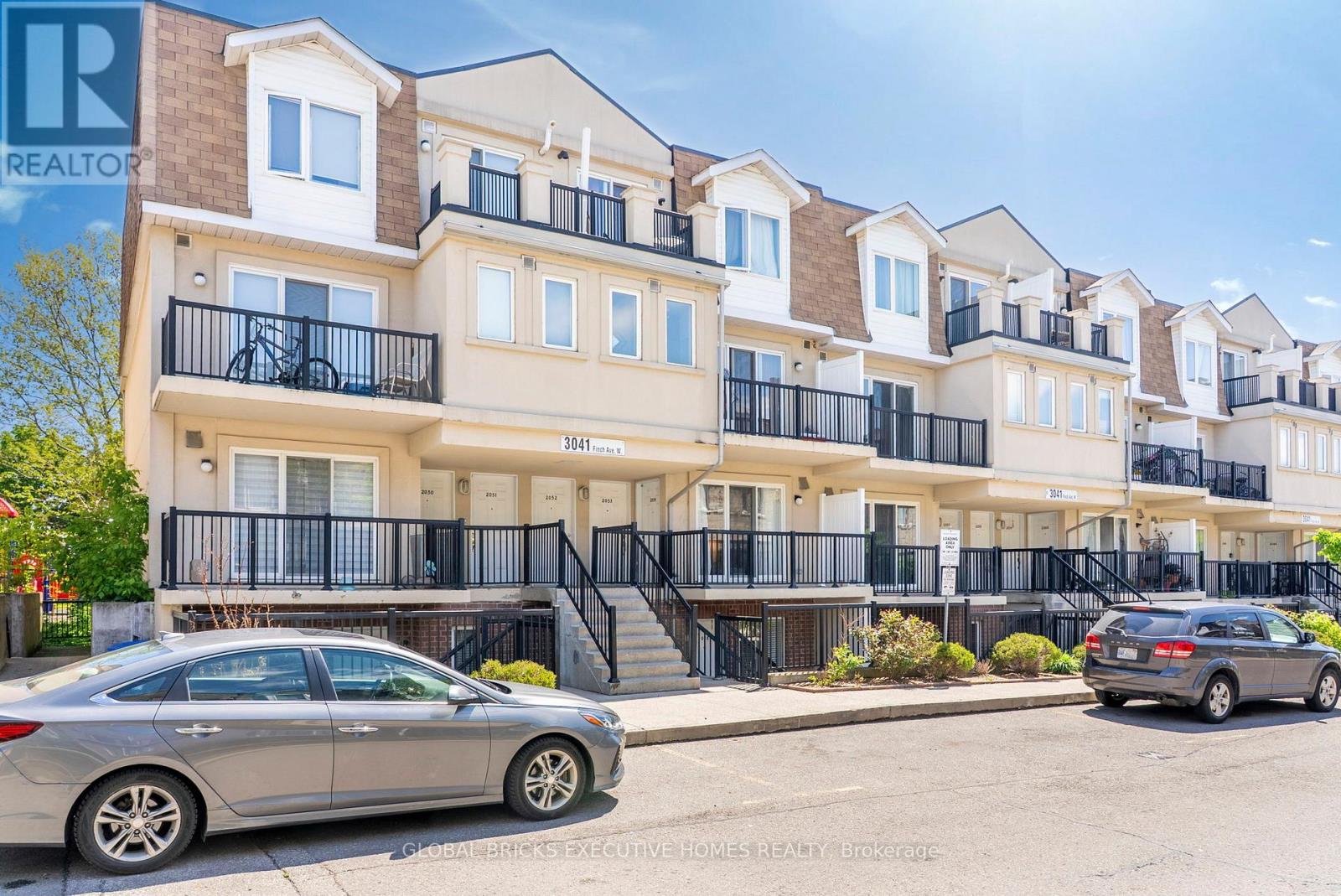 For Sale
 For Sale
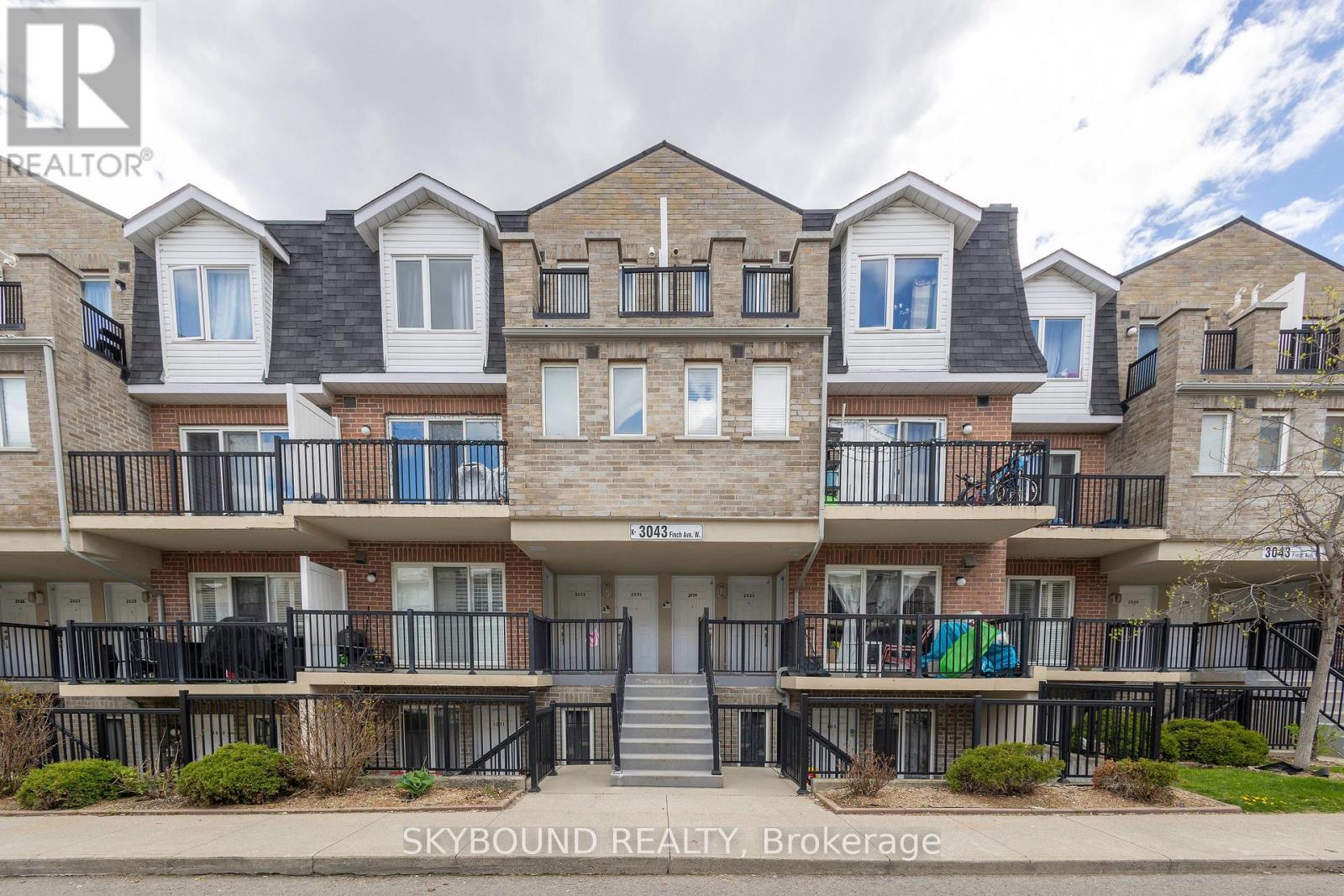 For Sale
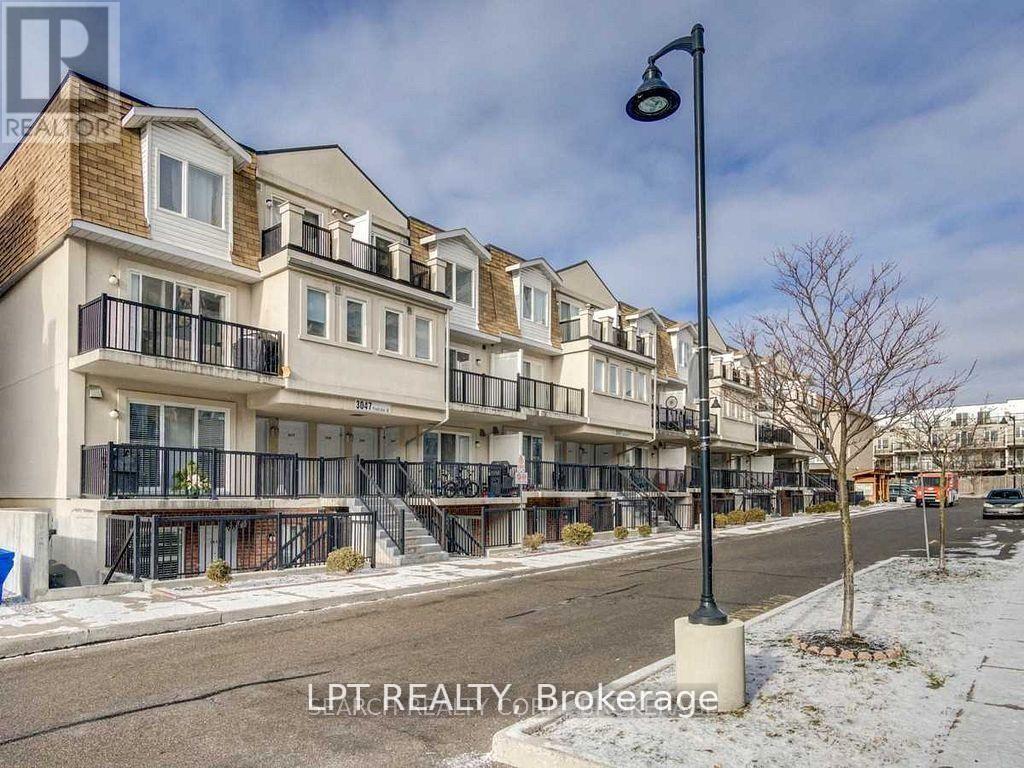 For Rent