
Kingsway South is one of Etobicoke most prestigious residential neighbourhoods, stretching along The Kingsway between Bloor Street West and Dundas Street West, known for 1920s-1950s Tudor Revival and Georgian homes on large lots, mature tree cover, and the village commercial strip along The Kingsway.
Kingsway South is consistently one of the most desirable addresses in Etobicoke, built in the 1920s through 1940s as a planned garden suburb intended to attract Toronto’s professional class with winding tree-lined streets, architectural standards, and a village commercial centre. That original vision has held for nearly a century. The streets off The Kingsway retain their curvilinear design and the architectural quality of the original housing stock, predominantly Tudor Revival and Georgian styles, is still evident and still maintained.
The Kingsway itself is a short commercial strip between Bloor Street West and Dundas Street West that functions as one of the better neighbourhood main streets in Toronto. Independent restaurants, a wine shop, clothing boutiques, and a mix of service businesses give it the character of a genuine local village commercial area that most Toronto neighbourhoods have lost to chain retail or have never had. The strip has survived the pressures that have hollowed out similar strips in other cities, partly because the residential income surrounding it is high enough to support independent operators.
The neighbourhood’s boundaries overlap with Kingsway Park and Princess-Rosethorn to the north and west. Kingsway South specifically refers to the area south of Bloor Street West and The Kingsway corridor, which captures the densest concentration of the original garden suburb architecture and the most consistent character. Properties north of Bloor along the Kingsway are sometimes grouped here by buyers but technically represent a different character and slightly different price positioning.
Kingsway South is the most expensive part of Etobicoke and one of the higher-priced detached home markets in Toronto outside of Rosedale, Forest Hill, and Lawrence Park. Entry-level detached homes here, typically smaller two-storey properties on narrower lots, start around $2 million. Mid-market detached homes on standard Kingsway South lots of 50 to 60 feet trade between $2.5 million and $3.5 million. The best properties, larger homes on 70 to 100-foot lots with quality renovations or original architectural details intact, reach $4 million to $6 million and occasionally higher.
The lots in Kingsway South are a significant part of the value. Many properties are 50 to 80 feet wide with deep backyards of 130 to 180 feet. These lot dimensions are unusual in Toronto at any price and they are part of what the original garden suburb planning designed. The lot configuration allows for meaningful outdoor living, additions, pool installations, and coach houses, all of which buyers at this price level expect.
The homes require ongoing maintenance investment. A 1930s Tudor Revival home in Kingsway South is an expensive property to maintain and upgrade properly. Buyers who approach these homes with an eye to preserving the original materials and character, slate roofs, leaded glass, original millwork, spend significantly on doing it right. The reward is a property that holds its value and its authenticity in a way that cheaper renovation approaches do not.
Kingsway South’s market is characterized by low turnover and high prices. The homeowners in this neighbourhood stay for decades. Annual sales volume is modest relative to the population, which means the data for any given street or property type is sparse and comparable sales are sometimes thin. Pricing accurately here requires genuine knowledge of the neighbourhood and a buyer pool that understands what they are paying for.
The neighbourhood experienced the same appreciation and correction cycle as the broader Toronto market, but the correction was less dramatic at the high end. Properties above $3 million in Kingsway South did not fall as sharply as the $1 to $1.5 million market because the buyer pool at this price level is less leveraged and more patient. Recovery has been steady and current prices are within 5 to 10 percent of peak for most property types.
Demand is consistent from two buyer groups: Etobicoke families moving up within the neighbourhood or from adjacent communities, and buyers arriving from central Toronto who have decided that Kingsway South offers better value per dollar than comparable properties in Rosedale or Forest Hill. The latter group has grown over the past decade as prices in the traditional prestige neighbourhoods have risen faster than in west Etobicoke.
The typical Kingsway South buyer is an established professional family. They have either significant equity from a previous Toronto property or substantial income that allows servicing a $2.5 million to $4 million mortgage. They value the architectural character, the neighbourhood stability, and the combination of excellent schools, TTC access, and walkable village amenities. They are not looking for a condo lifestyle or a high-density urban experience. They are looking for a house that reflects their priorities and the Kingsway South standard aligns with those.
There is a consistent buyer cohort from the broader Etobicoke family moving up from The Kingsway or Sunnylea or from the Bloor West Village area. These buyers know the neighbourhood, understand its value, and are moving within a relatively small geographic radius. They represent the most informed and decisive segment of the buyer pool because they are not choosing Kingsway South over other options. They have already chosen it and are waiting for the right specific property.
Buyers arriving from central Toronto, particularly from the midtown and downtown neighbourhoods, are drawn by the lot sizes, the architectural quality, and what they perceive as better value per dollar than Rosedale or Moore Park. The subway access via Royal York or Old Mill stations makes the commute viable for downtown workers and this group is willing to accept the short drive or walk to the subway in exchange for a property that delivers something the east end equivalent cannot.
The streets that define Kingsway South’s character are the curvilinear residential roads that branch off The Kingsway itself: Humbervale Boulevard, Kingsway Crescent, Prince Edward Drive, and the short connecting streets between them. These streets have the most consistent architectural quality and the best lot configurations. The homes on these streets are the reference points that define what Kingsway South means as an address.
The streets closest to the Humber River, particularly those backing onto the Humber Valley and the ravine, command the strongest premiums. Ravine backing in Toronto adds value wherever it occurs and Kingsway South’s ravine lots are among the best in the city: deep lots on winding streets with private green outlook and access to the Humber Valley trail system. These properties rarely trade and when they do, the competition is intense.
The blocks along Bloor Street West at the northern edge of the neighbourhood have a slightly different character, with more apartment buildings and commercial presence along Bloor itself. The streets running south from Bloor into the neighbourhood rapidly transition to the residential character that defines Kingsway South. Buyers who want the purest expression of the neighbourhood’s identity should focus on the streets well south of Bloor rather than those immediately adjacent to the commercial strip.
Royal York and Old Mill stations on the TTC Bloor-Danforth line serve the neighbourhood. Royal York station is on the northern edge near Bloor Street West and the walk from most Kingsway South properties is 10 to 20 minutes. Old Mill station is to the east, accessible from the streets closest to the Humber River, and is arguably the more scenic walk through the Humber Valley parks. Both stations provide direct subway access to Bloor-Yonge in approximately 25 to 30 minutes.
TTC bus service on Bloor Street West and Dundas Street West serves the neighbourhood’s edges. The interior streets are not served by bus and residents of most Kingsway South addresses walk to the subway rather than taking a connecting bus. This is a neighbourhood where walking to transit is part of the daily routine for residents who use TTC, and the walk quality, through tree-lined residential streets, is genuinely pleasant in a way that bus corridor walking is not.
Drivers have good access to the Gardiner Expressway via Islington Avenue or Park Lawn Road and to Highway 427 via Bloor Street West and the 401 connection. The Queensway provides an alternative east-west route to downtown that is sometimes faster than the Gardiner during peak periods. The neighbourhood is well-positioned for drivers heading downtown, to the airport, or to the western suburbs, which is part of what has made it attractive to professionals with varied work destinations for nearly a century.
The Humber Valley is the dominant natural feature adjacent to Kingsway South. The valley’s ravine system, accessible from multiple points in the neighbourhood, provides several kilometres of trail through mixed forest and meadow. The Humber Valley Heritage Trail and the Etobicoke Valley Park trails are well maintained and used year-round. The valley is deep enough that once you descend into it, the city disappears in a way that is distinctive to Toronto’s ravine network and that residents describe as one of the neighbourhood’s defining pleasures.
James Gardens at the foot of Edenbridge Drive is a formal garden maintained by the City of Toronto with terraced planting beds, a lily pond, and views across the Humber Valley. It is one of the underrated public spaces in west Toronto and residents of Kingsway South treat it as an extension of the neighbourhood. On summer evenings the gardens are busy with walkers and picnickers from the surrounding streets.
Lambton Woods and the surrounding ravine lands extend the accessible green corridor further north and south along the Humber. Residents with dogs, in particular, value the off-leash ravine access that these parks permit. The combination of structured garden, informal ravine trail, and direct access from the neighbourhood’s residential streets makes the outdoor amenity in Kingsway South exceptional by any standard and genuinely irreplaceable at any comparable price point outside of Rosedale or the Bridle Path.
The Kingsway village strip between Bloor Street West and Dundas Street West is the retail anchor of the neighbourhood and one of the better local shopping streets in Etobicoke. Independent restaurants, a long-established wine shop, specialty food retailers, and a range of boutique services give the strip a character that chain-dominated suburban commercial corridors lack. The strip is small enough to walk end to end in 10 minutes but deep enough in quality to handle most non-grocery needs.
The grocery situation is the one area where The Kingsway strip falls short. There is no large-format grocery store immediately on the strip. Residents typically use the Metro on Islington Avenue, the Loblaws at the Queensway and Kipling, or the Whole Foods and similar options that have opened in the broader Etobicoke corridor. Most Kingsway South residents have the car access and the income to make the grocery logistics straightforward, and this is not experienced as a significant deficiency.
Bloor West Village is a 10-minute walk east along Bloor Street and provides additional dining, specialty food, and retail options at a similar quality level to The Kingsway strip. The proximity to two established Toronto neighbourhood commercial streets is unusual and is part of what makes Kingsway South’s walkable amenity picture competitive with more centrally located neighbourhoods. The combination of The Kingsway village character and proximity to Bloor West Village gives residents access to one of the better local retail environments in Toronto without the density that usually comes with it.
Kingsway South is served by the Toronto District School Board and the Toronto Catholic District School Board. The neighbourhood sits in the catchment of Lambton-Kingsway Junior Middle School, which is one of the most sought-after public elementary schools in Etobicoke. The school has a strong academic reputation and a PTA that is active and well-resourced, which contributes to program quality above what the base board funding supports.
Etobicoke Collegiate Institute is the public secondary school serving much of Kingsway South. It has an established academic and arts program and sends competitive numbers of graduates to Ontario universities and colleges. The school’s reputation within the Toronto system is strong and it is one of the reasons that families specifically pursue Kingsway South addresses over comparable homes in adjacent neighbourhoods that feed different secondary schools.
Private school access from Kingsway South is excellent. Havergal College and Bishop Strachan School are accessible in reasonable drives to the east. Upper Canada College is in the midtown area. Appleby College is in Oakville. The income level of the neighbourhood supports private secondary education at a higher rate than the city average and the driving logistics to the major private schools are manageable from this part of Etobicoke. For families who want private secondary education, Kingsway South is as accessible as any Toronto neighbourhood outside the immediate midtown core.
Kingsway South has not seen the teardown-and-rebuild cycle that has changed the character of some adjacent Etobicoke areas. The relatively high rate of original architecture preservation reflects both the income level of homeowners who can afford proper restoration and a community preference for maintaining the neighbourhood’s defining character. Heritage listings and conservation district discussions have been part of the neighbourhood planning conversation and while formal heritage district designation has not been applied to all of Kingsway South, there is strong resident sentiment in favour of architectural preservation.
The Bloor Street West corridor at the northern edge of the neighbourhood continues to see condominium development pressure. Several mid-rise condo projects have been proposed and some built along the Bloor corridor. The interior streets of Kingsway South are buffered from this by their distance from Bloor and by the neighbourhood’s capacity to resist higher-density development through both planning tools and community engagement. The long-term pressure on the Bloor corridor will continue, but the impact on the core residential streets should remain limited.
The Humber Valley parkland is expanding incrementally as the City of Toronto acquires additional ravine-adjacent properties when they come available. This expands the buffer between the residential streets and the valley floor and deepens the natural character that is central to the neighbourhood’s identity. Any expansion of the ravine parkland is positive for adjacent property values and reinforces the distinction between Kingsway South and communities without equivalent natural corridor access.
What is the difference between Kingsway South and The Kingsway as addresses?
The Kingsway is the street itself, and the commercial village strip along it is often referred to by that name. Kingsway South as a neighbourhood designation covers the residential streets south of Bloor Street West along The Kingsway corridor, generally from Bloor down to Dundas and westward to the Humber River. Properties addressed on The Kingsway itself are on the commercial arterial. Properties on the streets branching off The Kingsway, names like Humbervale, Prince Edward Drive, and Kingsway Crescent, are in the residential core that defines the neighbourhood’s character. Estate agents and buyers sometimes use The Kingsway as shorthand for the whole neighbourhood rather than just the street. The distinction matters because properties directly on The Kingsway have commercial traffic in front of them while the branching residential streets are quiet. When comparing properties, confirm whether the address is on the arterial or on a branching residential street.
Are there heritage protections that limit what can be done to homes in Kingsway South?
Individual properties in Kingsway South may have specific heritage designations under Part IV of the Ontario Heritage Act, which impose restrictions on changes to identified heritage attributes. Not every home in the neighbourhood is designated. There have been ongoing discussions about establishing a Heritage Conservation District for parts of the neighbourhood, which would apply broader protections to the streetscape and exterior character of buildings within the district. As of early 2026, this had not been formally established for the entire neighbourhood, though some individual properties are designated. Buyers who are planning significant exterior modifications should check the heritage status of a specific property with the City of Toronto’s heritage planning staff before purchasing. Interior renovations are generally not subject to heritage restrictions regardless of exterior designation.
How does Kingsway South compare to Rosedale or Forest Hill on value?
Comparable homes in Rosedale or Forest Hill trade at a premium of 30 to 50 percent over Kingsway South at similar quality and lot size. The premium reflects historical prestige, proximity to the core, and the concentration of Toronto’s highest-income households in those specific neighbourhoods. Kingsway South buyers who have made the comparison consistently describe feeling that the west Etobicoke price relative to the physical product is more favourable. The trade-off is primarily perceived prestige and the slightly longer transit commute to the Bloor-Yonge core. For buyers who prioritize the physical property over the postal code prestige, Kingsway South consistently delivers better value per dollar. For buyers for whom the social geography of Toronto matters as a status signal, the Rosedale and Forest Hill premium reflects something real to them even if it is not reflected in the physical characteristics of the homes.
What is the renovating-versus-buying-already-renovated calculus in Kingsway South?
A 1930s Tudor Revival home that has been renovated to a high standard in Kingsway South trades at a premium of 15 to 25 percent over an equivalent property in need of updating, and that premium is usually less than the actual cost of doing the renovation. The economics favour buying the renovated property if the renovation quality is genuinely high, because the cost and disruption of a proper renovation in a house of this age and quality is consistently underestimated. The specific exception is buyers who want control over every finish decision and have the experience and patience to manage a major renovation in a heritage-quality property. For those buyers, the purchase of a property requiring work can produce a better long-term outcome than buying someone else’s renovation. But for most buyers in this market, the upgraded property is the better transaction at the difference in price.
Kingsway South is a market where reputation and knowledge of specific streets and properties matter enormously. The range in price within the neighbourhood is wide, from $2 million to well over $5 million for properties that might seem superficially similar, and the reasons for those differences are legible only to someone who knows the neighbourhood well. Lot dimensions, ravine backing, specific architectural period and quality, the history of the property’s renovation, and the specific street matter more here than almost anywhere else in Toronto.
Buyers who arrive in this neighbourhood with a budget and a general preference for Tudor architecture need an agent who can explain why two adjacent houses on the same street are priced $800,000 apart and whether that difference reflects real value or mispricing. In a market this thin and this specific, that guidance is worth a great deal more than the commission discount offered by discount brokerages.
We cover Kingsway South and the broader west Etobicoke prestige market. If you want a tour of the neighbourhood and an honest explanation of its value relative to comparable properties in the rest of Toronto, reach out.
Street-level knowledge is hard to find online. Our team works in Kingsway South every day. They know which pockets hold value, where the school catchment lines actually fall, and what the market is doing right now. Talk to us before you make a decision about Kingsway South.
Talk to a local agent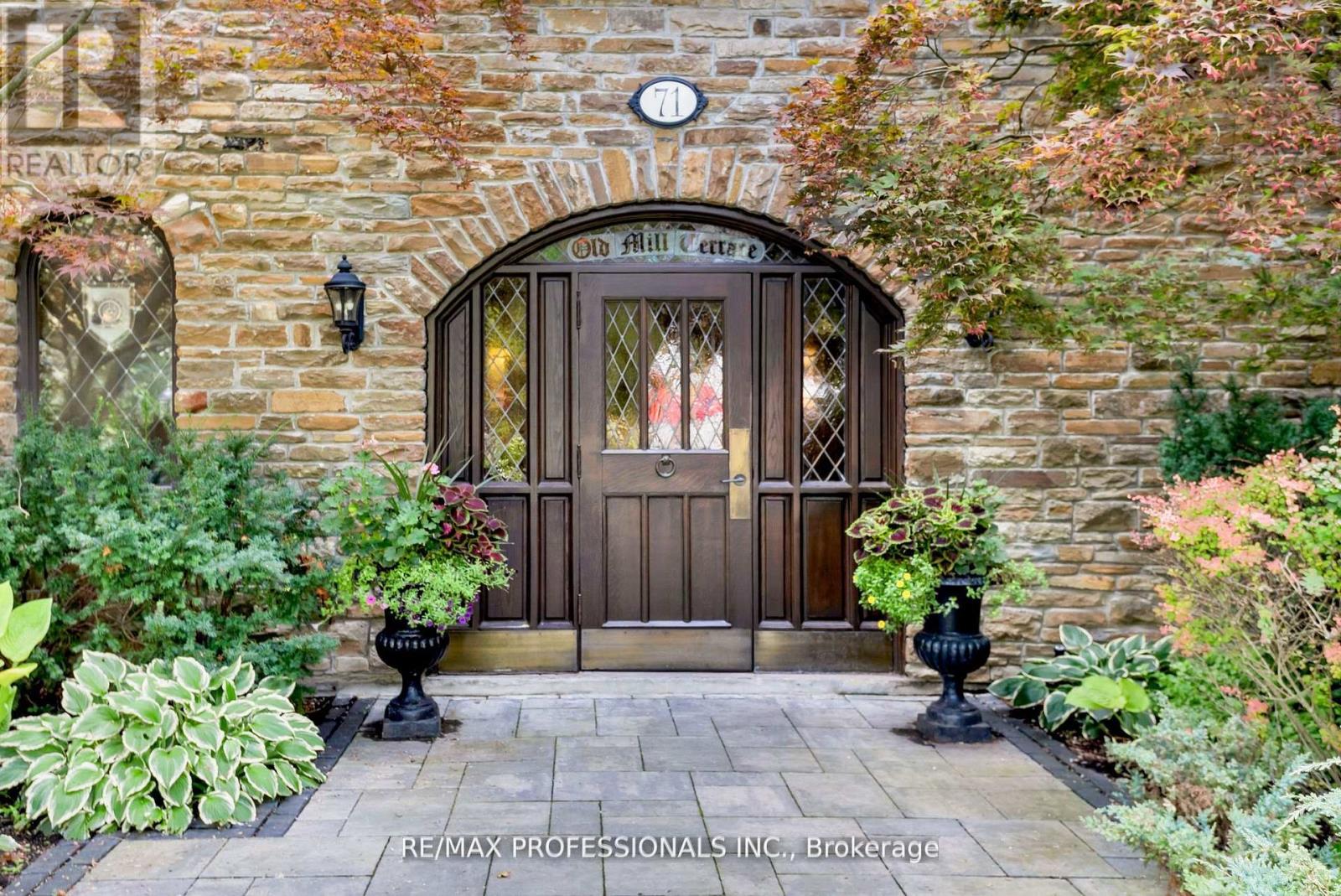 For Sale
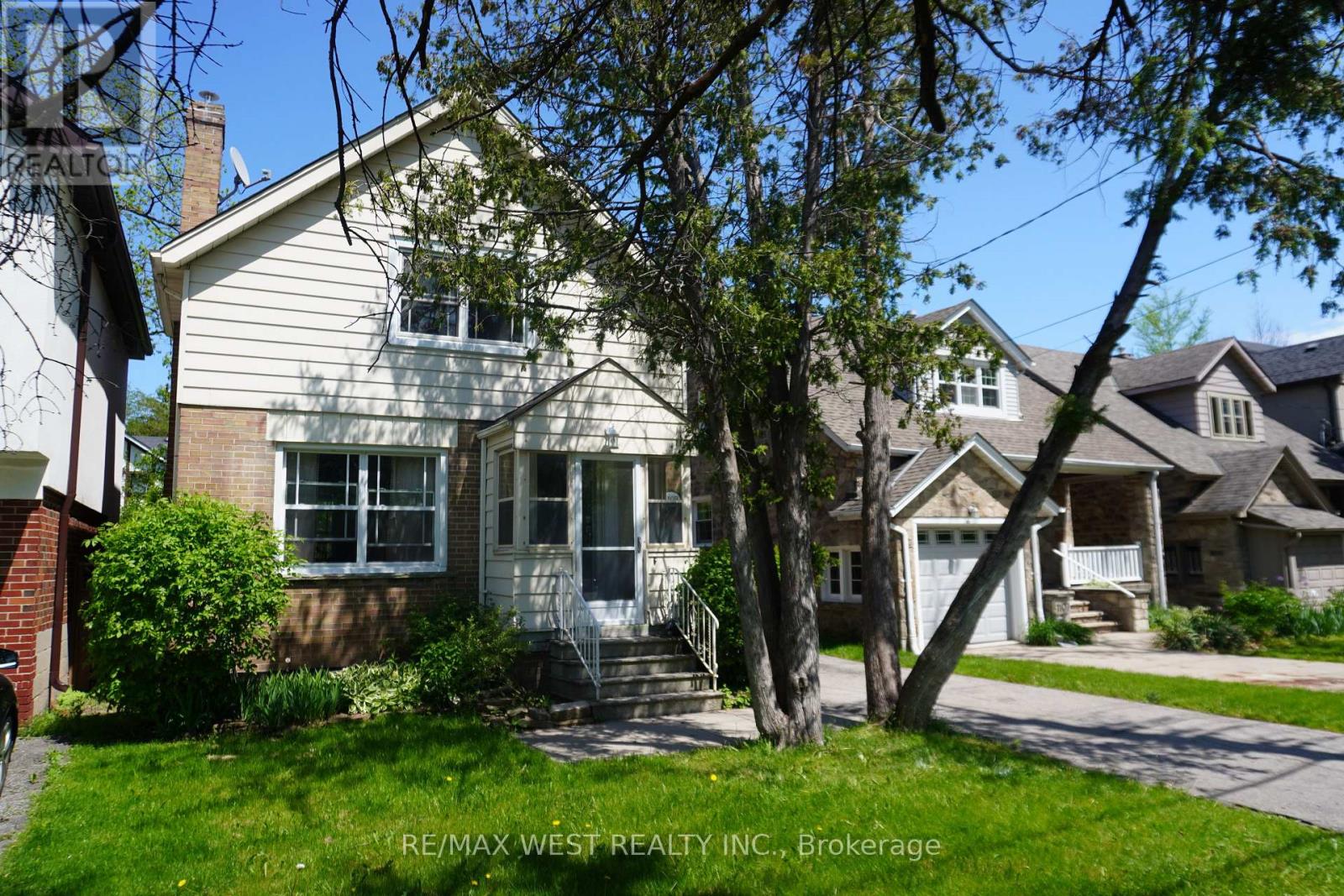 For Sale
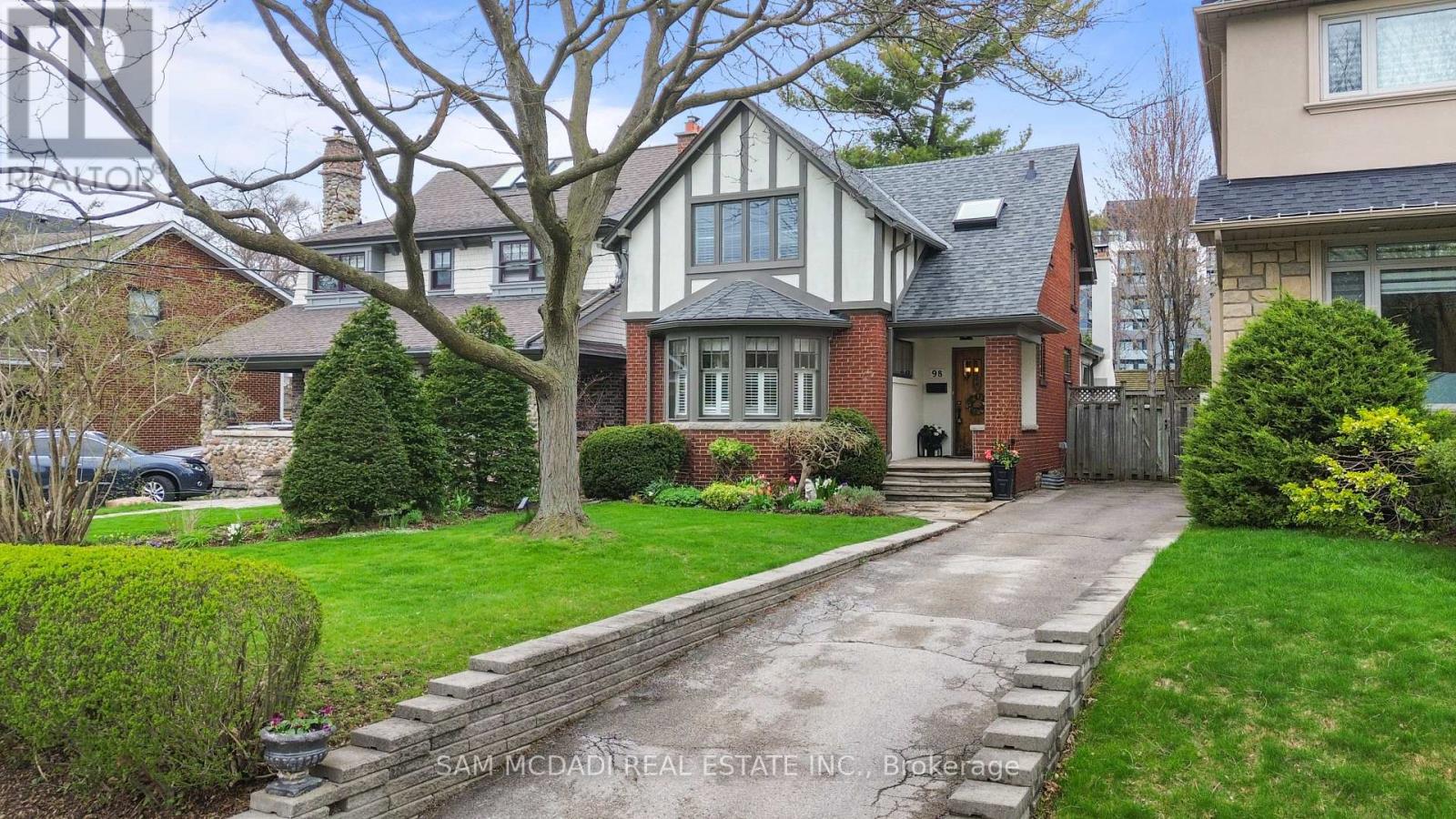 For Sale
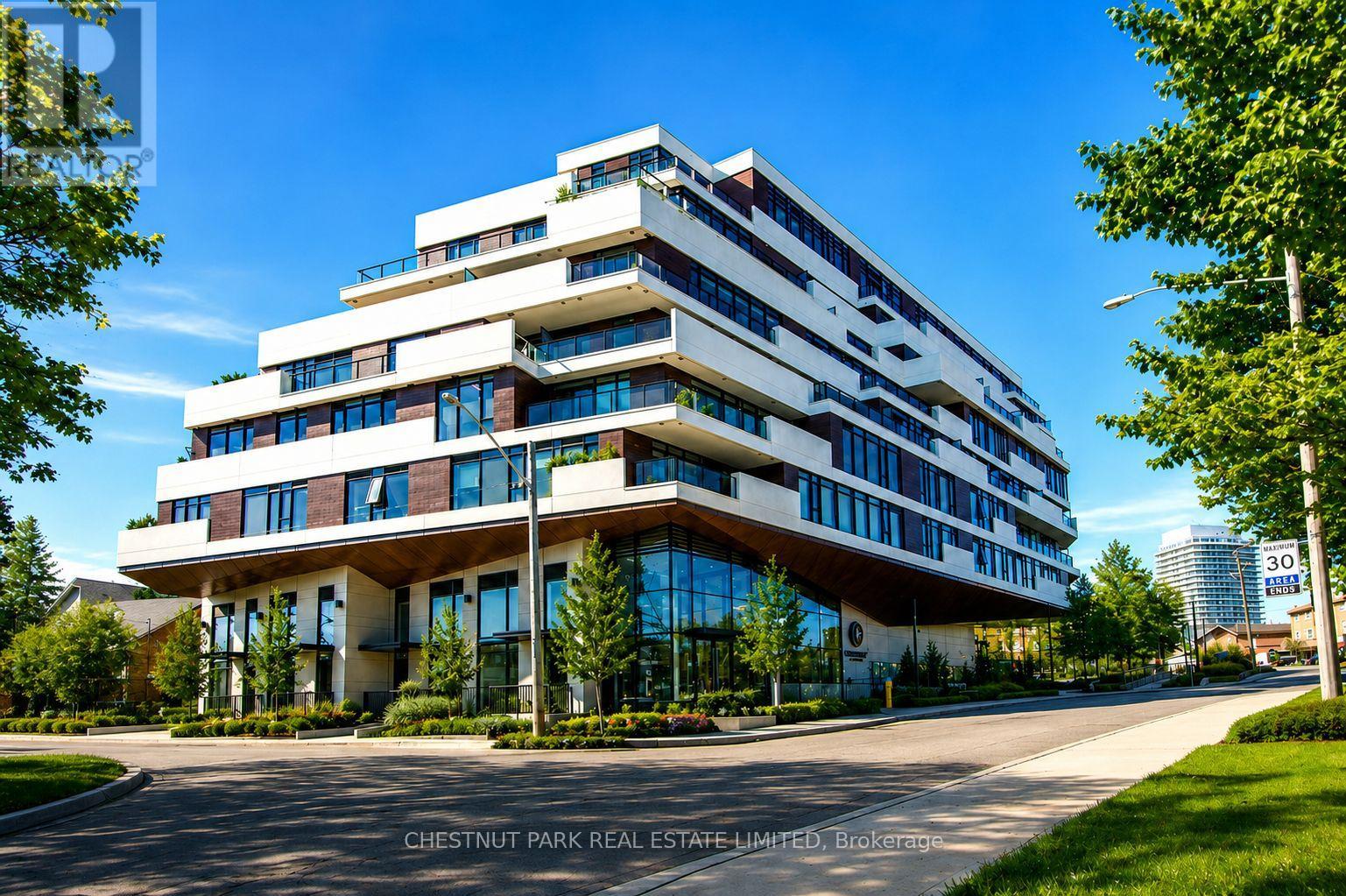 For Sale