
Mimico is the most actively transforming south Etobicoke lakeshore neighbourhood, where older freeholds on the residential streets trade between $900,000 and $1,400,000 and lakeshore condos run $650,000 to $1,100,000. Humber Bay Park, the Martin Goodman Trail, Mimico GO station, and the 501 Lakeshore streetcar make it the best-connected address on the south Etobicoke waterfront.
Mimico sits on the south Etobicoke lakeshore between Humber Bay to the east and New Toronto to the west, along Lakeshore Boulevard West. It is the neighbourhood that has changed most visibly of any community in south Etobicoke over the last 15 years, and that change is still in progress. A corridor of older detached houses and low-rise apartments has been joined by a growing line of high-rise condominium towers along the lakeshore, and the population density along the Lakeshore corridor has increased substantially. Humber Bay Park, one of the best urban waterfront parks in Toronto, sits at the eastern boundary and provides the open space that makes the increasing density livable.
The older residential fabric north of Lakeshore Boulevard is distinct from the condo corridor and preserves the neighbourhood’s pre-transformation character. On streets like Superior Avenue, Mimico Avenue, and the cross-streets running north from Lakeshore, detached bungalows and two-storey houses sit on lots that are comparable to the rest of south Etobicoke, well-maintained and largely owner-occupied. These streets have a settled, established character that contrasts with the intensity of the Lakeshore condo corridor a few blocks south. Buyers in Mimico are choosing between two very different market segments that happen to share a postal code.
The transit picture here is genuinely strong. The 501 Lakeshore streetcar runs the length of the corridor and connects Mimico to downtown Toronto directly. Mimico GO station provides a second mode, with peak-hour trains reaching Union in roughly 20 minutes. Cycling on the Martin Goodman Trail along the waterfront is a realistic commute option for downtown-bound cyclists. Humber Bay Park and the associated waterfront paths are daily infrastructure for residents who use them. Mimico offers a combination of transit access, waterfront amenity, and relative proximity to downtown that no other neighbourhood on the south Etobicoke lakeshore matches.
Mimico has two distinct ownership markets that operate differently and attract different buyers. The condo market along the Lakeshore corridor and the streets immediately adjacent runs from approximately $650,000 to $1,100,000, depending on building, floor, size, and view. The lower end of that range buys a one-bedroom or small two-bedroom in a mid-range building without exceptional views. The upper end buys a larger two-bedroom or a smaller unit in a premium building with lake or park views. Maintenance fees are variable and an important part of the total cost calculation; buildings along the lakeshore have been built over a 20-year span and the fee structures reflect their age and amenity package differently.
The freehold market north of Lakeshore runs from approximately $900,000 to $1,400,000 for detached properties. Semis and smaller detached start lower. These are post-war bungalows and two-storey houses on modest lots, typically 25 to 35 feet wide, similar in scale to the rest of the south Etobicoke lakeshore. The freehold streets here have benefited significantly from the neighbourhood’s rising profile: buyers priced out of Roncesvalles or Parkdale have increasingly looked at Mimico freehold as the next option, and that demand has pushed the freehold market meaningfully above where it was a decade ago.
The two markets are connected by the neighbourhood name and the transit and waterfront access but are otherwise quite different purchases. Condo buyers are primarily attracted to the lakeshore location, the Humber Bay park adjacency, and the transit convenience. Freehold buyers are attracted to the established residential streets, the detached house format, and the value relative to more central Toronto addresses. An agent working in Mimico regularly knows which segment they are in and advises accordingly, because the considerations that apply to a condo purchase on the lakeshore are different from those that apply to a bungalow purchase on Superior Avenue.
The Mimico condo market behaves like the broader Toronto high-rise market with a lakeshore premium built in. Investor activity is significant, and listing volumes can spike when rental yields compress or when operators decide to exit. This creates inventory cycles that are more pronounced than in the freehold market. End-user buyers who can act without a conditional sale find the most opportunity in these spike periods, when motivated sellers are competing with each other and buyers have genuine selection. In tight inventory periods, well-located lake-view units in the better buildings attract multiple offers and move quickly.
The freehold market north of Lakeshore has behaved more like the broader Etobicoke and west Toronto freehold market: cyclical with the general Toronto market, with floors maintained by consistent end-user demand from buyers who have been searching the south Etobicoke lakeshore for some time. Multiple offers on well-priced detached houses in the Mimico Avenue and Superior Avenue area have been a regular occurrence in active spring markets. The neighbourhood’s increased profile over the last decade has narrowed the price gap with Roncesvalles and Parkdale, which was historically Mimico’s primary competitive advantage.
The overall neighbourhood has a dual-market dynamic that produces interesting conditions. When the condo market softens, it can depress the broader perception of the neighbourhood even when the freehold market remains stable, because the condo listings are more visible and more numerous. Buyers who understand that the two markets are distinct can sometimes find freehold opportunities during periods of condo-driven narrative softness. Conversely, when the lakeshore condo market is competitive, its energy can elevate interest in Mimico generally and bring more buyers to the freehold streets as well.
The condo buyers in Mimico are drawn primarily by the waterfront location and the transit access. Young professionals who want lake views, access to Humber Bay Park, and a 20-minute GO ride to Union Station find the combination compelling at prices that are meaningfully lower than equivalent product in the downtown core. This group has been the primary driver of the lakeshore condo market and continues to represent the core demand. Investors servicing that demand have kept the rental market active, which means the condo towers have a substantial rental component alongside the ownership units.
Freehold buyers in Mimico fall into a familiar south Etobicoke category: buyers who have been priced out of more central addresses and have arrived at Mimico as the best available balance of neighbourhood character, freehold format, and commute access. Many have been looking for 12 to 18 months before arriving here. They know the south Etobicoke lakeshore market well by the time they buy and have typically made a clear-eyed decision that Mimico freehold represents better value than either a downtown condo or a further-west lakeshore house at a similar price.
Outdoor-lifestyle buyers also show up consistently. Humber Bay Park, the Martin Goodman Trail, and the marina are daily life for a portion of the Mimico population, and buyers who are serious about cycling, running, paddling, or simply being near water are drawn by the access these provide. The trail connections from Mimico east to Toronto Island and west to Port Credit are among the most continuous and well-maintained in the city, and buyers who use them regularly find the neighbourhood supports an active outdoor lifestyle in a way that few urban addresses match.
The condo towers along Lakeshore Boulevard West are the most prominent geography in the neighbourhood, but they are not the geography that requires the most nuance to navigate. Within the condo corridor, the key differentiators are building age and condition, view orientation (lake-facing versus parking-facing), floor, and maintenance fee structure. Buildings that are closer to Humber Bay Park command premiums over those further west near the Mimico GO station area. Upper floors with unobstructed lake views are consistently priced above lower floors with partial or obstructed views. These are straightforward factors to assess with a good agent.
The freehold streets north of Lakeshore require more granular knowledge. Superior Avenue and the parallel streets running north from Lakeshore have the strongest consistent character and the most active buyer competition. Mimico Avenue, which runs diagonally through the neighbourhood, is an interesting street with a mix of commercial and residential that feels more urban than the perpendicular cross-streets. The streets closest to the Royal York and Lakeshore intersection have good access to the 501 streetcar and to the commercial at Royal York, which makes them convenient for car-free daily life.
The area near Mimico GO station, at Kipling and the rail line, has a different character from the more residential streets further east. The industrial and commercial uses near the station have been gradually replaced by residential development, and the station area has become more active as a result. Streets near the station have improved in residential character over the last decade and now represent a viable alternative to the more expensive streets further east in the neighbourhood, with good GO train access as their specific advantage.
Transit is one of Mimico’s genuine competitive strengths. The 501 Lakeshore streetcar runs along Lakeshore Boulevard and connects the neighbourhood continuously to downtown Toronto via King Street. The trip to downtown takes roughly 45 to 55 minutes to King and Bay, which is longer than GO but operates all day and night with consistent frequency. For off-peak commuters, evening travellers, or anyone whose destination is along the Lakeshore or King corridor, the streetcar is more useful than the GO train.
Mimico GO station provides the fast commute option. Peak-hour trains reach Union Station in approximately 20 minutes, which is as fast as many subway-adjacent addresses much closer to the downtown core. The limitation is the same as for all GO service: off-peak frequency drops significantly, and the service is essentially peak-hours-oriented. Riders who commute on a standard schedule find it excellent. Those with variable schedules should plan around the timetable. The station is accessible by streetcar or by a 10 to 20 minute walk depending on where in the neighbourhood you are starting from.
The Martin Goodman Trail along the waterfront is a genuine commuting option for cyclists. The trail is separated from road traffic, well-maintained, and connects Mimico directly to the downtown waterfront trail network. Cyclists from Mimico typically reach the downtown core in 35 to 45 minutes, which is competitive with the streetcar on an average day. The trail is used heavily for commuting by cycling-confident residents and is one of the strongest arguments for the neighbourhood’s overall transit picture. Driving is also practical: the Gardiner Expressway and QEW are accessible at several points, and downtown by car is 20 to 25 minutes outside peak hours.
Humber Bay Park is the defining green space of Mimico and one of the best urban waterfront parks in Toronto. It is actually two parks: Humber Bay Park East and Humber Bay Park West, separated by Humber Bay Shores Road and collectively offering an extensive lakeshore environment with walking paths, cycling routes, open grass, a butterfly habitat, a marina, and unobstructed views across Lake Ontario toward the Toronto skyline to the east. The park is large enough that it absorbs substantial daily use without feeling crowded. On summer evenings, the park is alive with runners, cyclists, kayakers, and people sitting on the grass watching the water, and the scale of the space accommodates all of it.
The Martin Goodman Trail runs through Humber Bay Park and along the entire south Etobicoke waterfront, providing continuous waterfront access and connecting to the broader Toronto trail network. The trail is one of the most-used sections of the Toronto waterfront trail system, and residents who run or cycle it regularly find the access to open water and sky a significant part of why they chose to live here. The waterfront orientation of the neighbourhood is not incidental. It is the daily reality.
Within the residential streets, several smaller parks and green spaces provide local recreational access. The residential fabric north of Lakeshore has a number of parkettes and small parks at street ends and intersections. These are not exceptional, but they serve the function of providing walkable green space for families in the freehold sections of the neighbourhood. The overall green space picture in Mimico is dominated by the Humber Bay Park waterfront, which is exceptional enough to carry the neighbourhood’s green space rating well above what the residential parkette distribution alone would suggest.
The Lakeshore Boulevard commercial strip through Mimico has improved substantially over the last decade and now offers a credible selection of independent restaurants, cafes, and boutique retail that serves the neighbourhood’s growing and relatively affluent population. The stretch from Royal York west toward Mimico GO station has added enough good restaurants and bars that it functions as a genuine neighbourhood dining scene rather than just a corridor of convenience retail. Weekend evenings on this stretch have a neighbourhood life that would have been unusual 15 years ago.
For everyday grocery shopping, options along the Lakeshore and adjacent commercial strips handle most requirements without a car. The No Frills on Lakeshore is accessible by streetcar or on foot from much of the neighbourhood. The Queensway to the north provides additional grocery and service options. For the full retail range, Sherway Gardens is 15 minutes west, and the Lakeshore-Queensway connection provides access to a range of commercial in both directions.
The neighbourhood has benefited from the kind of commercial improvement that follows population increase: more people with more spending power support better businesses. The condo towers along the lakeshore have added thousands of residents over the last 15 years, and the commercial strip has followed that population with better offerings. The trajectory is positive, and there are still gaps in the commercial mix, including a limited specialty grocery and a limited higher-end restaurant selection, that are likely to be filled as the population continues to grow. Medical and dental services are present. St. Joseph’s Health Centre is accessible east on the Queensway. The neighbourhood is not yet at the commercial density of a Roncesvalles or Leslieville, but it is clearly moving in that direction and the trend is consistent.
Public schools in Mimico are part of the Toronto District School Board. Mimico Centennial Public School serves the elementary grades and has developed a stronger profile as the neighbourhood has grown and the demographic has shifted toward younger families. Lakeshore Collegiate Institute is the public secondary school for south Etobicoke and serves Mimico students at the secondary level. The school has been investing in its programming in response to the changing character of the communities it serves, and its outcomes have improved in line with the demographic shift.
The Toronto Catholic District School Board serves the Catholic system through local elementaries and through Bishop Allen Academy at the secondary level. Bishop Allen has consistently strong academic outcomes and is a meaningful draw for Catholic families considering south Etobicoke as a location. The school is located at the eastern end of the south Etobicoke lakeshore corridor and is accessible by transit for Mimico students.
The condo-heavy section of the neighbourhood has a younger population profile that, as of 2026, is generating increasing numbers of school-age children as the original wave of young professional buyers has had families. This is putting some pressure on local school capacity, and the TDSB has been managing enrolment across the south Etobicoke area accordingly. French immersion access in this part of the system should be confirmed directly with the TDSB, as immersion demand has been high and boundaries have been adjusted in recent years. Families who are making a purchase decision based on French immersion access in Mimico should verify the current catchment before committing, rather than assuming access based on the neighbourhood boundary. The overall school situation here is improving in line with the neighbourhood, and buyers with school-age children are finding more to be optimistic about than they would have a decade ago.
Mimico is the most actively developing neighbourhood in south Etobicoke, and the pace of change shows no sign of slowing. The Lakeshore Boulevard corridor has numerous approved and in-construction condo projects, and additional applications continue to be filed for sites along the arterial and adjacent to the Mimico GO station precinct. The station area specifically has been designated a Major Transit Station Area under provincial planning policy, which means planning approvals for significant density near the station are supported by the policy framework. Several large mixed-use development applications near Mimico GO are in various stages of the approvals process.
The intensification of the Lakeshore corridor has proceeded faster than many observers expected and has generated some tension with the established residential community north of Lakeshore, which has been more resistant to change. The City of Toronto has been managing this tension through its Mimico 20/20 secondary planning process, which established a framework for where density can go and where the low-rise residential character should be preserved. The result of that planning is a neighbourhood that is intended to intensify along the Lakeshore corridor and the GO station precinct while protecting the established residential streets north of Lakeshore from direct development pressure.
Buyers in the condo market should understand that the view from a specific unit can change over time if adjacent sites are approved for taller development. Lake-view units in lower-floor positions on some buildings are particularly exposed to being blocked by future towers on adjacent sites. Due diligence on view protection requires understanding what sites around a building are approved, under review, or underdeveloped, which is information a locally knowledgeable agent can help with. The trajectory of the neighbourhood overall is positive for long-term value, but the specific conditions of individual units and buildings require careful assessment.
Is Mimico a good place to buy a condo right now, or is the market too saturated?
The Mimico condo market is active and has significant ongoing new supply, which means buyers have genuine options but should be selective rather than simply buying whatever is available. The key variables are building quality, maintenance fee structure, reserve fund health, location within the corridor, and view security. Buildings with strong reserve funds, reasonable maintenance fees, and views that are not likely to be blocked by approved adjacent development are the most defensible purchases. Buildings with deferred capital work, high fees, or vulnerable lower-floor lake views carry more risk. The market is not saturated in the sense that demand has disappeared; it remains supported by the neighbourhood’s genuine amenity combination. But supply is substantial enough that underselectivity in this market is easily avoided, and buyers who take the time to assess the specific building as carefully as the neighbourhood come out ahead.
How does Mimico compare to Humber Bay Shores further east?
Humber Bay Shores, the condo cluster around the eastern end of Humber Bay Park, is technically adjacent to but functionally separate from Mimico. Humber Bay Shores buildings have more direct park adjacency and the view across the bay to the city skyline that the Mimico buildings further west do not have. The trade-off is that Humber Bay Shores is almost entirely condo towers with limited retail or residential neighbourhood context, while Mimico proper has the older residential streets and the developing commercial strip that give the neighbourhood broader character. Humber Bay Shores prices are generally higher than comparable Mimico lakeshore units because of the park adjacency and view premium. Buyers choosing between the two are making a decision about whether they want the best possible condo setting or a more developed neighbourhood context.
Is the Mimico freehold market still worth buying into, given how much prices have risen?
The freehold market in Mimico has priced up significantly over the last decade, and the value gap relative to Roncesvalles or Parkdale has narrowed considerably. That does not mean it is not worth buying; it means the calculation is different. A bungalow on Superior Avenue in 2026 is not the undiscovered value it was in 2012. But the neighbourhood has delivered on its improvement trajectory, the transit and waterfront access are real and consistent, and the freehold supply is permanently constrained. Buyers who are buying to live here for 10 or more years and who can identify a specific property at a fair price relative to current comparables are likely to hold value well. Buyers who are expecting a repeat of the 2012-2019 appreciation story may be disappointed.
What is the noise situation in the lakeshore condo buildings?
Lakeshore Boulevard carries significant truck and streetcar traffic, and units facing the boulevard experience road noise that is more substantial than the same unit on a quieter street would be. Units facing the lake, while commanding view premiums, are also exposed to wind noise from the open water exposure, which is significant on higher floors and in certain seasonal conditions. Units facing north toward the residential streets tend to have the quietest internal environment, though they do not have the lake views. Quality of soundproofing varies considerably by building age and construction standard: newer buildings with better glazing systems manage the external noise more effectively than older buildings with single-glazed windows. Visiting a unit at different times of day, including during a weekday with streetcar and truck traffic, and at a time when the lake wind is active, will give you a much more accurate sense of the noise environment than a weekend afternoon showing does.
Buying in Mimico, whether in the condo market or the freehold market, benefits from agent knowledge that is specific to this neighbourhood. In the condo segment, the building-level assessment is as important as the unit-level assessment: reserve fund status, maintenance fee trajectory, building management quality, and pending or approved adjacent development that could affect views are all factors that require local familiarity to evaluate correctly. A buyer who picks a building based on listing photographs and price per square foot without reviewing the status certificate and the surrounding development applications is working with incomplete information.
In the freehold market, street-level knowledge matters in a neighbourhood that has changed enough in recent years that some information commonly circulated about the area is outdated. Streets that were mixed or transitional five years ago have, in some cases, stabilised significantly. Others remain more variable. An agent who has been active in the neighbourhood through the last several years of change can give you an accurate current picture rather than one based on the neighbourhood’s older reputation.
The combination of a strong lakeshore trail cycling commute, a 20-minute GO train to Union, and a genuinely improving commercial strip makes Mimico one of the most compelling south Etobicoke addresses for buyers who want urban convenience and waterfront access at a price below the downtown core. Getting it right means choosing the specific building, unit, or freehold house with care rather than just choosing the neighbourhood. We work in this market regularly and can help you make that distinction clearly. Get in touch before you start shortlisting buildings or streets, and we will show you what we know.
Street-level knowledge is hard to find online. Our team works in Mimico every day. They know which pockets hold value, where the school catchment lines actually fall, and what the market is doing right now. Talk to us before you make a decision about Mimico.
Talk to a local agent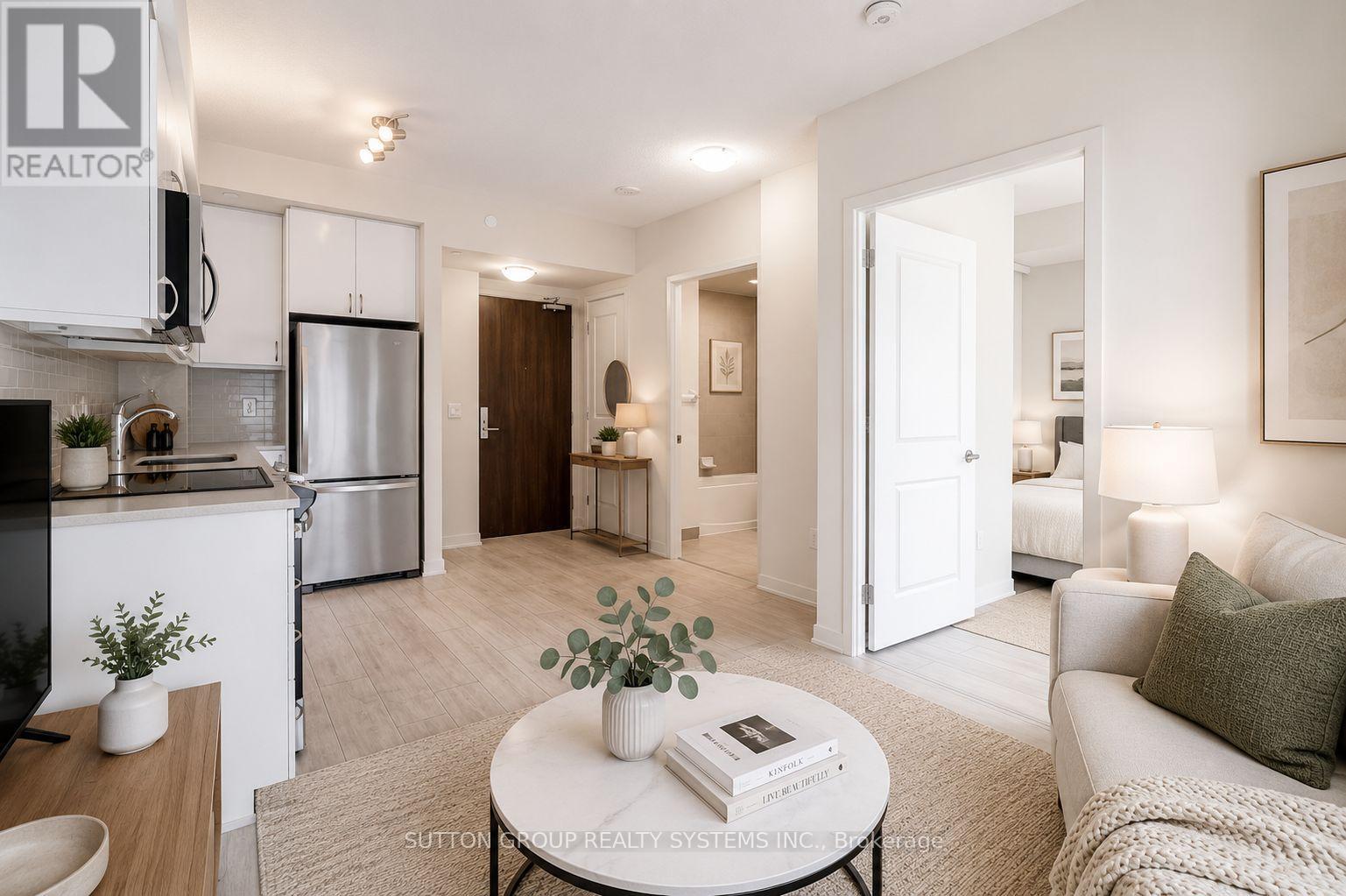 For Rent
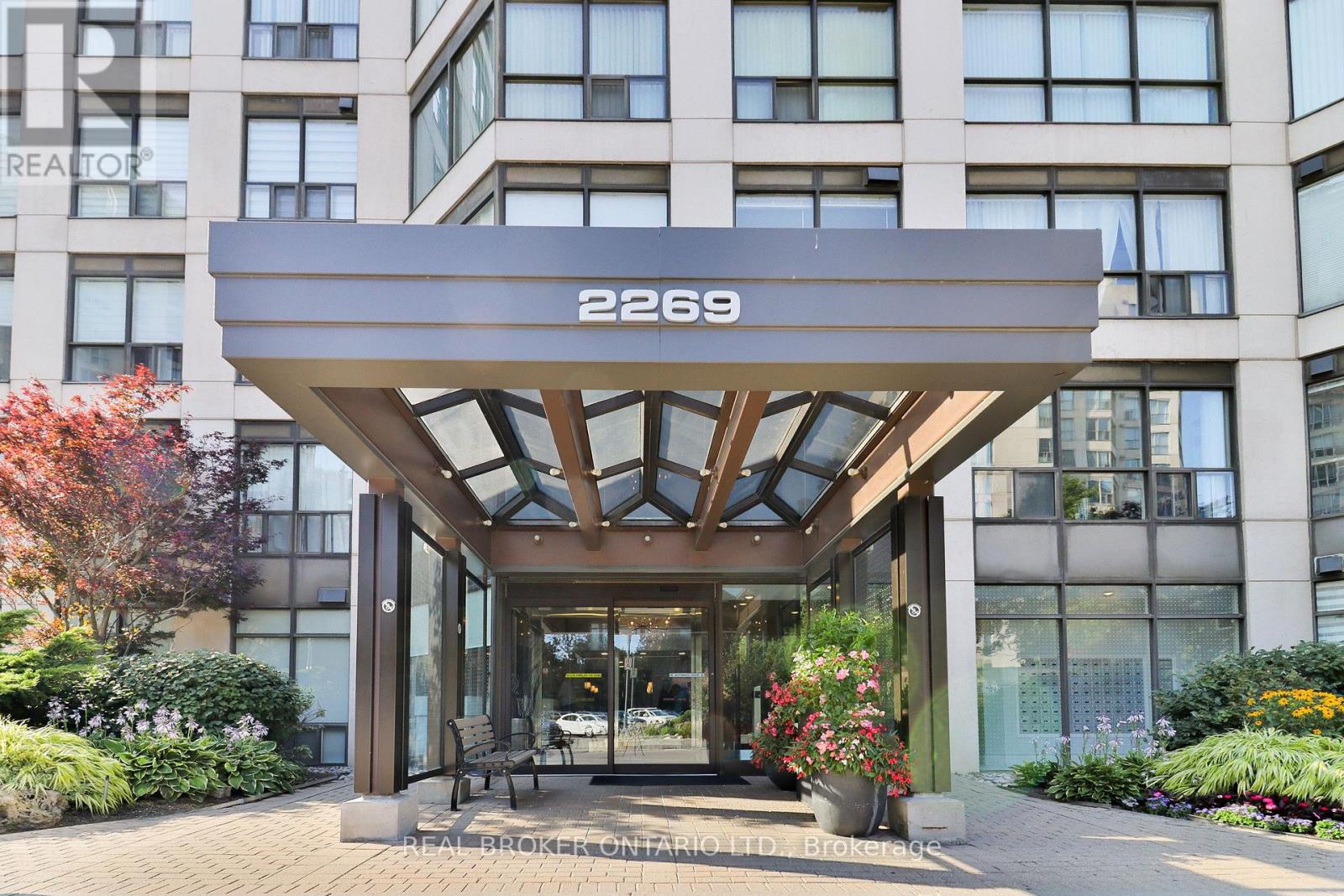 For Sale
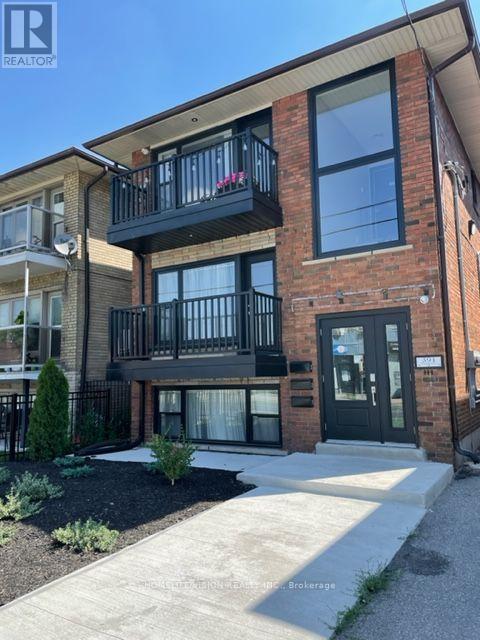 For Rent
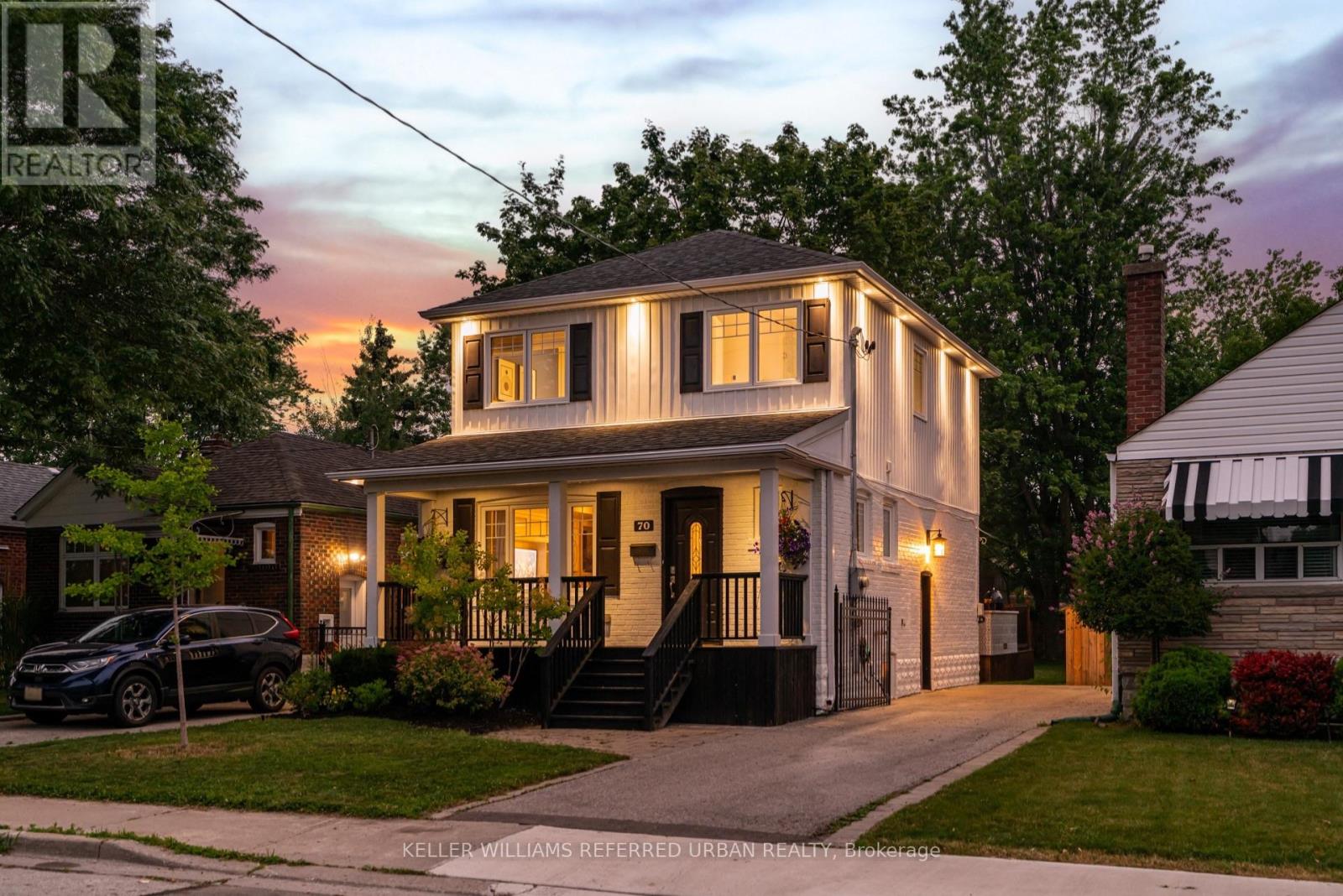 For Sale