
Thistletown-Beaumonde Heights is a northwest Etobicoke neighbourhood combining two historical communities: the older Thistletown village and the post-war Beaumonde Heights development. Detached homes trade between $700K and $1.0M in 2026. The Humber River ravine runs along the western edge, and bus connections reach Finch West and Kipling subway stations. Families who want freehold space at affordable prices, with direct ravine trail access, find it here.
Thistletown-Beaumonde Heights sits at the northern edge of Etobicoke’s Rexdale area, where Albion Road and Islington Avenue cross through a neighbourhood of post-war houses, community housing, and Humber River ravine access to the west. The name combines two distinct residential communities: Thistletown, one of the older settlements in Etobicoke with roots predating the post-war suburban expansion, and Beaumonde Heights, the mid-century residential development that grew alongside it. Together they form a neighbourhood that’s more varied in its texture than its price point might suggest.
The Humber River ravine runs along the western edge, and unlike some northwest Toronto neighbourhoods where ravine access is theoretical, the access from Thistletown-Beaumonde Heights is direct and meaningful. Trails along the river valley connect the neighbourhood to a broader natural trail system, and residents on the streets closest to the ravine describe the access as one of the most valued aspects of living here. It’s the kind of green space connection that adds genuine daily quality to life in a way that a park two kilometres away doesn’t.
There’s no subway within walking distance, and the bus-dependent transit situation is the most significant practical limitation for buyers who need fast city access. Albion Road and Islington Avenue buses connect to the broader network, but the commute to downtown by transit takes the better part of an hour. For buyers whose commute is to the airport corridor, Humber College, or destinations in northwest Toronto and Etobicoke, the location is much more practical. For downtown commuters who need to get there five days a week, the transit situation deserves honest assessment before committing to buy here.
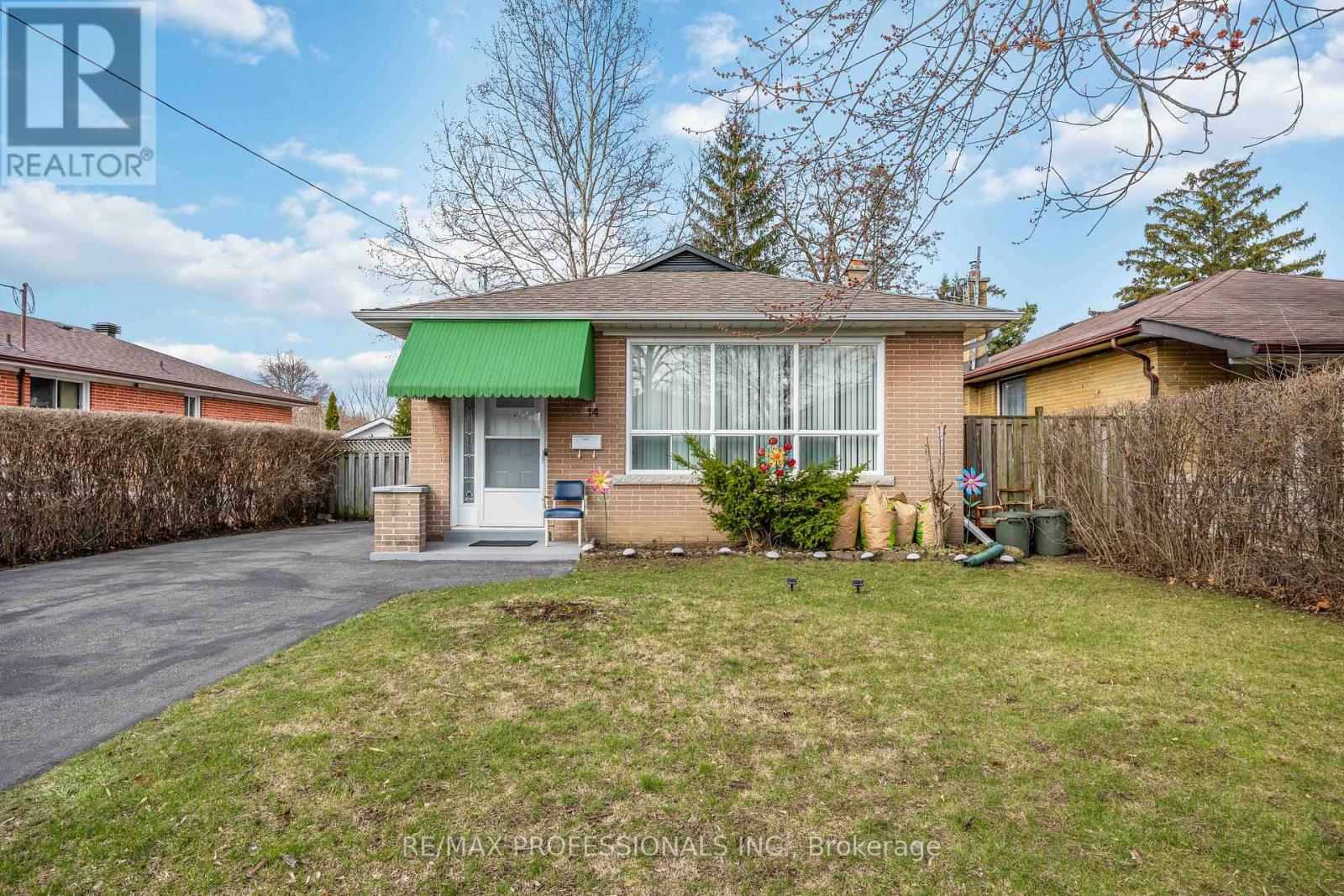
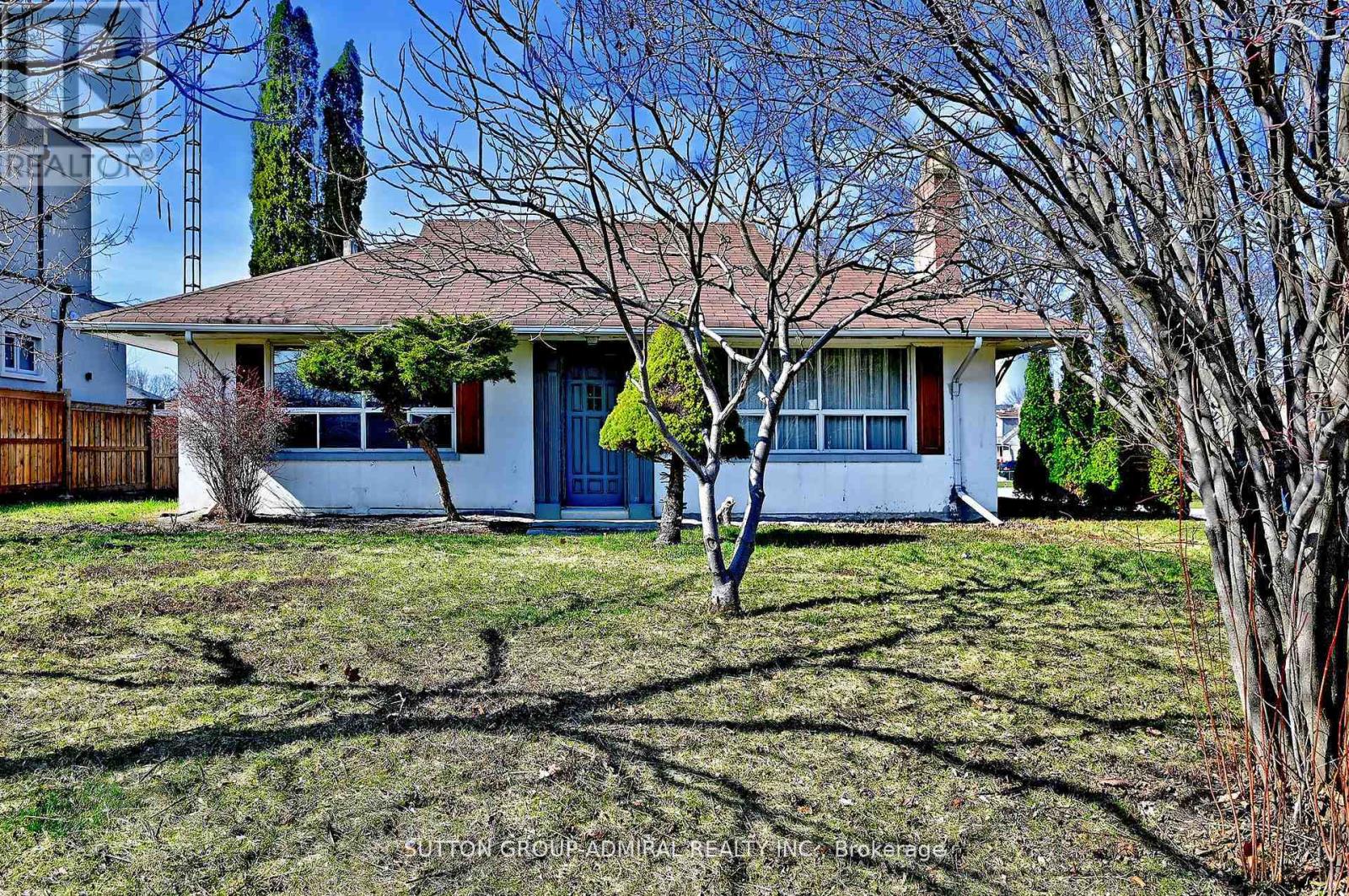
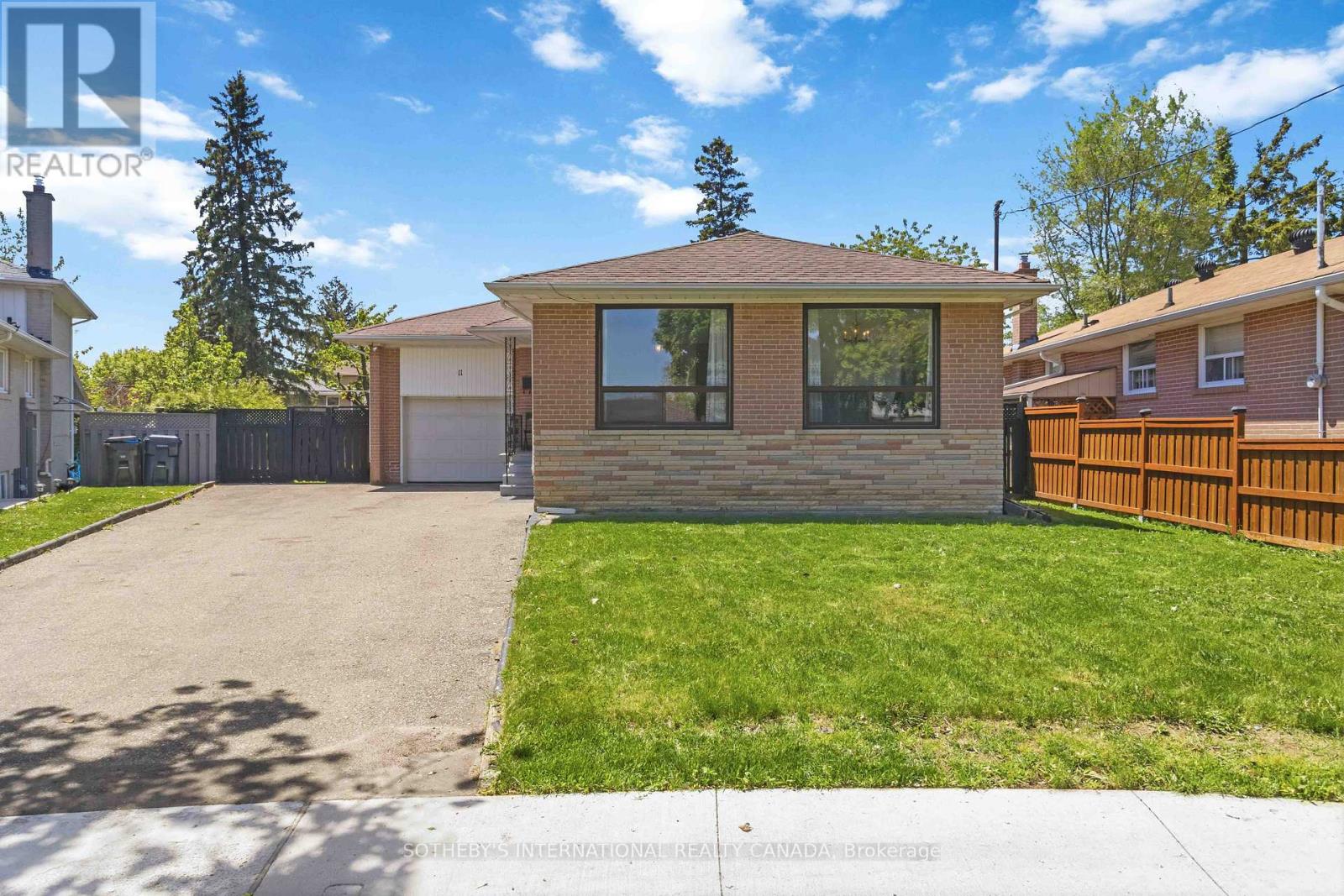
Thistletown-Beaumonde Heights is primarily a freehold neighbourhood, with detached bungalows and semis making up the majority of the private housing stock. The bungalows here follow the northwest Etobicoke pattern: built in the 1950s and 1960s, brick or aluminum-sided, one storey with basement, modest but functional main floor layouts, and backyards that give families real outdoor space. Lot sizes are similar to adjacent neighbourhoods, running 30 to 40 feet of frontage with reasonable depth.
The community housing in this neighbourhood is a visible part of the built landscape in certain pockets, particularly in the higher-density sections along the main corridors. Community housing towers and low-rises are interspersed with private ownership properties, which creates the variation in character by street that distinguishes this neighbourhood from more uniform post-war bungalow areas. Buyers who are sensitive to the presence of community housing on specific streets should walk potential streets carefully before focusing their search, as the distribution is uneven and the character difference between a street with community housing presence and one without it is meaningful.
Renovation activity in Thistletown-Beaumonde Heights has been gradual. Some properties have been substantially updated, with renovated kitchens, finished basements, and improved facades. Others are in original or near-original condition, maintained but not modernized. This variation creates the full range of price and condition scenarios that characterizes aging post-war housing stock in northwest Toronto. A thorough home inspection on any property you’re considering seriously is not optional.
Detached homes in Thistletown-Beaumonde Heights were trading in the $700,000 to $1.0 million range in 2026, making this one of the more affordable freehold options in Etobicoke. Semis price below detached on comparable streets. The lower end of the range reflects properties with significant deferred maintenance or in pockets with community housing proximity; the upper end reflects renovated homes on the quieter residential streets with the best access to the ravine.
The market in Thistletown-Beaumonde Heights is measured in its pace and accessible for buyers who want time to make deliberate decisions. Properties don’t typically disappear in days; they find buyers through accurate pricing and reasonable market time. For buyers who’ve been worn down by the bidding war culture in other parts of Toronto and Etobicoke, the experience of making a considered conditional offer on a well-priced property in this neighbourhood can feel like a return to how real estate is supposed to work.
The buyer pool here is specific and consistent rather than broad. It’s composed primarily of people who have concluded that freehold ownership in Toronto at a sub-$900,000 price point requires accepting some limitations, and who have thought carefully about which limitations they’re willing to accept. Transit limitations, limited walkable retail, and community housing proximity on some streets are the main ones in Thistletown-Beaumonde Heights. Buyers who can accept these limitations find a market that rewards patience and deliberateness rather than speed and competitive aggression.
Spring brings increased activity and occasional competing offers on the most desirable properties at the right price. Winter is slow, and motivated sellers whose properties haven’t moved in fall can be more receptive to reasonable offers in January and February than they would be competing in a spring market. Buyers with flexibility on timing can take advantage of seasonal dynamics that exist in this neighbourhood more visibly than in higher-demand areas where demand sustains pricing year-round.
Long-term appreciation has been steady if modest. Thistletown-Beaumonde Heights has tracked northwest Toronto freehold broadly: meaningful equity building over 10-plus year holds, less excitement in the short term. The neighbourhood’s stable owner-occupier demand base and consistent buyer profile produce a market that doesn’t crash dramatically in downturns or surge dramatically in upswings, which suits buyers with long horizons better than those looking for short-term gains.
Families with children looking for freehold at prices that fit a household income that isn’t exceptional by Toronto standards are the primary buyer group in Thistletown-Beaumonde Heights. The combination of a detached house, a backyard, quiet residential streets in the better pockets, and the Humber River ravine access to the west offers something genuinely difficult to replicate at these prices in Toronto. Buyers who have done the comparison between what their budget buys here and what it buys in more expensive Etobicoke communities often find themselves making a calculation that resolves in Thistletown-Beaumonde Heights’s favour when they weight freehold space against commute convenience.
Airport workers and people employed in northwest Etobicoke’s employment lands are a consistent buyer cohort. The neighbourhood’s location along the Albion corridor gives reasonable car access to the airport and the associated employment areas, and for workers with shift schedules or early starts where transit is not a realistic option, having a 15-minute car commute to work is a meaningful practical asset. The airport’s large and diverse workforce includes many workers for whom Thistletown-Beaumonde Heights is a natural residential choice based on employment proximity alone.
Community members with ties to the diverse northwest Etobicoke communities, including Caribbean, African, and South Asian families, buy in Thistletown-Beaumonde Heights both because of price and because of existing community presence. The neighbourhood has a long history as a home for working-class families across many backgrounds, and the community infrastructure that has developed over decades, including places of worship, community organizations, and cultural businesses, is a pull factor for buyers from those communities that doesn’t show up in transit scores or walkability ratings.
Investors buying for long-term rental income find the neighbourhood’s price-to-rent ratio more favourable than in higher-priced Etobicoke communities. Basement suites in bungalows generate rental income that meaningfully contributes to carrying costs at these purchase prices, and the rental demand from the airport employment base and Humber College makes vacancy a manageable risk for well-maintained units.
Albion Road is the neighbourhood’s main east-west corridor, and it carries the commercial activity and through traffic that define the neighbourhood’s main axis. The residential streets that branch off Albion, particularly those running south toward the ravine edge or north into the quieter parts of the neighbourhood, are where the best residential experience in Thistletown-Beaumonde Heights is found. The distinction between a property immediately on Albion and one two streets back from it is substantial and affects everything from noise levels to street character.
Islington Avenue runs north-south through the neighbourhood and is similarly busy. The blocks immediately adjacent to Islington are influenced by its traffic, while the residential streets set back from it settle into the quiet suburban character that defines the neighbourhood’s interior. The intersection of Albion and Islington is the busiest area within the neighbourhood and the least residential in character; buyers seeking the most insulated residential experience should look at streets well away from this intersection.
The western portion of the neighbourhood, where streets approach the Humber River ravine, is the most sought-after within Thistletown-Beaumonde Heights. Properties here have direct or near-direct access to the ravine trail system, sometimes ravine views, and the natural landscape that the Humber valley provides. The streets in this western pocket trade at the upper end of the neighbourhood’s range and attract buyers who prioritize the green space access above other neighbourhood characteristics.
The Thistletown portion of the neighbourhood, generally the older settlement area, has some streets with a more established tree canopy and settled character than the newer Beaumonde Heights sections. This variation is visible on the ground but subtle enough that buyers who haven’t spent time walking the area will miss it. A buyer’s agent who knows the distinction and can use it to guide your search is giving you information that’s genuinely useful in making a location decision within a neighbourhood this varied.
Thistletown-Beaumonde Heights is bus-dependent, and that’s the transit reality buyers need to accept before purchasing here. There’s no subway within the neighbourhood boundary, and the closest rapid transit connections are Finch West station on Line 1 and Kipling station on Line 2, both accessible by bus but neither within walking distance from most of the neighbourhood. Bus routes on Albion Road and Islington Avenue provide the primary transit connections, and travel time to downtown by transit is typically 55 to 70 minutes depending on the time of day and the connection quality.
The Albion bus connects to Finch West station, from which Line 1 provides north-south transit. The Islington bus connects both north and south to transit hubs. For residents whose destinations are within northwest Toronto or Etobicoke, the bus network is more practical than for downtown commuters; many of the area’s employment destinations are accessible by bus without a subway connection.
For drivers, the neighbourhood has reasonable access to Highway 427 and the 400-series network via Albion Road and Islington Avenue. Pearson Airport is approximately 15 minutes by car, and the airport employment corridor is accessible without expressway use for many workers. Downtown Toronto driving is a long trip during peak hours; this is not a neighbourhood optimized for downtown car commuters any more than it is for transit commuters. The best-suited commute profiles are to destinations within northwest Toronto and Etobicoke, the airport corridor, and Mississauga.
Cycling infrastructure is limited on the arterials, but the Humber River trail from the western edge of the neighbourhood provides excellent off-road cycling for recreational use and for commutes that can be routed along the trail system. The trail connects south to the lake and north into the broader Humber watershed, and residents who use it regularly find it one of the neighbourhood’s most valued practical assets. Practical cycling commuting to most Toronto employment destinations from this neighbourhood is a long trip, but trail-connected destinations within northwest Toronto are feasible.
The Humber River ravine along the western edge of Thistletown-Beaumonde Heights is the neighbourhood’s most significant green asset and the feature that most distinguishes it from comparable affordable northwest Toronto neighbourhoods without ravine access. The ravine here is wide and forested, with the Humber River running through it in a way that feels genuinely natural. Trail access points from the western residential streets put residents within minutes of trail hiking, cycling, and natural landscape that extends north into the Humber valley and south toward the lake and the Humber Marshes.
The ravine’s significance for Thistletown-Beaumonde Heights residents is both recreational and psychological. The transition from the neighbourhood’s modest residential streets to the forested valley is abrupt enough to feel like genuinely leaving the city, which is a rare quality in a Toronto neighbourhood at any price point. Residents who use the trail regularly report it as one of the most valued aspects of their home purchase, often ahead of property size, renovation quality, or neighbourhood prestige.
Smaller neighbourhood parks exist within the residential area, serving the immediate community with standard park infrastructure: playgrounds, benches, and open lawn. These parks are used by the large family population in the neighbourhood and maintain reasonable standards through City of Toronto parks maintenance. They serve the daily outdoor needs that don’t require a ravine trail, and their distribution through the neighbourhood means most residents are within a few blocks of some form of outdoor green space.
Rowntree Mills Park is accessible to the north and provides a more extensive park experience with picnic areas, open green space, and connection to the Humber River trail system. It’s a destination for families who want a larger natural space than the immediate neighbourhood provides and is close enough by car to be a practical regular destination. The combination of the ravine, the local parks, and the proximity to Rowntree Mills gives Thistletown-Beaumonde Heights a green space offering that’s better than the purchase price would suggest.
The Albion Road commercial strip is Thistletown-Beaumonde Heights’s primary retail corridor, with a practical mix of grocery stores, takeout restaurants, pharmacies, and service businesses that serve the local population’s everyday needs. The retail here is functional and diverse, reflecting the neighbourhood’s demographics with Caribbean, South Asian, and international food options well represented. For residents who cook from those traditions, the local grocery and specialty food access is genuinely good. For residents looking for specialty coffee culture, independent restaurants, or lifestyle retail, the local offering is thin and a short drive to elsewhere in Etobicoke is the practical solution.
Albion Centre mall, just south of the neighbourhood on the Albion corridor, provides a supplementary retail destination with the broader range of services a neighbourhood mall offers: banking, larger grocery options, chain pharmacy, and food court. It’s a practical destination for shopping that goes beyond what the local commercial strip provides without requiring a major trip out of the area.
For larger retail needs, Woodbine Centre and Sherway Gardens are accessible by car. Both offer national retail chains and the full range of suburban mall options within 20 to 25 minutes of the neighbourhood. Car ownership is essentially required for full retail participation in Thistletown-Beaumonde Heights, which is a known characteristic of living in this part of the city and one that buyers from transit-oriented urban backgrounds need to factor into their lifestyle adjustment when moving here.
Healthcare services are available through clinics along the Albion corridor and at Humber River Hospital, which is accessible by car and provides hospital-level care for the northwest Toronto region. The community health infrastructure in this part of Etobicoke has been strengthened by investment in northwest Toronto community health centres, giving residents access to primary care services without requiring long trips to more centrally located facilities. Library and recreation centre access is available within the area through City of Toronto services.
Thistletown Collegiate Institute is the neighbourhood’s local TDSB secondary school and serves students from Thistletown-Beaumonde Heights and surrounding northwest Etobicoke communities. It’s a large school with a diverse student body, and it has been the subject of sustained community investment and advocacy over the years. Elementary schools within and adjacent to the neighbourhood serve the local catchment, and the TDSB school locator can confirm which school covers a specific address, as boundaries are updated periodically and may not match expectations based on neighbourhood names alone.
French immersion access follows the pattern of northwest Toronto broadly: available within the TDSB system but potentially requiring travel to a school outside the immediate catchment. Parents who want French immersion for their children should confirm current program locations with the TDSB and assess the travel logistics from their specific address before making that commitment. The TDSB has expanded French immersion availability in northwest Toronto in recent years, improving access relative to what was available a decade ago.
The Humber College North Campus is accessible by bus from the neighbourhood, providing postsecondary education within reasonable transit distance. For families with children approaching college age, having a local campus option without the need to relocate is a practical asset. The college’s programs in trades, technology, business, and health sciences serve a range of career paths that are well-matched to the employment landscape of northwest Toronto and the airport corridor.
Catholic school families have access to TCDSB schools in the Etobicoke area. Several Catholic elementary schools serve northwest Etobicoke, and Catholic secondary school options are accessible from the neighbourhood. TCDSB boundaries should be confirmed for specific addresses. For families for whom the Catholic school system is a priority, the options are present and accessible without requiring significant travel from Thistletown-Beaumonde Heights.
Thistletown-Beaumonde Heights has seen limited large-scale development, with change occurring primarily through individual property decisions: renovations, extensions, and occasional lot redevelopment on individual bungalow lots. The neighbourhood hasn’t been a target for the developer-driven intensification that has transformed transit-adjacent Toronto communities, and its current housing mix has remained largely stable since the post-war era.
The City of Toronto’s densification policies do apply here, including the as-of-right permissions for garden suites and laneway suites on qualifying residential lots. Some owners have begun to explore these options, and the permission structure makes them more accessible than they were under previous regulations. Whether a specific lot qualifies depends on lot dimensions and setbacks; buyers interested in adding a secondary unit should assess this before purchasing rather than assuming it’s feasible. TRCA regulations affect the ravine-adjacent properties on the western edge and constrain what can be built or altered on regulated portions of those lots.
Community housing renewal is a real factor in this neighbourhood. Some of the community housing stock in Thistletown-Beaumonde Heights is aging, and provincial and federal investment in social housing renewal sometimes involves demolition and replacement of older buildings. The results of this process can change the character of specific streets over time as older towers are replaced with mixed-tenure buildings. Buyers who want to understand the specific community housing properties near any address they’re considering can find information through the City of Toronto and Toronto Community Housing.
The longer-term trajectory of the neighbourhood depends partly on external factors, including the evolution of the Albion Road commercial corridor, any future transit improvements in northwest Etobicoke, and the broader Toronto housing cost dynamics that continue to push buyers toward affordable freehold wherever it exists. Thistletown-Beaumonde Heights remains affordable partly because it lacks the transit and amenity improvements that would drive repricing, and the outlook for those improvements is uncertain in the medium term.
What is Thistletown, and why does it have a separate name from Beaumonde Heights?
Thistletown is one of Etobicoke’s older settled communities, with a history that predates the post-war suburban expansion that produced Beaumonde Heights and most of northwest Etobicoke’s current residential fabric. The Thistletown village area along Albion Road has roots in the late 19th and early 20th centuries, when it functioned as a small rural settlement in what was then Etobicoke Township. Beaumonde Heights was the name given to the mid-20th century residential development that grew alongside and absorbed much of the original Thistletown identity. The combined neighbourhood name recognizes both historical communities. On the ground today, the distinction between Thistletown and Beaumonde Heights is subtle: the Thistletown area has some streets with an older, more established character and tree canopy, while Beaumonde Heights reflects more uniformly the post-war bungalow development of the 1950s and 1960s. Both share the same price range, the same transit situation, and the same relationship to the Humber River ravine to the west.
How does the community housing affect property ownership in the neighbourhood?
Community housing in Thistletown-Beaumonde Heights is concentrated in specific locations rather than distributed evenly throughout the neighbourhood, which means its effect on your ownership experience depends heavily on where a specific property is relative to those concentrations. Streets with significant community housing presence have a different character from streets that are primarily privately owned homes. This is a visible difference when you walk the streets rather than something you have to infer from data. The community housing itself is not the issue; the question is whether the specific street you’re considering has the character you’re looking for. An agent who will be direct with you about which streets have more community housing presence and which don’t is giving you information you need to make a good decision. Community housing residents are neighbours, not problems, and the neighbourhoods they live in are real communities. What matters for a purchase decision is whether you’re comfortable with the specific street’s character, which requires walking it.
Is the ravine in Thistletown-Beaumonde Heights accessible on foot from most of the neighbourhood?
The ravine is directly accessible from the western edge of the neighbourhood, specifically from the streets that back onto or approach the Humber River valley. For residents on those streets, the trail is genuinely within walking distance, sometimes a very short one. For residents in the eastern or central parts of the neighbourhood, the ravine is a 10 to 20 minute walk depending on exactly where you are, which puts it within range for a morning run or dog walk but requires a deliberate trip rather than a spontaneous step out the front door. The distinction matters if daily ravine use is a priority. Properties on the ravine-adjacent western streets command a premium within the neighbourhood’s price range for exactly this reason. If trail access is something you know you’ll use daily, the premium for the ravine-edge location is worth paying. If it’s something you’ll use on weekends and occasionally otherwise, the interior streets at a lower price may represent better value for your specific situation.
What are the realistic transit options for a downtown commuter buying in this neighbourhood?
The honest answer is that Thistletown-Beaumonde Heights is not optimized for downtown commuting by transit, and buyers who need to reach the downtown core five days a week should factor the commute reality into their decision. The Albion bus connects to Finch West station on Line 1, and the Islington bus connects to Kipling station on Line 2. Either connection gets you onto the subway, from which downtown is another 35 to 40 minutes. Total commute time is typically 55 to 70 minutes by transit, depending on your specific address, timing, and destination. That’s a real commute and one that accumulates over time in ways that affect daily life. Some buyers make this trade deliberately: they accept a longer commute in exchange for freehold ownership at a price they can afford, with the ravine access and family space that Thistletown-Beaumonde Heights provides. Others decide that the commute length is a dealbreaker. Both responses are reasonable, and knowing which you are before buying is better than discovering it after six months of daily transit.
An agent working in Thistletown-Beaumonde Heights needs to be honest with buyers about two things that less careful agents avoid: the transit situation and the community housing distribution. Both are material to the purchase decision, and both are things that an agent who wants to close a deal quickly might downplay. The transit situation won’t improve your commute if you discover it’s worse than described after you’ve moved in. The community housing distribution is visible information that should be shared rather than left for the buyer to discover by walking the streets.
The best due diligence process for a property in this neighbourhood includes a thorough home inspection with attention to the standard post-war bungalow issues: electrical panel and service adequacy, plumbing material and condition (galvanized versus copper), insulation levels, and basement moisture. For ravine-adjacent properties, TRCA regulated area status should be confirmed before finalizing any purchase where renovation or addition plans depend on the area outside the existing footprint.
Permit history review matters in this neighbourhood as in all post-war bungalow markets in northwest Toronto. Some renovations and additions in this area have been done without permits, which can create complications for future resale, insurance, and compliance. An agent who asks about permits as a standard part of the listing review process is operating in your interest; one who doesn’t raise it is leaving a known risk unaddressed.
The TorontoProperty.ca team works in northwest Etobicoke and can give you a grounded comparison of Thistletown-Beaumonde Heights against the adjacent options buyers often consider alongside it, including Humbermede, Elms-Old Rexdale, and Rexdale-Kipling. Each has real differences in transit, green space access, community housing mix, and price range. Understanding those differences clearly is the foundation of a purchase decision you’ll be comfortable with over a long ownership period.
Street-level knowledge is hard to find online. Our team works in Thistletown-Beaumonde Heights every day. They know which pockets hold value, where the school catchment lines actually fall, and what the market is doing right now. Talk to us before you make a decision about Thistletown-Beaumonde Heights.
Talk to a local agent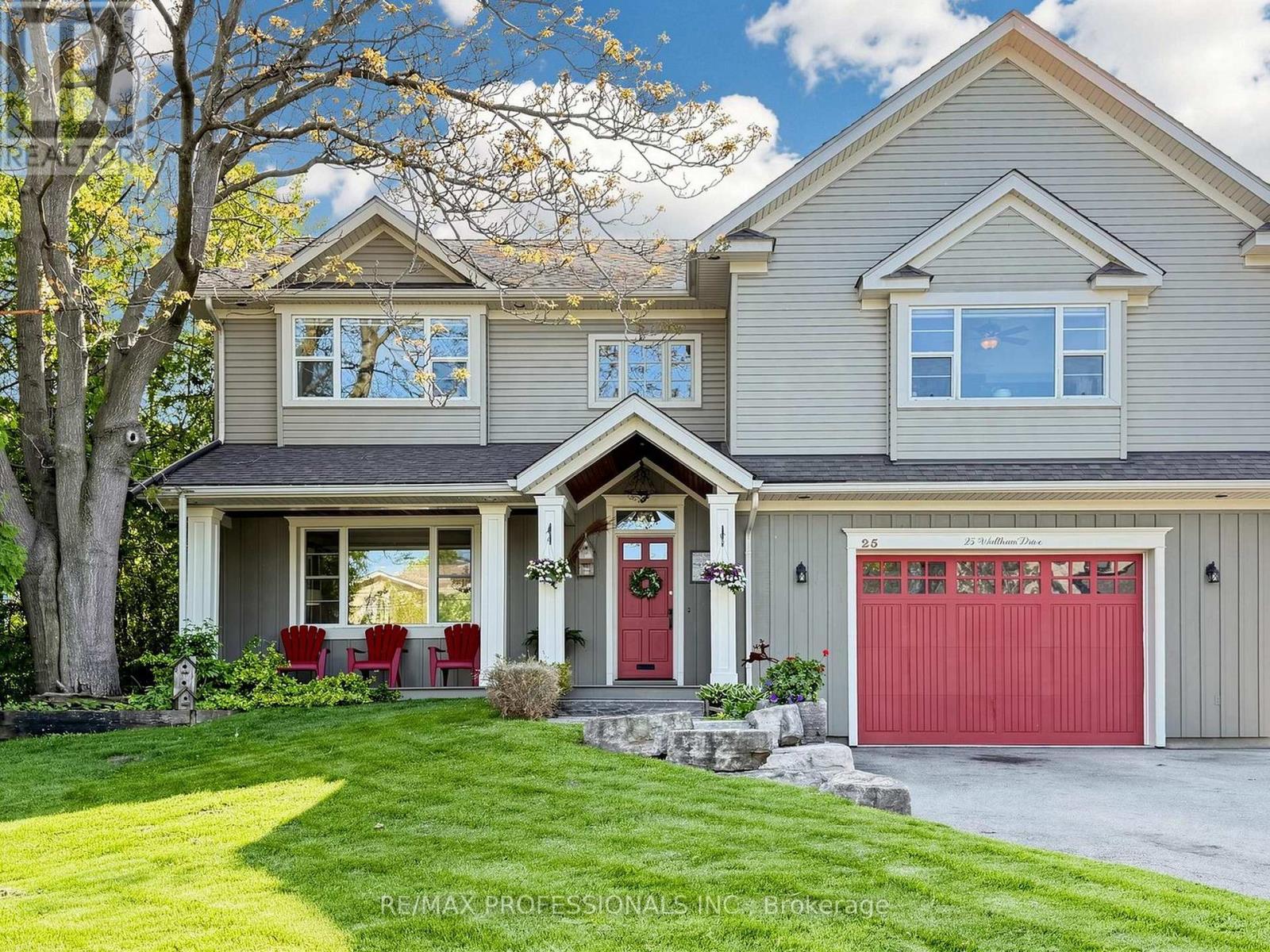 For Sale
 For Sale
 For Sale
 For Sale