
Thorncliffe Park is one of the most ethnically diverse communities in Toronto, a dense apartment-tower neighbourhood between the Don Valley and Overlea Boulevard, known for its active commercial strip, strong community organizations, and proximity to the East York and Leaside neighbourhoods at the edge of the Don Valley.
Thorncliffe Park is a singular Toronto neighbourhood in several ways. It was built in the early 1960s as one of the first planned apartment communities in North America, a complete community of high-rise rental towers, retail, and green space designed to a modernist planning vision. That original planning vision is still legible in the neighbourhood’s physical form: the towers are arranged around pedestrian routes and green space rather than the street grid, the commercial strip on Thorncliffe Park Drive is internal to the community rather than on a through arterial, and the park spaces weave between the buildings in a pattern unlike any other Toronto neighbourhood.
The community that lives in Thorncliffe Park today is far from the middle-class suburban demographic the planners envisioned in 1962. It is one of the most ethnically diverse communities in Canada and among the densest concentrations of recent newcomers anywhere in the country. The community has a strong South Asian, East African, Middle Eastern, and Central Asian character, with the commercial strip reflecting this through a remarkable concentration of halal butchers, South Asian groceries, Afghan and Bangladeshi restaurants, and the community institutions that serve a large Muslim population.
The neighbourhood is overwhelmingly renter-occupied. The rental apartment towers that constitute most of the built form have not been converted to condominiums at the scale that has transformed similar 1960s tower communities in the GTA. There is a small condominium component along the Don Valley edge and a limited supply of freehold townhouses, but for most purposes Thorncliffe Park is a rental community with a secondary investment market rather than an owner-occupier market.
The ownership market in Thorncliffe Park is thin and concentrated in the small condominium component of the neighbourhood. Condominium units in the tower and mid-rise buildings that have been converted or built as condos trade between $400,000 and $700,000 depending on size, condition, and view. The units available are predominantly one and two-bedroom configurations reflecting the original tower layouts.
Townhouse freehold properties, which exist in small numbers in the neighbourhood, trade between $750,000 and $1 million depending on size and condition. These are sought-after when they come available because freehold ownership in this community is genuinely scarce. The combination of the neighbourhood’s central-ish position relative to downtown and the affordability of condominium units makes Thorncliffe Park one of the few Toronto neighbourhoods where entry-level ownership is possible at a reasonable transit commute distance from the core.
The rental apartment market is the dominant housing mode. Rents in the original 1960s rental towers are generally below market rate for their location because the buildings are not luxury properties and the management has historically been institutional rather than premium. The rental stock provides affordable housing in a well-located midtown area in a way that market-rate development cannot replicate, and this is increasingly recognized as an important social housing function that the neighbourhood provides for the broader city.
The Thorncliffe Park ownership market is too thin to draw strong conclusions from annual sales data. The condominium transactions that occur each year number in the dozens rather than the hundreds, and the specific units available vary enough in condition, floor, and view that comparables are only loosely applicable. The investment market here is primarily driven by rental yield calculations rather than capital appreciation expectations.
Investors who purchase condo units in Thorncliffe Park for rental are typically targeting the large and stable tenant pool that the neighbourhood’s demographic creates. The demand for rental units is high and vacancy rates are low. Rent collections have historically been reliable because the tenant profile is household-oriented families rather than transient young professionals. These characteristics make the investment profile different from a downtown condo investment, with lower volatility but also lower expected capital appreciation.
The broader Don Valley corridor has seen significant property value appreciation in the Leaside, East York, and Flemingdon Park neighbourhoods adjacent to Thorncliffe Park. This appreciation has moved north and east from the Leaside and Danforth corridors and has begun to affect the Don Mills corridor further north. Thorncliffe Park itself has been less affected because the overwhelming rental character of the neighbourhood limits the owner-occupier demand that drives appreciation in comparable transitional neighbourhoods.
Thorncliffe Park buyers are overwhelmingly investors purchasing for rental income. The tenant pool is large, the vacancy rates are low, and the location, adjacent to East York and the Don Valley, is better than the neighbourhood’s profile suggests to outside observers. For investors who have experience managing rental properties in diverse immigrant communities, Thorncliffe Park units consistently provide stable cash flow at an entry price well below comparable Toronto investment properties.
A smaller buyer cohort is newcomers to Canada who want to purchase their first Toronto property in a community where their language and culture are present. Buying into Thorncliffe Park as a landing place, with the intention to move to a different neighbourhood after several years of establishment, is a documented pattern among South Asian and East African communities. These buyers are first-time buyers with immigrant financial profiles: significant down payments from savings or family support, stable employment, and a cautious approach to debt.
The neighbourhood does not attract the traditional family or professional buyer profile that drives most Toronto neighbourhood markets. This is not a criticism; it is a description of a community that serves a specific and important function in the Toronto housing ecosystem. For buyers who understand that function and are entering the market to serve it, Thorncliffe Park offers yields that most Toronto ownership investments cannot match.
The Thorncliffe Park Drive commercial strip is the spine of the neighbourhood and one of the most concentrated and authentic immigrant commercial strips in the GTA. Unlike many multicultural commercial areas that are a mix of ethnic businesses and mainstream chains, Thorncliffe Park Drive is almost entirely independent operations serving the community’s specific needs. The halal butchers, South Asian spice stores, Afghan bakeries, Bangladeshi sweets shops, and phone and remittance businesses that line the strip are there because the community needs and supports them, not because a developer assembled a multicultural theme.
The interior streets of the neighbourhood, the pathways and green space between the towers, function as the pedestrian and social space of the community. These areas are active throughout the day and evening with children playing, community members socializing, and the informal life of a dense neighbourhood with strong community bonds. The physical form of the neighbourhood, with its internal pedestrian network, supports this social use in a way that a standard grid neighbourhood does not.
The eastern edge of the neighbourhood along the Don Valley slopes down to the river and the trail system. This edge has the most dramatic natural setting of any part of Thorncliffe Park and the views across the valley toward Leaside are genuinely good from the upper floors of the eastern towers. The trail access from this side of the neighbourhood connects south to the Don Valley trail system running toward the lake.
The TTC 81 Thorncliffe Park bus connects the neighbourhood to Pape station on the Bloor-Danforth line, a 15 to 20 minute ride depending on time of day. From Pape, the subway provides access to the core in approximately 15 minutes. Total door to downtown Toronto for most Thorncliffe Park addresses is 35 to 50 minutes, which is genuinely competitive with many higher-priced Toronto neighbourhoods.
The 81 Thorncliffe Park and 88 South Leaside buses connect the neighbourhood to Flemingdon Park and to the broader transit network serving the Don Valley corridor. The Leaside connection provides access to the Leaside commercial area, which has a very different character from Thorncliffe Park Drive and serves residents who want the broader retail options of an established residential commercial street.
The Eglinton Crosstown LRT, when it opens, will have a station at Laird Drive on the Eglinton corridor that will be accessible from Thorncliffe Park via bus connection. This will add an east-west rapid transit option to the neighbourhood that does not currently exist and will improve connections to the Yonge line at Eglinton and to the midtown employment corridor.
Serena Gundy Park occupies the western edge of the neighbourhood along the Don Valley and is the primary significant park space for Thorncliffe Park residents. The park has sports fields, tennis courts, and direct access to the Don Valley trail system. The valley trail here is accessible to the waterfront to the south and to the broader Don River trail network to the north. For residents of the apartment towers with limited private outdoor space, Serena Gundy Park functions as the outdoor living room of the community.
Stan Wadlow Park in East York is accessible from the southern edge of Thorncliffe Park and provides additional sports facilities and green space. The park has a community rink, sports fields, and is connected to the Taylor Creek trail system. The Taylor Creek trail runs east through East York and provides a flat, accessible trail that is heavily used by cyclists and families.
The Don Valley itself, running along the eastern edge of the neighbourhood, is a significant natural area by urban standards. The valley forest, the river corridor, and the wildlife that the valley supports, including deer, coyotes, and a remarkable range of bird species, are accessible directly from Thorncliffe Park’s eastern edge. The valley is managed by the Toronto Region Conservation Authority and is well-maintained despite the heavy use it receives from the surrounding neighbourhoods.
The Thorncliffe Park Drive commercial strip is one of the most authentic and diverse small commercial areas in Toronto. The concentration of South Asian, Afghan, Middle Eastern, and East African businesses creates a shopping and dining environment that is found almost nowhere else in the city. The grocery options for South Asian cooking and halal meat are among the best in the GTA on this strip. The restaurant options are predominantly subcontinental Asian and Middle Eastern at prices that are among the lowest for restaurant dining in Toronto.
The neighbourhood itself has limited mainstream retail. Pharmacies, banks, and basic household retail are present but the commercial strip does not replicate the full range of services that a mainstream suburban commercial area provides. For mainstream retail, the Leaside commercial area on Laird Drive is a 10 to 15 minute bus ride and provides grocery, home goods, and service retail at a standard Toronto commercial quality. The Shops at Don Mills, a full-scale open-air retail centre, is accessible in a 15-minute drive or bus ride.
The combination of the Thorncliffe Park Drive strip for specific cultural and daily food shopping and the Leaside corridor for mainstream retail is how most residents organize their shopping. The dual commercial geography reflects the community’s position between its own cultural commercial strip and the mainstream Toronto retail environment that surrounds it.
Thorncliffe Park is served by the Toronto District School Board and the Toronto Catholic District School Board. The neighbourhood’s schools are among the most multicultural in the Toronto system. Thorncliffe Park Public School has received national attention for its success in supporting newcomer families and teaching English as a second language. The school has won awards for its inclusion practices and is recognized as a model for schools serving high-needs immigrant populations.
The secondary schools serving Thorncliffe Park students include Leaside High School for some addresses, which is one of the higher-performing public secondary schools in Toronto and is one of the specific assets that makes the Thorncliffe Park and East York corridor attractive to families who are settling in this area with children approaching secondary school age. The catchment boundary between Thorncliffe Park and Leaside school catchments is a real consideration for families purchasing in the neighbourhood.
The Catholic school option through the TCDSB serves the Catholic families in the neighbourhood. Given the large Muslim population in Thorncliffe Park, the Catholic school system is less central here than in many Toronto neighbourhoods, but it remains a choice for Catholic families who live in the area.
Thorncliffe Park has seen renewed developer interest over the past several years as its location between East York and Flemingdon Park has become more visible to investors and planners. Several development proposals for the area, particularly for the commercial strip lands and for some underutilized parking areas between the towers, have been submitted to the city. The community has been actively engaged in these planning processes, advocating for the preservation of affordable housing and the character of the commercial strip.
The Thorncliffe Park community, through organizations including the Thorncliffe Park Residents Association and several settlement service agencies, has been effective at articulating the neighbourhood’s value and at engaging the city planning process to protect the rental housing stock and the commercial character. This community organization is one of the more active in Toronto and has influenced planning decisions affecting the neighbourhood.
The Eglinton Crosstown LRT corridor passes south of the neighbourhood and the transit investment in the Eglinton corridor has increased developer interest in the broader area. The LRT station at Laird Drive, when operational, will be accessible from Thorncliffe Park and will improve connectivity in a way that could eventually trigger more significant development activity in the corridor. The community’s response to this development pressure will likely shape what the neighbourhood looks like in ten years.
Is Thorncliffe Park a good investment for someone buying a condo unit to rent out?
The investment case for Thorncliffe Park condo units is based primarily on rental yield rather than capital appreciation. The entry price is low relative to other transit-accessible Toronto condos, vacancy rates are low, and the tenant pool is large and stable. The yield on a well-managed unit can be competitive with higher-priced Toronto condo investments that offer better capital appreciation prospects. The trade-off is that the capital appreciation rate here has historically been lower than in more gentrifying Toronto neighbourhoods, because the predominantly rental character of the area limits owner-occupier demand which is the main driver of price appreciation in Toronto condo markets. Investors with a 10-to-15-year horizon who prioritize steady cash flow over maximum capital growth will find Thorncliffe Park units worth evaluating alongside higher-priced options. Investors expecting rapid capital appreciation should look elsewhere.
What is the community like in Thorncliffe Park and how welcoming is it to people from outside the dominant cultural communities?
The community is generally welcoming and the neighbourhood functions with the social coherence of any dense community where people know their neighbours and share public space regularly. The cultural character is strongly South Asian, East African, and Middle Eastern and this is visible in the commercial strip, the religious institutions, and the social programming. People who are not from these communities live in Thorncliffe Park without difficulty, though they are in the minority. The neighbourhood is not monocultural and the population includes a range of backgrounds. What the neighbourhood does not offer is the kind of mixed mainstream-multicultural character of Scarborough Town Centre or Yonge and Eglinton. It has a specific cultural identity that is genuine and that most residents are proud of. For buyers who value authentic multicultural living in a dense urban setting, Thorncliffe Park is a Toronto original. For buyers who want mainstream suburban or urban character, it will feel unfamiliar.
Is Thorncliffe Park affected by flooding from the Don River?
The Don River valley runs along the eastern boundary of the neighbourhood. The residential towers of Thorncliffe Park are on the valley edge and above the flood plain, not within it. The TRCA flood mapping shows the active flood plain within the valley rather than extending to the residential streets of the neighbourhood. The trail and park areas in the valley floor, including Serena Gundy Park in its lower sections, can be affected during significant storm events. The residential properties themselves are not within the current active flood hazard zone. As with any property adjacent to a river valley, confirming the TRCA regulated area status for a specific address is the appropriate due diligence step.
How does the proximity to Leaside affect Thorncliffe Park and are there plans to change the neighbourhood character?
Leaside is immediately to the west and has some of the highest detached home prices in Toronto at $2 million to $3 million. The price difference between a Leaside detached home and a Thorncliffe Park condo is extreme. This adjacency creates a pressure on the Thorncliffe Park boundaries that is visible in the planning applications being submitted for the area. The community has been clear in public consultations that it wants the affordable rental housing stock protected and does not want market forces to displace the existing tenant population. The city’s planning staff have been engaged with this tension. The outcome over the next 10 to 20 years will depend on the balance between development pressure and policy protection for the existing community. Buyers purchasing for investment should follow the development applications for the neighbourhood, which are public documents filed with the city, to stay current on what is proposed and approved.
Thorncliffe Park is a market that requires a specific kind of buyer and a specific kind of analysis. The conventional Toronto real estate toolkit, comparables, appreciation rates, neighbourhood prestige, does not apply the same way here. The question to answer for a Thorncliffe Park purchase is whether the rental yield and the location fundamentals support the price, not whether the neighbourhood is trending in the conventional sense.
Buyers who approach Thorncliffe Park as a cash flow investment with the community’s specific character understood from the start tend to do well. Buyers who are trying to find a cheap entry point into a neighbourhood they expect to gentrify quickly are misreading the market. The community’s density, organization, and cultural identity have maintained the neighbourhood’s character through multiple decades of adjacent development pressure and will likely continue to do so.
We cover Thorncliffe Park and the East York and Don Valley corridor. If you want to understand the rental yield calculation for specific units currently available, or if you want to understand how Thorncliffe Park fits into a broader east Toronto investment portfolio, reach out.
Street-level knowledge is hard to find online. Our team works in Thorncliffe Park every day. They know which pockets hold value, where the school catchment lines actually fall, and what the market is doing right now. Talk to us before you make a decision about Thorncliffe Park.
Talk to a local agent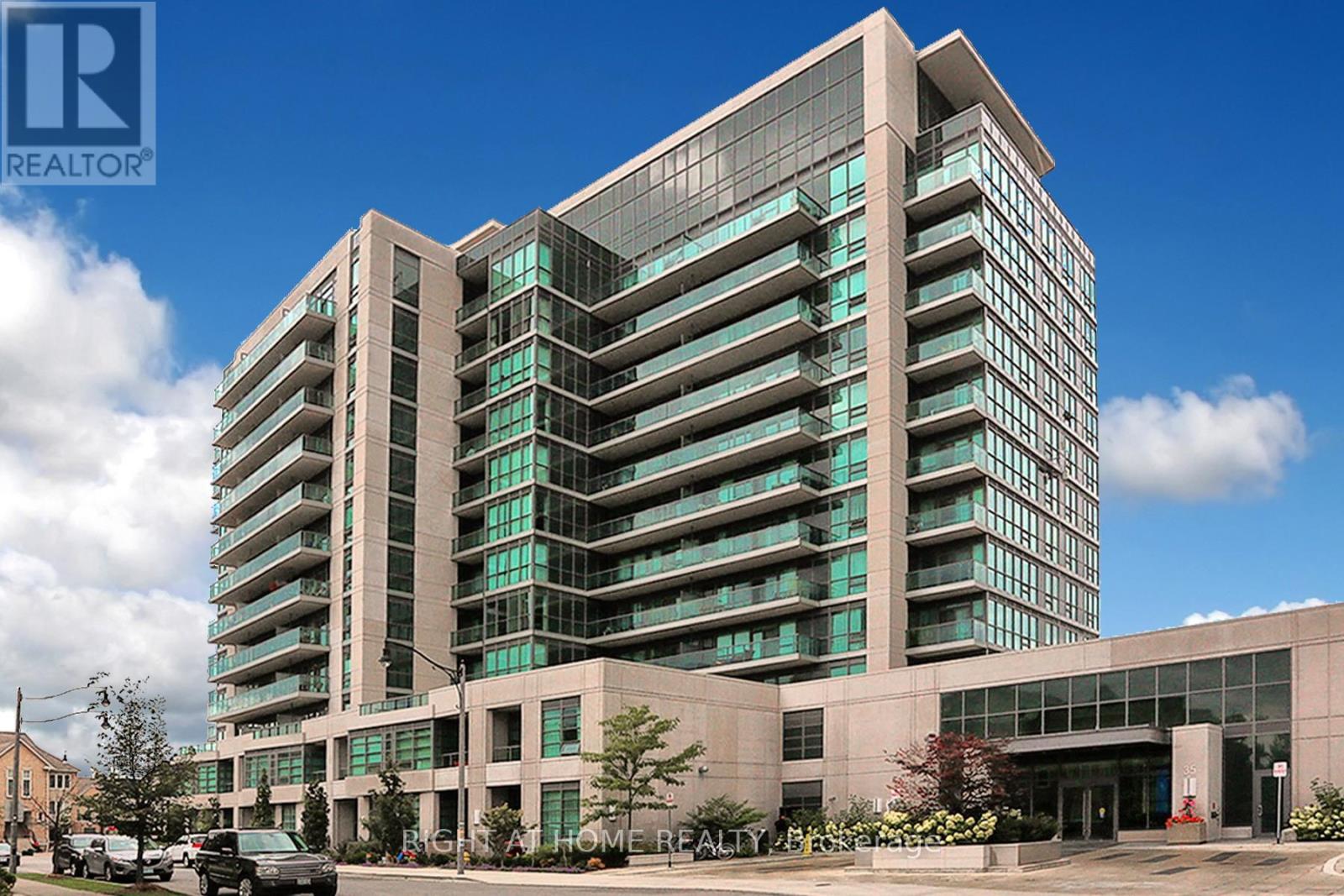 For Sale
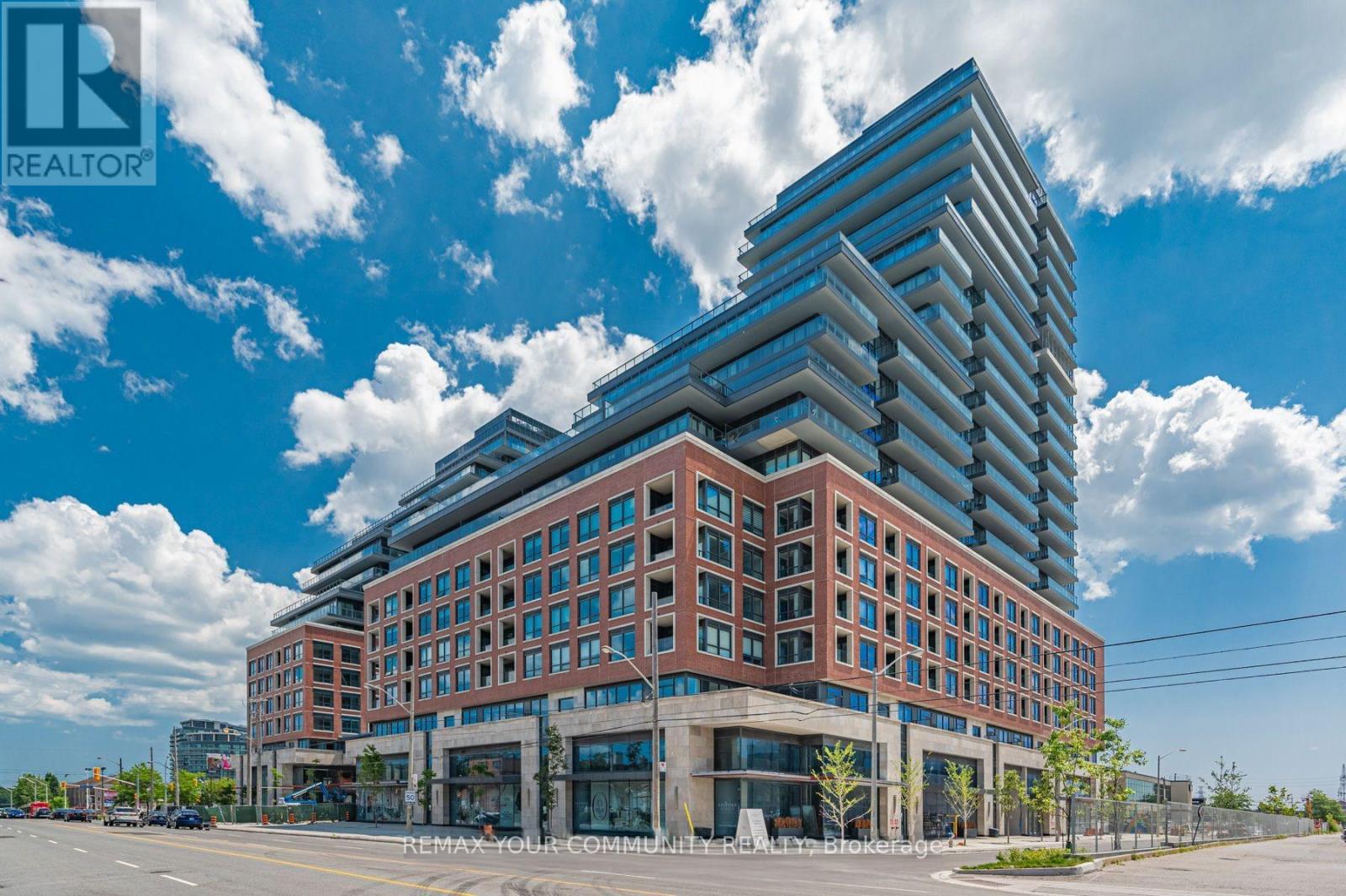 For Sale
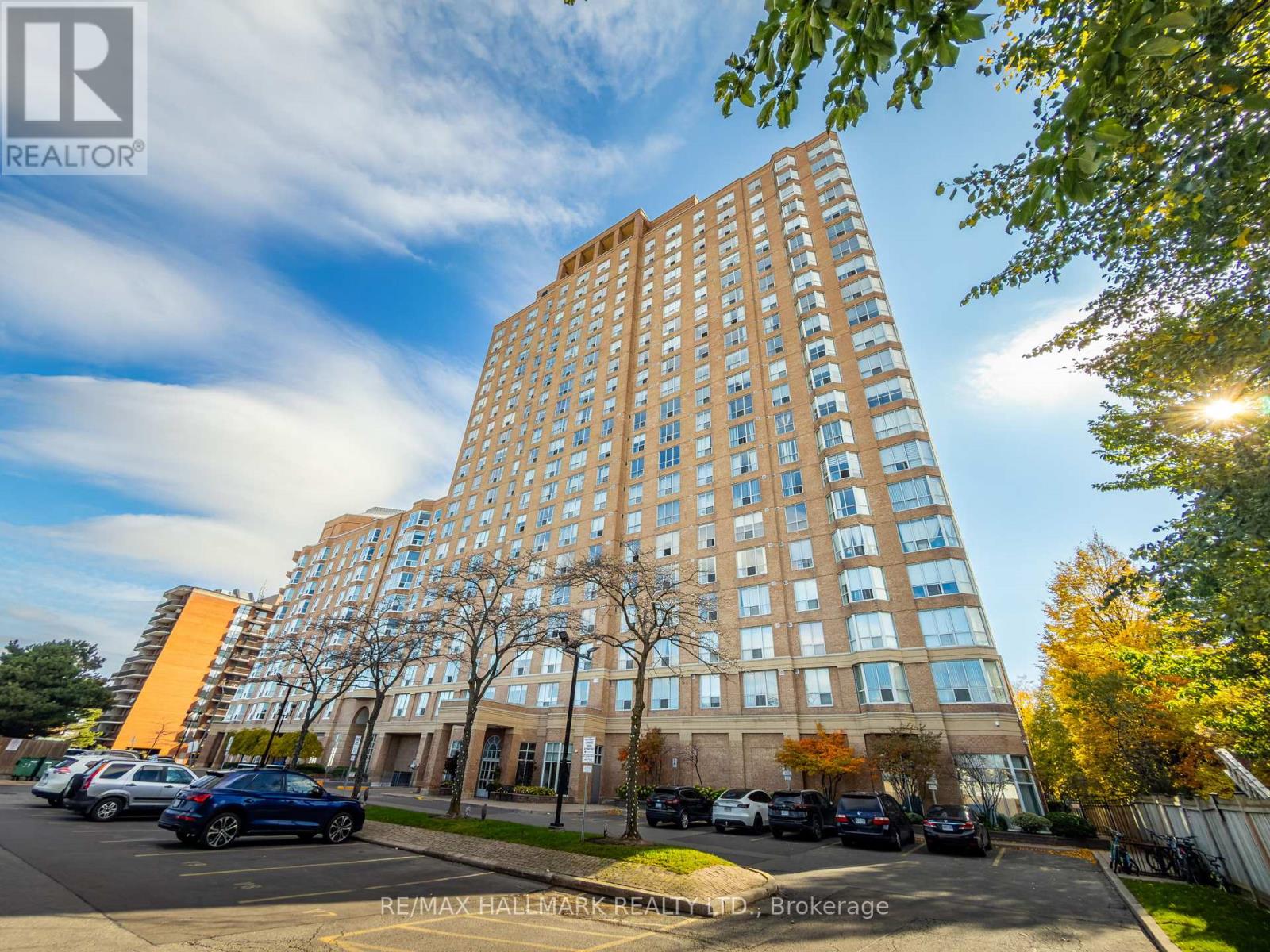 For Sale
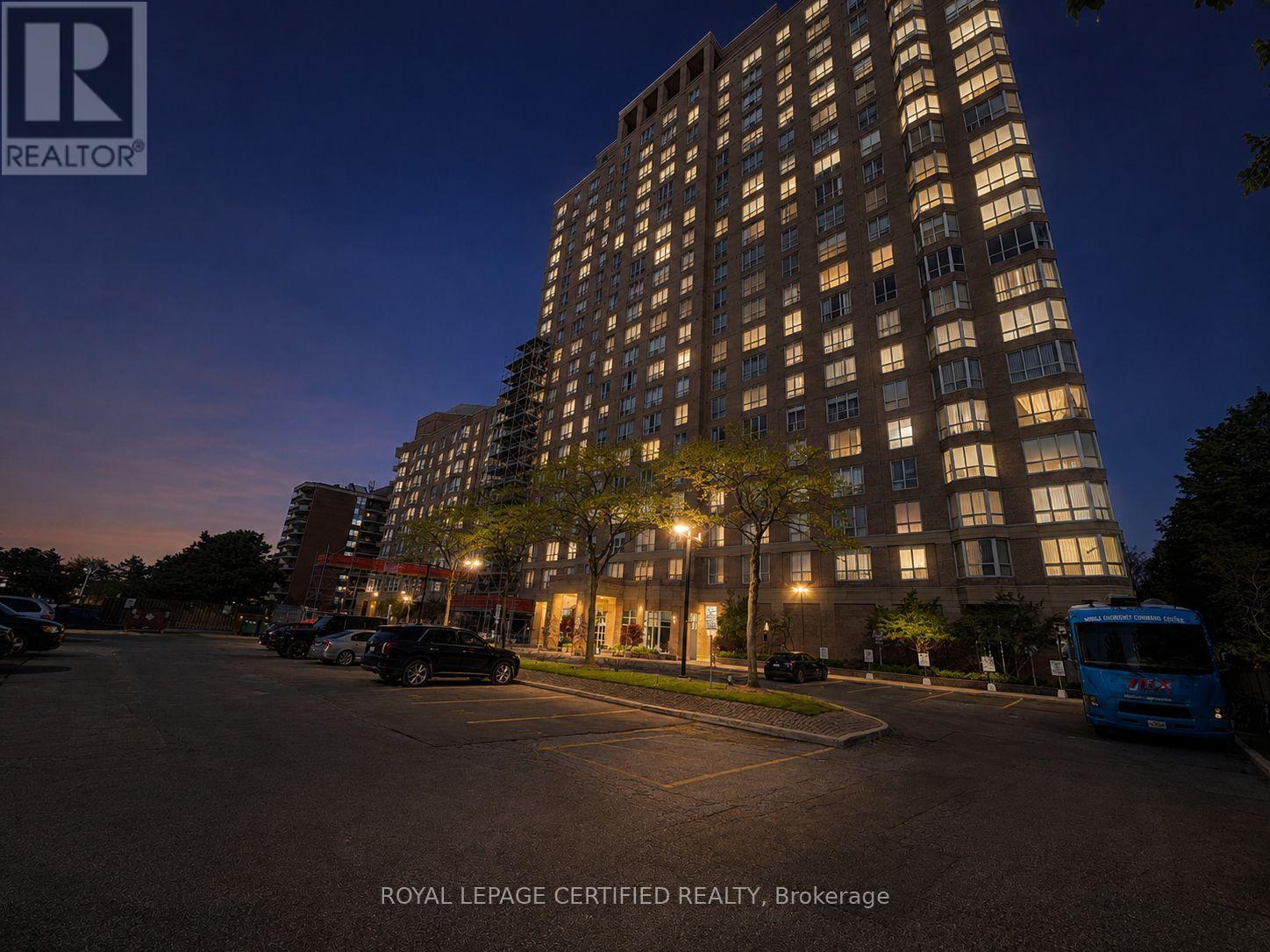 For Sale