
The Woodbine Corridor is a post-war residential neighbourhood east of Woodbine Avenue in upper East Toronto. Detached and semi-detached homes on quiet residential streets are within walking distance of Woodbine subway station on Line 2. Taylor Creek park is accessible to the north and the Danforth commercial strip is walkable to the south. Detacheds range from $900K to $1.3M.
The Woodbine Corridor is the residential area east of Woodbine Avenue, north of Danforth, in the upper east Toronto and East York boundary zone. It’s defined by Woodbine subway station at its western edge and by the Taylor Creek area to the north, with a character shaped by post-war residential development and the practical transit advantage that the station provides.
This isn’t a neighbourhood with a strong identity in the way that Playter Estates or Greektown does. It’s a collection of residential streets that benefit from the Woodbine station walkability and the Taylor Creek access, without commanding the premiums associated with the more established addresses to the west. Buyers who end up here are typically doing a calculation: they want subway access and a freehold house, they can’t stretch to the prices in North Riverdale or Playter Estates, and the Woodbine Corridor gives them the transit piece at a more accessible entry point.
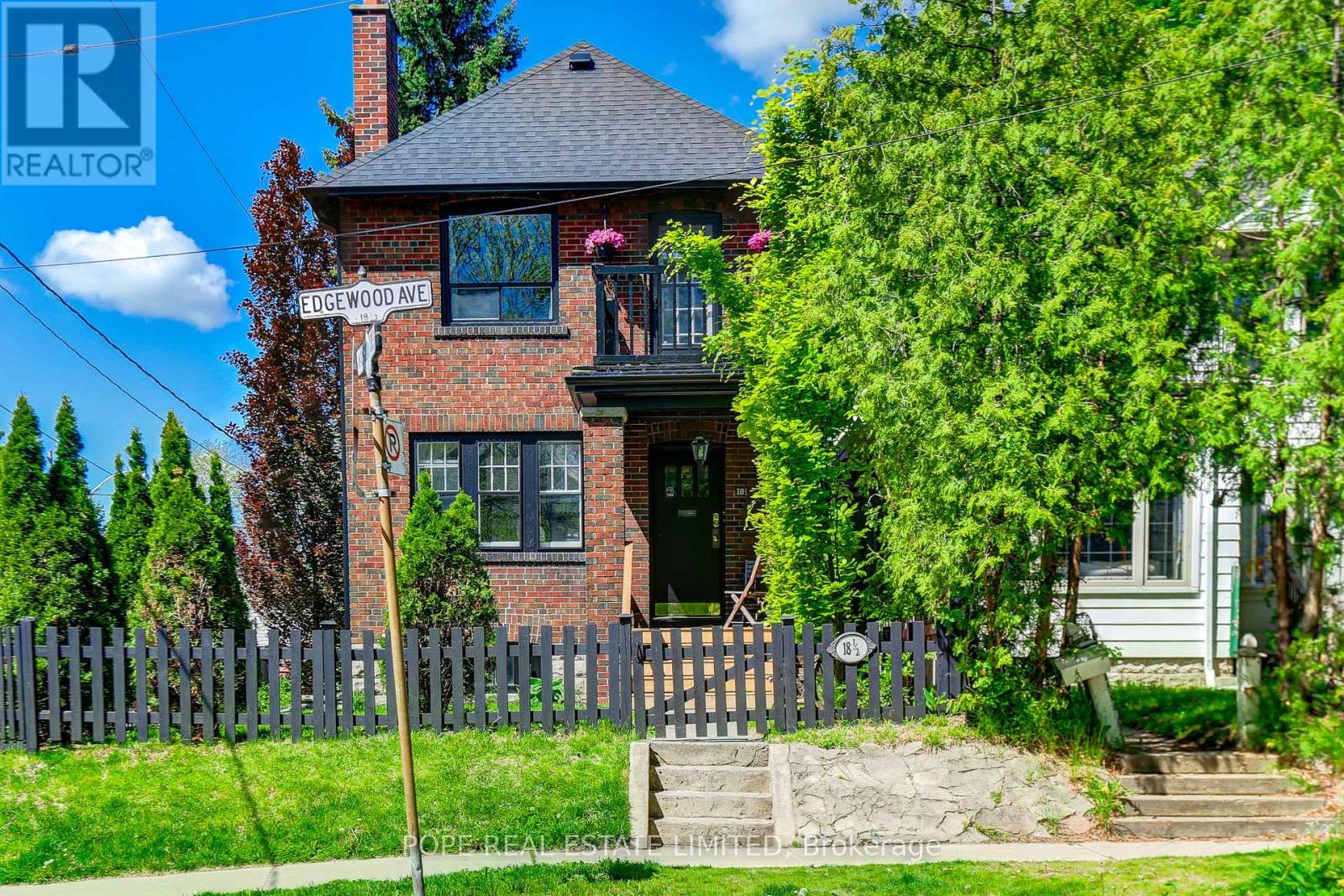
The housing on the internal residential streets is predominantly post-war, brick construction, semis and detacheds built in the same 1940s-to-1960s window as much of East York. The streetscapes are quiet and residential, with the kind of modest but consistent character that comes from owner-occupier stability over several decades. These aren’t streets that attract much attention in real estate magazines or neighbourhood trend pieces, and that’s exactly why they work for buyers who want a practical, livable home near transit without fighting through a premium market to get it.
The neighbourhood has been improving incrementally. Properties that were previously held by landlords with low investment are cycling into owner-occupier hands as prices have risen enough to make renovation and owner-occupation the more financially rational choice. Renovated homes that appear on these streets now look noticeably better than the general stock did ten years ago, which reflects the gradual shift in ownership profile that’s been happening across the east end.
The housing in the Woodbine Corridor is principally post-war semis and detacheds. Brick construction, two to three bedrooms, a basement that has typically been partially finished or is a candidate for it, and a driveway or rear parking access are the common attributes. Lot sizes are consistent with post-war development: 25-to-35-foot frontages on the semis and detacheds, with lot depths in the 100-to-120-foot range on most blocks.
The stock is aging into its seventh or eighth decade of service, which means buyers need to think about the systems rather than just the surfaces. Electrical panels that were sized for 1960s appliance loads may need upgrading for contemporary use. Plumbing drain lines, particularly cast iron stacks common in homes of this era, are candidates for inspection and eventual replacement. Knob-and-tube wiring, though less common in post-war than in Victorian homes, does appear in some of the older examples in the corridor.
A meaningful portion of the homes in the Woodbine Corridor have been used as rentals at some point, which affects condition. Landlord-owned homes that haven’t had owner-occupier investment in years tend to show it in the quality of the finishes, the maintenance of the systems, and sometimes in unpermitted work done on the cheap. Buyers should approach listings with this awareness and use the inspection process to understand what they’re actually acquiring.
The better condition homes in the corridor have been purchased by owner-occupiers, renovated with proper permits, and maintained with the kind of attention that characterises homes lived in by their owners. These properties show significantly better than the landlord-managed stock and command a premium that’s entirely rational. When you’re looking at two similar homes at different prices on the same street, the ownership history is often the explanation.
Detacheds in the Woodbine Corridor run from roughly $900,000 to $1.3 million in 2026, with condition and proximity to the subway station being the primary value drivers within that range.
The Woodbine Corridor market sits in a price band that has attracted steady interest from buyers who’ve been displaced from more expensive east-end addresses and from first-time buyers whose budgets reach the lower end of the east Toronto freehold range. This creates a buyer pool that’s active but not as intensely competitive as the markets to the west.
Multiple offer situations happen on well-priced properties in good condition, particularly when they’re close to Woodbine station or to Taylor Creek. On homes with more deferred maintenance or in the less desirable pockets, there’s room to negotiate, and buyers who are willing to take on some renovation work can find themselves at a meaningful advantage relative to the fully-renovated market.
The investor presence in this market is meaningful. Properties with existing basement suites, or lots that could support a garden suite, attract buyers who are thinking about income as well as owner-occupation. This competes with the first-time buyer pool on some properties, since both buyer types are often looking at the same price range and similar housing types.
Price appreciation in the Woodbine Corridor has tracked the broader east Toronto market, with the station proximity consistently supporting values above what purely neighbourhood-based characteristics would predict. The subway access creates a floor under prices in a way that car-dependent areas don’t have, because transit proximity is a finite and non-replicable asset.
The spring and fall markets bring out the most active competition. Summer can yield opportunities on listings that sat through spring without selling, where sellers have become more flexible on terms and price. Buyers who are patient and not under time pressure sometimes find the best negotiating outcomes in July and August, when the market has lower activity and motivated sellers are more reachable.
The Woodbine Corridor attracts buyers who are making a deliberate transit-first decision. The Woodbine subway station is the primary asset, and buyers who work downtown or elsewhere on the TTC network and want a freehold house within walking distance of a Line 2 station find this area delivers the combination at a price that the more established Danforth addresses don’t.
First-time buyers who’ve exhausted the condos they can qualify for and are looking at their first freehold purchase are present throughout this market. The post-war housing stock, while not architecturally distinctive, gives them a livable starting point with a yard and parking that a condo doesn’t provide. Many of these buyers are also thinking about the potential to eventually add a garden suite, which changes the long-term value picture for larger lots with lane access.
Young families who need more space than two bedrooms and want a residential neighbourhood with reasonable outdoor space and transit access are a consistent buyer type. The streets here are quiet, there are parks within walking distance, and the school catchments serve the area adequately. The neighbourhood doesn’t have the community intensity of Withrow Park or Playter Estates, but it functions well for families whose priorities are practical.
Buyers relocating from other parts of Canada or internationally who want subway access without the prices of the inner east end sometimes land here. The straightforward character of the neighbourhood, the practical housing stock, and the clear transit connection make it legible in a way that more complex, mixed-character areas can be harder to navigate when you’re new to the city.
The corridor also attracts a cohort of buyers who’ve been priced out of the Beaches but want to stay east. The Woodbine area feels geographically close to the Beaches, shares the Woodbine station, and gives access to the Danforth strip and the Taylor Creek trails. For that buyer, the Woodbine Corridor is a practical compromise that keeps them in the east end.
The Woodbine Corridor doesn’t have the named internal pockets that more established neighbourhoods do, but there’s meaningful street-level variation within the area that affects value and character.
The streets closest to Woodbine station, within a five-minute walk, consistently command the highest prices in the corridor. The ability to walk to the subway without depending on the bus is a tangible daily-life benefit, and it’s priced accordingly. Buyers competing for homes in this five-minute radius should expect a tighter, more competitive market than the broader area.
The streets running north from Danforth between Woodbine Avenue and the east, toward the Taylor Creek area, tend to have slightly more residential quiet and a more settled character. Properties on these blocks are typically slightly further from the subway but benefit from proximity to Taylor Creek access and the quieter, deeper-lot housing that typifies East York’s post-war residential fabric.
Woodbine Avenue itself is a busy arterial, and properties fronting directly on it or immediately adjacent to it carry the noise and traffic presence of a major north-south road. Buyers who want the Woodbine station proximity should specify they’re looking for streets set back from the avenue itself, unless they have a particular tolerance for road noise that many buyers don’t share.
The blocks east of the immediate Woodbine station area are more variable in character. Some streets here have a higher proportion of rental properties and show the lower maintenance investment that often characterises rental housing. Others have been quietly improving as owner-occupier buyers have moved in and renovated. Walking the specific blocks you’re considering before making an offer gives you a sense of the ownership energy on that particular street that listing photos and data don’t convey.
Proximity to the Danforth commercial strip at the southern boundary gives the entire corridor access to the Greektown restaurants and everyday services without requiring transit or a drive, which is one of the neighbourhood’s genuine lifestyle advantages relative to interior East York streets further north.
Woodbine station on Line 2 is the central transit fact about this neighbourhood. From the station, trains run west through the Danforth corridor to Bloor-Yonge and across the entire subway grid. Eastbound, Main Street, Kennedy, and the Scarborough corridor are accessible. The frequency on Line 2 during peak hours means waits of three to four minutes, which makes this one of the more convenient transit situations in the east end.
Walking distance to the station is the primary transit variable within the Woodbine Corridor. Streets within a five-minute walk are most directly connected. Streets further out rely on the Woodbine Avenue bus or the Danforth bus to reach the station, adding five to ten minutes to a transit commute. The bus service on Woodbine Avenue runs north-south along the avenue and provides a frequent connection for residents who are beyond comfortable walking distance.
The 92 Woodbine Avenue bus also connects southward to the Beaches and Kingston Road, which extends the useful transit range of the neighbourhood into the lakefront corridor without requiring a subway trip. This makes the Beaches accessible by transit in a reasonable time frame, which matters to residents who use the waterfront regularly.
Cycling access is genuinely useful in the Woodbine Corridor. The Taylor Creek trail is accessible from the northern reaches of the neighbourhood, connecting to the city-wide trail network. Danforth Avenue has cycling infrastructure on portions of its length. The flat terrain of the area makes cycling practical for everyday trips, and the combination of the trail system and the residential street grid gives cyclists good options for car-free movement.
Drivers in the Woodbine Corridor have straightforward access to the Danforth, which connects west to the DVP and east toward Kingston Road and the 401. The residential streets are not arterials and don’t carry significant through traffic, making the interior of the neighbourhood quiet for residents while maintaining reasonably convenient access to the highway network for those who need it.
Taylor Creek Park is the main green asset for the Woodbine Corridor, and for residents on the northern blocks of the neighbourhood it’s genuinely walkable. The creek runs east-west and the trail system along it provides a natural, car-free walking and cycling environment that’s a meaningful contrast to the post-war residential streetscape. Access points are distributed along the O’Connor Drive edge, and from these the trail connects west to the Don Valley main corridor and east further into the ravine system.
The trail experience in Taylor Creek is quieter and less heavily trafficked than the main Don Valley trail, which makes it particularly pleasant for residents who want a more natural trail feel without the density of users that the main valley path attracts on weekends. The ravine environment, with the creek audible and the tree canopy overhead, provides a degree of immersion in natural landscape that’s unusual for a neighbourhood of this density and this price range.
Woodbine Park, situated at the foot of Woodbine Avenue at the lake, is accessible by the Woodbine Avenue bus and is the beach and park destination for this part of the east end. It includes Ashbridges Bay, the beach, and significant open space that makes summer weekends feel much more expansive than the residential streets suggest. The cycling route south on Woodbine to the park is flat and manageable for most riders.
Local parkettes and smaller green spaces on individual blocks provide the everyday outdoor space that children and dog owners use daily. These aren’t destination parks, but their distribution across the residential fabric means that most addresses in the Woodbine Corridor have something walkable for the everyday outdoor need.
The overall green space offer in the Woodbine Corridor is good for its price range, particularly when the Taylor Creek access and the Woodbine Park connection are factored in alongside the local street-level parks. Buyers who are comparing this neighbourhood to East York streets further from the ravine should account for this as a genuine lifestyle asset.
The Woodbine Corridor’s own retail footprint is modest. The Danforth Avenue commercial strip at the neighbourhood’s southern boundary is the primary shopping and dining resource, and from most of the residential streets it’s walkable in five to ten minutes. The Greektown concentration between Pape and Woodbine offers the best dining and specialty food options in the immediate area, and the everyday services, pharmacy, grocery, cafe, are available along the strip without needing to travel further.
Woodbine Avenue itself has some retail and service businesses at its various intersections with Danforth, O’Connor, and the cross streets in between. A Tim Hortons, a couple of independent restaurants, and some personal service businesses serve the immediate daily needs for residents who’d rather stay local than walk to the main Danforth strip. This isn’t a destination retail environment, but it covers the basics.
The Beaches retail strip along Queen Street East, accessible by the 92 Woodbine bus southbound, gives Woodbine Corridor residents access to a different commercial character: more independent shops, a strong restaurant and cafe scene, and the seasonal energy of a lakefront neighbourhood. For residents who want that kind of retail environment for weekend shopping and dining, the Beaches is close enough to be a realistic extension of the neighbourhood’s commercial range.
Large format grocery and home improvement retail is accessible by car via the Kingston Road and Danforth corridors to the east and north. The Loblaws on Danforth near Victoria Park is within a reasonable drive. For households with vehicles, these options are straightforward. For car-free households, grocery options along the Danforth strip are manageable for everyday needs, though large weekly shops are easier with a car or a delivery service.
The coffee culture in the immediate Woodbine Corridor has been developing but is thinner than in the more established Danforth addresses to the west. The better independent cafes are on the main Danforth strip rather than on the residential streets themselves, which is a short walk or a two-stop subway ride from the station.
The Woodbine Corridor sits within the Toronto District School Board and the Toronto Catholic District School Board. Elementary school catchments in this area include schools on the upper Danforth and East York boundaries, with the specific school depending on the address. Beaches Alternative Junior School and other TDSB alternatives are within reasonable transit range for families interested in alternative programming, accessed through the board’s application process rather than by catchment.
Secondary school students from the Woodbine Corridor typically attend either Monarch Park Collegiate Institute or Danforth Collegiate and Technical Institute, depending on their specific address and program preferences. Both schools are in the east end and accessible by transit. The technical programs at Danforth Collegiate have a particular reputation in the east end and attract students from across the district who are interested in skilled trades pathways alongside academic programming.
Catholic school families in the corridor fall within the TCDSB’s east end boundaries. Elementary school options include several Catholic schools serving the upper Danforth and East York area. Secondary students typically attend Neil McNeil Catholic Secondary School, which is accessible by transit from Woodbine station.
Families who are school-catchment-sensitive should verify the specific elementary school for any address they’re considering before placing significant weight on that factor in their buying decision. The boundary between schools serving the Woodbine Corridor and those serving the adjacent East York and Beaches areas shifts at various cross streets, and it’s worth confirming directly with the board rather than relying on general neighbourhood descriptions.
The neighbourhood has enough families with children that the local schools have genuine community around them, though the school community doesn’t have the same density of neighbourhood identity that more self-contained, named communities like Withrow or Jackman schools do. For families where the specific school community matters as much as the academic offering, this is worth factoring into the decision.
The Woodbine Corridor has been experiencing the gradual gentrification pressure that characterises the east end broadly. Properties are cycling from rental to owner-occupier use as prices have made it financially rational for buyers to move in rather than landlords to hold. This process is slower and more diffuse here than in more identified neighbourhoods, but it’s visible in the improving condition of homes on specific streets and in the renovated properties that appear periodically with significantly higher asking prices than neighbours.
Garden suite development has begun to affect some streets in the corridor where lot dimensions and lane access allow it. The combination of Woodbine station proximity and relatively large lot depths makes some of these properties particularly viable candidates for secondary suites, and the development of these adds income-generating residential density to the neighbourhood without changing its surface character.
The Danforth Avenue corridor to the south is subject to the city’s avenue intensification policies, which will gradually see some of the older commercial buildings replaced by mid-rise mixed-use development. For Woodbine Corridor residents this is background context rather than an immediate neighbourhood change, since the development activity on the avenue doesn’t directly affect the residential streets set back from it.
Woodbine station itself is an older facility and is included in the TTC’s long-term accessibility and station improvement planning. Specific timelines for capital improvements are subject to the TTC’s funding and scheduling realities, but the station is not at risk of service change. Improvements would address accessibility and station condition rather than the subway service itself.
The neighbourhood is likely to continue its incremental improvement over the coming decade as more properties transition from rental to owner-occupier use and as renovation investment accumulates on individual streets. This is a slow process, not a rapid transformation, but it has a directional quality that buyers purchasing today should factor into their longer-term thinking about the area.
How close to Woodbine station do I actually need to be for the transit access to be useful?
A five-minute walk puts you at the station entrance with minimal friction, which for most transit users is the comfortable limit for a station walk. Streets within this range include most of the blocks immediately north of Danforth on both sides of Woodbine Avenue, and some of the east-west streets that cross Woodbine within the first few blocks. Beyond five minutes, you start adding a bus trip to the calculation, which adds schedule dependency and five to ten minutes to the total commute. That’s manageable for most commuters but it does change the daily experience of using transit. If subway access is the primary reason you’re looking at the Woodbine Corridor specifically, be clear about what walking distance actually works for your household and filter your search accordingly. A 10-minute walk in good weather is different from a 10-minute walk in January with ice on the sidewalk, and most people underestimate the practical friction of longer station walks until they’ve lived with them through a winter.
Is the neighbourhood safe?
The Woodbine Corridor is a quiet residential area with a crime profile typical of an established post-war Toronto neighbourhood. The residential streets see low traffic and have a settled character built from decades of owner-occupier and long-term renter presence. Like any part of Toronto, specific blocks vary, and buyers should walk the streets of any property they’re seriously considering at different times, including in the evening, to form their own assessment. The proximity to the Danforth commercial strip means the southern blocks of the corridor see more pedestrian activity, including weekend restaurant and bar traffic, than the quieter residential blocks further north. This is urban neighbourhood life rather than a safety concern, but it’s worth understanding what a specific address actually feels like at 10pm on a Friday versus what it feels like at noon on a Tuesday.
What’s the rental income potential for a home in the Woodbine Corridor?
A detached home with a self-contained basement suite in the Woodbine Corridor can typically generate $1,800 to $2,400 per month in basement suite rental income, depending on the suite size, condition, and whether it has a separate entrance. Main floor and upper floor configurations rented as a unit rather than owner-occupied can command $2,800 to $3,500 per month for a well-maintained three-bedroom unit. Garden suites, where they’ve been constructed, are renting in the $2,200 to $2,800 range for a quality one-bedroom or studio configuration. These numbers are directional rather than guaranteed; actual rents depend on the specific unit, market conditions, and the quality of the landlord-tenant relationship. Buyers who are purchasing with rental income as a primary motivation should model conservatively rather than optimistically, and should account for vacancy, maintenance, and management costs in their projections.
How does the Woodbine Corridor compare to buying in the Beaches?
The Beaches is adjacent to the south and carries a premium that reflects its lakefront identity, the Queen Street East retail strip, the beach access, and a community character that’s been curated over decades. Comparable housing in the Beaches costs meaningfully more than in the Woodbine Corridor, sometimes $200,000 to $400,000 more for similar house types, and the competition is more consistent. What the Woodbine Corridor offers in return is the same subway access at Woodbine station, the same Taylor Creek proximity, and the Danforth dining and retail range, at a lower entry price. You’re giving up the lakefront identity, the Queen Street strip, and the visual distinction of the Beaches streetscapes. For buyers who value the lifestyle substance over the neighbourhood name, the Woodbine Corridor can represent a meaningful value advantage. For buyers for whom the Beaches identity is the point, it won’t substitute regardless of the price difference.
Buying in the Woodbine Corridor benefits from an agent who can distinguish between properties that are fairly priced for what they are and those that are priced on the assumption of the subway premium without the condition to justify it. The range of property conditions in this area is wider than in more consistently owner-occupied neighbourhoods, and an experienced local agent will know which listings have issues that explain why they’ve been sitting and which are genuinely ready for a buyer to move into.
The rental-to-owner-occupier transition dynamic that’s been happening in parts of the corridor creates opportunities for buyers who are willing to look at properties that need cosmetic updating or systems attention, as well as risks for buyers who don’t know what they’re looking at. A good agent helps you understand the difference between deferred maintenance that’s manageable and priced into the listing appropriately, and deferred maintenance that signals deeper issues not reflected in the asking price.
For buyers interested in the rental income potential or the garden suite possibility, an agent who knows which specific lots have the dimensions and lane access to make these viable is worth having. Not every East York lot works for a garden suite; the city’s requirements around setbacks, lane access, and lot coverage mean that the specific property matters as much as the general neighbourhood. Buying a lot expecting to add a suite and then discovering the geometry doesn’t work is an expensive lesson that should be avoided in due diligence.
Transit-motivated buyers in the Woodbine Corridor benefit from being honest about their actual walking distance tolerance before they start looking. It’s worth identifying the station on a map, drawing a five-minute walking radius, and being disciplined about staying inside it if walkability to the subway is genuinely non-negotiable. Your agent should help you hold that line rather than gradually relaxing it as the search extends.
Street-level knowledge is hard to find online. Our team works in Woodbine Corridor every day. They know which pockets hold value, where the school catchment lines actually fall, and what the market is doing right now. Talk to us before you make a decision about Woodbine Corridor.
Talk to a local agent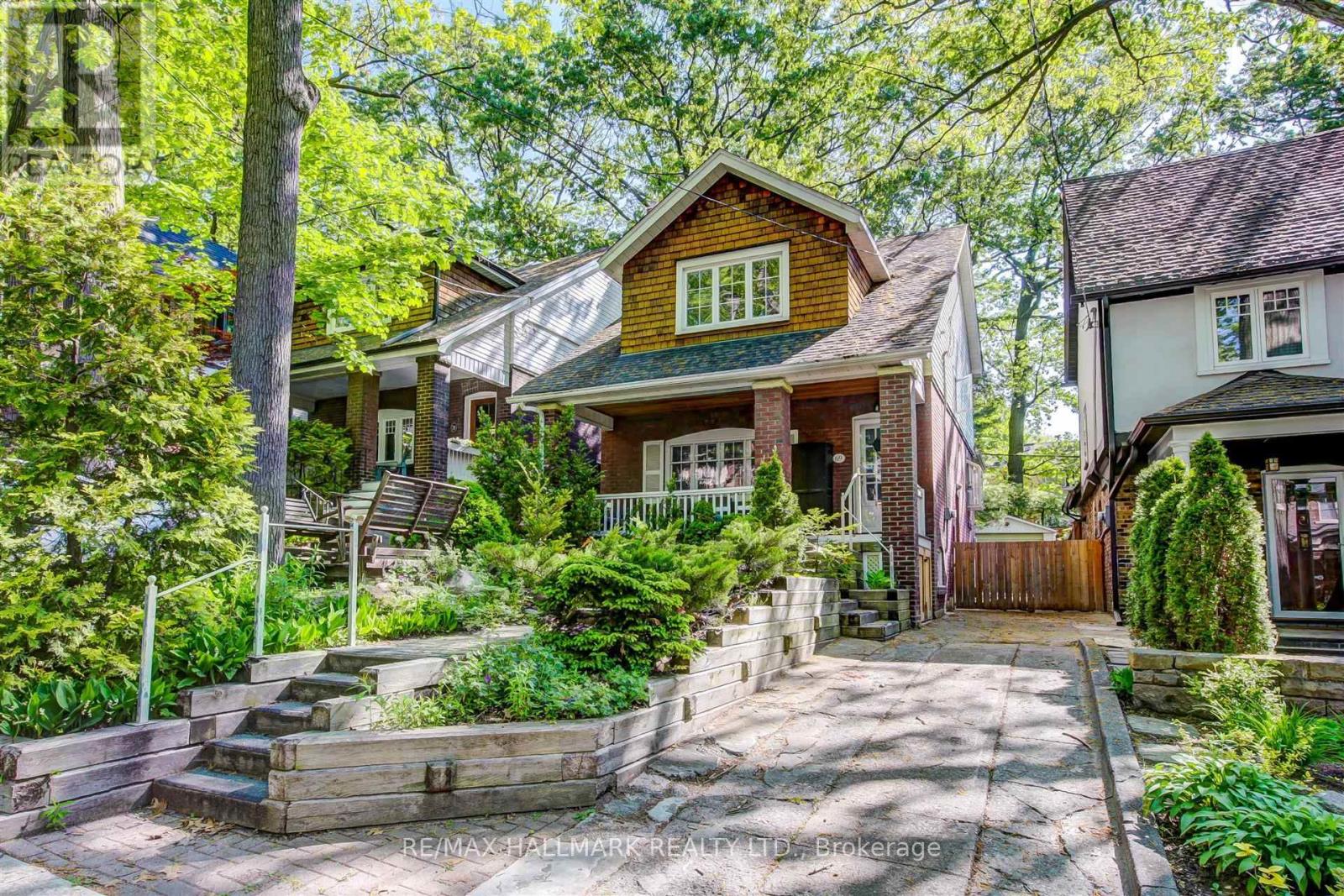 For Rent
 For Sale
 For Sale
 For Rent