
Crestwood-Springfarm-Yorkhill is an established south Vaughan neighbourhood along the Yonge Street corridor. Built through the 1970s and 1980s, it offers detached homes with generous lots, a strong Jewish community presence, kosher commercial services on Yonge Street, and GO Transit access at Rutherford station.
Crestwood-Springfarm-Yorkhill occupies the southeast quadrant of south Vaughan, anchored by Yonge Street on the east and Clark Avenue on the south, with the residential streets extending west from Yonge and north toward Rutherford Road. The three names reflect what were originally distinct enclaves that grew together as development filled in the land between them through the 1970s and 1980s, and today they function as a single residential neighbourhood with consistent character and shared community infrastructure.
Yonge Street adjacency is this neighbourhood’s defining geographic asset. The Yonge Street corridor between Clark Avenue and Rutherford Road carries the commercial strip that most residents use for daily needs, and it connects directly south to Thornhill and Richmond Hill and north to Aurora and beyond. In a region where most daily life happens in a car, being on Yonge is a navigational and commercial advantage that translates directly into convenience and, consistently, into a price premium over comparable product further west.
The housing stock is predominantly detached, built in the 1970s and 1980s, with the characteristic brick two-storey and bungalow forms of that era. The neighbourhood has matured well. Trees are established, streets are wide but not oversized, and the owner-occupied character of the housing is visible in the maintenance levels and the quiet weekday activity on residential streets. There’s no dramatic architecture here, but there’s the kind of settled residential quality that takes decades to accumulate and can’t be replicated in new subdivisions.
The Jewish community is a significant presence, as it is across south Vaughan’s Yonge-Bathurst corridor. Synagogues on and near Yonge, Jewish schools within driving distance, and the kosher commercial strip along the corridor make this neighbourhood one of the more established Jewish community areas in York Region. That community continuity is part of what keeps demand stable and turnover low in ways that maintain the neighbourhood’s character over time.
Crestwood-Springfarm-Yorkhill is priced at a slight premium to neighbouring Beverley Glen and Brownridge, reflecting the Yonge Street adjacency and the community cachet attached to this address within south Vaughan’s Jewish community. Detached homes traded in the $1.2M to $1.75M range through 2024 and into 2025, with the lower end representing bungalows and dated two-storeys and the upper end occupied by renovated two-storeys on desirable streets in the Springfarm and Yorkhill pockets.
The bungalow market here deserves specific attention. Bungalows in the $1.2M to $1.4M range attract both end-users looking to downsize without leaving the community and investors who see them as renovation or redevelopment candidates. A bungalow on a 50-foot lot in this neighbourhood carries real value as a land holding, and some buyers are explicitly purchasing for the lot rather than the existing structure. That land value floor keeps bungalow prices stickier here than in areas without the same community demand.
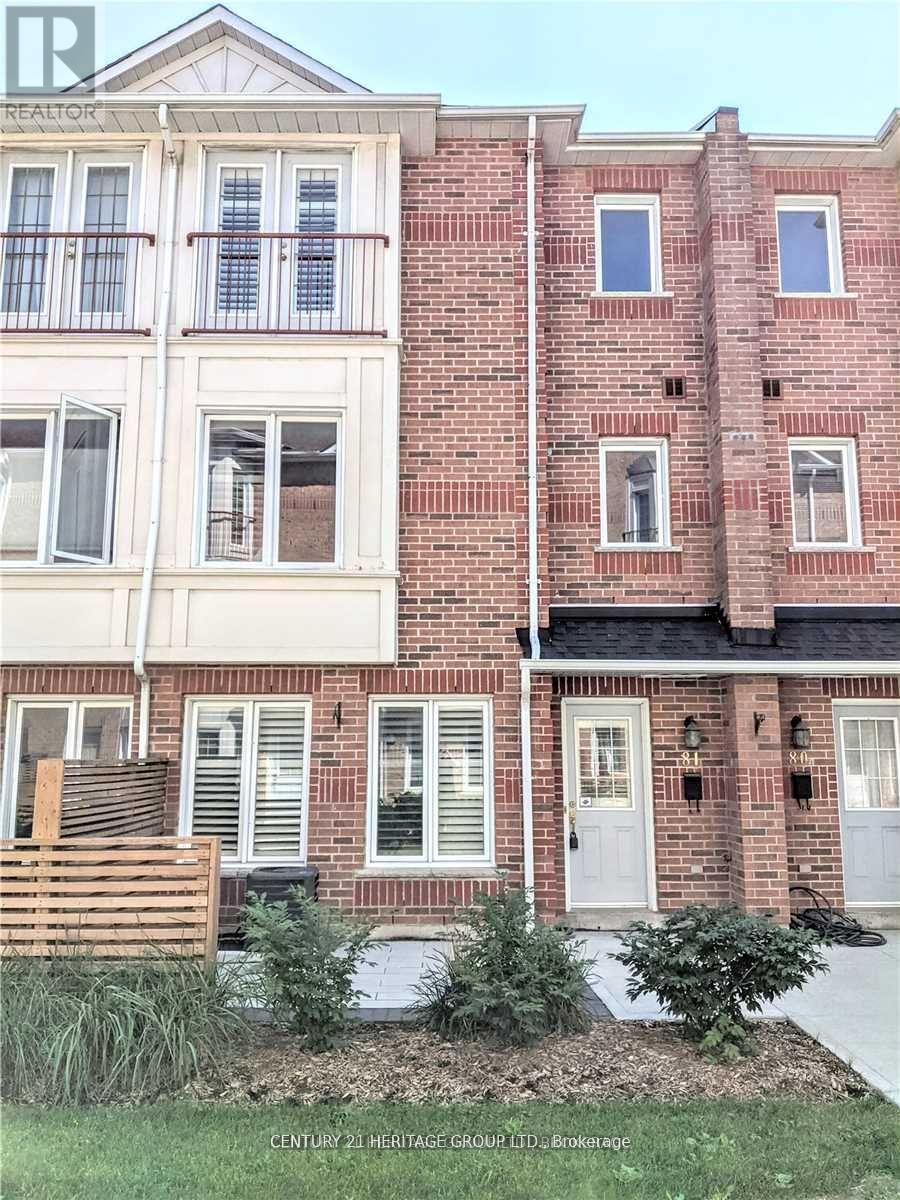
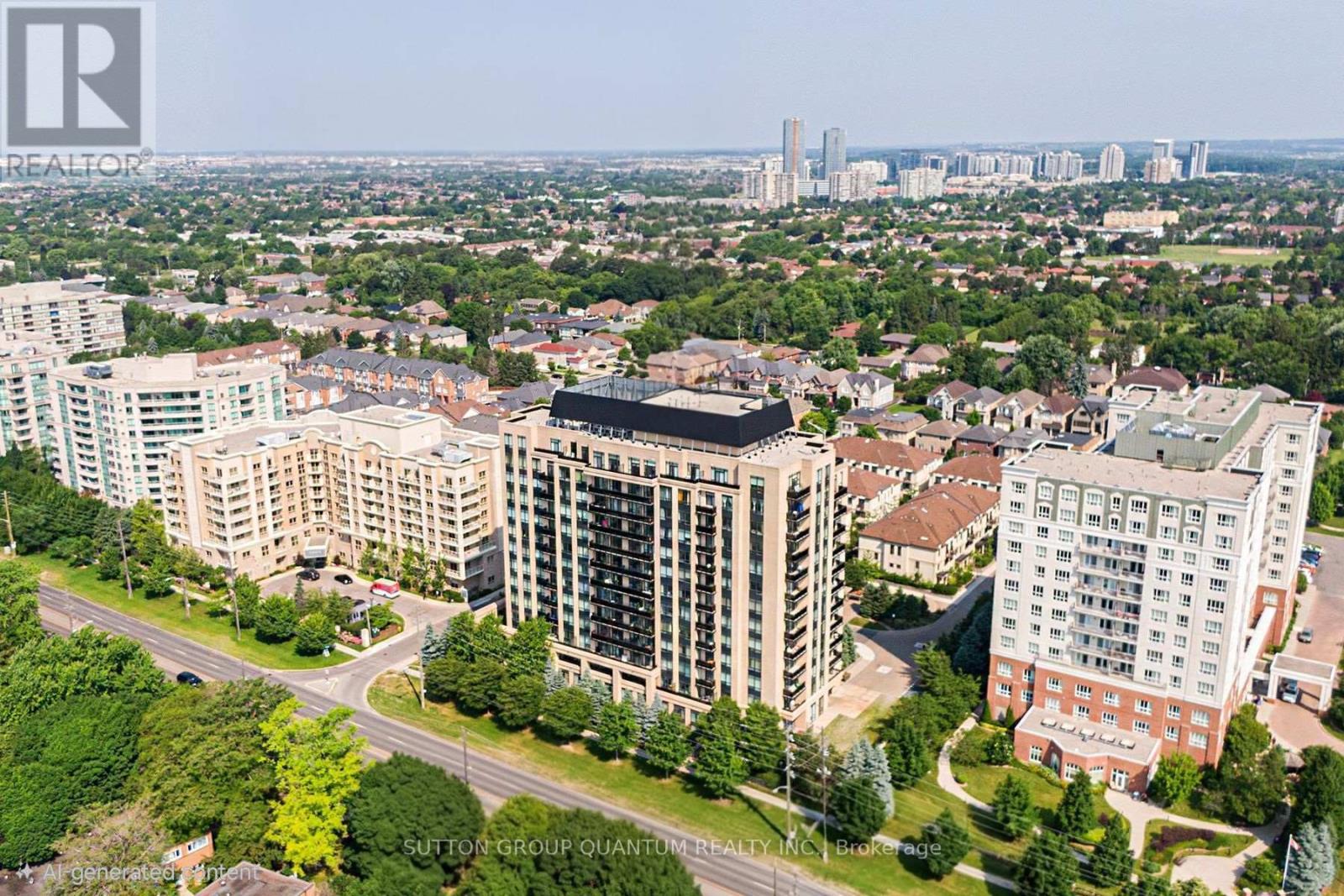
Townhomes and semis appear less frequently than in Concord or parts of Brownridge, and they trade in the $900,000 to $1.15M range when they come to market. The ownership market here skews heavily toward detached, which is consistent with the family-formation buyer profile that dominates demand. Condo product is essentially absent from the neighbourhood interior, though the Yonge Street corridor to the south sees mid-rise development that adds some condominium options for buyers who want the address at a lower price point.
Sellers in this neighbourhood who price correctly and present their homes well continue to achieve reasonable multiples in the spring market. The community demand creates a consistent buyer pool that doesn’t evaporate during broader market softness the way that demand in more speculative areas does.
The market in Crestwood-Springfarm-Yorkhill is one of the most stable in south Vaughan. Demand comes from a defined community with genuine attachment to the neighbourhood, which means buyer interest doesn’t swing with sentiment the way it does in areas driven by speculative demand. The neighbourhood absorbed the 2022 correction better than many parts of Vaughan and recovered faster, which is consistent with the pattern of community-anchored neighbourhoods through multiple market cycles.
Inventory is chronically low because people who live here don’t move unless they have to. Estate sales, divorce, and the occasional household moving for work are the primary reasons properties come to market. When they do, the listing typically attracts attention from buyers who’ve been watching the neighbourhood and are prepared to move quickly. Days on market for correctly priced detached homes is among the shortest in south Vaughan, often under three weeks in the spring window.
Multiple-offer situations occur with some regularity on well-presented properties, particularly in the Springfarm and Yorkhill sections where the streets are most desirable and the lots are largest. Buyers who are competing in this neighbourhood need to know their numbers precisely and be prepared to move on short notice. An agent who understands the micro-geography of which streets matter to which buyer profiles has a genuine advantage here.
The Thornhill side of the Yonge corridor attracts comparable buyers and competes for the same demand. A buyer looking at Crestwood-Springfarm-Yorkhill is often simultaneously looking at Thornhill addresses south of Clark, and the comparison frequently comes down to specific properties rather than a preference for Vaughan over Thornhill. Understanding both markets is a practical requirement for navigating a purchase in this corridor.
Jewish families are the core buyer profile, and the neighbourhood functions partly as a community asset that serves a social role beyond just housing. Buyers who are observant and prioritize proximity to synagogues, Jewish schools, and kosher commercial infrastructure are making a community choice as much as a real estate choice when they buy here. The neighbourhood’s Yonge Street position makes it the most convenient south Vaughan address for accessing the Jewish institutional corridor that extends south into Thornhill.
Family upgraders from within the region are a significant secondary pool. A household that bought a semi or townhome in Concord or a smaller detached in Maple five years ago and now needs more space finds this neighbourhood attractive for the community character, the school access, and the relative proximity to Yonge Street amenities. These buyers know York Region and they’re not intimidated by a 1980s home that needs a kitchen update. They bring practical expectations and tend to be decisive when they find the right property.
Move-down buyers from within the neighbourhood are a consistent but quiet segment. Older residents who’ve raised their families in the larger two-storeys are looking for bungalows or smaller detached properties where they can stay in the community without the maintenance demands of a bigger house. These transactions sometimes happen through community networks before a listing ever hits MLS, which is one reason inventory looks thinner than actual transaction volumes suggest.
Investors are a smaller presence here than in other south Vaughan areas. The premium pricing relative to Concord or Brownridge reduces the yield available on rental properties, and most buyers in this neighbourhood are owner-occupiers with community ties rather than portfolio builders. When investors do buy, it tends to be for the land value of bungalow lots rather than for rental income.
Yonge Street forms the eastern boundary of the neighbourhood and is where the commercial activity concentrates. The residential streets immediately west of Yonge tend to carry a slight premium for walkability to the commercial strip, but they also see more foot and drive traffic than the streets further in. Buyers who want to walk to synagogue, kosher shops, and restaurants typically prioritize these blocks. Buyers who want residential quiet while staying within the neighbourhood typically look one to three blocks west of Yonge.
The Springfarm section, roughly between Clark Avenue and Rutherford Road in the neighbourhood’s northern half, has the most consistent housing stock and some of the most sought-after streets. Springfarm Crescent itself and the streets feeding off it represent a quieter, more uniform residential fabric that appeals to families who want the neighbourhood’s community credentials without the commercial edge noise. Properties here sell at the high end of the neighbourhood range when they come to market.
The Yorkhill section to the west of the core adds larger lots in some pockets, and a few streets with deeper rear yards that give a more suburban feel than the tighter lots nearer Yonge. Buyers who value outdoor space and lot size sometimes find better value per square foot of land in the Yorkhill streets than on the most-sought-after Yonge-adjacent blocks.
Crestwood, the southernmost section near Clark Avenue, has seen some infill development as older bungalows have been replaced by custom two-storeys. The effect on the streetscape is mixed, with some blocks carrying a noticeable age discontinuity between original 1970s stock and recent builds. The infill activity raises average quality but changes the look of specific blocks. Buyers who want neighbourhood character consistency should evaluate the specific street before committing rather than assuming uniform character across the Crestwood section.
Yonge Street is both a commercial asset and the neighbourhood’s primary transit corridor. YRT Route 99 (Yonge) runs the length of the street and connects south to Finch subway station in approximately 20 to 30 minutes. That is the fastest transit connection in south Vaughan to the TTC subway, and it’s one of the reasons this neighbourhood commands a price premium. From Finch, downtown Toronto is 25 to 30 minutes on the Yonge subway. Door-to-door to Union Station is 50 to 60 minutes, which is competitive with most inner suburbs.
The GO Transit Barrie line’s Rutherford station sits north of the neighbourhood, roughly a 10-minute drive. For downtown commuters, the GO train from Rutherford to Union Station takes approximately 40 to 50 minutes with rush-hour service. This is the fastest option for a direct downtown commute and is used by a meaningful portion of the neighbourhood’s working population. GO service is peak-hour oriented rather than all-day, which limits its usefulness for non-traditional schedules.
Highway 7 runs along the southern boundary, connecting west toward Jane Street and Highway 400 and east toward Markham. The 407 ETR is accessible north of the neighbourhood via Yonge or Bathurst, and Highway 400 is roughly a 15-minute drive west. For households with car-based commutes, the access to the 407 and the connecting highway network is practical from this address, though not as direct as from Concord or the Rutherford area further north.
The VMC subway station at Vaughan Metropolitan Centre is roughly 20 minutes by car or a longer transit trip via YRT connections. For trips to the west side of downtown or to York University, the VMC route is useful. Most residents who use the subway regularly take the Yonge Street YRT to Finch rather than driving to VMC, since the Finch connection is more direct from this neighbourhood’s eastern position.
The neighbourhood has a solid collection of parks distributed through the residential grid. Springfarm Park is the largest, with sports facilities including a baseball diamond, open field areas, and a playground that serves as the primary community outdoor gathering space. Its position in the interior of the Springfarm section makes it accessible on foot from most addresses in the northern half of the neighbourhood.
Yorkhill Park and Crestwood Park serve their respective sections with smaller park formats that cover playground and passive recreation needs. These parkettes are well maintained and see steady use from local families. The park system here follows the standard York Region pattern for neighbourhoods of this vintage, with green breaks distributed through the grid to keep the residential streets from feeling uniform.
The Pomona Mills Park trail system in the Thornhill area, accessible via a short drive or walk south along Yonge, connects into a broader trail network along the Don River tributary system. Residents in the southern part of the neighbourhood can access these trails relatively easily, and they’re a genuine outdoor recreation asset within a kilometre or two of most addresses in the Crestwood section.
For major outdoor recreation, the Humber River valley to the west and the Oak Ridges Moraine trails to the north are both accessible within a 20 to 30 minute drive. The Conservation Authority’s properties in this part of York Region are among the more significant in terms of trail length and variety, and they’re accessible enough from south Vaughan that they function as weekend destinations rather than requiring a dedicated trip. Families with active outdoor habits find the combination of local parks and regional trail access adequate for year-round use.
Yonge Street is the commercial core for this neighbourhood, and it carries a concentration of Jewish-oriented businesses that serve as practical daily infrastructure for the community. Kosher butchers, bakeries, delis, and specialty food stores along Yonge south of Clark Avenue provide an accessible and specific retail environment that many residents consider a primary reason for living here. The density of these businesses reflects decades of community investment rather than a calculated business district plan, and it gives the commercial strip an authenticity that generic suburban retail strips lack.
Chain grocery stores along Yonge and Highway 7 handle mainstream provisioning, with multiple options within a five-minute drive. The Whole Foods at Promenade is accessible to the west, and additional grocery formats on Yonge serve buyers who want organic or specialty items. For a suburban neighbourhood, the grocery coverage here is above average, and the combination of Jewish specialty stores and mainstream chains means most household food needs can be met locally without driving to a destination grocery.
Thornhill Village, immediately south along Yonge, extends the retail and dining options with a mix of independent restaurants, cafes, and specialty shops that have more character than the strip-mall landscape of most York Region retail corridors. The line between Crestwood-Springfarm-Yorkhill and Thornhill Village is administrative rather than physical, and residents in the southern part of the neighbourhood walk to Thornhill Village businesses regularly without thinking of it as leaving the neighbourhood.
Vaughan Mills to the north and the Highway 7 big-box corridor cover major purchases. The retail geography from this neighbourhood is arguably the best in south Vaughan, with access to Jewish specialty retail, mainstream grocery, a historic village commercial strip, and large-format retail all within a ten to twenty minute radius. For buyers who factor daily retail convenience into their neighbourhood evaluation, this address is consistently near the top of the list.
The school situation in Crestwood-Springfarm-Yorkhill is one of the neighbourhood’s primary selling points for families. YRDSB and YCDSB elementary schools serving the neighbourhood have stable, engaged communities and benefit from the active parent involvement that characterizes established residential areas with high owner-occupancy rates. Westmount Collegiate Institute is the high school destination for most public board students and has a strong academic reputation with French Immersion and specialist program offerings that attract parents who are planning ahead from the elementary purchase decision.
Jewish day schools are a parallel and heavily used stream. The Yonge Street corridor and the Thornhill institutional area have a concentration of Jewish educational institutions serving Orthodox, Conservative, and community-oriented families that is among the strongest in the GTA outside of the Bathurst corridor in Toronto. Proximity to these institutions is a genuine factor in how families evaluate specific streets within the neighbourhood. An address that is walkable to a favoured day school commands a premium that won’t show up in the MLS data but is understood within the community.
The YCDSB stream serves the Catholic families in the neighbourhood through elementary and middle school, with high school students typically attending Father Bressani Catholic High School. The Catholic school community here is well established and benefits from the same engaged parent base that characterizes the broader neighbourhood.
York University and Seneca College are both accessible from this neighbourhood in under 30 minutes by car or transit, and the Yonge YRT route connects to Finch station from which post-secondary students can access the university campus efficiently. Families who weigh post-secondary access when making a 15-year housing decision find south Vaughan generally well positioned, and this neighbourhood’s transit access to Finch makes it better positioned than most of the city for the Keele-Jane post-secondary corridor.
Development in Crestwood-Springfarm-Yorkhill is incremental rather than transformative. The Yonge Street corridor is designated for mid-rise mixed-use intensification in both Vaughan and Thornhill’s planning frameworks, and this is gradually producing condominium and mixed-use projects along the commercial frontage south toward Clark Avenue and further south into Thornhill Village. These projects add density to the commercial edges without directly displacing established residential streets, which is the pattern that residents in the area have come to expect and generally support.
Individual lot redevelopment is the main form of residential change within the neighbourhood. The bungalow replacement trend, active across south Vaughan, is visible here in specific pockets where older structures have been torn down and replaced with larger custom homes. The Crestwood section near Clark Avenue has seen more of this than the Springfarm and Yorkhill sections, where the existing housing stock was built slightly later and is less immediately dated. The replacement homes tend to be significantly larger and more architecturally assertive than the original stock, which creates a visual discontinuity on affected streets that some residents find disruptive and others see as neighborhood improvement.
The Yonge Street commercial properties immediately adjacent to residential streets are a point of ongoing tension in community planning discussions. Some of these properties, where older one-storey commercial buildings sit on lots that could support four to six storey mixed-use development, are in the planning process for intensification. Residents on streets that back onto or are adjacent to these properties should review the relevant planning applications before purchasing, as the changes could be significant within a five to ten year horizon.
Long-term, the combination of subway access to the south via Finch, GO access via Rutherford, and the Yonge Street commercial intensification positions this neighbourhood well for sustained demand growth. It’s one of the better-positioned south Vaughan addresses for buyers making a long holding decision.
Q: How does Crestwood-Springfarm-Yorkhill compare to Thornhill for Jewish community buyers?
A: The two areas overlap considerably in community infrastructure. Thornhill’s Yonge Street corridor south of Clark Avenue and Crestwood-Springfarm-Yorkhill immediately north of it effectively share the same commercial and institutional strip. The meaningful differences are municipal: Thornhill south of Clark is in the City of Vaughan, while Thornhill north of Clark remains in Vaughan but is a contiguous fabric with Markham to the east. For Jewish community buyers, the relevant question is usually proximity to specific synagogues or schools rather than municipal boundary, and those institutions sit close enough to serve both sides. Price tends to be slightly higher in the most sought-after Thornhill pockets, while Crestwood-Springfarm-Yorkhill offers comparable community access at sometimes more competitive pricing. It is worth mapping specific institutions against specific streets before assuming one side is better than the other.
Q: What does the bungalow market look like in this neighbourhood right now?
A: There are two distinct bungalow markets running simultaneously. The renovation play, where a buyer acquires a dated original-condition bungalow for $1.2 million to $1.35 million and spends $200,000 to $400,000 updating it, is active and makes financial sense when purchased at the right price. The second market is the replacement play, where a buyer or builder acquires the lot and demolishes the bungalow to build a custom two-storey or modern infill. Lots in this neighbourhood support substantial replacement homes, and custom builds on larger lots here can achieve $2.5 million or more after completion. If you are buying a bungalow, you need clarity on which play you are making, because the financial logic differs significantly. An experienced agent can model both scenarios and tell you what the current permit and custom build market looks like for your specific parcel.
Q: Is Yonge Street traffic a serious problem for daily life in this neighbourhood?
A: It depends heavily on which street you are on and what your daily routine looks like. Residents on Yonge Street itself experience meaningful commuter traffic, particularly during the morning and evening peaks. Streets running parallel to Yonge, one or two blocks west, are substantially quieter. Residents who work east-west rather than north-south find Yonge is not a daily transit corridor for them and the traffic is more background than intrusion. For buyers sensitive to noise, the first step is to visit the specific street at 8:00 AM on a weekday. The 407 connection further north means through traffic has an alternative, which keeps Yonge here from reaching the congestion levels of the Yonge-Steeles section to the south. Overall, proximity to Yonge is broadly seen as a positive by most residents in this neighbourhood.
Q: What is the realistic commute time to downtown Toronto from Crestwood-Springfarm-Yorkhill?
A: Driving to downtown Toronto from this neighbourhood takes 35 to 55 minutes depending on time of day and destination, with the 401 accessible via Yonge or Bathurst. The more practical commute option for downtown workers is the GO Transit Barrie line from Rutherford GO Station, which is a short drive or YRT bus ride from the neighbourhood. Rutherford GO to Union Station runs approximately 45 minutes on express peak service. The Yonge YRT buses connect south to Finch station, from which subway access to downtown is available. The subway ride from Finch to downtown is roughly 40 minutes. Total door-to-door using YRT to Finch subway is typically 60 to 75 minutes. For daily downtown commuters, the GO train is the fastest option and makes this south Vaughan location significantly more workable than the transit map alone suggests.
Buying in Crestwood-Springfarm-Yorkhill requires more local knowledge than a standard York Region search. The difference between streets that retain strong demand regardless of market conditions and streets that are more susceptible to sitting is real, and it is not always legible from the MLS listing. Proximity to specific community institutions, lot depth, the Yonge Street commercial boundary, and which properties have been updated versus which have had surface cosmetics applied over dated systems are distinctions that compound at the offer stage.
The Jewish community context is a real factor in pricing and demand here, and understanding it correctly prevents both overpaying in areas where the premium is speculative and underpaying on properties where the community access creates structural demand. This is not something that shows up in automated valuation tools. It comes from closing transactions in this specific area.
For buyers who are also evaluating Thornhill, Richmond Hill, or further-south Toronto options, the comparison is not simply about price per square foot. It involves school catchments, community infrastructure, commute realities, and holding-period assumptions that a good agent can model specifically rather than generically.
If Crestwood-Springfarm-Yorkhill is on your list, contact TorontoProperty.ca. We work south Vaughan and north Thornhill regularly, we know the street-by-street distinctions, and we can help you understand what a specific address is actually worth and why. Use the contact form or call us directly.
Street-level knowledge is hard to find online. Our team works in Crestwood-Springfarm-Yorkhill every day. They know which pockets hold value, where the school catchment lines actually fall, and what the market is doing right now. Talk to us before you make a decision about Crestwood-Springfarm-Yorkhill.
Talk to a local agent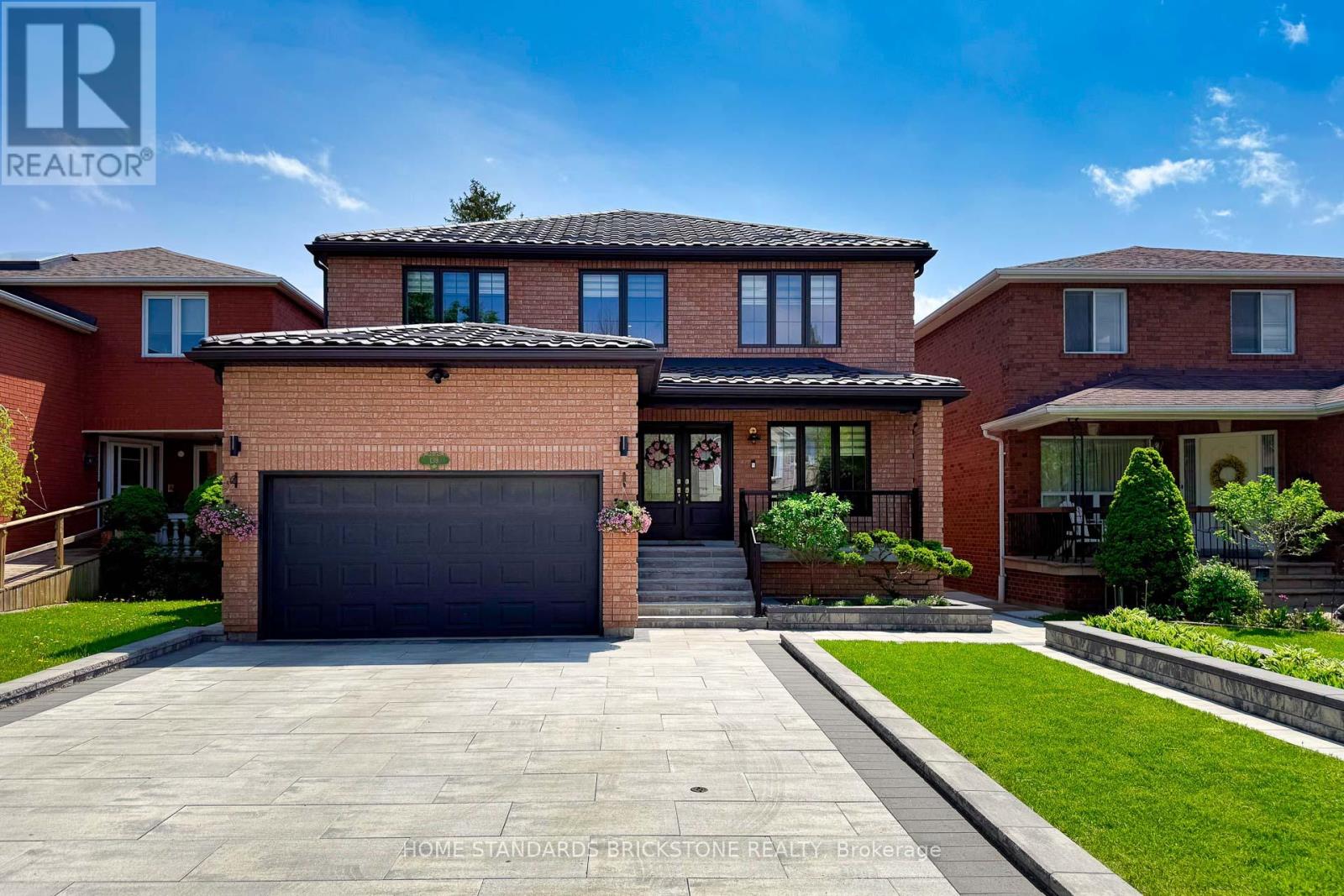 For Sale
 For Sale
 For Rent
 For Sale