
Elder Mills is a small Vaughan community at the western rural-urban fringe, offering estate and detached homes with Highway 427 access and a natural setting adjacent to the Oak Ridges Moraine. Properties range from $1.1M to $4M depending on lot size and property type.
Elder Mills sits at the western edge of Vaughan, a small residential community in the city’s rural-urban fringe where the density of suburban development gives way to larger lots, agricultural land, and the character of the Oak Ridges Moraine corridor. It is one of the quieter and less widely known Vaughan communities, lacking the name recognition of Woodbridge or the new-build density of Vellore Village, but offering a distinctive combination of space, natural setting, and Vaughan city services that appeals to a specific type of buyer.
The neighbourhood is accessed primarily via Highway 427, which extends northward into this part of Vaughan, and via the arterial roads connecting to Woodbridge and Kleinburg. The highway access is actually quite good from Elder Mills relative to its rural feel: buyers who value the sense of space and separation that comes with larger lots but who need highway connectivity for a downtown or west Toronto commute find the 427 connection useful in a way that a comparable rural address further north would not provide.
Housing in Elder Mills is a mix of estate-style properties on large lots, some townhouse clusters, and a small number of detached homes on standard suburban lots that are remnants of limited earlier development. The estate properties and larger lots are the defining product here, and buyers who are looking for this type of housing in Vaughan typically arrive at Elder Mills after concluding that Kleinburg’s price points are beyond their reach or that they want more highway accessibility than Kleinburg provides.
The community is small by Vaughan standards, which contributes to its low profile in the York Region market. Relatively few transactions occur here in a given year, and the pricing tends to be less well-documented by the aggregator tools that buyers use in their initial searches. Buyers who discover Elder Mills through direct market research rather than aggregator browsing often find it represents a real value position relative to its premium neighbours.
Elder Mills properties are priced across a wide range depending on lot size and property type. Standard detached homes on smaller lots trade in the $1.1 million to $1.5 million range, consistent with the broader western Vaughan market. The estate-style properties on larger lots command significantly more, typically in the $2 million to $4 million range depending on acreage, condition, and any improvements. Agricultural land parcels in the rural fringe sell separately and outside the standard residential market metrics.
The limited transaction volume in Elder Mills means price discovery is less precise here than in high-turnover communities. Comparable sales used to value a specific property may be 6 to 18 months old and from somewhat dissimilar properties, which introduces more uncertainty into offer pricing than buyers in high-volume communities experience. This uncertainty cuts both ways: it creates risk of overpaying for buyers who rely on automated estimates, and it creates opportunity for buyers who work with agents who have recent transaction experience in the specific product type they are pursuing.
Properties in Elder Mills that come to market in good condition tend to attract buyers who have specifically been looking for this type of address, which means showings can be limited but the buyers who come are genuinely motivated. Properties that sit for extended periods are almost always either priced aspirationally for the current market or have a condition or configuration issue that the listing hasn’t addressed transparently. Both situations create negotiating opportunity for informed buyers.
The estate property market in Elder Mills competes with Kleinburg and Rural Vaughan for buyers in the $2 million to $5 million range who want Vaughan city services and large-lot residential living. Each of these areas has a different character, and buyers evaluating all three should understand the specific trade-offs in highway access, community character, and planning context before committing to one over the others.
The Elder Mills market is thin by Vaughan standards, meaning that in a given month there may be only two to five active listings and a similar number of completed sales. This low volume makes the neighbourhood less visible in market reports that rely on statistical sample sizes, but it does not mean the market is illiquid. When properties are correctly priced and well-presented, they find buyers within reasonable timeframes. The buyers come from a specific pool who have been looking for exactly this product, and they tend to be decisive when the right property appears.
Days on market in Elder Mills for appropriately priced properties runs 30 to 60 days, longer than the shorter absorption times seen in high-turnover subdivisions in Patterson or Vellore Village. This reflects the smaller buyer pool rather than weak demand: buyers for estate-type Vaughan properties are fewer than buyers for standard suburban detached homes, but the ones who exist are genuinely motivated and financially capable.
The current York Region buyer-favourable conditions apply here as they do elsewhere, but with less volatility. Elder Mills did not experience the same degree of speculative pressure during the 2021-2022 peak as the suburban subdivision market, and it has not experienced the same degree of correction since. The estate property market in York Region has historically been more stable than the starter and move-up segments, partly because the buyers are less leveraged and the sellers have less urgency.
Investors are largely absent from Elder Mills. The yield math on estate properties does not work for income investors, and the property type is not suited to short-term rental. This is an owner-occupier market, which contributes to the stability and community character but also means there is no investor demand creating a price floor below which motivated sellers could not sell.
The Elder Mills buyer is a specific profile. They have typically been searching York Region for 12 to 24 months, started in Kleinburg, eliminated it on price, and found Elder Mills as the alternative that provides most of what they were looking for at a somewhat lower price point. They are usually a two-income professional family with children, income in the $300,000 to $500,000 range, and a strong preference for space, privacy, and a residential environment that is not wall-to-wall suburban subdivision.
Many Elder Mills buyers are making a lifestyle-driven purchase rather than a purely investment-driven one. They are choosing a specific quality of residential life over optimizing for future appreciation or resale liquidity. This buyer profile is patient, thorough in their evaluation, and unlikely to be rushed or pressured. They have typically done substantial research and arrive at the table knowing what comparable properties have sold for.
A secondary buyer type is the family coming from further west, from Brampton or Mississauga, who wants a rural-feel address with Vaughan services and east-west highway access. The Highway 427 connection to the 400-series highway network makes Elder Mills work for this buyer in a way that communities further into the rural fringe of the Oak Ridges Moraine would not. The 427 access is a genuine differentiator for buyers whose commute destinations are to the west or southwest of Vaughan.
Italian Canadian families from Woodbridge who are trading up to estate product represent a third buyer segment. The cultural and community connection to Woodbridge is preserved at Elder Mills, which is geographically adjacent, while the property type and lot size shift to the estate category that success and family growth eventually motivates. This within-community move-up pattern produces buyers who are knowledgeable about the western Vaughan market and who are buying with genuine knowledge of the area rather than as newcomers to York Region.
Elder Mills has limited internal street complexity given its small size. The primary residential streets run off the main access roads connecting to Woodbridge and the Highway 427 corridor, and the neighbourhood does not have the crescent-and-court labyrinth of larger subdivision communities. This simplicity is a genuine feature: getting around Elder Mills is straightforward, and the street layout does not create the navigational confusion that affects buyers trying to evaluate larger communities.
Properties backing onto wooded ravine or conservation-adjacent land are the premium position within Elder Mills. These lots combine the privacy that comes from a non-developed rear boundary with the natural character that is the neighbourhood’s defining appeal. They are less common than interior lots and command premiums of $150,000 or more over comparable road-backing properties when they come to market.
Corner lots in Elder Mills carry the standard trade-offs: more curb exposure, less privacy on two sides, but often larger total lot area and better natural light. In a neighbourhood where lot area is already large, the corner premium is less pronounced than in higher-density communities where corner lots offer more relative advantage over interior lots.
Buyers evaluating Elder Mills should drive the specific streets rather than relying on satellite imagery, as the character of individual streets varies more than the general neighbourhood description suggests. Some sections feel more rural, some more suburban; the difference is visible on the ground but harder to assess from a screen.
Elder Mills is a driving community. The transit options are limited relative to central Vaughan, and the practical reality for most residents is that two vehicles are required for a functioning household. Highway 427 is the primary artery, providing north-south connectivity and connections to the 400-series highway network. For buyers whose commute destinations are in Toronto’s west end, the 427 to the 409 and 401 is a reasonable commute corridor, typically 35 to 55 minutes to the downtown core depending on time of day.
Highway 400 is accessible via the Highway 7 or Major Mackenzie Drive connections through Woodbridge, adding 10 to 15 minutes to commutes that use the 400 north-south corridor. The VMC subway terminus is approximately 20 to 25 minutes by car from Elder Mills, and some residents drive to VMC and subway to their downtown destinations. This hybrid approach works for destinations within walking distance of the subway line but adds time for transfers to cross-town locations.
YRT local routes provide limited service to Elder Mills, primarily along the main arterials connecting to Woodbridge. For shopping, medical appointments, and other non-commute trips, the YRT coverage is adequate for single-vehicle households where one partner works locally. For daily downtown commuting, driving or a drive-to-GO-station combination remains the practical choice.
Residents who work locally within Vaughan find the highway access a genuine advantage: the 400 and 427 corridors connect to Vaughan’s major employment zones in the VMC, the Vaughan Corporate Centre, and the industrial areas in Steeles West and Weston Road. Intra-Vaughan commutes by car are typically under 20 minutes for most destinations within the city.
Elder Mills residents have access to the natural character that defines the Oak Ridges Moraine corridor, even if the neighbourhood itself sits at the edge rather than the heart of this protected landscape. The Humber River tributary systems that pass through the area provide habitat corridors and some walking opportunities, and the conservation-managed lands adjacent to the community are a genuine natural amenity for residents who value proximity to natural areas.
Boyd Conservation Area, north of the Woodbridge area, is accessible within a 15-minute drive and provides picnic areas, cycling trails, and river access that Elder Mills residents use regularly. The broader Humber River watershed trail system connects through this area, giving cyclists and hikers access to a substantial continuous trail network without requiring a drive to a trailhead.
The large lots that characterize Elder Mills also provide significant private green space in the form of residential gardens and yards that are meaningfully larger than standard suburban lots. This private green space is an often-undervalued amenity for families with children, pets, or gardening interests. The yard at an Elder Mills estate property may be more usable outdoor space than many urban families have ever had access to.
The agricultural land character of the surrounding area, while not directly accessible to most residents, contributes to the rural ambiance that is a primary draw for Elder Mills buyers. Seasonal farm stands, the visual character of open fields adjacent to the community, and the lower ambient light and noise levels that come from lower-density surroundings are tangible lifestyle assets that buyers are specifically seeking when they choose this part of Vaughan.
Elder Mills does not have its own commercial core. Retail and dining needs are served by a drive to Woodbridge, accessible in under 10 minutes, where Highway 7 carries the full range of grocery, restaurant, and everyday service retail. The Italian commercial character of Woodbridge’s main strips is accessible to Elder Mills residents as a practical commercial resource as much as a cultural one, and residents who value the specific commercial offerings of the Italian community find them accessible without living in the middle of the suburban density.
Vaughan Mills, at Highway 400 and Rutherford, provides the major retail destination for Elder Mills residents who want big-box, outlet, and mall retail. The drive is approximately 20 minutes, longer than for central Vaughan residents, but manageable for the shopping trips that require a larger retail environment. For residents who are doing most household purchasing online, the mall trip is already infrequent enough that the drive time is not a significant lifestyle friction.
Kleinburg Village is accessible in approximately 15 minutes and provides the artisan restaurant, boutique retail, and cultural destination character that Elder Mills residents often seek for weekend dining and leisure. The McMichael Canadian Art Collection is one of Canada’s significant public art institutions and is effectively in the backyard of the Elder Mills community. Residents who value cultural access find this proximity a genuine and unusual asset for a community of this type.
For healthcare, Elder Mills residents use the Woodbridge and Maple medical and professional service nodes. The Mackenzie Health Vaughan campus, a significant acute care hospital that opened in 2021, provides full-service hospital access in north Vaughan. This is a meaningful practical consideration that was not available to the earlier generations of Elder Mills residents, who previously faced longer drives to Humber River Regional Hospital for acute care needs.
Elder Mills is served by YRDSB and YCDSB schools through the Woodbridge catchment system. The elementary and secondary schools serving Elder Mills families are primarily the same schools that serve the broader western Woodbridge and Elder Mills area. Students from estate-lot communities like Elder Mills are bused to their assigned schools given the walking distances involved, and the busing logistics are well-established for the small number of students involved.
Woodbridge College (YRDSB) and St. Michael Catholic Secondary School (YCDSB) are the secondary destinations for Elder Mills students depending on their school board choice. Both schools have established community character and serve the predominantly Italian Catholic and diverse Western Vaughan community effectively. Students from Elder Mills arriving at these schools are from the same broader Woodbridge community as their peers and integrate into the school community naturally.
Private school access from Elder Mills is reasonable. The Country Day School in King City is approximately 20 minutes north, providing a prestigious independent school option for families whose plans include private secondary education. Various Montessori and independent elementary programs in the Woodbridge and Maple area are accessible within 15 to 20 minutes, giving Elder Mills families meaningful educational choice beyond the public and Catholic board options.
York University is the closest post-secondary institution, accessible via the VMC subway from a drive-to-subway transfer in approximately 40 minutes total. Families considering Elder Mills with post-secondary timing in mind find the access adequate, though it requires a vehicle for the first leg of the trip. The broader post-secondary corridor of York University, Humber College, and Seneca College is accessible from Elder Mills in under one hour total, which is competitive with comparable suburban locations in the GTA.
Elder Mills faces pressures from both directions in the development planning framework. The Oak Ridges Moraine Conservation Plan provides protection to the natural land corridor that defines the northern character of the community, which gives property owners confidence that the natural setting will be maintained over time. The Moraine lands are among the most strongly protected in the province, and the planning framework that governs them has withstood repeated testing by development interests.
The City of Vaughan’s long-range land use planning continues to define the growth boundaries of western Vaughan, and Elder Mills sits within an area that has been subject to discussion about how growth pressure from the 427 extension and the broader Vaughan expansion should be accommodated. The specific planning designations for Elder Mills properties vary and buyers should review the Vaughan Official Plan designation for any specific property to understand what future uses are contemplated for adjacent lands.
The 427 extension northward has increased highway accessibility for Elder Mills and has already contributed to some development interest in the broader area. The highway’s completion changed the practical commute reality for residents and has attracted some commercial development to the arterial nodes adjacent to the community. For Elder Mills homeowners, increased accessibility is generally positive for property value even as it may gradually alter the rural character that drew them there.
Infrastructure investment in the area includes the expanded highway network and the ongoing City of Vaughan servicing extensions. Properties in the rural fringe of Elder Mills that currently use well and septic systems may eventually come within the reach of municipal servicing, which would represent a significant improvement in property utility and, typically, property value. Buyers of rural-fringe properties should ask specifically about servicing status and the timeline for any potential extension.
Q: Is Elder Mills actually in Vaughan, and what city services does it receive?
A: Yes, Elder Mills is within the City of Vaughan and receives the full range of municipal services including roads, garbage collection, parks maintenance, bylaw enforcement, and the other standard urban municipal services. What it does not have is the same density of transit, commercial, and community facility coverage as central Vaughan neighbourhoods. Some Elder Mills properties, particularly those in the rural fringe, may be on well water and septic systems rather than municipal water and sewer, which is an important distinction for property maintenance, insurance, and potential future connection costs. Always confirm the servicing status of any specific Elder Mills property you are evaluating. The Mackenzie Health Vaughan hospital provides acute care coverage, the Vaughan Public Libraries serve the community, and Vaughan Recreation Services operates facilities accessible to Elder Mills residents. The city services are present; they are simply less dense than in the built-up areas of Vaughan.
Q: How does Elder Mills compare to Kleinburg for estate buyers?
A: Kleinburg commands a premium that comes from two sources: the established village character of Kleinburg’s Islington Avenue commercial strip, and the prestige association with a neighbourhood that has been a luxury address in the GTA for decades. Average Kleinburg home prices have run significantly above $1.7 million, with the high end above $4 million on premium lots. Elder Mills offers a similar rural-feel residential experience with somewhat lower average prices, better Highway 427 access for west-end commuters, and slightly less established community identity. Buyers for whom the Kleinburg village is a genuine priority should buy in Kleinburg. Buyers who want the physical character of the area, the large lots, and the natural setting, and who are less attached to the specific address prestige, often find Elder Mills provides essentially equivalent enjoyment at lower cost. The price differential has narrowed over time as Elder Mills has become better known, but it remains real.
Q: What are the practical challenges of maintaining an estate property in Elder Mills?
A: The main practical challenges are three: trades access, snow clearing on longer driveways, and the higher cost of maintaining mechanical systems and grounds on larger properties. Trades in York Region are well-distributed, but for specialized work on estate properties, wait times for sought-after contractors can be longer than in high-density suburban areas where tradespeople are constantly moving between adjacent jobs. Snow clearing on a 400-metre driveway costs more than a standard suburban driveway, and properties on private roads may have shared maintenance arrangements with neighbours that require coordination. Grounds maintenance on a large lot is either a significant personal time commitment or an ongoing landscaping service cost. Estate property buyers should budget for these recurring costs explicitly, not as surprises, when modelling total cost of ownership. The rewards are real; so are the carrying costs.
Q: Is the Highway 427 extension complete, and how does it change the commute from Elder Mills?
A: The Highway 427 extension northward through Vaughan is complete as of 2022, connecting the existing 427 at Highway 7 north to Major Mackenzie Drive and eventually to Highway 400 via the new Highway 400-427 link. This extension meaningfully changed the commute reality for Elder Mills and western Vaughan residents by providing a direct northward highway connection that did not previously exist. Before the extension, accessing the 400 from western Vaughan required using Highway 7 or Rutherford Road to reach the 400 interchange. The direct connection now allows residents to reach the 400/427 interchange more efficiently for trips heading south toward Toronto. For Elder Mills specifically, the nearest interchange is a short drive south, making Highway 427 genuinely useful for the morning commute in a way that justifies the “good highway access for a rural feel” positioning of the community.
Elder Mills is a small and specific market where the right buyer and the right property need to find each other through more than an MLS search. The limited transaction volume means automated tools are less reliable here than in high-turnover communities, and the estate property valuation methodology differs from the standard comparable-sale approach that works well in homogeneous suburban markets. A detached home on two acres cannot be reliably valued by comparing it to a detached home on a 40-foot lot two kilometres away.
Buyers who are genuinely interested in Elder Mills benefit from working with an agent who has done business specifically in this part of Vaughan and who understands the full context: the Moraine protection framework, the servicing questions for rural-fringe properties, the estate renovation and maintenance cost picture, and the specific buyer pool dynamics that determine how quickly a well-priced property will sell.
The current market conditions give buyers in Elder Mills more time and more leverage than the recent peak period allowed. Using that time well means getting a thorough home inspection, confirming servicing status, reviewing the planning designations for adjacent land, and making sure your offer price reflects current comparable data rather than an algorithm’s estimate. These are steps your agent should be facilitating, not steps you should be doing alone.
Contact TorontoProperty.ca if Elder Mills or western Vaughan estate properties are your target. We work this area and can help you understand what you are actually buying and what it is worth. Call or use the contact form.
Street-level knowledge is hard to find online. Our team works in Elder Mills every day. They know which pockets hold value, where the school catchment lines actually fall, and what the market is doing right now. Talk to us before you make a decision about Elder Mills.
Talk to a local agent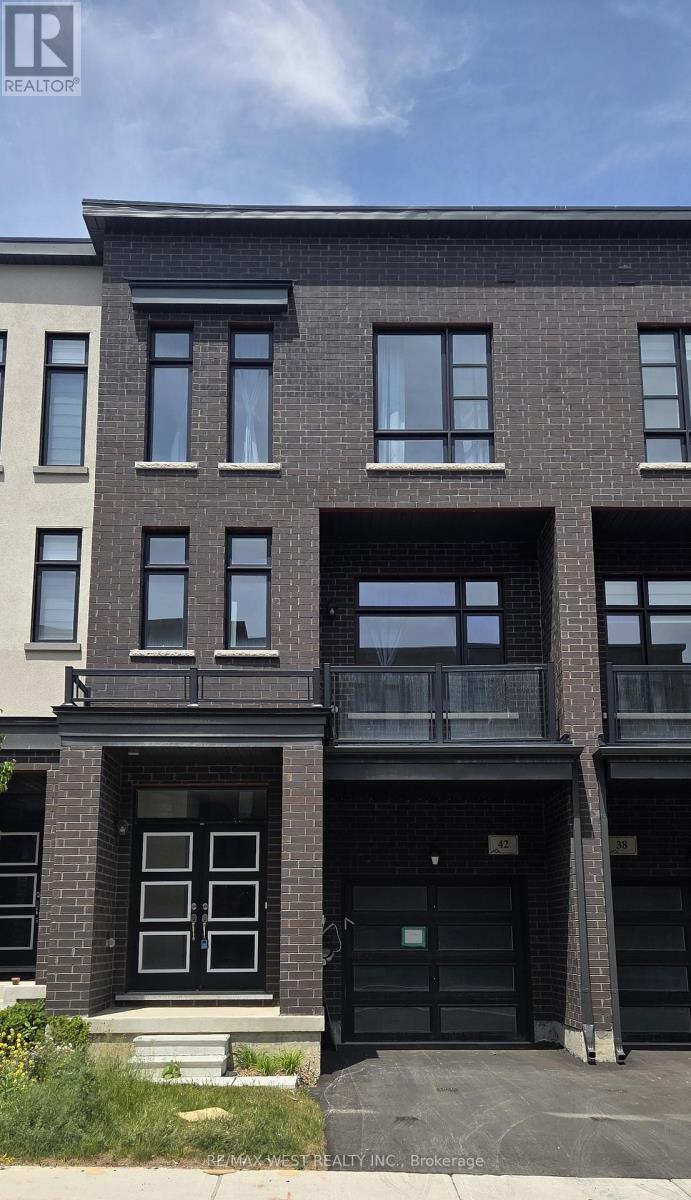 For Sale
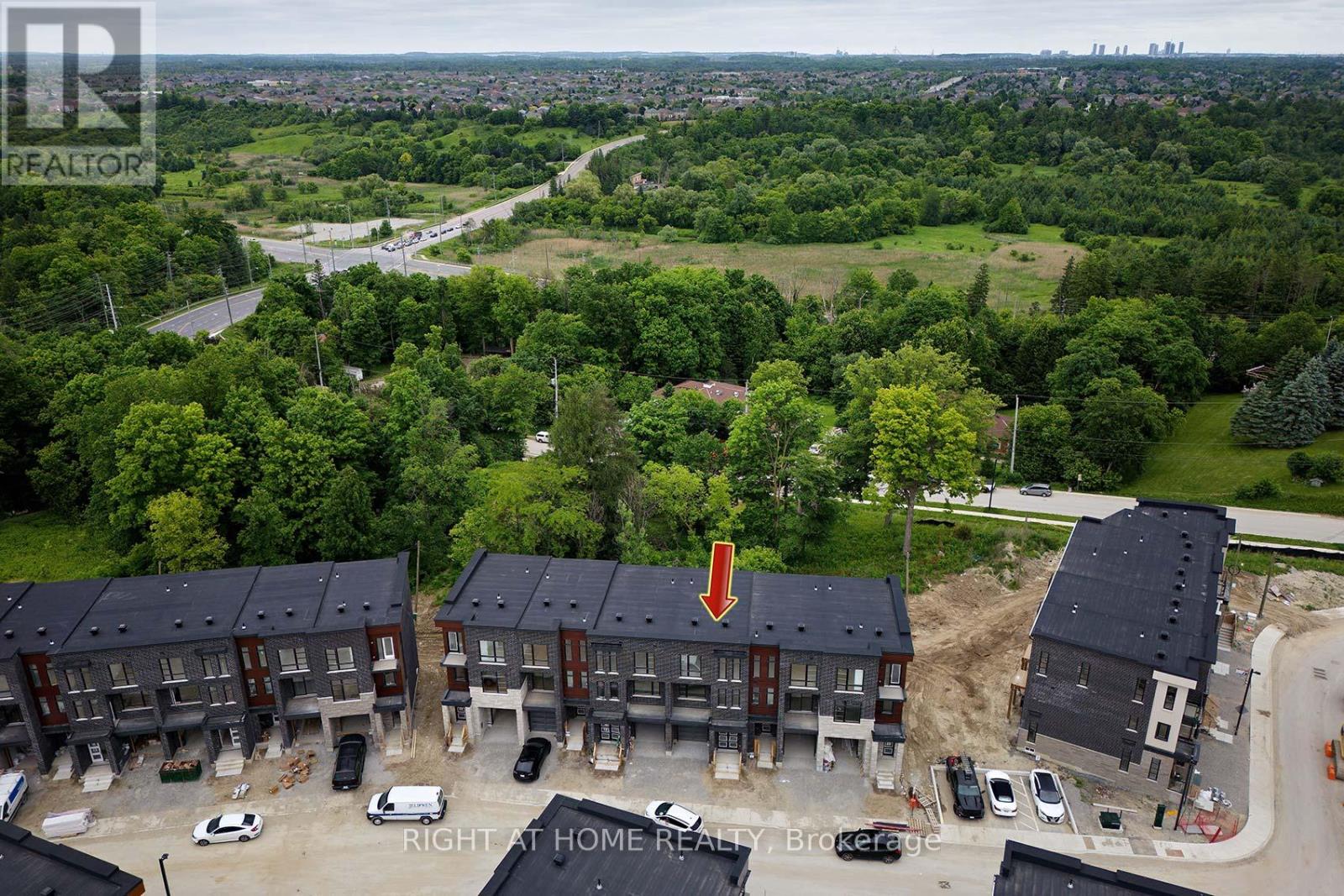 For Sale
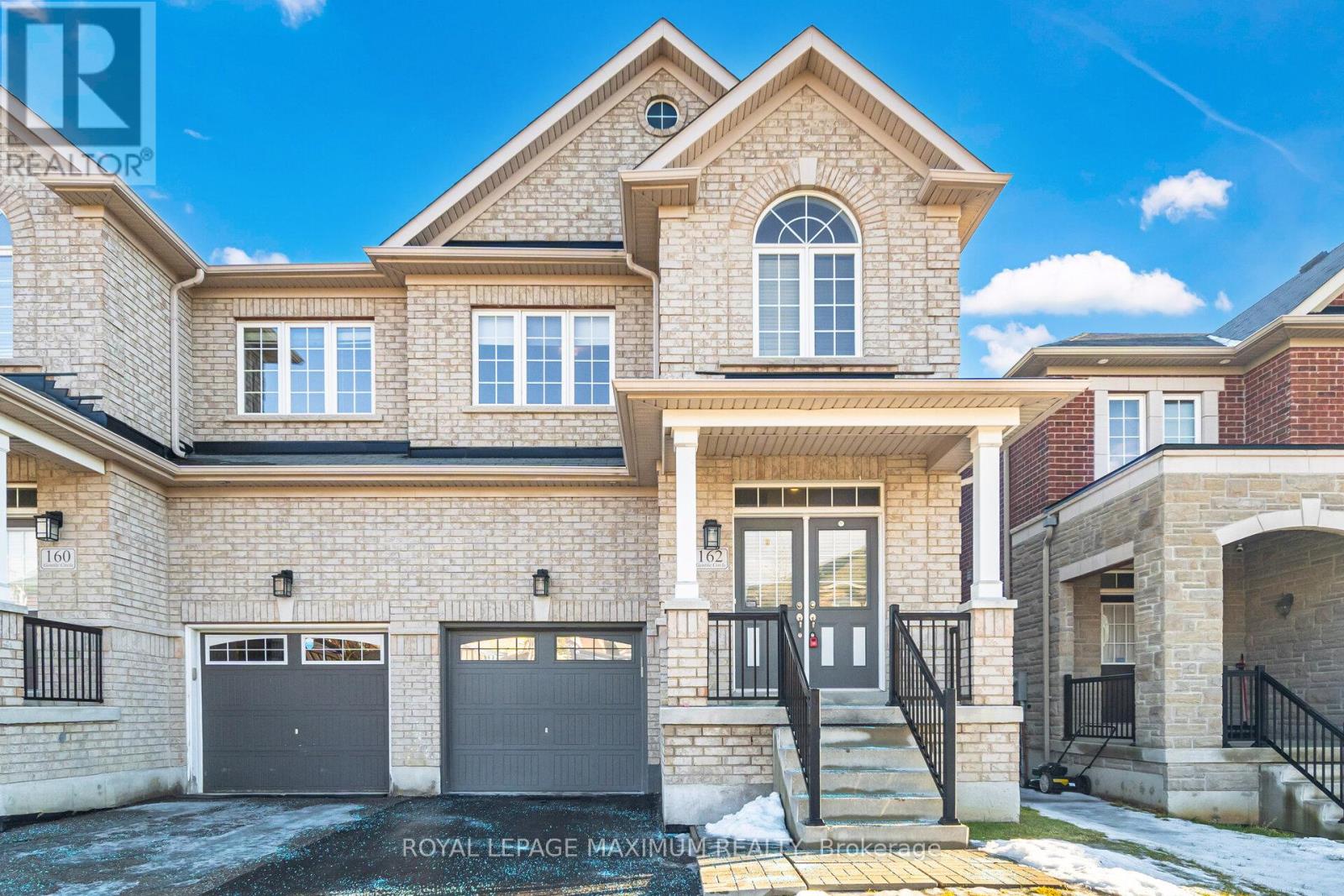 For Rent
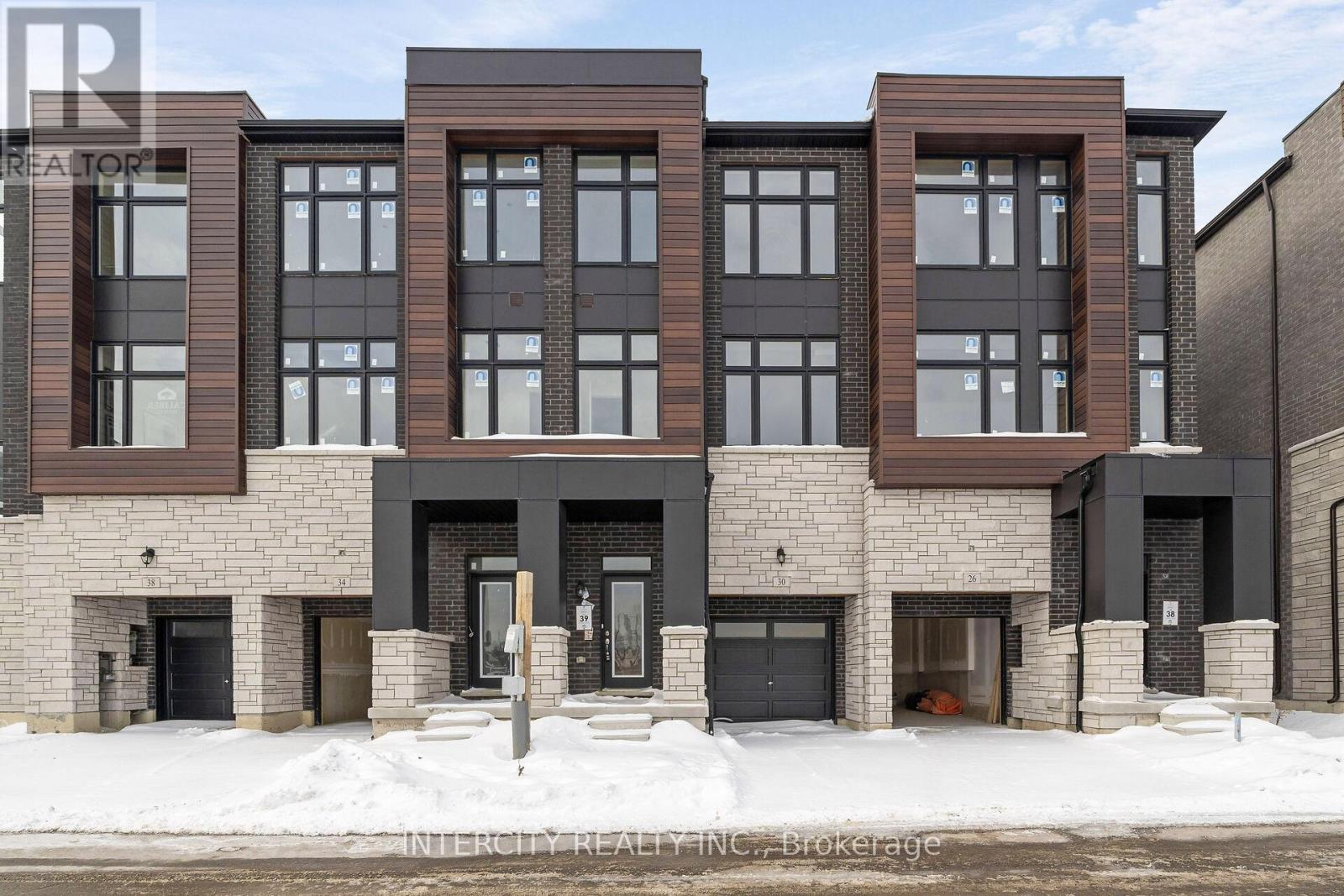 For Sale