
Uplands is a prestigious south Vaughan neighbourhood anchored by Uplands Golf and Ski Club, with large-lot detached homes, strong Jewish community, and Yonge Street corridor access.
Uplands is one of south Vaughan’s most prestigious residential addresses, anchored by Uplands Golf and Ski Club and defined by large-lot detached homes on the Yonge Street corridor between Clark Avenue and Rutherford Road. The neighbourhood developed in stages from the 1960s through the 1990s, and the combination of long establishment, generous lots, mature tree cover, and the golf and country club character creates the kind of residential environment that accumulates over decades rather than being designed and built at once.
The Yonge Street position is defining. Access to Yonge Street’s commercial corridor means proximity to the Jewish community infrastructure that characterizes the Thornhill-Vaughan Yonge corridor, the Promenade Shopping Centre, and the rapid transit connection south toward Finch station. Uplands sits north of the most-expensive Thornhill Village real estate, south of the higher-priced newer communities of north Vaughan, and at a premium within south Vaughan’s established community that reflects the golf club adjacency and lot quality.
The Jewish community is a significant presence in Uplands, as it is throughout the south Vaughan Yonge corridor. Synagogues, Jewish day schools, and the specific commercial and social infrastructure of this community are accessible within the immediate area, and the demand from Jewish community buyers who specifically want the golf-club-adjacent, large-lot, Yonge Street south Vaughan address has historically kept Uplands pricing above the nearby Beverley Glen and Crestwood-Springfarm-Yorkhill communities.
For buyers who are choosing between Uplands and south Thornhill to the south, the distinction is municipal rather than experiential: the community character, the commercial strips, and the Jewish community infrastructure are shared across the Clark Avenue boundary. The pricing premium in south Thornhill over Uplands reflects Thornhill’s longer prestige establishment; buyers who are not strongly attached to the specific address can find comparable residential quality at somewhat lower prices in Uplands.
Uplands detached homes range from approximately $1.5 million for smaller, dated properties on standard lots to $4 million or more for large custom homes on premium lots adjacent to the golf course. The middle of the market runs $1.8 million to $2.8 million for well-maintained four to five bedroom homes on lots of 60 feet or wider. This positioning reflects the neighbourhood’s combination of established prestige, golf-course adjacency, and large lot character.
Golf course-facing lots command significant premiums. Properties with direct views over Uplands Golf and Ski Club provide the kind of permanent green outlook that is structurally scarce in any residential market. The club is a private institution with a long membership history, and its presence as a neighbourhood anchor adds to the real estate value of adjacent properties in ways that are consistently demonstrated in the comparables but not easily modelled by automated valuation tools.
The renovation market in Uplands is active for the same reason it is active across south Vaughan: older large-lot properties with dated interiors offer renovation opportunity for buyers who can manage a project. The premium lot and address in Uplands justify a higher renovation budget than might be rational in a lower-priced community, and the highest-value Uplands properties are the custom-renovated or custom-built homes that have deployed that renovation investment well.
Bungalows on premium Uplands lots represent one of the more interesting value opportunities in south Vaughan. The land value in Uplands is substantial enough that a bungalow replacement with a custom two-storey home on a 70- or 80-foot lot can produce significant value, and buyers with the capital and appetite for a custom build sometimes acquire the bungalow as a vehicle for accessing the lot rather than for the structure itself.
The Uplands market has moderated from the 2021-2022 peak, and the premium segment specifically has seen more inventory and longer days on market than the entry-level south Vaughan market. Large-lot premium properties have a narrower buyer pool than standard suburban homes, and that narrowing shows up in slower absorption when pricing is not aligned with current market conditions. Sellers who have priced correctly are transacting; those who have priced at peak-cycle expectations are sitting.
Current conditions give qualified Uplands buyers more negotiating room than the frenzied 2021-2022 period provided. The combination of lengthened days on market, more available inventory, and reduced seller leverage has created a more balanced negotiating environment. Buyers who are pre-approved, have done their comparable research, and are prepared to move when the right property appears are in a genuinely better position than they were three years ago.
The structural demand for Uplands property is durable. The Jewish community buyer pool is persistent and geographically loyal to this corridor, the golf-course adjacency is permanently scarce, and the lot sizes are not replicated in any newer Vaughan development. These structural demand factors do not disappear in a buyer-favourable market cycle; they simply moderate the premium rather than eliminating it.
Investors are largely absent from Uplands, which is consistent with the broader large-lot premium residential market. The yield math does not support income investment at these price points, and the buyer pool is dominated by owner-occupiers who intend to live in the property for extended periods. This owner-occupier dominance contributes to the stability and consistency of the neighbourhood’s character over time.
The Jewish community buyer is the core demographic in Uplands, specifically the observant or community-connected buyer who values proximity to the Yonge corridor’s Jewish institutions, large-lot residential character, and the specific social fabric of a neighbourhood where the Jewish community has been established for two or more generations. These buyers often have specific requirements around eruv access, synagogue proximity, and Jewish school accessibility that make Uplands one of a relatively small set of qualifying addresses in York Region.
The within-community trade-up buyer is a consistent Uplands demand source. Jewish families who have been in south Vaughan for a generation, who have succeeded professionally, and who are ready to move from a standard detached in Beverley Glen or Crestwood-Springfarm-Yorkhill to the premium large-lot golf-club-adjacent address that Uplands represents form a steady buyer category that is unlikely to disappear in any market cycle. This community loyalty to the corridor is a structural demand feature that distinguishes Uplands from communities where buyer demand is more transient.
Non-Jewish buyers who value the established character, large lots, golf-club adjacency, and Yonge Street access are a secondary but consistent buyer category. These buyers are often coming from Toronto’s affluent midtown areas or from suburban communities to the south, and they choose Uplands for the residential quality rather than the community context. The shared neighbourhood does not create friction; most residents report a welcoming, engaged community environment regardless of background.
Empty nesters who want to remain in the south Vaughan community they have been part of for decades but want to right-size from a larger property to one that is more manageable are a third buyer category. Uplands offers a range of property sizes that accommodate this transition within the same community, which is a practical advantage for buyers who do not want to leave the neighbourhood they have invested in socially and emotionally.
Uplands streets divide into several distinct character zones. The streets immediately adjacent to the golf course, where properties have direct views over the fairways or are separated from them only by a rear fence, are the premium position within the neighbourhood. These streets have a distinctive character that is immediately apparent on a physical visit: the green backdrop changes the residential experience in a way that makes these addresses feel qualitatively different from interior streets.
Interior streets away from the golf course frontage have consistent large-lot character but without the golf-adjacent premium. These streets trade at meaningful discounts relative to golf-frontage properties, which provides good value for buyers who want the Uplands address and lot quality without the premium that comes specifically from the golf course view. The daily living experience on a well-positioned interior Uplands street is still excellent; it is simply not as distinctive as the golf-adjacent positions.
Streets closest to Yonge Street have easier access to the commercial strip and the transit connections but also more ambient noise and traffic than the interior of the neighbourhood. The blocks further north in Uplands, approaching Rutherford Road, have less commercial proximity but are slightly less accessible to the Yonge Street services. The optimal position varies by household: residents who use the Yonge commercial strip daily may prefer the southern streets despite the ambient noise, while those who primarily drive may find the northern streets’ quiet preferable.
The lot widths in Uplands are among the most generous in south Vaughan. Sixty-foot frontages are common in the standard sections; larger lots on premium positions go to 80 feet and wider. For buyers who prioritize lot width as a factor in their search, Uplands consistently delivers what the smaller-lot communities to the north and south cannot.
Uplands benefits from the same south Vaughan transit context as Beverley Glen and Crestwood-Springfarm-Yorkhill, with the Yonge Street YRT and vivaNext connection providing service south to Finch station and the TTC subway. The YRT routes along Yonge Street connect directly to the Finch subway station, from which downtown Toronto is accessible in approximately 35 to 40 minutes. For residents who use transit regularly, the Yonge Street connection is genuinely functional.
Rutherford GO station is accessible via a short drive along Rutherford Road or by YRT bus from the northern Uplands streets. The Barrie line Rutherford GO to Union Station on peak express service runs approximately 40 to 45 minutes, making the GO commute the most time-efficient downtown option for Uplands residents who work near Union Station. The combination of the Yonge transit connection south and the Rutherford GO option east gives Uplands residents more transit options than most of Vaughan’s residential communities.
Highway access is provided by the 407 ETR accessible via Yonge Street and the Highway 7 connections. The 401 is accessible by driving south on Yonge or Bathurst through Thornhill. For drivers, the location within the south Vaughan-Thornhill corridor provides reasonable access to Toronto’s highway network without the congestion of the inner 400/401 interchange area. Morning drive times to downtown Toronto from Uplands run 35 to 55 minutes depending on route and time of departure.
Cycling is manageable for short trips in the local residential area, and the YRT cycling routes along some of the Yonge corridor streets provide an option for residents who want to cycle to commercial destinations or to Finch station for the subway connection. It is not a practical commuting option for downtown destinations, but for local errands and leisure cycling the infrastructure is adequate.
Uplands Golf and Ski Club is the neighbourhood’s defining green space asset and the source of its name. The club is private, with membership required for access to the golf and ski facilities, but the visual presence of the golf course open space and the natural character of the grounds affects the entire neighbourhood. Streets adjacent to the fairways benefit from the permanent green backdrop, and the absence of built development over the club’s land provides a spatial openness that is unusual within the built-up south Vaughan landscape.
Thornhill Community Centre and the green corridors along the Yonge Street ravine system are accessible within the neighbourhood’s immediate area, providing the kind of public recreational facility that complements the private club character of Uplands Golf. The combination of private club amenity for members and public recreational infrastructure for all residents is better than in communities that have only one or the other.
The Humber River ravine trail system, accessible via Woodbridge to the north, provides a more significant natural trail corridor within a reasonable drive from Uplands. For families who cycle or hike regularly and value continuous trail access, the Humber Trail is the most significant natural recreation asset in the broader area, even if it requires a short drive rather than being accessible on foot from the neighbourhood.
Uplands’ large lots provide private green space in the form of residential gardens and yards that are meaningfully larger than the regional average. The lot scale that defines the neighbourhood’s premium positioning also means residents have private outdoor space that can support gardens, sport courts, swimming pools, and other family outdoor amenities in a way that smaller suburban lots cannot.
The Yonge Street commercial corridor is Uplands’ primary retail and dining destination, and its Jewish community commercial character is a specific and genuine asset. Kosher restaurants, bakeries, delis, and the full range of Jewish community commercial services are concentrated along Yonge Street between Clark Avenue and Rutherford Road, creating one of the most complete Jewish community commercial strips in York Region. This is not a theme; it is the authentic commercial infrastructure of a community that has been present and growing for decades.
The Promenade Shopping Centre in Thornhill, accessible via Yonge Street south of Clark Avenue, provides the department store and mid-market chain retail that supplements the specialty commercial of the Yonge corridor. For general household shopping, Promenade combines the commercial variety of a regional mall with the relative proximity to the south Vaughan location. Hillcrest Mall in Richmond Hill and Vaughan Mills to the north provide additional large-format retail within 20 to 25 minutes.
Restaurant options along the Yonge Street corridor reflect the community demographics: kosher dining, Israeli-style cafes and restaurants, traditional Jewish deli, Italian options reflecting the broader Vaughan heritage, and the general mid-market chain dining that serves the suburban GTA. The concentration of high-quality kosher dining along this corridor is among the best outside of Toronto’s central Jewish community areas.
Healthcare and professional services along the Yonge corridor are well-developed, reflecting the affluent, established nature of the community. Medical offices, dental practices, legal and financial services, and the specialty services that the affluent professional community requires are accessible within the immediate commercial area. This level of professional service density is typically a premium market characteristic, and it is present in Uplands’ surrounding commercial area.
Uplands Golf and Ski Club anchors the school catchment discussion in a specific way: families who are committed members of the club and the neighbourhood’s social infrastructure tend to stay in the community for longer periods, which supports the school community’s continuity and parent engagement over time. The YRDSB secondary school destination for most Uplands public board students is Westmount Collegiate Institute, which has a strong academic reputation and is well-positioned in the south Vaughan school community with French Immersion and academic enrichment programs.
Uplands Public School is the YRDSB elementary school serving the immediate neighbourhood, and it benefits from the high level of parent engagement that characterizes affluent, owner-occupied communities with low turnover. The school community is stable, well-supported, and consistently performs well on provincial assessments. Jewish day schools accessible from Uplands via Yonge Street provide the alternative educational stream for observant Jewish families.
Father Bressani Catholic High School (YCDSB) serves the Catholic secondary students from the neighbourhood, and YCDSB elementary schools in the catchment provide the Catholic primary education for families in this stream. The Catholic school system in south Vaughan is well-established and benefits from the same engaged parent community that characterizes the broader neighbourhood.
Post-secondary access from Uplands is comparable to the broader south Vaughan picture. The Yonge YRT routes to Finch station and then subway to York University provide the most efficient post-secondary transit connection. The 407 and Yonge highway access provides driving options to the full range of GTA post-secondary institutions within 30 to 60 minutes depending on destination.
Uplands is a mature, largely built-out neighbourhood where the development dynamics are primarily about individual lot and structure changes rather than community-level transformation. The golf course land is privately held and used for its designated purpose, with no reasonable prospect of residential development that would change the character of the club-adjacent lots. This permanence is a specific asset for the properties that benefit from golf course adjacency.
The Yonge Street commercial corridor adjacent to the neighbourhood continues its gradual evolution toward higher-density mixed-use development as older single-storey commercial properties are replaced with four to six storey mixed-use buildings. For Uplands residents, this intensification adds commercial diversity and density to the Yonge corridor without affecting the residential fabric of the neighbourhood itself. The long-term effect is more options for residents without changing the residential character they purchased.
Individual lot redevelopment within Uplands includes the bungalow replacement cycle and some custom renovations of older two-storey homes. The premium lot values in Uplands justify substantial renovation investment, and the replacement and renovation cycle is ongoing. On some streets, the visual diversity of original, renovated, and replacement homes creates a variable streetscape; on the most premium streets adjacent to the golf course, the uniformity of high-quality custom and semi-custom homes is more consistent.
The Yonge North Subway Extension, currently under construction, will eventually extend rapid transit to the Richmond Hill Centre area north of Uplands. When the extension is complete, the practical transit connection between south Vaughan and the subway will be improved compared to the current bus-and-transfer option. For Uplands residents who currently rely on the YRT-to-Finch-subway connection, the future extension will provide faster and more direct access to the Yonge spine’s downtown services.
Q: Is Uplands Golf and Ski Club membership accessible to neighbourhood residents, and what does it add to the purchase?
A: Uplands Golf and Ski Club is a private members club, and membership is by application and acceptance rather than automatic for neighbourhood residents. Membership fees and the membership process should be confirmed directly with the club if you are considering this as part of your neighbourhood purchase decision. The club’s presence adds to property values adjacent to it regardless of whether you personally become a member, because the club’s land provides the permanent green space backdrop and the associated community character. For buyers who are active golfers or who ski, becoming a member of a club with this character and location is a meaningful quality-of-life consideration that justifies researching the current membership process. For buyers who do not golf or ski, the club’s value to them is primarily the visual and community character contribution rather than the recreational access.
Q: How do Uplands prices compare to comparable addresses in south Thornhill?
A: Comparable large-lot detached homes in the most desirable sections of Thornhill Village south of Clark Avenue typically command a 10 to 20 percent premium over comparable Uplands properties, reflecting Thornhill’s longer-established prestige positioning and the specific community infrastructure concentration at the southern end of the corridor. For buyers who are not specifically attached to the Thornhill address and who are evaluating the physical residential quality, Uplands offers largely comparable residential experience at a meaningful discount. The school catchment is different across the Clark Avenue municipal boundary (Vaughan versus Thornhill/Markham), and Jewish community buyers should specifically verify which institutions are most accessible from addresses on each side of that boundary when making the comparison. The practical living experience for most buyers is very similar on either side of the line; the price difference reflects market perception and community history more than material residential quality difference.
Q: What is the eruv situation in the Uplands area?
A: The eruv covering the south Vaughan Yonge corridor area extends through portions of the Beverley Glen, Crestwood-Springfarm-Yorkhill, and Uplands communities, but the specific boundary should be confirmed with the local eruv authority before purchasing based on eruv inclusion. Eruv boundaries are maintained and adjusted periodically, and the inclusion of a specific Uplands address should be verified at the time of purchase rather than assumed based on general neighbourhood descriptions. The eruv administrator for the south Vaughan area can confirm inclusion status for specific addresses. For observant Jewish buyers for whom eruv inclusion is a hard requirement, this confirmation is a pre-offer step that should not be deferred.
Q: Are there specific streets within Uplands worth paying a premium for?
A: Streets with direct golf course backing are consistently the premium positions within Uplands, and the premium is real and persistent over market cycles. When golf-course-adjacent lots in Uplands come to market, they attract more motivated buyers and move more quickly than interior lots, which is the market’s way of expressing the value of the position. Within the non-golf-adjacent streets, the distinction is primarily lot width: 70 foot-plus frontage lots on quiet interior streets that are a reasonable distance from both Yonge Street commercial noise and Rutherford Road traffic are the next tier of preferred positions. The lots closest to Yonge Street carry commercial proximity that some buyers find acceptable and others find too intrusive for the premium price. Walking or driving specific streets at weekend morning and weekday evening hours is the most reliable way to assess which positions work for your household.
Uplands is a neighbourhood where the right purchase delivers a residential experience that is genuinely distinctive in York Region. The combination of large lot, golf-club adjacency, Jewish community infrastructure, and Yonge Street transit access is not replicated anywhere else in Vaughan at the same price tier. When you find the right property here, at the right price, with the right lot characteristics, the purchase represents genuine long-term value.
Finding that property requires specific knowledge. The golf-course adjacency premium is real, but it varies by specific lot position; not all golf-adjacent streets are equivalent. The eruv boundary matters for observant Jewish buyers and requires specific verification. The Westmount Collegiate catchment and the Jewish day school access require specific address confirmation rather than neighbourhood-level generalization. All of these factors are legible to an agent who works this specific community regularly.
The current market gives buyers more time and leverage than the 2021-2022 period allowed. Use that time to confirm the specific details of any Uplands property you are seriously considering, including a thorough home inspection, the school catchment confirmation, the eruv status if relevant, and the golf club membership situation if applicable. The premium that Uplands commands is earned by the specific combination of features; you want to confirm each feature applies to the specific address before committing.
Contact TorontoProperty.ca if Uplands is on your list. We know south Vaughan’s Yonge corridor, understand the community context, and can help you navigate the specific factors that determine whether a specific Uplands address represents good value for your household. Call or use the contact form to start the conversation.
Street-level knowledge is hard to find online. Our team works in Uplands every day. They know which pockets hold value, where the school catchment lines actually fall, and what the market is doing right now. Talk to us before you make a decision about Uplands.
Talk to a local agent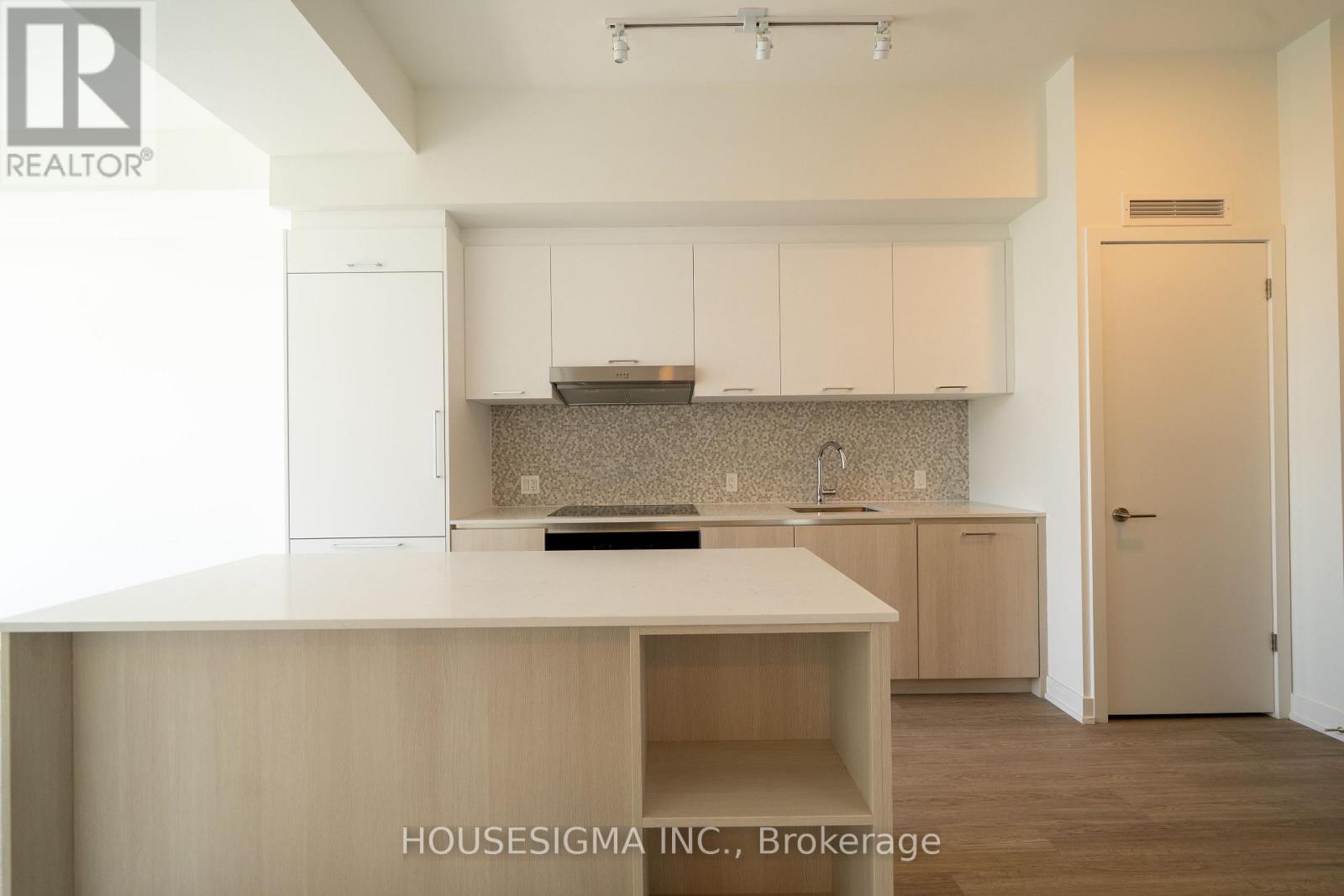 For Rent
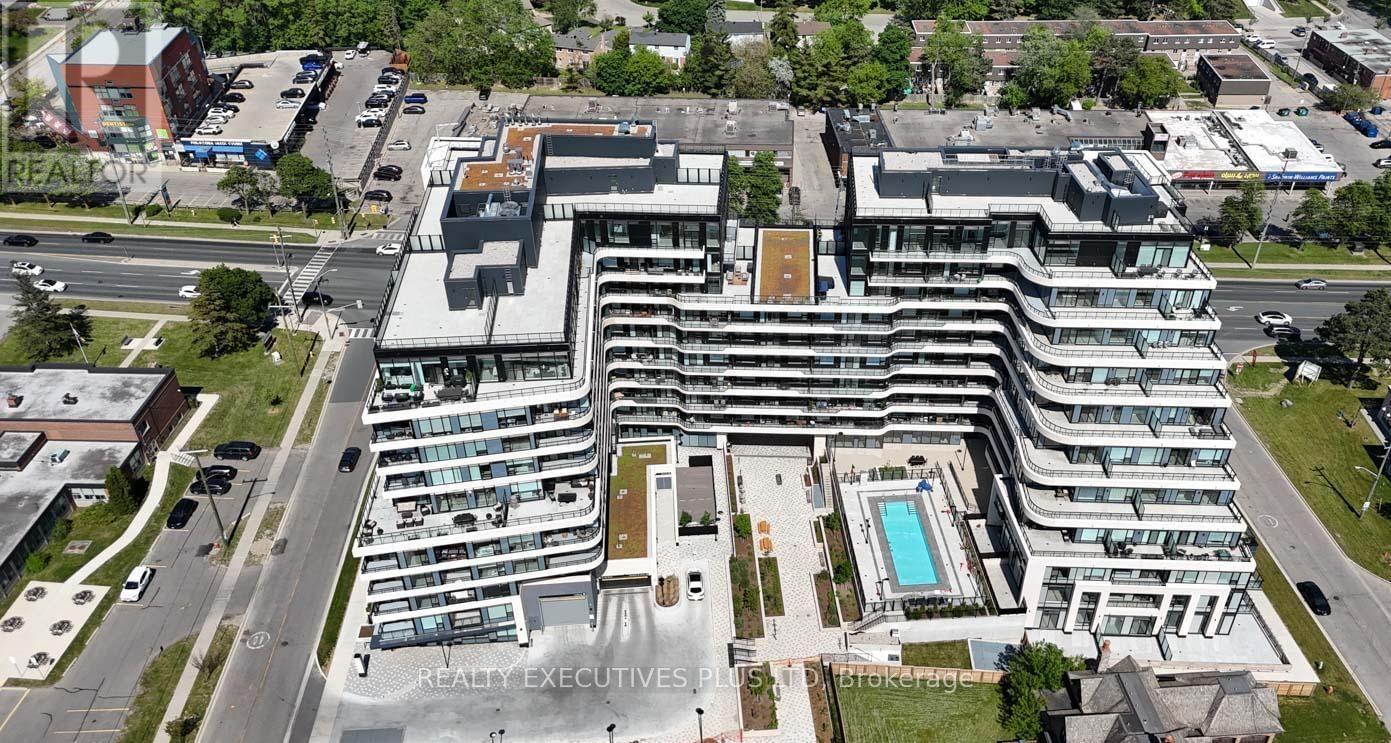 For Rent
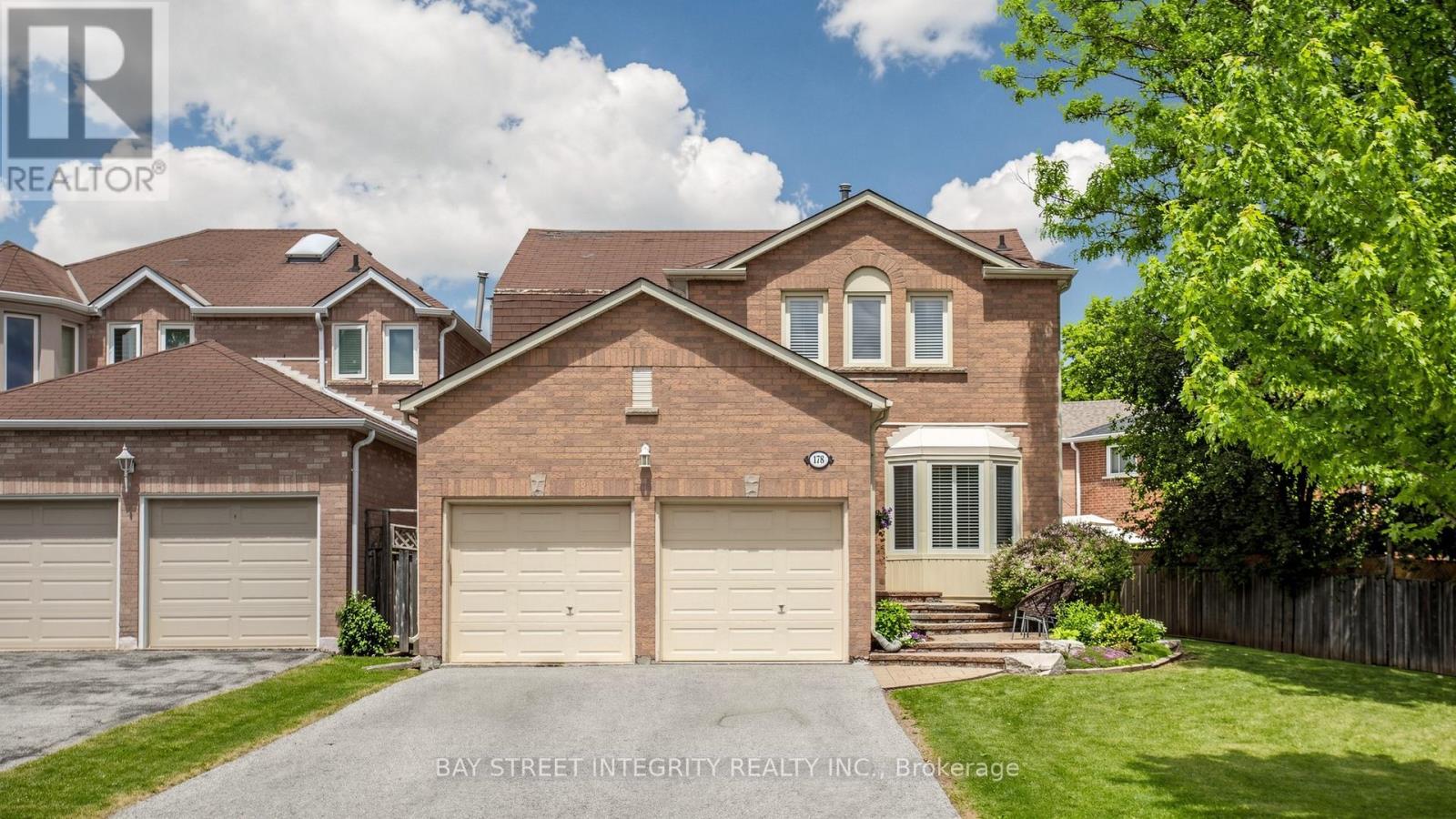 For Sale
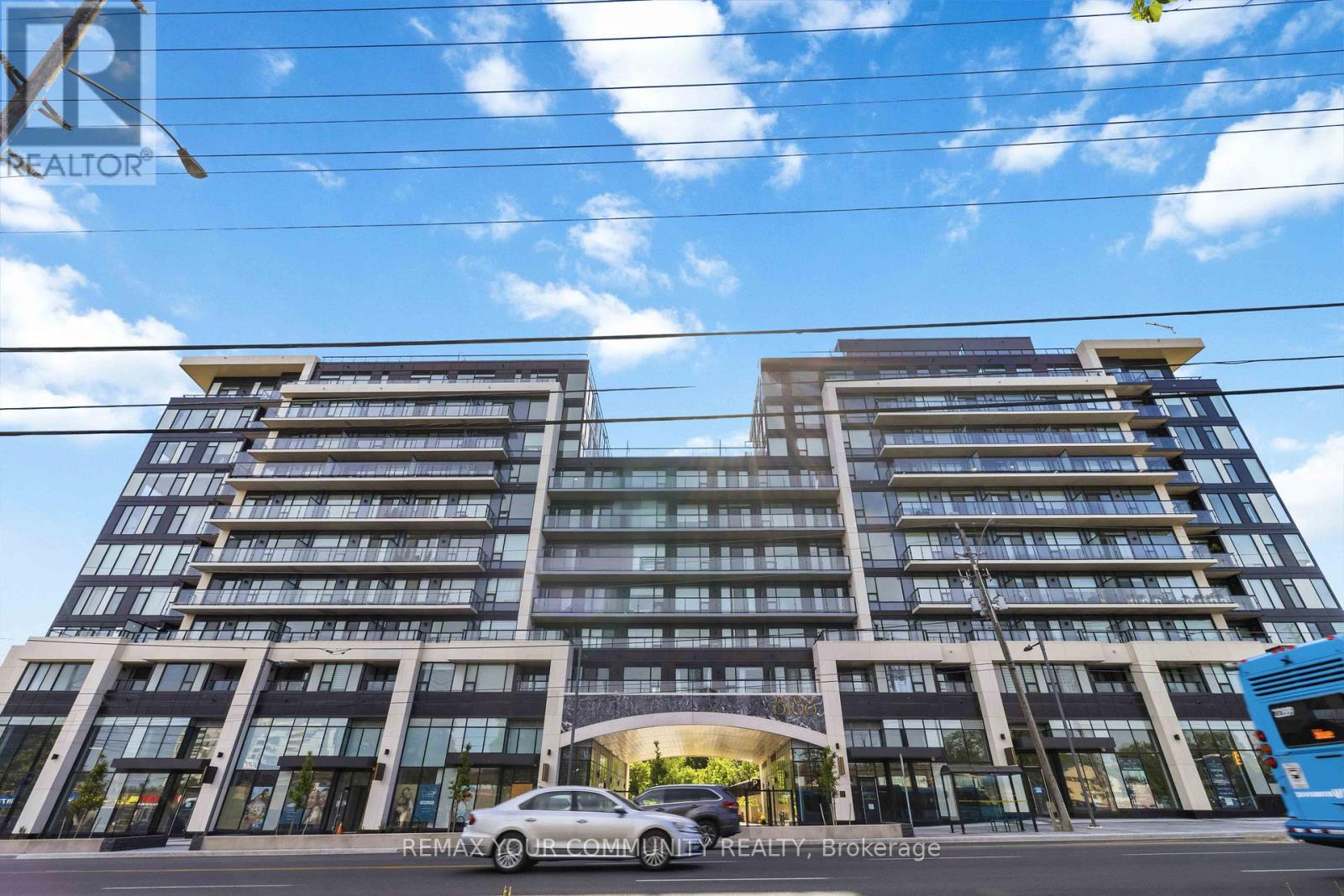 For Rent