
Vellore Village is a sought-after north-central Vaughan community of newer detached and townhouse homes from the 2000s-2010s, with strong schools, diverse community, and Highway 400 access.
Vellore Village is consistently one of the most sought-after family communities in the City of Vaughan, built from the early 2000s through the 2010s on the north side of Major Mackenzie Drive in central-north Vaughan. The name was given by the developers who built the community, but the neighbourhood has lived up to its branding in ways that many planned communities do not: strong schools, engaged community, newer construction standards, and a diverse professional family demographic that has created genuine community character.
The neighbourhood sits west of Weston Road and east of the Highway 400 corridor, with access to Rutherford Road to the south and Major Mackenzie Drive as the primary commercial and transit corridor. Rutherford GO station on the Barrie line is accessible within approximately 10 to 15 minutes, which gives Vellore Village one of the better GO commute access profiles in Vaughan. This is a significant practical asset for households where one partner commutes downtown daily.
The housing stock is newer than most of Vaughan’s established communities, built primarily between 2003 and 2015. This means buyers are getting homes with current-era construction standards, better insulation, more practical layouts, and modern mechanical systems compared to the 1980s or 1990s housing in communities like Maple or older Woodbridge. The kitchens and bathrooms are still original in most units and are showing their age in the earlier builds, which creates a renovation opportunity that is just beginning to emerge in the 2005-era stock.
The average listing price in Vellore Village runs approximately $1.66 million for detached homes, with townhouses from $736,000 to $1.4 million. This mid-to-upper-Vaughan positioning reflects the community’s combination of newer construction, school community, and commuter-accessible location. Buyers who compare Vellore Village to Patterson and Maple consistently rank all three as strong options but reach Vellore Village as their preference when school community and newer construction standards are the priority over GO station proximity.
Vellore Village’s pricing structure runs from approximately $736,000 for an entry townhouse to over $2.5 million for a larger custom detached on a premium lot. The majority of transactions concentrate in the $1.1 million to $1.8 million range for detached homes, with the standard four-bedroom detached trading around $1.4 million to $1.7 million depending on finish level and lot size. Freehold townhouses, which are more common here than condo townhouses, trade in the $900,000 to $1.2 million range and provide a lower entry point into the Vellore Village community for buyers who cannot stretch to full detached pricing.
The newer construction vintage in Vellore Village means buyers can generally expect better energy efficiency, more functional layouts, and lower immediate maintenance requirements than in comparable older Vaughan communities at similar price points. The 2005 to 2010 builds are now old enough that the first round of significant upgrades is becoming relevant: garburators, bathroom fixture replacement, and kitchen updates are increasingly common in this age bracket. The 2012 to 2015 builds remain in good condition with their original systems still functioning adequately.
Builder upgrades and premium lots within the Vellore Village development created significant price stratification that persists in the resale market. Original-owner sales of well-upgraded homes sometimes achieve premiums of $100,000 to $200,000 above standard comparable homes based on the upgrade package, which was significant at the original purchase. Buyers evaluating these homes need to assess whether the upgrade value is genuinely reflected in their utility and preference, or whether they are paying a premium for features they would not have specifically selected.
Property tax in Vellore Village on a $1.5 million assessed value runs approximately $7,000 to $8,500 annually, consistent with the City of Vaughan’s residential property tax schedule. New development charges were incorporated into the original pricing and do not affect resale purchases, which is a relevant distinction for buyers who are also evaluating new construction alternatives.
The Vellore Village market is active relative to the broader Vaughan market, partly because the community has a consistent and geographically loyal buyer pool that seeks out this specific neighbourhood rather than searching broadly. Days on market for well-presented, correctly priced properties in Vellore Village runs 20 to 35 days, somewhat tighter than the broader Vaughan market, reflecting the motivated and specific nature of the buyer pool.
The current buyer-favourable conditions across York Region apply to Vellore Village, and buyers who were priced out of the 2021-2022 peak are finding the current conditions more accessible. Sellers who are pricing at 2025 market comparables rather than 2022 peak expectations are transacting. The gap between what sellers want and what the market will pay has narrowed as sellers have adjusted their expectations, but it has not fully closed for properties that are in below-average condition or on less desirable lots.
Competition among comparable communities for the same buyer pool is a market dynamic that affects Vellore Village. Patterson to the east, Maple to the south, and the newer sections of the Kleinburg Summit area to the northwest all compete for buyers in the $1.2 million to $1.8 million Vaughan family housing market. Vellore Village’s relative competitive position depends on how individual buyers weight the specific factors: GO proximity (Maple wins), prestige address (Patterson and Kleinburg win), school community (Vellore Village is competitive), and newest construction (Vellore Village wins on average).
Investor activity in Vellore Village is present in the townhouse segment, where the entry price points and the strong rental market in north Vaughan make the income-investment calculation more viable than in the detached segment. Purpose-built investor purchases of townhouses for long-term rental are a consistent minority of Vellore Village transactions, and the rental demand from professionals and families who want a north Vaughan address without ownership costs provides a stable tenant pool.
Vellore Village’s buyer profile is anchored by the professional family moving from Toronto or from elsewhere in Vaughan. The typical buyer is in the 32 to 48 age range, has one or two children in the 5 to 12 age range, is making a deliberate choice to prioritize school community and space over urban proximity, and has done extensive research before arriving at Vellore Village. These buyers have usually compared Vellore Village to Patterson, Maple, and the Kleinburg area and have made an informed decision rather than a default choice.
The South Asian community, particularly Punjabi families and Tamil and Gujarati families, represents a significant and growing presence in Vellore Village’s buyer pool. The community’s preference for newer construction, strong school environments, and communities with established South Asian social and religious infrastructure has made Vellore Village and the adjacent north Vaughan communities preferred destinations for this buyer segment. The Sikh and Hindu community infrastructure accessible from Vellore Village via the Highway 7 and Major Mackenzie Drive corridors serves these families’ religious and cultural needs effectively.
Chinese Canadian and Iranian Canadian buyers, consistent with the broader York Region demographic shift, are increasingly active in the Vellore Village market. These buyers are typically drawn by the school community and the newer construction standards rather than by any specific cultural community infrastructure, though the broader York Region Chinese and Iranian community commercial infrastructure accessible from north Vaughan via Highway 7 and the Rutherford corridor is a practical asset.
Italian Canadian families who are specifically moving within Vaughan, upgrading from older Woodbridge or Maple properties, represent a buyer category that values the community continuity of staying in Vaughan while accessing newer construction standards and the school community that Vellore Village delivers. These buyers know the city well and are making informed comparisons rather than discovering Vaughan for the first time.
Vellore Village’s street structure follows the 2000s and 2010s master-planned subdivision pattern: arterials connect to collector roads, which connect to quiet crescents and courts. The residential interior is genuinely quiet, with low through-traffic volumes and the pedestrian-friendly character that comes from well-designed curvilinear layouts. Streets that feed into the quieter crescents and courts are consistently preferred over the collector roads, which carry more internal neighbourhood traffic.
Lot sizes in Vellore Village vary by development phase and lot type. Standard lots run 30 to 40 feet in frontage with adequate depth; premium lots on crescents or with park backing are larger and command premiums that are consistently reflected in the resale comparables. Townhouse lots are smaller but typically include usable rear yards that are larger than the vestigial strips in some high-density townhouse configurations.
Streets adjacent to Vellore Village Park and the neighbourhood’s other significant green spaces tend to perform better in the resale market than comparable streets without park adjacency. The parks are well-used, their proximity adds daily usability to the residential experience, and the park-adjacent lots often have extended rear views that add to the feeling of space. These premiums are real and reflected in the sold data.
The development phases of Vellore Village created some variation in construction vintage and quality across different streets. The earliest 2003 to 2005 builds have a slightly different character from the 2012 to 2015 builds, and buyers who are specifically prioritizing newer construction standards should confirm the build year of any specific property before evaluating it. The City of Vaughan’s building permit records or the seller’s disclosure documentation will have the specific build year.
Vellore Village’s best transit asset is its proximity to Rutherford GO station on the Barrie line, accessible in approximately 10 to 15 minutes by car from most Vellore Village streets. Rutherford GO to Union Station on peak express trains runs approximately 40 to 45 minutes, which is among the better downtown Toronto commute options available from any Vaughan community. Metrolinx’s GO Expansion program is increasing two-way all-day service on the Barrie line, which improves the viability of GO commuting for households that do not work standard 9-to-5 hours.
Highway 400 is accessible in approximately 10 minutes via Rutherford Road or Major Mackenzie Drive, providing highway driving access to downtown Toronto and the broader 400 corridor. Morning peak drive times to downtown Toronto from Vellore Village run 40 to 60 minutes depending on destination and departure time. The 407 ETR is accessible via Highway 400 north to the 407 interchange, providing a toll alternative for residents who use the 407 for their commute.
YRT local routes on Major Mackenzie Drive and Weston Road provide service connections within the broader north Vaughan area. The frequency and coverage of YRT service in this part of Vaughan supports occasional transit use for local trips but is not sufficient for most residents to manage without a car for their primary commute. The Rutherford GO connection is the practical transit option for downtown commuters, and it works well for that specific use case.
Cycling infrastructure in Vellore Village and the Major Mackenzie corridor is improving as the City of Vaughan has invested in multi-use paths connecting parks, schools, and commercial nodes. For local trips within the community, cycling is increasingly practical. For commutes to employment outside the immediate area, driving or GO transit remains the practical choice for most households.
Vellore Village Park is the neighbourhood’s central green space anchor, a well-maintained multi-use park that draws residents from across the neighbourhood for sports, play, and informal community activity. The park and its facilities were planned as part of the original development, which means they are well-sized for the community they serve and are located to maximize accessibility from the surrounding residential fabric.
The broader north Vaughan natural area accessible from Vellore Village includes the Humber River watershed trail system and Maple Nature Reserve, both accessible within 15 to 20 minutes. The Humber Trail provides the most significant continuous natural trail access in the area, and families who cycle or hike regularly find the access adequate for their needs. Boyd Conservation Area to the northwest provides a more significant natural recreation destination with equestrian trails and larger natural areas.
Multiple neighbourhood parks within the Vellore Village development provide additional green space distributed throughout the residential blocks. These parks serve the daily-use needs of families with young children: after-school play areas, informal gathering spaces, and the small-scale recreational infrastructure that makes suburban neighbourhoods function well for families. The distribution of parks within the development was planned carefully, and most Vellore Village streets are within easy walking distance of at least one park space.
The Oak Ridges Moraine conservation lands are accessible within 20 to 25 minutes, providing access to the broader natural heritage corridor that defines the ecological character of the York Region landscape. For families who value periodic access to genuine natural areas, the Moraine trail network provides this without requiring a drive to cottage country. The proximity to the Moraine is one of the understated advantages of north Vaughan’s location relative to south Vaughan and the urban core.
The commercial infrastructure accessible to Vellore Village residents has improved as the community’s population base has grown. Major Mackenzie Drive now carries grocery anchors, pharmacy, and a range of everyday service retail that serves the north Vaughan community’s daily needs within a short drive. The commercial nodes on Weston Road and the Rutherford Road corridor add additional retail options accessible within 10 to 15 minutes.
Vaughan Mills at Highway 400 and Rutherford is the major regional retail destination, accessible in approximately 10 minutes from Vellore Village. The combination of outlet retail, big-box anchors, and chain dining at Vaughan Mills provides the full-scale retail experience that serves periodic major purchase needs. For everyday household shopping, the Major Mackenzie Drive commercial nodes are closer and adequate.
The Woodbridge commercial character, including the Italian commercial strip along Highway 7 and Islington Avenue, is accessible within 20 minutes and provides the authentic Italian community commercial offerings that the broader Woodbridge community has developed over decades. Vellore Village residents who value this specific commercial experience find it accessible without living in the older Woodbridge residential fabric.
Restaurant options accessible from Vellore Village have expanded as the north Vaughan residential population has grown. Indian restaurants serving the South Asian community, Italian casual dining, Chinese options, and the general mid-market chain dining that serves the suburban GTA are all accessible within 15 minutes. The community’s demographic diversity is reflected in the variety of food options accessible from the neighbourhood, which is better than the generic suburban strip mall dining that characterized the area when the first builds opened in 2003.
Vellore Village is served by some of the strongest YRDSB and YCDSB school options in the City of Vaughan. Vellore Woods Public School is the YRDSB elementary anchor for the neighbourhood, with a reputation for strong academic programming and active parent community involvement. YRDSB secondary students attend Maple High School, which has established French Immersion and academic enrichment programs and is consistently well-regarded in the north Vaughan community.
The YCDSB stream serves Catholic families through Father Bressani Catholic High School as the secondary destination, with YCDSB elementary schools in the catchment providing the primary education foundation. The Catholic school community in north Vaughan is well-established and benefits from the engaged parent base that characterizes the Vellore Village demographic. The Italian Catholic heritage of the broader Vaughan community contributes to the school culture in the YCDSB stream.
School community is explicitly cited by a significant proportion of Vellore Village buyers as a primary factor in choosing this neighbourhood over comparable alternatives. The parent engagement levels, the extracurricular programming, and the consistency of academic outcomes in the local YRDSB schools have created a self-reinforcing community of families who prioritize education and who chose Vellore Village partly because of who else was choosing it. This community selection effect produces schools that are consistently good partly because the families who enroll their children are consistently engaged.
Private school access from Vellore Village includes the Country Day School in King City, approximately 20 minutes north, and various independent programs in the Woodbridge-Maple corridor. The broad availability of private and independent school options in the north Vaughan area gives Vellore Village families meaningful educational choice beyond the public and Catholic board systems.
Vellore Village is a largely built-out community, and the development activity relevant to residents focuses on the commercial nodes that serve the growing north Vaughan population and the infrastructure improvements that the city is making in response to residential growth. The Weston Road commercial corridor continues to develop as the residential population on both sides of the road has grown to the scale that supports commercial viability.
The City of Vaughan’s infrastructure investment in Major Mackenzie Drive and Rutherford Road includes road improvements, multi-use path additions, and utility upgrades that serve the built-out residential communities in north Vaughan including Vellore Village. These improvements are ongoing and visible in the neighbourhood as the city’s capital works program cycles through the infrastructure needs of communities that have been fully built for 10 to 15 years.
Individual home renovation activity in Vellore Village is in its early stages relative to the older Vaughan communities. The 2005 to 2010 builds are reaching the age where kitchen and bathroom updates are becoming common, and the renovation market in this age of housing stock in York Region is increasingly competitive. Buyers who are evaluating original-condition homes in Vellore Village are encountering a market that will see significant renovation activity over the next five years as the housing stock ages into the renovation sweet spot.
New construction has substantially concluded in Vellore Village’s core, but adjacent development in the Kleinburg Summit area and the Teston-Weston corridor continues to add new supply to the north Vaughan family housing market. This new supply competes with Vellore Village resale at the upper end of the price range and provides buyers who specifically want new construction with an alternative to resale in the Vellore Village area.
Q: Is Vellore Village the best family community in Vaughan right now?
A: Vellore Village is consistently in the top tier of Vaughan family communities, but “best” depends on your household’s specific priorities. For families where GO transit access is the primary consideration, Maple has a slight advantage due to closer proximity to Maple GO station. For families where prestige address is a priority, Patterson and the Kleinburg area have stronger positioning. For families where newer construction standards and a strong school community are the top priorities, Vellore Village is among the strongest options in Vaughan. The honest assessment is that Vellore Village, Patterson, and Maple are all excellent family communities that serve similar buyer profiles with different specific strengths. Choosing among them should be based on your specific commute situation, budget, school board preference, and which community’s specific character and location best matches your household’s daily life requirements.
Q: How does the Rutherford GO commute actually work from Vellore Village, and is it reliable?
A: The Rutherford GO commute from Vellore Village involves a 10 to 15 minute drive to the Rutherford GO Park and Ride, arriving early enough to secure a parking spot during peak periods (the lot fills between 7:30 and 8:15 AM on weekdays), and then a 40 to 45 minute train to Union Station on peak express service. Metrolinx’s on-time performance on the Barrie line has been approximately 85 to 90 percent, which is competitive with other GO lines. The two-way all-day expansion under the GO Expansion program has improved service frequency, and there are now multiple peak trains per hour in addition to the express service. The commute is reliable enough that most Vellore Village GO users plan their morning around it and find it genuinely competitive with driving for Union Station-area destinations. The key requirement is the parking spot, which means arriving before 8:00 AM. Alternatively, some residents use YRT bus connections to the GO station rather than driving, which adds 15 to 20 minutes but eliminates the parking concern.
Q: What is the actual Vellore Village school catchment, and does it cover the whole neighbourhood?
A: The school catchment boundaries within Vellore Village are not uniform across the entire development. Because Vellore Village was built over multiple phases across a relatively large geographic area, some streets in the neighbourhood feed to different schools than others. Vellore Woods Public School serves the core Vellore Village area, but addresses at the outer edges of the neighbourhood may feed to different YRDSB elementary schools depending on the specific location. The secondary school catchment for Maple High School (YRDSB) is broadly consistent across Vellore Village. Before purchasing based on a specific school catchment expectation, confirm the exact school assignment for the specific address using the YRDSB school locator tool. This is a pre-offer step, not a post-offer discovery. The catchment assignments have been stable, but specific street-level assignments can vary at the neighbourhood edges.
Q: Is there any new construction alternative to Vellore Village resale that I should be comparing?
A: Yes. The Kleinburg Summit area and the newer sections of the Teston-Weston corridor offer new construction in the same north Vaughan market segment. New construction in this area typically starts at $1.3 million for a standard detached with a moderate lot and rises quickly with lot upgrades and builder option packages. The advantages of new construction are full builder warranty, current construction standards, and the ability to customize within the builder’s option program. The disadvantages are higher effective pricing compared to comparable resale, smaller lots in most cases, an under-developed community feel, and the wait time before the neighbourhood’s amenities and commercial infrastructure catch up to the residential density. Vellore Village resale at comparable prices offers an established community, a known school catchment, and the commercial and park infrastructure that has developed over 15 years of occupancy. Both are legitimate choices, and the right answer depends on whether you prioritize new construction quality or established community character.
Vellore Village rewards buyers who approach it with the specific knowledge that this community requires. The school catchment boundaries matter and should be confirmed for specific addresses. The development phase variation within the neighbourhood affects construction vintage, lot size, and community character. The resale-versus-new-construction comparison is worth doing explicitly if both are within your budget and geographic preference.
The current market gives Vellore Village buyers more time and more negotiating room than the 2021-2022 peak provided. Use that time to confirm the specific school catchment, get a thorough home inspection, and build your offer around current comparable sold data rather than asking prices. The spread between list and sold on original-condition properties in this neighbourhood is worth the research.
For families who have specifically identified Vellore Village as their community, working with an agent who has done transactions here and who knows the current school catchment, the phase differences, and the recent comparable data at the specific street level is worth the effort to find. The community knowledge translates directly into better purchase decisions and better offer positioning.
Contact TorontoProperty.ca if Vellore Village is your target. We work north Vaughan and can help you navigate the specific decisions that this community requires. Use the contact form or call us directly.
Street-level knowledge is hard to find online. Our team works in Vellore Village every day. They know which pockets hold value, where the school catchment lines actually fall, and what the market is doing right now. Talk to us before you make a decision about Vellore Village.
Talk to a local agent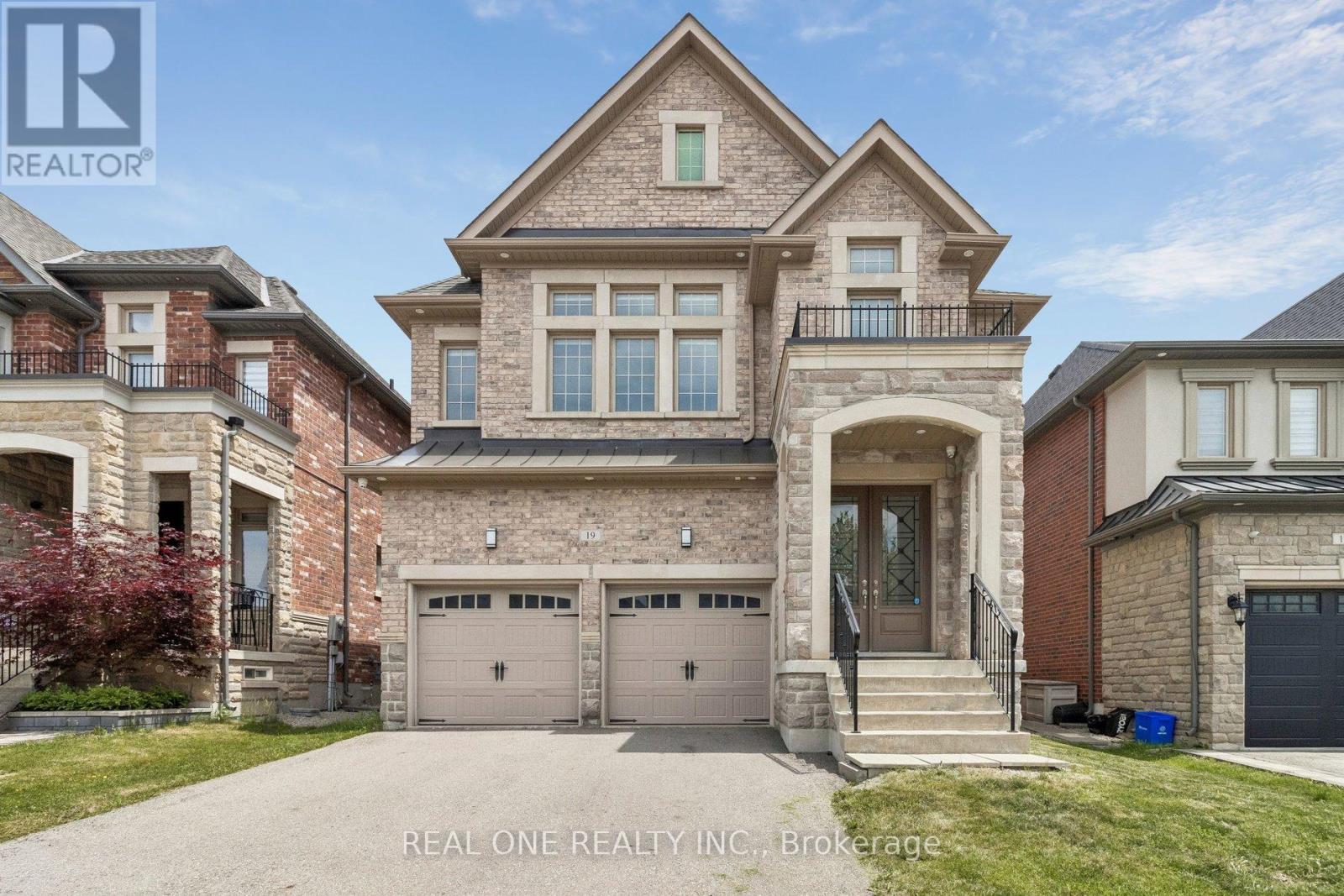 For Rent
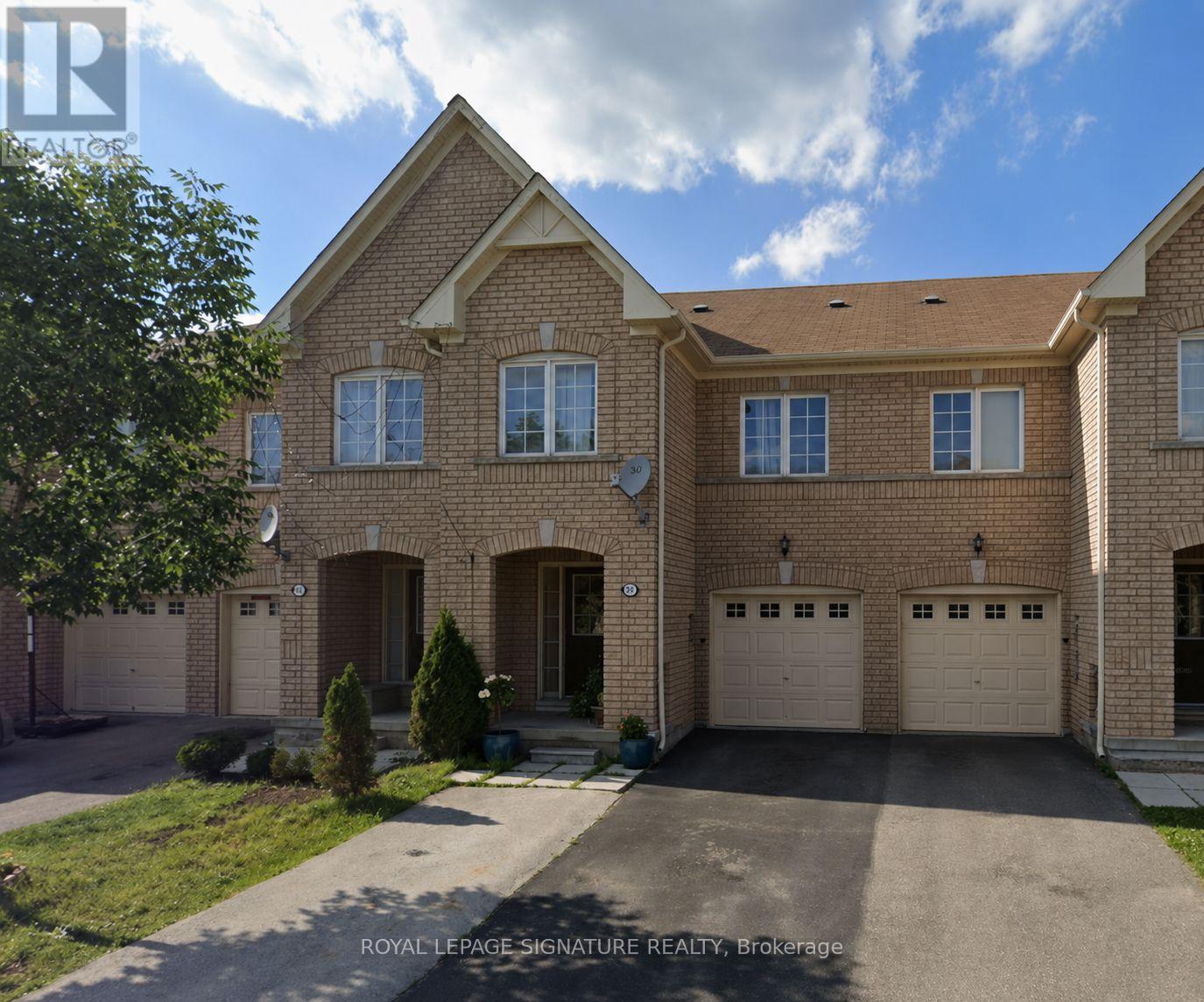 For Sale
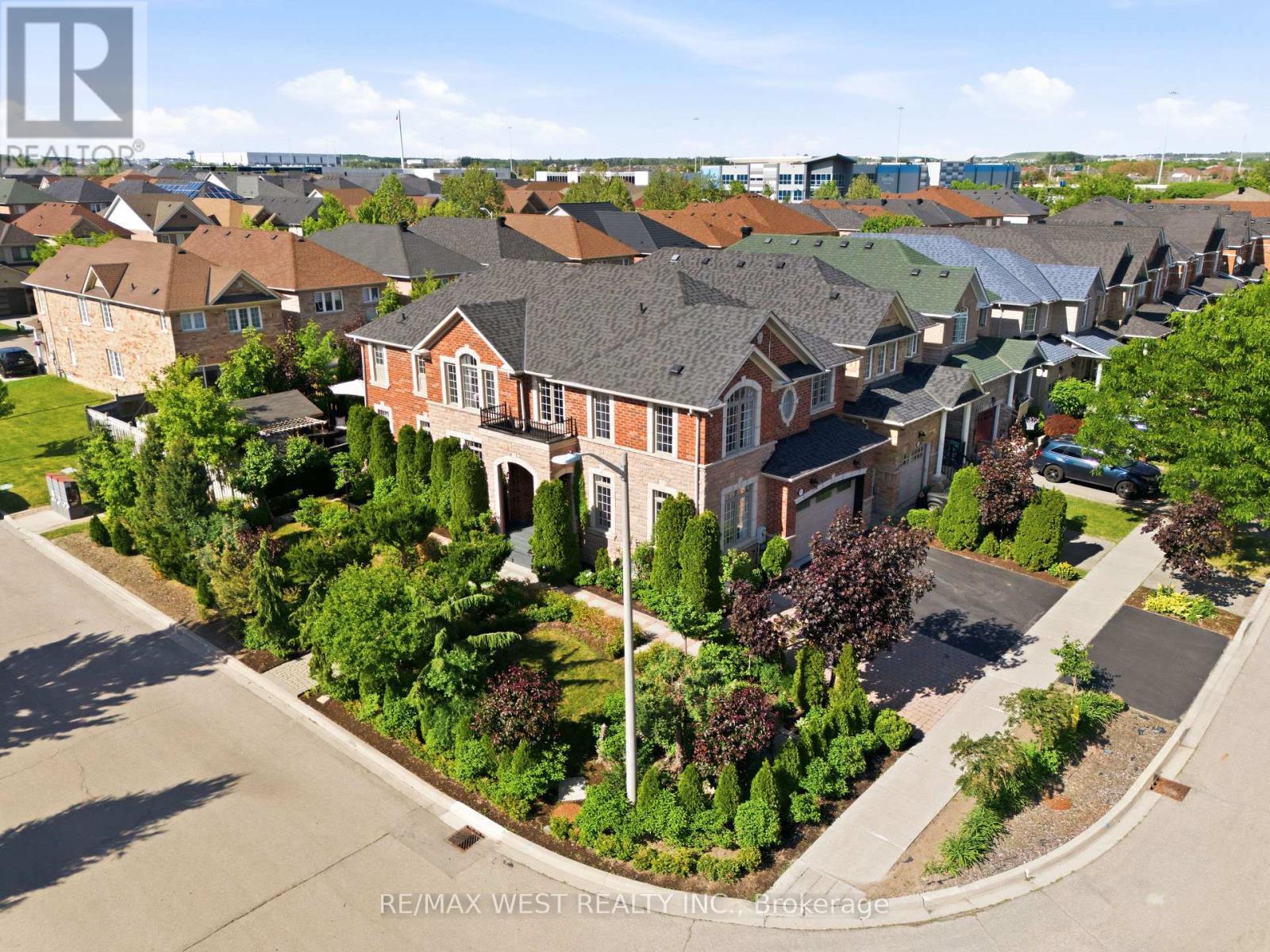 For Sale
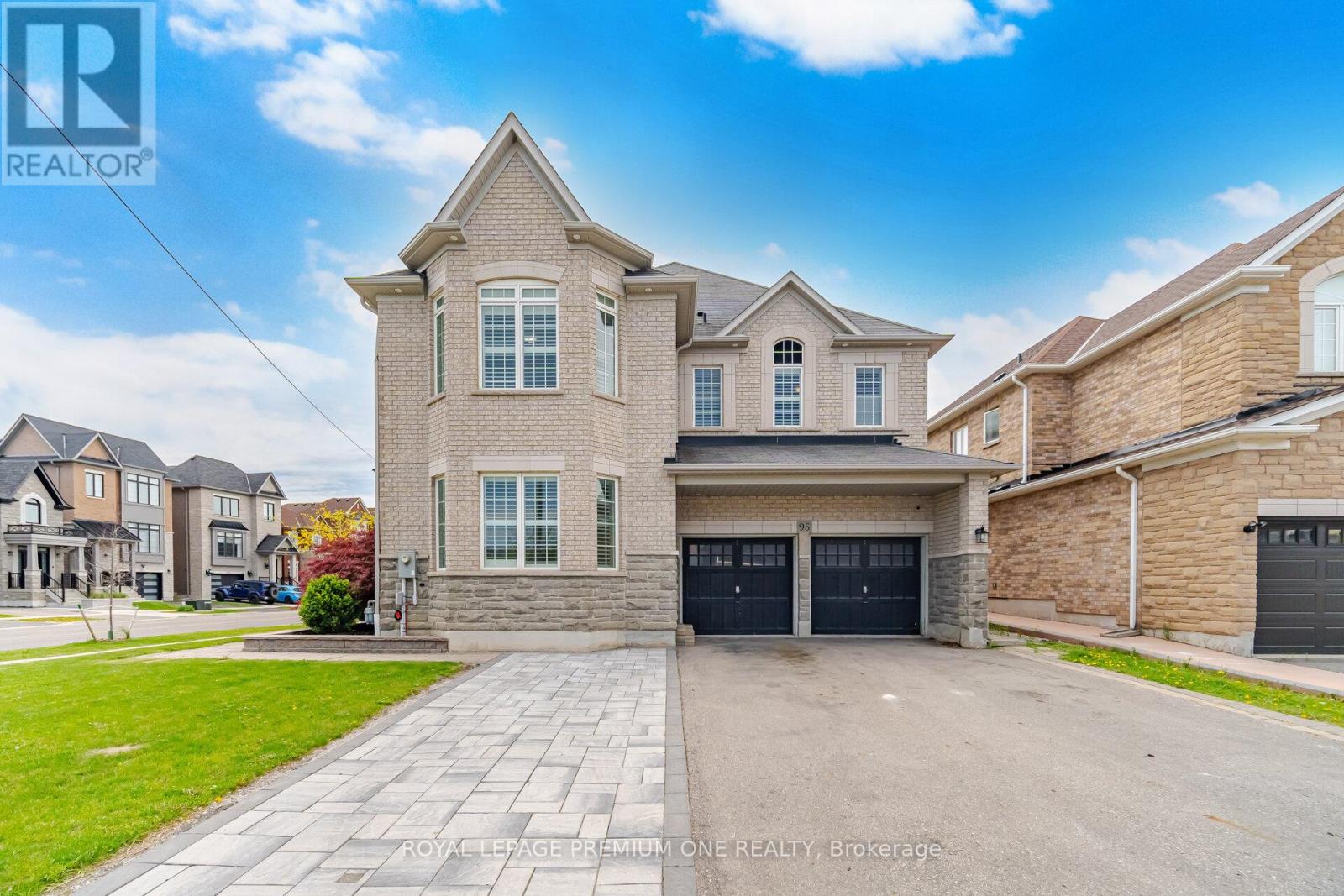 For Sale