

Moss Park occupies a stretch of downtown east Toronto between Queen and Dundas, roughly from Jarvis to Parliament. It's one of the city's most honestly complex neighbourhoods: a high concentration of social housing, shelters, and support services sits alongside a wave of condo development on its edges, particularly along Queen East. One-bedroom condos on the Queen corridor were listed between $500,000 and $700,000 in early 2026, with freehold inventory rare and highly location-dependent.
Moss Park sits in downtown east Toronto, roughly bounded by Jarvis Street to the west, Parliament Street to the east, Queen Street to the south, and Dundas Street to the north. It’s a short walk from the St. Lawrence Market, a short ride from the Financial District, and closer to the geographic centre of Toronto than most people who avoid it realize. The Queen streetcar runs along its southern edge. Dundas cuts across the north. Both connect the neighbourhood quickly to the broader downtown grid.
The neighbourhood takes its name from the Moss Park Arena, a 1962 arena that occupies a chunk of the block between Queen and Shuter, between Jarvis and Sherbourne. The arena has been earmarked for demolition and replacement as part of the city’s longer-term redevelopment plans for the area. Around the arena, a cluster of social housing towers built in the 1950s and 1960s defines the neighbourhood’s physical character: tall, aging, and surrounded by ground-level uses that reflect decades of concentrated poverty in a small area.
On the edges, particularly along Queen East between Jarvis and Parliament, the picture is changing. Condo buildings have risen in the blocks closest to Corktown and St. Lawrence, and the street-level uses on that stretch look more like the rest of downtown than they did ten years ago. The transition is real but incomplete, and buyers considering this neighbourhood need to understand both the current state and the forces pushing against it.
Freehold housing in Moss Park proper is rare. The neighbourhood’s residential stock is dominated by the social housing towers, not the Victorian semis and detached homes that define the property market in adjacent areas like Corktown, St. Lawrence, or Regent Park to the south. If you’re looking for a house to own on a street like Berkeley, Parliament, or Shuter in the heart of the neighbourhood, the inventory is thin and the properties that do come to market typically need significant work.
The accessible market here is condos, concentrated on the Queen Street East corridor between Jarvis and Parliament, and on the southern blocks of Sherbourne near Dundas. One-bedroom units in the 500 to 650 square foot range were trading between $500,000 and $700,000 in early 2026. That price range is meaningfully lower than comparable units in St. Lawrence or Corktown, which reflect the same downtown east location but without the same street-level challenges. The discount is structural, not a temporary dip.
Buyers who do find freehold properties in the area should factor in renovation costs carefully. Much of the older rental stock has deferred maintenance, and the cost to bring a 1900s-era building up to a livable standard is substantial. The better-priced freehold opportunities tend to sit on blocks that are clearly shifting toward the St. Lawrence or Corktown character rather than the social housing core. Location within the neighbourhood varies significantly by block.
The buyer pool for Moss Park properties is narrower and more specific than in surrounding neighbourhoods. Multiple-offer situations on condos here are uncommon. Properties listed on the Queen East edge of the neighbourhood typically sit for longer than comparable units in Corktown or St. Lawrence, and price reductions are more frequent. Sellers who understand this price accordingly; sellers who price to adjacent markets often end up adjusting.
The investors who are active here are typically buying on a long-term thesis: that the redevelopment pressure building from Regent Park to the south and from the Queen East condo corridor will eventually transform the blocks between Shuter and Dundas. That thesis may be correct, but the timeline is genuinely uncertain. Planning approvals in Toronto are slow, social housing redevelopment is politically complicated, and the city’s track record on major redevelopment projects suggests a horizon of at least ten to fifteen years for material change.
The owner-occupier buyer who does choose Moss Park is typically buying for affordability reasons: the neighbourhood offers downtown adjacency and decent transit at a price point that adjacent markets don’t. Those buyers should go in with a clear view of what the neighbourhood currently offers, not what it might offer in a decade. The gap between the two is the risk they are carrying.
The buyers active in Moss Park fall into three distinct groups, and it’s worth being direct about what distinguishes them. The first group is investors with a genuine long-term view on the redevelopment thesis. They’re purchasing condos on the Queen East edge, renting them out at market rates, and waiting for the surrounding public realm to improve. They’re not speculating on a quick flip; they’re buying a position in a neighbourhood they believe will look materially different in fifteen years.
The second group is social sector workers: people employed in the shelters, health services, and community organizations concentrated in this area who want to live close to where they work. For this group, the neighbourhood’s current character is familiar rather than off-putting, and the lower entry prices are a genuine advantage relative to their incomes.
The third group is buyers who cannot afford adjacent neighbourhoods and are making a trade-off explicitly. They want downtown east proximity, Queen streetcar access, and a price below what Corktown or St. Lawrence demand. They know what they’re buying into. Buyers who arrive at Moss Park via that route tend to do better than buyers who find themselves here by accident, surprised by conditions they didn’t research.
The transit access from Moss Park is genuinely strong, which is one of the few unambiguous advantages the neighbourhood offers over areas further from the city centre. The 501 Queen streetcar runs along the southern boundary, providing frequent east-west service to the Financial District to the west and the Beaches to the east. The 505 Dundas streetcar runs along the northern boundary, connecting to Bloor-Danforth at Broadview in about fifteen minutes. The downtown core is reachable in under twenty minutes without a transfer.
Dundas subway station on the Yonge-University line is walkable from the western part of the neighbourhood, roughly fifteen minutes on foot from the Jarvis and Dundas intersection. Queen subway station to the west and King station further south are both accessible by streetcar. The overall transit picture means that a resident without a car can reach most of the city without difficulty, which matters more in this neighbourhood than in many others given the limited street parking and the cost of car ownership downtown.
Cycling infrastructure on Sherbourne Street provides a north-south route connecting the neighbourhood to the lakefront trail to the south and St. James Town to the north. The Don Valley trail system is accessible from the eastern end of the neighbourhood via the Corktown Common connector, offering recreational cycling away from traffic. For buyers who commute by bike or transit rather than car, the location is functional and central despite the neighbourhood’s other challenges.
The transformation of Regent Park, which sits immediately south of Moss Park, is the reference point that buyers and investors most often cite when making the case for the area. Regent Park was once the largest social housing project in Canada: 69 acres of tower blocks with no through streets, no retail, and a concentrated poverty that had built up over fifty years. The redevelopment, led by Toronto Community Housing and the Daniels Corporation beginning in 2005, has gradually replaced that stock with mixed-income housing, new streets, parks, an aquatic centre, and a retail strip on Dundas East. The result, twenty years in, is a neighbourhood that looks and functions like the surrounding city rather than an isolated enclave.
The question for Moss Park is whether the same process plays out here, and on what timeline. The physical conditions are different: Moss Park doesn’t have the clear single-ownership land assembly that made Regent Park’s redevelopment straightforward to structure. The political dynamics around shelter concentration and social services are also more contested. Organizations providing services to the street-involved population have resisted displacement pressures, and the city has historically been cautious about relocating those services without alternative facilities in place.
The Moss Park Arena redevelopment is the most concrete near-term catalyst. Replacing the arena and building mixed-use development on that site would change the feel of the Shuter-to-Queen stretch between Jarvis and Sherbourne. It won’t by itself transform the neighbourhood, but it would establish momentum. Buyers who are incorporating this thesis into their purchase decision should be honest with themselves about how much weight to place on a project that has been discussed for years without breaking ground.
The blocks between Shuter and Dundas, from Jarvis to Parliament, contain the densest concentration of shelter beds and social services in Toronto. The street-level experience in this area reflects that: a visible homeless population, drug use in public spaces, and incidents of petty crime that are higher in frequency than in most other downtown neighbourhoods. This is not a characterization that requires softening. Buyers considering properties in or adjacent to this core need to have walked the relevant streets at different times of day before making a decision.
The further you move from the core, particularly toward Queen East and toward Parliament, the more the street character shifts. The blocks closest to Corktown on the southern edge and the blocks near St. Lawrence to the west feel materially different from the Shuter and Dundas intersection. Location within Moss Park matters significantly, and addresses that are technically in the neighbourhood vary widely in what they actually feel like to live on.
Residents who do live here, particularly in the newer condo buildings on Queen East, generally describe an experience of disconnection between the building environment and the immediate street. Lobbies are secure, amenities are modern, and the trip to the Queen streetcar is straightforward. But the surrounding blocks are part of the daily reality. Buyers who can honestly say they are comfortable with that trade-off tend to settle in without significant regret. Buyers who arrive hoping the neighbourhood will feel different than advertised consistently find it doesn’t.
Corktown Common, a 7.3-acre park opened in 2013 at the foot of Eastern Avenue near the Don River, is the most significant park amenity within walking distance of Moss Park’s southern edge. It has a splash pad, a wetland, a picnic shelter, and connections to the Martin Goodman Trail along the waterfront. The park is well-maintained and draws a different user profile than the streets further north. Residents in the Queen East condos closest to Parliament use it regularly and it represents a genuine quality-of-life asset for that specific corner of the neighbourhood.
The St. Lawrence Market, two blocks west on King Street East, is one of the best food markets in North America and is genuinely walkable from the western edge of the neighbourhood. Saturday morning at the St. Lawrence Market is a different experience from the midweek streets around Sherbourne and Dundas, and buyers who know the neighbourhood well often cite market proximity as one of the things that keeps them in it. Grocery options within the neighbourhood itself are limited, and most residents buy food either at St. Lawrence or at supermarkets on Queen East or further along Dundas.
The restaurant and bar scene that defines Corktown and the Queen East stretch between Parliament and the Don is accessible by foot from the eastern part of Moss Park. Good spots on King East and Distillery-adjacent streets are within a twenty-minute walk. The neighbourhood itself has limited retail and food options; the commercial strips on its edges provide most of what residents use day to day. For buyers accustomed to the walkable retail of Leslieville or St. Lawrence, the immediate neighbourhood will feel sparse by comparison.
Moss Park is not a neighbourhood that draws families with children through its school options. The elementary schools serving the area are Nelson Mandela Park Public School and Lord Dufferin Junior and Senior Public School, both of which serve predominantly the social housing population in the neighbourhood. Fraser Institute rankings for these schools are low, which reflects the socioeconomic profile of their student population rather than any specific failing of the teaching staff, but the numbers are what buyers with children typically consult.
Families who do purchase in the neighbourhood and want different elementary options tend to enrol in TDSB alternative schools downtown, several of which have strong reputations and accept students from across the city. The Montessori program at Sprucecourt Public School in Cabbagetown, a short walk north on Parliament, has historically attracted neighbourhood families willing to navigate the enrollment process. Catholic school options are also available in the catchment and draw some families who prefer that system.
Secondary school catchment from the eastern part of the neighbourhood feeds into Eastern Commerce Collegiate, a specialized business school on Pape Avenue. It’s not a neighbourhood secondary school in the traditional sense; students commute to it. The western edge of Moss Park sits in the catchment for Jarvis Collegiate, which has a mixed reputation but a genuine arts program that attracts students from across the east end. Families who are serious about school catchment as a buying criterion generally find adjacent neighbourhoods like Corktown, Cabbagetown, or St. Lawrence offer better options at a predictable premium.
St. Lawrence sits immediately to the west and offers a sharp illustration of what the Moss Park discount buys. A comparable one-bedroom condo in St. Lawrence runs $600,000 to $800,000 against the $500,000 to $700,000 range on the Moss Park side of the boundary. The difference in street character between King Street East and the Shuter-Dundas core is substantial. For buyers where that price gap is meaningful, the decision is rational; for buyers who can reach St. Lawrence pricing, the premium for a different daily environment is generally worth paying.
Corktown, to the southeast, is the neighbourhood that Moss Park’s eastern edge most closely touches and most directly aspires to resemble. Corktown has completed much of its own transition over the past decade: the stretch of King East between Parliament and Cherry, along with the blocks north of King toward Dundas, now has restaurants, coffee shops, and a residential character that attracts buyers who work in the Financial District or the Innovation Corridor on Queen East. Prices in Corktown are higher than on the Moss Park side for equivalent product, but the gap is not as large as the St. Lawrence comparison.
Regent Park, to the south along Parliament and Dundas East, offers the most relevant comparison for buyers thinking about neighbourhood trajectory rather than current conditions. Regent Park today has parks, a community centre, a pool, the Daniels Spectrum arts centre, and a retail strip that functions. It took twenty years and enormous capital investment to get there from a starting point no worse than Moss Park’s current state. Buyers who are genuinely patient, and who believe the city will eventually commit similar resources to this area, can make a rational argument for the purchase. Others should be honest that they are hoping rather than planning.
Is it safe to live in Moss Park?
Safety varies considerably by block and time of day. The core area around the Moss Park Arena, Shuter Street, and the shelter cluster between Jarvis and Sherbourne sees regular incidents of street disorder, drug use, and petty crime at higher rates than most Toronto neighbourhoods. The Queen East blocks toward Parliament and the Sherbourne blocks closer to King feel materially different. Many residents in the newer condos on Queen East report feeling personally safe within their building and on the routes they use daily, while acknowledging that the surrounding streets require awareness. The honest answer is that the neighbourhood’s safety record is uneven, and buyers should spend time on foot in the specific area they’re considering before deciding, at different times of day including evenings. Dismissing the concerns as overblown does buyers no favours, and so does treating all of Moss Park as identical to its most difficult blocks.
What is the rental market like for investors?
Rental demand exists in the area and vacancy rates for well-priced condos are low, but the tenant pool is narrower than in St. Lawrence or Corktown. Renters who choose Moss Park over those alternatives are typically making a budget decision, and that puts some downward pressure on achievable rents relative to the building quality. A one-bedroom condo in the $500,000 to $600,000 purchase range would typically rent for $1,900 to $2,300 per month in early 2026, depending on condition, finishes, and specific building. That range produces thin cash flow or negative cash flow at current mortgage rates before condo fees. Investors are holding this asset for appreciation, not yield, which means the investment thesis depends entirely on neighbourhood improvement over time. That could happen. It could also take much longer than current prices implicitly assume.
Are there any freehold homes available in Moss Park?
Freehold inventory in the core neighbourhood is genuinely rare. The residential stock is overwhelmingly social housing towers or purpose-built rental, not the Victorian rowhouses and semis that drive the freehold market in adjacent areas. Occasional properties do come to market on streets like Shuter, Pembroke, and Seaton, typically requiring substantial renovation. When they appear, they attract attention from buyers who want the freehold ownership structure at a downtown east price point. The total number of transactions per year is small and pricing is highly specific to condition and exact location. Buyers interested in freeholds here need to work with an agent who tracks the area actively and can identify opportunities as they arise rather than waiting for listings to appear on MLS with the right search criteria.
This is not a neighbourhood that suits every buyer, and it would be dishonest to write about it as though the challenges were a footnote rather than the central fact. Moss Park is a neighbourhood in genuine transition, but “in transition” in this case means genuinely uncertain rather than reliably upward. The redevelopment forces are real, the timeline is not. Buyers who go in knowing that, priced for it, and comfortable with a long hold have made a defensible decision. Buyers who go in expecting conditions to change quickly have historically been disappointed.
The specific purchase decision matters more here than in most Toronto neighbourhoods. A condo on Queen East at Parliament, facing the street on an upper floor, is a materially different purchase from a unit at Sherbourne and Shuter facing the shelter courtyard. Location within the neighbourhood, building quality, and specific unit position all carry more weight in the risk calculation than they would in a more stable market. This is a neighbourhood where doing the granular due diligence before making an offer is not optional.
For the right buyer, Moss Park offers something rare in Toronto’s market: downtown east proximity, genuine transit access, and a price point that the adjacent neighbourhoods stopped offering a decade ago. The buyers who do well here are honest about what they’re buying, realistic about the timeline, and committed enough to the area’s eventual improvement that a longer hold period doesn’t create financial pressure. If that describes you, this is worth a serious look. If you’re hoping it’ll feel like Corktown by the time you need to sell, that’s a risk worth naming directly before you sign anything.
Street-level knowledge is hard to find online. Our team works in Moss Park every day. They know which pockets hold value, where the school catchment lines actually fall, and what the market is doing right now. Talk to us before you make a decision about Moss Park.
Talk to a local agent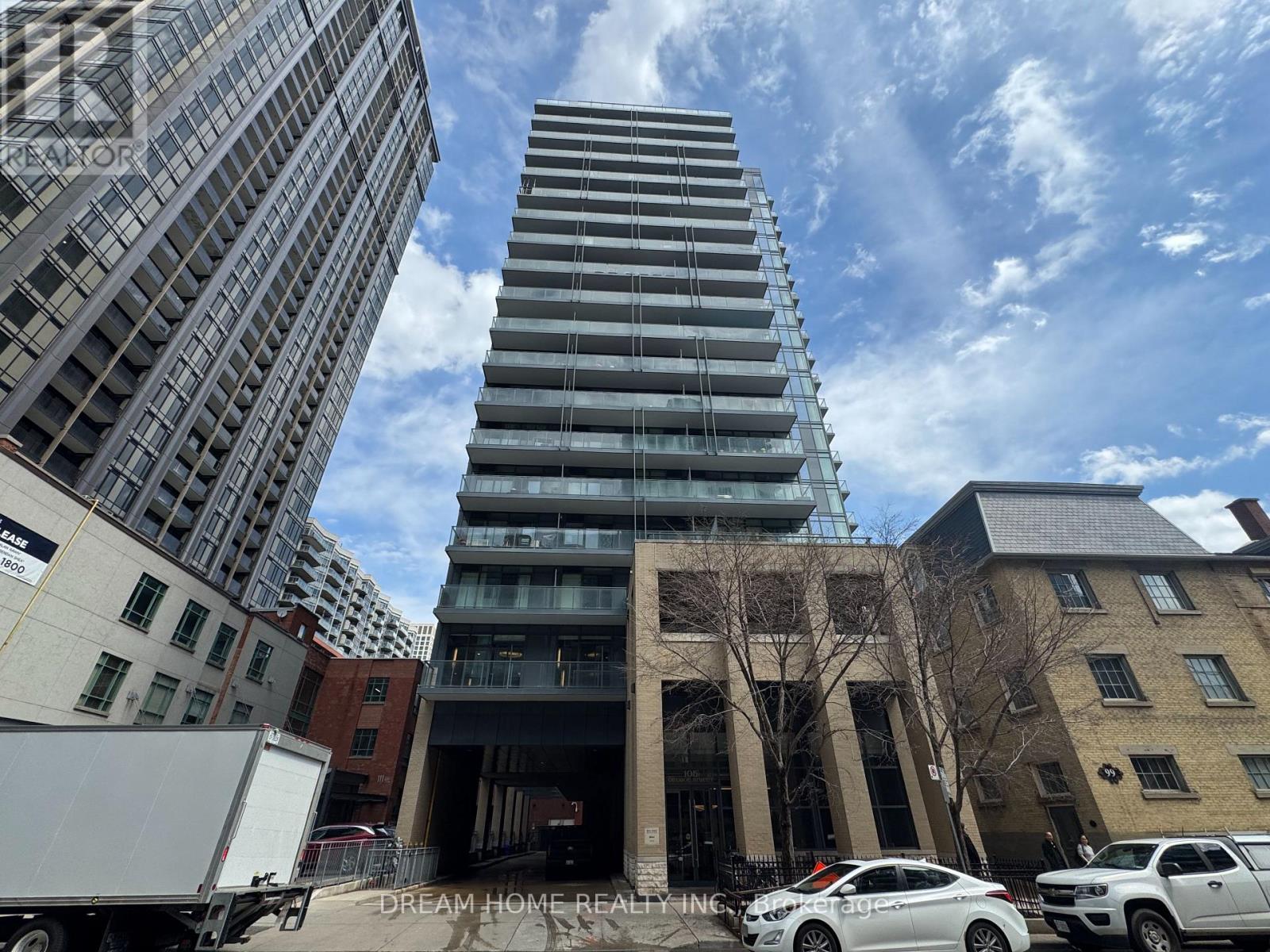 For Sale
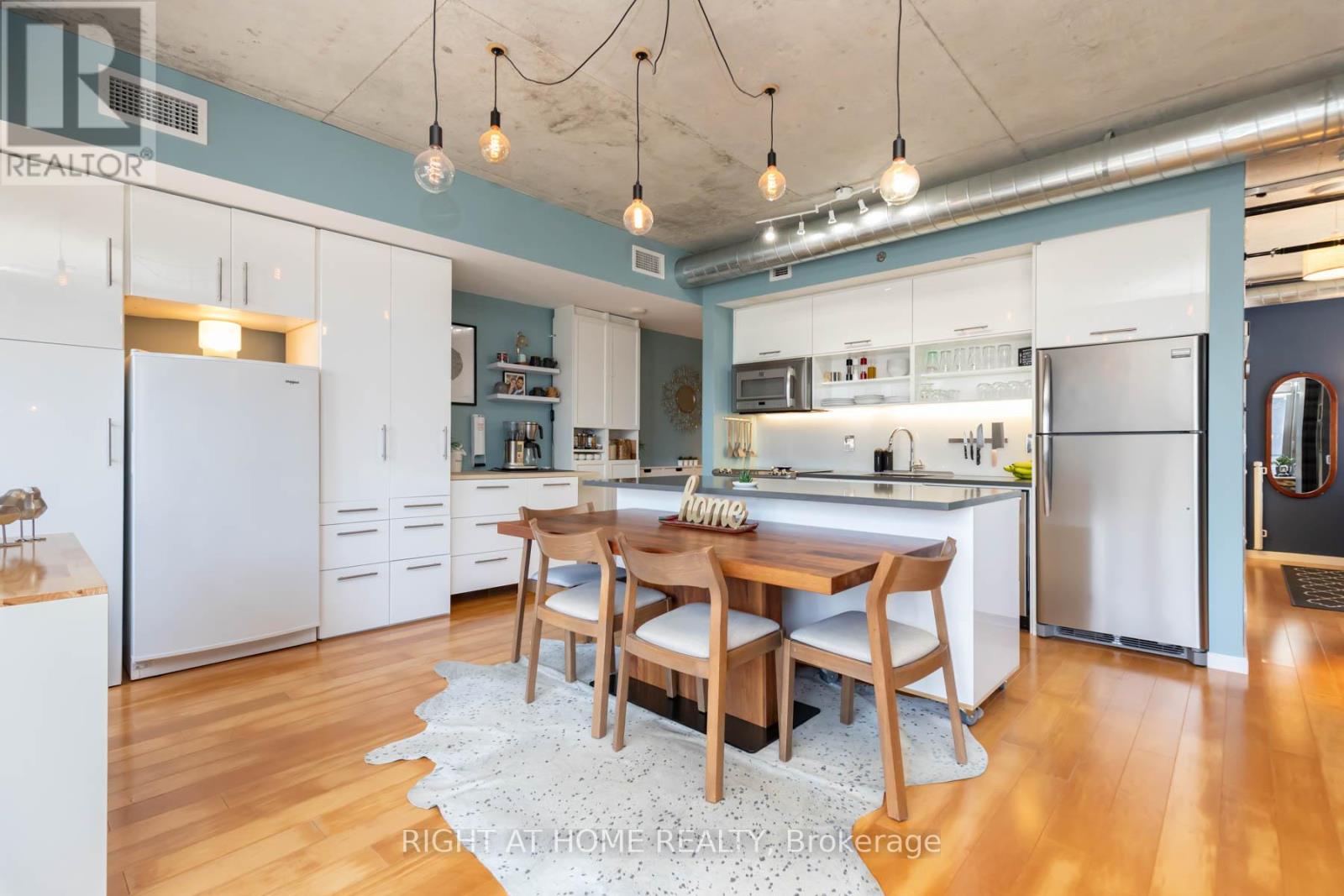 For Sale
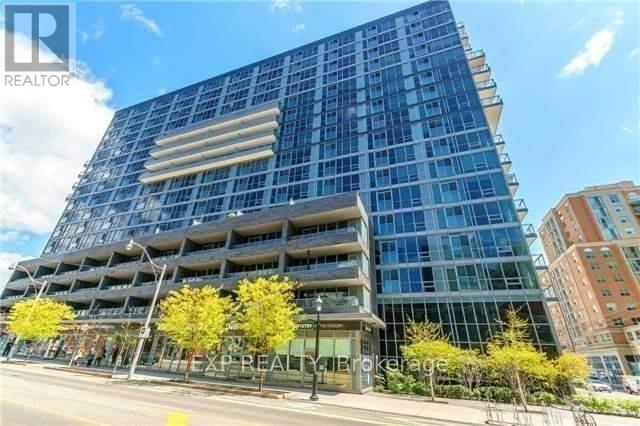 For Rent
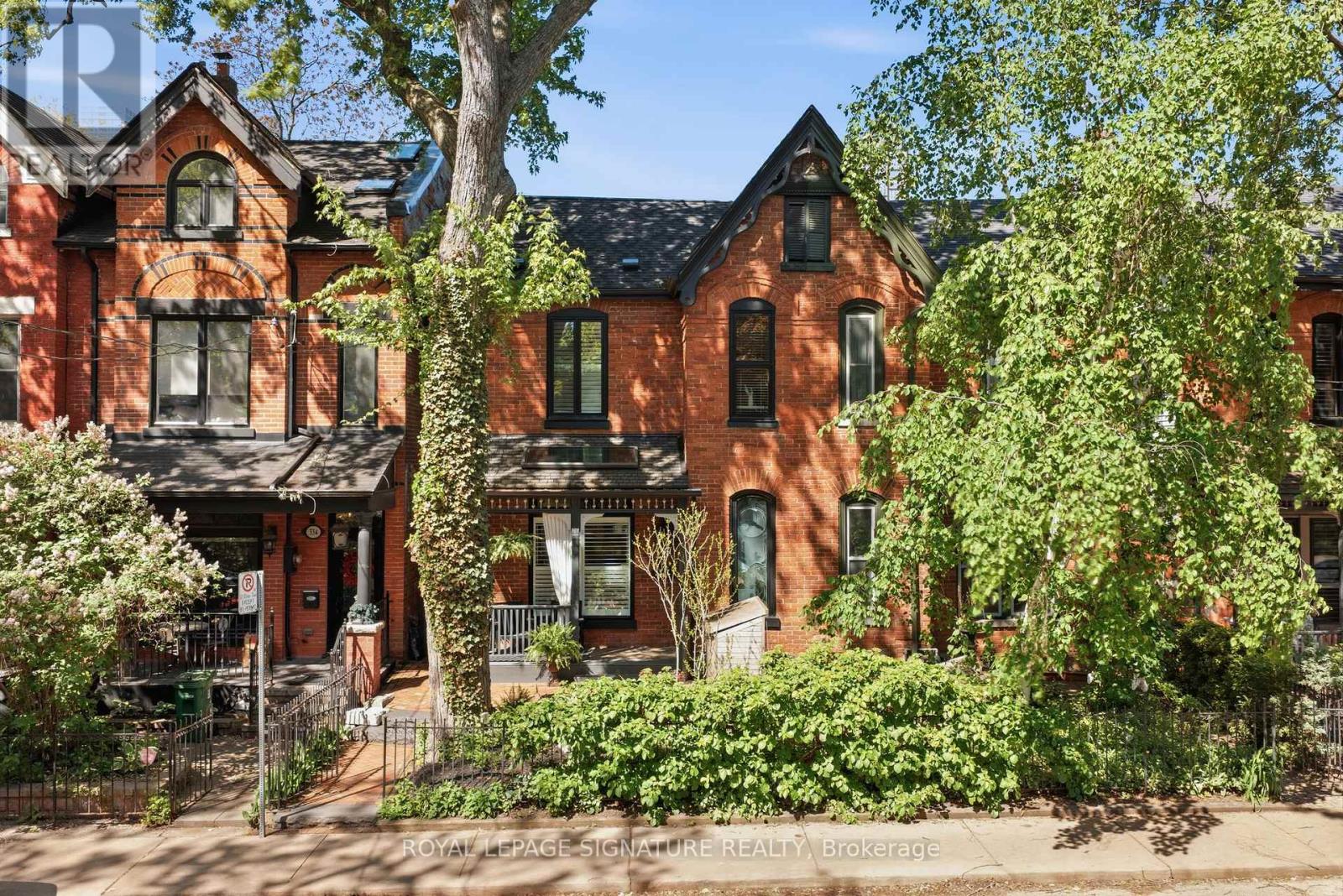 For Sale