
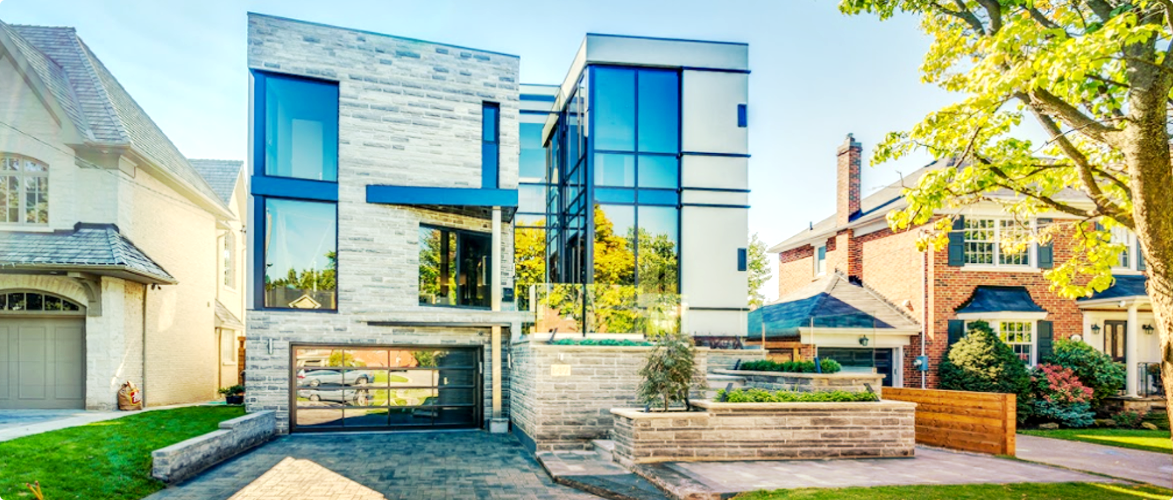
Lawrence Park South is one of Toronto's most established residential addresses: a collection of Arts and Crafts, Tudor revival, and Georgian revival homes built in the 1920s and 1930s on deep ravine-edged lots north of Eglinton, centred on Lawrence Avenue West and the Alexander Muir Memorial Gardens. Lytton Park, the sub-designation for the streets immediately around Lytton Boulevard, is where the neighbourhood reaches its highest prices, with detached homes starting at $3 million and the best properties on the best ravine streets trading between $5 million and $10 million. Fewer than 40 properties change hands in a typical year.
Lawrence Park South sits north of Eglinton Avenue West, centred on Lawrence Avenue and the ravine streets that feed into the Lawrence Creek system. The neighbourhood is defined by what’s here: detached homes from the 1920s and 1930s, built in Arts and Crafts, Tudor revival, and Georgian revival styles, on deep lots with mature trees and rear lanes, in a part of the city where almost nothing has been torn down and replaced with something inferior. The Alexander Muir Memorial Gardens anchor the Lytton Park sub-area, a formal garden at the intersection of Lytton Boulevard and Alexandra Wood that has been maintained by the city since 1902.
The Lytton Park designation, loosely applied to the streets around Lytton Boulevard, Vesta Drive, and Alexandra Wood, is where prices are highest and demand most consistent. Outside that core, Lawrence Park South extends east toward Yonge Street and north toward Lawrence Avenue, with slightly more varied housing and marginally lower prices. The variation matters: a house on Lytton Boulevard and a house six streets away are both described as Lawrence Park South in casual conversation, but they’re not the same market.
Avenue Road connects the neighbourhood south to Midtown and downtown. Lawrence subway station on the Yonge line is the primary rapid transit option, and the Eglinton Crosstown LRT adds a crosstown connection. For buyers who commute downtown, the travel time is reasonable. For buyers who work in North York or along the Eglinton corridor, the access is direct.
Almost every home in Lawrence Park South is a detached house. The neighbourhood was laid out for single-family residential use and has stayed that way. The dominant architectural styles are Arts and Crafts bungalows and two-storey homes from the 1920s, Tudor revival with stucco and half-timbering from the late 1920s and 1930s, and Georgian revival red-brick from the same period. These are not replica period homes: they’re the originals, maintained or carefully renovated by successive owners who understood that the character was the value.
Lot sizes are generous by Toronto standards. Fifty-foot frontages are common on the core Lytton Park streets; some of the deeper lots along ravine edges run 150 feet or more. The combination of lot size, ravine access, and housing quality is what justifies the price range: detached homes start at around $3 million at the entry point and run to $5 million to $10 million for the best addresses. The occasional outlier property on a premium ravine lot has sold above that range.
Renovations in this neighbourhood tend to be serious. Buyers at this price point expect updated kitchens, new mechanical systems, and either original character preserved or carefully sourced period-appropriate finishes. Properties that have been poorly maintained or awkwardly renovated trade at a meaningful discount and sit longer. The difference between a well-maintained home and one with obvious deferred work is visible to buyers and priced accordingly.
Lawrence Park South is a thin market. Thirty to forty transactions a year across the full neighbourhood means comparables are scarce. In the Lytton Park core, a few properties might trade in a calendar year, and each sale becomes a significant reference point for the next. This affects both buyers and sellers: without a dense comparable set, valuations carry more uncertainty, and both sides need to understand what drove a sale rather than just what it sold for.
The buyer pool is specific. Medical professionals, senior lawyers and executives, legacy families moving within the neighbourhood, and some international buyers who want a prestigious Toronto address with a traditional house form. The common thread is that buyers here have already made the financial decisions that lead to this purchase. They’re not calculating whether they can afford the neighbourhood: they’re choosing between addresses within it. This makes the market less sensitive to interest rate movements than the broader Toronto market, where borrowing costs directly affect purchasing power for most buyers.
Properties priced correctly for their condition and position move within a few weeks, often with multiple interested parties. Properties that test the upper edge of what the comparables support can sit for months. In a market this thin, six months of carrying costs on a mispriced property is a meaningful number. Sellers benefit from realistic pricing advice based on the most recent comparable sales rather than aspirational figures from adjacent price categories.
The buyers who end up in Lawrence Park South are usually choosing it over Forest Hill, Rosedale, or the Annex. The decision against Forest Hill is often architectural: Forest Hill has more postwar housing mixed in with its period stock, and buyers who want the consistent 1920s and 1930s streetscape often find Lawrence Park South more coherent. Forest Hill Village’s commercial strip is a genuine amenity that Lawrence Park South doesn’t have at the same scale.
The decision against Rosedale is usually practical. Rosedale’s ravine streets are exceptional, but the neighbourhood sits south of St. Clair and the best streets are farther from the 401 and the highway connections north. Families with children who want Lawrence Park CI specifically, and who need convenient access to suburban commute routes, find Lawrence Park South more functional. Rosedale buyers tend to prioritise downtown proximity and ravine character above school catchment.
The most common buyer profile is an established family, often with children at or approaching secondary school age, who understand exactly what they’re buying: one of Toronto’s most stable residential addresses, with a secondary school that reliably produces strong university outcomes, in a neighbourhood where the housing stock gets better maintained rather than redeveloped. These buyers don’t need convincing about the neighbourhood. They need the right property at the right moment, which in a market this thin requires patience and preparation.
Lawrence Park Collegiate Institute is the secondary school most buyers in this neighbourhood are thinking about. It ranks among the top public secondary schools in Toronto by any conventional measure: academic results, university acceptance rates, and the depth of extracurricular and arts programming. For families with children approaching high school age, Lawrence Park CI is often the central reason they’re looking at this neighbourhood over Forest Hill, Rosedale, or a comparable address in North York.
The catchment boundary does not follow the neighbourhood boundary precisely, and this matters. Some streets within Lawrence Park South fall outside the catchment; some streets just beyond the neighbourhood edge are inside it. Buyers purchasing specifically to access the school should verify the catchment against the exact address before proceeding. The Toronto District School Board publishes current catchment maps, and the school’s office will confirm a specific address. Catchment boundaries have been adjusted before.
At the elementary level, John Wanless Junior Public School and Lawrence Park Public School serve much of the neighbourhood and both are considered strong community schools. Private school options are well-established in this part of the city: Toronto French School, York School, and Havergal College are all within reasonable distance. Families who use private schooling from the start still buy in Lawrence Park South for the combination of neighbourhood character and secondary school access, treating Lawrence Park CI as the public backup rather than the primary plan.
Lawrence station on the Yonge subway line is the primary rapid transit option. From Lawrence station, downtown takes about 25 minutes on the subway. The station is accessible on foot from much of the neighbourhood, though the farther streets west of Yonge require a bus connection or a longer walk. The 11 Lawrence bus and the 61 Avenue Road bus connect to the subway and to Eglinton Avenue, which is the east-west spine for buses and the Eglinton Crosstown LRT.
The Eglinton Crosstown LRT, when operating at full capacity, changes the east-west calculus significantly. From Eglinton Avenue West, the LRT connects to Midtown, the Don Valley corridor, and eventually Scarborough. For households where one person commutes downtown and the other commutes along the Eglinton corridor, Lawrence Park South’s position between the two lines becomes a genuine practical advantage rather than just a location description.
Driving is where this neighbourhood performs best. Avenue Road south gives direct access to Midtown and downtown without the congestion of Yonge Street. The Allen Road expressway is nearby for anyone heading to the 401 or to Pearson Airport. Bathurst Street provides a second north-south corridor. For the households who are buying at this price point and often running two cars, the highway access and the residential parking are meaningful. Almost every detached home in the neighbourhood has a private driveway, which is not something you can take for granted in much of central Toronto.
Lawrence Creek and its tributaries run through the neighbourhood’s northern and western edges, creating the ravine system that backs some of the most sought-after streets. Backing onto the ravine means mature trees, direct trail access, and a rear yard that feels removed from the density of the city. It also means some constraints: ravine-adjacent lots typically come with restrictions on development and vegetation removal, and the city’s ravine and natural feature protection policies limit what owners can build in the rear yard zone.
The practical value of ravine access is real. Properties backing onto the ravine command a premium over comparable properties on interior streets, typically 10 to 20 percent depending on the depth of the ravine frontage and the quality of the access. This premium has been consistent over time and tends to hold during broader market softness, because the physical attribute is fixed and the supply is finite. There are no more ravine lots to be created.
The trail system that runs through the Lawrence Creek valley connects south to the Belt Line Trail and north toward Sunnybrook Park and the Don Valley trail network. Residents use it for daily walking and running. It’s one of the neighbourhood attributes that doesn’t show up in property descriptions but consistently comes up in conversations about why families who could afford to leave choose to stay. The combination of walkable trails, mature tree canopy, and quiet residential streets within 20 minutes of downtown is genuinely rare in a Canadian city of Toronto’s density.
Lawrence Park South doesn’t have a commercial strip in the same sense that Forest Hill Village or the Danforth does. The neighbourhood is predominantly residential, and the commercial activity concentrates along Lawrence Avenue West and the Yonge Street node near Lawrence station. The Lawrence station area has enough grocery, pharmacy, and service retail for everyday needs. Pusateri’s Fine Foods on Lawrence Avenue West is the premium grocery option, widely known and consistently well-stocked, and it’s the kind of store that neighbourhood residents use for both weekly shopping and specialty items.
For restaurants, the neighbourhood itself is modest, but the surrounding area compensates. Avenue Road south toward Davisville and Eglinton has a dense concentration of good restaurants, cafes, and independent retail within a short drive or a comfortable walk for the nearer streets. Mount Pleasant Village and the Yonge and Eglinton area are both accessible, and neither requires the full downtown commute to reach. Residents here don’t tend to leave the city for social life; they just don’t do it in the immediate neighbourhood.
The neighbourhood is explicitly quiet in the evenings and on weekends. There are no late-night bars, no venues drawing traffic after midnight. This is by design and by character, and it’s part of what the residents are paying for. Buyers who want walkable evening entertainment within their own neighbourhood should think carefully about whether this trade-off works for their lifestyle. Buyers who want to live somewhere pleasant and quiet and commute to the city’s entertainment districts when they want them will find the arrangement practical.
Buyers in this price range are almost always comparing Lawrence Park South to Forest Hill and Rosedale, and the comparison is worth making precisely. Forest Hill sits to the southwest, centred on the Village at Spadina Road and Lonsdale Avenue. It has a more active commercial strip in Forest Hill Village, a dense concentration of private schools, and a buyer pool that skews toward the Jewish community. The housing stock mixes period homes from the same 1920s and 1930s era with more postwar construction, particularly east of Spadina. Prices are comparable in the premium streets and slightly lower in the more varied sections. Buyers who want a walkable village feel within the neighbourhood tend to prefer Forest Hill.
Rosedale is the alternative that comes up most often. South Rosedale’s ravine streets are exceptional, and the address carries a recognition that only a handful of Toronto neighbourhoods match. But Rosedale sits south of Bloor, which means longer access routes to the 401 and the northern highway network, and the school catchment draws to Whitney Public School and then to a secondary school situation that requires more active management for families without private school plans. The buyers who choose Rosedale over Lawrence Park South are typically prioritising downtown proximity and address prestige over school catchment and highway access. Both are legitimate choices. They’re just different choices.
Lawrence Park South’s specific advantage is the combination: the school, the ravine access, the consistent period architecture, the Avenue Road corridor, and the 401 proximity. No single one of those attributes is unique to this neighbourhood. The combination of all of them, in a neighbourhood that has been stable and well-maintained for a century, is what makes the address what it is. Buyers who are optimising for all five attributes together tend to end up here.
A significant number of properties in Lawrence Park South are subject to heritage designation or are located within a Heritage Conservation District. The City of Toronto’s heritage protections limit what owners can do to the exterior of designated properties, including changes to cladding, window profiles, and rooflines. For buyers, this is both a constraint and a guarantee: the same protections that limit what you can change also limit what your neighbours can change. The streetscape you’re buying into is legally protected from the kind of incremental erosion that has changed the character of other Toronto neighbourhoods.
The Alexander Muir Memorial Gardens is protected parkland. The ravine system carries its own set of protections under the Toronto and Region Conservation Authority. The residential character of the neighbourhood is reinforced by large-lot zoning that effectively prevents the kind of intensification that has transformed streets in other parts of the city. None of this means the neighbourhood is frozen: renovations happen, additions are built, properties are restored to a higher standard than they were in. But the regulatory framework ensures that the framework of what the neighbourhood is doesn’t change without a fight.
For buyers who are spending $3 million to $10 million on a residential property, the stability of the built environment around that investment is not a minor consideration. One of the reasons these prices hold even through broader market cycles is that the neighbourhood physically cannot become something different without regulatory intervention that has not happened and shows no signs of happening. The heritage framework is one of the factors that makes Lawrence Park South a relatively predictable long-term hold compared to neighbourhoods with less protection and more development pressure.
Is Lawrence Park South the same as Lytton Park? No, but they overlap and agents use the terms inconsistently. Lawrence Park South is the official City of Toronto neighbourhood designation covering a broad area north of Eglinton and south of Lawrence. Lytton Park is an informal sub-designation applied to the streets immediately around Lytton Boulevard, Alexandra Wood, and Vesta Drive. Properties marketed as Lytton Park are generally in the premium core and priced accordingly. Properties elsewhere in Lawrence Park South vary more widely in price and character. If you’re comparing listings, clarify which streets the properties are on rather than relying on the neighbourhood label.
Does every home in Lawrence Park South feed into Lawrence Park CI? No. The catchment boundary for Lawrence Park Collegiate Institute does not match the neighbourhood boundary. Some streets within Lawrence Park South are outside the catchment; some streets just outside the neighbourhood are within it. Buyers who are purchasing specifically to access the school must verify the catchment against the specific address. The TDSB publishes catchment maps and the school’s administrative office will confirm any address. Do this before making an offer, not after.
What’s the typical renovation scope for a property in this neighbourhood? It depends on when the house was last updated and to what standard. Homes that haven’t been touched in 20 years will typically need a kitchen and bathroom renovation, mechanical systems updates (furnace, electrical panel), and often window replacement. A full renovation on a 3,000 square foot home in this neighbourhood runs $300,000 to $600,000 or more depending on finishes and the scope of what’s discovered behind the walls. Homes that have been recently and well renovated command a premium in the listing price, but they save the buyer the time, disruption, and risk of a full renovation. For many buyers at this price point, the premium for a done property is worth paying.
Lawrence Park South is the right neighbourhood for buyers who have decided that a large, well-maintained period home in a stable residential setting, with access to one of Toronto’s best public secondary schools, is the primary thing they’re buying. If that description fits your actual priorities, then the price is what it is, and the question is finding the right property at the right moment in a market that moves slowly. If that description doesn’t fit, there are other very good neighbourhoods in Toronto where comparable money buys something different, and some of those alternatives offer better value for different lifestyle priorities.
The buyers who are happiest in Lawrence Park South are those who looked at this purchase as a long-term decision rather than a market play. The neighbourhood doesn’t produce the fast appreciation spikes that you see in transitional east-end neighbourhoods when gentrification takes hold. What it does produce is consistent, low-volatility price support over time, a very stable community, and the kind of schools-and-neighbourhood combination that holds families in place for 10 or 15 years rather than three. For buyers with that horizon, the investment thesis is clear.
The buyers who find it frustrating are those who expected to find value-priced properties, deal with competition, and build equity quickly. That’s not how this neighbourhood works. The thin market means few options at any given moment, the prices are what they are, and the buyers competing for the best properties are not price-constrained in the usual sense. If you want to work with an agent who understands this market specifically, get in touch and we can talk through the current inventory and what’s likely to come available.
Street-level knowledge is hard to find online. Our team works in Lawrence Park South (Lytton Park) every day. They know which pockets hold value, where the school catchment lines actually fall, and what the market is doing right now. Talk to us before you make a decision about Lawrence Park South (Lytton Park).
Talk to a local agent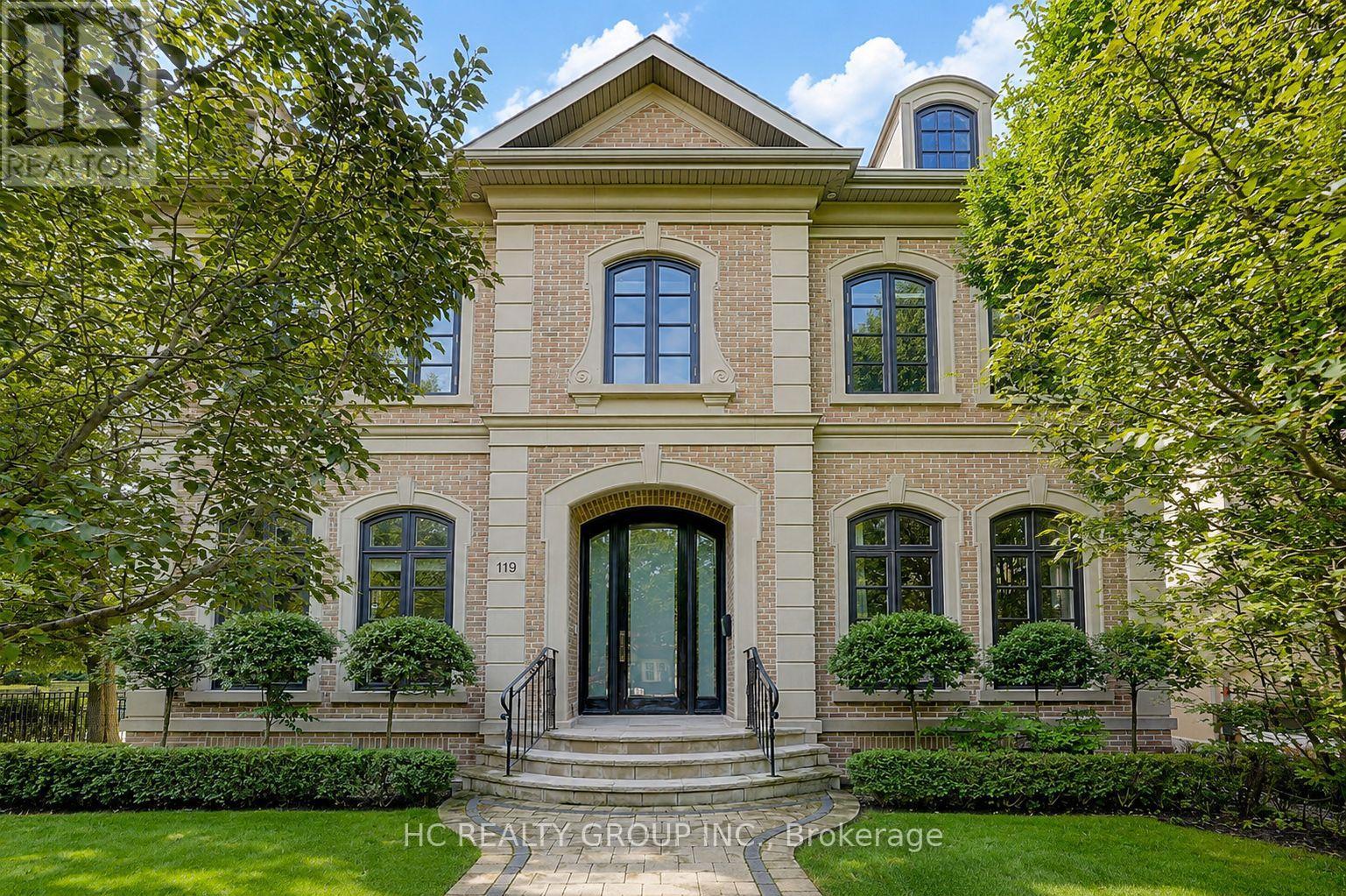 For Sale
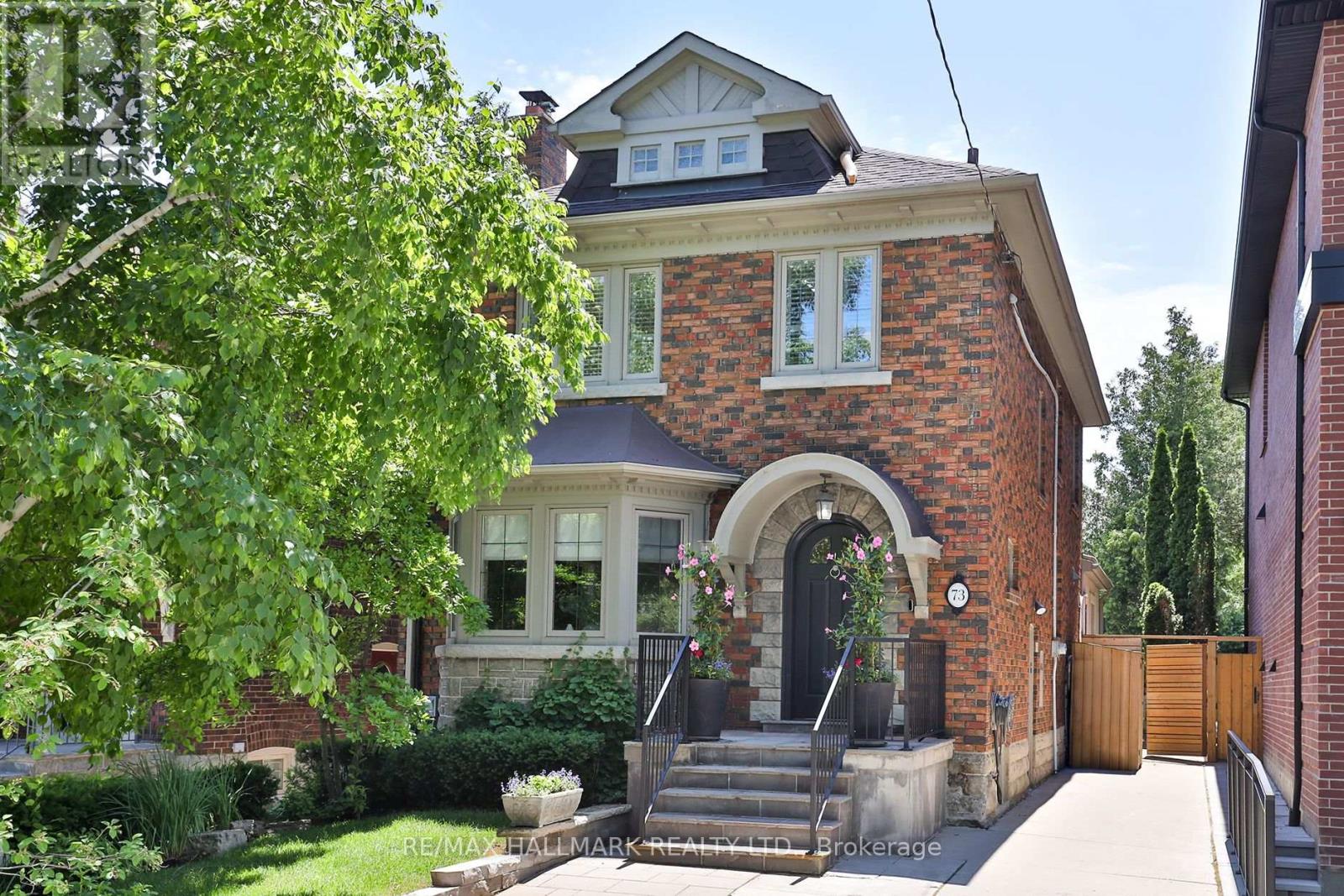 For Sale
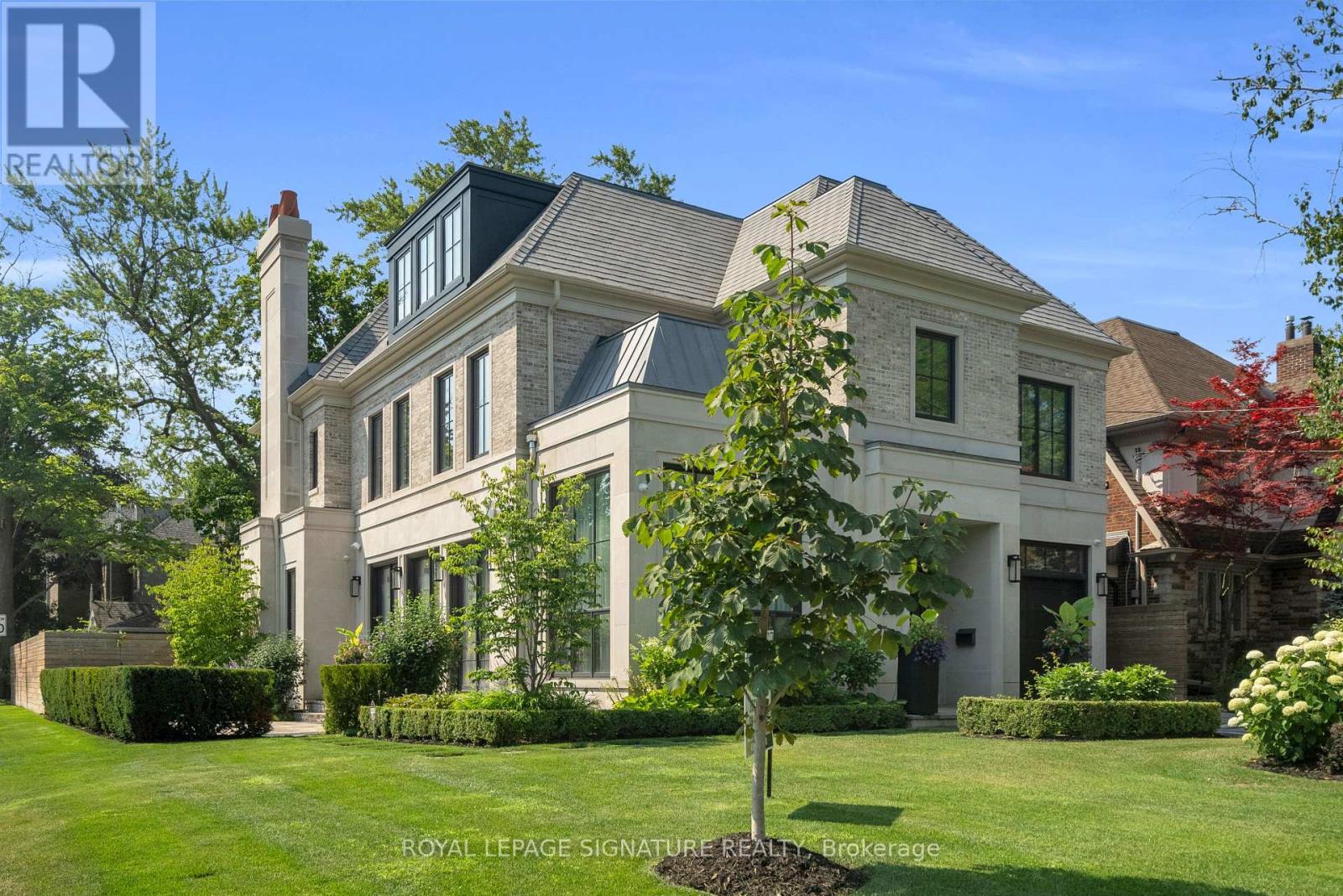 For Sale
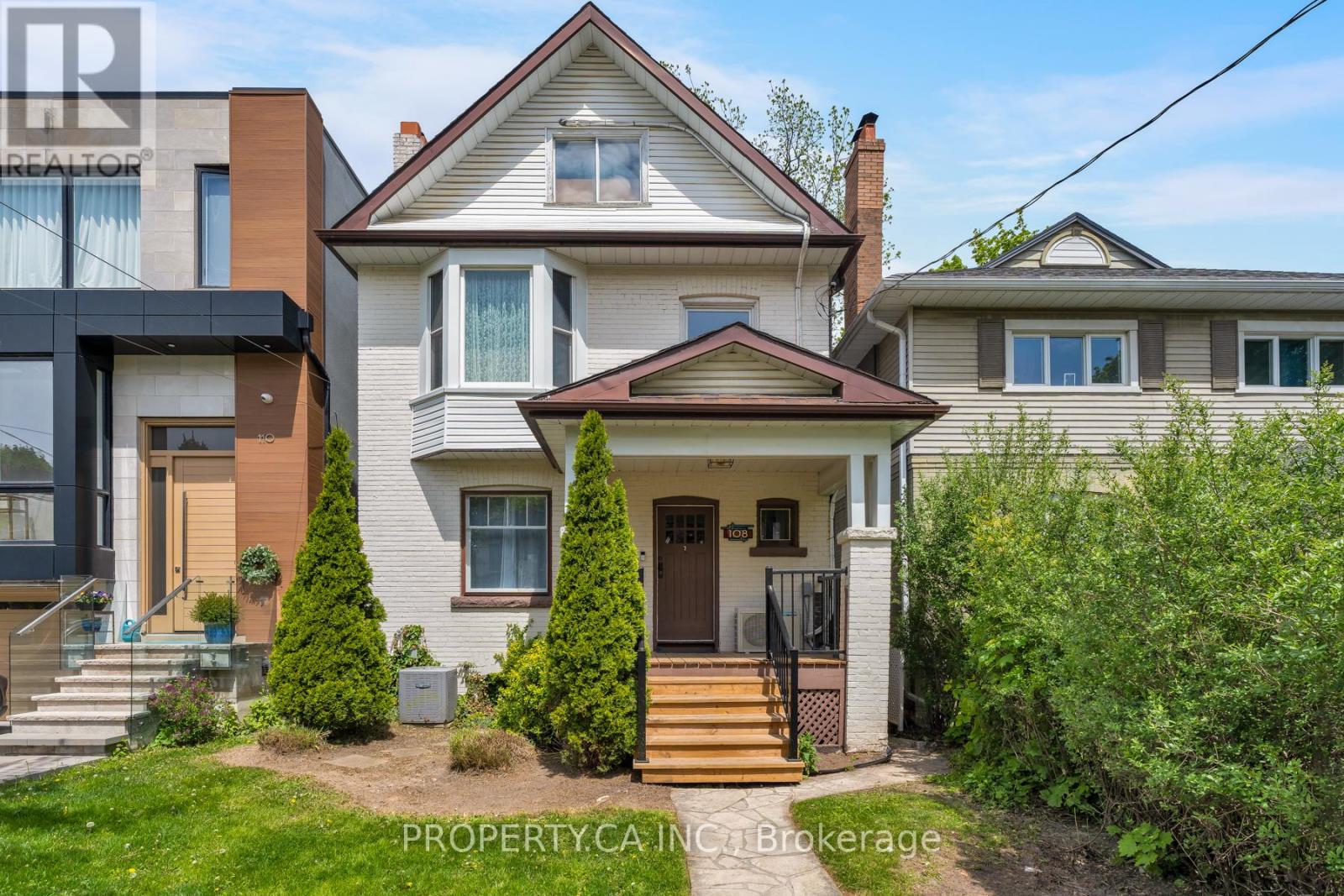 For Sale