
Armour Heights is a quiet, affluent north Toronto neighbourhood sitting above the ravine system between Avenue Road and Bathurst Street, north of Lawrence Avenue West. Large detached homes from the 1920s through 1950s on generous lots define the streets, with mature tree canopy, low through-traffic, and the Wilson Heights and Stuart Bignell ravines within walking distance. Detached homes were trading between $2.2 million and $4 million in early 2026 depending on lot size, condition, and renovation quality.
Armour Heights sits in the stretch of north Toronto where the city’s ambitions from a century ago are most visible. The streets were laid out in the 1920s for households that expected large lots, mature trees, and no particular reason to hurry anywhere. That original geometry is still intact. The homes are detached. The lots are generous. The streets dead-end at ravines or curve back on themselves in ways that keep through-traffic out. On a weekday morning, you can walk a full block without passing another person.
The neighbourhood is bounded roughly by Avenue Road to the east, Bathurst Street to the west, Lawrence Avenue West to the south, and Wilson Avenue to the north. That puts it squarely in the corridor that includes Lawrence Park and Bedford Park, though Armour Heights sits at a slight remove from both and carries a quieter, less trafficked character than its neighbours to the east. The proximity to the Wilson Heights ravine gives the western streets a green edge that the address numbers don’t suggest.
What you’re buying here is a specific and finite kind of city living: large homes on residential streets where the pace is set by the neighbourhood rather than the surrounding grid. It’s not a compromise version of something more urban. It’s its own thing, and buyers who choose it usually know exactly what they want from it.
The housing stock in Armour Heights is predominantly large detached homes built between the 1920s and 1950s. The styles run from Tudor Revival and Georgian Colonial to the plainer two-storey brick box that was the standard north Toronto house of its era. Lot widths in the 50 to 70-foot range are common. Depths run long on most streets, which means rear additions, garden suites, and outbuildings are physically possible where zoning allows.
In early 2026, a detached home in original or lightly updated condition on a standard lot was selling between $2.2 and $2.8 million. Properties with significant renovations, finished lower levels, rear additions, and updated mechanicals were running from $3 million to $4 million. The top end of the market, reserved for fully reimagined homes on the deepest lots, has reached $5 million and above on the best streets near the ravine. There’s a wide spread between the two ends, and it reflects the cost of renovation rather than any difference in location quality.
One thing buyers consistently underestimate is the mechanical age of even well-maintained homes. A house built in 1935 and owned by one family until 2020 may have original knob-and-tube wiring behind the walls, a clay drain tile system, and a furnace room that has seen four different heating systems over eighty years. The surface condition of a well-kept older home often tells you nothing about what’s underneath. A thorough home inspection from someone who understands pre-war construction is not optional here.
Armour Heights is a thin market. On any given week, there may be three or four active listings in the neighbourhood. That low inventory keeps prices firm but also means the comps for any specific property are limited. A home that sold twelve months ago on the same street in a different condition level is the closest available benchmark, and it may not be close enough to be reliable. Both buyers and sellers benefit from agents who track this neighbourhood continuously rather than arriving at it occasionally.
The buyer pool is specific. Families trading up from the Annex or midtown, downsizers from Forest Hill or Leaside who want land without the social intensity of those addresses, and occasionally international buyers who prioritise quiet and lot size over proximity to Bloor Street. The neighbourhood doesn’t attract first-time buyers at these price points. The typical purchase here is someone’s second or third home in Toronto, made with a clear sense of what they’re choosing and why.
In early 2026, most listings were reviewed with offers on a standard basis rather than a set offer date. Well-priced properties in good condition still attracted multiple offers in spring. Properties that were overpriced for their condition sat for weeks before price reductions. The market here is not forgiving of ambitious initial pricing, because the buyer pool is experienced and knows the street-level data well.
The people who end up in Armour Heights usually arrive there after looking at Lawrence Park, Bedford Park, and occasionally Forest Hill North. The decision for Armour Heights over Lawrence Park is often financial: equivalent square footage and lot size in Lawrence Park costs 15 to 20 percent more, driven by name recognition and a slightly more established buyer pool. Buyers who prioritise what the house is over what the address says tend to find Armour Heights the better choice.
The decision over Bedford Park is more nuanced. Bedford Park sits east of Armour Heights, closer to the Yonge subway corridor and with better access to the shops and restaurants on Avenue Road between Lawrence and Wilson. Armour Heights is quieter and less connected. Buyers who work from home or whose lives don’t require a daily subway commute consistently find Armour Heights more appealing. Buyers who depend on transit for regular commuting find Bedford Park more practical.
The demographic is predominantly families with school-age or older children, and retirees who have moved from larger properties nearby. The neighbourhood has very little turnover from younger buyers at these price points. The community character is settled and quiet, which suits the people who choose it and can feel isolating to buyers who expect neighbourhood life to happen on the street.
The variation between streets in Armour Heights is significant enough to matter at these price points. The streets closer to the Wilson Heights ravine on the western side of the neighbourhood, including sections of Armour Boulevard and streets running off it, have both better green access and more exposure to the natural slope of the land. Some properties on the ravine edge have drainage issues that recur every spring. Before committing to any home on a lot that backs or sides the ravine, it’s worth reviewing permits pulled by previous owners and asking specifically about water infiltration history.
The neighbourhood’s car dependence is not a minor inconvenience at some life stages; it’s a structural feature that affects daily logistics in a real way. There is no subway within walking distance. The 160 Bathurst-Wilson bus and the routes along Wilson Avenue connect to Yorkdale and eventually the subway network, but with transfers. Buyers who make an offer in June and take possession in September sometimes discover that the school run, the grocery run, and the work commute are all longer and more complicated than they expected. Model your actual daily patterns against the specific address before proceeding.
The school situation also rewards investigation before offer. Armour Heights Public School serves the elementary catchment and is considered functional without being exceptional. Lawrence Park Collegiate is the designated secondary school and has a strong academic track record. French Immersion programming in the area requires separate applications through the Toronto District School Board and catchment eligibility is not automatically guaranteed by address. Verify the current boundaries with TDSB before treating any school information as settled.
The buyers in Armour Heights at these price levels have typically looked at a dozen or more properties before making an offer. They know what $2.8 million buys in Lawrence Park versus what it buys in Armour Heights. A property that hasn’t been maintained, or one that shows deferred work that the listing price doesn’t acknowledge, will be priced down by those buyers faster than sellers expect. The market here is thin enough that overpricing a property by 10 percent doesn’t produce a renegotiated sale at 5 percent over ask. It produces a property that sits for two months and eventually sells below what a well-priced listing would have achieved.
The homes that achieve the top of the range here have been renovated with enough respect for the original architecture that they read as genuine rather than flipped. A 1930s Georgian Colonial with a contemporary kitchen that uses the original dimensions of the room, with the cabinetry running floor to ceiling where the original would have, sells for more than the same renovation executed as if the house were a blank container. Buyers in this price range understand renovation quality and have strong opinions about it.
Timing follows the usual north Toronto pattern. Spring listings from late February through May attract the widest pool of buyers. Properties listed in October have a second window before the market slows for the holidays. A seller with flexibility on timing should almost always wait for the spring window. Properties listed between mid-November and late January typically sell to motivated buyers at prices that reflect the limited competition for the seller’s attention.
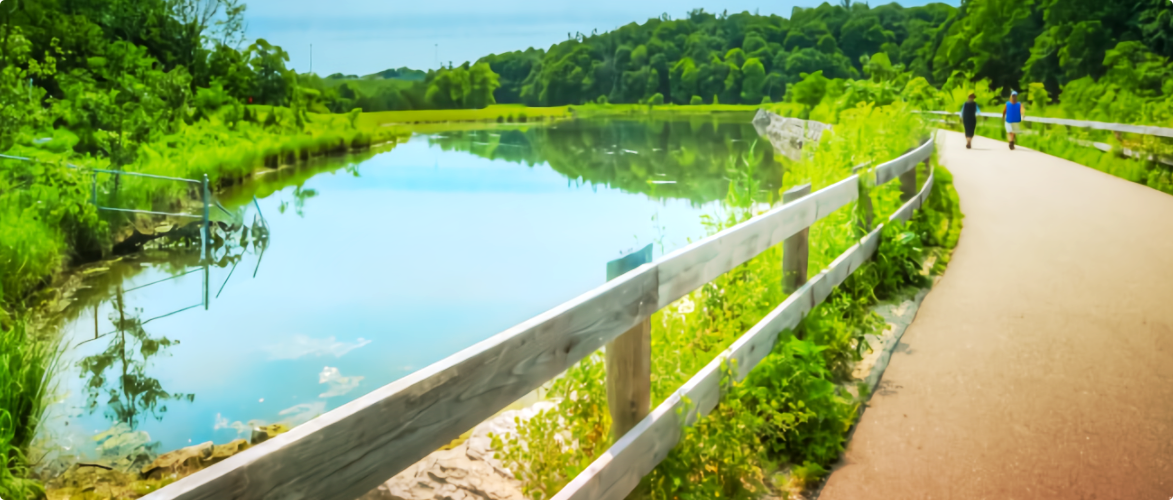
The ravine system that runs through this part of north Toronto is one of Armour Heights’ most underrated assets. The Wilson Heights ravine is accessible from several points in the neighbourhood and connects to the larger Black Creek valley trail network to the west. The trails are natural rather than manicured, with exposed roots, seasonal mud, and a canopy that closes over fully by early June. On a Tuesday morning in October, you can walk for thirty minutes without crossing a road.
Armour Heights Park itself sits in the centre of the neighbourhood and functions primarily as a green open space and gathering point for local families. The park is not large by Toronto standards, but the neighbourhood’s lot sizes and setbacks mean that green space is felt throughout the streets in a way that a denser neighbourhood’s parks cannot substitute for. The Wilson Tennis Club, which has been in the area for decades, gives the neighbourhood a recreational anchor beyond casual park use.
For more formal recreation and amenities, the Bathurst Jewish Community Centre is accessible on Bathurst Street south of Wilson and has both fitness facilities and pool access that residents of the neighbourhood use regularly. Earl Bales Park, a few minutes north by car, adds a larger recreation area with ski runs in winter and wide open trail space in summer. The overall green access from Armour Heights is substantial without being dramatic about it.
Armour Heights is car-dependent, and buyers should engage with that reality before committing to an address here. The neighbourhood has no subway station within reasonable walking distance. The Sheppard subway line runs well to the north. The Yonge and Spadina lines require a bus ride to reach. The 160 Bathurst-Wilson bus connects south to the Bloor-Danforth line with a transfer, and north to Yorkdale Shopping Centre, which connects to the Spadina subway from there. The trip from a typical Armour Heights address to King Street in the financial district takes 45 to 55 minutes by transit on a good day.
By car, the neighbourhood’s position gives reasonably direct access to both Allen Road and the Avenue Road corridor heading downtown. In off-peak hours, a drive to the financial core takes 25 to 30 minutes. In the morning rush, the same trip runs 40 to 50 minutes consistently. Highway 401 is accessible within ten minutes from most streets, which makes the neighbourhood functional for people whose work takes them outside the city frequently.
Cycling from Armour Heights to most downtown destinations is long and involves hills. The route south on Bathurst or Avenue is manageable for fit cyclists, but the 9 or 10 kilometres to the financial district puts this outside the range most people consider for a daily commute. The neighbourhood works for cyclists who are using bikes for local errands and recreation rather than primary commuting.
Lawrence Park is the neighbourhood immediately to the east, and it’s the address against which most Armour Heights buyers measure themselves. The housing stock is similar in era and type: large detached homes, generous lots, mature trees, and a ravine system that provides the eastern boundary. Lawrence Park’s streets, particularly those closest to the Sherwood Park ravine on Cheltenham Avenue and Dawlish Avenue, are among the most sought-after residential addresses in Toronto. Prices reflect this: a Lawrence Park home equivalent to an Armour Heights property in condition and size costs 15 to 25 percent more. The gap is the address, not the house.
Bedford Park sits east of Armour Heights and shares the Lawrence Park secondary school catchment. Bedford Park’s practical advantage is its proximity to the Yonge Street corridor: the shops, restaurants, and transit connections along Yonge between Lawrence and Sheppard are within reasonable walking or cycling distance for most Bedford Park streets. Armour Heights buyers trade that walkability for quieter streets and slightly more land per dollar. For buyers whose daily life doesn’t centre on Yonge Street access, the trade is often worth making.
The neighbourhood comparison that surprises buyers most is between Armour Heights and Forest Hill North, which sits to the south of Lawrence Avenue West along the Spadina corridor. Forest Hill North offers smaller homes on smaller lots at comparable prices, with better transit access via the Spadina subway line. Buyers choosing between the two are really choosing between land and lot size on one side, and transit proximity on the other. The right answer depends entirely on how the buyer actually uses the city.
Shopping in Armour Heights happens at Avenue and Lawrence or along Wilson Avenue, neither of which is within walking distance of most of the neighbourhood without a real commitment to the walk. The intersection at Avenue and Lawrence has a standard north Toronto commercial cluster: a grocery option, a pharmacy, some restaurants, a bank. It is functional rather than interesting. For more varied shopping and dining, residents drive to Yonge Street or south along Avenue Road. The neighbourhood’s daily convenience is oriented around the car in a way that is completely normal for this part of the city and completely inconvenient for someone used to a walkable urban neighbourhood.
The streets themselves are extremely quiet during the day. This is not a neighbourhood where you hear activity from surrounding properties or street noise that bleeds into the house. The lots are large enough that neighbours are not close. The streets have low enough traffic that children play on them without anxiety. That specific texture of urban life, which is available in only a small number of Toronto neighbourhoods, is a primary reason people move here and a primary reason they stay.
The neighbourhood has a strong community association presence and a genuine culture of long-term residency. It’s common for households to stay in Armour Heights for fifteen or twenty years, which keeps turnover low and the community relatively consistent in character. Buyers who expect neighbourhood life to happen spontaneously on the sidewalk will need to seek it out; buyers who value the quiet and find community through schools, parks, and organised activity tend to settle in deeply.
What do homes cost in Armour Heights in 2026? Detached homes in Armour Heights were selling between $2.2 million and $4 million in early 2026. The lower end of that range reflects original or lightly updated homes on standard lots. Significantly renovated properties, with rear additions, finished lower levels, updated wiring and plumbing, and contemporary kitchens and bathrooms, were running from $3 million to $4 million. The spread is wide because the renovation gap between homes here is large: a house last updated in 1995 and a house fully renovated in 2023 sit on the same street, command very different prices, and require very different budgets from the buyer depending on their appetite for further work. Lot size adds another meaningful variable: a 70-foot lot in comparable condition to a 50-foot lot on the same street commands a real premium, not a marginal one.
Is Armour Heights good for transit users? It is not, and buyers should be clear-eyed about this before proceeding. The neighbourhood has no subway station within comfortable walking distance. The 160 Bathurst-Wilson bus route and the Wilson Avenue buses connect to the subway network, but with transfers that add meaningful time to any downtown trip. A trip from a typical Armour Heights address to Union Station by transit runs 50 to 60 minutes in normal conditions. Buyers who need a reliable transit commute to downtown five days a week will find the experience frustrating over time. The neighbourhood works well for people who drive, work from home, or whose commute destinations are in the northern or suburban parts of the city rather than the financial core.
What are the schools like in Armour Heights? Armour Heights Public School covers the elementary catchment and is generally well regarded among local families, with a stable teaching staff and a community that is involved in the school. Lawrence Park Collegiate Institute is the designated secondary school and carries a strong academic reputation, particularly for its university preparation results. Both schools draw from a similar socioeconomic demographic, which shapes the school culture in ways that most families moving to the neighbourhood consider an asset. French Immersion access requires separate applications and is not guaranteed by the Armour Heights address. Verify current boundaries with the Toronto District School Board before treating school access as confirmed.
How does Armour Heights compare to Lawrence Park for buyers? Lawrence Park is the more established and more expensive address, with prices running 15 to 25 percent higher for comparable properties. The housing stock is similar in era, type, and quality. The primary difference is location: Lawrence Park’s best streets sit closer to the Sherwood Park ravine and carry a name recognition that supports a deeper buyer pool and stronger resale history. Armour Heights buyers get comparable homes with comparable lot sizes at a material discount. The practical experience of daily life in the two neighbourhoods is very similar: the same school options at the secondary level, the same car dependence, the same access to the ravine system. Buyers who prioritise the home over the address consistently find Armour Heights the better value.
Armour Heights has held its value through several Toronto market cycles for a reason that has nothing to do with sentiment: the supply of what it offers is fixed. Large detached homes on generous lots in a quiet part of a major city are not being built anywhere in Toronto. The land constraints that make this type of neighbourhood scarce are permanent. Buyers who purchase here are acquiring something that can’t be replicated at any price point in the city’s current development environment, and that scarcity is a genuine long-term asset.
The neighbourhood also ages well for its buyers. The houses are large enough to accommodate extended families, home offices, and the kind of settled domestic life that many households arrive at in their forties and fifties. The ravine access becomes more valued as people spend more time in the neighbourhood and less time commuting away from it. The quiet, which feels like a sacrifice to some buyers early in the purchase process, tends to feel like the point within a year of living here.
For sellers, the long-term outlook is supported by the same scarcity argument. The neighbourhood is consistently on the shortlist of buyers who have the financial capacity to choose it, and that buyer pool grows as wealth accumulates in Toronto and the appetite for land-rich quiet addresses increases. Properties here have rarely sold at a loss over any five-year holding period, even through the market corrections of 2017 and 2022. The combination of location quality, lot size, and genuine scarcity makes Armour Heights one of the more defensible purchases available in north Toronto at this price level.
Street-level knowledge is hard to find online. Our team works in Armour Heights every day. They know which pockets hold value, where the school catchment lines actually fall, and what the market is doing right now. Talk to us before you make a decision about Armour Heights.
Talk to a local agent