
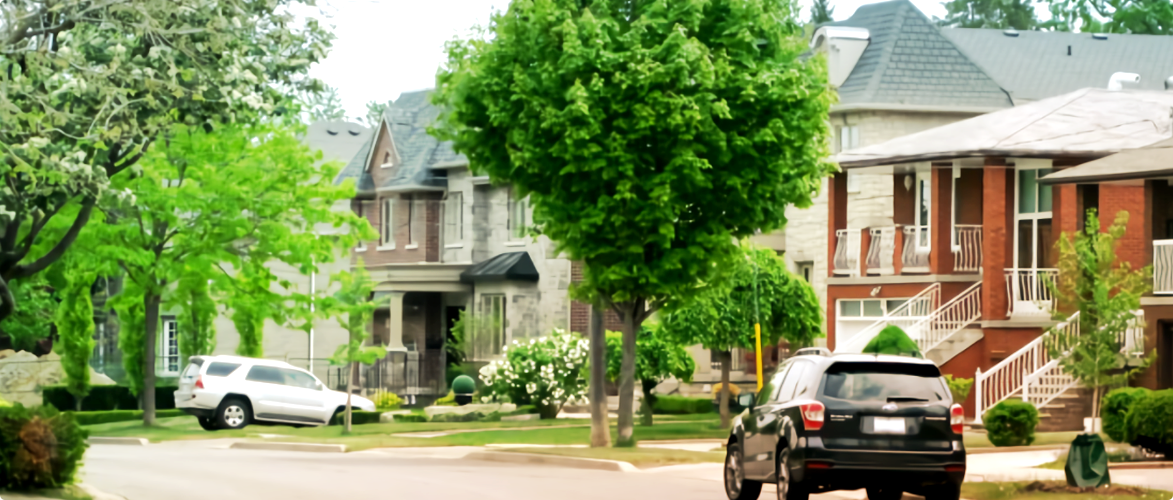
Bathurst Manor is an established North York neighbourhood bounded by Sheppard Avenue West, Wilson Avenue, Bathurst Street, and Dufferin Street. It is defined by post-war bungalows on generous lots, a deep-rooted Jewish community, and proximity to Wilson subway station on Line 1. The Bathurst Street commercial strip anchors daily life with kosher grocers, restaurants, and community services that make the neighbourhood self-sufficient for residents with ties to the Jewish community.
Bathurst Manor sits in the southern half of North York, bounded by Sheppard Avenue West to the north, Wilson Avenue to the south, Bathurst Street to the west, and Dufferin Street to the east. It is a neighbourhood that knows what it is. The streets are lined with post-war bungalows and side-splits built in the 1950s and 1960s for families who moved north out of the older downtown Jewish neighbourhoods. Many of those families stayed. Their children and grandchildren came back. The community infrastructure that grew up around them, the synagogues, the kosher markets, the Jewish Community Centre of Greater Toronto on Bathurst Street, gave the area a density of identity that most Toronto neighbourhoods don’t have.
The Bathurst Street corridor is the spine of daily life here. Between Wilson and Sheppard you’ll find a concentration of kosher restaurants, Jewish bakeries, delicatessens, and specialty food shops that serves both residents and people who drive in from across the city. The strip is unpretentious and functional. It is not Yorkville. It is not supposed to be.
The housing stock is honest in the same way. These are not grand houses. The original bungalows have low ceilings and modest footprints, but the lots are good-sized, the streets are quiet, and the bones are solid. Enough renovation has happened over the decades that you’ll find thoroughly updated homes alongside others that haven’t been touched since the 1980s. The gap between them in price is real and worth understanding before you start making offers.
People choose Bathurst Manor because it offers something specific: a real community with deep roots, practical transit access to the rest of the city via Wilson subway station, and detached houses at prices that are meaningfully lower than comparable homes in Forest Hill or Lawrence Park to the south. For buyers who value those things and share the community’s character, the neighbourhood holds them. The turnover rate reflects that. Families here tend to stay.
The dominant property type in Bathurst Manor is the detached bungalow, built in the late 1950s and through the 1960s on lots that typically run 40 to 50 feet wide with depths of 120 feet or more. The original builds were modest: two or three bedrooms on the main floor, a full basement, a single-car garage or carport. Over the decades, many of these have been extended. Back additions are common. Finished basements are nearly universal. A small number of side-split and back-split configurations appear through the neighbourhood, products of the same era with similar lot dimensions but slightly more floor area.
Semis are less common here than in many North York neighbourhoods. When they do appear, they’re typically priced $150,000 to $200,000 below the detached equivalents on similar streets. Townhouses and stacked townhouses have been added through newer infill developments closer to Dufferin, but they represent a small fraction of the housing stock and feel distinct from the surrounding neighbourhood in character.
Pricing in 2026 runs from approximately $1.1 million for a smaller, unrenovated bungalow on a standard lot up to $1.6 million for a well-updated home with a good layout and a backyard worth using. Properties on larger or wider lots, or those with substantial additions that added meaningful square footage, push into the $1.6 to $2 million range. The top end of the market here is occupied by homes that have been extensively renovated or in some cases torn down and rebuilt, and these can reach $2.2 million or more depending on the finish level and lot depth.
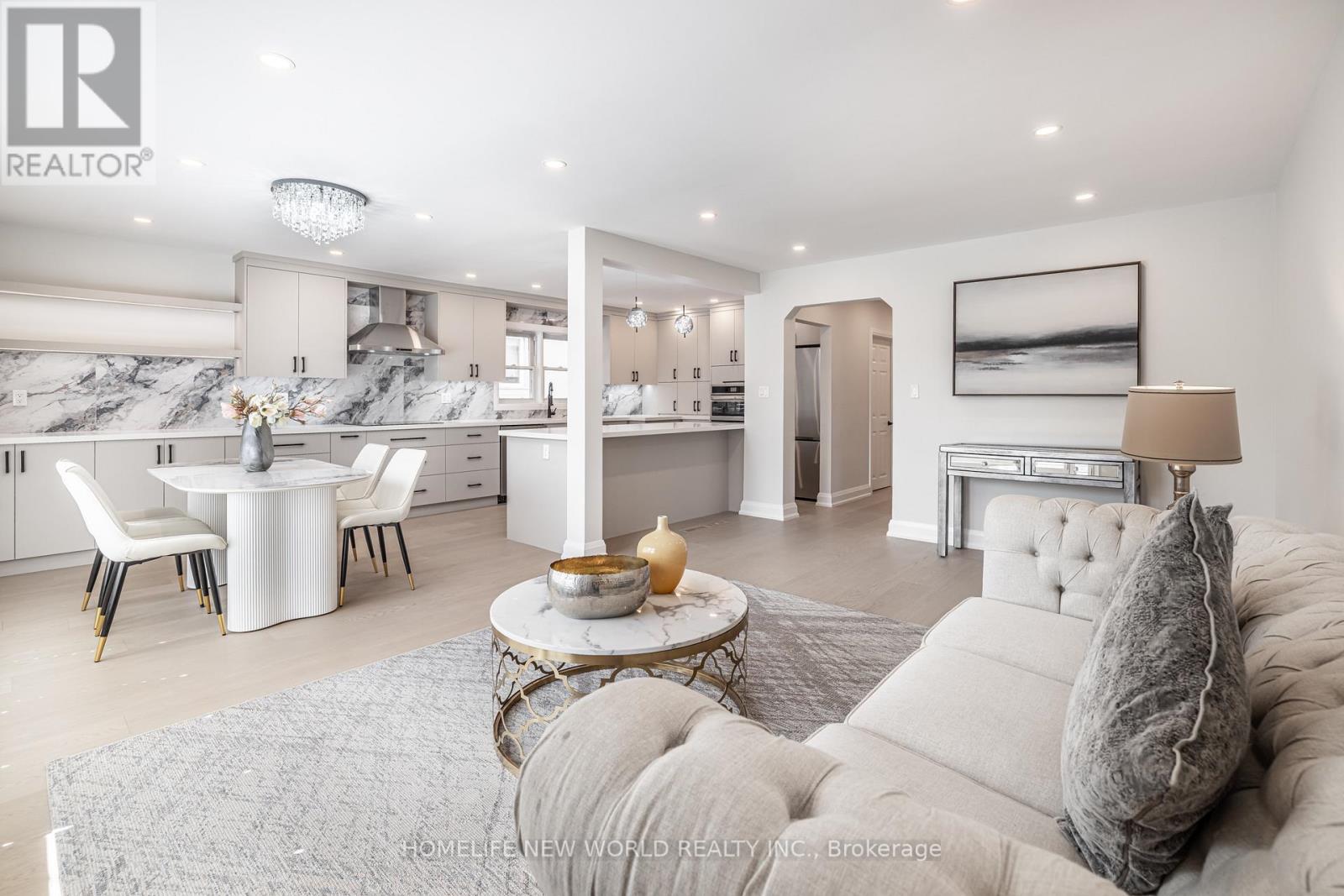
What buyers should understand about the price range is how much condition matters. Two houses on the same street with the same footprint can be $300,000 apart based purely on what’s been done to them. Unrenovated homes are priced to reflect that work is coming. Renovated homes have often been done tastefully, but not always to a standard that buyers with specific requirements will want to keep. A pre-purchase inspection and a realistic sense of renovation costs are not optional here.
Bathurst Manor is a relatively stable market by Toronto standards. Turnover is low compared to trendier neighbourhoods because a significant portion of the ownership base is long-term. Homes in this neighbourhood trade because of life events, estate sales, or families downsizing, not because owners got a better offer from a developer and decided to cash out. That baseline steadiness means you don’t see the same speculative churn that affects areas closer to transit mega-projects or rapid gentrification corridors.
That said, when homes do come to market they attract real competition. Well-priced, move-in ready properties in the $1.1 to $1.4 million range regularly see multiple offers, particularly in the spring and fall active periods. The buyer pool here is specific: predominantly families with a connection to the community, often Jewish buyers for whom proximity to synagogues and the JCC is a practical requirement rather than a preference. That specificity means demand is consistent but not as broad as in some other North York neighbourhoods, which keeps the market from running as hot as it does around Yonge or Bayview corridors.
Estate sales are a notable feature of this market. The neighbourhood’s original owners are aging, and properties that have not been updated in decades come to market fairly regularly. These are typically priced to move, attract renovation-minded buyers and investors, and tend to sell firm with limited conditions. Buyers who want to negotiate on price and take their time with conditions will find more success in a slow period or on a home that has been sitting for more than two weeks.
List price discipline matters here. Sellers and their agents have become more careful about pricing strategy after a few years of market correction that followed the 2022 peak. Homes priced sharply to invite competition do still attract it. Homes priced at the top of the range without justification tend to sit, and the asking price eventually comes down. The spread between list and sold price in this neighbourhood rewards buyers who understand local comparables rather than relying solely on automated valuation tools.
The buyers who choose Bathurst Manor tend to have a specific reason to be here. A large share have family or community connections: parents or in-laws nearby, an existing synagogue membership, children already enrolled in local schools, or simply the pull of an environment they know from growing up. This isn’t a neighbourhood people discover by browsing listings and falling for the architecture. It’s a neighbourhood people return to.
The practical trade-offs are real and worth naming. Bathurst Manor offers larger lots and more interior space per dollar than anything you’ll find in Leaside, Rosedale, or the better parts of Forest Hill. Buyers making that comparison are typically families who need three or four bedrooms, a real backyard, and enough basement space for a home office or playroom, and who don’t want to spend $2.5 million to get it. They’re trading address prestige and some architectural character for function and value, and most of them are at peace with that.
A second buyer profile is the investor or renovator looking for an estate sale or an unrenovated property in a stable, low-risk neighbourhood. The combination of solid lot sizes, consistent resale demand from within the community, and a reliable pool of rental tenants (particularly for finished basement units near the Bathurst corridor) makes this a sensible place to buy and hold.
First-time buyers priced out of midtown aren’t typically the primary market here. The entry point in the low $1 millions, while reasonable by Toronto standards, is still substantial, and the neighbourhood’s character skews toward established families rather than younger buyers getting their footing. That said, buyers in their late 30s or early 40s who have equity from a condo or a first house and are making a family-driven move do appear in the buyer pool, particularly when they have a community connection to the area.
Within Bathurst Manor, the streets between Wilmington Avenue and Cocksfield Avenue represent some of the most consistently desirable real estate in the neighbourhood. Lots here tend to be well-maintained, the tree cover is mature, and the distance from the main commercial strips gives them a quieter residential feel without being inconveniently remote from transit or services. Hilda Avenue and Ranee Avenue are both worth paying attention to if you’re buying in this corridor.
Streets closer to Wilson Avenue on the southern edge are generally more affordable and see slightly more turnover. The proximity to Wilson’s commercial strip and the subway station is a practical advantage, particularly for households with one car or none, but the street character is less settled. Buyers who prioritize quiet over convenience tend to favour the middle of the neighbourhood.
The eastern edge near Dufferin Street is the least sought-after part of Bathurst Manor. Traffic on Dufferin is persistent, and the transition toward the apartment towers and commercial uses further east changes the feel of the streets adjacent to it. Properties here are priced lower, which makes them attractive to buyers on tighter budgets, but the discounting is real and reflects what the street experience is actually like.
Bathurst Street itself divides opinion. The strip has character and daily utility, but buying directly on Bathurst means noise and traffic. Most buyers who want to use the strip prefer to live a block or two back from it rather than on it. The streets immediately west of Bathurst, running toward the Bathurst Manor boundary at the street itself, offer the convenience of the corridor without the traffic exposure.
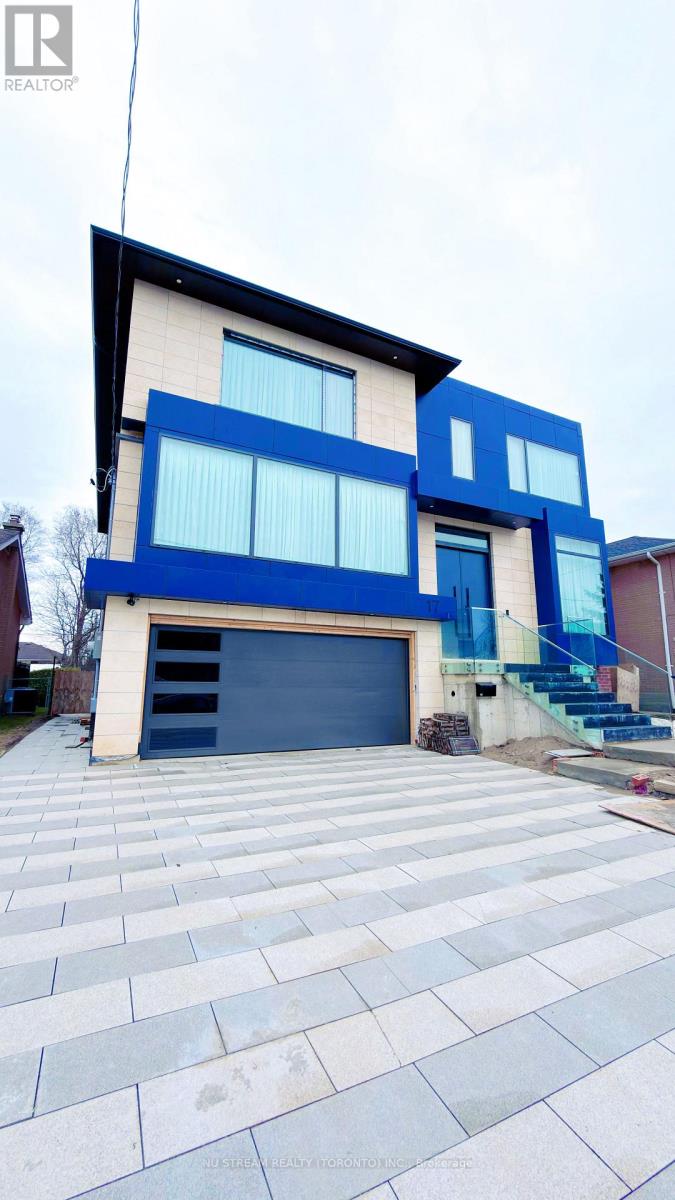
There are also some larger lots near the north end of the neighbourhood, closer to Sheppard, where lot depths and widths are enough to have attracted custom rebuilds and larger renovation projects. These homes are priced at the upper end of the local range and tend to appeal to buyers with a longer time horizon and more budget flexibility.
Wilson subway station on Line 1 Yonge-University is the neighbourhood’s anchor transit connection. It sits at the southwest corner of Bathurst Manor, and most residents are within a 10 to 20 minute walk of it or a short bus ride away. From Wilson station, downtown Union Station is reachable in about 25 to 30 minutes during peak hours. The station also connects to the Wilson bus routes that run east-west across the bottom of the neighbourhood.
Bathurst Street carries the 7 Bathurst bus, which runs between Union Station and Steeles Avenue. For residents in the western part of the neighbourhood, this is the practical north-south transit connection. The 160 Bathurst North bus extends the route further when needed. These surface routes are functional but slower than the subway, and commute times to downtown via bus alone run 45 minutes or more depending on traffic and transfer timing.
Driving is straightforward. Allen Road is close and connects quickly to the 401, making this a reasonable neighbourhood for people who commute by car to locations in Mississauga, Brampton, or the western suburbs. The 401 itself is accessible within 5 to 10 minutes in most traffic conditions. Bathurst Street runs south into midtown without a highway, which suits buyers who work in the Annex, Forest Hill, or the St. Clair corridor.
Walkability is moderate rather than exceptional. The Bathurst commercial strip is walkable from much of the neighbourhood for grocery shopping, restaurants, and services. Wilmington Avenue has a small node of shops. But for anything beyond the corridor’s specific offerings, a car or the bus is needed. The Walk Score for most of the neighbourhood sits in the 60s, which reflects genuine daily utility but not the kind of car-free living available further south.
Cycling infrastructure is limited. Bathurst Street does not have protected lanes through this stretch, and the residential streets, while quiet, don’t connect particularly efficiently to the broader bike network. Cyclists willing to ride on roads can manage routes south toward the city, but it’s not a neighbourhood that attracts buyers specifically for cycling access.
Bathurst Manor Park sits near the centre of the neighbourhood and functions as the main community green space. It has a baseball diamond, open field space, a children’s playground, and benches. It’s not a destination park that draws visitors from across the city, but for families with young children it’s a ten-minute walk from most addresses in the neighbourhood and well-maintained.
Cartwright Park, near the Dufferin edge of the neighbourhood, adds another open-space option with sports facilities. Residents in the eastern part of Bathurst Manor use it more than those to the west, where Bathurst Manor Park is more convenient.
G. Ross Lord Park is the significant natural asset within reasonable distance. Located a few minutes north by car on Dufferin, it’s a large park with trails, a reservoir, and substantial tree cover. It doesn’t feel like the middle of the city. The park connects to a network of ravine trails that extend through Black Creek and beyond, and for residents who want off-road running, cycling, or dog walking without getting in a car, it’s a genuinely good option, though the walk from Bathurst Manor’s core is around 20 to 25 minutes.
Earl Bales Park, to the northwest near Sheppard and Bathurst, is another well-used green space with a community centre, picnic areas, and a hill that functions as a toboggan run in winter. It’s within easy cycling distance or a short drive, and the park hosts the Jewish community’s outdoor cultural events through parts of the year.
The neighbourhood itself is well-treed at the street level. The original subdivision planting has matured over 60 years, and the canopy on many residential streets is dense enough to make summer walks genuinely comfortable. That quality of streetscape is underrated when buyers are comparing Bathurst Manor to newer subdivisions further north, where the tree cover hasn’t had time to establish itself.
The Bathurst Street commercial strip between Wilson Avenue and Sheppard Avenue West is the neighbourhood’s main retail and dining artery. It’s a functional strip rather than a curated one, and that’s its appeal. Kosher restaurants, delis, bakeries, and specialty food shops serve the community’s dietary requirements with a depth of selection you won’t find in most Toronto neighbourhoods. Makkah Fine Foods, My Zaidy’s Bakery, the various kosher butchers and fish markets along the strip, these are the kinds of shops that make the area self-sufficient for residents who keep kosher or simply want that specific kind of food shopping.
Beyond the Jewish food corridor, Bathurst has the everyday services most households need: pharmacies, clinics, optical shops, banks, a few coffee shops, and a mix of fast casual dining that isn’t particularly distinctive but is practical. The strip is busy at all hours and feels lived-in.
For larger grocery shopping outside the kosher options, No Frills and Food Basics locations are accessible on Wilson Avenue or further along Bathurst. The Yorkdale Shopping Centre, one of Toronto’s major malls, is about a 10-minute drive north on Allen Road or Dufferin, which gives the neighbourhood reasonable access to major retail without being adjacent to it.
Wilson Avenue on the southern boundary has its own commercial uses, including some chain restaurants, auto services, and strip plazas that are practical rather than interesting. The Lawrence Allen Centre plaza near Bathurst and Lawrence, just south of the neighbourhood, has a Walmart and supporting retailers that residents use for larger household purchases.
Dining options on Bathurst itself lean toward deli and Jewish-style cuisine, with some Chinese, Middle Eastern, and fast food mixed in. For a broader dining scene, residents typically drive or subway into midtown or the Annex. The neighbourhood isn’t a destination for restaurant-goers from elsewhere in the city, but it feeds its own residents well.
Bathurst Manor Public School serves the core of the neighbourhood for JK through Grade 6. It’s a Toronto District School Board school with a solid reputation within the community and consistently strong parental involvement. The school population reflects the neighbourhood’s demographics and has a long-standing relationship with the surrounding community that you don’t always find in schools that serve more transient populations.
Charles H. Best Middle School covers Grades 7 and 8 and feeds from Bathurst Manor PS and several surrounding elementaries. It’s a well-regarded school and the main transition point before high school for most neighbourhood children.
William Lyon Mackenzie Collegiate Institute is the main public secondary school for the area, located on Lawrence Avenue West. Mackenzie is a large school with a broad program offering including arts, business, and technology streams, and an Enriched academic program. Its IB programme and specialized courses attract students from across a wider catchment than strictly the immediate neighbourhood, which means students who attend are entering a large, academically diverse environment. The school has a strong overall reputation and reasonable post-secondary outcomes.
On the Catholic side, St. Robert Catholic School serves elementary students, and the secondary option is typically Cardinal Carter Academy for the Arts or other TCDSB schools depending on address. Families considering the Catholic board should verify catchment addresses directly with the Toronto Catholic District School Board, as boundaries in this area have shifted in recent years.
Private school options are accessible given the neighbourhood’s proximity to Toronto’s private school belt along the Bayview and Lawrence corridors, though commuting to those schools by car would add to daily logistics. The presence of several Jewish day schools in the broader area, including farther north on Bathurst, is relevant for families for whom Jewish education is a priority and worth investigating separately based on denomination and curriculum.
Bathurst Manor is not a neighbourhood in dramatic flux. The core residential streets have changed slowly and through individual renovation rather than wholesale redevelopment. That’s part of its appeal to buyers who want stability, and it means there’s less risk of waking up to a midrise tower breaking ground next door to a property you just bought.
The change that has happened is at the edges. The Bathurst and Wilson intersection area has seen some intensification through apartment buildings and mixed-use proposals that reflect the city’s broader push to add density near subway stations. Wilson station is an anchor for that pressure, and buyers purchasing very close to Wilson should understand that the commercial and transit-adjacent character of those blocks is unlikely to remain static over a 10-year ownership horizon.
Along Bathurst Street itself, some older commercial properties have been redeveloped or are in various stages of planning for mid-rise residential or mixed-use buildings. The strip’s density of Jewish community services has so far survived these pressures largely intact, but any specific property close to Bathurst on a transition block warrants a check of what’s been approved or applied for at the city’s planning portal.
The Jewish Community Centre of Greater Toronto on Bathurst remains a major anchor for the neighbourhood and continues to invest in its facility. It’s not a neighbourhood in decline, but it is one where the original post-war housing stock is aging at scale, which creates a steady pipeline of renovation projects and occasional tear-downs replacing bungalows with custom builds. This process has been happening for 20 years and will continue, gradually raising the overall quality and price of housing on the streets where it occurs.
There are no major city-approved development plans for the interior of Bathurst Manor that would change its residential character in the near term. Buyers looking for a quiet neighbourhood that changes slowly will find what they’re looking for here.
Q: Is Bathurst Manor a good investment, or is it too niche a market? The neighbourhood’s appeal to a specific community creates both stability and a ceiling. Demand from within the Jewish community is consistent and has supported prices through multiple market cycles, which is a form of defensiveness that broader neighbourhoods don’t always have. The trade-off is that the buyer pool, while loyal, is narrower than in more generic neighbourhoods, which can slow resale if you’re not pricing accurately. Long-term holders have done well here. Flippers who over-renovate and price above what the local buyer pool will support have sometimes found the exit harder than expected.
Q: Do I need to be Jewish to live in Bathurst Manor? No requirement exists, and non-Jewish residents do live in the neighbourhood. That said, the community’s character is genuinely distinctive: the rhythm of the week around Shabbat, the concentration of synagogues, the commercial strip’s orientation toward kosher food and Jewish community services. Buyers who aren’t part of the community and are drawn purely by price relative to nearby neighbourhoods should spend time on the streets before committing, to make sure the neighbourhood’s daily character suits them. It’s a tight-knit area and that’s a feature, not a neutral fact.
Q: How do the schools compare to other North York neighbourhoods? William Lyon Mackenzie CI has a solid academic reputation and is generally well-regarded compared to the broader TDSB secondary school system. Bathurst Manor Public School and Charles H. Best Middle School are both stable and well-supported by an engaged parent community. They are not the highest-profile schools in the city, but they perform well relative to schools in comparable demographic areas. Families for whom school ranking is the primary driver of neighbourhood choice typically look at Earl Haig SS in Willowdale or Forest Hill CI catchments instead.
Q: What should I know about buying an unrenovated bungalow here? Unrenovated bungalows in Bathurst Manor are frequently estate sales or homes that haven’t been touched in 30 to 40 years. The original construction is generally solid, but you should budget for knob-and-tube electrical replacement, older plumbing, insufficient insulation, and foundation waterproofing in many cases. A thorough home inspection is essential. The actual renovation cost to bring an unrenovated bungalow to current standards and a livable condition typically runs $150,000 to $300,000 depending on scope, and that number needs to be modelled against the purchase price before you make an offer, not after.
Q: Is the neighbourhood changing, and will the Jewish community character persist? The Jewish community presence on Bathurst has been declining slowly for two decades as some families move further north toward Thornhill and Richmond Hill. That movement is real, but the community institutions, the synagogues, the JCC, the kosher commercial strip, have remained intact and continue to draw families back. The neighbourhood’s character is more stable than demographic trend lines alone would suggest, precisely because the infrastructure is so established. Whether that holds over a 20-year horizon is genuinely uncertain, but for a 7 to 10 year ownership period, the community character is unlikely to change dramatically.
Buying in Bathurst Manor rewards buyers who understand what they’re actually purchasing: a specific community in a specific neighbourhood, with pricing that reflects both the value of that community and the age and condition of the housing stock. A buyer’s agent who knows this market well will tell you that the condition spread between homes on the same street can be dramatic, and that the list price on an unrenovated estate sale is not a ceiling on what you’ll spend to get the house to where you want it.
Due diligence on older homes here should be thorough. Most of the housing stock is 60-plus years old. Knob-and-tube wiring, cast iron or clay plumbing, insufficient attic insulation, and older mechanical systems are common findings on inspection. These aren’t dealbreakers, but they need to be priced into any offer. A pre-inspection before bidding, or at minimum a home inspection condition in your offer, is worth the negotiating disadvantage it may create when you’re comparing it to the alternative of discovering a $40,000 plumbing problem after closing.
Title and survey searches matter here because many of the older properties have additions that predate modern permit requirements and may have been built without permits. A real property survey confirming lot lines and structures is worth obtaining. Your agent should also pull the permit history through the city’s online system, which can flag additions or structural work that was done without approval and may require retroactive permits.
Community-specific factors are worth understanding before you negotiate. Awareness of the Jewish calendar, including when significant holidays fall, affects seller and buyer availability in ways that don’t apply in other neighbourhoods. Transactions around Pesach, the High Holidays, and other significant dates in the Jewish calendar can affect listing timing and offer response windows. An agent who knows this isn’t just a courtesy, it’s a practical advantage in managing timelines and expectations on both sides of the deal.
Finally, get clear on school catchment before you finalize the address. Elementary and secondary catchments in this area are not always intuitive, and two houses on the same street can feed into different schools based on which side of a catchment boundary they fall on. If the school is a priority, confirm the boundary with the TDSB directly rather than relying on mapping tools or what a seller tells you.
Street-level knowledge is hard to find online. Our team works in Bathurst Manor every day. They know which pockets hold value, where the school catchment lines actually fall, and what the market is doing right now. Talk to us before you make a decision about Bathurst Manor.
Talk to a local agent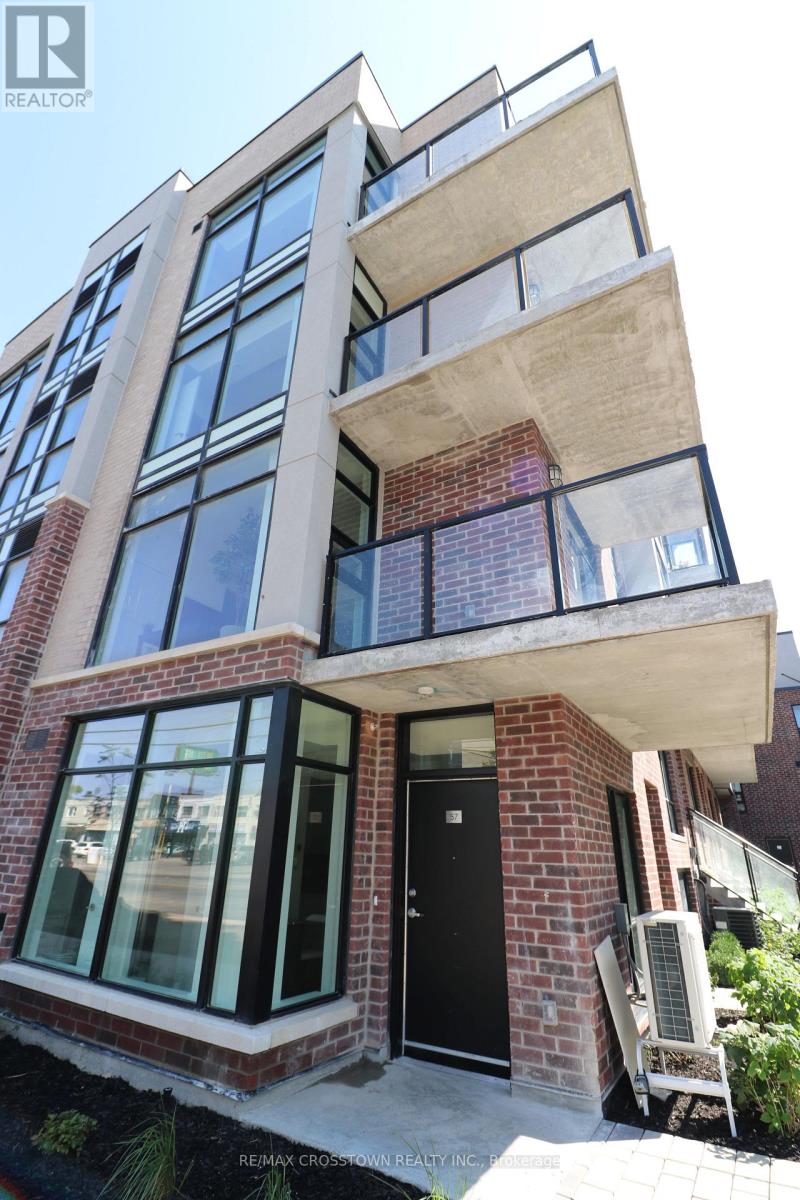 For Rent
 For Rent
 For Rent
 For Sale