
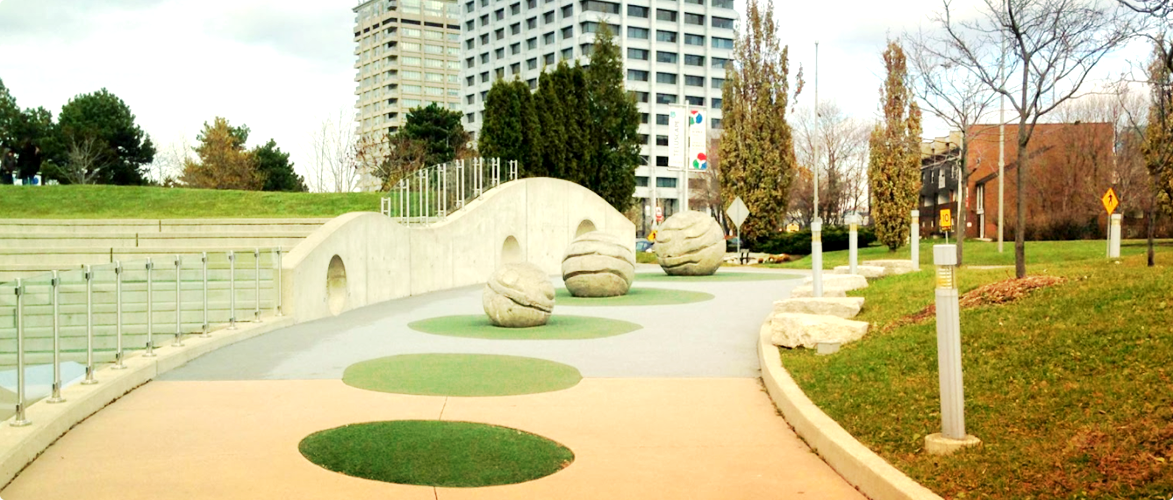
Flemingdon Park is a dense, predominantly rental high-rise community east of the Don Valley Parkway and south of Eglinton Avenue East in Toronto. Home to one of the most ethnically diverse populations in the city, it is defined by 1960s and 1970s concrete apartment towers rather than freehold housing. The Eglinton Crosstown LRT at Don Mills station has improved transit access, and the Don Valley ravine along the western boundary provides natural space within walking distance of the towers.
Flemingdon Park is a neighbourhood defined by towers. Located east of the Don Valley Parkway and south of Eglinton Avenue East, it is one of Toronto’s most densely populated communities: a planned residential district built in the 1960s and 1970s around a cluster of high-rise apartment buildings that house tens of thousands of people on a relatively small footprint. The Ontario Science Centre sits at its northern edge. The Don Valley ravine runs along its western boundary. For a neighbourhood that rarely appears in aspirational real estate conversations, it has an unusual combination of transit access, natural surroundings, and demographic depth.
The original planning concept for Flemingdon Park was ambitious: a self-contained residential community with a commercial centre, community facilities, schools, and green space, all within walking distance of the residential towers. Some of that vision was realized, the parks, the community centre, the local retail cluster, and some of it aged poorly, as happened with many mid-century tower communities across North American cities. What’s left is a neighbourhood that is genuinely affordable by Toronto standards, exceptionally well-connected to transit following the Crosstown opening, and home to one of the most ethnically diverse populations in the city.
The neighbourhood’s population is predominantly immigrant and first-generation Canadian: families from Afghanistan, Somalia, Ethiopia, Iran, Pakistan, the Philippines, and dozens of other countries who have made Flemingdon Park an arrival point and, for many, a permanent home. The commercial strip on Flemingdon Park Drive reflects this: halal butchers, international grocery stores, African and South Asian restaurants, and the kind of functional street-level retail that serves dense residential communities rather than attracting visitors from outside.
For buyers, Flemingdon Park’s market is almost entirely rental. The freehold stock is minimal, and what condominium ownership exists is scattered and limited. This is not primarily a neighbourhood for buyers who want to own their home. It is a neighbourhood worth understanding for investors, or for buyers who are specifically looking for affordable condo ownership in a location with genuinely improving transit.
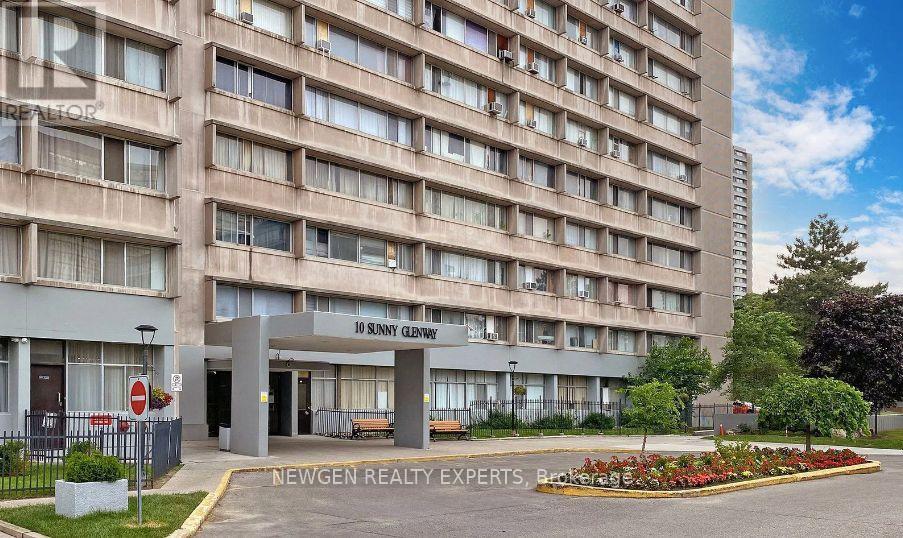
The housing stock in Flemingdon Park is overwhelmingly composed of rental apartment towers built between 1960 and 1980. These are typically 12 to 25 storey concrete slab buildings with one, two, and three-bedroom units. The units are generally functional in size, with the larger three-bedroom configurations that were common in this era being more generous than their equivalent in most new-construction buildings today. The buildings are owned by a mix of private landlords and social housing providers, including Toronto Community Housing, which manages several towers in the neighbourhood.
Condominium ownership exists in Flemingdon Park but is rare. A small number of buildings have been converted to condominiums or were built as condos, but the volume of for-sale units at any given time is very limited. When condo units do come to market, they are typically older concrete construction, with the maintenance history and physical characteristics of 40 to 50-year-old buildings. Buyers considering these units need to scrutinize reserve fund studies carefully, as buildings of this age with deferred maintenance can have significant upcoming special assessments that will affect carrying costs.
There is essentially no freehold market in Flemingdon Park. The original planning did not include single-family houses or semis, and the neighbourhood’s built form is towers and the commercial and institutional buildings that serve them. Buyers looking for a freehold house need to look elsewhere.
Condo pricing for the limited resale market available in 2026 ran from approximately $400,000 for a one-bedroom unit in an older building to $650,000 for a larger two-bedroom in better condition. These prices are significantly below equivalent units in Leaside, the Yonge-Eglinton area, or North York proper, which reflects the building age, the neighbourhood’s rental character, and the supply of available units relative to demand. For buyers who specifically want ownership in this area, the price points are genuinely accessible by Toronto standards, but the due diligence on building condition and reserve fund status is particularly important.
The resale condo market in Flemingdon Park is thin. There are not many units trading at any given time, and the buyer pool is correspondingly specific. This combination of limited supply and limited demand creates a market that is harder to read from comparables alone, and where individual transactions can move pricing in ways that don’t reflect a true market clearing price. Buyers need to be careful about overpaying based on thin data.
Investor demand has increased in Flemingdon Park following the opening of the Eglinton Crosstown, which materially improved the neighbourhood’s transit access. Investors who are buying for long-term rental yield are attracted by the lower acquisition costs relative to units closer to the Yonge subway and the strong rental demand in the neighbourhood, driven by a large population of renters who cannot or do not wish to purchase. Capitalization rates in Flemingdon Park have generally been more favourable for investors than in higher-priced Toronto neighbourhoods, though compression following the Crosstown opening has brought some of those rates closer to the city average.
The rental market in the existing towers is consistently strong. Vacancy rates in Flemingdon Park are among the lowest in the city, reflecting the combination of affordable rents relative to other Toronto neighbourhoods and a large population of households for whom this neighbourhood is a deliberate and valued choice rather than a default. Landlords with units in good condition and at market rents find them occupied with minimal gaps.
For buyers considering a condo unit in one of the few buildings where ownership is possible, the key market dynamic to understand is that the exit market is thin. Selling a condo unit in Flemingdon Park when the time comes will involve a smaller buyer pool and potentially longer days on market than in more liquid condo markets. Buyers should not assume the liquidity of a downtown condo market when planning their exit. Buying to hold for the long term makes more sense here than buying with a short-to-medium flip horizon.
The buyer profile for Flemingdon Park is narrow and specific. The most common buyer is an investor purchasing for rental income, taking advantage of lower acquisition costs and the neighbourhood’s strong rental demand to build a cash-flowing position. These buyers typically have multiple properties in their portfolio and are attracted to Flemingdon Park specifically because the entry cost is lower than comparable rental investments closer to the Yonge corridor.
A second buyer profile is the owner-occupant who is priced out of the condo markets further west or south and wants to own somewhere within Toronto proper with transit access. For a buyer whose budget is in the $400,000 to $600,000 range and who specifically wants to own rather than rent, Flemingdon Park is one of the few places in the city where that combination is still achievable. The trade-off is older building stock, a neighbourhood without the amenities of midtown or the Annex, and a thinner resale market on exit.
Buyers from the neighbourhood’s existing communities, particularly those who have been renters in Flemingdon Park and have built the savings and income to purchase, occasionally buy within the neighbourhood when units become available. This buyer has a specific attachment to the community and is not making a comparative search across Toronto; they are buying to stay in a place they already know.
What all buyers are trading to be here relative to other Toronto condo markets is building quality, neighbourhood amenity, and resale liquidity. What they’re getting in exchange is access to the Eglinton Crosstown, proximity to the Don Valley ravine, and price points that are materially lower than anything with comparable transit access in the city’s more fashionable condo corridors. Whether that trade makes sense depends entirely on the buyer’s circumstances, timeline, and what they actually value.
Flemingdon Park’s internal geography is dominated by the residential towers and the green space between them. The neighbourhood is roughly divided by Don Mills Road running north-south and Flemingdon Park Drive running through the community. The Flemingdon Park Drive commercial strip is the functional centre of the neighbourhood’s retail and services, with the community’s grocery stores, restaurants, and services concentrated along it.
The eastern section of the neighbourhood, closer to the O’Connor Drive boundary, is the area most associated with the original post-war tower planning and has the most consistent mid-century character. The towers here are generally in the ownership of large private landlords or Toronto Community Housing, and the character of the blocks is defined by large setbacks, surface parking, and the green lawns between buildings that the original planners intended as a substitute for a more urban street edge. These areas are well-maintained in some buildings and showing significant deferred maintenance in others.
The western edge of the neighbourhood, along the Don Valley Parkway boundary, is the least residential and most transitional section. The DVP is a significant noise barrier, and properties immediately adjacent to it face highway sound levels that affect usability of any outdoor space. Buildings set back from the highway edge are less affected, but the western boundary is not where the neighbourhood’s best residential experience lies.
The area near the Science Centre at the northern boundary is more active and has benefited from the pedestrian and cycling connections to the Crosstown stations. Don Mills station, the eastern terminal of the Eglinton Crosstown, is located just north of the neighbourhood at Eglinton and Don Mills Road, which makes the northern portion of Flemingdon Park the most transit-advantaged location within the neighbourhood.
For the limited number of condo buildings where purchase is possible, location within the neighbourhood matters. Units in buildings closer to the Don Mills station end, with easy walk access to the Crosstown, are more attractive to transit-oriented buyers and command somewhat higher values than equivalent units further from the station. The difference isn’t as dramatic as it would be in a high-turnover condo market, but it’s real.
The Eglinton Crosstown LRT is the transit development that has most meaningfully changed Flemingdon Park’s accessibility. Don Mills station, the eastern terminus of the Crosstown, sits at Eglinton Avenue East and Don Mills Road, directly north of the neighbourhood. From Don Mills station, the Crosstown runs west along Eglinton, connecting to the Yonge subway at Eglinton station in approximately 15 minutes and to destinations along the Eglinton corridor including Mount Pleasant, Leaside, and eventually Mississauga. This connection represents a material improvement in east-west transit access that Flemingdon Park residents did not have before the Crosstown opened.
The 34 Eglinton East and 25 Don Mills buses serve the neighbourhood and connect to the subway system. The Don Mills bus connects north toward Sheppard and south toward the Bloor-Danforth line at Pape station. For residents whose destinations require the Yonge or Bloor lines rather than the Crosstown, the Don Mills-to-Bloor connection adds about 25 to 30 minutes to a downtown commute.
The 100 Flemingdon Park bus circulates within the neighbourhood, connecting residents to the Don Mills and Eglinton stops. This internal circulator is important for residents who are not within walking distance of the main bus routes or the Crosstown station.
Driving in Flemingdon Park is shaped by the Don Valley Parkway to the west, which provides fast access to the 401 north and the Gardiner Expressway south. The DVP on-ramp at Eglinton Avenue East is minutes from most addresses in the neighbourhood, making it one of the more convenient connections to the highway network in this part of the city. Commutes to downtown by car can take 15 to 20 minutes outside peak hours and 35 to 50 minutes during morning rush hour depending on DVP conditions.
Cycling has improved with the Eglinton Crosstown’s cycling infrastructure and the connections to the Don Valley trail system to the west. The Don Valley recreational trail provides a car-free route south toward the waterfront, though the connection from Flemingdon Park to the trail requires navigating some road sections before reaching the protected path. It’s usable for confident cyclists and improving as infrastructure fills in.
The Don Valley ravine runs along the western boundary of Flemingdon Park and is one of the neighbourhood’s most significant but underappreciated assets. The ravine is accessible from several points along the neighbourhood’s western edge, and the trail network within it connects south to the broader Don Valley trail system and north toward the Forks of the Don. For residents who want to run, walk, or cycle in a natural environment without leaving the neighbourhood, the ravine access is a genuine advantage.
Flemingdon Park itself, the green space within the residential community from which the neighbourhood takes its name, provides open lawn areas, sports fields, a community garden, and an outdoor pool facility. The park is well-used in warm weather and serves as the social outdoor space for the dense residential community around it. The outdoor pool at the community centre is a notable summer resource for families who don’t have access to private outdoor water facilities, which is most households in the towers.
Serena Gundy Park is directly adjacent to the neighbourhood on the west side, providing natural parkland with ravine character and trail access. It connects to the Don Valley system and offers a more natural, less programmed green space experience than the manicured Flemingdon Park recreation areas. The combination of Serena Gundy and the ravine trail system means that residents who use these assets are never far from a meaningful outdoor experience despite living in one of the most densely populated communities in the city.
Thorncliffe Park, the dense residential community immediately to the east, has its own park and recreation infrastructure that Flemingdon Park residents also use. The Thorncliffe Park Community Centre, accessible by a short walk from the eastern side of Flemingdon Park, adds pool, arena, and gym capacity to what’s available in the immediate neighbourhood.
The Ontario Science Centre at the northern edge of the neighbourhood is not a residents’ park, but its grounds and the parkland surrounding it add green buffer to the northern edge. For families with children who visit the Science Centre regularly, proximity to it is a modest quality-of-life benefit that the neighbourhood’s location uniquely provides.
Flemingdon Park Drive is the neighbourhood’s main commercial street, and it functions as a dense, affordable, community-oriented retail corridor. The shops, restaurants, and services reflect the neighbourhood’s diverse population with specificity that makes the strip genuinely useful rather than generic. Halal butchers, Somali restaurants, Afghan bakeries, Indian grocery stores, a Persian supermarket, and a Filipino convenience store exist within a few blocks of each other, which means residents who cook from any of a dozen culinary traditions can find the ingredients they need close to home.
The residential towers scattered through the neighbourhood have ground-floor retail in some buildings, adding convenience stores, hair salons, and small food shops that serve the immediate building population. This distributed retail model, a legacy of the original planning concept, makes daily essentials accessible without a trip to the main strip for residents in the interior blocks.
For mainstream grocery shopping, a FreshCo and other accessible groceries are within reasonable distance on Don Mills Road. The Thorncliffe Park commercial area to the east, centred on Overlea Boulevard, has a broader range of grocery, retail, and dining options and functions as a commercial complement to what Flemingdon Park Drive offers. Many Flemingdon Park residents use the Thorncliffe Park commercial area for their larger shopping needs.
For significant retail beyond the daily needs, the Shops at Don Mills, about 10 minutes north by bus or car, provide a lifestyle retail and restaurant environment that is the best in the immediate area. It’s not walking distance from Flemingdon Park, but it’s accessible without a major trip.
The commercial environment in Flemingdon Park is oriented entirely toward the residential community it serves. It has no aspirations toward being a destination for visitors from outside the neighbourhood, and that’s appropriate given what the neighbourhood is. For residents who value affordability, cultural specificity in their food shopping, and daily essentials within walking distance of dense housing, the retail environment works well. For buyers who measure neighbourhood quality partly by the calibre of the restaurant scene or the presence of independent cafes and specialty shops, this is not that neighbourhood.
Valley Park Middle School is one of the most notable schools in this neighbourhood and in the Toronto public school system more broadly. It serves Grades 6 through 8 and has received significant attention and investment, including a mosque prayer space built into the school’s design to accommodate the large Muslim student population. The school reflects the neighbourhood’s population honestly and has benefited from community investment and dedicated teaching staff who have committed to the school over time. It has a stronger academic and community reputation than its neighbourhood’s broader profile might suggest.
Don Mills Middle School also serves the area for some grades and addresses. The elementary schools feeding these middle schools include Flemingdon Park Public School and other TDSB elementaries serving the dense residential population. The schools have large populations and the full range of settlement and ESL programming that the TDSB provides to high-newcomer-population schools.
Don Mills Collegiate Institute is the main public secondary school for Flemingdon Park, located on Don Mills Road. It’s a large school with a diverse student population and the standard TDSB program offering. Don Mills CI has not historically had the same academic reputation as schools in the more affluent North York and Midtown catchments, but it has solid program options including co-op and technology streams, and the school has undergone improvements in recent years.
For the Catholic board, Blessed Pier Giorgio Frassati Catholic School serves elementary students, with secondary Catholic options through the TCDSB. Families using the Catholic system should verify current catchment assignments directly with the board.
The secondary school situation is one of the neighbourhood’s real challenges for families who are making purchasing or residential decisions based heavily on public school outcomes. Students who qualify for specialist programs at other schools, the Gifted stream at a school like Marc Garneau or the arts programs elsewhere, can apply through the TDSB’s alternative program application process, which gives academically strong students options beyond the local catchment school.
Flemingdon Park is in the early stages of meaningful change driven primarily by the Eglinton Crosstown’s arrival and the city’s intensification policies. The Don Mills station area, at the northern edge of the neighbourhood, is identified in multiple planning documents as a Major Transit Station Area, which means the city actively supports increased density and mixed-use development around it. Several development applications for new residential and mixed-use buildings in the Don Mills and Eglinton area have been submitted or approved, and the character of the Eglinton and Don Mills intersection is going to look substantially different in 10 years than it does today.
Within the existing neighbourhood, some of the older rental towers are under review for redevelopment by their private owners. Several large Toronto Community Housing sites in the city, including some in Flemingdon Park, are being examined for revitalization following the model used in Regent Park and Lawrence Heights, where older tower-in-park communities are replaced by mixed-income, mixed-tenure communities with new towers, townhouses, commercial space, and community facilities. No specific Flemingdon Park redevelopment was at an advanced approval stage as of early 2026, but the broader city framework and the ownership structure make it a realistic medium-term scenario.
The Science Centre, at the northern edge of the neighbourhood, is subject to provincial plans to relocate it to Ontario Place on the waterfront. If the Science Centre closes or relocates, the large site it currently occupies becomes one of the significant land opportunities in this part of the city. The planning and political implications of that site’s future use are not fully determined, but it is a factor in the longer-term development trajectory of the neighbourhood’s northern edge.
For buyers purchasing in Flemingdon Park today, the development trajectory is generally positive over the long term: better transit, more investment, gradual neighbourhood improvement. The timeline is long and there will be disruption from construction before the benefits are visible. Buyers with a 10-plus year horizon are better positioned to benefit from this change than those looking for near-term returns.
Q: Can I actually buy a home in Flemingdon Park, or is everything rental? Almost everything is rental. The neighbourhood is composed overwhelmingly of rental apartment towers with no freehold housing stock. A small number of buildings have condominium units that trade on the resale market, but the volume is very limited and availability at any given time is sparse. If you are looking to own a home in this part of Toronto and want more options, the nearby communities of Leaside, Don Mills, Thorncliffe Park, and East York all have freehold resale markets. Flemingdon Park itself is primarily a neighbourhood for renters, and the purchase market is relevant mainly to investors or to buyers with a specific reason to own in this particular community.
Q: Is Flemingdon Park a good investment for rental income? The rental fundamentals are strong: low vacancy, consistent demand, and acquisition costs that are lower than comparable-transit-access locations in the city. The challenges are building age and reserve fund risk in the older condo buildings, a thinner resale market than in more liquid condo corridors, and management requirements that are higher in densely populated communities with high-turnover tenant pools. Investors who do their due diligence on building condition, review the reserve fund study carefully, and price their rental at market rates have generally found Flemingdon Park workable. Investors who underestimate building maintenance costs or assume the exit will be as easy as in a midtown condo building sometimes get a difficult lesson on both points.
Q: How has the Eglinton Crosstown changed the neighbourhood? The Crosstown materially improved east-west transit access from Flemingdon Park. Before the Crosstown, getting from this neighbourhood to midtown or the Yonge subway required a bus connection that was time-consuming and unreliable. The Don Mills station connection to the Crosstown puts Eglinton station on the Yonge line about 15 to 20 minutes away by LRT, which is a genuine improvement. The practical effect for residents is that commutes to the Yonge-Eglinton area, midtown offices, and destinations along Eglinton Avenue are now faster and more predictable. For investors, the Crosstown has increased the neighbourhood’s attractiveness to a broader tenant pool, including commuters who previously wouldn’t have considered Flemingdon Park as a base.
Q: What are the reserve fund risks on older condo buildings in Flemingdon Park? Buildings from the 1960s and 1970s that have been converted to condominiums or operated as condos throughout their life have aging mechanical systems, concrete structures that require ongoing maintenance, and in some cases significant deferred work that should be captured in a current reserve fund study. A healthy reserve fund study, conducted within the past three years, with adequate funding levels and no major upcoming special assessments, is the starting point for due diligence on any purchase in these buildings. If the status certificate shows a reserve fund that is underfunded relative to the study, or if there is a major capital project (elevator replacement, parking structure repair, building envelope work) on the near-term horizon, you need to understand the potential for a special assessment and its scale before you commit to a purchase price. Your real estate lawyer should review the status certificate and flag these issues before you waive conditions.
Buying in Flemingdon Park, given the near-absence of freehold and the limited condo market, involves a specific set of due diligence priorities that differ from the standard North York purchase. The status certificate review is the most important document in any condo purchase here, and it needs to be reviewed by a real estate lawyer who understands what to look for in older buildings. Reserve fund adequacy, pending litigation, management agreements, and the condition of the common elements are all captured in the status certificate package and all of them matter more in a 1970s concrete tower than in a 10-year-old glass condo downtown.
A building inspection, which is separate from a unit inspection, is worth commissioning if you are making a significant purchase in an older building. The common element condition, including the building envelope, mechanical systems, and parking structure, affects your carrying costs and the building’s capital needs, and these are not fully captured in the status certificate alone. A structural or building engineering assessment adds cost but provides genuine information that protects you from purchasing into a building with large undisclosed capital requirements.
Rental regulations are worth understanding if you are purchasing as an investor. The Ontario rent control rules, which apply to units first occupied before November 15, 2018, mean that existing tenants in these older buildings are subject to rent control, capping annual increases to the provincial guideline rate. A unit currently rented well below market, with a long-term tenant in place, may not be able to increase to market rate until the unit turns over. If rental income is the investment thesis, understand what the current rent is, whether it is subject to rent control, and what the realistic path to market rent looks like before pricing your offer.
For owner-occupant buyers in the limited condo market here, the same building-level due diligence applies, and the additional consideration is lifestyle fit. Flemingdon Park is a specific community with a specific character. Visiting at different times of day and week, walking the commercial strip, and using the parks and community centre gives you a grounded sense of whether the daily environment works for you. The transit access is real, the green space access is real, and the price points are real. Whether the rest of the neighbourhood’s character suits you is something you can only determine by spending time there.
Street-level knowledge is hard to find online. Our team works in Flemingdon Park every day. They know which pockets hold value, where the school catchment lines actually fall, and what the market is doing right now. Talk to us before you make a decision about Flemingdon Park.
Talk to a local agent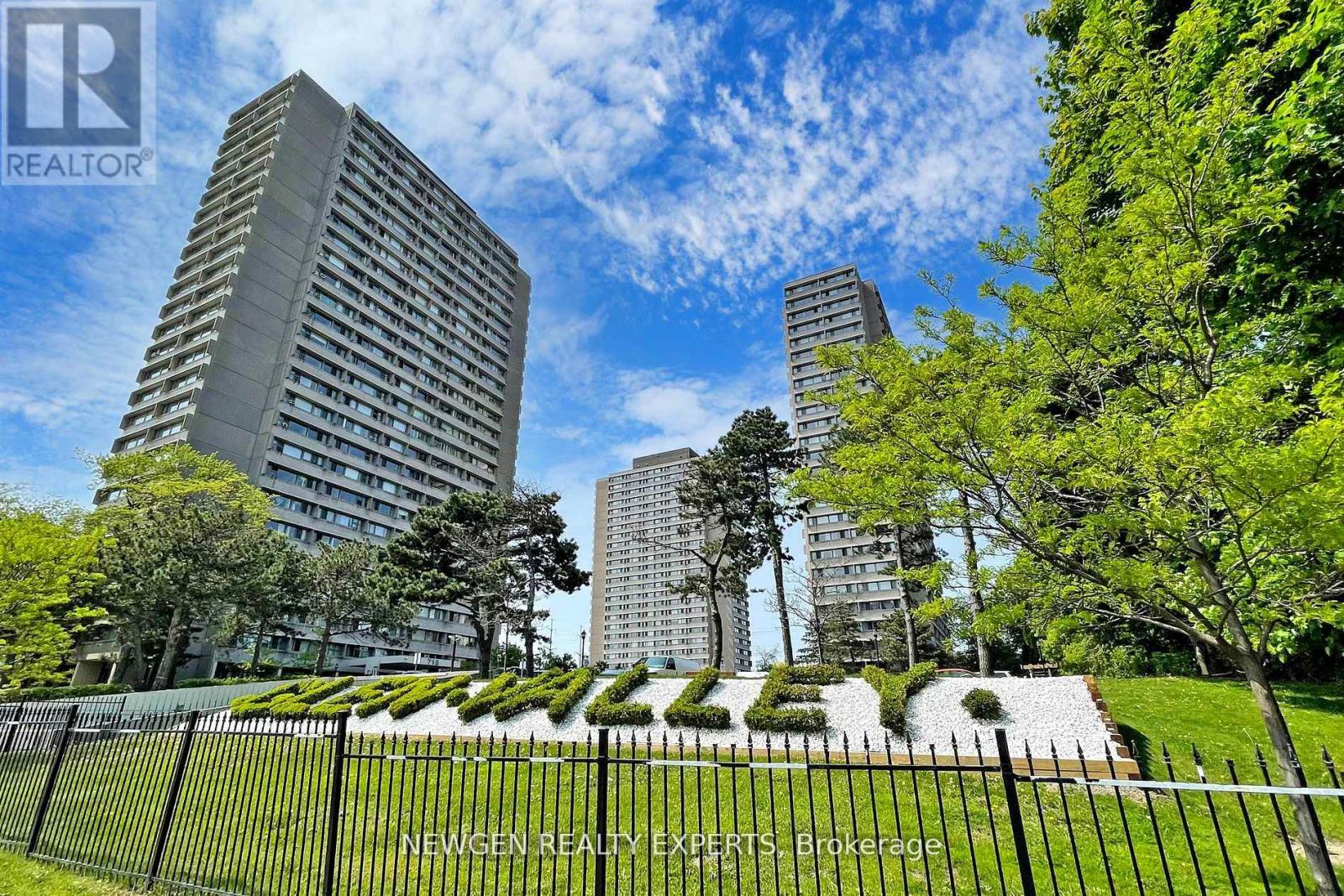 For Rent
 For Sale
 For Rent
 For Rent