
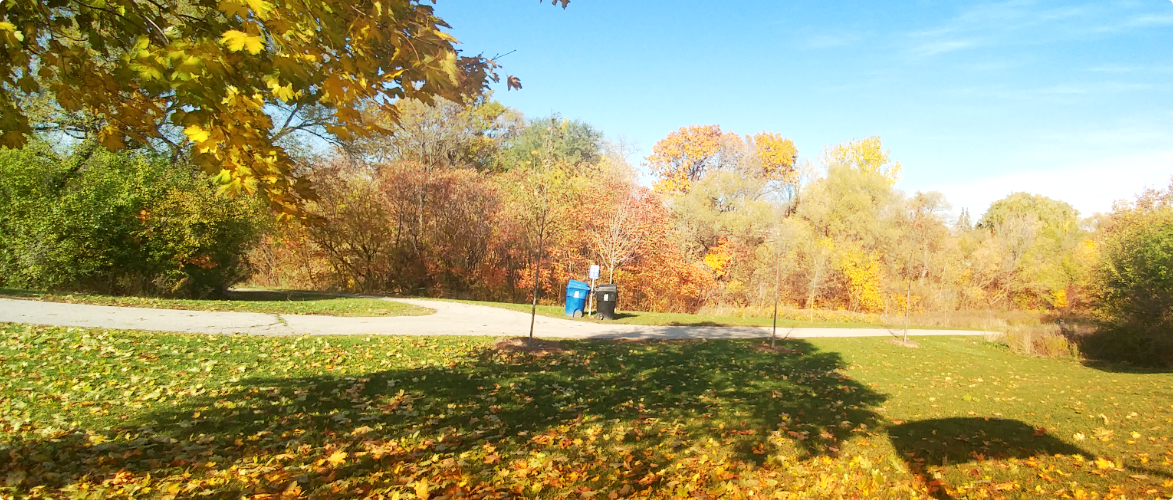
Maple Leaf is a quiet North York neighbourhood between Lawrence Avenue West and Wilson Avenue, built around postwar bungalows and semi-detached houses along the Dufferin Street corridor. It offers detached freehold housing at prices that remain accessible by Toronto standards, with the Black Creek trail corridor along its western edge.
Maple Leaf sits in the middle of North York, bounded roughly by Lawrence Avenue West to the south, Wilson Avenue to the north, and the Dufferin Street corridor running through its heart. It’s not a neighbourhood that gets much attention from real estate media, and that’s part of why buyers who find it tend to stay. The streets are quiet, the housing stock is honest, and the prices, by Toronto standards, remain within reach of buyers who’ve been priced out of more talked-about areas to the south and east.
The neighbourhood takes its name from the old Maple Leaf Stadium association, and it carries that working-class, unpretentious character forward. Most of the housing here was built in the postwar decades, when developers filled in the land between Dufferin and Black Creek Drive with bungalows and semi-detached houses designed for families who wanted their own yard, their own front door, and nothing too complicated. That’s still what you get today, and it’s still what attracts buyers.
Black Creek runs along the western edge of the neighbourhood, and the green space along its corridor gives Maple Leaf a softer character than you’d expect from a landlocked North York address. The creek itself is not particularly scenic, but the trail network along it is usable year-round, and the open space it creates makes the western streets feel less hemmed in than the surrounding grid might suggest.
Dufferin Street is the commercial spine, with the kind of strip retail that serves residents rather than draws visitors: grocery stores, pharmacies, takeout, hardware. It’s functional without being interesting. Lawrence Square mall sits just to the south, adding box-store convenience. The neighbourhood isn’t a destination, but it isn’t trying to be. Buyers come here for the value, the quietness, and the sense that a detached house with a proper yard is still something they can afford in this city.
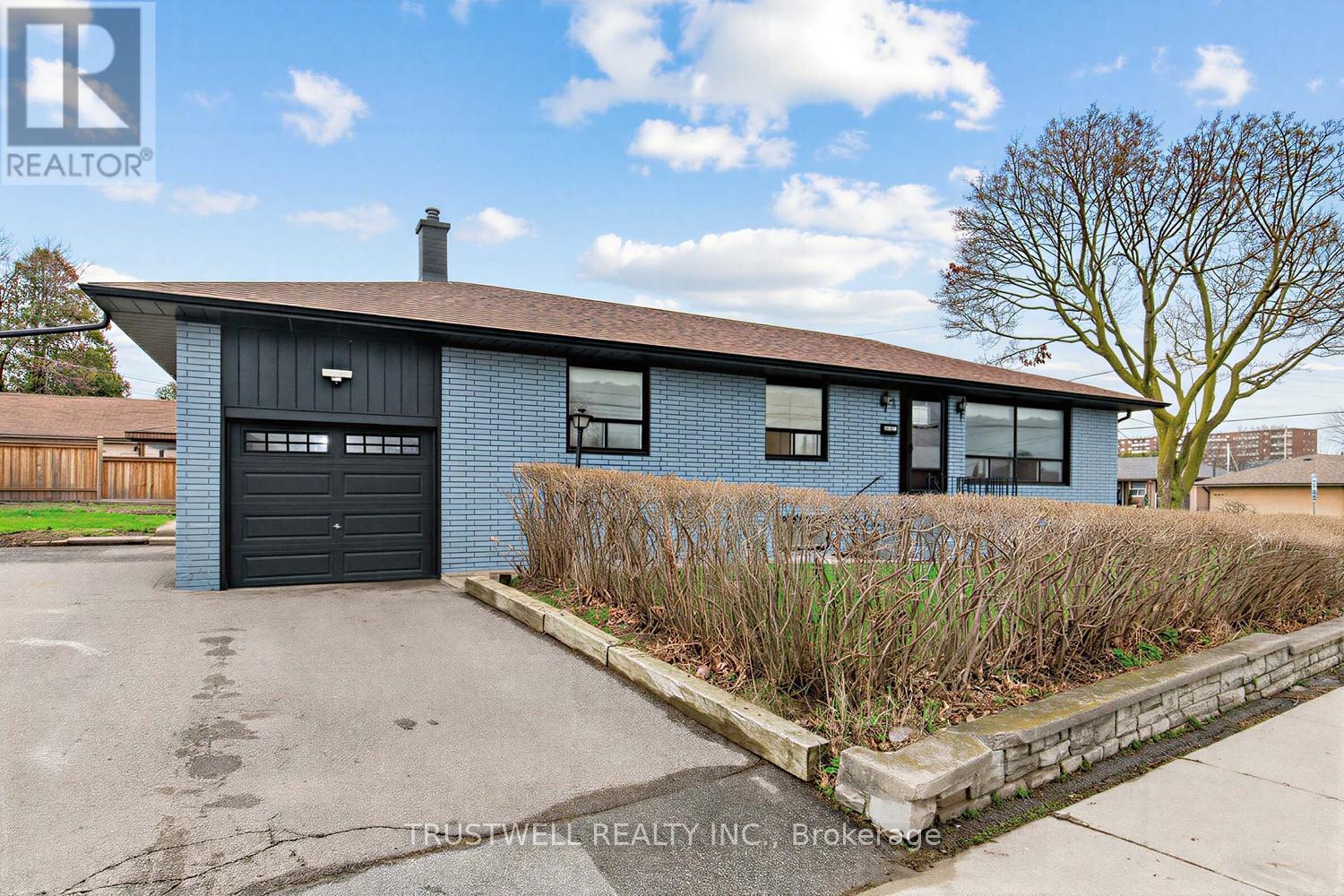
The dominant property type in Maple Leaf is the detached bungalow, and most of them follow a recognisable postwar template: one storey above grade, sometimes with a finished basement, a modest front setback, a driveway running along one side, and a backyard that’s deep enough to be useful. Lot sizes typically run 25 to 35 feet wide and 100 to 125 feet deep, which is standard for the area. Some streets have slightly larger lots, particularly closer to the ravine edges near Black Creek, but oversized parcels are rare.
In 2026, detached bungalows in Maple Leaf are trading in the $900,000 to $1.2 million range, depending on condition, lot size, and how much work the basement has had done. A bungalow on a wider lot with a renovated kitchen and a legal basement suite will push toward or past $1.2 million. A tired original in need of a full update will sit closer to $900,000. Semi-detached properties come in below that band, typically in the $750,000 to $900,000 range, which makes them some of the more affordable freehold options in this part of North York.
There are relatively few townhouses in Maple Leaf compared to surrounding areas. The neighbourhood is predominantly freehold detached and semi-detached. Buyers looking for stacked towns or purpose-built condos will need to look elsewhere. What you do find occasionally are older duplexes, some of them purpose-built, some converted from single-family homes, and these attract investors and house-hackers who want rental income to offset carrying costs.
The architecture is plain by design. These houses were built to be lived in, not photographed. Most buyers who renovate them add second storeys, update kitchens, and finish basements, which lifts the values at the top end of the range but leaves the fundamentals unchanged. A renovated raised bungalow on a 40-foot lot is a genuinely useful family home. That’s what most buyers here are looking for, and that’s what the market delivers.
Maple Leaf’s market moves at a pace that reflects its character: steadily, without drama. It doesn’t see the bidding frenzy that hits more central neighbourhoods, and it doesn’t sit unsold for months either. Turnover is moderate, driven mostly by families who’ve held for a decade or more and are downsizing, and by first-generation buyers who purchased in the 1980s and 1990s and are now selling estates.
Competition on well-priced detached bungalows is real. A properly presented house in the $950,000 to $1.1 million range will typically attract multiple offers when the broader market is active, but the competition is less frenzied than in, say, Weston or Lawrence Park South. Buyers here tend to be more deliberate. They’ve often looked for a while, understand the value relative to adjacent neighbourhoods, and aren’t shocked by the prices.
The market does respond to condition. A bungalow that’s been freshly painted, has a functioning kitchen, and shows well will sell faster and at a higher price than an identical house that hasn’t been touched in 20 years. The gap between a well-maintained property and a deferred-maintenance one is often $100,000 or more. Buyers willing to take on work can find genuine opportunities here, particularly with estate sales where heirs are prioritising speed over price.
One pattern worth understanding: many Maple Leaf listings come without a formal offer date and are priced at market value, which allows for negotiation rather than a blind offer process. This is becoming less common in Toronto generally, but Maple Leaf still sees it more than higher-profile neighbourhoods. Buyers who prefer to negotiate rather than compete tend to find this more manageable. The neighbourhood rewards patience and preparation over speed and risk tolerance.
The typical Maple Leaf buyer is someone who’s done the math and decided that a detached house with a yard is worth more to them than a condo in a neighbourhood with better branding. They’ve usually looked at Corso Italia, Runnymede, and Rockcliffe-Smythe, found them out of reach or overheated, and arrived here having recalibrated their expectations around a different geography.
A significant portion of buyers are immigrant families, many from South Asia, the Philippines, and West Africa, who are buying their first freehold home in Canada. The neighbourhood has community institutions, places of worship, and commercial services that reflect this population, which matters to buyers who want to land in a place where they’re not strangers. The trade-off they’re accepting is distance from a subway line and a transit experience that requires a car or patience with buses.
There’s also a consistent wave of buyers who grew up in North York, left for condos downtown in their 20s, and are now returning with children and a need for space. For them, Maple Leaf is familiar in a useful way. The schools, the parks, the general quietness of the streets: it matches what they remember wanting.
Investors are present but not dominant. The economics of a basement suite in a Maple Leaf bungalow can work, particularly if the lower level has been finished properly and has its own entrance, but the cap rates aren’t exceptional. Most buyers here are owner-occupiers with long time horizons, which keeps the community stable and the streets reasonably well-maintained. That stability is part of what makes the neighbourhood work: it doesn’t turn over fast, and the people who buy here tend to stay.
Maple Leaf is compact enough that the internal differences between streets are modest, but they’re real and they matter when you’re comparing specific listings. The streets between Dufferin Street and Black Creek Drive form the western portion of the neighbourhood, and these tend to be slightly quieter with less through traffic. Keele Street defines the eastern edge, and properties near Keele get more road noise but slightly easier access to the Yorkdale area.
Eddystone Avenue and Derrydown Road run east-west through the middle of the neighbourhood and are among the more consistently desirable streets. The lots here are typical for the area, the tree cover is reasonable, and the mix of well-maintained originals and modest renovations gives the streets a lived-in character that feels settled rather than transitional. Buyers who want to be on a street that won’t feel like it’s in flux tend to gravitate to these.
The area closest to Lawrence Avenue West, at the southern edge of the neighbourhood, benefits from quicker access to the Lawrence strip, Lawrence Square mall, and the bus routes that run along Lawrence. It’s marginally more convenient for day-to-day errands but also slightly more exposed to traffic noise on the main street itself. Properties on Lawrence Ave directly are not residential, but the streets immediately north of it feel the proximity.
The Black Creek corridor streets, including Roblocke Avenue and Armadale Avenue on the western side, have the added benefit of green space nearby. The Black Creek trail isn’t Central Park, but having an off-road walking option steps from your front door is a genuine quality-of-life asset, particularly for families with dogs and young children. These streets tend to hold their values consistently and see slightly more competition when listed, even among buyers who haven’t specifically sought them out.
Maple Leaf is car-dependent by the standards of most of the buyers who look at it. There’s no subway station in the neighbourhood, and that’s the single most common hesitation buyers raise. The nearest stations are Wilson on Line 1 (Yonge-University), accessible by the 96 Wilson bus, and Yorkdale, also on Line 1, accessible from the southern edge of the neighbourhood. Neither is a quick walk; you’re looking at a 10 to 15-minute bus ride in either direction.
Dufferin Street has regular bus service on the 29 Dufferin route, which runs south to Bloor and connects to Line 2 (Bloor-Danforth). This is the most useful transit option for residents heading downtown or to the west end. The service runs frequently enough during peak hours to be practical, but the total commute to Union Station or the financial district is going to be 45 to 60 minutes on a typical morning.
Wilson Avenue also has bus service running east-west, useful for crosstown trips and for reaching Wilson station. The 96 Wilson connects riders to the subway, and the route is one of the busier North York east-west corridors. Transfers are clean but the trip does involve waiting, and for families with young children or anyone moving groceries, a car remains the practical choice for most non-commute trips.
Drivers have good access to the Allen Expressway at Lawrence Avenue, which connects south to the Gardiner Expressway corridor and north toward Highway 401. For commuters driving to work in Mississauga, Brampton, or the northern suburbs, the Allen is a meaningful advantage. Highway 401 is also reachable within a few minutes heading north from Wilson. Cycling infrastructure in the neighbourhood is limited to recreational use along the Black Creek trail; on-road cycling on Dufferin is possible but not comfortable given the traffic volumes.
The most significant green space near Maple Leaf is the Black Creek corridor, which runs along the western boundary of the neighbourhood before joining the Humber River system to the south. The creek itself is channelised and not particularly naturalistic, but the linear park along its banks provides a continuous off-road trail that extends north through Jane-Finch and south through the Humber Marshes. For families who want to walk or cycle without dealing with traffic, it’s a genuine asset that doesn’t show up in real estate listings but matters significantly to people who use it.
Maple Leaf Park, located on the west side of the neighbourhood near Eddystone Avenue, is the main local park. It’s a mid-sized neighbourhood park with a baseball diamond, a children’s play area, and open grass. It gets consistent use in summer, particularly on weekday evenings when informal cricket matches are a regular occurrence. It’s not a destination park but it functions well as a neighbourhood one.
Carl Hall Road Park, near the northern edge of the neighbourhood, provides additional open space and serves the residents of the streets between Wilson and the park’s southern boundary. The park connects loosely to the trail system that heads toward Downsview Park, which is a larger green space roughly two kilometres north of Maple Leaf. Downsview Park is undergoing ongoing development and expansion as the former military base transforms into a mixed urban district, and the trail connections between Maple Leaf and Downsview will improve as that project matures.
Residents looking for more substantial natural experiences within a short drive can reach Earl Bales Park to the northeast, which has skiing, a paved trail through the ravine, and considerably more tree cover than the flat streets of Maple Leaf itself. The parks network in North York is generally better than its reputation, and Maple Leaf sits within reasonable reach of several of its better examples.
Maple Leaf’s retail is practical rather than curated. Dufferin Street is the main commercial corridor, and it functions as a working strip: grocery stores, phone repair, halal butchers, a handful of South Asian restaurants, pharmacies, and the kind of small businesses that serve daily needs without making a production of it. It’s not a dining destination, but residents rarely need to leave the immediate area for essentials.
Lawrence Square, at the intersection of Lawrence Avenue West and Dufferin Street, gives the neighbourhood access to a full grocery store, a food court, a pharmacy, a bank, and a handful of service retailers within a single mall footprint. It’s not glamorous, but it’s convenient, and for families managing school schedules and work commitments, convenience matters more than atmosphere.
For more interesting food and retail, residents tend to head south on Dufferin toward the Corso Italia area, where the commercial strip around St. Clair Avenue West has genuine restaurants, bakeries, and the kind of neighbourhood retail that draws people from outside the immediate area. It’s about a 15-minute drive or a direct bus ride south. Yorkdale Shopping Centre, one of Toronto’s major enclosed malls, is accessible to the northeast and covers most of what a resident could want in terms of brand retail, home goods, and food court options.
The Amesbury area along Wilson Avenue, just north of Maple Leaf, has additional strip retail including a grocery store and various service businesses. For residents on the northern end of the neighbourhood, Wilson is often more convenient than Dufferin for day-to-day shopping. The combination of the two corridors means that residents of Maple Leaf are rarely more than a short drive from whatever they need, even if the neighbourhood itself doesn’t have the density to support a full range of local shops on its own.
Public elementary schools serving Maple Leaf include Amesbury Middle School, which covers the middle years, and a cluster of junior schools including Maple Leaf Public School on Eddystone Avenue. The Toronto District School Board (TDSB) schools in this area are generally community-oriented without the specialised program reputations that draw competitive school-shopping buyers. French immersion is available at designated schools in the broader North York area, and families committed to immersion should confirm the specific feeder school pathway before purchasing.
On the Catholic side, the Toronto Catholic District School Board (TCDSB) serves the neighbourhood through St. Alphonsus Catholic School and feeds into Catholic secondary schools in the broader North York system. Catholic school placement is linked to baptismal eligibility, so families who intend to use the Catholic system should verify their eligibility before making location decisions based on school catchment.
For secondary school, students in Maple Leaf are primarily served by Emery Collegiate Institute, which has gone through a period of demographic change and program development. It’s a large North York secondary school with a general academic program and some co-op options. It’s not among the TDSB’s high-profile secondary schools, but it functions as a practical community school for the area.
Families for whom secondary school reputation is a priority often make private or alternative school arrangements, or factor the distance to specialty program schools like George Harvey Collegiate or York Memorial Collegiate into their calculations. University-focused secondary school programs at schools with stronger established academic reputations are accessible by transit from Maple Leaf but require a deliberate commute rather than a walk. Buyers with strong secondary school preferences should research current TDSB specialty program placements before committing to the neighbourhood.
Maple Leaf has seen relatively modest development compared to other North York neighbourhoods. There’s no major condo tower under construction within the neighbourhood boundaries, and the predominance of detached freehold stock has limited the kind of infill intensification that’s reshaped corridors like Sheppard and Yonge. What development has occurred is scattered: occasional custom builds on lots where original bungalows were torn down, and some secondary suite additions as homeowners respond to both demand and city policy encouraging densification.
The Downsview area to the north is the most significant nearby development story. The former Downsview military base is being transformed into a mixed residential and employment district over a long timeline, with early phases delivering mid-rise residential buildings, expanded park space, and improved trail connections. As Downsview matures, it will change the character of the northern edge of Maple Leaf’s catchment, adding density and services that the neighbourhood currently lacks. The timeline is long and the full buildout will take decades, but early phases are visible and progressing.
Along Dufferin Street and Wilson Avenue, there has been ongoing discussion about corridor intensification, with mid-rise residential development being pushed by provincial policy changes that encourage density on major streets. Some applications have moved through the planning process, and over a 10-year horizon it’s reasonable to expect modest mid-rise development along these corridors. This won’t transform the neighbourhood’s interior but it will change the feel of the main streets and add population to the area.
For buyers, the development story in Maple Leaf is more about nearby context than immediate change. The neighbourhood itself is likely to remain predominantly low-rise freehold for the foreseeable future. The changes to Downsview and the Dufferin corridor will add amenity and population to the surrounding area without disrupting the residential streets that most buyers are actually purchasing on.
Is Maple Leaf a good neighbourhood for families? It works well for families who prioritise space over walkability. You’ll get a detached house with a yard at a price that’s still achievable for dual-income buyers who haven’t been in the market for years. The streets are quiet, there are parks within walking distance, and the community has a settled, residential character that doesn’t feel transient. The trade-off is that it’s car-dependent for most daily tasks, and the local schools don’t carry the reputations that draw competitive school-shoppers. Families who do well here tend to be those who’ve made peace with driving and care more about having a real backyard than being within walking distance of a particular kind of coffee shop.
How close is Maple Leaf to the subway? The nearest subway stations are Wilson on Line 1 and Yorkdale, also on Line 1. Both are accessible by bus, primarily the 96 Wilson and 29 Dufferin routes, and the bus ride to either station is typically 10 to 15 minutes. From Wilson station, downtown Union Station is another 25 to 30 minutes by subway. Total door-to-door commute times to the financial district run 45 to 60 minutes under normal conditions. It’s manageable for people who commute two or three days a week, but it’s a real commitment for five-day-a-week transit commuters who care about their time.
Are there good investment opportunities in Maple Leaf? The economics work best for buyers who intend to owner-occupy and use a basement suite to offset their carrying costs. A properly finished and permitted basement apartment in a Maple Leaf bungalow can rent for $1,400 to $1,800 per month, which takes a meaningful bite out of a mortgage. Pure investor purchases can work but the cap rates are modest at current prices. The more compelling story is long-term appreciation in a neighbourhood that remains undervalued relative to comparable North York addresses, combined with rental income that makes the hold more affordable in the shorter term.
What are the main drawbacks of Maple Leaf? Transit is the one buyers raise most consistently. Without a subway line running through it, the neighbourhood requires either a car or a willingness to use bus connections for most trips. Dufferin Street has heavy traffic and road noise that affects properties fronting or close to it. The local retail and dining scene is functional but not interesting, and residents who want a walkable neighbourhood with good restaurants will need to drive to find them. These are real trade-offs, and buyers who are honest with themselves about how much they’ll use transit and how much they value local amenity should weigh them carefully before deciding.
What should I look for when viewing a Maple Leaf bungalow? Basement condition matters more here than almost anywhere else. A significant portion of Maple Leaf bungalows have had informal basement suites added over the years, and the quality ranges from properly permitted and finished to poorly done and potentially illegal. Before making an offer, understand whether the basement suite is legal under Toronto’s rental suite standards, whether the electrical panel has been updated, whether there are knob-and-tube wiring concerns in the original construction, and whether there are any signs of water infiltration given the age of the foundation drainage. A proper pre-purchase home inspection by an inspector familiar with postwar North York housing is worth every dollar.
Buying in Maple Leaf requires a buyer’s agent who understands the specific dynamics of postwar North York housing and doesn’t treat every bungalow as interchangeable. The price range is wide relative to property condition, and the difference between a well-maintained bungalow with a legal secondary suite and a deferred-maintenance one with an unpermitted basement apartment is not always obvious from a listing sheet. An agent who knows the neighbourhood can flag these distinctions before you spend time and money on a property that won’t pass inspection or won’t support the rental income you’re counting on.
The offer process in Maple Leaf is less standardised than in higher-demand neighbourhoods. Some listings use a formal offer date with multiple-offer competition; others are priced for negotiation and sit for a week or two waiting for the right buyer. Understanding which approach a seller is using helps you calibrate your strategy. An agent who has recent transaction experience on these streets will know the current inventory well enough to tell you whether a listing is priced to sell quickly or is being tested at an aspirational number.
Due diligence in this neighbourhood should always include a title search for any outstanding work orders or permits, particularly for basement suite additions. The City of Toronto has been more active in recent years about enforcing secondary suite compliance, and a property with an unpermitted rental unit carries risk that may not be priced into the asking price. Your agent should be flagging this as a standard item, not something you have to ask about.
Financing is straightforward for most Maple Leaf properties, but buyers planning to use rental income from a basement suite to qualify for a larger mortgage should understand the lender’s documentation requirements for that income. Legal suites with leases are treated differently from informal arrangements, and the distinction matters when you’re trying to get the most out of your qualification. An agent who works regularly with buyers in this price range will have relationships with mortgage brokers familiar with these nuances, which saves time and prevents surprises at commitment stage.
Street-level knowledge is hard to find online. Our team works in Maple Leaf every day. They know which pockets hold value, where the school catchment lines actually fall, and what the market is doing right now. Talk to us before you make a decision about Maple Leaf.
Talk to a local agent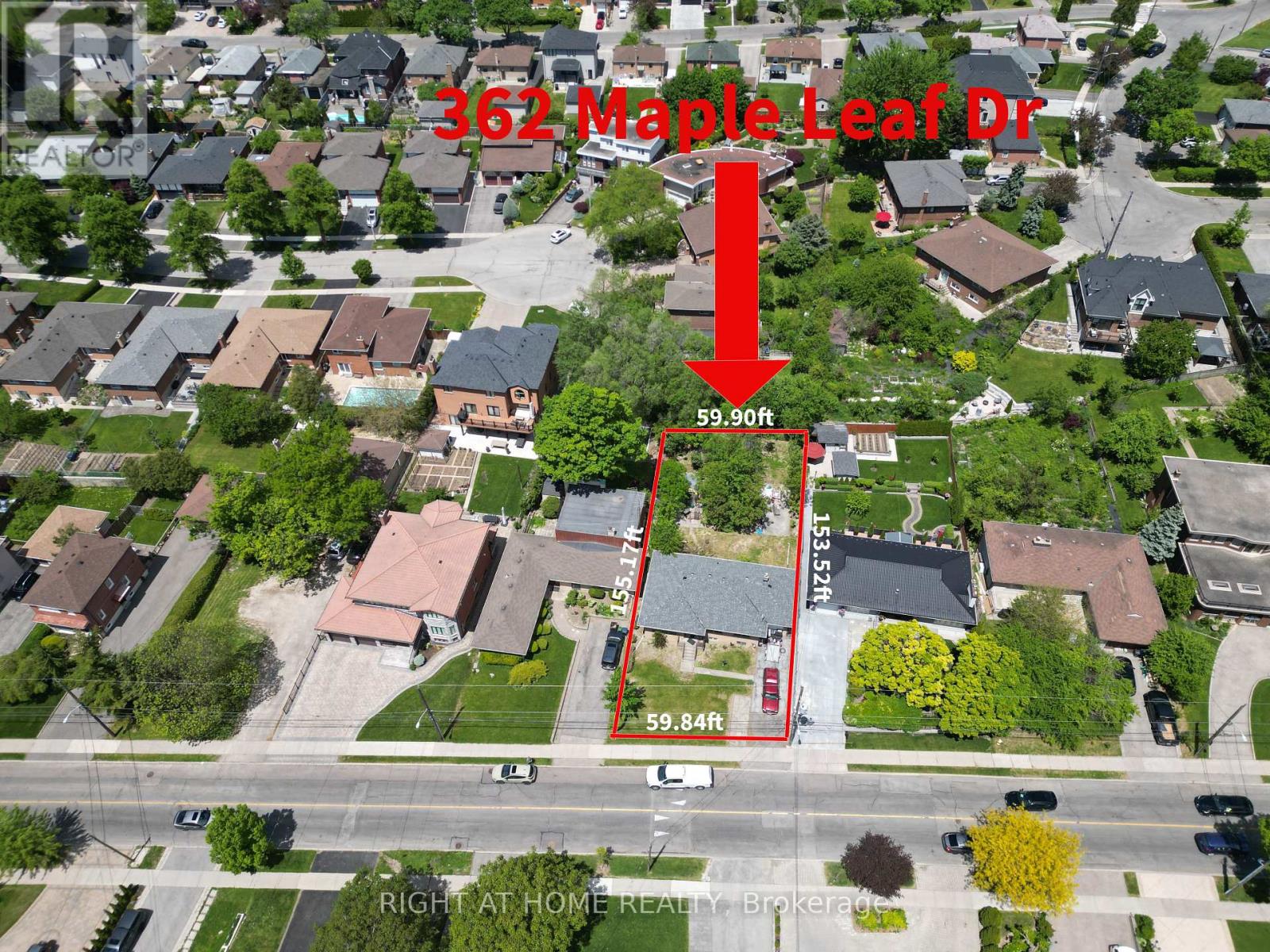 For Sale
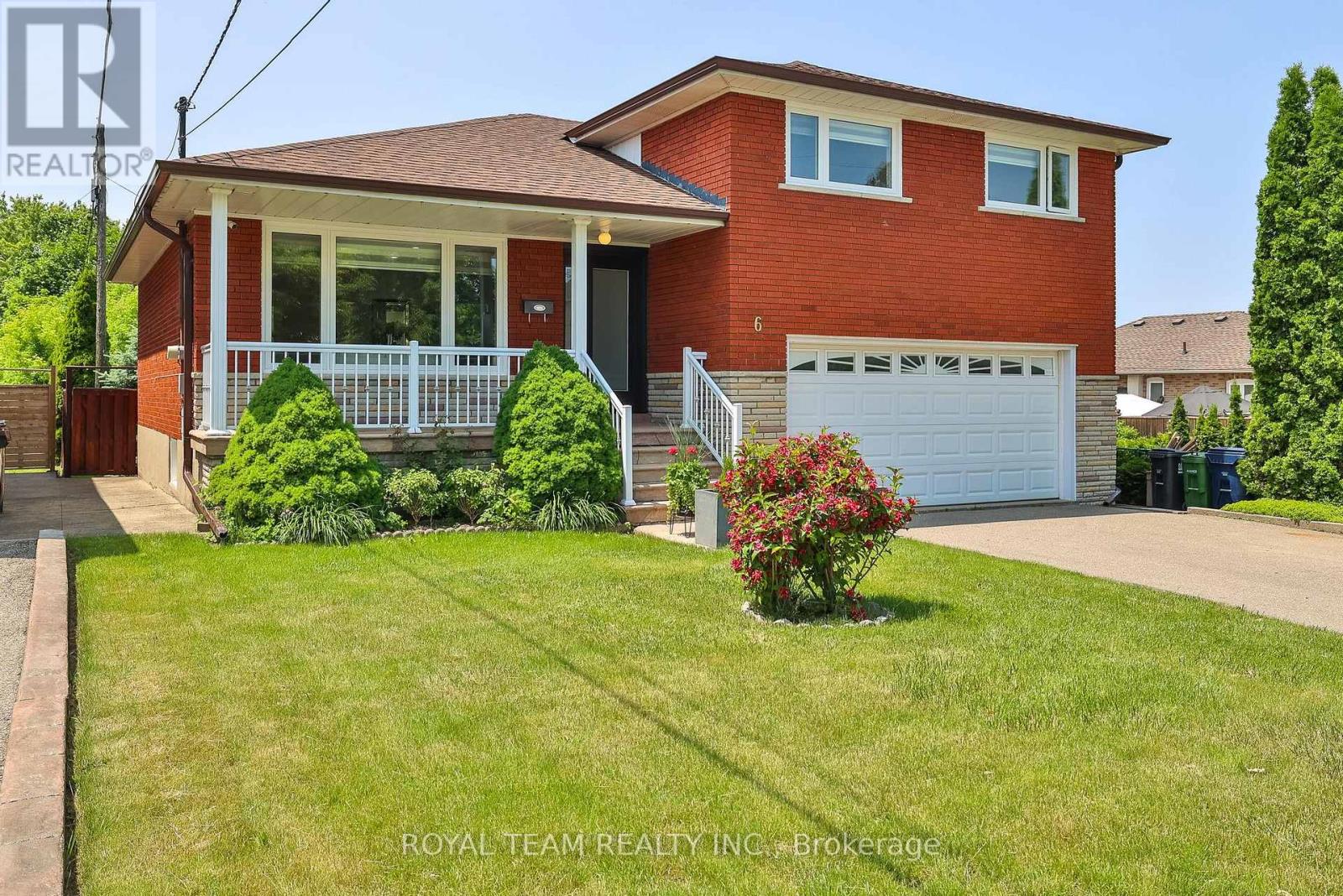 For Sale
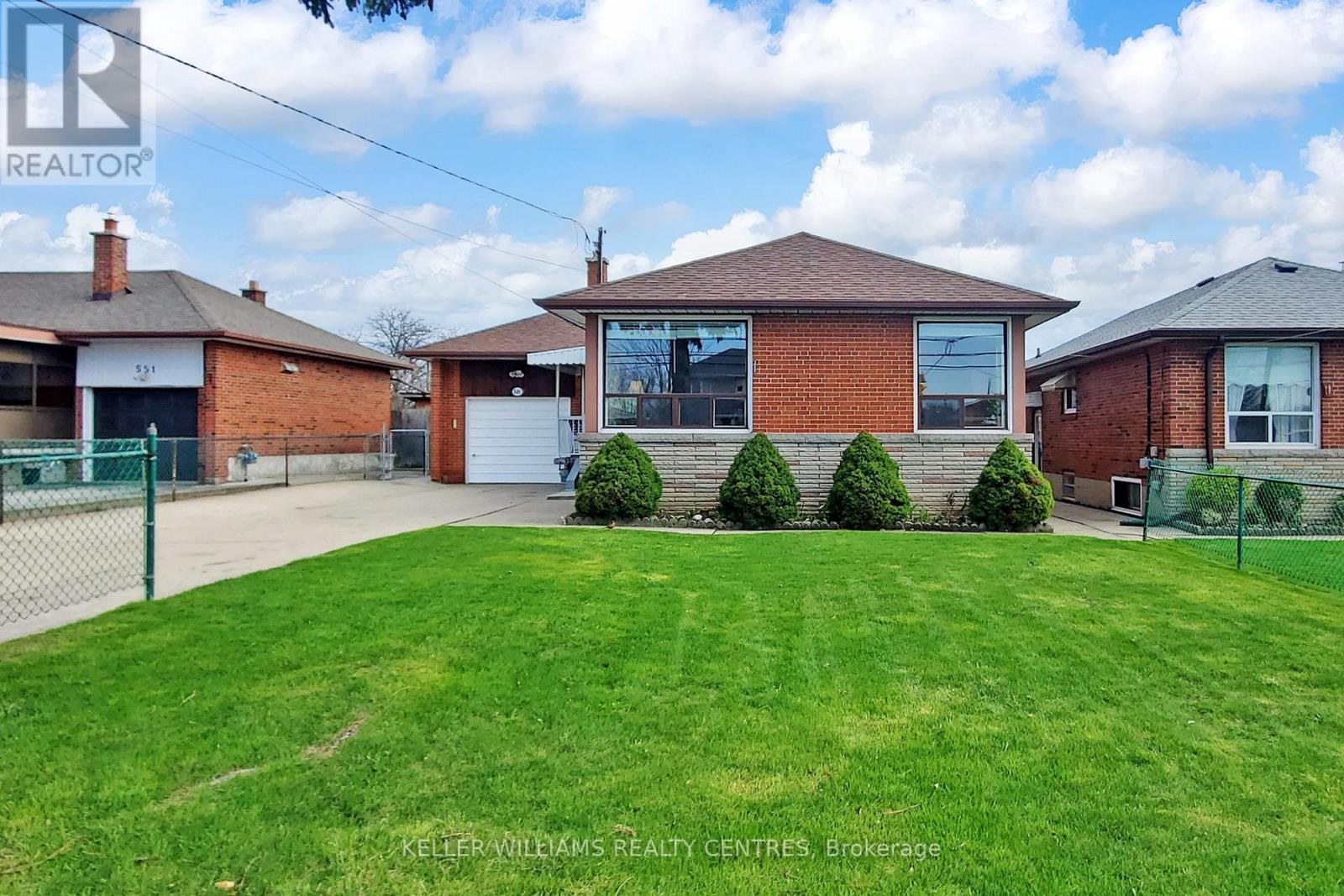 For Sale
 For Sale