
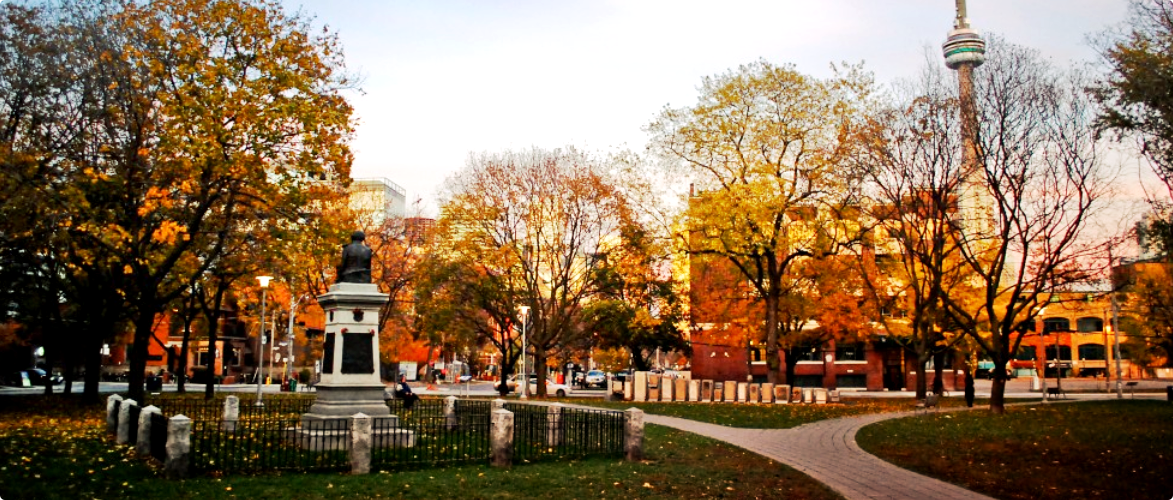
Victoria Village is a North York neighbourhood of postwar bungalows between Eglinton Avenue East and Lawrence Avenue East, east of the DVP. It offers Don Valley ravine access on its western streets, improving transit with the Eglinton Crosstown LRT, and detached freehold housing at prices that sit below comparable Leaside addresses nearby.
Victoria Village sits between Eglinton Avenue East and Lawrence Avenue East, west of Victoria Park and east of the Don Valley. It’s a postwar neighbourhood in the North York section of the city, close enough to the Leaside and Thorncliffe Park areas to share some of their character without quite having their profile. The streets are established, the housing stock is predominantly bungalows built in the 1950s and 1960s, and the neighbourhood has the settled quality that comes from decades of families owning and maintaining homes on the same blocks.
The defining change coming to Victoria Village is the Eglinton Crosstown LRT, which runs along Eglinton Avenue at the neighbourhood’s southern boundary. When fully operational, the Crosstown will connect Victoria Village to the broader transit network in a way that no previous transit investment has, and it’s already changing how buyers evaluate the neighbourhood. Properties close to the Eglinton corridor are being assessed with this future transit access in mind, and the neighbourhood’s profile has been rising among buyers who track transit-adjacent value.
The Don Valley ravine system is accessible from the neighbourhood’s western edge, and this is one of Victoria Village’s most consistent selling points. Trail access into the valley, tree cover along the ravine streets, and the sense of natural space at the edge of a low-rise residential community add a quality-of-life element that’s hard to put a number on but that residents value consistently. Streets backing onto the ravine land command a premium, and with reason.
Victoria Village is a neighbourhood that’s improving its profile without transforming its character. It’s not a gentrification story; there are no coffee shops arriving on its streets or restaurant openings being written about in food media. But the combination of the Eglinton Crosstown, the ravine access, and the genuine quality of the residential streets makes it a neighbourhood that well-informed buyers are taking seriously in 2026 in a way they might not have five years ago.
Victoria Village’s housing stock is almost entirely detached bungalows, with a smaller number of split-level homes and occasional raised bungalows. The lots run typically 35 to 50 feet wide and 100 to 120 feet deep, which is solid for this era of North York construction. Some of the wider lots are on streets closer to the ravine, where the original developers had more land to work with. The neighbourhood has not seen the same teardown intensity as Newtonbrook, so the original character of the streets is more intact.
In 2026, detached bungalows in Victoria Village are trading in the $1.0 to $1.5 million range. The low end of that range reflects an original, minimally updated home on a standard lot. The upper end gets you a renovated property, wider lot, or a bungalow with a quality basement suite and a recent kitchen. The mid-range, around $1.1 to $1.3 million, is the most active part of the market, where well-maintained originals and partial renovations compete for buyers who want to get into the neighbourhood without paying for a full renovation they don’t want to live through.
Custom builds exist in Victoria Village but aren’t as prevalent as in Newtonbrook or the Bayview area. The neighbourhood’s price range makes new construction viable on wider lots, and some teardown-and-rebuilds have occurred on the more desirable streets, but the proportion of the housing stock that’s been rebuilt is still relatively small. Buyers who value street consistency and mature landscaping will find Victoria Village more intact than comparable North York addresses where the teardown market has been running harder.
There are no condominiums within the neighbourhood proper. The commercial corridors on Eglinton will bring some mid-rise density over time as the Crosstown attracts development, but the residential streets will remain low-rise freehold for the foreseeable future. Buyers looking for a condo alternative within walking distance of the neighbourhood won’t find it yet, but those buying freehold will find the neighbourhood character stable.
Victoria Village’s market has been gaining attention over the past few years as buyers become aware of the Eglinton Crosstown’s implications for transit access and as the neighbourhood’s relative value compared to Leaside and Thorncliffe Park has become more visible. Well-priced properties in the $1.0 to $1.3 million range attract competitive attention, and it’s not unusual for a properly presented bungalow to sell with multiple offers within the first two weeks of listing.
The turnover pattern is shifting slightly. The neighbourhood has historically had a long-hold, low-turnover character typical of stable postwar communities. Estate sales from the original buyer generation continue to come to market, and these often represent the best entry points for buyers who can handle a renovation. Increasingly, though, there are also buyers from 10 to 15 years ago who bought in the neighbourhood before the Crosstown attention elevated prices, who are now selling at significant gains and moving on. This second-generation turnover adds a layer of properties that are more recently updated and command prices at the upper end of the range.
The market is sensitive to condition. Buyers in Victoria Village are generally well-informed and understand that a $1.2 million asking price on an original bungalow means a bungalow that needs a kitchen, bathrooms, and possibly a basement finishing project. They price their offers accordingly, and sellers who price original homes as if they were renovated will sit on the market. The gap between a renovated and an original property in this neighbourhood is consistently in the $150,000 to $250,000 range, which is the cost of doing the work plus a premium for not having to live through it.
The Crosstown effect on pricing is real but not fully priced in yet. Properties closest to the Eglinton corridor benefit the most, but the entire neighbourhood is trading at a premium to where it was five years ago relative to the broader market. Buyers who are considering whether the transit investment justifies the current premium should factor in that the Crosstown was still not fully operational in 2026, meaning the full transit uplift is still ahead.
Victoria Village draws a buyer profile that’s somewhat different from the other North York neighbourhoods in this group. Because of its positioning between Leaside (to the west) and the more affordable northeast Toronto neighbourhoods, it catches buyers who’ve been priced out of Leaside and are looking for a legitimate alternative that shares some of its character. The ravine access, the established streets, the tree cover: these are attributes that resonate with buyers who were drawn to Leaside for its residential quality.
There’s also a meaningful transit-forward buyer profile that’s grown as awareness of the Crosstown has increased. Young families and professionals who commute to work and care about transit access are evaluating Victoria Village specifically because of its proximity to the Eglinton corridor, in a way that they wouldn’t have three or four years ago. These buyers are sometimes accepting a longer commute than they’d prefer in exchange for a detached house they can actually afford, with the expectation that the Crosstown will reduce that commute when it’s fully running.
Buyers with ravine-access as a priority are a consistent third category. Don Valley trail users, recreational cyclists, and families who want off-road access to natural space are drawn to the streets closest to the ravine and are willing to pay the premium those streets carry. For this group, Victoria Village competes with Leaside and parts of East York that also sit adjacent to the valley, and it wins primarily on price.
The trade-off that buyers are accepting in Victoria Village is primarily one of proximity to established amenity. The neighbourhood itself is quiet residential without much commercial activity, and the dining and retail options require a drive to Leaside or to the Eglinton corridor further east. Buyers who want to walk to dinner or a coffee shop most evenings will find Victoria Village less suitable than Leaside or parts of East York. Buyers who primarily use a car for daily errands and value the residential street character above all else will find the neighbourhood a good fit.
The most consistently sought-after streets in Victoria Village are those that back onto or run adjacent to the Don Valley ravine on the neighbourhood’s western edge. These streets have the combination of green space proximity, mature tree cover, and quiet residential character that defines the best of what the neighbourhood offers. Victoria Park Avenue forms the eastern boundary and carries traffic that affects properties along it, making the interior streets and the ravine-side streets the most desirable addresses.
Glenforest Road and Swanwick Avenue are among the streets that residents consistently identify as excellent. Glenforest in particular benefits from its position in the interior of the neighbourhood, good lot widths, and access to the ravine from nearby trail entry points. Properties on this street sell competitively and rarely sit. Pharmacy Avenue runs north-south through the neighbourhood and is a useful orientation point; streets west of Pharmacy tend to be slightly more desirable than those to the east, reflecting the gradient toward the ravine and away from Victoria Park.
The streets closest to Eglinton Avenue East at the southern boundary are gaining attention as Crosstown awareness increases, but they also absorb some of the construction disruption that has characterised the Eglinton corridor for the past several years. As the Crosstown project completes, the appeal of Eglinton-adjacent streets will improve, and buyers who purchased with that expectation will see it validated. In the meantime, buyers who are sensitive to construction noise and traffic disruption should be realistic about what proximity to Eglinton currently means.
Lawrence Avenue East forms the northern boundary, and properties closest to Lawrence see more traffic influence than the interior streets. The streets in the middle of the neighbourhood, between Lawrence and Eglinton and between the ravine and Victoria Park, represent the sweet spot: insulated from the boundary arterials, accessible to the ravine, and consistent in their residential character. Most buyers who have done their homework arrive at the same conclusion about which part of the neighbourhood to focus on.
The Eglinton Crosstown LRT is the central transit story for Victoria Village, and it changes the neighbourhood’s transit picture significantly once it’s fully operational. Eglinton Avenue runs along the southern boundary, and stations at Science Centre (previously at Don Mills Road) and the stretch east of Don Mills put LRT access within a short walk or bus connection for most Victoria Village residents. The Crosstown connects west to Mount Pleasant and Yonge, and east through the Golden Mile corridor to Kennedy station, where connections to the Scarborough network are available.
Until the Crosstown is fully running, the neighbourhood’s transit picture is bus-dependent. The 34 Eglinton East bus runs along Eglinton and provides connections to the Eglinton subway station on Line 1. Victoria Park Avenue has north-south bus service. For most destinations, a bus connection is required before reaching a subway line, which adds time and effort to the commute. The practical transit experience for most Victoria Village residents in 2026 is still more bus-reliant than Crosstown-reliant, but this will change as the line enters full service.
Driving from Victoria Village benefits from quick access to the Don Valley Parkway, which connects south to the Gardiner and north to Highway 401. The DVP on-ramps via Eglinton Avenue East and Lawrence Avenue East are both accessible within minutes, making the neighbourhood well-connected for drivers who commute to employment nodes along the DVP corridor. Victoria Park Avenue connects to Danforth to the south and Sheppard to the north, providing additional north-south road options.
Cycling in Victoria Village is primarily recreational. The Don Valley trail system is accessible from the western edge of the neighbourhood and provides off-road cycling through the ravine. On-road cycling on Eglinton and Victoria Park is possible but not ideal. The neighbourhood streets themselves are quiet enough for safe cycling for local trips, but connecting to the broader city network for commute cycling requires navigating arterials that lack adequate cycling infrastructure.
The Don Valley ravine system is the defining green space asset for Victoria Village, accessible from the neighbourhood’s western edge. The trail system enters the valley near the western streets and connects to the full network that runs north to the Rouge and south to the waterfront. The section of the valley adjacent to Victoria Village is some of the quieter, less-trafficked Don Valley trail, with mature tree cover and a natural character that becomes more urban as you move south. Residents who use it regularly for running, walking, and cycling describe it as one of the primary reasons they chose the neighbourhood.
Victoria Village Park is the main neighbourhood park, with sports facilities including a baseball diamond and open space. It serves as the gathering point for youth sports and informal recreation in the neighbourhood, and its central position makes it accessible from most streets. The park is well-maintained and functional without being exceptional, which describes most of the City of Toronto’s neighbourhood park infrastructure accurately.
The Eglinton Flats, along the Don Valley just south of Eglinton Avenue, provide additional park and open space that Victoria Village residents access via the trail system. The flats have significant green space, picnic areas, and connections to the valley trail network, and they represent a meaningful natural asset that’s a short trail ride from the neighbourhood’s western streets.
Taylor Creek Park, to the south along Taylor Creek, is another ravine park that’s accessible from Victoria Village via the Don Valley trail connections. Taylor Creek Park has a well-used trail system and connects the Don Valley trail to the east, through the Dentonia Park area and toward the Scarborough Bluffs trail system. For residents who want extended natural trail experiences, the connectivity of the Don Valley system from Victoria Village is genuinely excellent, and it’s one of the neighbourhood’s most underappreciated assets relative to its profile.
Victoria Village doesn’t have its own commercial strip. The neighbourhood is almost entirely residential, and residents drive to surrounding areas for most retail and dining needs. The Eglinton Avenue East corridor provides the most accessible daily retail, with grocery stores, pharmacies, banks, and service businesses along the avenue. The stretch of Eglinton east of Don Mills Road has a range of practical retail that covers daily needs.
Leaside, to the west along Eglinton and Bayview, has the most interesting retail and dining near Victoria Village. The Leaside commercial strips on Bayview and the cluster around Laird Drive and Eglinton have restaurants, specialty food shops, and the kind of neighbourhood retail that residents actually choose to visit rather than defaulting to from convenience. It’s a 10 to 15-minute drive from most of Victoria Village, which makes it practical for weekend dining and occasional errands but not a daily walking option.
The Golden Mile corridor, east of Victoria Park on Eglinton, has big-box retail including large grocery stores, home improvement centres, and the commercial development that’s been intensifying in anticipation of the Crosstown. As the Golden Mile area develops with new residential and mixed-use buildings, additional retail and dining options will emerge on this corridor, which will be the closest and most convenient commercial area for the eastern part of Victoria Village.
For residents who want a genuinely walkable retail experience, Victoria Village is not the right neighbourhood. The interior streets are quiet residential with no commercial component, and getting anywhere interesting for food or shopping requires a car or a bus. Buyers who accept this as a feature of the freehold residential life they’re choosing, rather than a deficiency, will be comfortable here. Buyers who underestimate how much they’ll miss being able to walk to dinner tend to find themselves making more trips to Leaside than they anticipated.
Victoria Village Public School is the primary TDSB elementary school serving the neighbourhood, and it has a solid community school reputation. The school serves a mixed population that reflects the neighbourhood’s demographics and has consistently reasonable results within the TDSB’s North York cluster. French immersion options are available within the district and families committed to immersion should confirm the specific feeder school and registration requirements for their address.
Don Mills Collegiate Institute is the public secondary school for much of Victoria Village, serving students in the neighbourhood alongside students from Parkwoods, Flemingdon Park, and other surrounding areas. Don Mills CI has a good academic reputation within the TDSB and a range of secondary programs. For some addresses in the western part of Victoria Village, particularly those closer to Leaside, the catchment for Leaside High School may apply, which is one of the TDSB’s more academically competitive secondary schools. Buyers for whom secondary school catchment is important should verify their specific address before purchasing.
On the Catholic side, the TCDSB serves elementary students through schools in the broader North York area, and secondary students from Victoria Village typically attend schools in the TCDSB’s north Toronto system. As with all Catholic school placements, eligibility is linked to baptismal status and families should verify their eligibility and the specific catchment routing before making location decisions based on school access.
Leaside High School’s proximity to the western portions of Victoria Village makes it worth checking specifically for addresses on streets closest to the Leaside border. Leaside High has a stronger established academic reputation than Don Mills CI, and buyers who are specifically trying to be in its catchment should do the address-level research rather than assuming that Victoria Village as a whole falls within it. The catchment boundary runs through the neighbourhood in ways that aren’t always obvious from a map.
The Eglinton Crosstown LRT is the single most significant development story for Victoria Village, and it’s been in construction along the Eglinton corridor for years. The Crosstown will run underground through the central section of Eglinton and transition to surface running at the outer sections, with stations at Don Mills and at several points east and west. When fully operational, it will provide Victoria Village residents with a crosstown transit option that connects to the subway network at multiple points, significantly changing the commuting options for residents who don’t drive.
The Golden Mile intensification area, east of Victoria Park on Eglinton, is undergoing a significant transformation from a strip-mall car-dependent commercial area into a denser mixed residential and retail corridor. This development is City of Toronto-planned and provincially encouraged, and it will add significant population and commercial activity to the Eglinton corridor east of Victoria Village over the next decade. The immediate effect for Victoria Village is modest, but the long-term effect is a more urbanised and service-rich commercial corridor within a short trip of the neighbourhood.
Within Victoria Village, the development pattern continues to be gradual renovation and occasional custom builds rather than systematic redevelopment. The neighbourhood’s position in the market as a premium-for-the-price address means that buyers are investing in their properties rather than treating them as short-term holds. Custom builds have appeared on some of the wider lots, and the proportion of renovated properties in the neighbourhood has been increasing as buyers who purchased original homes in the 2010s complete their projects.
The combination of the Crosstown opening, the Golden Mile intensification, and the ongoing private investment in the housing stock suggests that Victoria Village is on a trajectory of gradual appreciation and improvement. It’s not a dramatic transformation story, but for buyers with a 10 to 15-year time horizon, the combination of these factors is meaningful. The neighbourhood’s fundamentals, ravine access, established streets, solid housing stock, are being enhanced rather than disrupted by what’s happening around it.
When will the Eglinton Crosstown actually help residents of Victoria Village? The Crosstown’s benefit for Victoria Village residents depends on where you live in the neighbourhood and which station you can reach conveniently. The Science Centre station area and the stations east along the Golden Mile corridor are closest to the neighbourhood. For residents near Eglinton on the southern end of the neighbourhood, a short bus ride or a 15-minute walk can get you to a Crosstown station. For residents on the northern streets near Lawrence, the benefit is less direct and requires a bus connection to reach Eglinton. When fully operational, the Crosstown will reduce the time to reach Yonge and Line 1 to under 20 minutes from the closer stations, which is a significant improvement over the current bus-dependent connection.
How does Victoria Village compare to Leaside as a place to buy? Leaside is more expensive, has more established retail and dining on its commercial strips, and has a longer track record as a desirable address. Victoria Village is 20 to 30 percent less expensive for comparable housing, has better Don Valley trail access from some of its streets, and shares the same ravine and green space assets that make Leaside attractive. The trade-off is primarily one of commercial walkability and neighbourhood prestige. Buyers who can afford Leaside and want the full Leaside experience should buy in Leaside. Buyers who are priced out of Leaside and want the residential quality at a lower price point will find Victoria Village a legitimate alternative, particularly on the ravine-side streets.
Are there any concerns with the housing stock I should know about? The standard concerns for postwar Toronto bungalows apply here: foundation drainage and waterproofing, electrical panel capacity and wiring condition, roof and attic state, and the quality of any basement finishing or suite work. The ravine proximity on the western streets can increase the relevance of groundwater management, so for properties near the ravine edge, foundation waterproofing deserves particular attention. Older furnaces and water heaters are common in estate sales. A thorough pre-purchase inspection is non-negotiable, and the inspector should have specific experience with this era and type of housing in North York.
Is Victoria Village a good long-term investment? For buyers with a 10-year or longer time horizon, the fundamentals are good. The Crosstown adds transit value to a neighbourhood that currently lacks it. The ravine access and established street character are durable advantages that can’t be replicated. The price relative to comparable East York and Leaside addresses has historically maintained a discount that may narrow as the Crosstown brings transit parity. None of this is a guarantee, but the combination of physical assets and improving infrastructure is a reasonable basis for long-term confidence in the neighbourhood’s trajectory. Buyers who are purchasing with a 2 to 3-year horizon should be more cautious, since the short-term market can be volatile and the Crosstown uplift is not yet fully realised.
Buying in Victoria Village requires an agent who understands both the neighbourhood’s specific street dynamics and the broader Eglinton Crosstown context. These two things are related: properties closest to the Eglinton corridor are worth evaluating with the Crosstown’s transit uplift in mind, while properties on the northern streets near Lawrence need to be evaluated on the basis of their current transit reality rather than a future that’s less immediately relevant to them. An agent who treats the entire neighbourhood as uniformly benefiting from the Crosstown is not giving you an accurate picture.
The school catchment question matters here more than in most comparable neighbourhoods, because the potential for Leaside High School catchment on the western streets is a real and meaningful variable. Your agent should be running the address-level catchment check as a standard item rather than leaving you to figure it out afterward. The difference in secondary school assignment for addresses on either side of the catchment boundary is significant enough that some buyers specifically select their street based on it.
Ravine-adjacent properties deserve specific due diligence on site conditions and foundation drainage. Properties that back onto ravine land or are very close to the valley edge have a different risk profile than properties in the interior of the neighbourhood, particularly for foundation waterproofing and any history of slope movement or drainage issues. The City of Toronto has easements and setback requirements on some ravine-adjacent properties that affect what can be built and modified, and your agent should be flagging these constraints during due diligence rather than leaving them for the survey to reveal.
The market in Victoria Village is competitive enough on the better properties that buyers need to be prepared to move decisively when they find a property they want. A well-priced bungalow on a ravine-adjacent street will not sit for two weeks waiting for you to make up your mind. Pre-approval in place, home inspection protocol agreed in advance, and a clear sense of your maximum price before you walk into the offer process: these are the basics that your agent should be helping you have in place before you seriously engage with any specific listing.
Street-level knowledge is hard to find online. Our team works in Victoria Village (Parma Court) every day. They know which pockets hold value, where the school catchment lines actually fall, and what the market is doing right now. Talk to us before you make a decision about Victoria Village (Parma Court).
Talk to a local agent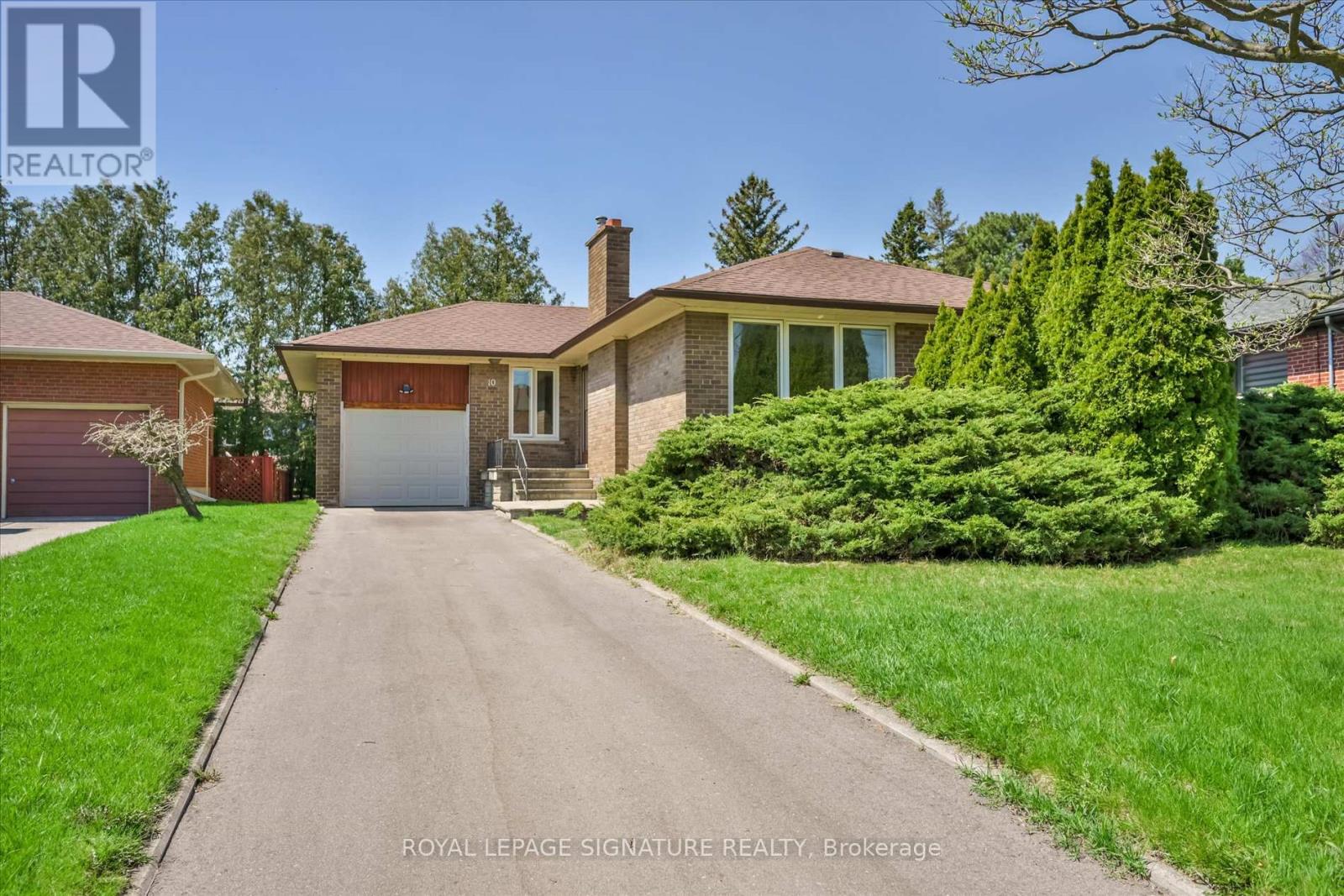 For Sale
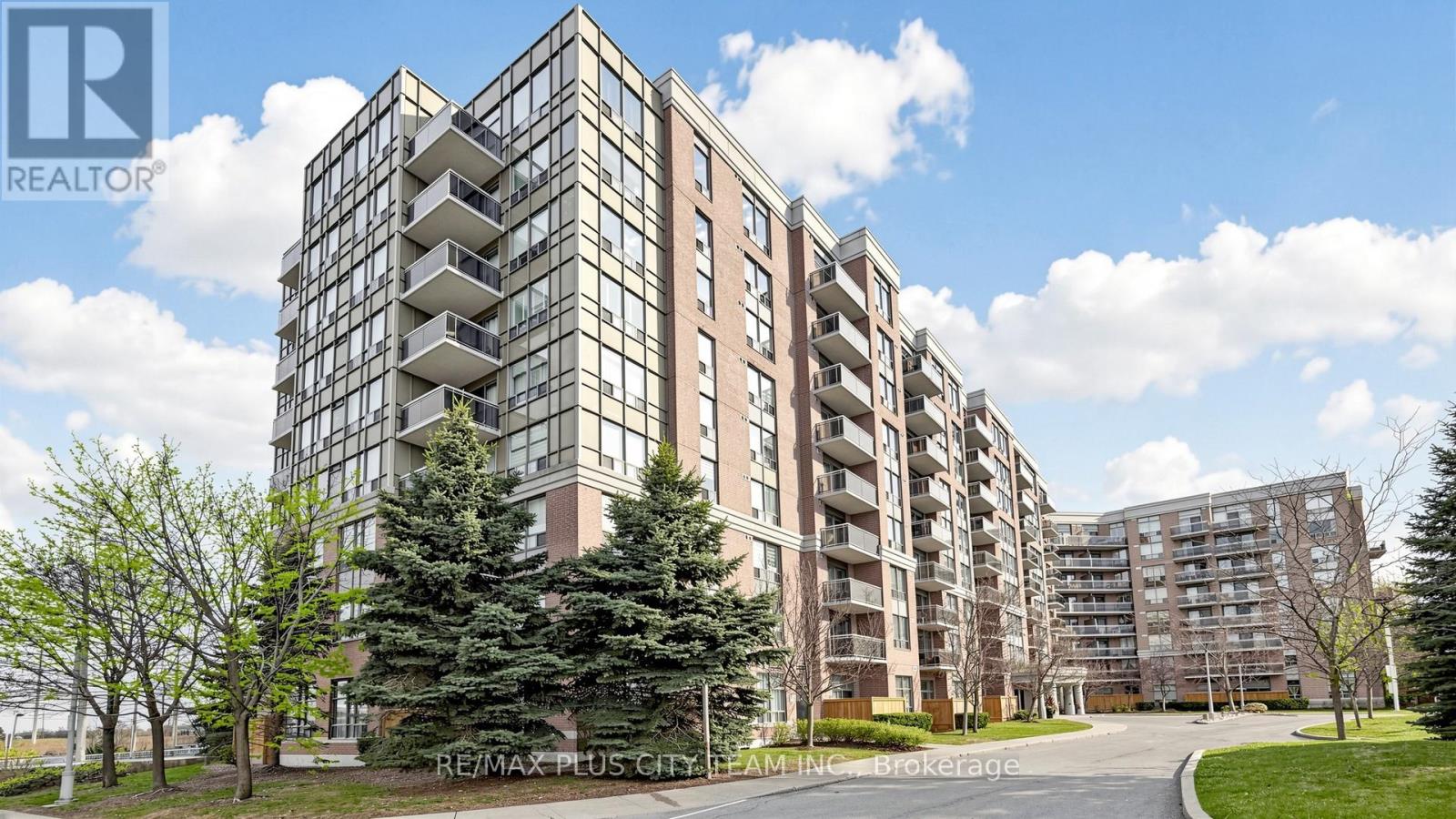 For Rent
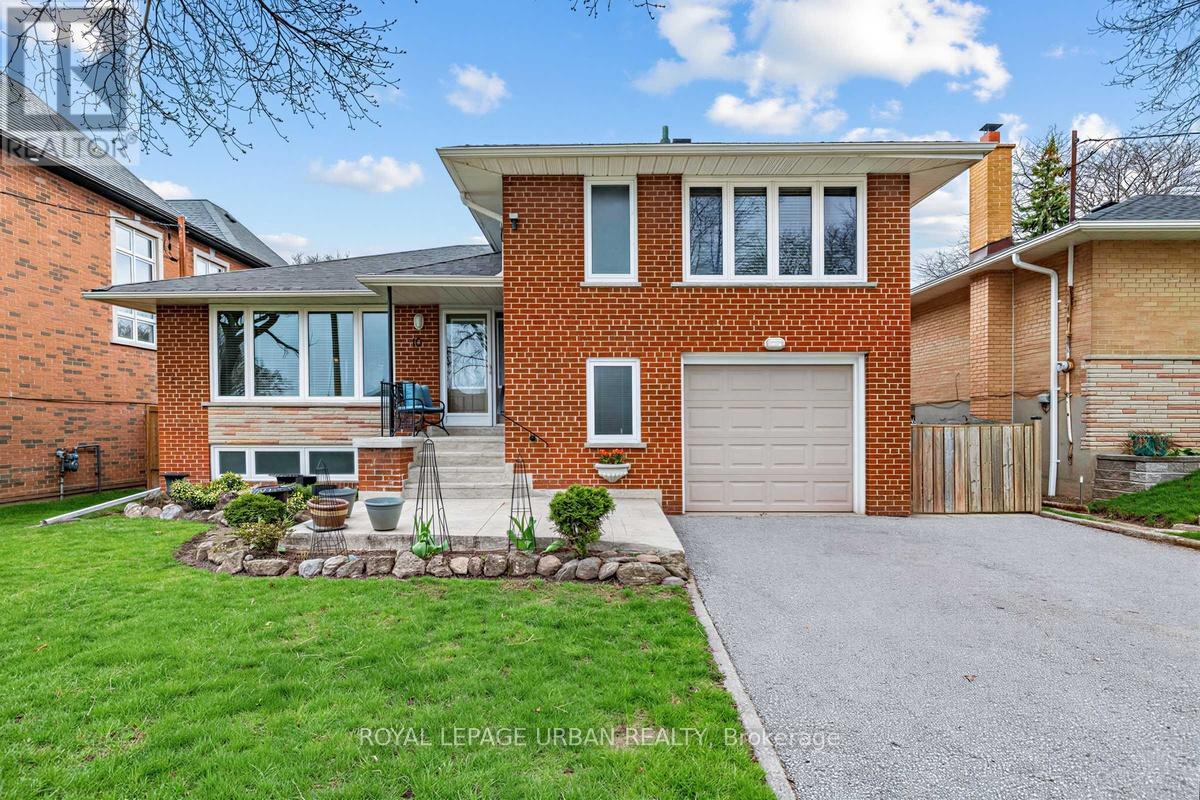 For Sale
 For Sale