
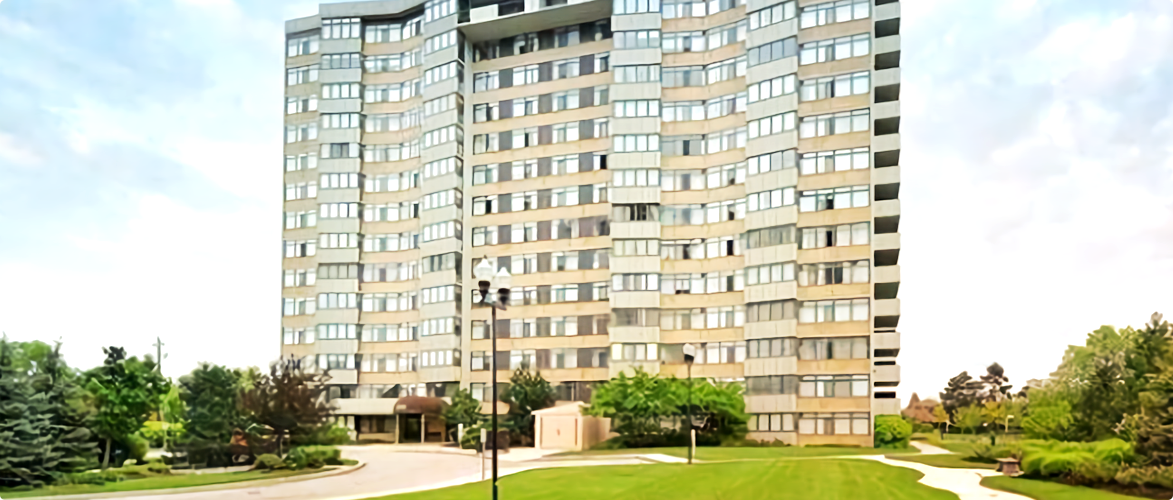
Westminster-Branson is a diverse North York neighbourhood west of Bathurst Street with established Jewish and Eastern European community roots. It offers accessible postwar detached housing, a well-stocked Bathurst commercial corridor including kosher food options, Wilson subway station connections, and Humber Valley trail access to the west.
Westminster-Branson sits in the northwest corner of North York, west of Bathurst Street and north of Wilson Avenue, in a part of the city that rarely comes up in real estate conversations outside of the communities that know it well. It’s bounded roughly by Bathurst to the east, Sheppard Avenue West to the north, and the Green Belt and Humber River lands to the west. The neighbourhood takes its name from the Branson area, historically associated with the Branson Hospital site and the community institutions that developed around the western Bathurst corridor.
The character here is working-class and diverse, with a community mix that reflects decades of immigration from the former Soviet Union, South Asia, and the Caribbean, layered over an older Jewish community that settled in this part of North York in the 1970s and 1980s. The Bathurst Street corridor has community institutions, synagogues, restaurants, and service businesses that reflect the Jewish and Russian-Jewish community specifically, and this gives the neighbourhood a particularity that many comparable North York addresses lack.
The housing stock is a mix of postwar detached and semi-detached homes that have been updated to varying degrees over the years. The streets are quiet and residential, with the occasional crescent providing traffic calming in the sections that were planned for it. Wilson station on Line 1 is accessible by bus, and Bathurst Street has consistent bus service, which makes the neighbourhood more transit-connected than its geography might suggest.
What buyers find in Westminster-Branson is a neighbourhood that hasn’t been discovered by the audiences that have pushed prices up in comparable North York communities. The prices remain accessible, the community is genuine and established, and the proximity to the Wilson subway station means that transit-forward buyers don’t have to completely sacrifice connectivity for affordability. It’s a neighbourhood that rewards research and penalises assumptions.
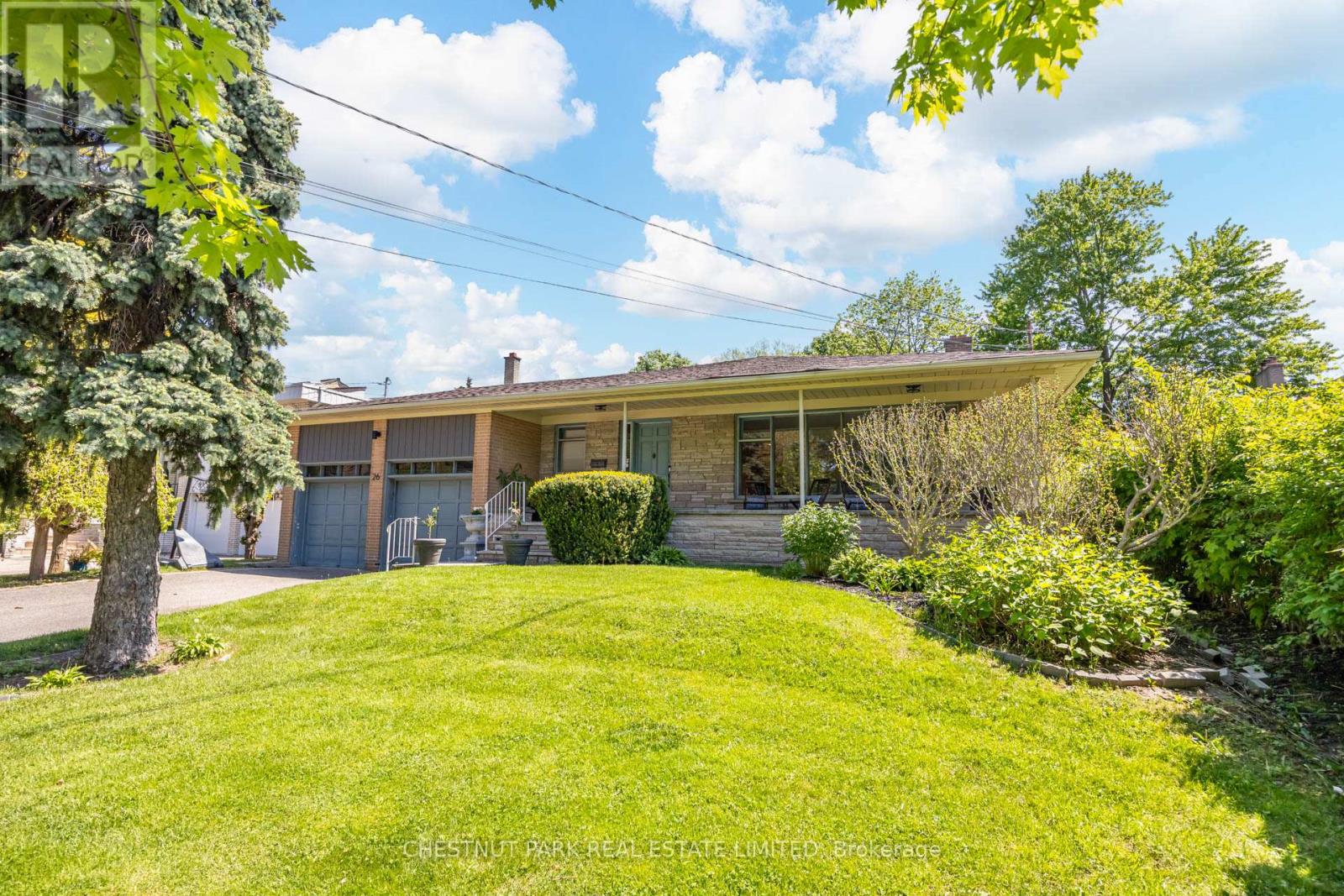
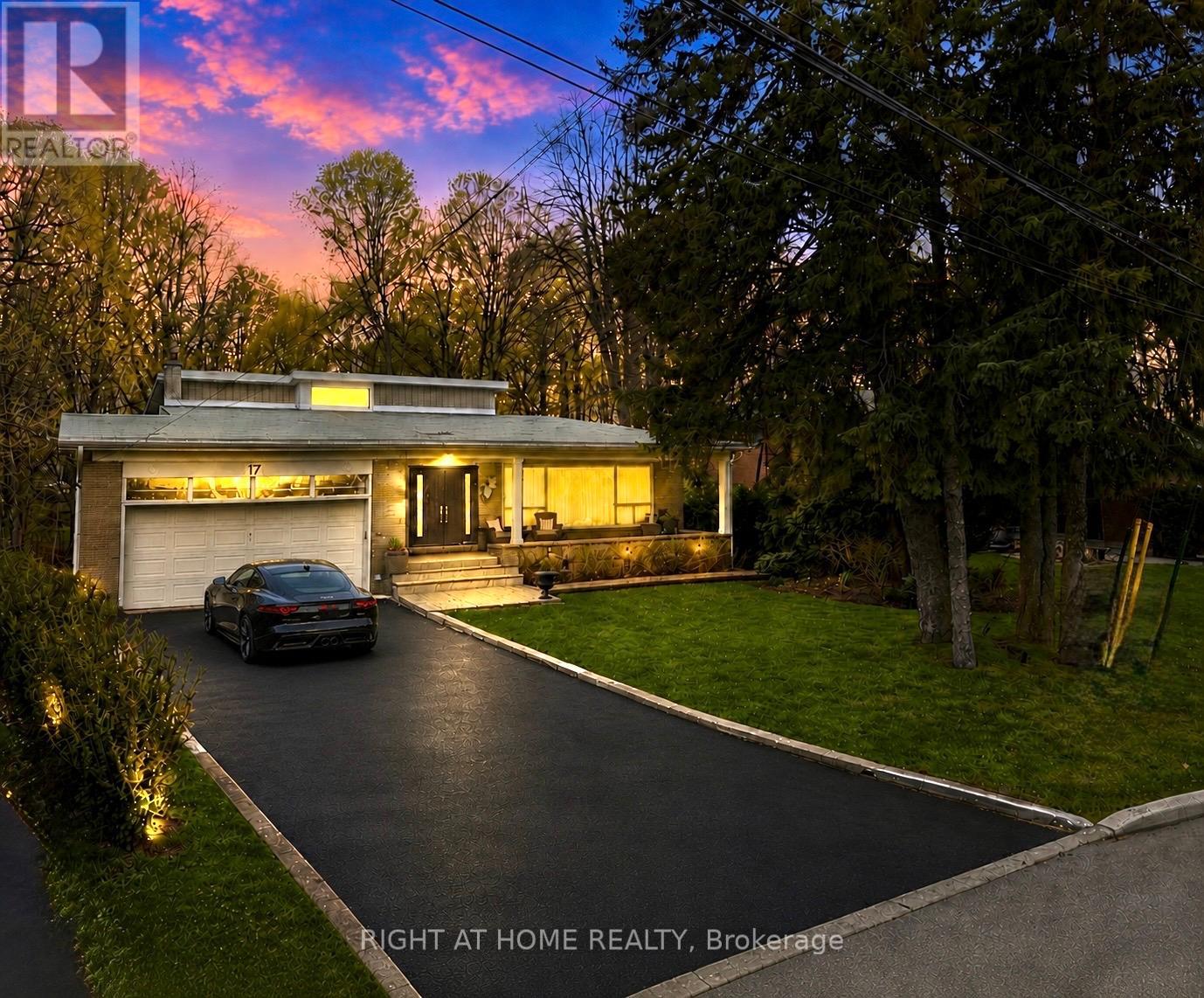
The housing in Westminster-Branson is predominantly postwar detached and semi-detached homes, with a scattering of bungalows, split-levels, and raised ranches that were built in the 1950s through the early 1970s. The detached properties are the primary market, with lot widths typically running 30 to 45 feet and depths of 100 to 120 feet. Some streets have larger lots in the 45 to 60-foot range, particularly in the sections of the neighbourhood with older housing or where original lots were subdivided less aggressively.
In 2026, detached homes in Westminster-Branson are trading in the $950,000 to $1.4 million range. The lower end reflects original or minimally updated properties on standard lots, while the upper end reflects renovated homes with finished basements, updated kitchens, and wider lots. Semi-detached properties come in below this band, typically in the $750,000 to $950,000 range, making them among the more accessible freehold options in this part of North York.
The neighbourhood also has some townhouse supply in certain sections, generally in the form of older freehold towns built in the 1970s and 1980s. These trade below the semi-detached range and provide an entry point for buyers who want freehold ownership at a price below $700,000. They’re not common enough to constitute a major segment of the market, but they’re present for buyers with a more constrained budget who are determined to stay in this part of the city.
The housing stock in Westminster-Branson is more varied in condition than in some comparable North York neighbourhoods. Because the price range is lower, there’s been less redevelopment pressure, and properties that would have been torn down and rebuilt in more expensive neighbourhoods are still standing here in original or lightly updated condition. For buyers who want to renovate themselves, there’s more genuine opportunity here than in Newtonbrook or Parkwoods where the renovation work is more likely to have already been done.
Westminster-Branson’s market operates at a pace that reflects its relatively lower profile compared to other North York neighbourhoods. Well-priced properties sell, but the process is generally less frenetic than in transit-adjacent communities further east or in the more competitive pockets near Yonge Street. Buyers have more time to be deliberate, and sellers need to price accurately to generate timely offers rather than assuming that a location premium will carry an overpriced listing.
The typical transaction involves a detached home priced with a formal offer date, attracting one to three competing offers on a well-priced property. Multiple-offer situations are common enough that buyers should be prepared for competition on anything that’s priced attractively, but the competition is less intense than in neighbourhoods like Maple Leaf or Newtonbrook at comparable price points. This reflects the neighbourhood’s lower profile and the smaller pool of buyers who have specifically sought it out.
Estate sales are a consistent feature of the market, as the Jewish and Eastern European immigrant community that settled here decades ago ages out of ownership. These properties often require meaningful updating and are priced to reflect the estate context, which means they represent genuine entry points for buyers who are comfortable with the renovation process. An estate sale bungalow in Westminster-Branson, properly inspected and correctly priced, can be a good starting point for a buyer who wants to establish themselves in the neighbourhood at a lower entry price and build equity through improvement.
Days on market are generally longer than in higher-profile neighbourhoods, which is partly a function of the buyer pool size and partly a function of sellers sometimes pricing aspirationally before coming to a realistic market price. Buyers who have patience and a clear sense of value can occasionally negotiate on properties that have been sitting, particularly in slower market periods. This is a genuine opportunity that doesn’t exist in markets where every property generates immediate competition.
Westminster-Branson attracts buyers who’ve been priced out of more established North York communities and who are willing to accept a neighbourhood with less name recognition in exchange for a lower entry price and a quieter residential experience. Many buyers are first-generation immigrants, particularly from the former Soviet Union and South Asia, who are drawn to a neighbourhood where community institutions reflect their backgrounds and where the commercial strip on Bathurst provides familiar services.
There’s also a consistent buyer profile among young families who’ve been outbid repeatedly in Maple Leaf, Newtonbrook, and comparable neighbourhoods and have arrived in Westminster-Branson having recalculated their priorities. These buyers typically stay, because the neighbourhood delivers what they came for: space, quiet streets, and a community that functions. The name recognition deficiency that kept prices lower turns into a lifestyle advantage once they’re living there.
The Jewish community buyer profile is still present but has thinned over the past two decades as second and third-generation families have moved to Thornhill, Richmond Hill, and Vaughan. What remains is a community anchor, not the dominant demographic it once was, and the neighbourhood has diversified significantly around it. The community institutions remain active and continue to attract buyers who specifically want proximity to them.
Investors are present in Westminster-Branson, attracted by the relatively lower prices and the rental demand generated by its proximity to the Wilson subway station and Bathurst. The economics of a basement suite in a Westminster-Branson bungalow are reasonable at current prices, and the transit access means rental demand is more stable than in more isolated parts of North York. Buyers who are considering a purchase with rental income in mind will find the numbers more compelling here than in Parkwoods or Maple Leaf, where the higher entry prices compress the rental yield.
The streets in Westminster-Branson vary in character between the sections of the neighbourhood closer to Bathurst and those further west toward the Humber River. The eastern sections, closer to Bathurst Street, have better transit access and proximity to the Bathurst commercial corridor, with the trade-off of more traffic influence from Bathurst itself. Streets set back from Bathurst by a few blocks have the best of both: reasonable proximity to services without direct exposure to the arterial.
Floradale Avenue, Westminster Avenue, and the streets in this central band of the neighbourhood are consistently solid residential addresses. The lots are typical for the area, the tree cover is reasonable for postwar North York, and the character is quiet without being isolated. These are the streets where well-maintained originals and partial renovations sit alongside each other, giving buyers a clear sense of what the neighbourhood looks and feels like at its best and at its most average.
The sections of the neighbourhood closer to Sheppard Avenue West at the northern boundary are more exposed to Sheppard traffic and benefit from proximity to the Sheppard commercial strip. Properties on or near Sheppard directly are affected by the traffic, while those set back on the residential streets have the advantage of Sheppard’s retail within walking distance without the road noise. The same pattern applies here as in other North York boundary-street situations: interior streets are the preference, with boundary adjacency being a useful convenience rather than an address you actually want.
The western edge of the neighbourhood, approaching the Humber River green space, has a different character from the Bathurst-adjacent streets. The properties here are less dense, the lots can be larger, and the proximity to the ravine system is a genuine quality-of-life asset. There are fewer listings from this western section at any given time, which means that when properties become available, they’re worth knowing about. Buyers who specifically want ravine proximity and are willing to be further from the Bathurst corridor should be watching this end of the neighbourhood consistently.
Wilson station on Line 1 (Yonge-University) is the neighbourhood’s primary transit connection, accessible by bus from the eastern portions of the neighbourhood or by a 15 to 25-minute walk depending on the specific street. The 96 Wilson bus runs east-west along Wilson Avenue and connects to the station. From Wilson station, downtown Union Station is approximately 25 to 30 minutes by subway. For a North York neighbourhood that’s not immediately on the subway line, this connection is better than average.
Bathurst Street has consistent bus service on the 7 Bathurst route, which runs north-south and connects south to Bloor and Line 2, and north toward the Downsview area. This provides an alternative transit axis for residents heading to different parts of the city. The combination of Wilson bus connections and the Bathurst route means that transit-dependent residents have two viable options, which is more than many comparable North York neighbourhoods offer.
Sheppard Avenue West at the northern boundary has bus service connecting east toward Yonge and west toward Humber College and Rexdale. For residents near the northern edge of the neighbourhood, the Sheppard bus provides crosstown connectivity that’s independent of the Wilson Avenue route. Allen Road, which connects north toward Highway 401, is a few minutes’ drive east of the neighbourhood, and the 401 itself is accessible via Allen or via Dufferin or Bathurst heading north.
Cycling infrastructure in the neighbourhood is limited to local streets and the Humber River trail system to the west. The Humber Valley trail is one of Toronto’s better off-road cycling routes, running from the waterfront north through the valley, and it’s accessible from the neighbourhood’s western edge. For residents who want recreational cycling, the Humber trail is a genuine asset. For commute cycling to downtown or other employment nodes, the route involves navigating busy arterials without adequate cycling infrastructure, which limits practical cycling for most residents.
The Humber River trail system is the most significant natural amenity accessible from Westminster-Branson, and it’s one of the neighbourhood’s genuine advantages over comparable North York communities further east. The Humber Valley trail runs north-south through the river valley, connecting the waterfront at Humber Bay north through Etobicoke and into the regional trail network. Access points from the neighbourhood’s western edge put the trail within walking or cycling distance of most streets, and the trail quality through this section of the valley is consistently good.
G. Ross Lord Park, to the north and west of the neighbourhood, is one of North York’s larger parks, with significant open space, a dam and reservoir, and trail connections that extend through the Humber Valley. The park is a substantial green space that gives residents access to natural experiences that aren’t typically available this close to a dense residential neighbourhood. It’s not immediately adjacent to Westminster-Branson, but it’s within a 10-minute cycling or driving distance and serves as the primary destination park for residents who want more than a neighbourhood park delivers.
Westminster Park provides local park infrastructure within the neighbourhood, with a playground, sports area, and open space. It’s a typical neighbourhood park that handles daily recreational needs for families on the surrounding streets. The park is well-maintained and gets consistent use, and its central position in the neighbourhood makes it accessible on foot from most residential streets.
The Downsview Park area to the east, which is undergoing transformation from the former military base into a mixed urban park and residential area, is accessible from Westminster-Branson and will improve as the development matures. The trails connecting toward Downsview Park give residents an additional off-road option that will become more interesting as the park’s development progresses. The combination of the Humber Valley to the west, the local neighbourhood parks, and the emerging Downsview trail connections to the east gives Westminster-Branson a green space endowment that’s better than its reputation would suggest.
Bathurst Street is the commercial spine for Westminster-Branson, and it carries the character of the community it serves. The stretch of Bathurst north of Wilson Avenue has a dense mix of Jewish delis, bakeries, and food shops alongside Eastern European grocery stores, Russian-language service businesses, and the practical retail that any working commercial street requires. It’s the kind of strip that functions differently depending on who you are and what you’re looking for: for residents who know what they want and where to find it, it’s excellent. For outsiders, it requires some navigation.
The kosher grocery and food options on this stretch of Bathurst are among the best in Toronto. Delis, butchers, bakeries, and specialty food stores serve a community that takes food seriously, and the quality and selection are genuine. For buyers who keep kosher or who want access to quality kosher food without a major detour, this is a real practical advantage that’s hard to find in Toronto outside of a few specific corridors.
Wilson Avenue, along the southern boundary, has additional strip retail including grocery stores, banks, and service businesses. The intersection of Wilson and Bathurst is the main commercial node for the neighbourhood and provides a practical concentration of daily services within walking distance of many residential streets. For residents who want to manage most daily errands without a car, this intersection covers the basics.
For a broader retail experience, Yorkdale Shopping Centre is accessible to the east by bus and provides the full range of mall retail that residents occasionally need. For dining beyond the Bathurst strip, the commercial corridors along Lawrence Avenue West and Dufferin Street provide additional options within a short drive. The neighbourhood is not a dining destination for Torontonians from other parts of the city, but residents who appreciate Eastern European and Jewish food have some of the best options in the city within walking distance of their front door.
The TDSB public elementary schools serving Westminster-Branson include Branson Public School, which has served the neighbourhood for decades and has a strong community relationship. The school population reflects the neighbourhood’s diverse demographics and the school functions as a genuine neighbourhood anchor. French immersion options are available within the TDSB district, and families committed to immersion should verify the specific feeder school for their address.
Secondary school students from Westminster-Branson are primarily served by C.W. Jefferys Collegiate Institute, located in the broader North York area. Jefferys has a large and diverse student population and offers a range of secondary programs. It’s not among the TDSB’s high-profile academic secondary schools, but it’s a functional community school that prepares students for post-secondary pathways. Buyers for whom secondary school academic reputation is a major factor in their purchase decision should research the current catchment and program offerings carefully.
On the Catholic side, the TCDSB serves the neighbourhood through elementary schools in the western North York area, with secondary students typically attending schools in the TCDSB’s northwest Toronto cluster. As always, Catholic eligibility is tied to baptismal status and families should verify their specific eligibility and catchment routing before making purchase decisions based on school access.
The Bnei Akiva school system and several Jewish day schools are accessible from Westminster-Branson, with community school options for families committed to Jewish day school education. The proximity to the Jewish community institutions on Bathurst Street makes Westminster-Branson one of the more practical North York locations for families who are choosing a Jewish day school path, as the community transport arrangements and community connections that support this choice are concentrated in this area.
Westminster-Branson has seen modest development pressure compared to other North York neighbourhoods, but the area around Wilson station has been identified for intensification and some development activity is underway in the broader Wilson Avenue corridor. Mid-rise residential development near the station area is consistent with provincial transit-oriented community policy, and applications for higher-density residential along Wilson have been moving through the planning process. This development affects the main street character rather than the residential interior, which means most of the neighbourhood’s streets are insulated from its direct effects.
Downsview, to the east, is the most significant nearby development story and will continue to be for decades. The transformation of the former Downsview military base into a mixed residential, employment, and park district is adding population and activity to the broader area. As Downsview develops, it will improve the urban context on the eastern edge of Westminster-Branson’s catchment and expand the range of services and employment accessible from the neighbourhood. The timeline is long, but the direction is clear and the early phases are visible.
The Sheppard Avenue West corridor, along the neighbourhood’s northern boundary, has seen some infill development in the broader area, and the Sheppard West (Downsview) subway station is a significant transit hub that anchors this corridor. Development pressure around the station area is ongoing and will continue as the Downsview Park project matures and adds population to the area. For Westminster-Branson, this means improving services and transit connections in the medium term.
Within the neighbourhood itself, the development story is primarily about gradual private investment in the housing stock. Properties that have been held since the 1970s or 1980s are being renovated as they change hands, and the quality of the housing stock is improving incrementally. Westminster-Branson is not on a transformation trajectory that would displacing its community character, but it is improving steadily as investment flows in and long-held properties are updated.
Is Westminster-Branson a good neighbourhood for a Jewish family looking to be in community? It depends on what that means specifically. The Bathurst corridor through this area has a concentration of Jewish community institutions, kosher food options, and community services that’s genuinely one of the stronger Jewish community pockets in North York. The Jewish population in the neighbourhood is smaller than it was 20 years ago, with many families having moved to Thornhill and Richmond Hill, but the institutions remain active and the community is real. For families who want to be within walking distance of a synagogue and kosher grocery, Westminster-Branson is a practical choice at a lower price point than Newtonbrook or Lawrence Park. For families who want to be immersed in a dense Jewish community in the way that some Thornhill streets feel, the neighbourhood is less concentrated than it once was.
How close is Westminster-Branson to the Wilson subway station? It depends on the specific street. The eastern portions of the neighbourhood, close to Bathurst and Wilson, are within a 15 to 20-minute walk of Wilson station on Line 1. Residents on the western streets, closer to the Humber, are looking at a 25 to 35-minute walk or a bus connection on the 96 Wilson route. The bus ride to the station is typically 10 to 15 minutes from any point in the neighbourhood. Wilson station gives direct subway access to Yorkdale (one stop south), and from there the network connects to the broader system. The total commute from Westminster-Branson to downtown Union Station is 40 to 50 minutes door-to-door by transit, which is manageable for most buyers.
What are the main things to look for when viewing a house in Westminster-Branson? The same items that matter in any postwar North York bungalow apply here: foundation drainage and waterproofing, electrical panel condition and wiring age, roof and attic state, and the condition of any basement finishing work. The neighbourhood has a higher proportion of original or minimally updated housing than comparable Newtonbrook or Parkwoods addresses, which means there’s more potential for deferred maintenance, but also more opportunity for buyers who can evaluate a property accurately. A pre-purchase home inspection by an experienced inspector is essential. Pay particular attention to the basement condition and any evidence of water infiltration, which is the most common major expense in this housing stock.
What makes Westminster-Branson worth considering over Maple Leaf or Amesbury at similar prices? The transit connection is the primary practical advantage. Wilson station, even if it requires a bus ride to reach, is closer and more accessible from Westminster-Branson than the nearest subway station from Maple Leaf. The Bathurst commercial strip, with its kosher food options and community services, is unique in North York and directly relevant to a specific buyer profile. For buyers who don’t need the Bathurst community specifically and are purely comparing transit access and housing value, the neighbourhoods are broadly comparable. Westminster-Branson’s advantage is for buyers who value the community character of the Bathurst corridor, whether for food, community institutions, or the sense of living in a neighbourhood with a specific and genuine identity.
Westminster-Branson requires a buyer’s agent who knows the neighbourhood at the street level rather than treating it as a generic North York address. The variation between the eastern Bathurst-adjacent streets and the western Humber-adjacent streets is meaningful, both in terms of transit access and community character, and the school catchment situation for secondary school should be researched at the specific address level rather than assumed. An agent who has recent transaction experience in the neighbourhood will be able to give you this granularity quickly; one who doesn’t will cost you time and potentially a misaligned purchase.
The estate sale market in Westminster-Branson is active and represents genuine opportunity for buyers who understand it. When a property from the 1960s buyer generation comes to market through an estate process, it’s often priced below what a renovated comparable would fetch, priced to sell within a reasonable timeframe rather than to maximise every dollar. These properties require a proper inspection and a clear-eyed renovation budget before the offer, not after. Your agent should be helping you develop that budget in advance so you can bid confidently rather than conservatively because you’re unsure of what you’re taking on.
The Jewish day school question comes up regularly in Westminster-Branson transactions, and an agent who knows the neighbourhood understands the community transport logistics, the specific school locations, and the practical implications of choosing different streets for this consideration. This is the kind of local knowledge that makes a meaningful difference in the quality of advice an agent can give, and it’s worth asking about specifically when you’re evaluating who to work with.
For financing, buyers who intend to use rental income from a basement suite need to understand the lender documentation requirements as discussed for other neighbourhoods in this area. Westminster-Branson has a higher proportion of undocumented or unpermitted basement suites than some comparable neighbourhoods, because the price range has historically attracted buyers who were solving a practical problem rather than following a formal process. Identifying whether a basement suite is permitted, and what it would cost to bring it into compliance if it’s not, is due diligence that should happen before the offer, not after.
Street-level knowledge is hard to find online. Our team works in Westminster – Branson every day. They know which pockets hold value, where the school catchment lines actually fall, and what the market is doing right now. Talk to us before you make a decision about Westminster – Branson.
Talk to a local agent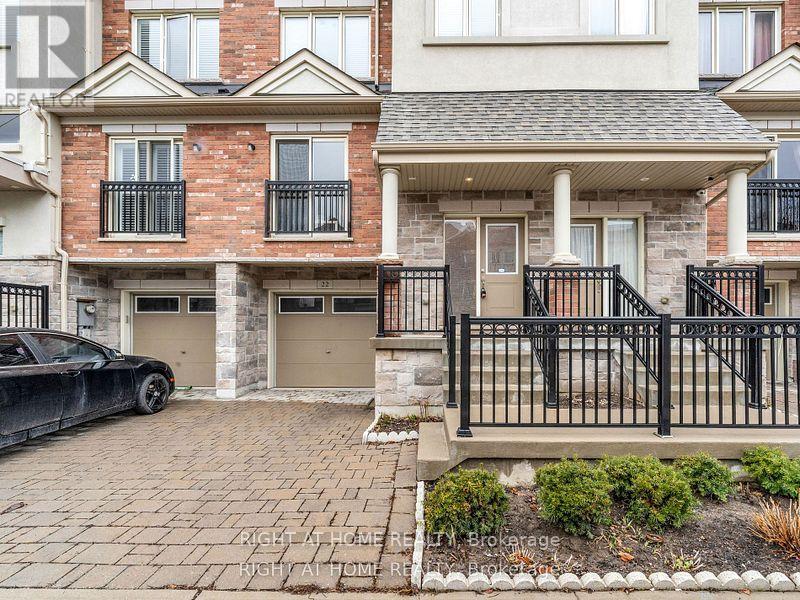 For Rent
 For Sale
 For Sale
 For Sale