
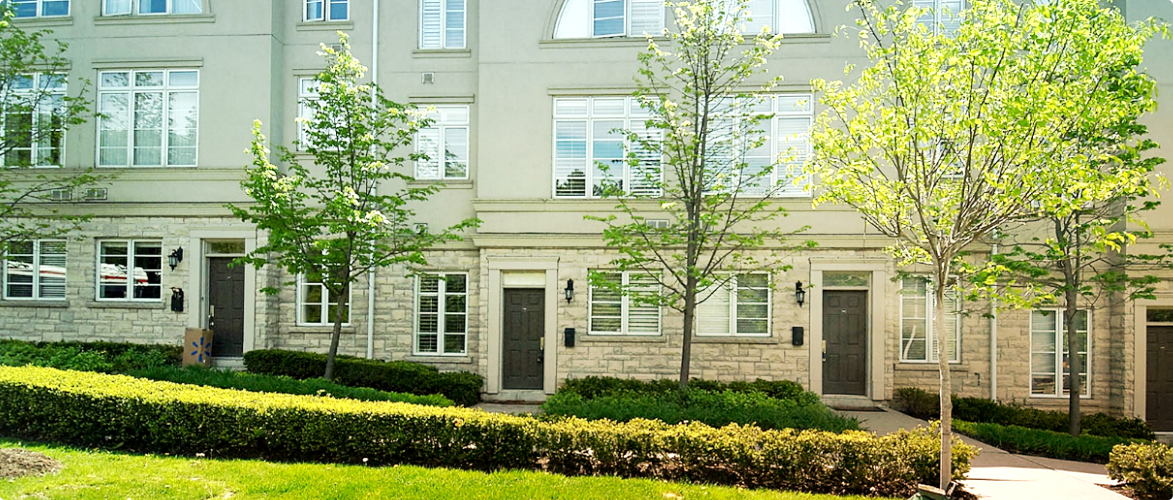
York Mills-Windfields is one of Toronto most established wealthy neighbourhoods in North York, built on the legacy of the Windfields Estate. Large lots, estate-scale homes, ravine settings, proximity to Crescent School and Toronto French School, and a quiet prestige address define what buyers are purchasing here.
York Mills-Windfields is one of Toronto’s most established wealthy neighbourhoods, sitting in North York east of Yonge Street between Lawrence Avenue and Sheppard Avenue. It carries the kind of address that people in certain professional circles recognize without explanation. Executives, lawyers, surgeons, and their families have lived here for generations. The streets are quiet, heavily treed, and lined with properties that cost serious money and look it.
The Windfields name connects directly to E.P. Taylor’s famous Windfields Estate, the horse-breeding property that occupied a significant portion of this land before it was developed. The legacy is partly in the street names and partly in the scale and spacing of the properties that replaced it. The lots here are large by Toronto standards, many running to half an acre or more, and the homes that sit on them reflect decades of wealth and investment.
The neighbourhood sits in a bowl of ravines and golf courses. The Don River ravine system runs along the eastern edge. The Rosedale Golf Club and the Toronto Cricket, Skating and Curling Club are both in the immediate area, which is not coincidental. This is a neighbourhood where membership in those institutions has been part of the social fabric for a long time.
York Mills Road itself is a commercial and transit corridor, but it’s a narrow one. The main character of the neighbourhood exists on the streets running north and south of it, on the long residential drives that wind through the trees, and in the properties that you don’t see from the road because the setbacks and landscaping ensure privacy.
The neighbourhood draws buyers who are finished with the compromises that come with addresses lower on the price scale. They’re not trading off space for transit access, or lot size for school ranking, or quiet for amenity. They’re paying to have everything in a single package, and the York Mills-Windfields corridor delivers that, at a price that makes it one of Toronto’s most exclusive residential addresses.
The housing in York Mills-Windfields is primarily large detached homes on substantial lots, with a smaller number of luxury townhomes and low-rise condominiums at the neighbourhood’s edges. This is not a neighbourhood with a mix of housing types. The dominant product is a large house on a large lot, and that’s by design and by market reality.
Lot sizes vary from generous to truly estate-scale. Many properties along the premium streets, including parts of Fifeshire Road, Wilket Road, and the winding drives east of Bayview, sit on lots exceeding half an acre. Some exceed a full acre. These are rare in Toronto, and buyers willing to pay for them are effectively paying for land that could not be replicated by assembly in most of the city.
Architecturally, the neighbourhood spans several eras. Some homes are mid-century custom builds that have been maintained and renovated over decades but retain their original bones. Others are more recent custom builds, ranging from traditional Georgian and Colonial-style brick homes to more contemporary designs. Teardowns and rebuilds have accelerated over the past decade, with the older bungalows and more modest homes being replaced by significantly larger structures. The quality range of new construction is wide: some custom homes here represent genuinely excellent architecture; others are expensive but aesthetically generic.
In 2026, the entry price for a detached home in York Mills-Windfields is approximately $2.5 million for a more modest property on a standard lot. Homes in the $3.5 to $5 million range are representative of the broad middle of the market: solidly large, well-finished, and sitting on 60- to 80-foot lots. Properties above $5 million include the large estate-scale homes on ravine lots, custom rebuilds on premium streets, and anything with exceptional size, lot, or setting. The ceiling is high, with some transactions exceeding $10 million for exceptional properties.
Condominiums are present at the York Mills Road corridor and along the neighbourhood’s edges, but they’re a peripheral product type here. Buyers looking specifically for condo living at this address are a small market, and the available options are limited compared to the freehold supply.
The York Mills-Windfields market operates at its own pace, which is slower and more deliberate than high-volume neighbourhoods. Turnover is low. Families who buy here tend to stay for decades, and the supply of available properties at any given time reflects that. In a typical year, the number of detached transactions in the neighbourhood is relatively small, which means individual sales carry more statistical weight and comparables are sometimes thin.
Listings at the top end of the market often involve extended periods between listing and sale. The buyer pool for a $6 million or $8 million property in Toronto is small, and matching the right buyer to a specific property takes time. It’s not unusual for premium properties here to sit for several months, receive few showings, and ultimately sell to a buyer who had been patient and waiting for the right address. This is not a market where aggressive pricing strategies and ten-day possession timelines are typical.
At the entry end of the York Mills-Windfields market, around $2.5 to $3.5 million, competition is more active. There are more buyers in this range, and well-presented properties in this price band can attract multiple interested parties, particularly in spring market conditions. The school access to prestigious private schools nearby, including Crescent School and Toronto French School, draws buyers who have a specific school-driven timeline.
Off-market transactions are more common in this neighbourhood than in most. Many sellers at the high end prefer discretion, and well-connected agents often facilitate sales before a property reaches MLS. This is one of several reasons why local expertise and network connections matter more here than in more transparent, high-volume neighbourhoods. Buyers working with an agent who has genuine relationships in this community will have access to properties that others don’t know are available.
The luxury market in Toronto generally is influenced by broader economic conditions, equity markets, and business confidence, and York Mills-Windfields is not immune to those forces. Price softness at the top end has occurred in cycles. Buyers who do thorough comparables work and approach the market without urgency are typically better positioned than those who make quick decisions in a low-inventory environment.
York Mills-Windfields is a neighbourhood for buyers who have reached the financial stage where the main question is not what they can afford but where they actually want to live. The buyer profiles here are narrow in one sense, given the price point, and diverse in another, given the various paths that lead people to significant wealth in Toronto.
Established Toronto business families are a core buyer group, people whose families have been in the city for two or three generations and for whom a York Mills address has particular social meaning. For this group, the neighbourhood’s established character, its association with certain institutions and social networks, and the quality of its physical environment are all part of the appeal.
Senior executives and professionals, including corporate lawyers, finance professionals, and physicians, represent another consistent buyer profile. These buyers typically want a large home in a safe, quiet neighbourhood with good schools within a reasonable distance. They’re often moving from a mid-market North York or Midtown address where they’ve built equity and are now stepping up to the level that this neighbourhood requires.
International buyers, particularly from East and South Asia and the Middle East, have been present in this market for decades. A York Mills-Windfields address carries international recognition as a premium Toronto location, and buyers arriving in Canada with significant capital often identify it early in their search. The privacy of the large lots and the neighbourhood’s physical security and calm are draws that transcend local context.
The trade-offs buyers accept here are real. The neighbourhood is car-dependent for daily life in a way that subway-adjacent areas are not. The York Mills subway station serves it, but the walk to the station from most streets is substantial. Daily errands require a car. The neighbourhood’s quiet and privacy, which are assets for many, can feel isolated to buyers accustomed to walkable urban density. And at this price point, the opportunity cost of capital is significant: buyers at the $5 million and above level should be clear about what they’re giving up in alternative investments.
Fifeshire Road and its surrounding streets are among the neighbourhood’s most prestigious addresses. Properties here sit on large lots with mature tree cover, and the street itself has a quiet, estate-like character that represents what buyers mean when they describe York Mills-Windfields at its best. This is where some of the neighbourhood’s most significant custom homes are located, and where land values per square foot are among the highest.
The streets running east of Bayview Avenue, including Donino Avenue, Deanewood Crescent, and the drives winding through the Windfields area, carry the legacy of the original estate land most directly. Lots here tend to be generous, setbacks are large, and the sense of privacy is real. Some of the more interesting residential architecture in the neighbourhood is found in these winding streets, which were designed to feel removed from the city grid even though the subway is accessible in a car within minutes.
Closer to York Mills Road and Yonge Street, the built form is denser and the character changes. The York Mills Road corridor has more commercial activity, mid-rise residential, and a slightly more urban feel than the quieter streets to the north. For buyers who want the address but need more of an urban edge, this end of the neighbourhood provides it. For those who want maximum privacy and green setting, the deeper streets are the right choice.
The streets along the ravine edges, where properties back onto the Don River ravine system or overlook the golf courses, carry premiums that can be substantial. A ravine lot in this neighbourhood adds significant value, both financially and in terms of daily living. The views, the sound of the ravine, and the sense of being removed from the city while inside the city are genuine benefits that buyers are willing to pay for.
The section around Old Yonge Street, the original Yonge Street alignment that predates the arterial, has a historic character and some of the neighbourhood’s older properties. These are not always the most impressive homes in square footage, but the lots and the setting give them a character that appeals to buyers who want something beyond the standard large-house-large-lot formula.
York Mills-Windfields is a car-dependent neighbourhood for daily life, and buyers should enter with that understanding. The streets are not designed for pedestrian errands. Grocery shopping, school runs, recreational activities, and most daily tasks require a vehicle. Multi-car households are the norm here. Driveways are long, garages are large, and street parking is not a meaningful consideration.
The York Mills subway station on Line 1 provides transit access to downtown and the broader city. From York Mills station, a train reaches Bloor-Yonge in about seven minutes and Union Station in around fifteen. The station is accessible from many parts of the neighbourhood by car or a fifteen-to-twenty-five minute walk depending on where in the area you start. Some residents drive to the station and use the nearby parking. Others accept the walk as part of their commute. The transit option exists and is genuinely good; the neighbourhood just doesn’t put it within convenient walking distance for most homes.
Lawrence Avenue and York Mills Road are the main arterials serving the neighbourhood for east-west travel. Yonge Street runs along the western edge and provides access to the 401 and to Downtown Toronto. The 401 itself is accessible via Yonge or via Don Mills Road to the east, both within a reasonable drive. For commuters who work in the eastern suburbs, at the 401 and Don Mills or Leslie corridor, the neighbourhood’s location is well-suited.
Cycling is not a practical mode of transportation in York Mills-Windfields for most residents. The streets are not built for cyclists, there’s minimal cycling infrastructure, and the distances between residential areas and services are too long for casual cycling to be sensible. Some residents cycle recreationally through the ravine trails, which are accessible from the neighbourhood’s eastern edge.
The neighbourhood’s car-dependence is a deliberate product of its design and geography. For buyers with multiple vehicles and no need or desire to be transit-first, it’s not a hardship. For buyers who’ve been living without a car in a walkable Toronto neighbourhood and are considering the move here, the lifestyle adjustment is real and worth planning for.
The green space situation in York Mills-Windfields is one of the neighbourhood’s defining assets. The Don River ravine runs along the eastern edge of the neighbourhood and provides access to the extensive ravine trail network that threads through North York and connects south to the lower Don and east to the Scarborough Bluffs. Residents in the eastern parts of the neighbourhood can access these trails from their own streets or from the ravine access points along Bayview Avenue.
The golf courses in the immediate area, including the Rosedale Golf Club on Yonge Street and the Toronto Cricket, Skating and Curling Club on Wilson Avenue at the neighbourhood’s western edge, are not public parks, but their presence shapes the physical environment. They represent significant open green space that will not be developed, and they contribute to the neighbourhood’s sense of leafy separation from urban density. Members of these clubs have recreational amenities essentially at their doorstep.
Windfields Park itself, inside the neighbourhood, provides a local park option. It’s modest in size but serves the immediate residential streets. The broader Windfields Estate area, now developed as residential, retains some green space in the form of parkland and tree preservation that was part of the original planning approvals.
The ravine system is the standout green amenity for this neighbourhood. The trail network connects to Edwards Gardens, the Toronto Botanical Garden on Lawrence Avenue East, which is one of the better public gardens in the city and is walking or cycling distance from much of the neighbourhood. Edwards Gardens and the ravine trails connecting to it provide a genuine destination for residents who want extended walking routes with natural scenery close to home.
The mature tree canopy on the residential streets themselves is part of the green experience. Many streets have trees that are 60 to 80 years old, providing the kind of overhead canopy that takes generations to develop. This is part of what buyers pay for in an established neighbourhood like this, and it’s something that no amount of new construction can quickly replicate.
York Mills-Windfields does not have a significant commercial strip within the neighbourhood. This is deliberate. The residential streets here are purely residential, and the nearest retail activity is concentrated on York Mills Road, on Lawrence Avenue, and on Yonge Street at the neighbourhood’s borders.
The York Mills Centre and nearby commercial nodes along York Mills Road provide practical retail including a grocery store, pharmacy, banks, restaurants, and professional services within a short drive. These are not destination retail areas, but they serve daily needs efficiently. The concentration of high-end professional services, financial advisors, medical specialists, and legal offices in the York Mills Road corridor reflects the neighbourhood’s demographic.
For higher-end retail and restaurant experiences, residents typically drive to Yorkville, St. Clair West, or to some of the North York retail options further along Yonge. Bayview Village Shopping Centre on Bayview Avenue is a more upscale suburban mall with specialty retail, quality grocery in Loblaws, and a range of restaurants that serve the North York luxury market. It’s a fifteen-minute drive from the heart of the neighbourhood.
Restaurants in the immediate area are limited in number and range. The Yonge Street corridor at York Mills carries a handful of dining options, mostly casual and practical rather than destination dining. For serious restaurant experiences, this neighbourhood drives downtown, which is a thirty-to-forty-five minute drive depending on the time of day.
The lack of walkable retail is a trade-off that buyers accept consciously. The neighbourhood’s residential character depends on its separation from commercial activity. Some residents value the privacy and quiet that comes with that separation. Others find it inconvenient and compensate by making regular drives to provision the household. Both are realistic responses to the neighbourhood’s structure, and buyers should be clear about which describes their own priorities before committing to an address here.
Schools are a significant factor in York Mills-Windfields, not because the public school system here is dominant, but because the proximity to Toronto’s most prestigious private schools is genuinely exceptional. Crescent School, an independent boys’ school on Bayview Avenue just east of the neighbourhood, serves grades 3 through 12 and has one of the strongest university placement records of any school in Toronto. Its proximity to this neighbourhood is not coincidental, and many families who buy here do so partly with Crescent School in mind.
Toronto French School (TFS), on Bayview Avenue north of Lawrence, is one of Canada’s most prominent independent schools, offering French and English bilingual education from junior kindergarten through grade 12 with the International Baccalaureate. It draws from across Toronto and is accessible from York Mills-Windfields in a short drive. Families who prioritize bilingual private education and have the TFS fees within their budget treat proximity to the school as part of the neighbourhood’s value.
York Mills Collegiate Institute is the public secondary school serving this catchment. It’s located on York Mills Road and carries a reasonable academic reputation. For families using the public system, it provides a solid secondary option. The school has offered a variety of programs over the years and feeds students to universities across Canada. Its catchment is a useful backstop for families who may not ultimately send children to private school, or who have children at different stages of education.
At the public elementary level, several TDSB schools serve the neighbourhood, and the quality of the schools in this part of North York is generally considered strong relative to the broader school system. However, many families in this neighbourhood use private schooling from junior kindergarten onwards, which means the public elementary schools in the catchment see relatively lower enrollment from neighbourhood families compared to some other areas.
French immersion through the TDSB is available at some North York schools accessible from this area. Parents with specific program requirements should confirm current availability and catchment assignments directly with the board, as these can change.
York Mills-Windfields is one of the more stable and slow-changing neighbourhoods in Toronto, which is part of its appeal. The large lots and established zoning have historically protected the neighbourhood from the rapid intensification that has transformed other North York corridors. The residential character of the deep streets is unlikely to change materially in the foreseeable future.
That said, development pressure exists at the neighbourhood’s edges and along the commercial corridors. York Mills Road has seen mid-rise development applications in recent years, and the city’s Official Plan policies support intensification along arterials and near subway stations, which includes the York Mills station area. Several mixed-use proposals have been filed for sites along York Mills Road and at the intersection with Yonge Street. These won’t affect the character of the deep residential streets, but they do change the edges of the neighbourhood and can affect specific properties near those corridors.
The teardown and rebuild cycle is the most visible development activity within the residential neighbourhood itself. Older homes, including some from the post-war era and some from the 1970s and 1980s, are being replaced by larger custom homes. The pace has been consistent for a decade. Buyers purchasing an older home should be aware that neighbouring properties may be rebuilt during their period of ownership, which involves construction activity, temporary loss of privacy or view, and potential changes to the street character.
The Bayview Avenue corridor to the east has been subject to development applications for mid-rise and mixed-use buildings, consistent with the city’s policy for the Bayview corridor. Properties backing onto Bayview or with exposure to that corridor may be affected by development changes over time.
The overall trajectory of York Mills-Windfields is toward more value concentration rather than more density. As the city’s overall housing market continues to push up land prices, the properties here tend to hold and increase their value in absolute terms, even if the neighbourhood itself changes little in physical character. The long ownership cycles and limited turnover mean that value is stored here rather than turning over frequently.
What does $3 million actually buy in York Mills-Windfields? At $3 million in 2026, you’re typically looking at a well-maintained but not recently renovated detached home on a standard-to-generous lot, possibly a 60-foot lot, in a good but not premier location within the neighbourhood. You might also find a more modest bungalow or an older home in need of significant updating in a better location. At $3.5 to $4 million, the range expands to include nicely renovated homes with updated kitchens and bathrooms and a functional family layout. The premium addresses, the ravine lots and the estate-scale properties on Fifeshire Road and the Windfields streets, require more. Buyers who’ve spent time in the neighbourhood quickly develop a sense of what the money buys at each level, and it’s worth visiting enough properties to calibrate expectations accurately before committing.
Are the private schools nearby actually accessible or is it just marketing? Crescent School on Bayview and Toronto French School on Bayview are both genuinely close, reachable in a ten-to-fifteen minute drive from most of the neighbourhood under normal conditions. The schools do not guarantee admission to local residents. Both have competitive admissions processes. That said, having the schools close is a real practical benefit for families in the system: drop-off and pick-up logistics are simpler when you’re fifteen minutes away rather than forty-five. Whether the proximity justifies a significant price premium over an equally good home that’s further away depends on how central private schooling is to your family’s plan.
How does this neighbourhood compare to Lawrence Park or Forest Hill? Lawrence Park and Forest Hill are both closer to the urban core and more walkable, with denser commercial streets nearby. They tend to carry a Midtown Toronto identity that appeals to buyers who want proximity to restaurants, cafes, and urban life. York Mills-Windfields is more suburban in character: quieter, more car-dependent, with larger lots and a more estate-like feel. Lawrence Park at comparable price points often means a smaller lot with more neighbours visible. York Mills can offer more land and more privacy for the same money, but at the cost of urban walkability. The two address profiles attract somewhat different buyer profiles even at similar price points.
Is the neighbourhood good for raising children? For the specific kind of childhood it enables, yes. The streets are quiet and safe. The ravine and green space access is real. The private schools nearby are excellent by any measure. The community of families in the neighbourhood is tight-knit in the way that expensive, low-turnover neighbourhoods tend to be. Children grow up with other children from similar family backgrounds in a physically comfortable setting. What the neighbourhood does not offer is the kind of mixed urban experience you get in a denser, more diverse Toronto neighbourhood. Whether that matters depends on what parents want for their children’s formative experience, and it’s a question worth taking seriously rather than treating as self-evident.
Buying at the top end of the Toronto market requires a buyer’s agent with genuine connections in the neighbourhood, not just access to MLS. As noted above, off-market transactions are a meaningful part of how high-end properties in York Mills-Windfields change hands. An agent who knows which families are considering a move, who is trusted by the listing agents in this community, and who can make introductions before a property goes public, is providing access that has real monetary value. If your agent’s primary claim to expertise here is that they’ve searched the MLS and sent you listings, that’s a starting point, not a competitive advantage.
Due diligence on properties at this price point should be correspondingly thorough. A home inspection is necessary even on newly built custom homes. Major mechanical systems, including heating and cooling, water supply, and foundation conditions, need to be assessed by someone competent and thorough. For older homes, issues like knob-and-tube wiring under renovation work, inadequate foundation drainage on ravine lots, and structural modifications that weren’t permitted are all present in this neighbourhood’s older stock. The fact that a home has been expensive to maintain does not mean it’s been maintained correctly.
Survey and title issues are more common on large, older lots than on standard suburban lots. Encroachments, right-of-way questions, and title complexities can arise, particularly on estate-scale properties where the lot history is long and sometimes complicated. Have a real estate lawyer review the survey and title carefully. This is not a step to abbreviate because the price is high and everyone seems sophisticated.
For buyers coming from outside Canada or with complex financial structures, the interaction between ownership structure, tax treatment, and Foreign Buyer rules requires specific legal and tax advice before purchase, not after. The foreign buyer rules have changed in recent years and their application to specific ownership scenarios is not always intuitive. Getting this advice before making an offer, not during the conditional period, saves complications later.
Your buyer’s agent should also be direct with you about valuation. The thin comparable base in this neighbourhood, and the emotional weight that can attach to trophy properties, means buyers can overpay more easily here than in high-volume markets where comparables are abundant and the math is clear. A good agent will tell you honestly when a price is high relative to what the comparable evidence supports, even if you’ve fallen in love with the property.
Street-level knowledge is hard to find online. Our team works in York Mills (St Andrew-Windfields, Silver Hills) every day. They know which pockets hold value, where the school catchment lines actually fall, and what the market is doing right now. Talk to us before you make a decision about York Mills (St Andrew-Windfields, Silver Hills).
Talk to a local agent