
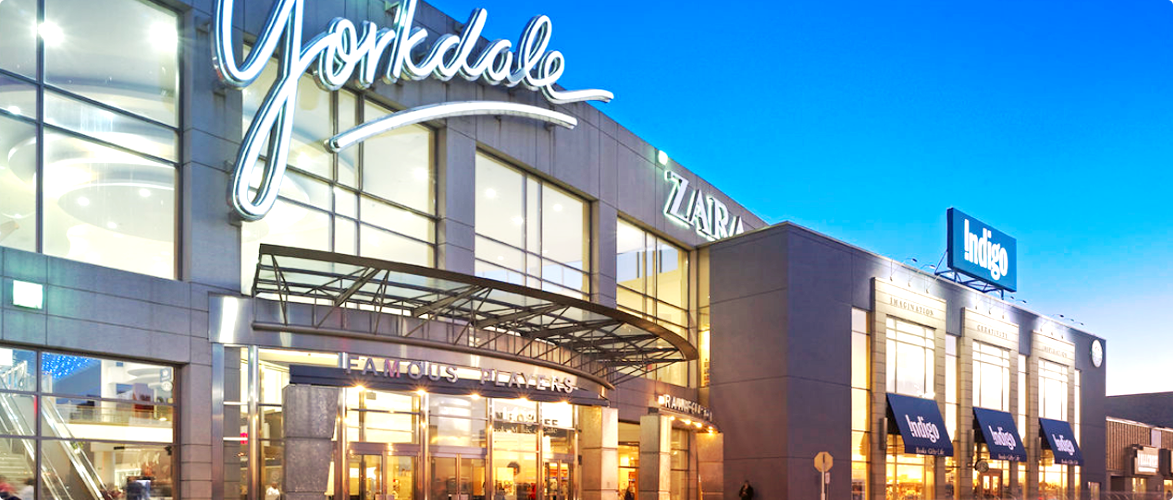
Yorkdale-Glen Park is a transitioning North York neighbourhood along the Allen Road corridor near Yorkdale Shopping Centre and Yorkdale subway station. The Glen Park section offers established post-war freehold housing on tree-lined streets, while the station area is seeing active condo development and growing urban density.
Yorkdale-Glen Park sits in North York along the Allen Road corridor, roughly between Lawrence Avenue West and Highway 401, with Yorkdale Shopping Centre as the neighbourhood’s most visible landmark and the Yorkdale subway station as its transit anchor. It’s a neighbourhood in genuine transition: the old bones are post-war residential housing and the shopping centre that opened in 1964, and the new layer is a growing cluster of condo developments that have been drawn by the station and the 401 access.
The name covers slightly different sub-areas. Glen Park, the residential neighbourhood west of Dufferin Street, is older and more established, with tree-lined streets of post-war homes and a community identity separate from the more commercial Yorkdale strip. The Yorkdale area proper, along the Allen Road corridor, is where the development activity is concentrated and where the character is more actively evolving.
What makes this location interesting is the combination of assets it offers at a price point below some of its North York neighbours. The subway station puts downtown within twenty minutes. The Allen Road connects immediately to the 401 for drivers. Yorkdale Shopping Centre is one of the strongest retail destinations in the Toronto region, with a department store anchor, luxury retail, and a substantial food and beverage offering. Buyers who want transit access, car access, and immediate retail without paying Midtown prices have reason to look here.
The neighbourhood is not yet finished becoming what it will be. The density around the Yorkdale station has been building steadily for a decade, and the planning framework supports more. Some streets still carry the feel of a quiet working-class neighbourhood that hasn’t quite registered that its land value has changed. Others have seen enough renovation and new construction to feel like a neighbourhood on the move.
For buyers watching where Toronto is going rather than where it’s been, Yorkdale-Glen Park is a neighbourhood that’s easier to underestimate than to overpay for, which is an unusual position in the Toronto market.
Yorkdale-Glen Park has two distinct housing markets operating in the same neighbourhood. The older freehold market, consisting of the post-war detacheds and semis that were the original neighbourhood, and the newer condo market that has grown up near the subway station and along Dufferin Street, are both present and both serve different buyer needs.
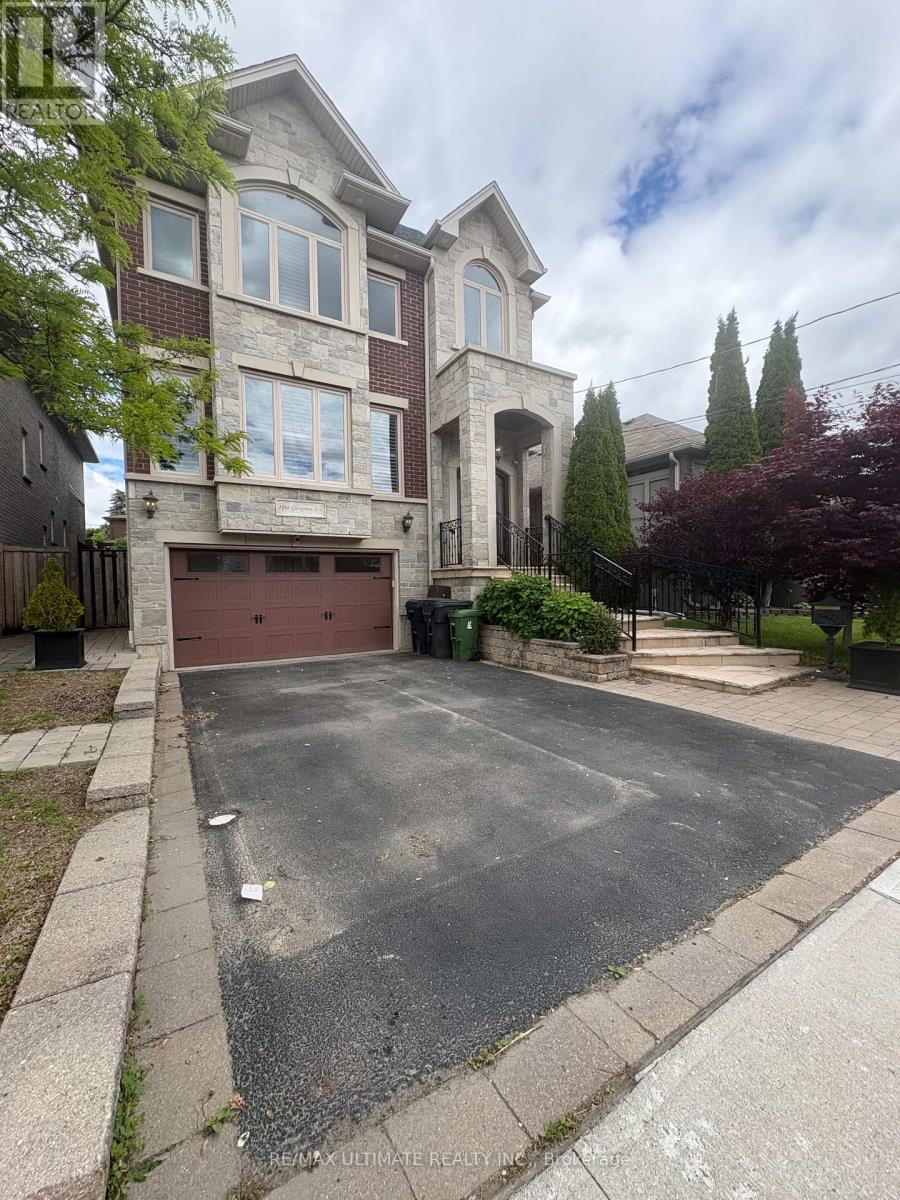
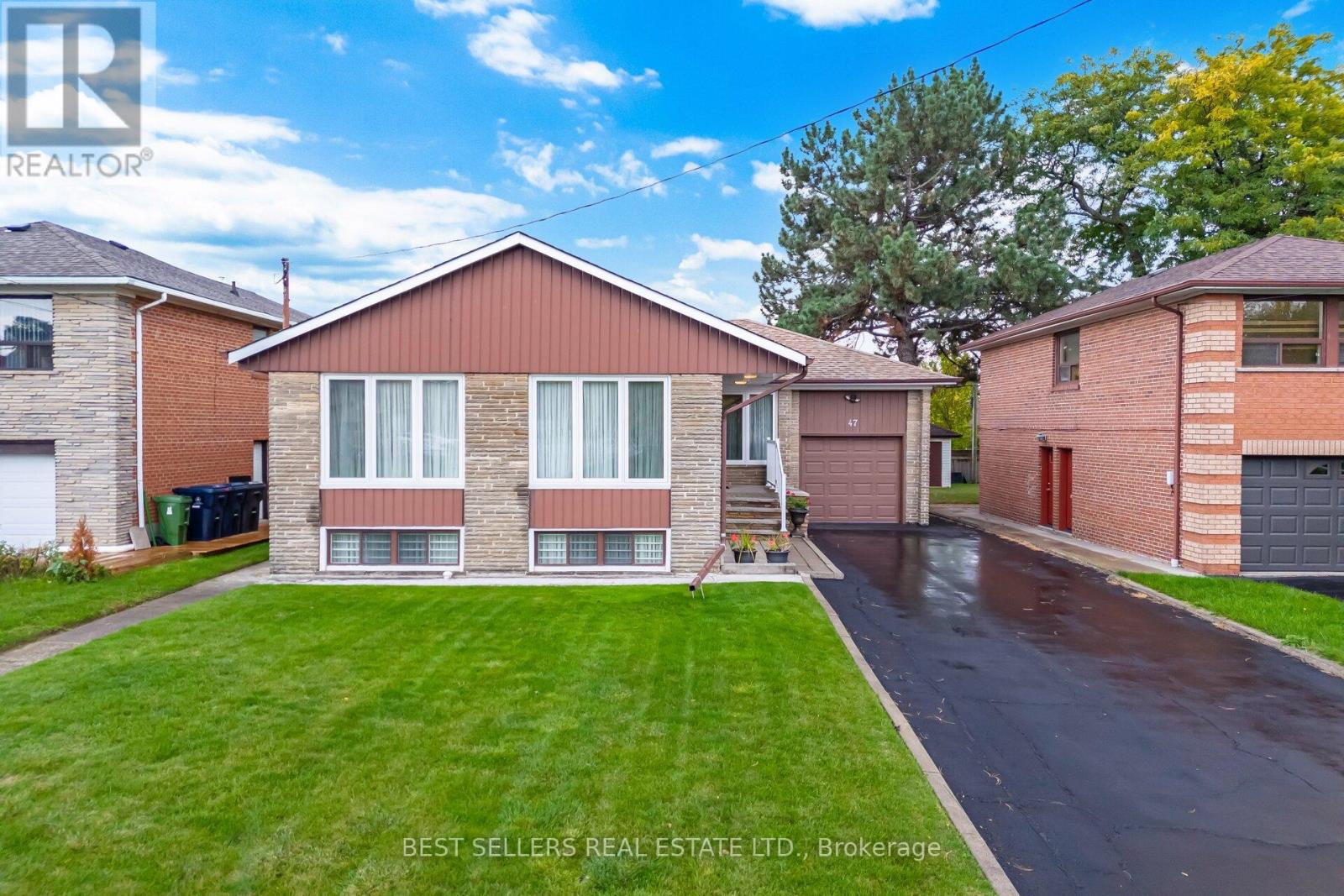
The freehold stock is primarily post-war brick housing on standard residential lots, typically 30 to 40 feet wide. The Glen Park area west of Dufferin has some of the neighbourhood’s better-maintained older housing, with streets that feel established and where renovation activity has been consistent. The streets closer to Allen Road have more mixed condition. In 2026, a detached home in Yorkdale-Glen Park in liveable but unrenovated condition typically trades between $1.1 million and $1.4 million. Well-renovated homes with good layouts and lot dimensions can push into the $1.5 million range. The pricing reflects the neighbourhood’s improving trajectory and its transit-highway combination, which puts it above some North York alternatives that are further from both.
Condominiums near the Yorkdale subway station have been arriving in meaningful numbers over the past decade. Several tower developments along Dufferin Street and near the station have added ownership supply to a neighbourhood that was previously all freehold. In 2026, a one-bedroom condo in Yorkdale trades between $600,000 and $750,000. A two-bedroom typically runs $750,000 to $950,000. These prices reflect the station access and the Yorkdale amenity premium relative to other North York condo addresses that are less well-positioned for transit and highway access.
Townhome product exists in small clusters around the neighbourhood, some as part of larger mixed-use developments and some as older freehold rows. They typically trade between $800,000 and $1.1 million depending on finish and location relative to the transit node.
Lot sizes in the residential areas are typical post-war North York dimensions. Many homes have basement apartments that are either established or easily established. The income potential is a factor for many buyers in this area, as it is throughout older North York.
The market in Yorkdale-Glen Park is more active and competitive than it was five years ago, reflecting the neighbourhood’s improving profile and the growing recognition of its transit-highway asset combination. Well-positioned and well-presented freeholds, particularly in the Glen Park section and on the quieter streets near the subway station, attract multiple offers in active market conditions. The days of treating this neighbourhood as a discount to Willowdale or Lawrence Heights are less justified than they were when the condo supply was minimal and the transit access was mainly theoretical.
Freehold competition tends to be highest in spring. A renovated detached with a functional basement suite, priced in the $1.2 to $1.3 million range, will attract serious attention from buyers who have been watching the neighbourhood. Properties at the lower end of the price range, where condition is the reason for the discount, attract a different buyer, typically someone planning a renovation or seeking a land value play, and those transactions are generally less emotionally competitive.
The condo market near the station reflects the broader Toronto condo market dynamics. It’s more price-sensitive than freehold, more driven by per-square-foot comparisons, and more influenced by the wider supply picture. New condo buildings coming to market in the area can temporarily affect resale pricing by pulling buyers to the new product. Resale condo sellers in this neighbourhood compete with the new supply pipeline and need to be realistic about pricing relative to what new units in adjacent developments offer.
Investment activity is present throughout the neighbourhood. The proximity to the 401 and the transit access make the rental proposition attractive, and the basement suite income potential in the freehold market is a factor in many purchase decisions. Some investors are buying with the longer-term redevelopment potential in mind, particularly for corner lots or properties on blocks that could eventually be assembled for higher-density development. This is speculative but not irrational given the trajectory of the area.
Yorkdale-Glen Park draws buyers from several different groups, united by an interest in location value and transit access rather than prestige. The neighbourhood doesn’t carry a social address the way Lawrence Park or Willowdale East does, and the buyers who come here are largely indifferent to that.
Young professional couples and households who are buying their first property and want a freehold home with subway access are a significant group. For this buyer, Yorkdale-Glen Park offers something that’s hard to find in the central city: a house, not a condo, within transit range of downtown, at a price that doesn’t require a $200,000 household income. The calculus isn’t perfect, the neighbourhood has areas that are still transitioning, but for buyers who’ve done their research and walked the streets, it makes sense.
Move-up buyers from further north and west in the Toronto region, who’ve built equity in a property and want better transit access and a more established urban neighbourhood, are also present. The 401 access is important to this group for maintaining connections to family and employment further out.
Condo buyers near the Yorkdale station tend to be in the young professional or downsizer categories. Young professionals who want a new building with amenities and fast subway access without the downtown price. Downsizers from larger homes in the surrounding areas who want to reduce maintenance burden while keeping their access to the Yorkdale retail cluster and the transit network.
Investors are consistently present. The combination of transit access, strong highway connections, and proximity to one of Canada’s busiest shopping centres creates tenant demand that supports rental properties. Buyers planning to rent out either a condo or a basement suite find adequate demand in this location.
What buyers typically accept about Yorkdale-Glen Park is the Allen Road noise exposure in certain parts of the neighbourhood, the ongoing construction activity as new condo buildings come up near the station, and the neighbourhood’s unfinished transition. It’s not yet as polished or as stable in character as areas like Bathurst Manor or Bayview Village. Buyers who are comfortable with a neighbourhood that’s still developing its identity tend to be the right fit here.
Glen Park Avenue and the surrounding streets west of Dufferin Street form the Glen Park section, and this is where the neighbourhood’s most established residential character lives. Streets like Ranee Avenue, Ridelle Avenue, and Wenderly Drive have mature trees, well-maintained post-war homes, and a community that has been there long enough to develop real neighbourhood social fabric. The Glen Park Community Association is active, and residents in this pocket identify with the neighbourhood more specifically than those in the more fluid areas near the transit node. For buyers who want the neighbourhood’s transit access and highway proximity combined with a stable, residential street environment, Glen Park is where to look first.
The area immediately surrounding Yorkdale subway station, along Dufferin Street and near the Allen Road interchange, is where the condo development has been concentrated. This pocket is more urban in character and in flux. New buildings are still arriving. The street-level environment around the station is not yet what it will eventually be, as the retail and services that follow population density take time to establish. Buying a condo in this area now means accepting a transitional neighbourhood environment in exchange for the price and position.
Along Lawrence Avenue West, the commercial strip provides the neighbourhood’s main street retail. The blocks where Lawrence runs through the area carry the typical North York commercial-strip character: supermarkets, fast food, banks, pharmacies, and independent shops. The residential streets running north and south off Lawrence in this area have varying character depending on which side of Allen Road they’re on and how far from the arterial.
Properties immediately adjacent to Allen Road face noise exposure that is a real quality-of-life consideration. The expressway carries significant traffic volume and the noise is audible on blocks that are close to it. One or two streets removed from Allen, the noise diminishes substantially. Buyers sensitive to traffic noise should walk the specific streets at different times of day before making a decision. A few hundred metres of distance from Allen Road can make a meaningful difference in daily experience.
Yorkdale subway station on Line 1 is the neighbourhood’s primary transit asset. From Yorkdale, trains reach St. George station in about twelve minutes and Union Station in about eighteen minutes. This is a commute time that compares well against many Toronto neighbourhoods and is significantly better than anything north of Lawrence Park. The station has a large bus terminal serving multiple routes, which means connections to other parts of the city are available without transferring downtown.
Bus service along Dufferin Street, Lawrence Avenue West, and Wilson Avenue provides surface transit connecting the neighbourhood to adjacent areas and to other subway stations. The 29 Dufferin bus runs north-south and provides a connection to Bloor-Danforth (Line 2) for cross-town travel. Multiple routes serve the Yorkdale terminal, giving residents who rely on transit good connectivity for most directions of travel.
The Allen Road expressway runs through the neighbourhood and connects directly to Highway 401 at the north end. This is one of the fastest highway access points in the North York area, and for drivers commuting to suburban employment, the western 905 municipalities, or destinations along the 400-series highways, the location is excellent. From Allen, you’re on the 401 in minutes and can reach Highway 400 or Highway 427 with minimal delay under normal conditions.
Cycling is not well-supported in this neighbourhood. Allen Road and Dufferin Street are both challenging cycling corridors due to traffic volume and speed. The side streets are manageable for short trips. There are no major cycling infrastructure investments in this area that match the road network. Residents who cycle primarily do so recreationally using the ravine trail connections rather than for everyday transportation.
For drivers, Yorkdale Shopping Centre is accessible directly from both the Allen Road and from Lawrence Avenue, which also means the area gets significant through-traffic from shoppers. During peak shopping periods, including weekends and holiday seasons, traffic around the mall and on the adjacent arterials can be congested.
Yorkdale-Glen Park’s green space situation is decent for a North York neighbourhood of its density and location. The neighbourhood isn’t defined by parks the way some North York areas are defined by ravine access, but it has usable local parks and is within range of some of North York’s larger green areas.
Glen Park, the actual park that gives the neighbourhood section its name, is a community park off Glen Park Avenue with open fields, a playground, and the informal green space that serves the surrounding residential streets for everyday use. It’s not a large destination park, but it functions well as a neighbourhood amenity for residents on the surrounding streets.
Downsview Park, to the northwest and accessible by transit via the Sheppard West subway station or by car, is one of Toronto’s larger parks on the former federal airbase land. Its trails, open fields, and event infrastructure are accessible to Yorkdale-Glen Park residents without a long trip. The park’s continuing development as a destination green space adds long-term recreational value to the surrounding area.
Earl Bales Park on Bathurst Street north of Lawrence is another option for residents wanting larger park access. It has ski trails in winter, disc golf, and substantial forested area. By car from Yorkdale, it’s a short trip. By transit, it requires a combination of subway and bus.
The Allen Road corridor itself, despite being a highway, has some linear green space along its edges that provides a visual and ecological buffer, though not a recreational park. The Bathurst and Lawrence area nearby has trail connections that link into the broader ravine trail network.
For a neighbourhood defined more by retail and transit access than by parks and natural amenity, Yorkdale-Glen Park provides reasonable green space for everyday use. Residents who prioritize outdoor recreation as a central part of their life and want it immediately accessible will likely find other North York neighbourhoods with more direct ravine or park access better suited to that priority.
Yorkdale-Glen Park’s most significant retail asset is one that serves the entire Toronto region, not just the neighbourhood: Yorkdale Shopping Centre is one of Canada’s largest and highest-revenue malls, with over 250 retailers including luxury brands, department stores, and a substantial dining and entertainment offer. For residents who want serious retail access, it’s exceptional. You can walk from some streets in the neighbourhood to the mall in ten to fifteen minutes, which is a genuine amenity for residents who use it regularly.
The Lawrence Avenue West strip provides everyday commercial services: grocery stores, fast food, pharmacies, banks, and the functional mix that residents need for daily life. The strip is practical rather than interesting, but it works. Several independent restaurants and cafes have established themselves in the area, particularly on the Glen Park end, where the neighbourhood character supports more independently owned businesses.
The commercial activity along Dufferin Street near the subway station is growing as the condo population near the station increases. New cafes, food businesses, and services have opened in the ground-floor commercial spaces in the newer buildings, which is the typical pattern in Toronto’s transit-oriented development areas. This is still in early stages around Yorkdale station, but the direction is toward more street-level activation as the residential density grows.
For grocery shopping, the neighbourhood has reasonable options within or near its borders, including a Metro on Lawrence Avenue and independent grocery stores on the nearby commercial strips. Whole Foods in Yorkdale Shopping Centre is an option for residents who use the mall as a weekly provisioning stop.
One practical note: Yorkdale Mall’s popularity means the surrounding area on weekends and before Christmas is significantly more congested than on a typical weekday. Residents accept this as the cost of living near a major retail destination. The transit connection to the station, which sits underneath the mall, means car-free residents can largely avoid the traffic while still accessing the mall.
Schools in Yorkdale-Glen Park are handled through the Toronto District School Board and the Toronto Catholic District School Board. The neighbourhood doesn’t have a secondary school with a dominant academic reputation that drives buyer decisions the way Earl Haig does in Willowdale, but the school situation is functional and serves the community adequately.
Lawrence Heights Middle School and various TDSB elementary schools serve the neighbourhood at the junior and intermediate levels. The boundaries and program offerings are worth confirming with TDSB at time of purchase, as the catchment lines in this part of North York have been subject to review and adjustment. Parents with children of school age should confirm the specific school assignment for any address they’re seriously considering.
At the secondary level, Forest Hill Collegiate Institute is a significant school serving this part of North York. Forest Hill CI has maintained a reasonable academic reputation and offers the Advanced Placement program, which is available to motivated students pursuing a more demanding curriculum. The school’s mix of students reflects the neighbourhood’s diversity, and it has programs that go beyond the standard secondary curriculum for students who seek them out.
On the Catholic side, Toronto Catholic District School Board schools serve families in the system in this area. St. Alphonsus Catholic School is one of the elementary options serving the neighbourhood, and secondary Catholic education is available through the TCDSB network’s North York schools.
Private school access from Yorkdale-Glen Park is reasonable given the transit connections. Upper Canada College, Bishop Strachan School, and other downtown private schools are reachable by subway from Yorkdale station, which makes the commute for private school students using transit practical if long. The North York private schools including Crescent School and TFS are accessible by car. Yorkdale-Glen Park is not a neighbourhood whose buyer profile is primarily driven by private school proximity, but the access is workable for families in that path.
Development in Yorkdale-Glen Park has been one of the more active stories in North York over the past decade. The Yorkdale subway station area is one of the city’s designated intensification zones, and multiple residential tower applications have been filed, approved, or built around the station and along Dufferin Street. Several high-rise residential buildings in the 25- to 40-storey range have been built or are under construction in the immediate station area, adding thousands of new units to the neighbourhood’s housing supply.
This development pipeline is significant for buyers to understand. If you’re purchasing a condo in or near the station area, you’re buying into a neighbourhood whose immediate environment will continue to change as more buildings are completed. Views that exist today may be blocked by future development. Street-level conditions near construction sites are temporary but can persist for years at a time. The positive side is that more population creates more demand for street-level retail and services, and the neighbourhood’s urban character is actively developing.
The freehold streets in Glen Park have seen considerably less dramatic change. Individual renovation and infill is the primary development activity there, and the Glen Park section has maintained its residential character through the broader area’s intensification. A few new builds have appeared on infill lots, and custom home construction has replaced older bungalows on scattered properties, but the pace is much slower than near the transit node.
Yorkdale Shopping Centre itself has undergone several expansions and renovations over the decades and is one of the most profitable per-square-foot retail locations in Canada. The mall’s continued commercial strength underpins the neighbourhood’s retail amenity and is a stabilizing factor for property values in the surrounding area.
The city’s ongoing Official Plan updates and the specific Secondary Plan for the Yorkdale area continue to shape development approvals. The planning framework supports continued intensification near the station while attempting to protect the low-rise residential character of the Glen Park streets further from Allen Road. How those two interests balance over time will determine the longer-term character evolution of the neighbourhood.
What is the difference between Yorkdale and Glen Park, and does it matter for buying? It matters meaningfully. Glen Park is the established residential neighbourhood west of Dufferin Street, with tree-lined streets of post-war homes, a community association, and a stable residential character that has been building for decades. The Yorkdale area near the station and mall is more actively transitional: higher density, more condo development, more commercial activity. Buyers who want a quiet residential street with a house and a yard should focus on Glen Park. Buyers who want a new condo with easy transit and walking distance to the mall are looking at the Yorkdale station area. These are distinct markets within a short distance of each other, and conflating them leads to confusion about what you’re actually comparing.
Does living near Yorkdale Mall mean dealing with constant traffic? Weekend and holiday shopping traffic around the mall and on Lawrence Avenue, Dufferin Street, and Allen Road is a real daily reality, particularly from October through January. On peak shopping days, the arterials near the mall back up significantly. Residents who live on the residential streets removed from the arterials experience this mainly as slower car travel on those roads rather than direct impact on their street. The TTC connection, with the subway station directly under the mall, means car-free residents largely avoid the traffic. For drivers who use the local arterials regularly, weekend congestion near the mall is worth experiencing before buying rather than reading about after.
How does the Allen Road noise affect living here? Properties within one or two blocks of Allen Road face traffic noise that is audible day and night. The expressway is not a freeway in the traditional sense, it has traffic lights at some points and is not fully grade-separated, but the volume is significant. Properties that back onto or face Allen directly are materially affected. Streets that are three or more blocks from Allen, particularly in the Glen Park area, are largely insulated from the sound. The noise factor is why some properties near Allen trade at discounts relative to comparable homes on quieter streets, and buyers should visit at various times of day to assess whether they can live comfortably with what they find.
Is Yorkdale a good bet for long-term appreciation? The fundamentals support continued appreciation for well-positioned properties. Subway access, 401 access, one of Canada’s best malls, and the planned intensification of the station area all point toward more activity and higher values over time. The Glen Park freehold market has been appreciating steadily and has room to continue as the neighbourhood’s profile improves. Condo appreciation in the station area is more dependent on the broader Toronto condo market and the rate at which new supply comes to market, which can create short-term pricing pressure even in locations with strong long-term fundamentals. No neighbourhood is a guaranteed investment, but the combination of assets here is stronger than the current pricing might suggest relative to more prestigious North York addresses.
Buying in Yorkdale-Glen Park requires a clear-headed understanding of which sub-area and which product type you’re entering. The Glen Park freehold market and the Yorkdale condo market are meaningfully different, and your agent should be advising you specifically on the dynamics of the one you’re in rather than speaking about the neighbourhood in general terms.
For freehold buyers in Glen Park, the standard due diligence applies: home inspection, survey review, title review, and specific attention to the condition of the house’s major systems. The post-war housing here has the same issues as the broader North York older housing stock: potential for aging mechanical and electrical systems, basement waterproofing concerns, and foundation drainage on streets with clay soils. An inspector who works regularly in North York and knows the typical issues in homes of this era will give you a more useful report than a generalist who treats a 1960s bungalow like a new build.
For condo buyers near the station, status certificate review by a real estate lawyer is the critical step. Understand the reserve fund level relative to the reserve fund study requirements. Check the management quality by looking at the building’s meeting minutes, which are included in the status certificate package. Look at the ratio of owner-occupiers to investors, which is disclosed in the certificate. A building with strong management, a funded reserve, and a primarily owner-occupier population is a materially different investment than one with the opposite characteristics, regardless of location.
Allen Road noise is worth a dedicated site visit at a time when the road is busy. Go on a weekday morning or late afternoon. Stand on the property and assess whether the sound level is something you can live with. Noise sensitivity varies widely between individuals, and what’s acceptable to one buyer is a dealbreaker for another. This is not something to guess about in advance.
Development context around the Yorkdale station should be researched before buying in the immediate area. The city’s planning portal lists all active applications, approvals, and appeals for specific addresses. If you’re buying a condo with a specific view or light situation, check whether there are approved or pending developments on adjacent properties that would affect either. This takes thirty minutes and can prevent significant surprises.
Street-level knowledge is hard to find online. Our team works in Yorkdale every day. They know which pockets hold value, where the school catchment lines actually fall, and what the market is doing right now. Talk to us before you make a decision about Yorkdale.
Talk to a local agent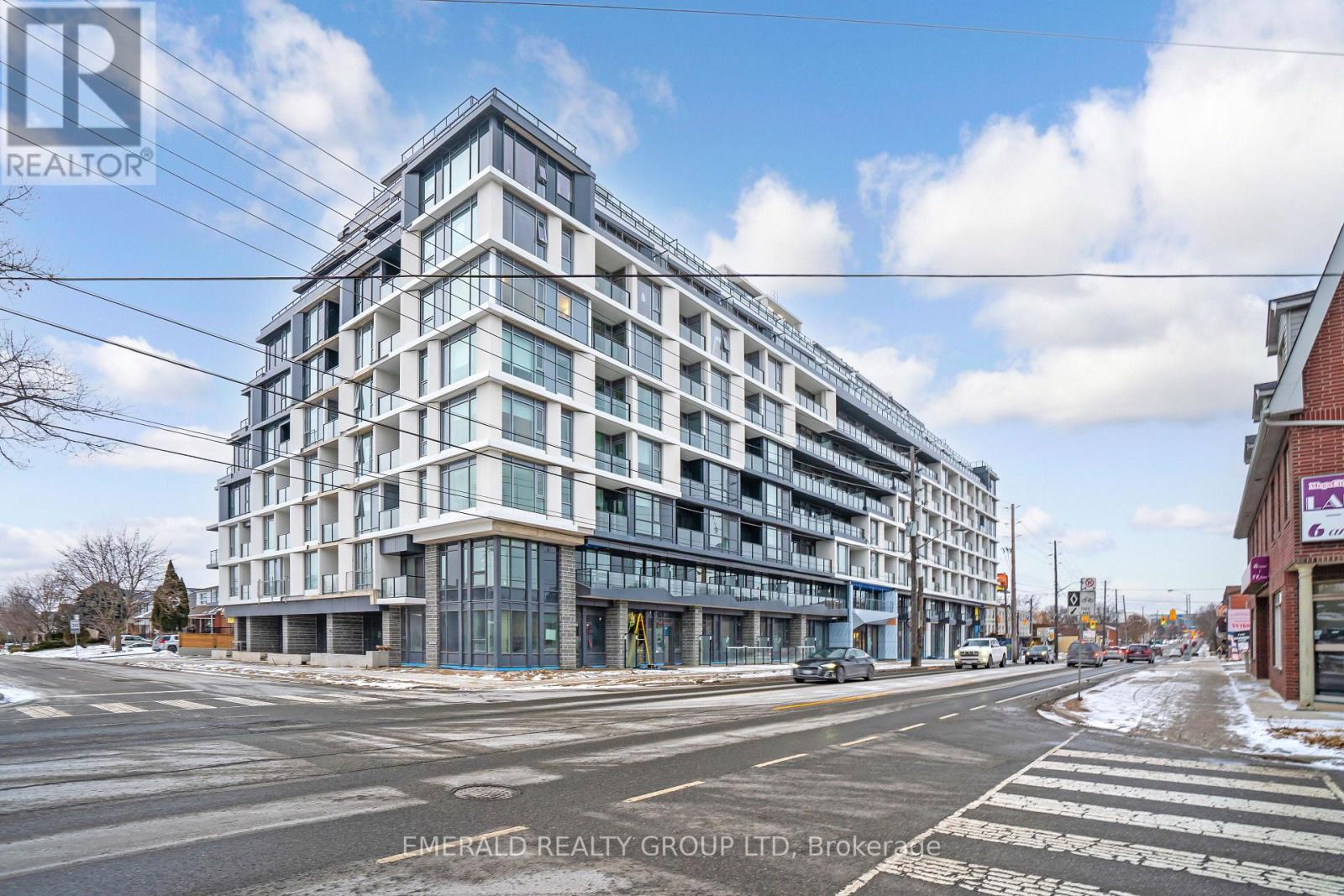 For Rent
 For Rent
 For Rent
 For Sale