
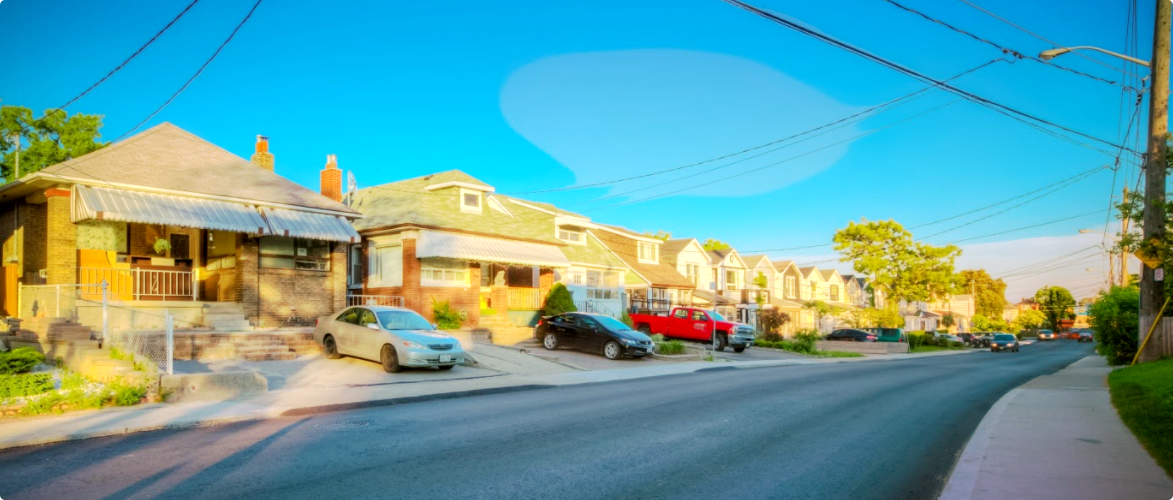
Rockcliffe-Smythe is a working-class, diverse neighbourhood in northwest Toronto between Jane Street and Keele Street, offering some of the most affordable detached and semi-detached freehold homes in the City of Toronto. Smythe Park and the Black Creek ravine corridor are the main natural amenities, and the neighbourhood has bus connections to both the Jane subway station and the Eglinton Crosstown.
Rockcliffe-Smythe occupies a section of northwest Toronto between Jane Street to the west, Keele Street to the east, St. Clair Avenue West to the south, and Eglinton Avenue West to the north. It’s a neighbourhood that Toronto’s broader market has been slow to pay attention to, partly because it lacks a signature transit feature and partly because it sits between neighbourhoods that each have more specific narratives. But the housing here is affordable, the lots are real, and the community has genuine depth.
The Smythe portion of the neighbourhood, east of Jane Street around Smythe Park, is the quieter, more residential end. The Rockcliffe portion, closer to Jane and the Black Creek ravine, has more urban density and a busier commercial character along the Jane Street corridor. Together, they form a neighbourhood that is diverse, working-class, and stable in the way that communities with long roots tend to be: not exciting to write about, genuinely functional to live in.
Black Creek and its tributary ravines run along the western portion of the neighbourhood, providing green corridor access that is one of the area’s least-publicised assets. The ravine system here connects south toward the Humber River trails and provides a natural buffer between Rockcliffe-Smythe and the more industrial areas to the west. For buyers who want urban affordability combined with proximity to natural space, this ravine access is meaningful.
The price point is among the lowest for freehold detached homes anywhere in the City of Toronto proper. Buyers who want to own a detached bungalow in Toronto at the absolute lowest price point consistent with reasonable transit access and a functioning residential neighbourhood will find themselves looking at Rockcliffe-Smythe, Mount Dennis, and Keelesdale-Silverthorn. Within that group, Rockcliffe-Smythe’s proximity to Jane Street subway (accessible by bus) and its ravine access give it specific advantages that vary in importance depending on what a buyer needs.
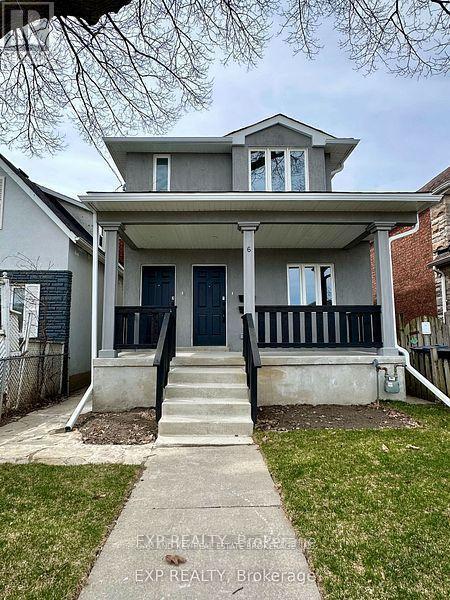
The housing stock in Rockcliffe-Smythe is predominantly postwar bungalows and two-storey houses from the 1940s through the 1960s. Brick construction. Standard Toronto lots in the 25 to 35 foot wide range, 100 to 120 feet deep. This is the same housing format that appears across northwest Toronto’s working-class neighbourhoods, and it has the same strengths: solid construction, full basements, and real backyards. It also has the same vulnerabilities: aging mechanical systems, deferred maintenance on some properties, and a level of finish that reflects the economics of working-class homeownership over several decades.
Semis make up a meaningful share of the inventory alongside detached properties. In a neighbourhood where detached bungalows are in the $800,000 to $1.1 million range, a semi at $700,000 to $900,000 represents a real entry point for buyers who need to be in the city and are working with a tight budget. The semi-detached format in this neighbourhood typically shares a wall with one neighbour and otherwise functions identically to a detached house: private backyard, separate entrance, full basement.
Basement apartments are common and the income potential is real. A legal or legalizable basement unit renting at $1,600 to $1,900 per month is a meaningful offset against a monthly carrying cost on a $900,000 property. As with all basement units in this part of the city, buyers need to assess the permit status and condition carefully before factoring rental income into their offer calculations.
In 2026, detached bungalows in Rockcliffe-Smythe trade in the $800,000 to $1.1 million range. The lower end is original condition with maintenance issues or on the least desirable streets. The upper end is well-renovated or on a wider lot with clear income potential. The range is wide and condition-sensitive, which means buyers who do their diligence carefully can find genuinely good value here, and buyers who don’t can overpay for a property with problems that weren’t obvious at first showing.
The Rockcliffe-Smythe market moves at a pace that reflects its position at the affordable end of the Toronto freehold market. Properties that are correctly priced and in reasonable condition sell within a month; those with issues or unrealistic pricing can sit. Multiple offers happen on the best properties, particularly in spring, but they’re not the norm on every listing. This is a market that rewards prepared, patient buyers more than fast-moving desperate ones.
Investor activity is present but not dominant to the same degree as in Mount Dennis, which has the more compelling transit story. Some of the investor attention that would otherwise land here has been redirected to Mount Dennis and Keelesdale-Silverthorn since the Crosstown opened, which has actually reduced buyer competition in Rockcliffe-Smythe to some degree. Buyers looking for a working-class Toronto neighbourhood where they can compete on a conditional offer without facing multiple firm investor bids on every property may find Rockcliffe-Smythe easier to navigate than its Crosstown-adjacent neighbours.
Estate sales are a consistent part of the inventory, as in most of the northwest Toronto working-class neighbourhoods. Original owner households from the postwar decades are selling through estate processes, and these properties typically come to market in original or near-original condition. They can take longer to sell because they require more buyer imagination, and they can offer better value for buyers who think clearly about what renovation costs and what they’re actually buying.
The price point in Rockcliffe-Smythe is genuinely low by Toronto standards. There’s less speculation here than in the Crosstown-adjacent neighbourhoods, which means the market is somewhat less frothy and the risk of buying near a local price peak is lower than in areas where transit-driven hype has already run in advance of the fundamentals. For buyers who want to avoid paying a big speculation premium, this is actually a feature rather than a limitation.
Buyers in Rockcliffe-Smythe are primarily motivated by budget. This is one of the few remaining pockets where a buyer with $850,000 to $950,000 can get a detached house in the City of Toronto, and the buyers who show up here have usually already looked at the alternatives and found them more expensive for comparable product. The choice to buy in Rockcliffe-Smythe is usually a deliberate one made by buyers who understand the trade-offs.
First-time buyers and young families are the dominant end-user buyer group. They’re making the calculation that a detached house in a working-class neighbourhood is a better long-term position than a condo in a more expensive area, and they’re right for most definitions of “long-term.” The neighbourhood’s affordability, combined with the fact that it is a real house with a real backyard, makes it attractive for buyers who are thinking about the ten-year horizon rather than the current year’s bragging rights.
The neighbourhood’s Black and South Asian communities, which have been present here for generations, produce a meaningful stream of buyers who are returning to or remaining in the area for community reasons. For these buyers, the neighbourhood is home in a way that goes beyond the real estate calculation, and they’re willing to accept limitations that might deter buyers without community ties in exchange for being in a place where they belong.
Buyers who are specifically attracted by the ravine and Black Creek trail access are a smaller but real group. The natural amenity is genuinely good, and for outdoor-oriented buyers who want a house they can afford with trail access from the neighbourhood, Rockcliffe-Smythe delivers something that Mount Dennis and Fairbank don’t provide to the same degree. The comparison for this buyer is often with the Humber Valley neighbourhoods like Lambton or Old Mill, where similar natural access comes at a significantly higher price.
Within Rockcliffe-Smythe, the streets closest to Smythe Park and the ravine system on the western side of the neighbourhood are generally the most desirable. Smythe Park anchors a cluster of streets that have more green character than the denser parts of the neighbourhood closer to the commercial corridors. Properties backing onto or near the park benefit from the natural space in a way that can be hard to appreciate from a listing photo but becomes immediately obvious on a showing.
Jane Street is a busy commercial arterial and properties directly on it deal with high traffic volumes. The residential streets running east off Jane are where the neighbourhood’s residential quality actually lives. A block or two off Jane and the character is entirely different: quiet, residential, family-oriented, with the street-level calm that makes northwest Toronto neighbourhoods worth considering in the first place.
St. Clair Avenue West forms the southern boundary and is itself a commercial corridor. The intersection of Jane and St. Clair is a busy commercial node with transit connections and a range of services. Properties near this intersection deal with the traffic and commercial adjacency, which is a trade-off against the convenience of the services. Buyers who want a quiet residential setting should look for streets that are insulated from both the Jane and St. Clair corridors.
The northern portion of the neighbourhood, closer to Eglinton Avenue West, sits at the edge of the Crosstown corridor’s influence. While the neighbourhood doesn’t have its own Crosstown station, the Keelesdale station to the east on Keele Street is accessible by bus from the northern parts of Rockcliffe-Smythe, extending the transit benefit into this neighbourhood for residents who make the effort. Buyers who value Crosstown access and are budget-constrained may find that the northern Rockcliffe-Smythe streets offer comparable transit convenience to Keelesdale at a lower price point.
Rockcliffe-Smythe does not have its own subway station, and transit access requires connecting to the network at a nearby station. Jane subway station on Line 2 (Bloor-Danforth) is accessible by the 35 Jane bus running north-south along Jane Street. The bus runs frequently during peak hours, and the connection to Jane station puts residents on the Bloor-Danforth line with access across the city. The combined trip from Rockcliffe-Smythe to downtown by bus-subway runs approximately 45 to 55 minutes depending on connection timing, which is workable for daily commuting but requires a tolerance for the transfer.
The 512 St. Clair streetcar is accessible at the southern boundary of the neighbourhood on St. Clair Avenue West. This provides an east-west surface transit option that connects to the Yonge-University subway line at St. Clair Station, though it’s a longer trip than the Jane bus to Bloor-Danforth. The 32 Eglinton West bus along the northern boundary of the neighbourhood provides access to the Eglinton Crosstown at the Keelesdale station, extending some Crosstown benefit to the northern edge of Rockcliffe-Smythe.
Drivers have reasonable access to major routes. Jane Street connects north to Highway 400 via Weston Road. Black Creek Drive provides a quasi-expressway connection south toward the Gardiner Expressway and the Lakeshore corridor. The QEW and 427 are accessible via surface streets in under twenty minutes in reasonable traffic. For buyers who drive to work, Rockcliffe-Smythe’s location in the northwest of the old city provides convenient access to the highways that serve western Toronto and the 905.
Cycling is possible on the quieter residential streets and the ravine trails. The Black Creek trail provides a car-free cycling route that connects to the broader Humber River trail system to the south. Road cycling on Jane Street or St. Clair is not pleasant given traffic volumes, but the neighbourhood’s interior streets and the ravine trail offer alternatives. For buyers who bike to work or for recreation, the trail access is a genuine asset that doesn’t appear in most discussions of this neighbourhood’s amenities.
Smythe Park is the neighbourhood’s principal green space, a well-sized park adjacent to the Black Creek ravine with sports fields, a community centre with an indoor pool, and open space that serves the families of Rockcliffe-Smythe year-round. The park’s positioning next to the ravine gives it a natural character that extends beyond its formal boundaries, and the combination of active park facilities and ravine adjacency makes it one of the better neighbourhood parks in this part of the city.
The Black Creek ravine runs along the western and northern edge of the neighbourhood, providing a green corridor that connects south toward the Humber River trail system and north toward the Black Creek Pioneer Village. The trail along Black Creek in this section is not the most pristine trail in the Toronto ravine system, reflecting the urban and industrial character of the broader Black Creek watershed, but it provides a real natural corridor and walking or cycling option that residents value. The quality of the trail improves substantially further south where it connects to the Humber River.
Eglinton Flats, the large natural area along the Humber River west of Keele Street, is accessible by cycling or by a short car or bus trip. It provides the kind of open, naturalistic green space that the immediate neighbourhood doesn’t offer in the same abundance, and it’s well-used by northwest Toronto families for soccer, cycling, and walking. Consider it part of the extended green space picture for Rockcliffe-Smythe residents even though it’s outside the immediate neighbourhood.
For buyers who prioritise daily access to premium natural trails and ravine character, the Humber Valley neighbourhoods to the south (Old Mill, Lambton, Sunnylea) provide more immediate access to a higher-quality natural environment. Rockcliffe-Smythe’s ravine access is real and valued but not comparable in quality to what the Humber Valley corridor offers. The trade-off is $200,000 to $300,000 less in purchase price for comparable housing, which most buyers in this area consciously accept.
Jane Street and St. Clair Avenue West are the two commercial corridors that serve Rockcliffe-Smythe. The Jane Street strip north of St. Clair has a mix of groceries, restaurants, convenience stores, and service businesses that reflects the neighbourhood’s diverse, working-class population. There are Caribbean food shops, African grocers, South Asian restaurants, and the general mix of businesses that an immigrant-heavy urban neighbourhood generates. The food is real and the prices are accessible; it’s not a destination strip but it covers daily needs.
The St. Clair and Jane intersection is a significant commercial node with a broader range of services: a grocery store, a pharmacy, banks, fast food, and the commercial infrastructure that a transit hub typically attracts. Residents who do their regular shopping within the neighbourhood can manage most daily needs within a short distance. The Stockyards Village at Keele and St. Clair provides big-box retail access for major purchases, accessible by the 512 streetcar or by car.
The Weston Road commercial strip to the west, running through the Mount Dennis area, provides an additional option with Caribbean and African food businesses that complement what Jane Street offers. Residents who drive find the broader northwest Toronto commercial network more than adequate for their needs. Residents who rely entirely on transit for shopping have a more limited local option but manage with the combination of the Jane and St. Clair commercial strips.
Restaurant culture in this neighbourhood, as with the other northwest Toronto working-class areas, is functional and ethnic-diverse rather than curated and upscale. Buyers who want independent cafes and wine bars within walking distance should understand that those are not part of what Rockcliffe-Smythe offers. Buyers who want good Caribbean food, solid South Asian takeout, and everyday commercial services within a short walk will find the neighbourhood perfectly functional for their needs.
Rockcliffe-Smythe’s schools are part of the Toronto District School Board and Toronto Catholic District School Board systems, with catchment areas covering the neighbourhood’s streets. Rockcliffe Middle School has been a significant neighbourhood institution, serving students in the TDSB system. The area’s student population reflects the neighbourhood’s diversity: multilingual, including significant proportions of students from Caribbean and African Canadian families alongside newer immigrant communities. ESL and settlement support programming is part of the curriculum at the neighbourhood’s schools.
The TDSB’s offerings in this area have included programs targeting the specific academic and social support needs of the student population, and the schools serving this neighbourhood have worked within the board’s equity and inclusion framework. Parents who are evaluating schools for their children should visit and discuss directly with school administration rather than relying on aggregate ratings, which can be misleading in diverse, high-needs urban schools where the community context matters as much as standardised test scores.
On the Catholic side, the TCDSB operates through several schools in the area. Our Lady of Victory Catholic School is one of the TCDSB schools serving this part of northwest Toronto. Secondary Catholic students typically attend schools in the Etobicoke TCDSB area, including Father John Redmond Catholic Secondary School.
For secondary school in the TDSB, York Memorial Collegiate Institute is the school most commonly associated with this area. As noted for other northwest Toronto neighbourhoods, York Memorial serves a diverse urban student population and has specialty programs within the school that provide academic pathways for students with specific interests or abilities. Families for whom secondary school programming is a central decision factor should check current program offerings directly with the school and with TDSB, and consider whether application-based transfer to a specialty program school elsewhere in the city is a viable option for their child.
Rockcliffe-Smythe is not a neighbourhood at the centre of a dramatic redevelopment story, but it is subject to the same slow forces of change that affect all of northwest Toronto’s working-class residential areas. The Jane Street corridor is identified in Toronto’s planning framework as a corridor with intensification potential, and mid-rise development proposals have appeared at the Jane and St. Clair intersection and at other commercial nodes along the Jane corridor over the years. The pace of this intensification is slow but directional: over the next decade, the commercial nodes will likely see more height and density than currently exists.
The neighbourhood’s proximity to the Crosstown corridor (via the Keelesdale station to the east) means it benefits from the broader transit-driven appreciation that is moving through northwest Toronto without being as directly affected by the development pressure that the station-area properties face. This is a moderate position: some transit benefit without the full development disruption of living adjacent to a Crosstown station area undergoing active intensification.
Black Creek ravine corridor improvements are an ongoing investment by the City of Toronto. Trail upgrades, naturalization projects, and bank stabilization work along Black Creek periodically improve the quality of the natural asset that runs along the neighbourhood’s edge. These investments accumulate over time into a meaningfully better natural corridor than existed ten or twenty years ago. Buyers who use the ravine trail regularly benefit from this investment without necessarily noticing it as a discrete event.
The most significant change expected in this neighbourhood’s immediate future is gradual residential turnover: new buyers replacing long-tenure owners as the postwar homeowners sell and younger families move in. This generational turnover has been underway for years and will continue. It typically brings a wave of property renovations as new owners update homes that haven’t been touched in decades, which tends to improve the overall standard of the housing stock over time without the disruption that comes from speculative redevelopment.
How does Rockcliffe-Smythe compare to Mount Dennis for a buyer choosing between them? The comparison comes down primarily to transit access versus price and community character. Mount Dennis has the stronger transit story: the GO train to Union in under 25 minutes is a genuine differentiator that Rockcliffe-Smythe cannot match. Rockcliffe-Smythe has bus connections to Jane subway station and access to the St. Clair streetcar, which is functional but not as compelling. On the other hand, Rockcliffe-Smythe’s proximity to the Black Creek ravine and Smythe Park gives it a better natural amenity picture than Mount Dennis, and the buyer competition level is lower, making it somewhat easier to buy in without waiving conditions. Buyers who commute downtown by transit every day should weight the Mount Dennis transit advantage heavily. Buyers who drive to work or work locally will find Rockcliffe-Smythe a similarly functional and slightly less competitive option.
Are there specific streets in Rockcliffe-Smythe that are more desirable than others? Yes, and the differences are meaningful. Streets adjacent to Smythe Park and the ravine corridor are the most sought-after, particularly those running along or near the western edge of the neighbourhood where the green space is most accessible. Streets directly on or immediately adjacent to Jane Street or St. Clair Avenue deal with arterial traffic and commercial adjacency that reduces their residential appeal. The best streets in the neighbourhood are the quiet interior blocks running east-west between Jane and Keele, away from both arterial edges, with good tree cover and a settled residential character. Asking your agent to show you a range of street types before you set your parameters is useful: the difference between a good street and a less desirable one in this neighbourhood can be two blocks, and it’s easier to calibrate after seeing both in person.
What are the main issues with the housing stock buyers should know about? The same concerns that apply across postwar northwest Toronto housing apply here: aging electrical systems, older mechanical systems, and in some cases knob-and-tube wiring or 60-amp service. Basement waterproofing is a recurring issue given the clay soil in this part of Toronto. Original windows and insulation in older properties result in heating costs that surprise some buyers who come from apartments or newer construction. None of these issues is unique to Rockcliffe-Smythe, but they are real in the $800,000 to $1 million property range where the buying pool includes a meaningful proportion of original or lightly updated homes. Budget $15,000 to $25,000 for the electrical upgrade alone if you’re buying a property with original 60-amp service, and have your inspector assess the heating and insulation situation carefully.
What is the realistic timeline for the neighbourhood to change significantly? Modest change over five to ten years is the honest expectation. New buyers replacing long-tenure owners will gradually improve the condition of the housing stock. Some commercial node intensification may occur along Jane Street. The ravine trail improvements will continue incrementally. But Rockcliffe-Smythe is not on the kind of rapid transformation trajectory that characterises Mount Dennis or the immediate Crosstown station areas. Buyers who want stability will appreciate that; buyers who are buying primarily as a short-term appreciation play should understand that the catalysts for rapid appreciation are less pronounced here than in the transit-priority areas. Buying for the right reasons at the right price will serve you well here over a medium-to-long hold period.
Buying in Rockcliffe-Smythe is a straightforward process by Toronto standards, largely because the market is less frenetic than the Crosstown-adjacent neighbourhoods. Buyers typically have time to include proper conditions in their offers and to conduct thorough due diligence before closing. The market moves slowly enough that this discipline is usually possible, though it’s still important to be prepared and to move when the right property appears, because the best properties do attract competition.
The standard postwar Toronto due diligence applies here with particular emphasis on the electrical panel, the age and condition of the furnace and water heater, and basement moisture. These are the three most common sources of unpleasant surprises in this price range and in this housing type. A good home inspector will check all three, but buyers should ask specifically for these items to be highlighted in the report rather than buried in a boilerplate document. If the property has knob-and-tube wiring, get a quote from an electrician before you finalise your offer price, not after you own the house.
Ravine adjacency in the western portion of the neighbourhood warrants the same TRCA due diligence that applies to any Toronto neighbourhood with a significant natural corridor. Properties backing directly onto the Black Creek ravine may have TRCA-regulated areas on their lot, which affects what can be built and where. Pull the TRCA’s regulation mapping before making offers on ravine-adjacent properties and confirm what the regulatory situation means for your specific lot and your intended use of the property.
An agent with specific experience in the northwest Toronto freehold market, who can assess condition accurately and who understands the comparison between this neighbourhood and its competitors, is the most valuable professional you can engage. Buyers who use agents with generic Toronto experience but no specific northwest Toronto knowledge sometimes find themselves with a purchase that reflects unfamiliarity with local conditions. The neighbourhood is not complicated, but it has enough specific characteristics that local knowledge matters.
Street-level knowledge is hard to find online. Our team works in Rockcliffe-Smythe every day. They know which pockets hold value, where the school catchment lines actually fall, and what the market is doing right now. Talk to us before you make a decision about Rockcliffe-Smythe.
Talk to a local agent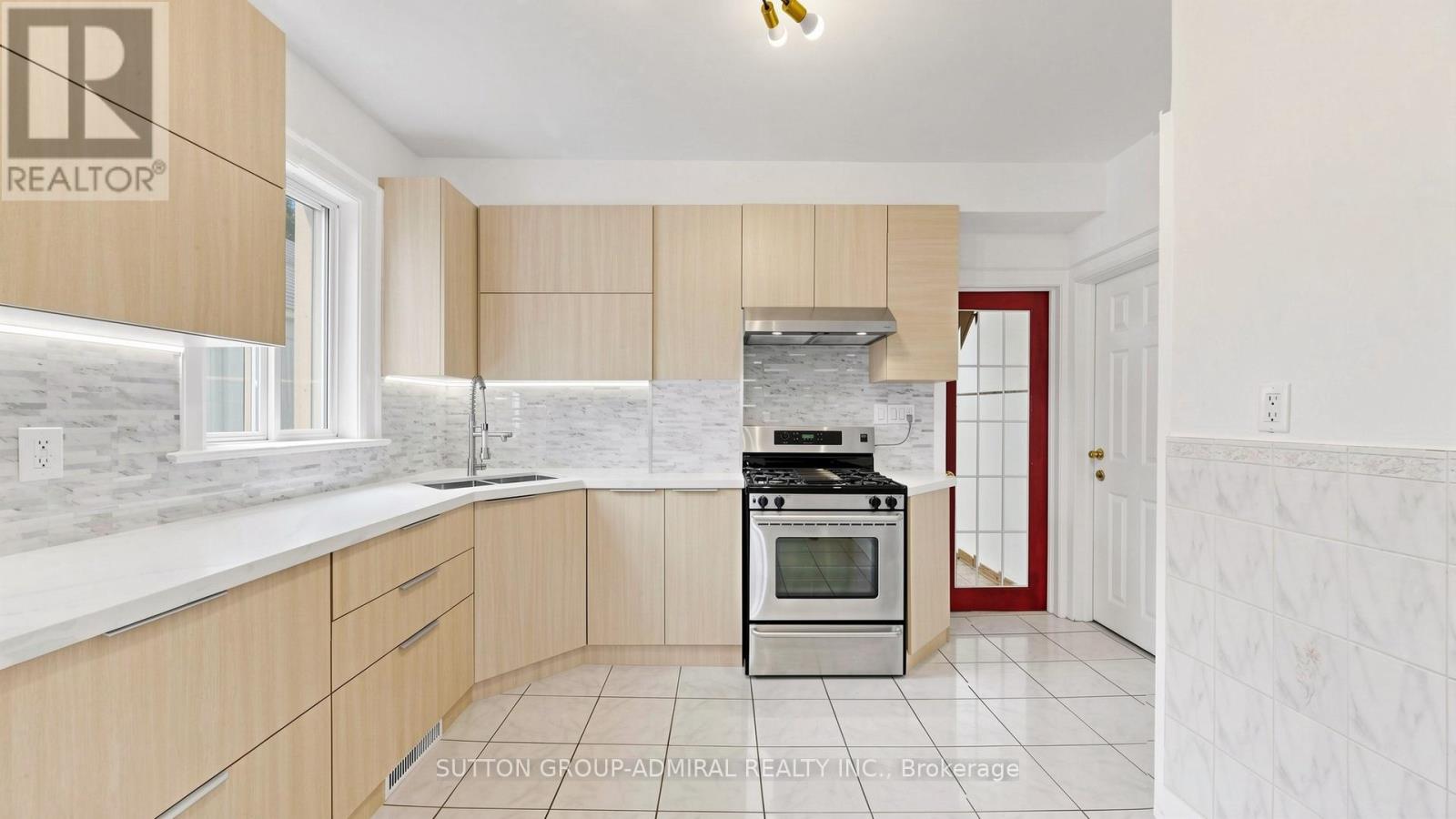 For Sale
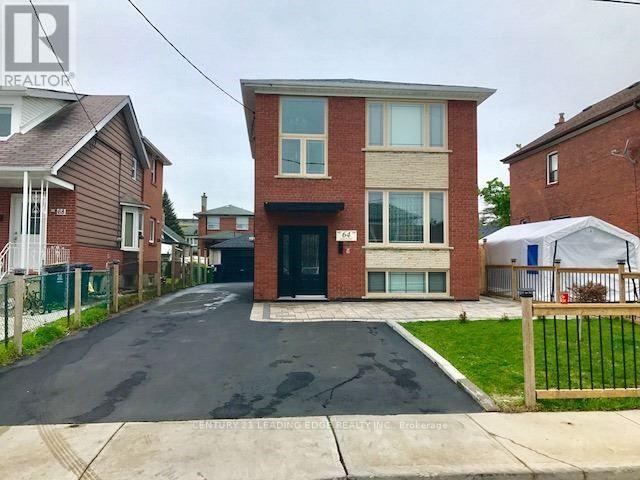 For Rent
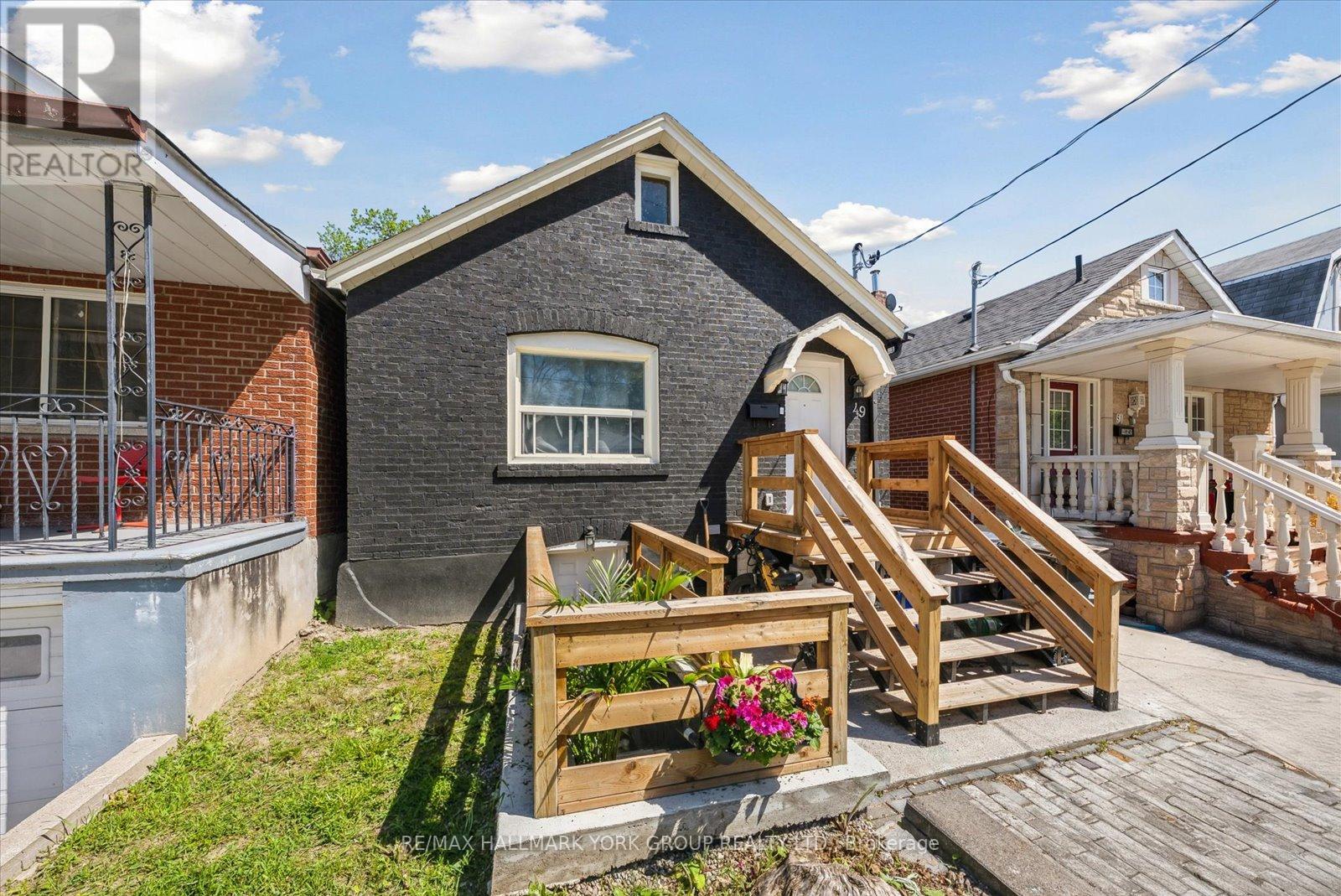 For Sale
 For Sale