
Woburn is the Scarborough neighbourhood with actual subway access. The Scarborough Centre station on Line 2 sits at the eastern edge of the neighbourhood, providing a direct transit connection downtown that most of Scarborough's post-war bungalow neighbourhoods don't have. Detached homes sell from $800,000 to $1.1 million in 2026. The Scarborough Town Centre is within walking distance for eastern addresses.
Woburn is the Scarborough neighbourhood that finally gave the borough a subway station. The Scarborough Centre station on the Bloor-Danforth line sits at the eastern edge of the neighbourhood, and its presence is the defining practical asset for buyers who need transit access and have been looking at Scarborough’s bus-dependent residential areas with frustration. From Woburn, a subway commute to downtown is actually possible without a significant surface transit journey first.
The neighbourhood itself sits roughly between Midland Avenue, Lawrence Avenue East, McCowan Road, and Ellesmere Road, with the Scarborough Town Centre complex and the transit hub at its eastern boundary. It’s a post-war residential area in the same tradition as most of Scarborough’s suburban grid: bungalows and splits on 40 to 50-foot lots, established tree cover on most streets, and a community that’s been stable and owner-occupied through multiple decades.
The diversity here is well-established. South Asian, Caribbean, Chinese, and Filipino communities have been part of Woburn for decades, and the neighbourhood’s commercial corridors reflect that. Lawrence Avenue East through this stretch has Caribbean and South Asian restaurants, grocery stores with international selections, and a service sector that caters to the community’s actual composition rather than a generic suburban mix.
The Scarborough Town Centre is genuinely within walking distance for residents in the eastern part of the neighbourhood, which is unusual for a mall destination. It adds a practical convenience layer, with everything from a Cineplex to a full national retail mix, that most Scarborough bungalow neighbourhoods don’t have at walking range. Residents in the western part of the neighbourhood are a short bus or drive away. Either way, the access is better than in most comparable Scarborough addresses.
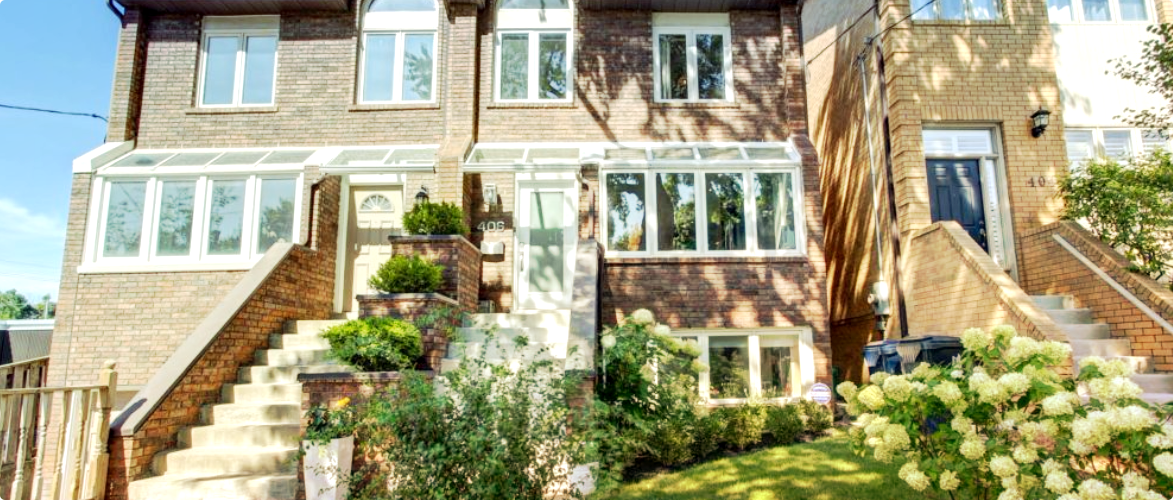
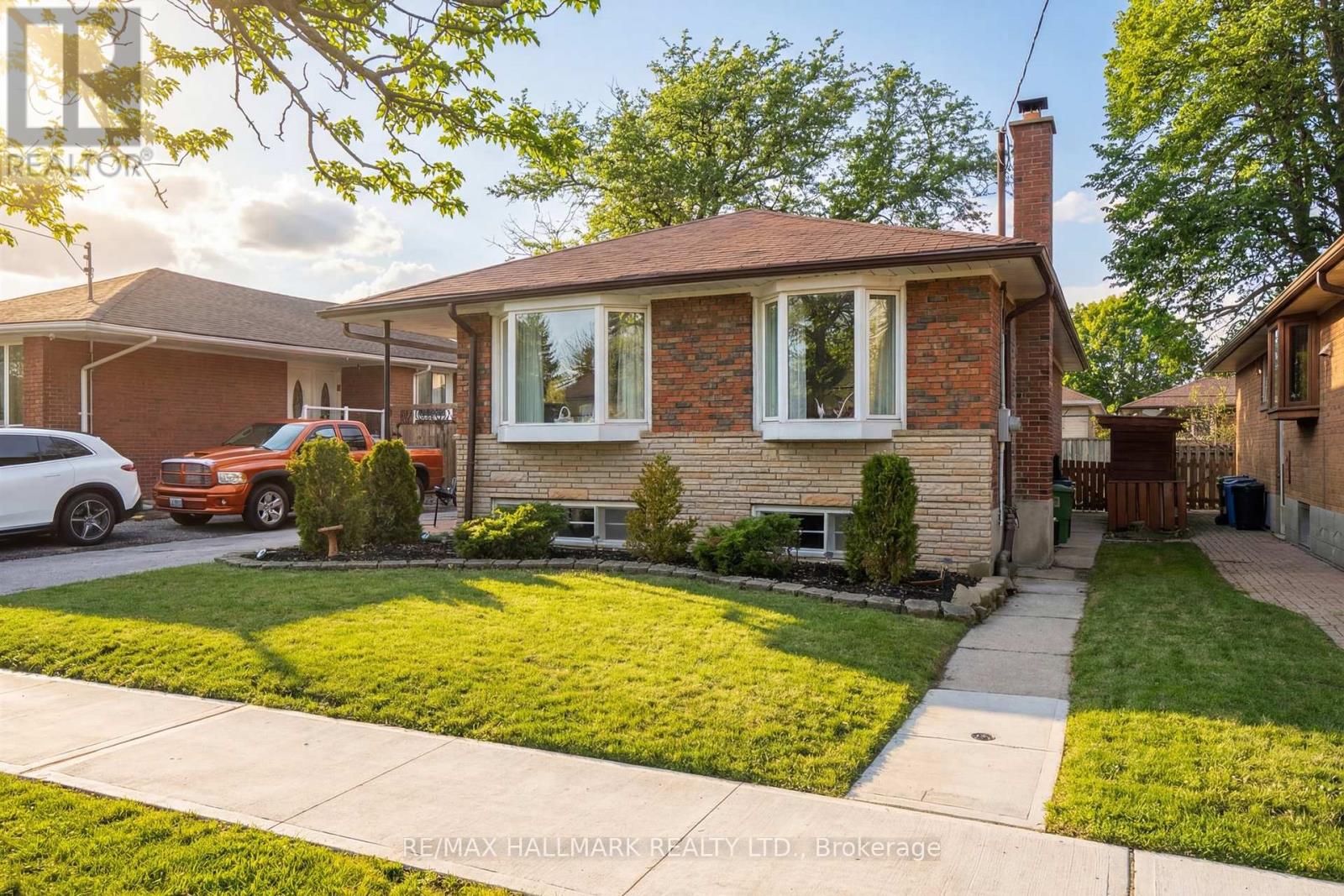
Woburn’s housing stock is standard post-war Scarborough: detached bungalows and split-levels on 40 to 50-foot lots, built primarily in the 1950s through 1970s. The neighbourhood also has a higher proportion of semi-detached homes than some comparable Scarborough areas, which provides a lower entry point for buyers who want a freehold property but need to come in below the detached price range. Condominium supply exists near the Scarborough Centre station and along Ellesmere Road, adding a condo option that’s genuinely transit-accessible.
Detached bungalows in Woburn are selling from $800,000 for properties in original or minimally updated condition to $1.1 million for well-maintained or renovated homes. The lower ceiling here compared to some Scarborough neighbourhoods reflects the proximity to Scarborough Centre and the associated urban density and traffic, which some buyers discount relative to quieter residential addresses. Semi-detached homes run from $700,000 to $850,000 depending on condition and location.
Condominiums near the Scarborough Centre station provide an alternative for buyers who want the transit access without the maintenance commitment of a freehold property. Prices vary by building and suite type, but the condo market here is below the downtown or midtown average, offering genuine value for transit-dependent buyers who prioritize the subway connection over a large lot. The STC area condo market is more established than the Scarborough Centre condo market in some other GTA suburban transit hubs, which provides more price history for comparison.
The renovation economics in Woburn are similar to Wexford-Maryvale: a bungalow bought in the low-to-mid $800,000 range with a functional renovation has a reasonable path to the upper end of the neighbourhood’s range. The ceiling applies regardless of renovation quality, so buyers should calibrate their investment to what the market will support rather than what their renovation wishlist costs.
Woburn’s market moves at a moderate pace, with the subway access providing a demand floor that bus-dependent Scarborough neighbourhoods don’t have. Properties near the Scarborough Centre station and on the quieter residential streets in the interior of the neighbourhood have a consistent buyer pool of transit-dependent buyers who are specifically seeking the subway connection. When a well-priced property in good condition comes up on those streets, it moves faster than comparable properties in less transit-accessible parts of Scarborough.
The variation within the neighbourhood is worth noting. Streets immediately adjacent to Scarborough Town Centre, or on the busier arterials like Midland and Lawrence, command a modest discount relative to the quieter interior streets. Buyers are paying for transit access and proximity to the commercial hub, but those same factors bring noise and traffic that discount the residential desirability of the most commercial-adjacent addresses. The quiet interior streets are both more livable and more sought-after by the family buyers who make up most of the market.
In 2026, the market is steady. The Scarborough subway extension, coming in the early 2030s, will add new station-adjacent value to other parts of Scarborough but won’t dramatically change Woburn’s existing transit advantage; Woburn already has a subway station, and the extension addresses areas that currently don’t. The neighbourhood’s market is already priced with the station access in mind. Buyers aren’t getting a discount for anticipated future transit improvement; the transit is already there.
Days on market for well-priced properties run two to four weeks. Conditional offers are achievable on properties that aren’t in active multiple-offer situations, which is most of the market in 2026. The spring and fall peaks apply here as they do across Toronto, though Woburn’s activity level is less dramatic at the peaks than the more competitive freehold markets in East York and the Danforth corridor.
Buyers who choose Woburn over other Scarborough options are usually doing so because the subway access matters to their daily life and they’re not willing to accept a long bus commute to get to work. The Scarborough Centre station is the draw. For buyers who commute downtown by transit, Woburn offers something most of Scarborough can’t: an actual subway trip without a lengthy surface transfer first. That’s a concrete quality-of-life difference, and buyers who’ve experienced both know it.
South Asian, Caribbean, and Filipino families with community roots in this part of Scarborough are a consistent buyer type. The neighbourhood has been home to these communities for long enough that the community infrastructure, religious institutions, grocery stores, restaurants, and cultural associations, is mature and well-established. Buyers from these communities aren’t choosing Woburn despite its character; they’re choosing it because of it.
Buyers downsizing from larger properties in Scarborough or the east end who want to maintain a freehold property with less maintenance than a large two-storey are also present. The bungalow stock suits this buyer, and the transit access matters increasingly as driving becomes less central to daily life. The combination of subway access and manageable freehold maintenance is uncommon enough in Toronto to be a specific attractor for this demographic.
First-time buyers looking for the lowest entry point into Scarborough freehold also appear at the semi-detached end of the market. The $700,000 to $800,000 range for a semi in Woburn is among the more accessible freehold price points in Toronto with a subway station within walking range. Buyers who’ve been looking at this combination across the city and finding it elusive at higher price points often land here.
Woburn’s residential streets are concentrated in the area between Midland Avenue to the west, Ellesmere Road to the north, McCowan Road to the east, and Lawrence Avenue to the south. The streets in this grid are quiet and residential, with the character varying primarily by proximity to the major arterials and the Scarborough Town Centre complex.
The quietest and most desirable interior streets are those set back from both Lawrence and Ellesmere, in the middle of the neighbourhood where arterial traffic noise is minimal and the suburban residential character is most intact. Streets off Bellamy Road South and in the blocks between Midland and McCowan in the interior of the grid tend to have consistent owner-occupancy and well-maintained properties. These are the streets where buyers focused on daily residential quality land, as opposed to buyers specifically optimizing for station proximity.
The streets immediately around Scarborough Centre station and the STC complex trade transit convenience against urban noise and commercial proximity. Some buyers specifically want this combination and pay for it; others want transit access but prefer not to live in the shadow of a large commercial complex, and they look further into the interior streets where the walk to the station is longer but the residential character is stronger.
The Ellesmere Road corridor to the north has a mix of residential and commercial uses and some condo buildings that have been built in the transit corridor planning framework. The residential streets off Ellesmere are quieter than the avenue itself but affected by the traffic on it. Buyers on these streets are getting a blend of accessibility and the commercial noise that comes with it.
The Scarborough Centre station on Line 2 (Bloor-Danforth) is Woburn’s defining transit asset and it’s worth being specific about what it provides. The station is at McCowan Road and Ellesmere Road, on the eastern edge of the neighbourhood. From the station, trains run west toward Kennedy and then through the full Bloor-Danforth line to downtown Union, Spadina, and Kipling. The trip from Scarborough Centre to downtown takes approximately 40 to 45 minutes, depending on how far into the financial district you’re going. It’s not a short commute, but it’s done on the subway rather than on a surface bus, which is a meaningful difference in daily experience.
Bus routes on Midland, Lawrence, Ellesmere, and McCowan connect the residential streets to the station for residents who are more than walking distance from it. Most of the neighbourhood is within a 10 to 20-minute walk of the station, and bus connections are available for those who prefer not to walk or who are coming from the western edges.
The Scarborough subway extension will create new stations at Scarborough Centre, at McCowan, and at Lawrence East when it opens in the early 2030s. The extension travels through the current RT corridor route and will provide improved connectivity. The Scarborough Centre station on the existing Bloor-Danforth line will remain operational and continue to serve Woburn directly.
Car access from Woburn is good. The 401 is accessible via McCowan and Midland. The Don Valley Parkway is about 20 minutes west by road. For residents who work in Scarborough or who need to drive to multiple destinations, the road access from this neighbourhood is functional and the highway connections are straightforward.
Woburn’s green space picture is adequate for a suburban neighbourhood of its density and era. Thomson Memorial Park, a significant local park on Brimley Road north of Lawrence, has sports fields, a community centre, an outdoor pool, a skating rink, and considerable green space. It’s well-used by the community and provides the kind of recreational infrastructure that genuinely serves a family neighbourhood. The park is within cycling distance of most addresses in Woburn.
Woburn Park and several smaller neighbourhood parkettes within the residential grid serve the day-to-day green space needs: playgrounds, open lawn areas for informal sports, places to walk dogs. These local parks are the daily green space reality for most residents rather than the larger destination parks, which are better suited for planned activities than spontaneous use.
The Highland Creek ravine system runs along the eastern edge of Scarborough and its tributary system reaches into the Woburn area. Trail access is available at several points, providing walking and cycling routes in a natural setting. The creek trails don’t begin at the end of residential streets in Woburn the way they do in some more ravine-adjacent Scarborough neighbourhoods, but they’re accessible within a reasonable distance for residents who seek them out.
The Scarborough Town Centre itself has some internal green space elements and the surrounding area has been designed with more pedestrian infrastructure than the typical suburban mall. This isn’t parkland in the conventional sense but it adds to the pedestrian environment for residents close to the complex. Overall, Woburn’s green space is functional and adequate, without the distinctive natural character that defines West Rouge or Tam O’Shanter-Sullivan. The neighbourhood’s assets are transit and commercial access; green space is secondary.
The Scarborough Town Centre is Woburn’s dominant retail amenity and it’s a significant one. One of Toronto’s largest indoor malls, STC has Sears-calibre anchor tenants replaced by national specialty retailers, a full Cineplex, a food court, and the broadest range of shopping available in east Toronto and Scarborough without driving to Pickering or Markham. For residents of Woburn, particularly those in the eastern half of the neighbourhood, access to the STC is the best regional mall access of any Scarborough residential neighbourhood, with some addresses genuinely within walking range.
The Lawrence Avenue East commercial strip through Woburn has the diverse and community-specific commercial mix that characterizes central Scarborough. Caribbean restaurants, South Asian grocery stores, Filipino bakeries, and a range of food businesses that reflect the neighbourhood’s actual community composition make the strip more interesting than its physical appearance suggests. Midland Avenue and McCowan Road also have commercial strips with grocery stores, pharmacies, and restaurants.
The concentration of services in and around the Scarborough Town Centre area, including offices, health services, and government services, is higher than in most Scarborough residential neighbourhoods because the STC has become a service hub as well as a retail destination. Family doctors, dentists, and other health services that serve the community are located in the buildings around the mall complex, which means residents have access to a broader range of professional services within a short distance than is typical for a post-war bungalow neighbourhood.
Food delivery accessibility is better in Woburn than in further-east Scarborough because the population density and the proximity to the commercial hub make it economically viable for delivery services. Residents with young children or who work from home find the delivery coverage here is comparable to midtown neighbourhoods at a fraction of the purchase price.
The TDSB elementary schools serving Woburn include several schools on the Midland and Lawrence corridors. The schools reflect the neighbourhood’s diverse community composition and are functional community schools without the academic ranking that drives purchase decisions in North Toronto. Families for whom school catchment ranking is the primary decision factor are comparing a different set of addresses.
The Catholic system serves the community through TCDSB elementary schools in the area, providing an alternative for Catholic families. Boundary verification through both boards is essential for any specific address, as catchment boundaries are address-specific and subject to change.
Secondary school for most Woburn addresses points to R.H. King Academy or Scarborough Collegiate Institute. R.H. King has a history as a well-regarded Scarborough secondary school with strong academic and arts programs. Its reputation within the Scarborough educational community is above average, which is a positive for families with secondary school-age children in the catchment. The specific secondary school catchment for any address should be confirmed directly with the TDSB, as boundaries are periodically adjusted.
The proximity to the University of Toronto Scarborough and Centennial College, both accessible by transit from the Scarborough Centre station, is practical context for families with post-secondary plans. The transit connection from Woburn to UTSC takes under 20 minutes, and the ability to commute to campus by transit rather than requiring a car is a genuine benefit for households where cost and independence for post-secondary students matter.
The area around Scarborough Town Centre and the Scarborough Centre subway station is one of the most active development areas in Scarborough. The city’s planning framework and the transit-oriented development policies around the station have attracted condominium development proposals and mixed-use intensification plans that are already visible in the buildings constructed along Ellesmere Road and in the STC precinct. The residential streets of Woburn, set back from these corridors, are largely insulated from this, but the eastern edge of the neighbourhood is in active transformation.
The Scarborough subway extension will bring the McCowan station and the Lawrence East station to this part of Scarborough in the early 2030s, adding to the transit hub infrastructure that’s already concentrated here. The area around these new stations will see development pressure similar to what’s occurred around existing subway stations elsewhere in the city. Buyers in properties directly adjacent to the planned station areas should understand the development timeline and what’s proposed in their immediate vicinity.
For the interior residential streets of Woburn proper, the planning picture is more stable. These streets are zoned for low-density residential use and the development pressure is concentrated at the commercial and transit corridors rather than the residential grid. The character of the quiet interior streets is likely to remain consistent over the near term, even as the surrounding commercial and transit infrastructure intensifies.
The STC redevelopment itself is a long-discussed project that has moved through multiple planning iterations over the years. The mall property has significant intensification potential and any major redevelopment of that site would be transformative for the area immediately adjacent to it. The timeline and scope of any STC redevelopment are not settled, but the land represents one of the larger redevelopment opportunities in Scarborough and it will eventually proceed in some form.
How far is Woburn from the Scarborough Centre subway station? Most residential streets in Woburn are within a 10 to 20-minute walk of the Scarborough Centre station on Line 2. The eastern streets of the neighbourhood, near McCowan Road and Ellesmere Road, are closest, with some addresses genuinely within a 10-minute walk. Streets in the western half of the neighbourhood, near Midland Avenue, are further, typically 20 to 25 minutes walking or a short bus ride. The station is at the end of the Bloor-Danforth line and connects west toward Kennedy, downtown, Spadina, and Kipling, providing access to the entire Line 2 corridor. For buyers who commute by transit, the specific address within the neighbourhood affects the practical daily commute more than the neighbourhood name alone suggests. Streets closer to McCowan command a modest premium for the walking distance to the station.
How does Woburn compare to Scarborough City Centre condos for buyers? The Scarborough Centre condo market offers lower-priced ownership in buildings adjacent to the transit hub, typically at $500,000 to $750,000 for one and two-bedroom units. Woburn freehold bungalows start at $800,000. The comparison comes down to the trade-off between freehold ownership with a lot and private exterior space versus condo ownership with lower maintenance and potentially closer proximity to the station. Buyers with children typically find the freehold lot more practical for family life. Buyers who are single or partnered without children, or who prioritize low maintenance above lot size, may find the condo option more suitable. The freehold option provides land as a long-term asset that condos don’t; the condo provides a maintenance-free lifestyle that older bungalows don’t. These are genuinely different propositions rather than one clearly superior to the other.
What secondary school serves Woburn? Most Woburn addresses are in the catchment for R.H. King Academy on Midland Avenue, which has historically been considered one of Scarborough’s stronger secondary schools with a good academic reputation and solid program offerings including arts and science streams. Some Woburn addresses may be in alternative catchments depending on their specific location; verify your specific address through the TDSB boundary tool before relying on neighbourhood-level information. R.H. King’s reputation within Scarborough is a modest advantage for families with secondary school-age children who are comparing Woburn against other Scarborough addresses without this catchment.
Is buying in Woburn a good investment in 2026? Woburn’s freehold market offers reasonable fundamentals for a patient owner. The subway access provides a demand floor that most Scarborough neighbourhoods don’t have, the price range is accessible relative to comparable transit-accessible addresses across the city, and the neighbourhood has stable owner-occupancy rather than the high turnover that can indicate speculative pricing. The neighbourhood ceiling is real and buyers shouldn’t expect the dramatic appreciation that areas earlier in their gentrification cycle can sometimes deliver. The case for buying in Woburn is that it offers transit access, functional community infrastructure, and a detached home at a price that compares well to alternatives within the transit network, not that it’s poised for rapid appreciation. Buyers who understand that case and are buying for a long ownership horizon find the proposition defensible.
Woburn is a neighbourhood where a buyer’s agent who knows Scarborough well adds real value, primarily in distinguishing between the streets that genuinely offer the transit access and commercial amenity proximity that buyers are paying for, and the streets that are priced as if they do but are actually less convenient than they appear on a map.
The station proximity question is the most important variable to assess precisely. The difference between a 12-minute walk to the Scarborough Centre station and a 25-minute walk is a daily reality that affects quality of life for a transit commuter more than almost any other factor. Your agent should be able to tell you the realistic walk time from any specific property, including what it feels like in February, not just what it looks like on Google Maps.
The development picture around Scarborough Town Centre and the planned transit expansion is complex enough that buyers in the eastern part of the neighbourhood should get a clear explanation of what’s proposed on adjacent properties and how it affects them. An agent who knows the planning context can answer these questions before they become surprises after closing.
TorontoProperty.ca covers Scarborough thoroughly, including the transit access question that matters most for Woburn buyers. Reach out for a specific conversation about which streets work best for your commute and how prices vary across the neighbourhood.
Street-level knowledge is hard to find online. Our team works in Woburn every day. They know which pockets hold value, where the school catchment lines actually fall, and what the market is doing right now. Talk to us before you make a decision about Woburn.
Talk to a local agent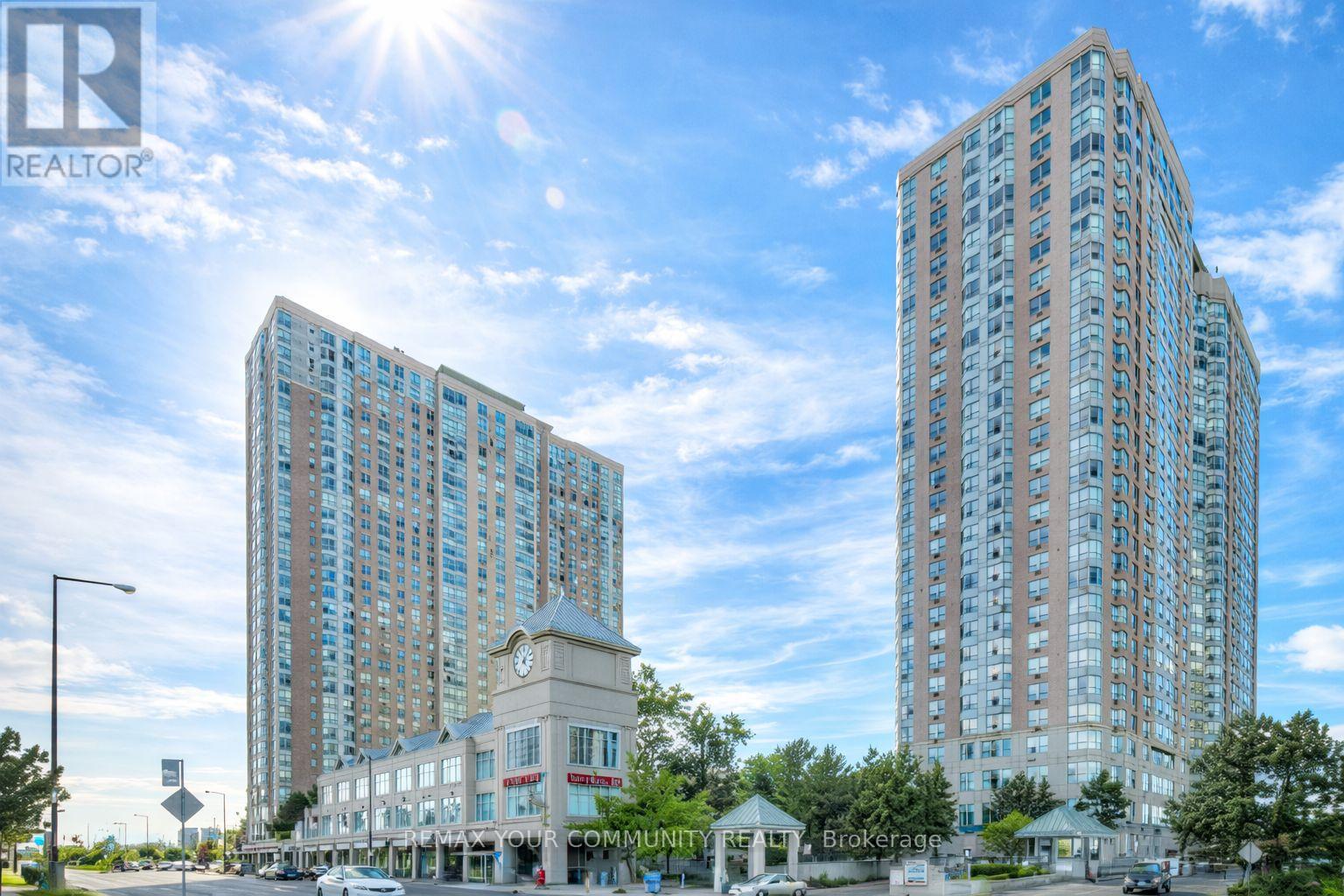 For Sale
 For Sale
 For Rent
 For Sale