

Trinity Bellwoods is the west-end neighbourhood built around a park that doubles as its living room: Victorian and Edwardian brick semis on narrow streets between Queen West and Dundas, with a 15-hectare park at the centre that draws the neighbourhood together every weekend from April to October. Renovated semis on Crawford, Euclid, and Shaw were trading between $1.4 and $1.75 million in early 2026, with detached homes starting around $2 million. The white squirrel colony in the park is real.
Trinity Bellwoods sits between Bathurst and Dufferin, with Queen Street West as its southern commercial edge and Dundas Street West running through the middle as a quieter second strip. The park occupies the centre: 15 hectares of mature trees, baseball diamonds, tennis courts, and a small dog off-leash area. On a Saturday afternoon in June, half the neighbourhood is in or around that park.
The streets are narrow and residential. Crawford, Euclid, Shaw, and Beatrice are the blocks that buyers shortlist. The houses are predominantly Victorian and Edwardian brick, two and a half storeys, built between 1890 and 1925, mostly renovated at least once. The density of renovation quality makes condition visible: a well-maintained semi with original character stands out against surrounding properties and prices accordingly.
What separates Trinity Bellwoods from Roncesvalles to its west is the energy on the commercial strips. The Queen West stretch between Ossington and Bathurst has more bars, restaurants, and independent retail per block than almost anywhere in the city. Roncesvalles is quieter and more residential. Buyers who want the active street life choose Trinity Bellwoods. Buyers who want the family neighbourhood feel with good transit access often choose Roncesvalles and find the value better.
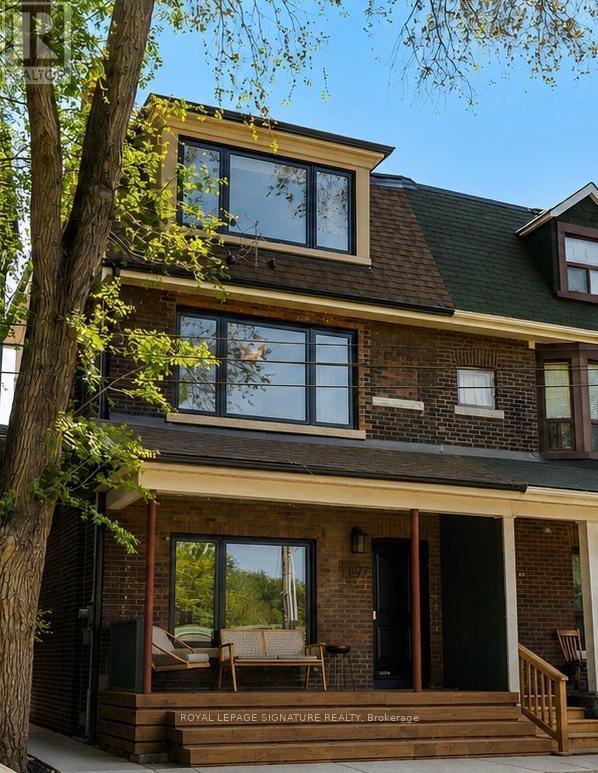
The dominant purchase in Trinity Bellwoods is the Victorian or Edwardian brick semi: 16 to 20-foot frontage, three bedrooms, one or two bathrooms, rear lane access. Most were built between 1890 and 1930 and reflect a century of renovation decisions. An updated semi on Crawford, Euclid, or Shaw — with a decent kitchen, functional bathrooms, and original hardwood — trades between $1.4 and $1.75 million depending on lot size and condition.
Detached homes are less common and carry a meaningful premium. A three-bedroom detached in good condition starts around $2 million. Renovated four-bedroom properties on deeper lots have sold above $2.8 million and don’t last long when priced correctly.
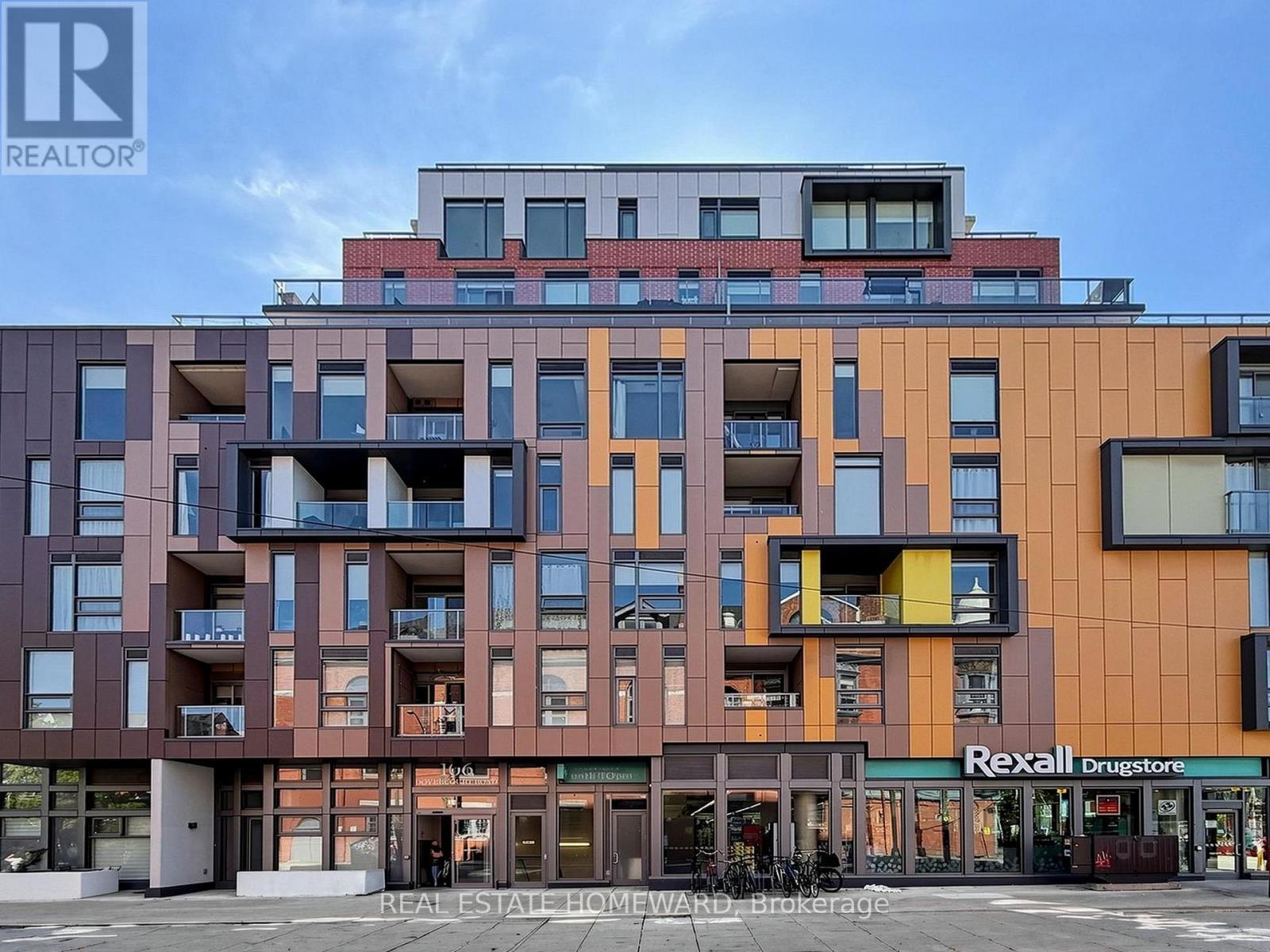
Boutique condo buildings on Queen West and Dundas West supply the condo market. A one-bedroom in the 500 to 600 square foot range trades between $680,000 and $820,000. Two-bedrooms run from around $900,000 to $1.2 million. Loft conversions from former commercial buildings on Queen West command a premium over equivalent square footage in purpose-built buildings because of ceiling height and character.
Parking is a genuine constraint. Most of the Victorian semis were built before cars, and many properties have no dedicated parking. The lanes behind Crawford, Euclid, and Shaw have garages or parking pads on some lots but not all. Buyers who need to bring a car home daily should confirm parking at the specific property before proceeding.
Trinity Bellwoods is one of the more consistently contested residential markets in the west end. Well-priced semis in the Crawford-Shaw corridor attract multiple offers in spring and early fall regardless of broader market conditions. The neighbourhood has a deep buyer pool — creative professionals, older millennials with equity from previous purchases, some international buyers — that keeps demand steady even when the broader 416 softens.
In early 2026, most properties are listed without a formal offer date and reviewed when offers arrive. For the best-priced semis, informal offer deadlines still appear, typically set a few days after listing. Buyers should be prepared to act quickly on well-presented properties and to include competitive terms. Conditions are present in most offers but sellers of desirable properties push back on them.
Condos are running at longer days on market, reflecting the same condo-specific weakness seen across the city. Buyers considering condos here have more time and leverage than freehold buyers.
Spring (February through May) is when competition peaks. October produces the second window of strong activity. Mid-November through January is slower, and listings that appear in that period often carry more flexibility on price.
The buyers who end up in Trinity Bellwoods are usually choosing it over Roncesvalles, Ossington, or Little Portugal. The decision against Roncesvalles is usually about street energy: Roncesvalles is a family neighbourhood with excellent housing stock but a quieter commercial strip. Trinity Bellwoods buyers want Queen West proximity and the park, and accept the price premium for both.
The decision against Ossington is primarily financial. Ossington offers comparable housing stock at 10 to 15 percent less, with comparable transit access. Buyers who choose Trinity Bellwoods over Ossington are paying for the park, the established desirability of the address, and a buyer pool that has historically supported stronger resale.
The buyers who end up here tend to be in their late 30s or early 40s: dual-income households with careers in the creative, media, or technology industries who have waited long enough to accumulate a meaningful down payment and are making a deliberate choice about neighbourhood character. Young families are present but the narrow semis with small backyards are a practical constraint for households with more than two children.
The east-west divide within Trinity Bellwoods matters more than most listings acknowledge. East of Ossington Avenue, the streets closer to Bathurst are denser, noisier, and more exposed to weekend activity from both Queen West and Dundas. West of Ossington, toward Dufferin, the residential streets are quieter and slightly less expensive. East commands a premium because of transit proximity and the concentrated Queen West strip. Buyers who prioritise quiet find better value-per-dollar on the west side.
The laneways are worth investigating before making an offer. Many have active laneway suites added under the city’s bylaw. A property on a laneway with existing suites carries evidence the lane works well. A property on a lane without suites may have potential the listing price doesn’t reflect. Either way, it’s worth walking the lane on a weekend before committing.
The park itself is a source of noise on summer weekends. Properties directly adjacent on Crawford or Gore Vale Avenue are within earshot of the weekend activity from April through October. Walk the block on a Sunday afternoon in June before you decide whether that’s a feature or a drawback for your specific use of the house.
Trinity Bellwoods buyers are experienced and visual. They’ve toured multiple properties in the neighbourhood and understand the housing stock. A semi that doesn’t show the care taken with it — dirty floors, scuffed walls, a dated kitchen with no compensating character — will underperform against comparable listings that have been presented properly.
The homes that attract the strongest prices here are the ones that respect the Victorian bones and work with them rather than against them. Original hardwood refinished and shown. Exposed brick where it exists. Ceiling mouldings preserved. A contemporary kitchen that doesn’t try to be something the house isn’t. Buyers in this neighbourhood pay for authenticity in renovation. They’re suspicious of work that feels done to sell rather than done to live in.
Timing matters. A spring listing benefits from the most concentrated buyer pool in the calendar. Properties listed in March, April, and early May consistently outperform equivalent listings from July or November. If you have flexibility on timing, the spring window is worth waiting for.
The park is the neighbourhood’s primary asset and its social centre. On any weekend between May and September it holds multiple uses simultaneously: a formal baseball game, informal sport, picnic groups on the east meadow, dog walkers at the off-leash area, and people sitting on the hill along Crawford doing nothing in particular. The white squirrel colony — a small population of leucistic eastern grey squirrels that has lived here for decades — has acquired a reputation far beyond the neighbourhood. There are specific corners of the park where regulars go to spot them.
Queen Street West between Ossington and Bathurst is one of Toronto’s more concentrated hospitality and retail strips. Civil Liberties on Queen has become a standard local reference. Bar Raval on College, technically just outside the neighbourhood boundary but within easy walking range, is among the city’s best bars. The Ossington strip to the east, accessible from the neighbourhood, adds considerable dining depth.
Dundas Street West runs through the northern half of the neighbourhood with a second commercial concentration: more cafes, more vintage shops, more independent retail at slightly lower rents than Queen West. It’s where the neighbourhood does its daily life rather than its evenings out.
The 501 Queen streetcar runs the southern edge and is the most direct transit connection to downtown. Like most Queen car routes, it’s subject to bunching and delays. Most residents treat it as reliable in off-peak hours and plan around cycling when they need certainty.
The Ossington subway station on the Bloor-Danforth line is a 10 to 15-minute walk from most of the neighbourhood and provides the reliable downtown connection. The 505 Dundas streetcar connects west toward Dundas West subway station. Both connections are within reasonable walking distance for most Trinity Bellwoods streets.
Cycling is how many residents get to work. The Bloor bike lanes run east through the Annex from Christie. The Martin Goodman Trail along the waterfront connects west toward Etobicoke and east toward the beaches. A fit cyclist can be at King and Bay in 20 minutes from Queen and Crawford, genuinely faster than the streetcar on most mornings.
Roncesvalles is the comparison most Trinity Bellwoods buyers have run. The housing stock is similar in type and age. Transit access is comparable. Roncesvalles has High Park on its western edge, which is a significantly larger and more varied green space than Trinity Bellwoods Park. Trinity Bellwoods buyers who choose over Roncesvalles usually cite the Queen West strip and the park’s community character. The difference between a park that’s a destination and one that’s a backyard is real and persistent in buyer preference.
Ossington sits immediately east and offers comparable housing at 10 to 15 percent less. Buyers who can’t absorb the Trinity Bellwoods premium often move east to Ossington and find the practical difference in daily life is smaller than the price difference suggests. The transit access is similar. The housing stock is the same era and type. The gap is the park and the address.
Little Portugal, west of Dufferin, has similar housing stock at a further discount. The commercial strip on Dundas West through Little Portugal is developing but less concentrated than Queen West. Buyers who prioritise value over address often end up there and report the neighbourhood feels similar to Trinity Bellwoods as it was a decade ago.
The main public elementary options are Ryerson Community School (JK to Grade 8) at Dundas and Shaw, and Shaw Street Public School. Neither has an exceptional academic reputation. Shaw Street is the smaller and has a tighter community feel. Parents with specific academic or programming priorities often investigate the Catholic system, which has St. Mary of the Angels nearby, or pursue TDSB French Immersion programs that require separate applications.
For secondary school, the catchment flows to Bloor Collegiate Institute, which has a strong arts program and mixed academic results. Families buying Trinity Bellwoods with school-age children often have a separate plan: a program school, a private option, or an intended move to Davisville or Leaside before the secondary school decision arrives. The neighbourhood works well for families with young children. The secondary school question is the one that most often drives families further east or north.
Verify current catchment boundaries using the TDSB boundary tool before relying on any address in your decision. A two-block difference can place you in a different school.
What is the white squirrel in Trinity Bellwoods Park? A small colony of leucistic eastern grey squirrels has lived in Trinity Bellwoods Park for decades. Leucism is a genetic condition that reduces pigmentation, producing white or pale fur. The squirrels aren’t albino — they have dark eyes — but appear white. Their origin is uncertain. They’ve been in the park long enough to become a neighbourhood identity symbol, referenced in local business names, real estate listings, and tourism coverage. Spotting one is considered good luck by a meaningful portion of the neighbourhood, which says something about the culture of the place.
How does Trinity Bellwoods compare to Roncesvalles for buyers? The two neighbourhoods have similar housing stock in type and age. Trinity Bellwoods is roughly 15 to 25 percent more expensive for equivalent properties, reflecting its proximity to Queen West, the park’s character, and a consistently deeper buyer pool. Roncesvalles has High Park on its western edge, which is a significantly larger park. Families often find Roncesvalles more practical: quieter streets, somewhat better elementary school options, and easier access to High Park. Buyers who prioritise the active west-end street life and the park’s community character tend to choose Trinity Bellwoods.
Can you build a laneway house on a Trinity Bellwoods property? Many lots in the neighbourhood can support a laneway suite under the city’s bylaw. The laneways behind Crawford, Euclid, Shaw, and Beatrice have seen significant uptake since the bylaw came into effect. A one-bedroom laneway suite costs $250,000 to $350,000 at current construction prices and adds both rental income and resale value. Not every lot qualifies: you need minimum lot area, appropriate lot depth, and acceptable lane access. Buyers interested in this option should have a laneway housing consultant assess the specific property before purchase.
What are the best streets to buy on in Trinity Bellwoods? The blocks between Crawford and Shaw, between Queen and Dundas, produce the most consistent demand and strongest resale prices. Crawford and Euclid are the highest-demand addresses. The blocks on the west side of Shaw and on Beatrice north of Queen are quieter and slightly less expensive while keeping park access and neighbourhood character. East of Ossington is busier and slightly more expensive; west of Ossington is quieter with marginally better value. Buyers should map priorities against specific streets: parking availability, backyard size, school catchment, and proximity to the park all vary by block.
Trinity Bellwoods Park takes its name from a history that predates the neighbourhood. The site was home to Trinity College from 1852 until the university relocated to its St. George Street campus in 1925. The college buildings were demolished and the land was converted to a public park in the 1920s, with the gothic gates at the Queen Street entrance surviving as the neighbourhood’s most prominent historical remnant. Bellwoods Avenue gave the second half of the park’s name.
The residential neighbourhood that grew around the park was, through the 19th and early 20th centuries, a working and middle-class area. The Victorian and Edwardian semis now selling for $1.5 million housed tradespeople’s families when they were built. The shift toward the neighbourhood’s current character began in the 1990s, when the Queen West strip developed as a centre for Toronto’s creative industries, and accelerated through the 2000s and 2010s. What was a neighbourhood in visible transition is now an established address, with the park regularly cited as one of the reasons people move to this part of the city.
Street-level knowledge is hard to find online. Our team works in Trinity Bellwoods every day. They know which pockets hold value, where the school catchment lines actually fall, and what the market is doing right now. Talk to us before you make a decision about Trinity Bellwoods.
Talk to a local agent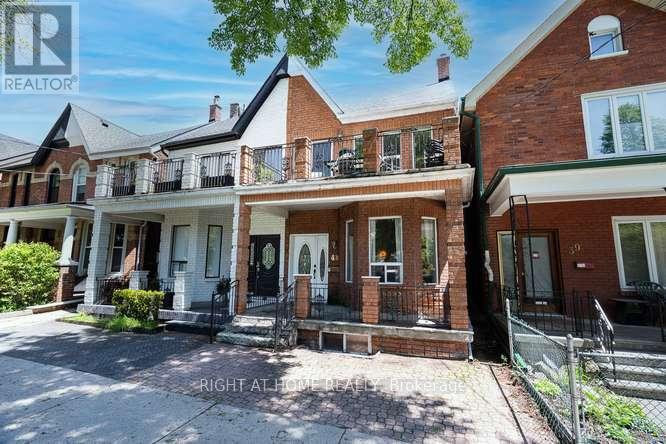 For Sale
 For Rent
 For Rent
 For Sale