
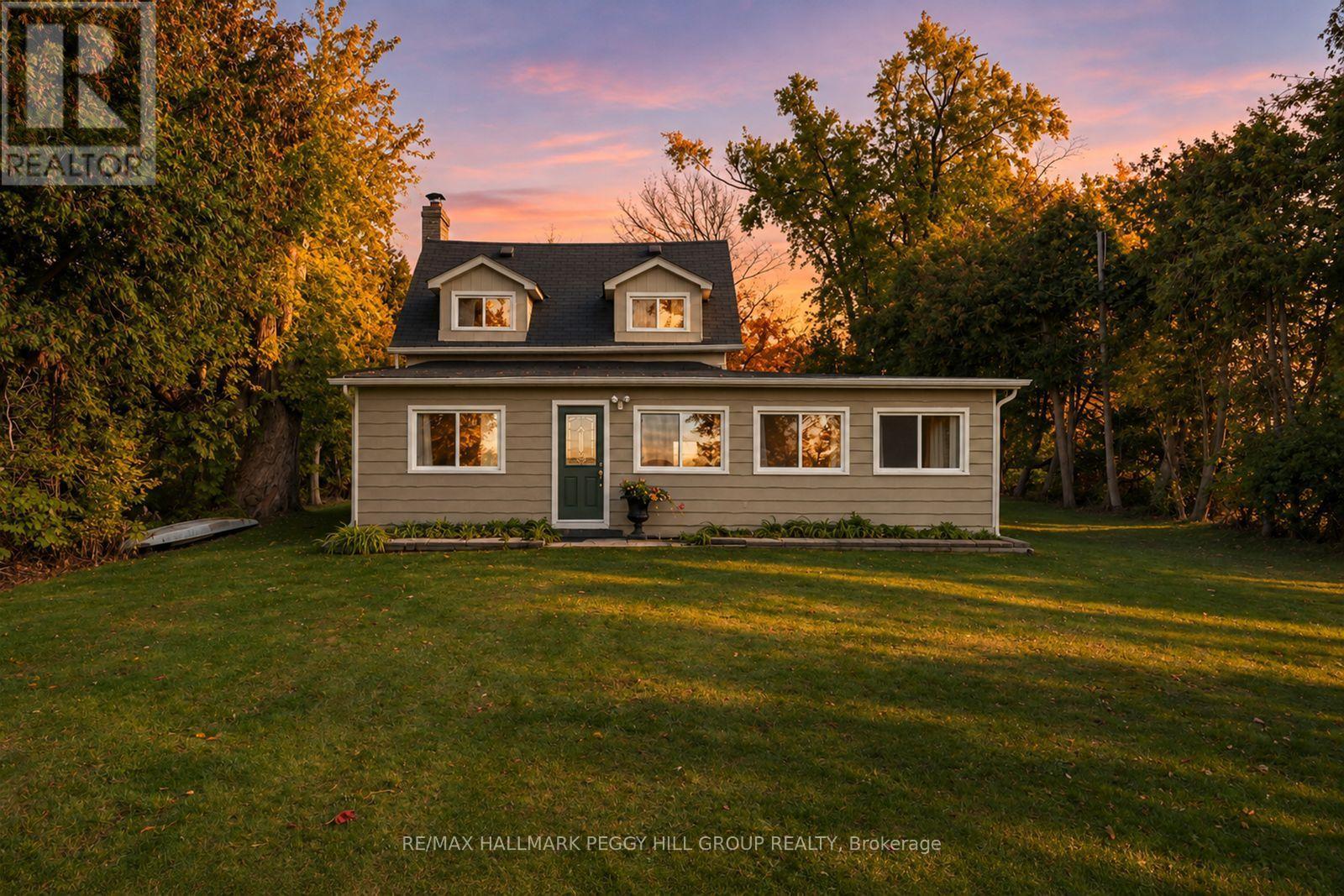
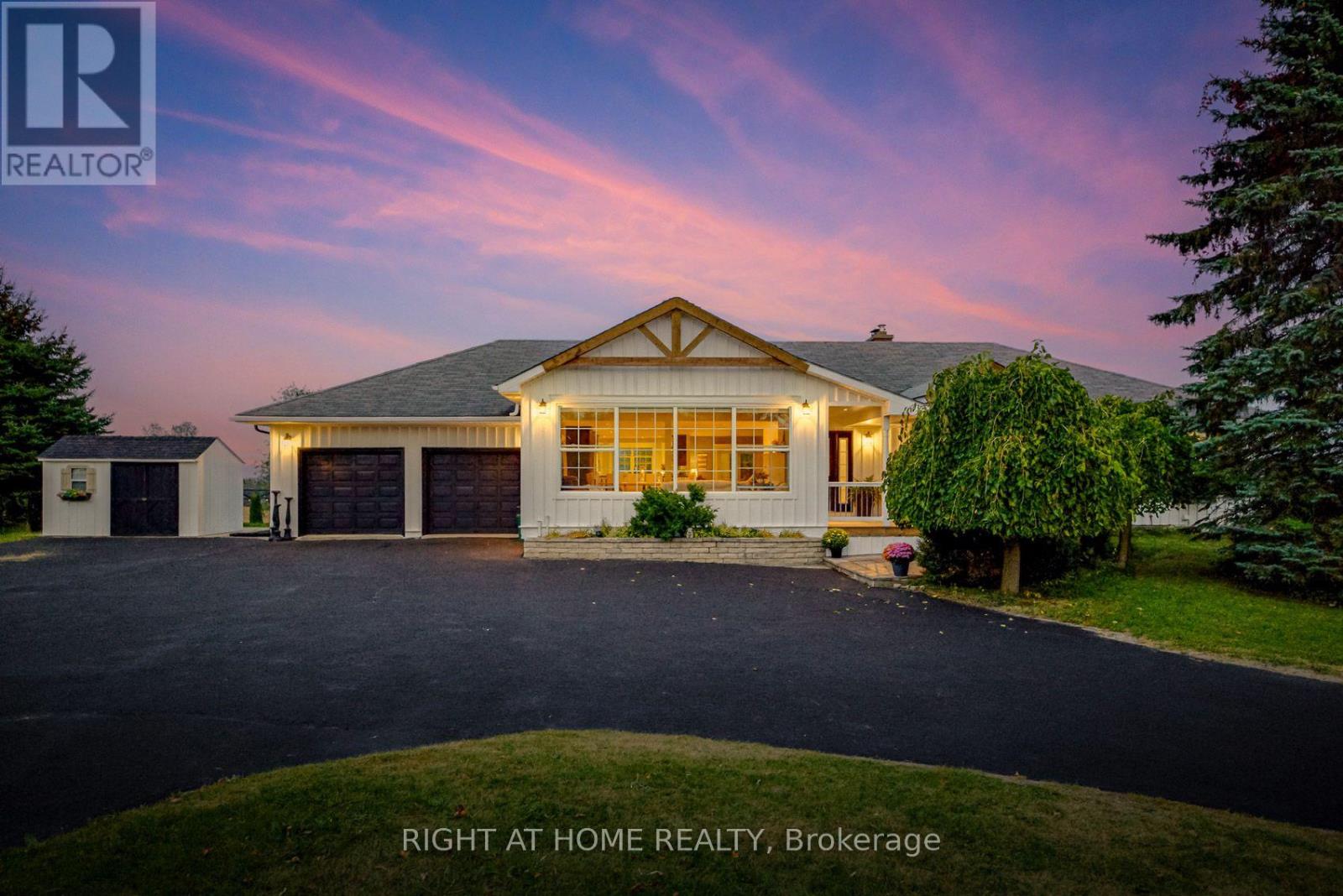
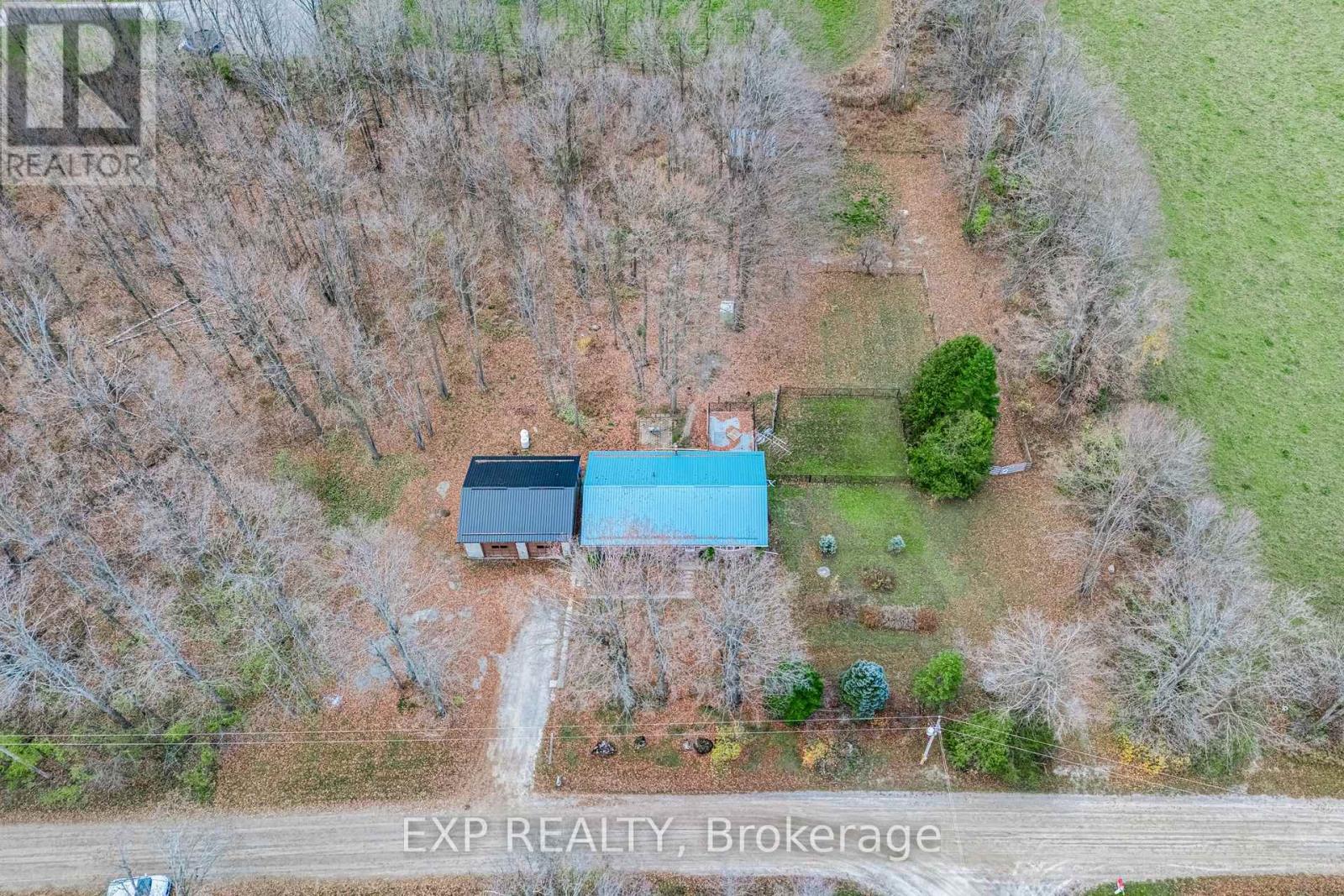
Brock is the far northeast corner of the GTA: a farm township of about 12,500 people on the east shore of Lake Simcoe, at the top of Durham Region, an hour and a half's drive from downtown with the roads clear. Three villages, Beaverton on the lake, Cannington on the Beaver River and Sunderland on Highway 12, sit in a township of fields, marsh and shoreline. A house here costs about half the Toronto average, and no train or GO bus serves the township. What is on the market in Brock right now is listed below.
Brock Township fills the northeast corner of Durham Region. Lake Simcoe is its west shore, the Trent-Severn Waterway runs along part of its north edge, Kawartha Lakes is to the east and Uxbridge and Scugog are to the south. It covers about 423 square kilometres, nearly half again the size of Mississauga, and the 2021 census counted 12,567 people in it, about 30 per square kilometre. The census also found roughly one dwelling in 10 with no year-round resident, the usual sign of cottage country.
The township was formed in 1974, when Durham Region was created, by joining the old townships of Brock and Thorah with the villages of Beaverton and Cannington. Sunderland was already inside Brock Township and came along. Each village had a railway station once, on lines north from Toronto and from Port Hope, and each keeps the main street and the brick houses the railway years built. The trains are long gone.
Almost everything for sale in Brock is a freehold house. A house here costs about half the Toronto average, a wider gap than Uxbridge or Scugog to the south, and that gap is mostly distance. Within the township, the cheapest houses are in Sunderland; Beaverton and Cannington sit close together in the middle; and Rural Brock, the farms, acreages and lakeshore outside the villages, averages the most, about 40 percent above Beaverton. Condominiums are a few units in Beaverton and nothing else. The figures alongside are today’s and are refreshed daily. In a market this small they move with a handful of listings, so read the relationships on this page, not the number of the day.
The villages have the houses most buyers come for. Beaverton’s older streets run back from the harbour with Victorian brick houses and post-war bungalows, with small newer subdivisions at its edges and the township’s only condominiums, a few units in all. Cannington’s housing is mostly detached houses from the 1940s to the 1980s on big village lots, with infill and severances rather than subdivisions. Sunderland is the smallest, a short main street on Highway 12 with Victorian houses, post-war bungalows and a modest amount of newer construction behind it. A two-bedroom house in the township costs about two-thirds of a three-bedroom, four bedrooms run about a quarter above a three-bedroom, and five bedrooms about 60 percent above.
The shore is a market of its own. Lake Simcoe’s east side from Beaverton north to Gamebridge and south through Thorah Beach, Cedar Beach and Maple Beach to Port Bolster was cottage country first, and much of it has since been rebuilt, winterized or replaced with year-round houses. Thorah Island, 1,450 acres of cottages four kilometres off Beaverton, is still seasonal and reached by boat. Waterfront is priced on frontage, exposure and whether the septic system and the shoreline permits are in order.
Farms are the rest of it. Brock is open country, flat to gently rolling, in crops and pasture, and the 100-acre farm, the 10-acre hobby farm and the farmhouse on a severed lot come up through the year, on wells and septic systems and a long way from a neighbour.
New houses are coming to Beaverton: the 220-unit Beaverton Lake Homes subdivision restarted earthworks in September 2026 after years of delay. Renting is hard. A handful of houses are for rent across the township at any time, at asking rents only a little below Toronto’s, so if you want to rent for a year first, start looking early.
Brock takes its prices from buyers who come out from the city and its suburbs. They come in waves, as they did from 2020 to 2022, and thin out when rates rise. With fewer houses for sale across the whole township than in one busy Toronto neighbourhood, a single unusual listing moves the average. Compare any asking price with the last two or three sales on the same street, not with the township figure.
The shore runs on a different calendar from the villages. Waterfront shows best in summer, when the water is open, so if you can only view in winter, expect to see less of it and to see it at its worst. Go anyway if you can. The ice, the wind off the lake and the state of the road in February tell you things a July viewing hides, and the same goes for walking 100 acres in January.
What holds supply back is sewage capacity. The Region is studying it in all three villages, and until that work is done, the two inland villages get infill and severances rather than subdivisions. Nearly all the building applications now in are in Beaverton. Prices in Brock are below Uxbridge’s and Scugog’s, the two townships to the south, and Brock is farthest of the three from the 407.
Brock is a place to leave the GTA commute behind rather than keep it. Retirees and near-retirees sell a house in Durham, York or Scarborough and buy outright in Beaverton with money left over. Remote workers in their thirties and forties buy here because they can’t buy a house anywhere closer. Boaters and anglers who have spent summers on Lake Simcoe buy the shore so they can stay.
What they trade is everything a city provides on foot. There is no hospital in the township, no GO train or GO bus, no cinema beyond the small Strand Theatre in Beaverton, and no big-box shopping without a drive to Lindsay, Orillia or Whitby. The Brock Community Health Centre in Cannington and Beaverton covers primary care, and anything specialist means Lindsay, Port Perry, Uxbridge or Oshawa.
A couple with two cars, a boat and no daily commute does well in Brock. A household with one person working downtown does not. Houses in Brock cost about half what they do in Toronto, and the difference buys a lot of driving.
Brock’s three villages each have a page here, and a fourth covers everything else. From the lake inland:
Beaverton is the largest village and the one on the water, at the mouth of the Beaver River on Lake Simcoe, with a harbour and yacht club, a beach, the 1853 Old Stone Church that is a National Historic Site, an arena, a library branch, the Strand Theatre and a Fisher’s Independent Grocer. It has the township’s only condominiums, its newest subdivisions and most of the planned growth. Houses here cost a little less than in Cannington on average and a good deal less than Rural Brock around it.
Cannington is the township seat, inland on the Beaver River, with the municipal office, Brock High School a kilometre and a half west of the village, McCaskill’s Mills Public School and the Timothy Findley library branch. A fire in 1987 destroyed dozens of homes, so a run of the village’s houses dates from the rebuild. It’s a working village with generous lots, priced close to Beaverton without the lake.
Sunderland is the smallest of the three and the cheapest, on Highway 12 and Highway 7 in the south of the township, nearest the drive to Whitby and the 407. It has one public school, a fall fair in September that dates from the 1850s, a maple syrup festival in April and a few blocks of Victorian houses behind the main street.
Rural Brock is the rest: the farms, the hamlets of Wilfrid, Vallentyne, Vroomanton, Blackwater, Wick and Gamebridge, and the whole Lake Simcoe shore outside Beaverton, from Port Bolster and the beaches of Thorah to the Trent-Severn at the top of the township. It averages the most of the four, and the waterfront is in it.
No GO train or GO bus serves Brock. The nearest GO stops are the bus at Uxbridge to the south and the trains at Whitby and Oshawa. A daily commute to downtown Toronto from here is a long one.
By car, Beaverton to Union Station is about 110 kilometres and an hour and 35 minutes with the roads clear, which they aren’t at 8am. Sunderland is about 100 kilometres and closer to an hour and a half. The usual route is Highway 12 south through Sunderland to Brooklin, where the 12 begins at Highway 407, then the 407 or the 412 and 401. From Beaverton, Highway 48 runs southwest through Sutton and Stouffville to Markham and the 407. Highway 7 leaves the 12 at Sunderland and runs east to Lindsay. All of them are country highways through open farmland, and they take the winter weather off Lake Simcoe before the city does.
Inside the township, Durham Region Transit’s route 618 runs weekdays from Port Perry to Beaverton by way of Sunderland and Cannington, about every 90 minutes from 6am to 7pm, and a peak-hour 618A continues to the Oshawa campus shared by Ontario Tech and Durham College. At Port Perry the 905 carries on to Whitby. Outside those hours, DRT’s On Demand service picks you up at the end of the driveway by booking. It’s a lifeline for people without a car and nothing more than that for everyone else. A CN freight line still crosses the township, and it carries no passengers.
Lake Simcoe is why Brock exists as a place people choose rather than a place they farm. Beaverton’s harbour at the river mouth has a federal pier, a yacht club and a beach, and the township’s 2024 waterfront plan covers the harbour, the fairgrounds and the parks between them. The township calls itself the Smallmouth Bass Capital of Canada, ice-fishing huts go out on the lake in winter, and the shoreline from Port Bolster to Gamebridge is a string of beaches and cottage roads.
The Beaver River runs through the middle of the township, up from Uxbridge and Scugog through Cannington to the lake at Beaverton, in a wide marshy valley for most of its length. The old Toronto and Nipissing rail bed follows the valley and is now a trail through the marsh, part of the Trans Canada Trail’s route from Uxbridge toward the lake. Its whole length is in the Lake Simcoe Region Conservation Authority’s watershed. Cannington’s MacLeod Park hosts the village’s haunted attraction each October.
At the north end the Trent-Severn Waterway marks the township’s edge, and a boat from Beaverton harbour can lock through toward the Kawarthas or run across the lake to Orillia or Jackson’s Point. The farm country between the river and the lake is flat, open and quiet, with woodlots, wetlands and gravel roads.
Each village shops on its own main street, and each is a block or two long. Beaverton has Fisher’s Independent Grocer, the Strand Theatre, a library branch and the diners and shops along the main street. Cannington and Sunderland each have a short main street of shops and restaurants, and the Sunderland Co-operative serves the farms. For a Walmart, a Canadian Tire or a mall, Brock residents drive to Lindsay, Orillia, Uxbridge or Whitby, and they plan the week around it.
There’s no hospital in the township. The Brock Community Health Centre runs primary care, physiotherapy, counselling, diabetes education, foot care and dental services from sites in Cannington and Beaverton, and a new health centre building is under construction in Cannington. The nearest emergency departments are Ross Memorial Hospital in Lindsay, Lakeridge Health in Port Perry, the Uxbridge hospital and Orillia Soldiers’ Memorial across the lake, all of them a real drive from anywhere in the township. For retirees, Lakeview Manor in Beaverton, the Region’s long-term care home, and the Bon Air Residence in Cannington are the two places to know about.
The Region’s economic profile names Lakeview Manor, Stock Transportation, Fisher’s Independent Grocer, the Sunderland Co-operative, Flex-N-Gate, the Bon Air Residence and Fairgreen Sod Farms as the township’s major employers, and agriculture, construction, retail and health care as its main sectors. Most buyers should expect a drive to work, to Lindsay, Port Perry, Uxbridge, Oshawa or Newmarket, or a desk at home.
The public schools here belong to the Durham District School Board and the Catholic ones to the Durham Catholic District School Board. Every public high school student in the township goes to Brock High School, which sits on Regional Road 12 about a kilometre and a half west of Cannington and has served Beaverton, Cannington, Sunderland and the farms since 1953. It’s small, about 400 students in 2019-20, and offers Specialist High Skills Majors in arts and culture, hospitality and tourism, sports and transportation. It has no French immersion program; the nearest public high school with one is Port Perry High School in Scugog.
The elementary schools are Beaverton Public School and Thorah Central Public School in and near Beaverton, McCaskill’s Mills Public School in Cannington and Sunderland Public School in Sunderland. The Catholic board has one school in the township, Holy Family Catholic School in Beaverton, an elementary school. Its seven secondary schools are all in the south of the Region, in Ajax, Pickering, Oshawa and Whitby, so a Catholic high school education from Brock means a very long bus ride or a move.
The board draws the boundaries, and its website looks them up by address. In a township this size, the question is less which school than how long the bus ride is, and a house on a concession road can mean a long ride each way.
There’s no post-secondary institution in the township. The 618A bus runs at peak hours to Ontario Tech University and Durham College in Oshawa, and Fleming College’s Frost campus in Lindsay is the nearest college.
Nearly all of what is being built in Brock is in Beaverton, and most of it has been a long time coming. Beaverton Lake Homes is the largest. The subdivision off Thorah Concession Road 5 and Osborne Street, on the south side of the village, has approval for 141 detached houses, 65 townhouses and between 7 and 14 live-work townhouses, about 220 homes in a village of a few thousand people. The project stalled for years, and in September 2026 earthworks and pre-servicing restarted. No occupancy date has been published, and it’s the only sizeable source of a new house in the township.
Two smaller applications were before council in 2026: 36 units at 507 Sarah Street, mostly townhouses, which went to a public meeting in May, and a three-storey building at 482 Osborne Street with 10 apartments over a shop, which staff recommended for approval the same month. The Region finished a 47-unit transitional and supportive housing residence at 121 Nine Mile Street in the fall of 2024.
The Beaverton Waterfront Plan, endorsed by council on 26 February 2024 after more than a year of consultation, is the long-term change. It covers the public land between the harbour and Mill Gateway Park, including the fairgrounds and the old railway parcels, in more than 40 component projects. Some of the harbour work depends on the federal government, which owns the pier. None of it has a completion date, and a buyer should price the plan at nothing until shovels are in.
Behind all of it is sewage capacity. The Region is running environmental assessments for a new sanitary pumping station in Beaverton’s employment area and for sewage capacity in Cannington and Sunderland. Until those finish, expect infill and severances in the two inland villages and not much else.
Is Brock cheaper than Toronto?
Yes, by about half for a house, a wider gap than Uxbridge or Scugog, and the reason is that Brock is 110 kilometres from Union Station with no train, no GO bus and no hospital. The buyers who set Toronto prices aren’t bidding here. Inside the township, the cheapest houses are in Sunderland; Beaverton and Cannington sit close together; and the farms and lakeshore of Rural Brock average about 40 percent above Beaverton. The gap with Toronto narrows on the water.
Property tax and cars run the other way. The township’s own share of the tax bill rose 3.79 percent for 2026, about $60 a year on a house assessed at $300,000, and the Region’s share, the larger part, rose 4.8 percent. Outside the villages, a second car is close to compulsory, at roughly $9,500 a year for a mainstream compact by the CAA’s reckoning, and the driving is long. You also own a well and a septic system there, and on the shore you own a shoreline that the conservation authority regulates. Put the cars, the fuel and the septic inspection in the budget before you compare mortgages, and treat the live averages beside this text as what they are: a few listings in a market that moves slowly.
Can you commute from Brock to Toronto?
You can, by car, and it’s a commute few people keep up for long. No GO train or GO bus serves the township. From Beaverton, it’s about 110 kilometres to Union Station, an hour and 35 minutes with the roads empty and longer at rush hour, down Highway 12 to the 407 at Brooklin or Highway 48 to Markham and the 404. From Sunderland, it’s about 100 kilometres, and Sunderland is the village to look at if the drive south matters most. By transit the route is Durham Region Transit’s 618 bus to Port Perry, the 905 to Whitby and the Lakeshore East train from there, and you’d spend most of a morning doing it. Buyers who make Brock work either have no daily commute, drive to Lindsay, Port Perry, Uxbridge, Oshawa or Newmarket instead, or go to a Toronto office once or twice a week and treat the two-hour drive as the price of the house.
Winter adds to it: Highway 12 and Highway 48 run through open farmland, and a storm off Lake Simcoe can double the drive. Check your employer’s policy on remote work before you buy, not after. If you must be downtown five days a week, look at Whitby or Oshawa on the Lakeshore East line and keep the boat in Brock.
Beaverton, Cannington or Sunderland: which village should I look at?
Beaverton if you want the lake and the most services, Cannington if you want a village with a river and the high school, and Sunderland if you want the lowest prices and the shortest drive south. Beaverton is the largest, with the harbour, the beach, the grocery store, the arena, the theatre and the only condominiums and new subdivisions in the township, and it has most of the building applications now in. Its houses cost a little less than Cannington’s on average, and Rural Brock around it averages the most in the township. Cannington is the township seat, inland on the Beaver River, with Brock High School just west of the village, the library, a health centre and big lots on quiet streets; prices sit close to Beaverton’s without the water. Sunderland is the smallest and cheapest, on Highway 12 and Highway 7 at the south end, about 10 minutes closer to Whitby and the 407 than the other two, with one public school, the fall fair and a maple syrup festival, and it’s the one to look at if you’ll drive south every day.
Growth in all three depends on sewage capacity, which the Region is studying now. If you want acreage or waterfront, none of them is the answer: look at Rural Brock, where the farms and the shore are, and read that page’s notes on wells, septic systems and shoreline permits before you fall for a view of the lake.
What should I know before buying waterfront on Lake Simcoe in Brock?
Start with three questions: is the house four-season, is the septic system legal and sound, and what does the Lake Simcoe Region Conservation Authority allow on the shoreline. Much of Brock’s shore from Port Bolster through Thorah Beach and Cedar Beach to Gamebridge began as cottages, and a cottage that has been winterized is not the same as a house built for winter. Ask for the insulation, the foundation, the heating and the water line’s frost protection, and have an inspector who knows cottage conversions look at them. Septic systems on small lake lots are old, often undersized and sometimes unpermitted, and a replacement on a tight lot near the water is expensive and regulated, so a septic inspection and a pump-out record belong in the offer.
The conservation authority regulates work near the shoreline and in the floodplain: docks, boathouses, retaining walls, fill and additions all need its permission, and a seller’s shoreline wall that was never approved becomes your problem. Ask whether the road is municipal or private and who ploughs it, because some beach roads are seasonal, and read the survey for the shore road allowance, which in older subdivisions can still belong to the township. Thorah Island is reached by boat, so everything you own there comes and goes the same way. The Rural Brock page goes further.
Nothing about Brock resembles a Toronto transaction. There’s no train and no GO bus, so the drive down Highway 12 is the commute, and an agent who has never done it in February can’t tell you what it costs in time. Supply in Cannington and Sunderland is held back by sewage capacity, so new houses mean Beaverton. And every public high school student in the township rides to Brock High School outside Cannington, which has no French immersion.
The agent we refer Brock buyers to lives with those facts. Tell them you want a bungalow near the Beaverton harbour you can walk to the Strand from, or a Thorah shoreline house with a septic that has been replaced rather than pumped, and they’ll bring the comparable sales from that road and the conservation authority’s file on the lot. If a waterfront listing has sat all summer, they’ll know whether the price or the septic is the reason.
Read the three village pages and the Rural Brock page first, then get in touch, and we’ll connect you.
Street-level knowledge is hard to find online. Our team works in Brock every day. They know which pockets hold value, where the school catchment lines actually fall, and what the market is doing right now. Talk to us before you make a decision about Brock.
Talk to a local agent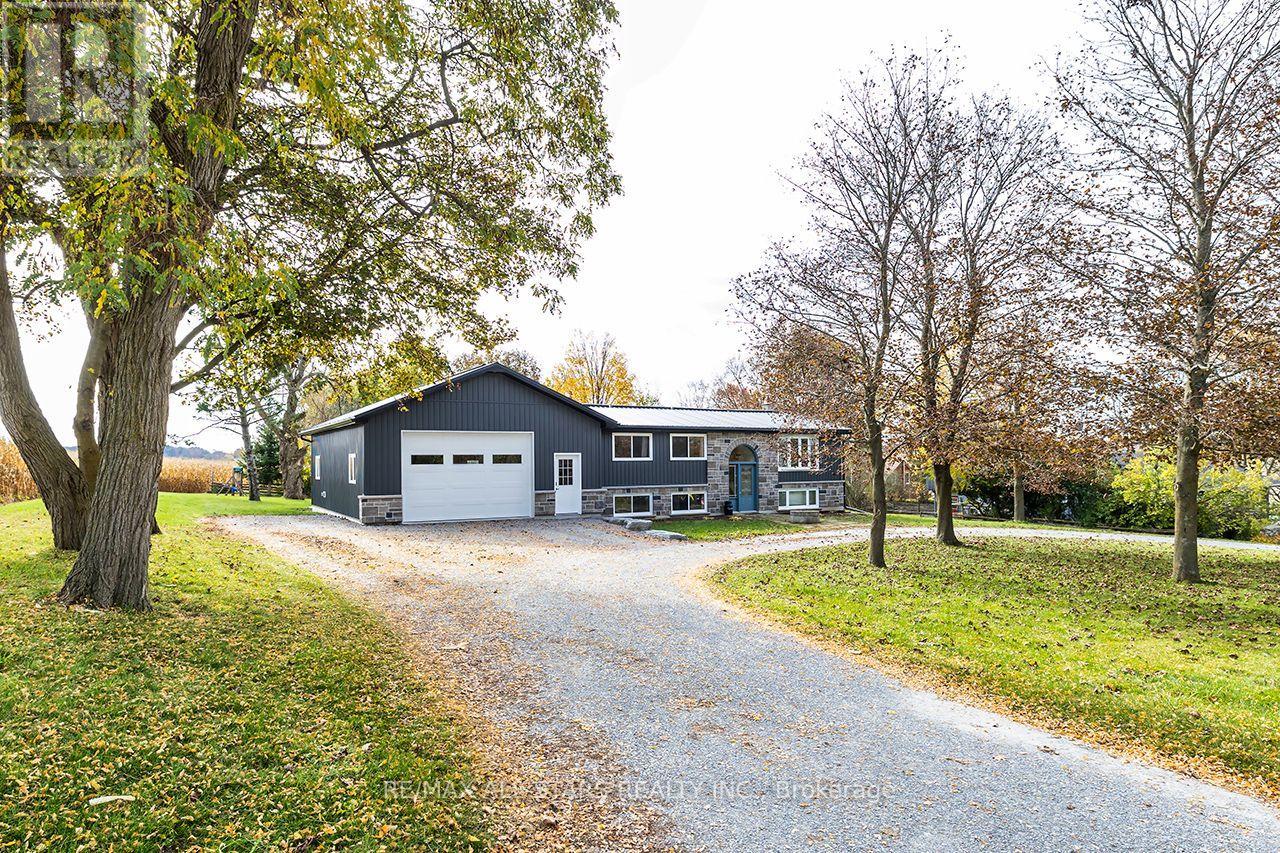 For Sale
 For Sale
 For Sale
 For Sale