
Burlington is the city at the western end of Lake Ontario, about 200,000 people between Oakville and Hamilton, where the lake meets the Niagara Escarpment. Toronto buyers come for a house on a wide lot a short walk from the water or the escarpment trails, and for a GO train that gets them to Union in about an hour. A house here costs about 15 percent less than the Toronto average and about a fifth less than one in Oakville, and a condo a little less than one in Toronto. Every live Burlington listing is shown further down.
Burlington sits at the west end of Lake Ontario, where the shoreline turns south toward Hamilton. Oakville is to the east, Milton to the north beyond the escarpment, and Hamilton across Burlington Bay and the Skyway bridge. It covers about 186 square kilometres, a large part of it farmland and escarpment north of Dundas Street, and the 2021 census counted 186,948 people. Statistics Canada’s estimate had reached about 198,000 by the middle of 2025.
The city grew out of two lakeside villages, Wellington Square and Port Nelson, which merged as the Village of Burlington in 1874 on land the Crown had granted to Joseph Brant in the 1790s. It became a town in 1914, took in most of Nelson Township and Aldershot in 1958, and became a city in 1974 when Halton Region was formed. The old village centre is still the centre: Brant Street runs down to the lake at Spencer Smith Park, and the blocks around it hold the city hall, the hospital, the performing arts centre and the biggest cluster of condo towers in the city. Aldershot to the west and the lakeside streets east of downtown were the first suburbs, and the subdivisions north of the QEW came in waves from the 1960s onward, ending at Alton north of Dundas Street.
Houses outnumber condominiums in Burlington’s listings by about two to one. A freehold house costs about 15 percent less than the Toronto average and about a fifth less than a house in Oakville, and a condo costs a little less than a Toronto condo.
It isn’t one market. The lakeside streets of Shoreacres, between Walkers Line and Appleby Line, average above the Toronto freehold figure. Rural Burlington, the estates and farms on the escarpment, averages higher still and is the most expensive part of the city. North of the QEW, in Mountainside, Palmer, Headon and Brant Hills, the averages are well under half of Shoreacres, and a good part of what sells in Headon and Brant Hills is a townhouse or a condo. Tansley and Uptown, where most of what sells is a condo or a townhouse, have the lowest averages of all.
Most of what comes to market in Burlington is a freehold house, and the age of the house tells you how far it is from the water.
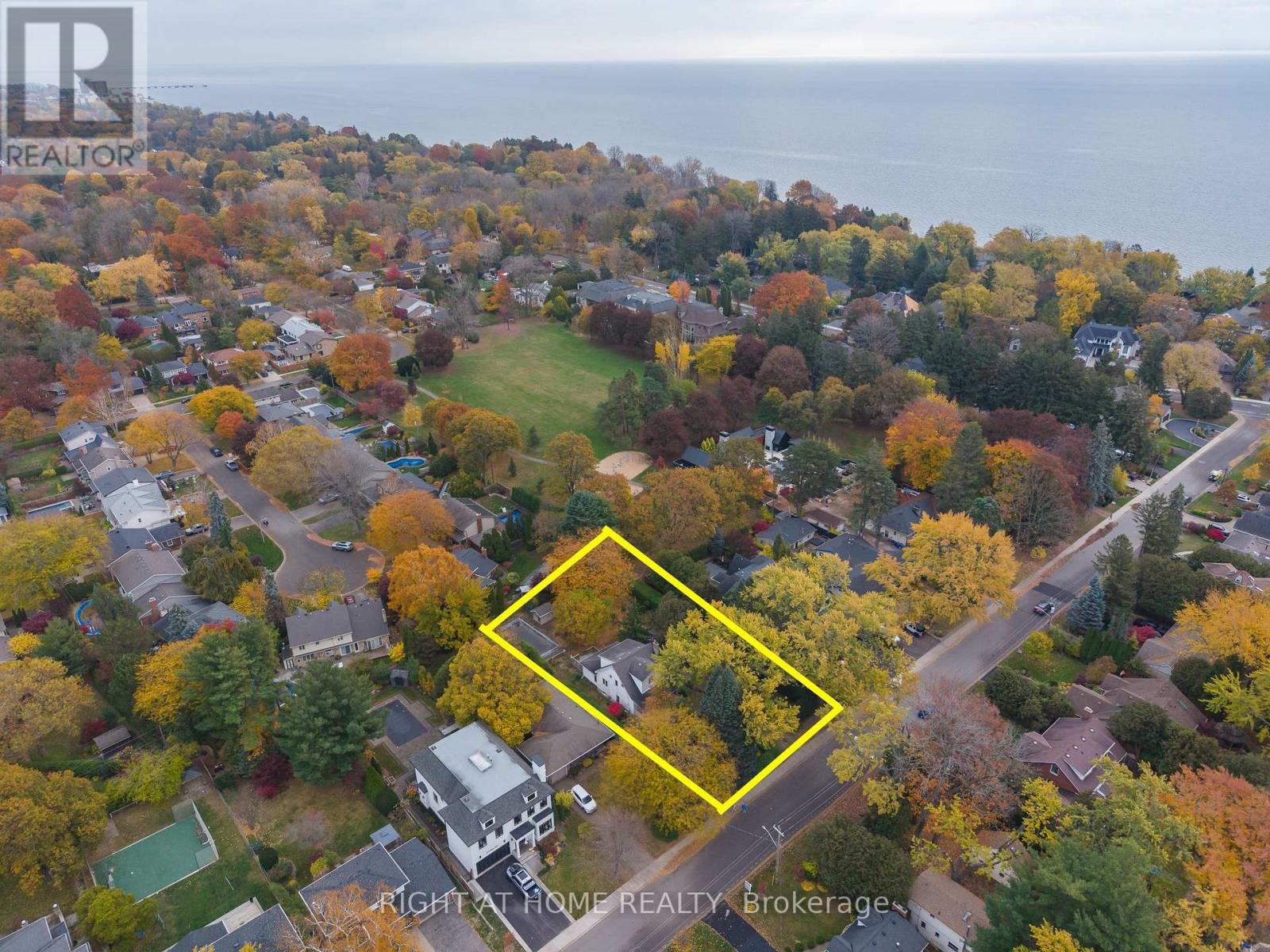
South of the QEW, between the highway and the lake, are the 1950s and 1960s streets. Roseland and Shoreacres have ranch bungalows and two-storeys on wide, deep lots under mature trees, and on the streets nearest the lake the older bungalows are giving way to much larger houses. Appleby, east of them, has the smaller 1960s and 1970s houses of Elizabeth Gardens, Longmoor and Pinedale, and the lowest average of the lakeside neighbourhoods east of downtown. Aldershot, west of downtown, mixes 1950s bungalows on big lots in LaSalle with newer infill and condos along Plains Road, and Grindstone in its northwest corner is a small pocket along Grindstone Creek.
Downtown, the Brant community has the heritage houses of the old village on the streets off Brant Street and the condo towers that have gone up around Spencer Smith Park and along Lakeshore Road. It has more condo listings than any other part of the city.
North of the QEW and south of Upper Middle Road are the 1960s to 1990s subdivisions: Mountainside and Palmer on either side of Guelph Line, Brant Hills north of them, and Headon around Walkers Line. These are the three-bedroom and four-bedroom family houses with the finished basement and the attached garage, and apart from the two condo districts they have the lowest averages north of the QEW. Tyandaga, west of Brant Street on the slope toward the escarpment, is the exception, with large 1970s and 1980s houses around the golf course.
North of Upper Middle Road are the 1990s and 2000s: Tansley, around the Tansley Woods community centre; Rose, the Millcroft golf course community between Walkers Line and Appleby Line; Orchard, east of Appleby Line; and Uptown, the condo and townhouse district at Appleby Line and Upper Middle Road. North of Dundas Street, Alton is the newest neighbourhood in the city, built from the 2000s with townhouses and small-lot detached houses, and it is where Burlington’s subdivisions stop. Across the city, four bedrooms cost about a sixth more than three, and five bedrooms nearly twice as much, with the top band pulled up by the lakefront and the escarpment estates.
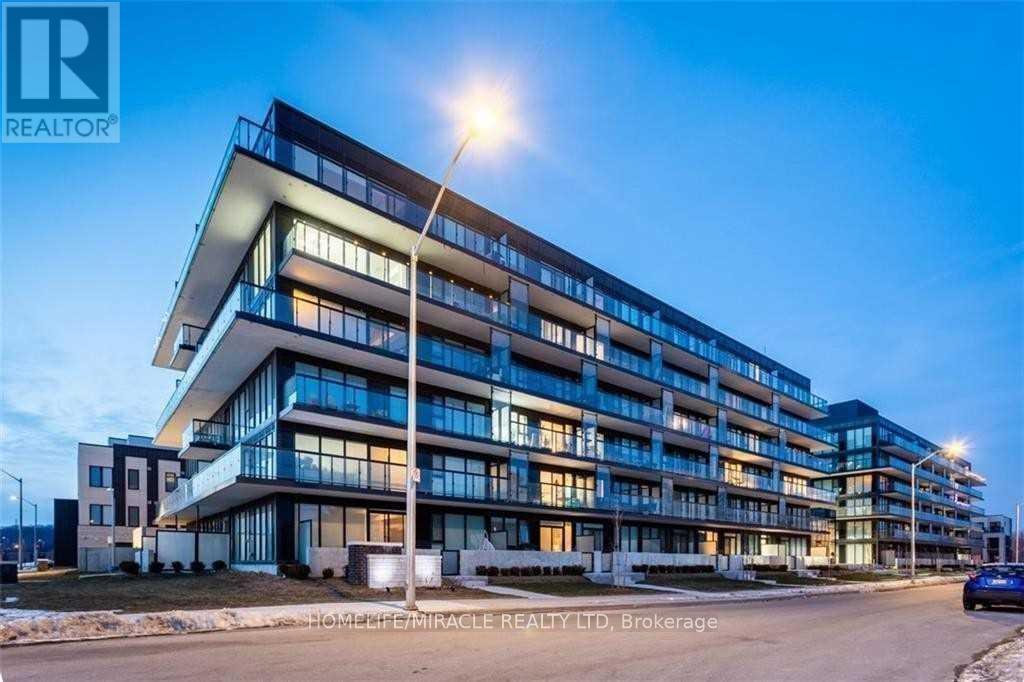
Condominiums cluster downtown, in Aldershot along Plains Road, in Uptown and Tansley, and in the buildings along the lake east of downtown. Three-bedroom condos are easier to find here than in Oakville, and one costs about 60 percent of a three-bedroom house, so a family priced out of a freehold has a route in. A two-bedroom condo costs about half of a three-bedroom house.
Renting is a smaller market than buying. There are more houses than condos for rent, a house rents for about what a house rents for in Toronto, and a condo rents for about an eighth less than a Toronto condo. A buyer moving from Toronto who wants a year to learn the city will find the asking rents by neighbourhood in the listings for rent.
Burlington prices move with Toronto’s. The same interest rates and the same buyers set both, and what changes between the cities is the discount: about 15 percent on a house today, and a fifth against Oakville. Track those two figures, not either price alone. If the Oakville gap narrows, the reason to drive the extra 15 minutes is shrinking.
The south end runs on lots. In Shoreacres, Roseland and the lake end of Appleby, an older bungalow near the water sells for its frontage and depth, and a buyer who wants one of those bungalows to live in is bidding against builders. The north end runs on the school calendar. The family houses of Headon, Palmer, Orchard and Alton list in spring and again in September and go quiet over summer and from mid-December to late January, and a buyer who can move in July or January has more room to negotiate.
The condo market is downtown and uptown. Downtown is the established market, the towers along Lakeshore Road and Brant Street. Uptown and Tansley are the cheapest places in the city to buy, and almost everything for sale there is a condo or a townhouse.
The three GO station areas are the supply to watch. The city’s plans for the land around Burlington, Appleby and Aldershot GO came into effect in October 2025 and direct most of the city’s growth there, in apartment buildings on land that is mostly industrial and commercial today. Those plans are new and still under appeal. A buyer who wants a house in Freeman or the south end of Appleby should know that the station across the road is planned for a lot more people, and a buyer who wants a condo there should know how much competition is coming.
Burlington’s buyers come largely from the east: Toronto, Mississauga and Oakville households who want the house they can’t afford one town closer to the city. Others come from Hamilton across the bay. And many already live here, as children who grew up in Headon buy in Alton and empty-nesters sell the Roseland house for a condo on Lakeshore Road.
It is an older city than Oakville or Milton. The median age is over 43, about one resident in five belongs to a visible minority, and the largest ethnic origins are English, Scottish and Irish. The city holds a good deal of work of its own, in food processing, electronics and pharmaceuticals along the QEW and 403 corridors, and Hamilton’s hospitals, university and downtown are a short drive across the bay.
The trade for a Toronto household is plain. You get a house on a wider lot, the lake at the bottom of the street or the escarpment at the top of it, and a hospital, a performing arts centre and a real downtown within the city, against a train ride of about an hour and a car for each adult. Outside downtown and the Plains Road corridor in Aldershot, you drive to everything, and a night out in Toronto ends with the last train from Union.
Families with children mostly look north of the QEW, where the three-bedroom and four-bedroom houses are, and the two boards’ secondary schools with Advanced Placement and International Baccalaureate programs spread across the city rather than clustering in one neighbourhood. A buyer who wants to be near the lake and near a school has Roseland and Appleby; a buyer who wants the newest house has Alton.
This site has pages for 14 of Burlington’s neighbourhoods. Here they are, from Hamilton eastward and from the lake northward.
Aldershot is the west end, between the 403 and Burlington Bay. LaSalle is its lakeside half, with 1950s bungalows on large lots, LaSalle Park and its marina, and the Royal Botanical Gardens on its doorstep; Bayview is the half north of Plains Road toward the 403; and Grindstone is the small pocket along Grindstone Creek in the northwest corner, with very few listings. Aldershot GO and the VIA station sit at Waterdown Road.
Downtown, Brant is the old village and the condo core, with heritage houses on the side streets, towers along Lakeshore Road and Brant Street, Spencer Smith Park and the pier, the hospital and the performing arts centre. Freeman is the older neighbourhood around Burlington GO, north of the tracks and south of the QEW, with small post-war houses and the lowest average south of the highway, and the station lands beside it are planned for apartment buildings.
East of downtown along the lake, Roseland between Guelph Line and Walkers Line has 1950s and 1960s houses on wide lots and larger houses near the water. Shoreacres, between Walkers Line and Appleby Line, is the most expensive lakeside neighbourhood, where older bungalows are giving way to much larger houses. Appleby, east of Appleby Line to the Oakville border, is the 1960s and 1970s streets of Elizabeth Gardens, Longmoor and Pinedale around Appleby GO, with condos along the lake and the lowest average of the lakeside neighbourhoods.
North of the QEW and south of Upper Middle Road, Mountainside and Palmer sit on either side of Guelph Line with 1960s and 1970s houses and the lowest averages of the neighbourhoods where most listings are houses. Brant Hills north of them is 1970s and 1980s houses with a lot of condo townhouses mixed in. Headon, around Walkers Line, is Headon Forest, 1980s and 1990s family houses with a lot of condo townhouses and the lowest average north of the QEW apart from Tansley and Uptown. Tyandaga, west of Brant Street on the slope of the escarpment, is large 1970s and 1980s houses around the Tyandaga golf course, and the most expensive urban neighbourhood north of the QEW.
Between Upper Middle Road and Dundas Street, Tansley is the condo and townhouse district around Tansley Woods, with the lowest average in the city alongside Uptown. Rose is the Millcroft golf course community between Walkers Line and Appleby Line, with 1990s houses and a higher average than Orchard, Alton, Tansley or Uptown. Orchard, east of Appleby Line, is the 1990s and 2000s subdivision at the Oakville border, and Uptown, at Appleby Line and Upper Middle Road, is a condo and townhouse market priced like Tansley.
North of Dundas Street, Alton is the newest neighbourhood, built from the 2000s east of Walkers Line, with townhouses, small-lot detached houses, Dr. Frank J. Hayden Secondary School and the Haber community centre, and a lower average than Orchard or Rose. Beyond it, Rural Burlington is the escarpment and the farmland north to the 407 and beyond, with the villages of Kilbride and Lowville, Mount Nemo, and the highest average price in the city.
The linked pages break each neighbourhood down by street, school, transit and sale price.
Three GO stations serve the city, all on the Lakeshore West line. Burlington GO, on Fairview Street between Brant Street and Guelph Line just south of the QEW, is the main one, with about 2,300 parking spaces, a station building finished in 2017 and, since 2025, the city’s main bus terminal. Appleby GO, on Fairview at Appleby Line, serves the east end with about 2,400 spaces. Aldershot GO, at Waterdown Road and the 403, serves the west end and is also Hamilton’s VIA Rail station.
Outside the rush hour, trains run every 30 minutes through all three stations, and Aldershot is the western end of that half-hourly service, with every second train continuing to Hamilton’s West Harbour. An all-stops train takes about an hour from Burlington GO to Union, a few minutes less from Appleby and about 70 minutes from Aldershot. The rush-hour expresses, which skip the stops between Clarkson and Union, cut that to about 50 minutes from Burlington, 45 from Appleby and an hour from Aldershot. The 15-minute weekend service that Metrolinx restored in May 2026 runs only between Oakville and Union; Burlington’s stations stay at every 30 minutes on weekends. Metrolinx plans Burlington GO as the western end of the electrified part of the line, with no date.
The QEW and the 403 split at Burlington, the QEW crossing the Skyway to Hamilton’s east end and Niagara, the 403 climbing the escarpment to Hamilton’s west end and Brantford. The 407 toll road runs across the north of the city, and Highway 6 runs north from Aldershot to Waterdown. Drivers to Toronto join the QEW here at its western end, and the slow stretch is Mississauga and Etobicoke, not Burlington.
Burlington Transit has run the buses since 1975, with 16 routes and about 70 buses feeding the three GO stations, and its downtown terminal closed in April 2025 when operations moved to Burlington GO. It connects with Hamilton’s HSR to the west and Oakville Transit to the east. Metrolinx’s Dundas Street bus rapid transit is planned through the city with no stops fixed and no date a buyer should count on.
Cycling is good along the lake on the Waterfront Trail and poor on the arterial roads. The Bruce Trail runs along the escarpment across the north of the city, and the Centennial bike path crosses the south end.
Burlington has the lake on one side and the Niagara Escarpment on the other, and both are public. Spencer Smith Park, at the foot of Brant Street, is the main lakefront park, with the Brant Street Pier that opened in 2013, a promenade and a restaurant. Beachway Park runs from there along the strip of sand toward the Skyway, and the Waterfront Trail continues east past Burloak Waterfront Park to Oakville. LaSalle Park in Aldershot has the marina, a pavilion and a swimming area on Burlington Bay.
The Royal Botanical Gardens is the largest botanical garden in Canada, about 1,100 hectares with headquarters in Aldershot and grounds running into Hamilton. Hendrie Park, the Laking Garden, the Rock Garden that opened in 1932, the Arboretum with its lilac collection and the Cootes Paradise marsh are all within it, with more than 20 kilometres of trails, and it drew about 387,000 visitors in 2023. Aldershot houses back onto it.
The escarpment is the north. Mount Nemo Conservation Area, 88 acres of limestone cliff bought by the conservation authority in 1959 to stop a quarry expanding, has caves, climbing routes, cedars hundreds of years old and five kilometres of trail joining the Bruce Trail, with a view across the whole city to the lake. Kerncliff Park on the city side of the escarpment and Lowville Park on Bronte Creek in the rural north are the city’s own escarpment parks, and Bronte Creek Provincial Park, 682 hectares established in 1975, straddles the Oakville border with trails and a campground.
Between the two, the city has the park supply of a place planned in the 1960s and after: neighbourhood parks a few blocks from most houses, community centres with pools and rinks at Tansley Woods, Haber in Alton and the Appleby Ice Centre, and the Tyandaga and Millcroft golf courses with houses built around them.
Downtown Burlington has a hospital, a city hall, a performing arts centre and the lake within a few blocks of each other. Brant Street and the streets off it have the independent restaurants, the patios and the Saturday crowd, and the Burlington Performing Arts Centre, open since 2011 with a 718-seat main stage, sits a block from the water. Village Square and the Lakeshore Road blocks east of Brant are the rest of the walkable core, and Joseph Brant Hospital, the city’s hospital, is on Lakeshore Road at the west end of it beside the lake.
Mapleview Centre, at the QEW and Maple Avenue, has been the city’s enclosed mall since 1990, and Burlington Centre on Guelph Line, which opened in 1968 as Burlington Mall, is the older one. The plazas along Fairview Street, Plains Road, Appleby Line and Upper Middle Road do the everyday shopping, and the big-box stores sit around the QEW and the 403.
A lot of Burlington’s residents work in Burlington. Evertz Microsystems, the broadcast equipment maker, employs about 1,000 people, with Sofina Foods not far behind. Cogeco’s cable operations, Boehringer Ingelheim’s Canadian office, Innomar Strategies and a long run of food processors, metal fabricators and distribution warehouses line the QEW and 403. The city, the public school board and the hospital are the largest public employers. If one of you works in Hamilton and the other in Toronto, Aldershot and the west end of downtown put the Skyway, the 403 and a GO station within a few minutes of each other.
Burlington’s English public schools come under the Halton District School Board, and its English Catholic schools under the Halton Catholic District School Board. Both offer French immersion, and both run application-based programs that take students from across the region, so living beside one of those schools does not get your child a place in the program.
Burlington Central High School, downtown, runs the public board’s International Baccalaureate program for the city. Nelson High School on New Street, Dr. Frank J. Hayden Secondary School in Alton and Aldershot School offer Advanced Placement, and M.M. Robinson High School on Upper Middle Road serves the centre of the city north of the QEW. On the Catholic side, Assumption, Notre Dame and Corpus Christi are the three secondary schools.
The city has closed two public high schools in the last decade, Lester B. Pearson and, in June 2020, Robert Bateman. The Bateman building on New Street is now the Robert Bateman Community Centre, and Brock University’s Faculty of Education moved into it in October 2025 after two years in the former Pearson building.
Boundaries are drawn by the boards, redrawn as schools close and open, and they don’t follow neighbourhood names. A house on one side of a street in Headon can feed a different elementary school from the house opposite, and the two closures redrew the secondary boundaries. Both boards publish an address lookup. If the listing names a school, confirm it on the lookup before offering.
Burlington’s growth is going to three places, and the city’s plans say so. The new Official Plan, approved by Halton Region in November 2020 and still partly under appeal, directs most new housing to the areas around Burlington, Appleby and Aldershot GO, to downtown and to the Uptown centre. The detailed plans for the three station areas, Official Plan Amendment 2, were adopted by council in June 2024, approved by the province with modifications in October 2025 and came into effect on 31 October 2025, with appeals outstanding. They allow apartment buildings on the industrial and commercial land around each station, and over the next two decades those three districts are meant to hold a large share of the city’s new homes. The plans are in force, but the permit by-law that lets builders apply under them is held up by the appeals.
Downtown has already changed. The towers along Lakeshore Road and Brant Street went up under the old plan, and the question for the next decade is how much higher the blocks between Brant Street and the GO station go.
Anyone wanting to buy ahead of that construction should look at Freeman and the north end of Brant around Burlington GO, at the south end of Appleby around Appleby GO, and at Bayview and LaSalle around Aldershot GO.
Is Burlington cheaper than Toronto?
Yes, by about 15 percent for a house and a little less for a condo, and it is about a fifth cheaper than Oakville for a house. The gap is widest north of the QEW, where the average listing in Headon, Palmer or Brant Hills costs well under half the Toronto average for a house, and it disappears at the lake: Shoreacres averages above the Toronto freehold figure, and Rural Burlington’s escarpment estates average higher still. The condo gap is narrower than the house gap. Burlington’s condo market is small, concentrated downtown and in Uptown and Tansley, and a two-bedroom there costs about half of a three-bedroom house.
Property tax is the other number to check. Burlington’s 2026 budget raised the overall residential bill by 4.49 percent, about $44 more per $100,000 of assessed value; the city’s own budget rose 5.8 percent and the regional and education shares less. Add a second car if you live outside downtown or Aldershot, and the commute: the train to Union is about an hour, against 35 to 45 minutes from Oakville. If one of you works in Hamilton, that arithmetic changes, because Hamilton is across the bay in minutes. The city’s live prices, and each neighbourhood’s, are refreshed daily on the relevant page.
How long is the commute from Burlington to downtown Toronto?
About an hour on an all-stops train from Burlington GO, about 50 minutes on a rush-hour express, a few minutes less from Appleby GO and about 10 minutes more from Aldershot GO. Trains run every 30 minutes through the day at all three stations, and in the morning rush the expresses skip every stop between Clarkson and Union. Weekend trains stay at every 30 minutes; the 15-minute weekend service that came back in May 2026 runs only between Oakville and Union. Burlington GO has about 2,300 parking spaces and Appleby about 2,400, and buyers who want to walk to a station should look at Freeman, the north end of Brant, the south end of Appleby around Fairview Street, or the streets off Waterdown Road in Aldershot. If you drive, the QEW from Burlington to downtown Toronto is slow from Mississauga onward at 8am, so take the train for a downtown job and keep the car for one along the 403 or at Pearson.
The other commute is the one Toronto buyers forget: Hamilton. The Skyway and the 403 put McMaster, the hospitals and downtown Hamilton within a short drive, and a household with one partner working in Hamilton and one taking the train to Toronto has both commutes covered from here.
Which Burlington neighbourhoods are best for families?
Families buy in Headon, Palmer, Brant Hills, Orchard and Alton north of the QEW, and in Roseland and Appleby south of it, with Rose and Tyandaga for those who want a larger house. The reasons repeat: a detached house with three or four bedrooms, a school within walking distance, a community centre with a pool or rink, and crescents without through traffic. Headon, Palmer and Brant Hills are the 1970s and 1980s versions, with the lowest averages of the house neighbourhoods north of the QEW, M.M. Robinson High School and the Tansley Woods and Brant Hills community centres. Orchard and Alton are the 1990s and 2000s versions, with smaller lots, newer schools, Dr. Frank J. Hayden Secondary in Alton and the Haber community centre, and Alton has the newest houses in the city.
Roseland and Appleby south of the QEW add the lake, the Waterfront Trail and Nelson High School at a higher price, and Appleby has the condo and townhouse stock for a family that can’t yet stretch to a freehold. Rose, the Millcroft community, has a higher average than Orchard or Alton and the golf course in the middle of it. The closures of Pearson and Bateman redrew the secondary catchments, so a neighbourhood name is no guide; look the exact address up on each board’s site.
Should I buy in Burlington or Oakville?
Buy in Oakville if the commute to Toronto decides it and you can afford the fifth more a house costs there; buy in Burlington if you want the lot and the lake for less, work in Hamilton, or want the escarpment at the end of the street. The two cities share the same highway, the same GO line and the same school boards, and a house in Burlington costs about a fifth less than one in Oakville. Oakville GO has a train every 15 minutes and an express that reaches Union in about 35 minutes. Burlington GO has one every 30 and an express of about 50 minutes. Oakville is younger, with a median age of 41.5 against Burlington’s 43, and has a bigger stock of new houses north of Dundas Street; Burlington’s newest subdivision, Alton, is one neighbourhood.
Burlington has the real downtown, the hospital on the lake, the Royal Botanical Gardens and the escarpment parks; Oakville has the harbour, the lakefront estate streets and the private schools. For a household with a job in Hamilton, Burlington is the plain answer. For a household with two jobs on Bay Street, Oakville’s 15 minutes each way are what the premium buys. If neither of those describes you, look at the same kind of house in both and let the house decide.
The south end of Burlington sells by the foot of frontage. In Shoreacres and Roseland, an older bungalow near the lake is priced as a lot, and a Toronto agent who hasn’t watched builders bid there will read the asking price as a house price. They also won’t know that the city’s new plans for the land around Burlington, Appleby and Aldershot GO came into force in October 2025 and are still under appeal, or that the closures of Pearson and Bateman redrew the high school boundaries in the north end.
The agent we refer Burlington buyers to sells in both halves of the city. A typical brief: a four-bedroom in Headon inside the M.M. Robinson boundary, or a downtown condo on Lakeshore Road where the reserve fund matches the age of the building. They’ll say which of the three stations you’d really use and what the walk is.
The 14 neighbourhood pages above are the place to start; when you’re ready, get in touch, and we’ll make the introduction.
Street-level knowledge is hard to find online. Our team works in Burlington every day. They know which pockets hold value, where the school catchment lines actually fall, and what the market is doing right now. Talk to us before you make a decision about Burlington.
Talk to a local agent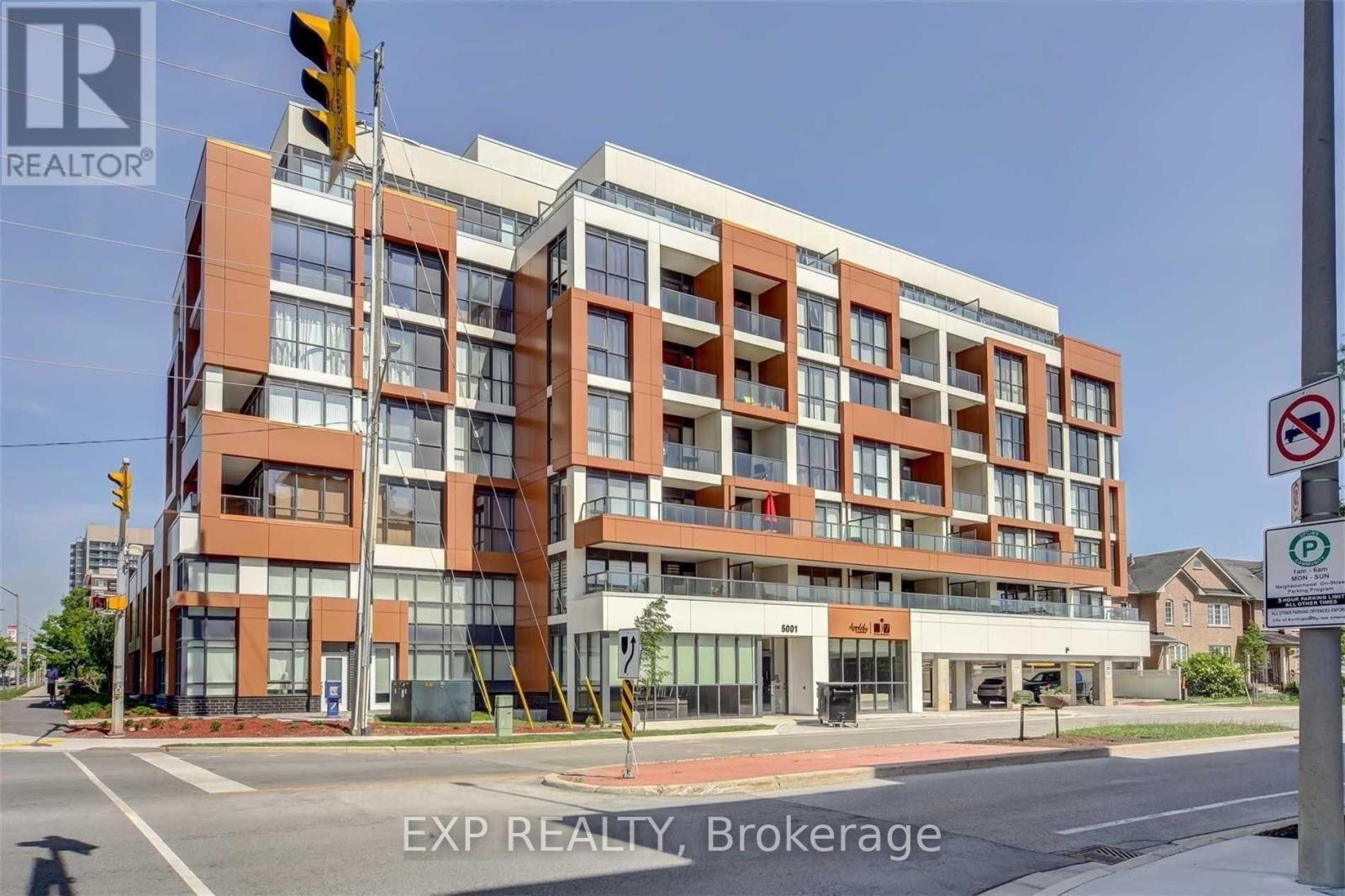 For Rent
 For Sale
 For Rent
 For Sale