
Halton Hills is two small towns, Georgetown and Acton, and the escarpment countryside around them, about 63,000 people on the western edge of the GTA where the Credit River comes down off the Niagara Escarpment. Buyers come for a Georgetown house at about half the Toronto price with a GO station, a main street and the Bruce Trail at the edge of town, or for the hamlets and rural lots that cost more than Toronto because of what comes with them.
Halton Hills is the northern town of Halton Region, west of Brampton across Winston Churchill Boulevard, north of Milton, and south of Erin and Wellington County. Caledon is across the Credit River to the northeast and Highway 401 runs along its southern edge. The town takes in about 276 square kilometres; the 2021 census counted 62,951 people, up only three percent in five years, far slower than Brampton or Caledon. Most of them live in Georgetown, with about 44,000 people, and Acton, with about 9,400. Glen Williams, the hamlet on the Credit just north of Georgetown, has about 2,700, and Limehouse, Norval, Stewarttown, Terra Cotta, Ballinafad and Hornby are smaller again.
The town was formed in 1974 by joining the old towns of Georgetown and Acton with most of Esquesing Township, and the two towns have kept their own identities. George Kennedy built a sawmill on Silver Creek in the 1820s and gave the place its name, the Barber brothers bought his mills in 1837, and from 1854 Georgetown made paper. Acton, at Highway 7 and Regional Road 25, was Leathertown: the Beardmore tannery, the largest in Canada by the 1880s, ran from 1842 until 1986. The Niagara Escarpment cuts across the town from southwest to northeast, and most of the countryside outside the two towns is inside the provincial Greenbelt.
Halton Hills is older and more settled than its neighbours. The 2021 census put the median age at 42, older than Brampton, and about one resident in five was born outside Canada. The town’s own economic development office counts about 115 manufacturing companies.
A freehold house in Halton Hills costs a little over a quarter less than the Toronto average. Georgetown, which has more than half of everything for sale, prices at about half of Toronto, roughly the same as Brampton next door. The rural lots and Glen Williams price above the Toronto average, and Acton is the cheapest place in the town to buy a house. There are few condos, and nearly all of them are in Georgetown. Alongside this text are the town’s figures, live and refreshed daily.
Houses outnumber condominiums for sale in Halton Hills by about ten to one. Nearly all the condos are in Georgetown, with a handful in Acton, and a two-bedroom condo in Georgetown costs about two-thirds of a three-bedroom house.
The four-bedroom detached is the most common house for sale, then the three-bedroom, then the five-bedroom. A four-bedroom costs about half again what a three-bedroom does, and a five-bedroom about 60 percent more, because the larger houses here sit on larger lots and a good share of them are rural.
Georgetown’s oldest streets, around Main and Mill downtown, have the Victorian and Edwardian houses of the paper-mill town. Delrex, east of downtown, was built in the 1950s, and its bungalows and side-splits on wide lots are still the entry point to a Georgetown detached. Moore Park followed in the 1960s. Georgetown South, the farmland south of Silver Creek, has been building since 1989 and is the big supply of 1990s to 2010s two-storeys with double garages, the kind of house a Brampton or Mississauga family comes here for.
Acton is a smaller version: an old main street along Mill Street, postwar bungalows around it, and 1990s and 2000s subdivisions on its edges, at the lowest prices in the town. Glen Williams is a hamlet of century houses and artists’ studios on the Credit with estate homes on the hills around it, and it prices above Toronto’s freehold average.
The rural lots, listed as Rural Halton Hills and Rural Esquesing, are farmhouses, estate properties and country bungalows on the concession roads and sideroads across the escarpment. Rural Halton Hills prices above the Toronto freehold average and Rural Esquesing a little below it, because you’re buying acres and a view as much as a house. Most have a well and a septic system rather than town services.
Renting is a small market: a few dozen houses at any time, mostly in Georgetown, and almost no condos. If you want a year in the town before you buy, start looking early.
Georgetown moves with Brampton and Mississauga. The buyers are the same families coming west for more house, the interest rates are the same, and a Georgetown house costs about what a Brampton house does today. If Georgetown starts to cost noticeably more than Brampton, the premium is for the smaller town, the older main street and the escarpment, and you should decide whether that’s worth it to you.
The freehold market runs on the school year. Georgetown South and Delrex list from late winter into June and again in September and October, and the market thins out through the summer holidays and the weeks around Christmas and New Year. A buyer in late July or January sees fewer houses and has more room to negotiate.
The rural market is slower and priced on land. A house on five acres off Fallbrook Trail has a small pool of buyers, it shows best from May to October, and an overpriced rural listing can sit for a season. Glen Williams is its own small market: few houses come up, the ones that do are often century homes with ravine lots, and they go to buyers who have been waiting for that hamlet specifically.
Halton Hills has grown far more slowly than Brampton or Caledon, and the town’s new Official Plan is being written for roughly double today’s population by 2051. None of it has a price effect you can measure yet, so don’t pay for it.
A good share of Halton Hills’ buyers already live here; others come from Brampton and Mississauga. Children who grew up in Delrex buy in Georgetown South. A Mississauga family that has outgrown a Meadowvale townhouse buys a Georgetown South detached for the same money as a Brampton one and gets a smaller town for it. Fewer buyers come from Toronto, and those who do want one of two things: the house with a yard at half the price and a GO station in walking distance, or the escarpment itself, in a hamlet or on a rural lot.
The trade is distance. Georgetown GO to Union is about 50 minutes, and the trains are peak-heavy; Acton is just over an hour with fewer trains. Many households run two cars, and a job in Toronto means either the train every day or a long drive down the 401 through Mississauga. Jobs closer to home are in Milton and Brampton, at Pearson, and in Halton Hills’ own plants: Mold-Masters, Saputo and CPI Canada in Georgetown, the Premier Gateway employment lands along the 401, and the roughly 115 manufacturers the town counts. The Canadian headquarters of Jehovah’s Witnesses is in Georgetown.
The town’s character is what people say they move for. Georgetown has a downtown Main Street with independent shops, the Halton Hills Cultural Centre and gallery in a former church, and the Hungry Hollow ravine running through the middle of town along Silver Creek. Acton has Fairy Lake and its fall fair. Glen Williams has the Williams Mill arts centre. Those things are small, and they are the point.
This site has pages for Georgetown and Glen Williams. Acton and the rural lots have no page yet, and their listings show in the town search.
Georgetown is the town’s main community and has more than half of everything for sale in Halton Hills, at a price about half of Toronto’s and close to Brampton’s. It runs from the Victorian downtown around Main and Mill streets, with the 1858 GO station and the Credit River valley at Cedarvale Park, east through Delrex’s 1950s bungalows and Moore Park’s 1960s streets, and south across Silver Creek into Georgetown South, where the 1990s to 2010s subdivisions hold most of the four-bedroom houses. Georgetown District High School and Christ the King Catholic Secondary are both here, and the Georgetown Marketplace mall and Toronto Premium Outlets at the 401 are its shopping.
Glen Williams is the hamlet on the Credit River just north of Georgetown, founded by the Williams family around their mills in 1825. Its core is a few streets of century houses, the Williams Mill Visual Arts Centre in the old mill, the 1870 town hall and the shop where Timothy Eaton first worked in retail; around it are estate homes on the river hills. Few houses come to market, and they price above the Toronto freehold average.
Acton, in the west of the town at Highway 7 and Regional Road 25, is the old leather town with Mill Street, Fairy Lake and Prospect Park at its centre, Acton District High School, a GO station with fewer trains than Georgetown, and the lowest house prices in Halton Hills. Rural Halton Hills and Rural Esquesing are the farmhouses, estate lots and country properties on the escarpment and the concession roads between the towns; the first prices above Toronto and the second a little below.
Both pages list the streets, the schools, the transit and the sale prices for the houses on them.
One GO line serves the town. The Kitchener line stops at Georgetown and Acton on its way from Kitchener to Union, and the service is built around the peaks. Georgetown has about ten trains in each direction on weekdays, concentrated in the morning and afternoon rushes, with a couple of midday trains in each direction that run the whole Kitchener route. The ride from Georgetown to Union takes about 50 minutes. Acton has fewer trains and the ride is just over an hour.
Since November 2025, two trains in each direction on Saturdays and Sundays run the whole route to Acton, Guelph and Kitchener. Via Rail’s Toronto to Sarnia trains also stop at Georgetown twice a day each way.
The reason the service is thin is the track. CN owns the line from Bramalea west through Georgetown and runs freight on it, so GO’s trains fit around the freight. In October 2025 Metrolinx and CN agreed on 40 kilometres of new dedicated GO track west of Georgetown toward Kitchener, which is what two-way all-day service to Georgetown and Acton depends on. There is no date. If you’re buying in Georgetown for the train, plan around the peak-hour service that exists, and if you have irregular hours, measure the drive to Mount Pleasant GO in Brampton, where trains run hourly all day.
For drivers, the 401 runs along the south of the town with interchanges at Trafalgar Road, Regional Road 25 and Winston Churchill, and the 407 toll road crosses the 401 at the town’s southeast corner. Highway 7 runs through Georgetown and Acton toward Guelph, and Trafalgar Road and Regional Road 25 connect the towns to the 401. The drive from Georgetown to downtown Toronto is the 401 through Mississauga, and the 401 west of the 407 is the slow stretch most mornings. Highway 413 will start at the 401 and 407 interchange in Halton Hills and run northeast across Brampton and Caledon to the 400; construction began in August 2025, with no opening year.
Inside the town, Halton Hills runs ActiVan for riders with disabilities and a small local bus, and the two towns are small enough to walk or cycle across. Georgetown South is a drive or a bus from the station.
The Niagara Escarpment runs diagonally across Halton Hills, and three Credit Valley Conservation areas sit on it. Terra Cotta Conservation Area, 485 acres on Winston Churchill Boulevard at the Caledon line, has about 13 kilometres of trails, a sugar bush, Wolf Lake and a restored wetland with a boardwalk, and the main Bruce Trail runs through it. Silver Creek Conservation Area, 1,086 acres off Fallbrook Trail north of Georgetown, holds the headwaters of Silver Creek in a large escarpment valley, with eight trails, among them an 8.5-kilometre stretch of the Bruce Trail with long, steep climbs; entry is free and parking is at the roadside. Limehouse Conservation Area on Fifth Line has the restored 1870s lime kilns and powder house of the village’s old industry, the Hole in the Wall crevice you climb through on a ladder, and the Bruce Trail and the Radial Rail Trail.
The Credit River runs through Glen Williams and the east side of Georgetown, and Silver Creek, its tributary, cuts the Hungry Hollow ravine through the middle of Georgetown, with trails along it. Cedarvale Park on the river below downtown was the Cedarvale Farm, where Armenian orphans, the Georgetown Boys, were settled and trained in the 1920s.
In Acton, Fairy Lake and Prospect Park are the centre of town, with the fall fair in September and a walk around the lake. The town counts more than 30 kilometres of its own trails, connecting to the Bruce Trail and to Credit Valley Conservation and Conservation Halton lands.
Away from the parks, the countryside is the attraction. The rural roads north of Georgetown climb the escarpment to Ballinafad and the Erin border, and some rural properties back onto Bruce Trail land or a conservation area.
Georgetown’s downtown Main Street and Mill Street have the independent shops and restaurants, and the Georgetown Marketplace is the town’s mall, with about 63 stores. Toronto Premium Outlets at Steeles and Trafalgar, beside the 401, opened in August 2013 as the first Premium Outlets centre in Canada and grew to about 800,000 square feet with its 2018 expansion. Acton’s Mill Street has the shops of a small town; the Olde Hide House, the leather store in the old Beardmore warehouse that had been Acton’s landmark since 1980, closed in late 2024. For a big grocery run or anything the two main streets don’t carry, people drive to Milton, Brampton or Mississauga.
Georgetown Hospital is a 53-bed community hospital run by Halton Healthcare, with an emergency department, general surgery and outpatient clinics, open since 1961. For anything more serious, the hospitals are Milton District and Oakville Trafalgar, also run by Halton Healthcare, and Brampton Civic to the east.
Work is more local than in most GTA towns. Georgetown’s industries include Mold-Masters, the injection-moulding equipment maker, Saputo’s dairy plant, CPI Canada and Eastwood Guitars, and the Canadian headquarters of Jehovah’s Witnesses. The town’s economic development office counts about 115 manufacturers and names advanced manufacturing, food and beverage, clean technology and agri-business as its sectors. The Premier Gateway employment lands north of the 401 between Sixth Line and Winston Churchill are where the town directs large employers. Its newest phase, Premier Gateway Phase 3 West, is a 272-hectare area whose secondary plan runs from fall 2026 to late 2028. Beyond the town, Milton’s warehouses, Brampton, Pearson and Guelph are all a drive away rather than a train ride.
Halton Hills is served by the Halton District School Board on the English public side and the Halton Catholic District School Board on the English Catholic side.
There are three high schools. Georgetown District High School is the public high school for Georgetown and the surrounding countryside. Acton District High School serves Acton and the west, and takes students from grade 7, so it runs as a combined middle and high school. Christ the King Catholic Secondary in Georgetown is the Catholic high school for the whole town. With only three, the choice of high school is made by where you buy and which board you choose, not by picking a program, and students in the rural north bus to Georgetown or Acton.
Elementary schools sit in each Georgetown neighbourhood, in Acton and in Glen Williams. The board draws the boundaries, and in Georgetown South new schools opened as the subdivision filled in. Both boards publish an address lookup. Test the school named in the listing against the board’s map before offering, and for a rural address ask about the bus.
There is no college or university in Halton Hills. Sheridan College’s Davis campus in Brampton, with about 8,900 full-time students, is the nearest, and the University of Guelph is west along Highway 7 from Acton.
Halton Hills is at the start of a growth cycle rather than in the middle of one. The town is writing a new Official Plan, its first since the 2006 plan approved in 2008, around a target of 132,000 people and 65,000 jobs by 2051, roughly double today’s population and more than double today’s jobs. The terms of reference went to council in 2024, and the plan will say where the houses go. Georgetown South has taken the town’s growth since 1989, and the lands between it and the 401 are the ones to watch.
The Premier Gateway employment lands along the 401 are the jobs side of it. Phase 3 West, 272 hectares between Sixth Line and Eighth Line, begins its secondary plan in fall 2026 and finishes it in late 2028; the earlier phases between the 401, Steeles and Winston Churchill are already planned and building out. Highway 413 begins at the 401 and 407 interchange in the town’s corner and has been under construction since August 2025.
In Acton, the town started a secondary plan in August 2026 for the 52-hectare area around the GO station along Mill Street, the Acton Downtown Major Transit Station Area, with a public meeting planned for fall 2026. The point of it is to allow apartments and townhouses near the station in a town that has almost none, and a density target the Region sets will decide how many.
On the train, Metrolinx and CN’s October 2025 agreement to build dedicated GO track west of Georgetown is the project that would turn Georgetown and Acton into all-day stations. It has no construction date. If you want to be in before any of it is built, look at Georgetown South and Acton; the hamlets and the rural north are planned to stay as they are.
Is Halton Hills cheaper than Toronto?
For a house in Georgetown or Acton, yes, by about half; for a hamlet or a rural property, no. A freehold house in Halton Hills costs a little over a quarter less than the Toronto average, but Georgetown, which is more than half of the market, prices at about half of Toronto and about the same as Brampton, and Acton is cheaper again, the lowest house prices in the town. What you get for that is a four-bedroom detached in Georgetown South with a garage and a yard, or a 1950s Delrex bungalow on a wide lot, within a drive of a GO station and a real main street. The hamlets and the rural lots run the other way. Glen Williams and Rural Halton Hills price above the Toronto freehold average, and Rural Esquesing sits just under it, because a century house on the Credit or ten acres on the escarpment with Bruce Trail access has no Toronto equivalent. Condos are few and cheap compared with Toronto, but there are only a couple of dozen for sale at any time. The costs that offset the saving are the same ones every outer suburb carries: two cars, a longer commute, and, on rural properties, a well and septic system to maintain. Halton Hills’ council capped the town’s share of the 2026 tax increase at 3.5 percent and projected a blended increase of about five percent once the Region, the police and the school boards were counted, which is higher than Brampton’s 4.31 percent for the same year. Live figures for Halton Hills and for Georgetown and Glen Williams refresh daily on their pages.
How long is the commute from Halton Hills to downtown Toronto?
About 50 minutes by train from Georgetown GO to Union, and just over an hour from Acton, on a Kitchener line that runs mostly at peak hours. Georgetown gets around ten trains in each direction on weekdays, most of them in the morning and afternoon rushes, plus a couple of midday trains that run the whole route from Kitchener; Acton gets fewer. Weekend trains arrived in November 2025, two in each direction running the whole route to Acton, Guelph and Kitchener. The constraint is CN, which owns the track from Bramalea west and runs freight on it. Metrolinx and CN agreed in October 2025 to build 40 kilometres of separate GO track west of Georgetown, the project that would allow all-day two-way trains, and there is no date. For anyone whose hours don’t fit the peaks, the practical answer is to drive east to Mount Pleasant GO in Brampton, where trains run hourly all day both ways and the ride to Union is about 50 minutes, or to Bramalea, where they run every 30 minutes and the ride is under 40. If you drive all the way, it’s Trafalgar or Winston Churchill to the 401 and then the 401 and the Gardiner through Mississauga and Etobicoke, and the 401 west of the 407 is the slow part on a weekday morning. Via Rail stops at Georgetown twice a day each way on the Toronto to Sarnia run, which is useful for an occasional trip but not a commute. Count on the train for a nine-to-five downtown job, and look at the streets near the station if you want to walk to it.
Which parts of Halton Hills are best for families?
Georgetown South, Delrex and Acton, in that order of supply, and the choice between them is budget and how new a house you want. Georgetown South, the subdivisions south of Silver Creek built from 1989 onward, has the largest number of four-bedroom detached houses in the town, the Gellert Community Centre with its pool, and several elementary schools built as the area grew, at about the Brampton price for the same house. Delrex, the 1950s subdivision east of downtown, has bungalows and side-splits on wide lots at the lowest Georgetown prices, near Georgetown District High School, the GO station and the downtown, and it is where a family on a tighter budget gets a detached house and a yard. Acton is the cheapest option in the town, a small town of its own with Acton District High School, Fairy Lake and a GO station with a few trains a day, and it suits a family that doesn’t need Union every day. Glen Williams and the rural north are for families who want land and are happy to drive to everything; the price is above Toronto’s and the school bus is part of life. School boundaries follow the board’s lines, not the neighbourhood names, and they moved in Georgetown South as it filled in. Both boards publish an address lookup, so check the house, not the area. The Bruce Trail, the conservation areas and the Credit are a short drive from anywhere in the town, and that is a large part of why families come.
Is Halton Hills going to grow, and what does that mean if I buy now?
Yes, and faster than it has in decades, which matters most if you buy in Georgetown’s south end or near the 401. Halton Hills grew only three percent between the 2016 and 2021 censuses, and it is now writing a new Official Plan around a target of 132,000 people and 65,000 jobs by 2051, roughly double today’s population. The jobs side of it is already drawn: the Premier Gateway employment lands along the 401, whose newest 272-hectare phase starts its secondary plan in fall 2026. The housing side will be decided by the new plan, and Georgetown’s south end, which has taken the growth since 1989, is the place to watch. Highway 413 begins at the 401 and 407 interchange in the town and has been under construction since August 2025. In Acton, a secondary plan started in August 2026 for the 52 hectares around the GO station will allow apartments and townhouses where there are almost none today. A house in Georgetown South will have new subdivisions, schools and roads building around it for a decade, with the construction traffic that comes with that and, eventually, more shops and services. A rural property between Georgetown and the 401 should be checked against the plans before you buy, because the view across the road may be a future subdivision. And the hamlets and the escarpment north of the towns are inside the Greenbelt and the Niagara Escarpment plan, where none of this growth is allowed, so a house in Glen Williams or on a rural lot north of Georgetown is buying into a landscape that is planned to stay as it is. None of the growth has a firm date, and none of it is priced in yet, so pay for the house, not the plan.
Georgetown’s trains are built around the rush hour because CN owns the track and runs freight on it, so a Toronto agent who assumes a GO station means all-day service will get the commute wrong. They won’t know that a Georgetown house costs about what a Brampton one does, so the premium you’re weighing is for the main street and the escarpment, or that Glen Williams houses come up rarely and go to buyers who have waited for that hamlet.
The agent we refer Halton Hills buyers to works both towns and the hamlet. Tell them you need a four-bedroom in Georgetown South near a particular school, or a century house in Glen Williams outside the Credit’s flood plain, and they’ll tell you how often one comes up and what the last one sold for. For a rural lot off Fallbrook Trail they’ll check what the Niagara Escarpment Commission allows before you make an offer.
Start with the Georgetown and Glen Williams pages above. Then reach us through the contact page and we’ll arrange the introduction.
Street-level knowledge is hard to find online. Our team works in Halton Hills every day. They know which pockets hold value, where the school catchment lines actually fall, and what the market is doing right now. Talk to us before you make a decision about Halton Hills.
Talk to a local agent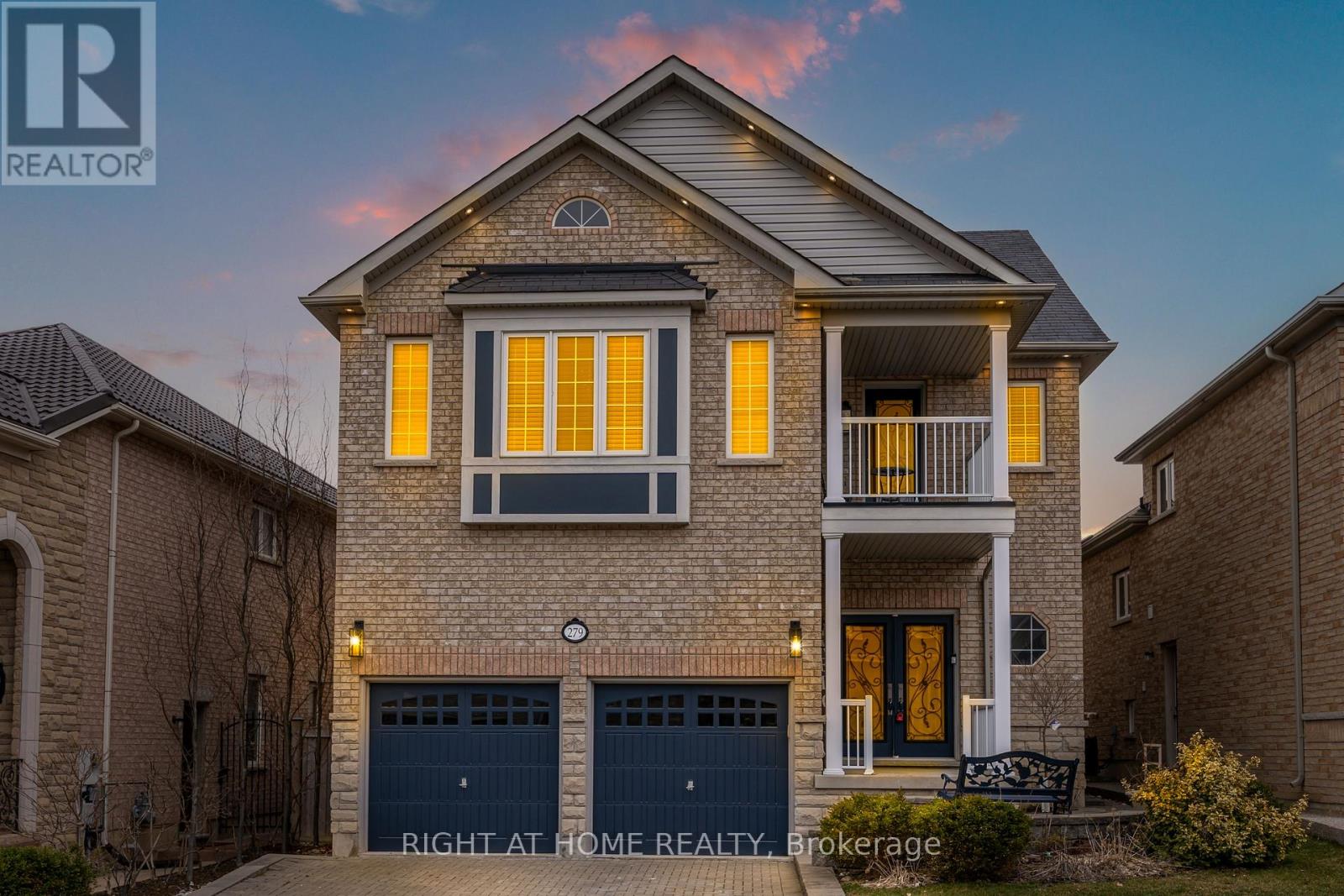 For Sale
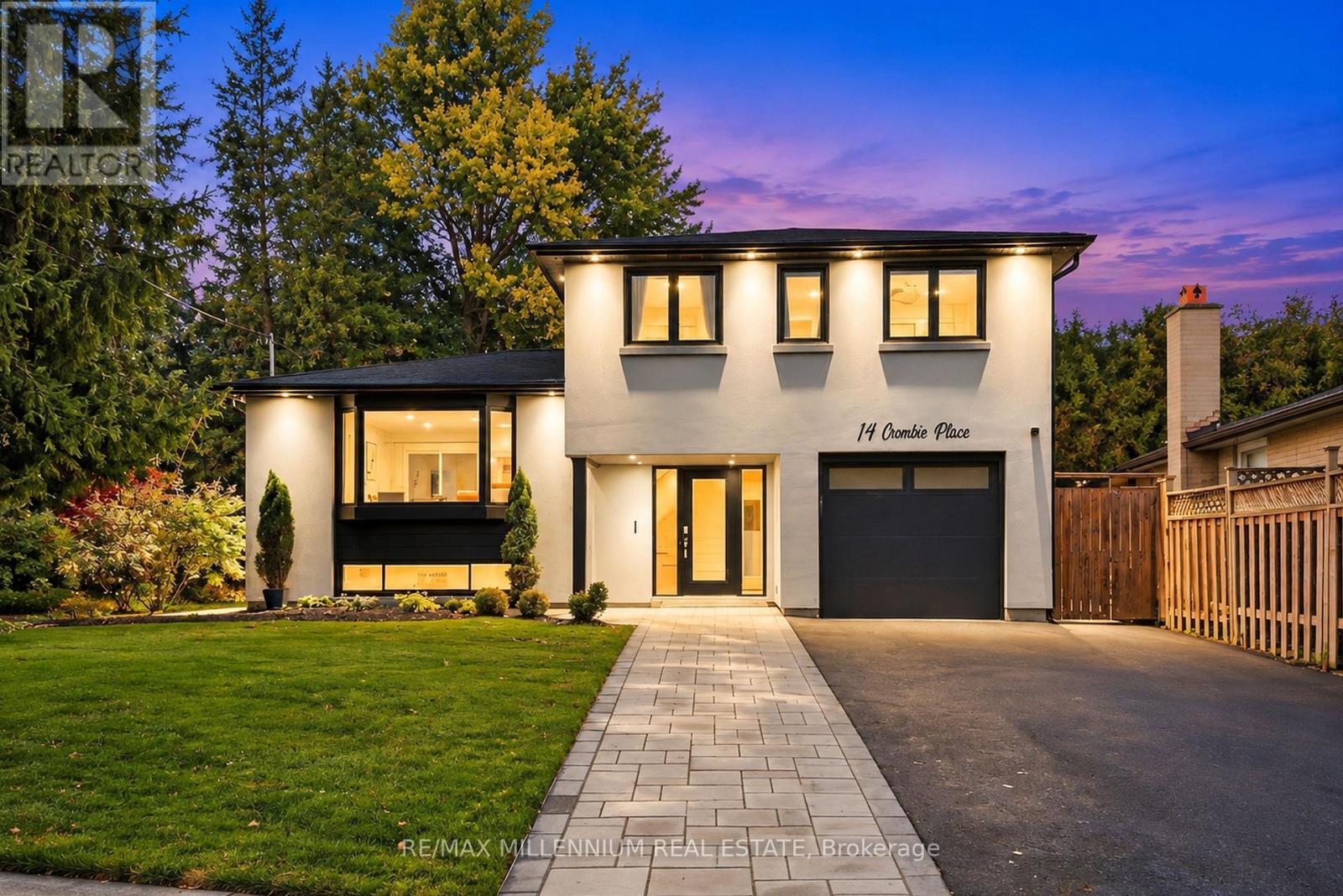 For Sale
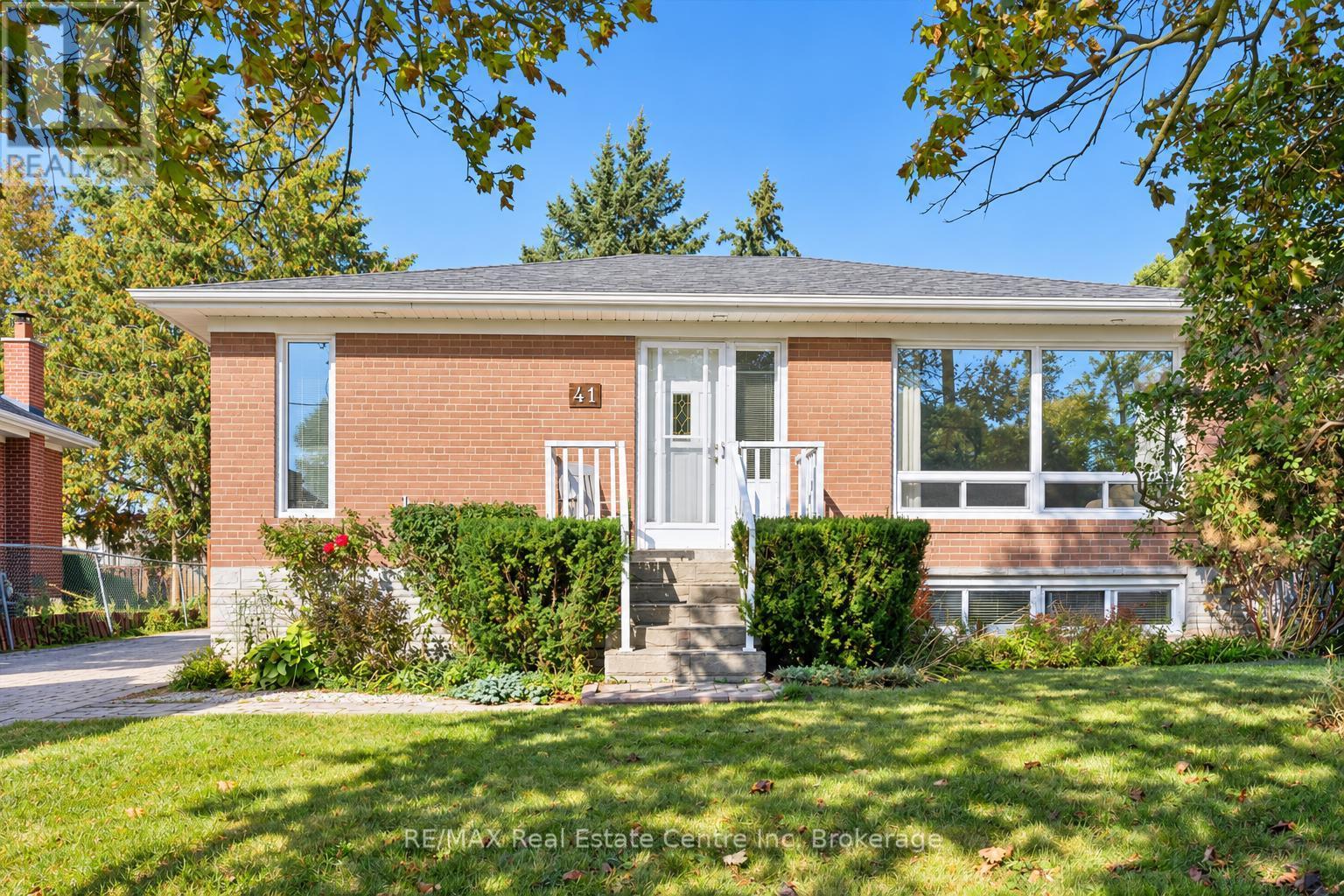 For Sale
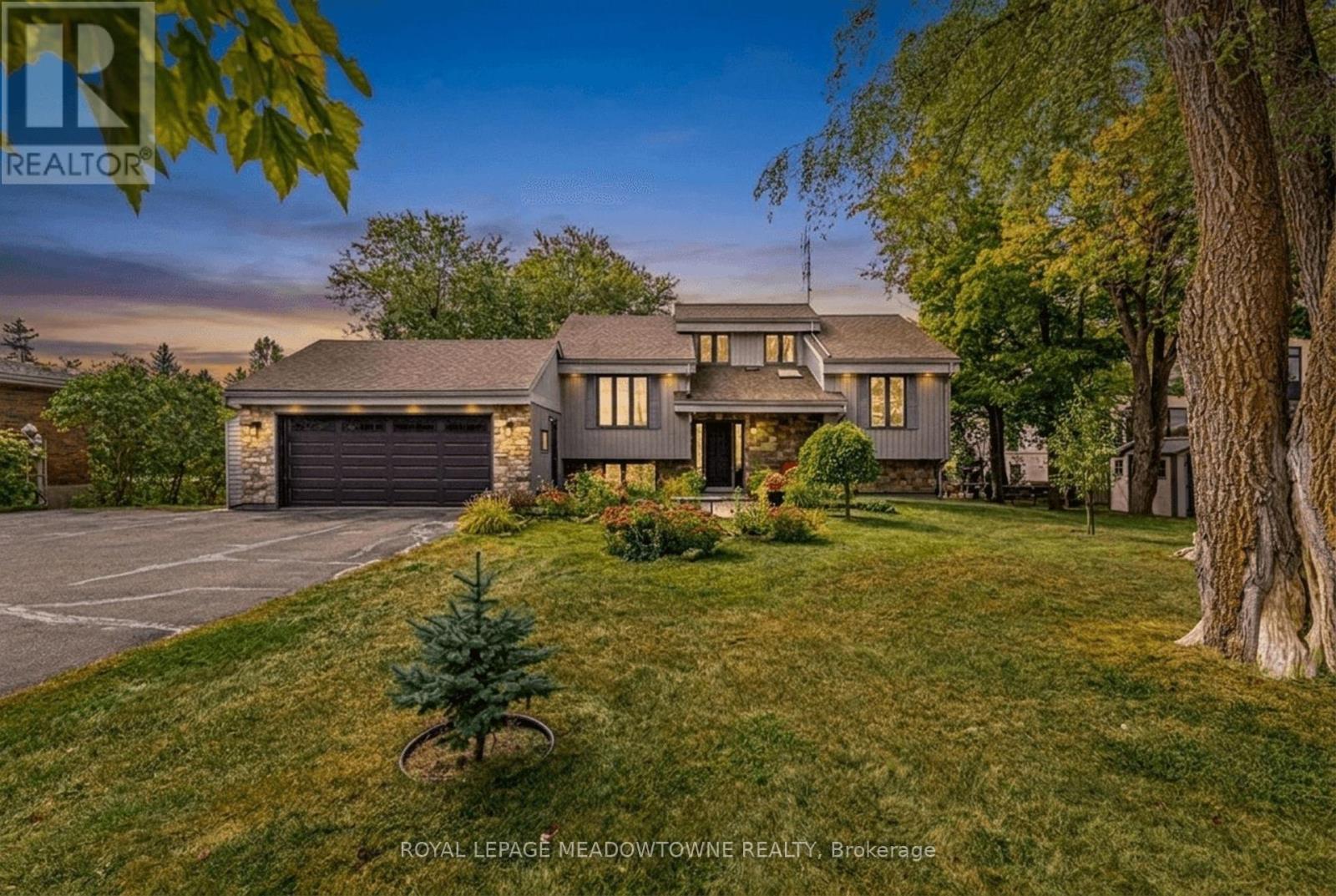 For Sale